

Orange Birds are some of the most eye-catching creatures in nature, known for their glowing feathers and unique patterns. Across the USA, birdwatchers often search for colorful bird species that brighten forests, gardens, and wetlands. These birds come in many forms, from small hummingbirds to larger orioles, each showing different shades of orange.
Their beauty is not just for display, it also plays a role in mating and survival. Many species fall under avian species that show seasonal changes in color. Whether you are spotting backyard visitors or rare forest birds, learning about orange plumage makes bird identification more exciting and meaningful for every nature lover.
Types of Orange Birds
Many kinds of Orange Birds live in North America. Some stay in forests while others visit backyards and parks. A few species migrate during winter while others remain all year long. Their bright colors help birdwatchers identify them quickly in the wild.
Orange birds vary in size, behavior, and habitat. Some eat insects while others enjoy fruits and nectar. These birds also play an important role in nature because they help spread seeds and control insect populations. Below are some of the most famous orange-colored birds in America.
American Robin
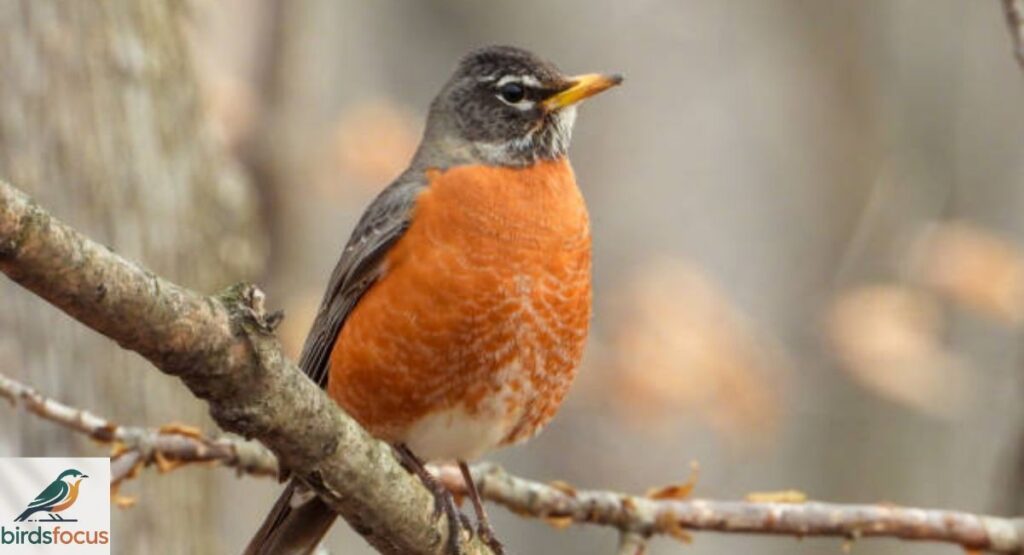
The American Robin is one of the easiest birds to recognize in the United States. It has a warm orange chest with gray-brown feathers on its back. This bird often appears in gardens after rainfall searching for worms. Many people consider robins a sign of spring because they return during warmer months.
Baltimore Oriole
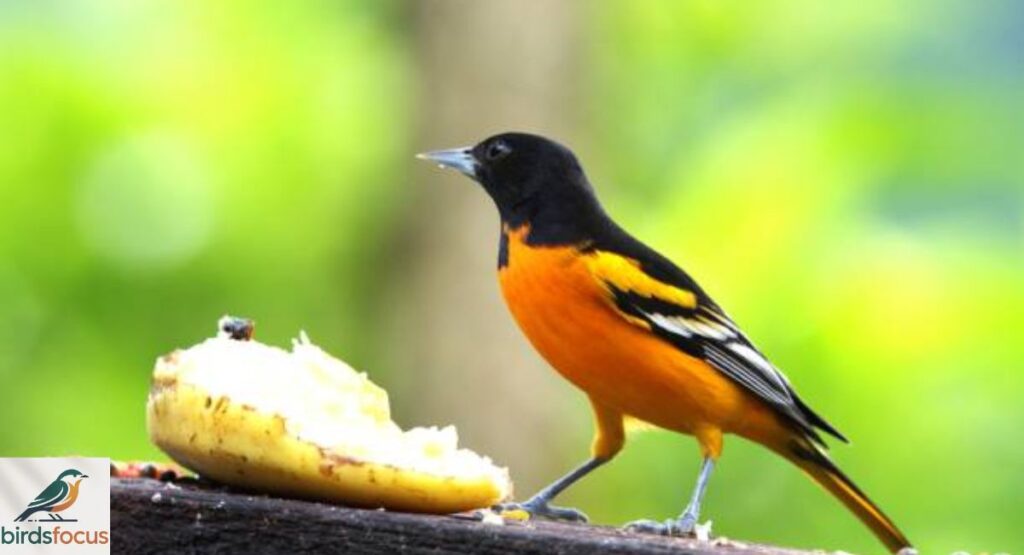
The Baltimore Oriole is famous for its bright orange body and black wings. It loves tall trees and sweet fruits like oranges and berries. Birdwatchers often attract this species using feeders filled with grape jelly. Its whistle-like song sounds cheerful during early mornings.
Scarlet Tanager
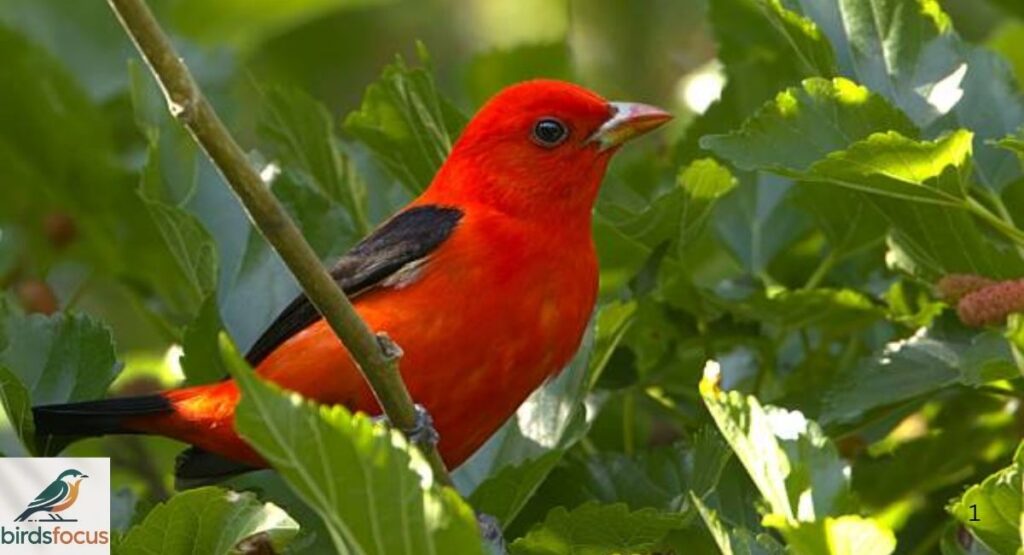
The Scarlet Tanager is a stunning forest bird with fiery orange-red feathers and dark black wings. Males become especially colorful during breeding season. These birds usually stay high in tree canopies which makes them harder to spot. Their sharp calls often reveal their location before their colors do.
Rufous Hummingbird
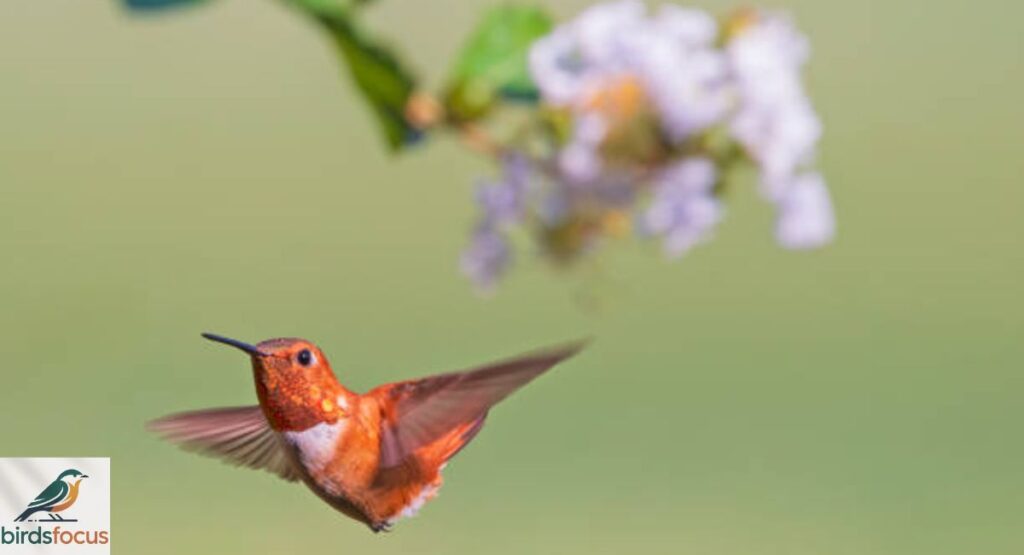
The Rufous Hummingbird is tiny yet extremely energetic. It flashes brilliant orange feathers while hovering near flowers. This species travels thousands of miles during migration which is impressive for such a small bird. It mainly feeds on nectar and tiny insects.
Blackburnian Warbler
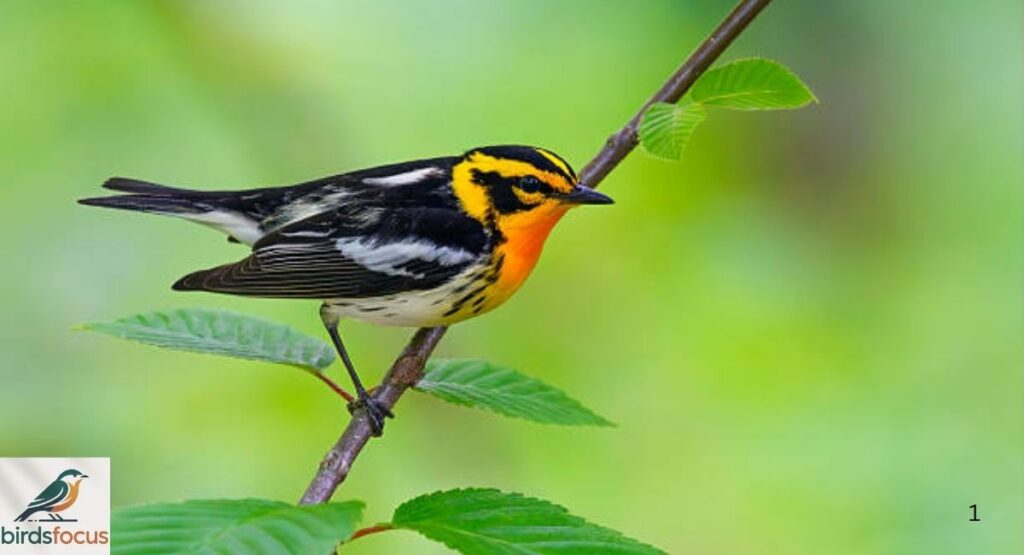
The Blackburnian Warbler has a glowing orange throat and black-striped wings. Birdwatchers love seeing this species during migration seasons. It usually lives in pine forests where it hunts insects among branches. Its bright face almost looks painted by hand.
Orange Fruit Dove
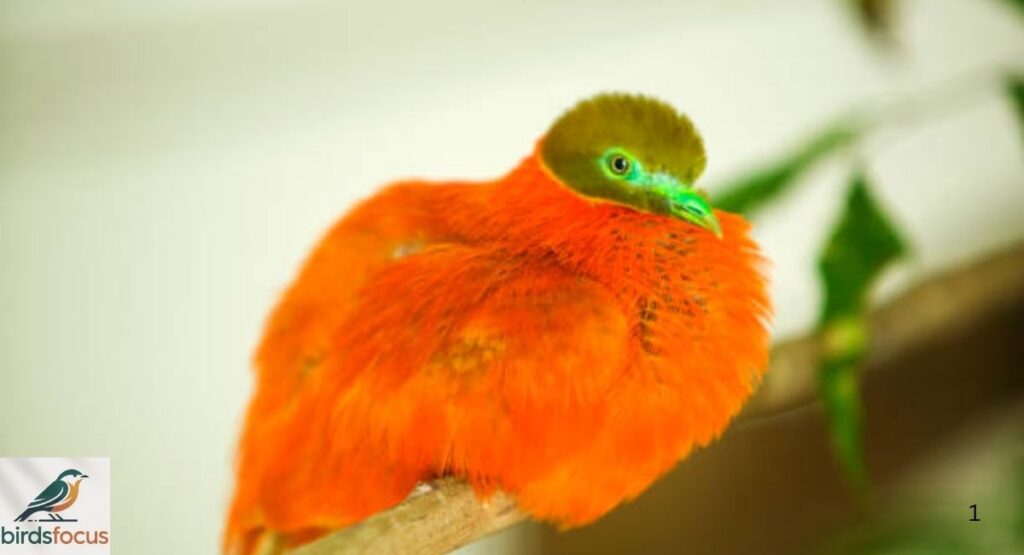
The Orange Fruit Dove is a rare tropical bird with soft orange feathers and a smooth rounded body. It mainly lives in island forests and feeds on fruits. Its bright color helps it stand out beautifully among green tropical trees.
Northern Red Bishop
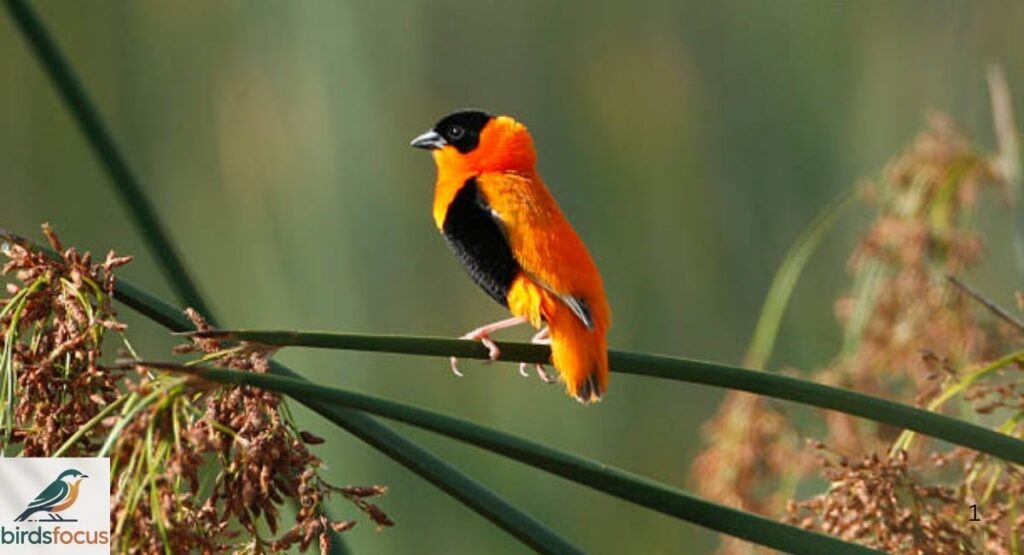
The Northern Red Bishop is a small colorful bird often seen in grassy wetlands. Males develop glowing orange-red feathers during breeding season to attract females. These birds usually move in groups while searching for seeds and insects.
Spot-breasted Oriole
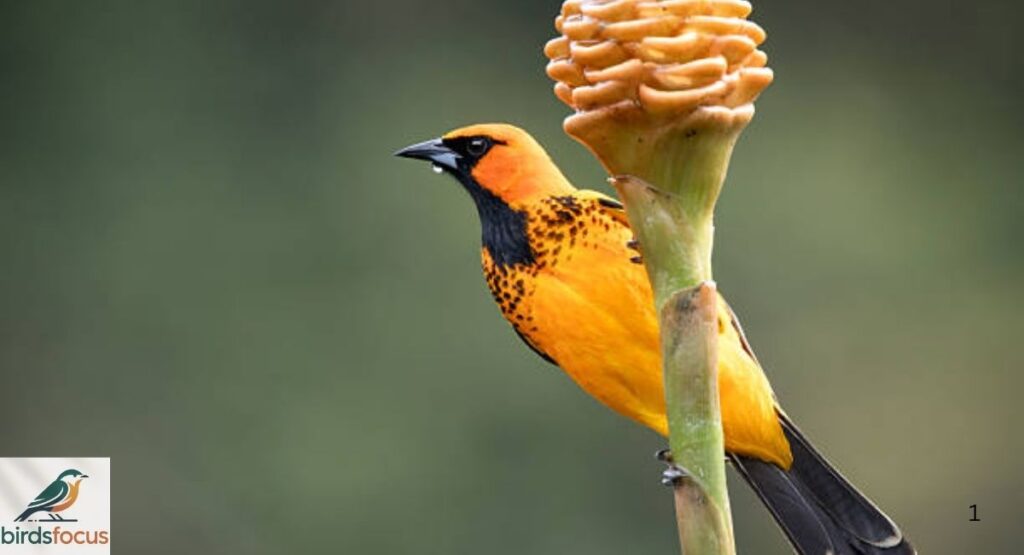
The Spot-breasted Oriole has a rich orange body with black markings and spotted patterns on its chest. It commonly lives in warm woodlands and suburban areas. This bird is known for its musical whistles and active personality.
Guianan Cock-of-the-Rock
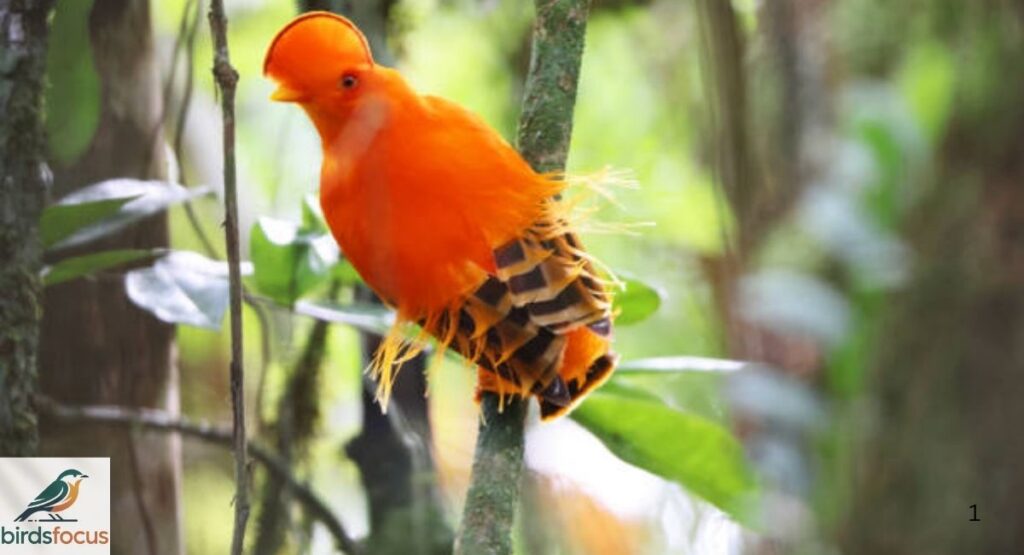
The Guianan Cock-of-the-Rock is one of the brightest full orange birds found in tropical rainforests. Males have vivid orange feathers covering almost their entire body along with a large fan-shaped crest. These birds gather in groups during mating displays, creating a spectacular scene inside dense jungle habitats.
Orange and Black Birds
Many bird species combine orange and black feathers. This color mix creates strong contrast and makes these birds easier to identify. Some scientists believe dark feathers help protect birds from sunlight while orange shades attract mates.
Several orange and black bird species also use their colors to warn predators. Bright patterns can confuse enemies or signal strength. These birds often become favorites among photographers because they look dramatic against natural backgrounds.
Bullock’s Oriole
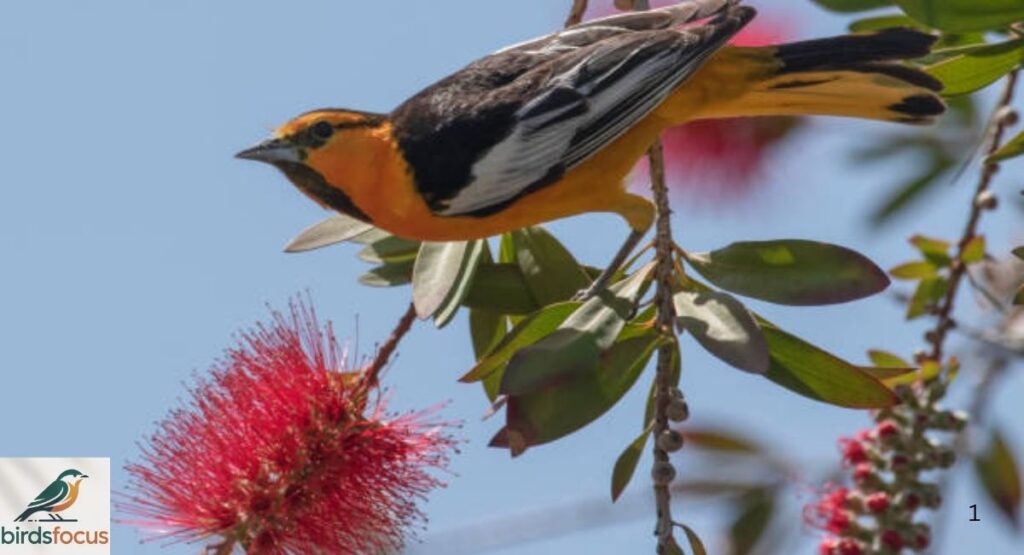
Bullock’s Oriole has orange underparts and bold black wings. It builds hanging nests in tall trees near rivers and open woodlands. This bird enjoys fruits, nectar, and insects. Its sharp whistles echo beautifully during sunrise.
American Redstart
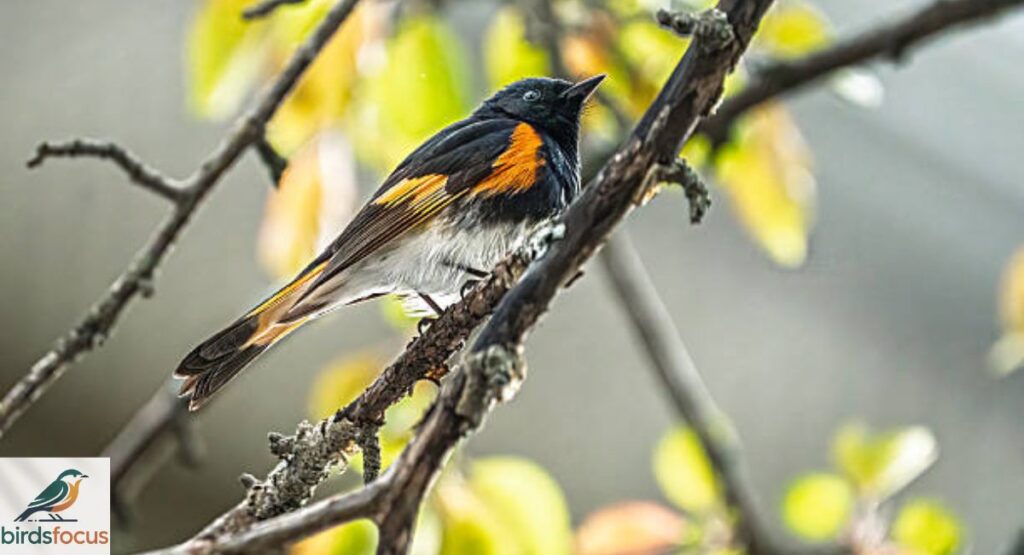
The American Redstart is a lively bird with black feathers and bright orange patches on its sides and wings. It constantly fans its tail while hunting insects. This energetic behavior helps birdwatchers recognize it quickly in forests.
Western Tanager
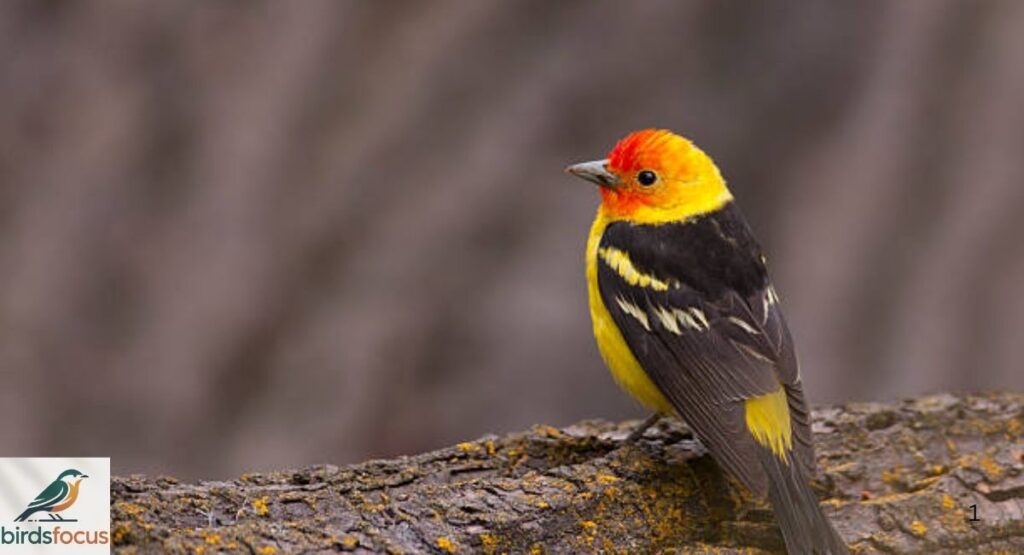
The Western Tanager displays yellow-orange feathers with black wings. Males become brighter during breeding season. These birds prefer mountain forests and wooded parks. Their calm song sounds soft compared to many other songbirds.
Black-headed Grosbeak
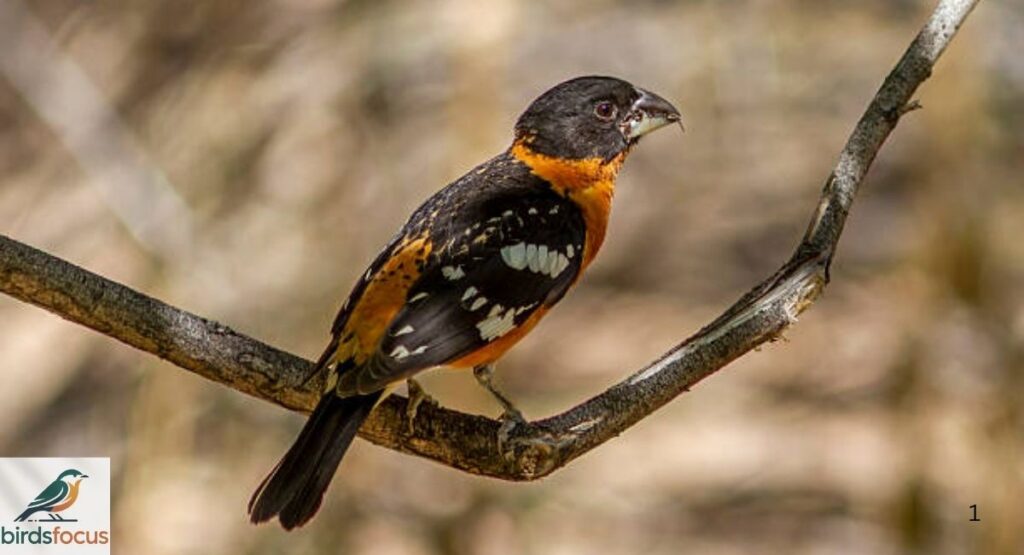
The Black-headed Grosbeak has orange-brown feathers with dark black markings on its wings and head. It has a thick beak perfect for cracking seeds. This bird also eats berries and insects during summer months.
Blue Bird With Orange Chest
A blue bird with orange chest creates one of the prettiest color combinations in nature. Blue feathers mixed with orange shades make these birds stand out beautifully in open fields and gardens. Many species with this pattern belong to the bluebird family.
These birds often live near grasslands, fences, and orchards. Their soft songs and peaceful behavior make them popular among birdwatchers. Many homeowners place nest boxes outside to attract these colorful visitors.
Eastern Bluebird
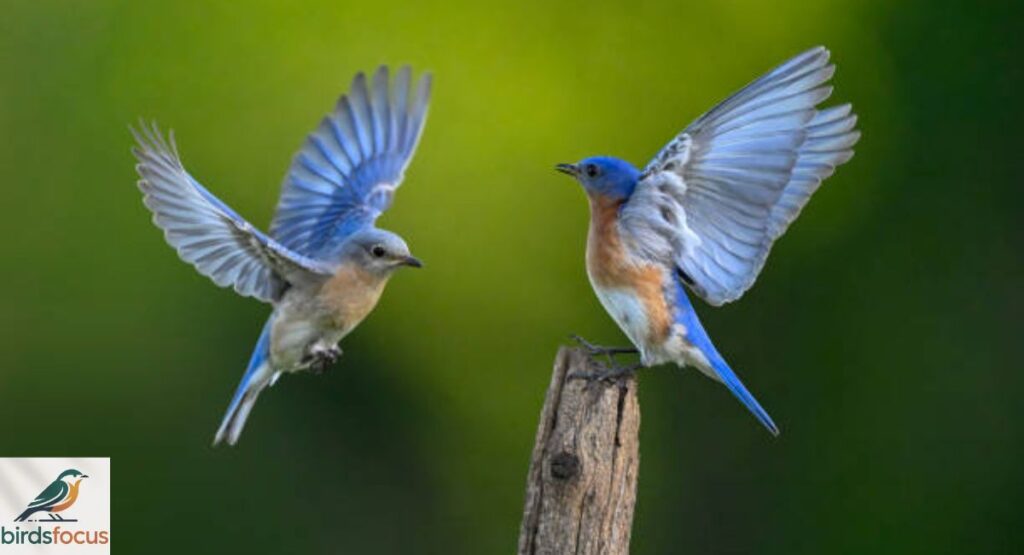
The Eastern Bluebird has a bright blue back and rusty orange chest. It often sits on fences watching for insects below. This species prefers open spaces with scattered trees. Many Americans consider it a symbol of happiness and hope.
Western Bluebird
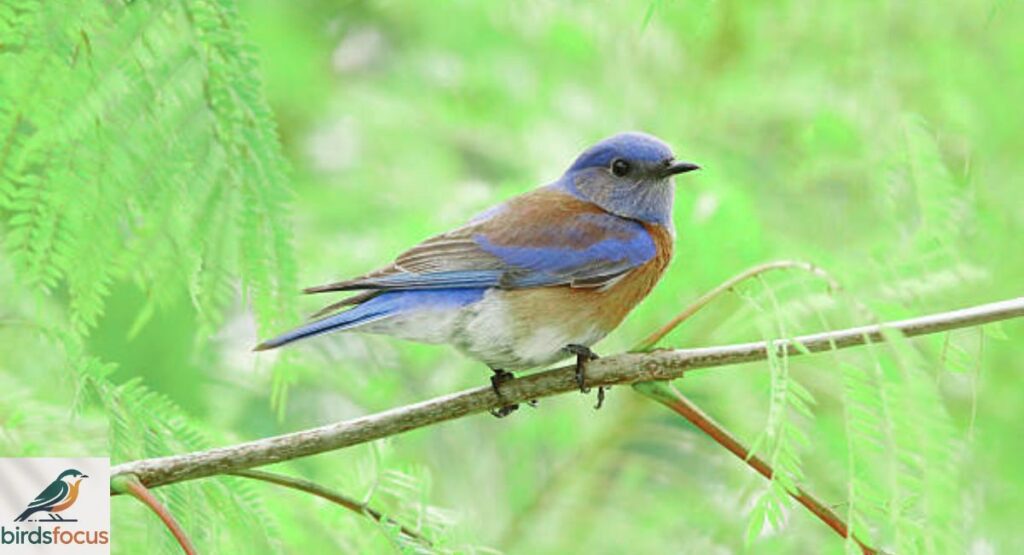
The Western Bluebird looks similar to the Eastern Bluebird but usually shows deeper blue shades. It lives mostly in western states and mountain woodlands. These birds enjoy insects, berries, and small fruits throughout the year.
Barn Swallow
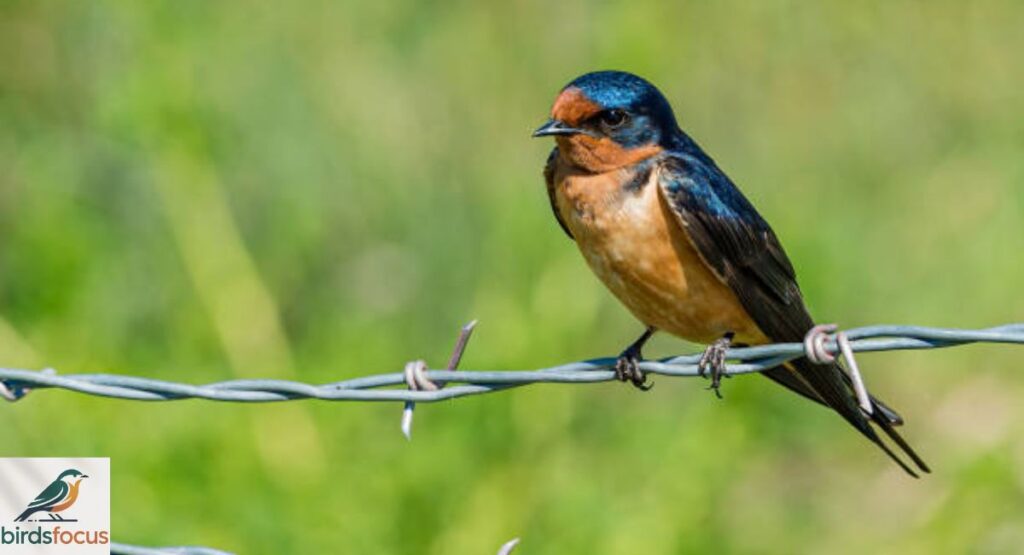
The Barn Swallow has dark blue feathers with a warm orange chest and throat. It flies quickly through the air catching insects mid-flight. Farmers often welcome these birds because they help reduce insect populations naturally.
Disney Orange Bird
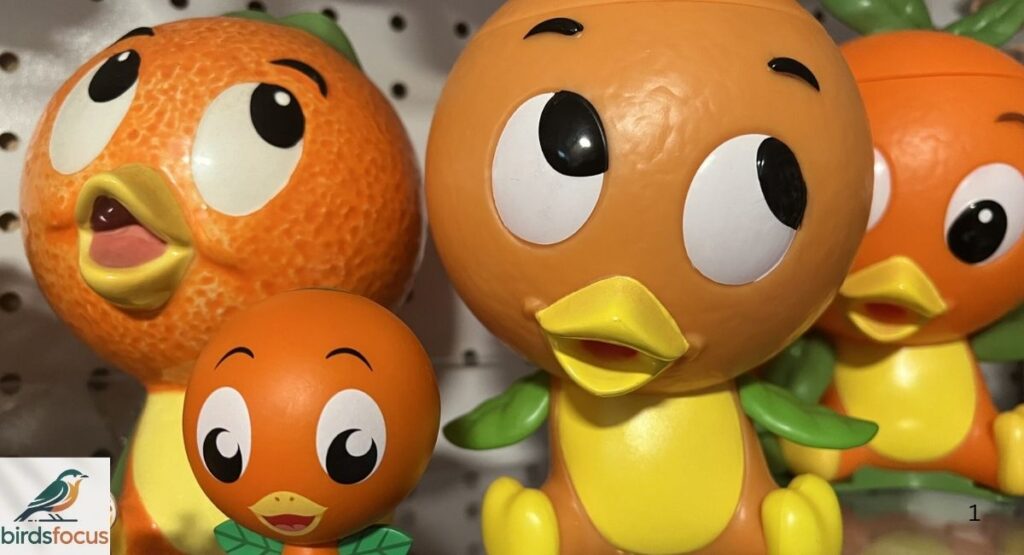
The Disney Orange Bird is a famous cartoon character connected to Disney parks in Florida. The character first appeared during the 1970s as a
mascot promoting Florida oranges. Today, many Disney fans collect Orange Bird merchandise because of its nostalgic charm.
This cheerful bird character has a tiny orange-shaped body and leaves on top of its head. It became extremely popular again through social media and Disney collectibles. Visitors often buy shirts, mugs, and plush toys featuring this playful design.
Disney Orange Bird Merchandise
Disney stores sell many Orange Bird products including hats, pins, cups, and backpacks. Fans especially love limited-edition collectibles released during special events. Some rare items become highly valuable among Disney collectors.
Why Fans Love Disney Orange Bird
Many people enjoy the character because it feels cute, simple, and nostalgic. Older Disney fans remember seeing Orange Bird during childhood visits to theme parks. Younger fans enjoy its colorful appearance and cheerful personality.
Birds With Orange Patterns
Many birds display orange feathers only on certain body parts. Some have orange chests while others show orange wings, heads, or beaks. These patterns help birdwatchers identify species more accurately.
Bird patterns can also change during seasons. Males often appear brighter in spring while females stay duller for protection during nesting. Feather patterns act like natural fingerprints in the bird world.
Birds With Orange Chest
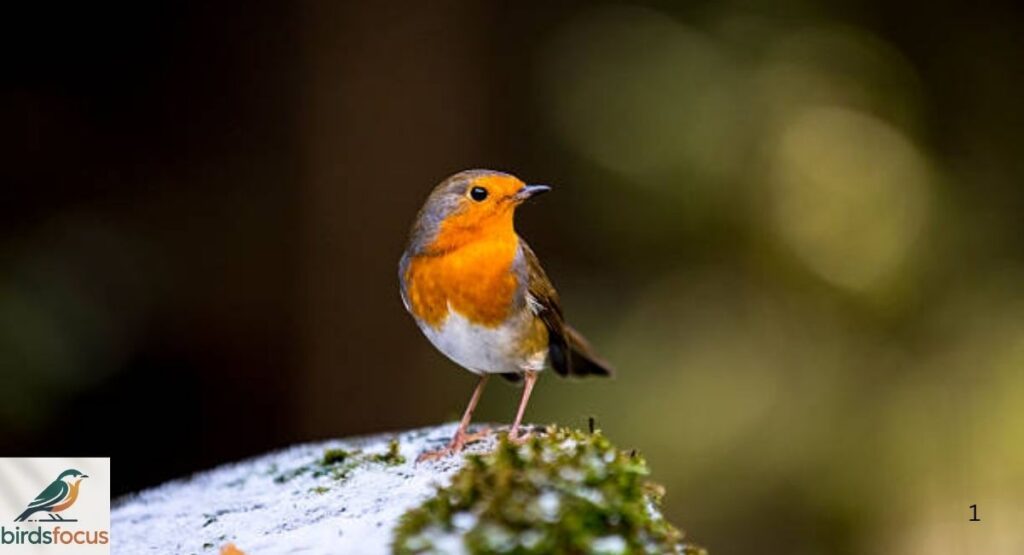
The American Robin, Eastern Bluebird, and Varied Thrush all have orange chests. These birds commonly appear in forests, parks, and suburban gardens. Their colorful breast feathers become especially bright during sunlight.
Birds With Orange Beaks
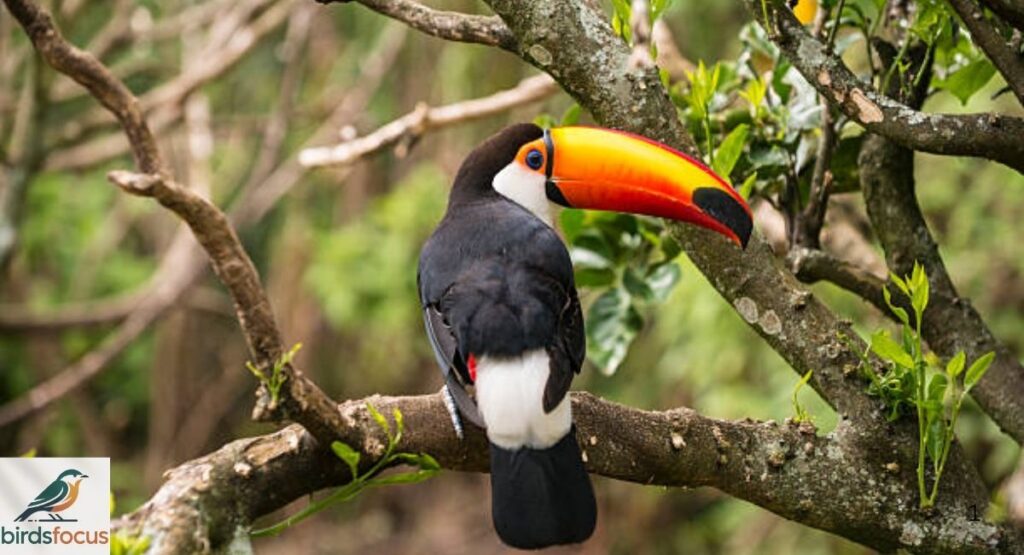
Some birds display bright orange beaks instead of orange feathers. Puffins and toucans are famous examples. Their colorful beaks help attract mates and sometimes even regulate body temperature.
Birds With Orange Heads
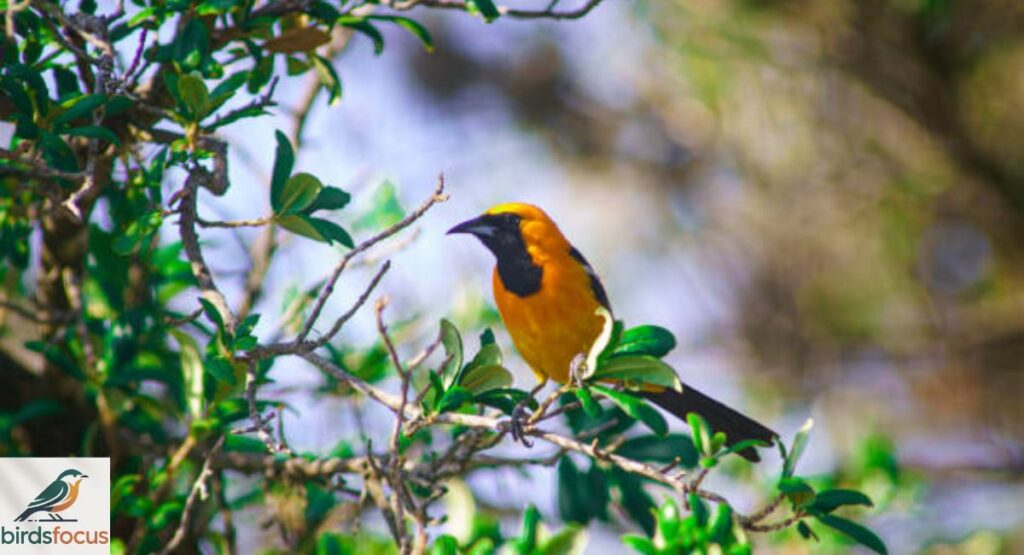
The Hooded Oriole and Flame-colored Tanager both have striking orange heads. These birds often live in warm climates with flowering trees. Their vivid colors help them stand out during mating season.
Habitat and Distribution of Orange Birds
Different Orange Birds live in different environments across America. Some prefer dense forests while others thrive near wetlands, deserts, or suburban neighborhoods. Habitat usually depends on food sources and nesting opportunities.
Migration also affects where these birds appear throughout the year. Some species travel from Canada to Central America during winter. Others remain in southern states year-round because warmer weather provides enough food.
| Bird Species | Common Habitat | USA Region |
| Baltimore Oriole | Forests and parks | Eastern USA |
| Western Bluebird | Open woodlands | Western USA |
| Scarlet Tanager | Deciduous forests | Eastern USA |
| Rufous Hummingbird | Mountain forests | Pacific Northwest |
Diet and Behavior
Most orange-colored birds eat insects, berries, nectar, seeds, or fruits. Their diet often changes during different seasons. Birds needing extra energy for migration usually eat high-calorie foods before traveling.
Behavior also varies widely between species. Some birds stay calm and quiet while others aggressively protect territory. Bright feather displays often appear during courtship rituals when males try attracting females.
Feeding Habits
Orioles enjoy fruits and nectar while robins mainly search for worms and insects. Hummingbirds feed rapidly on flower nectar throughout the day. Tanagers usually hunt insects high in tree branches.
Nesting Behavior
Many orange birds build nests in hidden branches for safety. Orioles create hanging woven nests while bluebirds use tree cavities or nesting boxes. Parent birds work together feeding chicks after hatching.
How to Identify Orange Birds
Identifying Orange Birds becomes easier when you observe color, size, behavior, and habitat carefully. Some species look similar from far away, so birdwatchers often rely on songs and movement patterns too.
Beginners should carry binoculars and a bird guidebook during walks. Watching birds during early morning hours usually gives the best results because many species become most active after sunrise.
Feather Colors
Bright orange chests, orange wings, and orange heads help narrow identification quickly. Black markings or blue feathers also help separate similar species from one another.
Bird Sounds
Many orange birds produce unique whistles, chirps, or songs. Orioles sound musical while robins create soft repeating phrases. Listening carefully often helps identify hidden birds inside thick trees.
Birdwatching Tips for Spotting Orange Birds
Spotting colorful birds requires patience and observation. Early morning is usually the best time because birds search actively for food. Quiet parks, wetlands, and forest edges often provide excellent birdwatching opportunities.
Backyard birdwatching has also become extremely popular across America. Feeders, bird baths, and berry-producing plants can attract many orange-colored species naturally throughout the year.
Best Birdwatching Equipment
Binoculars with clear zoom help birdwatchers see feather details easily. Cameras with fast focus settings work best for photographing moving birds. Lightweight field guides also help beginners identify species faster.
How to Attract Orange Birds
Plant native flowers and fruit-bearing shrubs in your yard. Provide clean water sources and avoid harmful pesticides. Orioles especially enjoy sliced oranges and grape jelly during warmer months.
Orange Birds as Pets
If you are thinking about keeping orange birds pets, you should know each species behaves very differently. Some birds love human interaction while others stay shy and calm. Therefore, choosing the right pet matters a lot for your home lifestyle and daily routine.
Below is a simple table that shows popular orange-colored pet birds, their behavior, and care needs. This helps you quickly understand which bird fits your environment best.
| Orange Bird Pet | Size | Personality | Lifespan | Best For |
| Canary | Small | Calm and cheerful | 10–15 years | Beginners |
| Sun Conure | Medium | Playful and loud | 20–30 years | Active owners |
| Orange-winged Amazon Parrot | Large | Intelligent and social | 40–60 years | Experienced bird keepers |
| Gouldian Finch | Small | Peaceful and colorful | 5–8 years | Indoor aviaries |
| Cinnamon Cockatiel | Medium | Friendly and affectionate | 15–25 years | Families |
| Flame Bowerbird | Medium | Energetic and active | 10–15 years | Exotic bird lovers |
| Red Factor Canary | Small | Gentle and musical | 10–12 years | Apartment owners |
| Loriquet | Medium | Curious and playful | 15–25 years | Interactive pet owners |
| Orange-cheeked Waxbill | Small | Quiet and delicate | 5–8 years | Small bird collections |
| Jenday Conure | Medium | Funny and affectionate | 25–30 years | Social households |
Choosing the right orange birds pets depends on noise level, space, and time you can give. For example, Sun Conures need attention daily, while Canaries are easier for beginners. Always match the bird’s personality with your lifestyle for a happy bond.
Big Orange Birds
Big orange birds are usually strong, intelligent, and highly visible in forests and open fields. These birds often travel long distances and need larger territories to survive. Their bright orange colors help attract mates and also make them easy to spot during birdwatching in the USA. Many of them also show mixed colors like black, blue, or red depending on the species.
| Big Orange Bird | Habitat | Diet | Key Feature |
| Baltimore Oriole | Forests, parks | Fruits, insects, nectar | Bright orange body with black wings |
| Scarlet Tanager | Dense forests | Insects, berries | Fiery orange-red feathers in males |
| Altamira Oriole | Subtropical regions | Fruits, insects | Long hanging nest builder |
| Flame-colored Tanager | Mountain forests | Insects, fruits | Bright flame-like orange body |
| Bullock’s Oriole | Woodlands, riversides | Nectar, insects | Strong black and orange contrast |
Big orange birds are often migratory, so they appear only during certain seasons. Birdwatchers in the USA usually spot them in spring and summer when food is abundant and breeding activity is high.
Small Orange Birds
Small orange birds are quick, energetic, and very active. They often flutter around flowers, trees, and backyard feeders. Their size makes them harder to notice, but their bright orange feathers help them stand out clearly once you spot them. These birds are common across gardens and suburban areas in the USA.
| Small Orange Bird | Habitat | Diet | Key Feature |
| American Robin | Gardens, lawns | Worms, insects | Orange chest with gray body |
| Rufous Hummingbird | Flower gardens | Nectar | Tiny size with glowing orange feathers |
| Blackburnian Warbler | Forest canopies | Insects | Bright orange throat patch |
| Orchard Oriole | Orchards, trees | Fruits, insects | Deep orange body with black head |
| Lazuli Bunting | Open woodlands | Seeds, insects | Soft orange-blue mixed colors |
Small orange birds are very important for nature balance. They help control insects and also spread plant seeds. Bird lovers often attract them using feeders, flowers, and clean water sources in backyards.
Tropical Orange Birds
Tropical orange birds live in warm rainforests where sunlight, flowers, and insects are available all year. These birds often show extremely bright plumage because dense forests reward strong visual signals for mating and survival. Their colors also blend beautifully with green canopies, red fruits, and tropical flowers across Central and South America.
Many tropical species are also highly active and vocal. They move quickly through tree layers while searching for nectar, fruits, and insects. Birdwatchers often travel to tropical regions just to observe these rare and visually striking colorful bird species in their natural habitat.
| Tropical Orange Bird | Region | Diet | Key Feature |
| Guianan Cock-of-the-Rock | Amazon rainforest | Fruits, insects | Bright orange body with fan-shaped crest |
| Orange Fruit Dove | Southeast Asia | Fruits | Soft orange plumage with gentle behavior |
| Flame-colored Tanager | Central America | Insects, fruits | Intense flame-orange coloration |
| Altamira Oriole | Mexico, Central America | Nectar, insects | Long woven hanging nests |
| Western Spindalis | Caribbean islands | Fruits, berries | Orange chest with striped body |
Tropical orange birds play an important ecological role. They spread seeds through fruit consumption, which helps forests regenerate naturally. Their bright feathers also help researchers study mating behavior, habitat changes, and migration patterns in dense rainforest environments.
Conclusion
Orange birds bring real beauty and energy to nature, from forests and wetlands to backyards across the USA. In this guide, we explored big and small species, tropical birds, orange and black combinations, and even the famous Disney Orange Bird. Each bird shows unique colors, habits, and habitats that make birdwatching exciting and meaningful for everyone.
Overall, these colorful bird species remind us how rich wildlife really is. Whether you spot a blue bird with orange chest or a bright tropical species, every sighting adds joy and a deeper connection with nature around you.
FAQs
1. What are orange birds?
Orange birds are species that have bright orange feathers on their chest, wings, or body. They are commonly seen in forests, gardens, and wetlands across the USA.
2. What bird is orange and black?
The Baltimore Oriole and American Redstart are popular orange and black birds known for their striking color contrast and beautiful songs.
3. Where can I see orange birds in the USA?
You can spot orange birds in parks, woodlands, and backyards, especially during spring and summer migration seasons.
4. What does a blue bird with an orange chest look like?
The Eastern Bluebird is a great example, showing a bright blue back with a warm orange chest and a soft, peaceful appearance.
5. Are tropical orange birds rare?
Yes, many tropical orange birds are rare and live in rainforests, making them exciting sightings for birdwatchers and researchers.

Welcome to birdsfocus! I’m Anam Sattar, an AI Powered SEO, and Content Writer with 4 years of experirnce.
I help websites rank higher,grow traffic, and look amazing. My goal is to make SEO and web design simple and effective for everyone.
Let’s achieve more together!