


The American Avocet Bird is one of the most elegant shorebirds found across North America. Bird lovers admire its long curved bill, striking black-and-white wings, and graceful movement through shallow marshes and coastal wetlands. This fascinating species thrives in mudflats, salt ponds, and inland lakes where it searches for tiny aquatic prey.
During migration, large flocks create breathtaking scenes across Texas, California, and other wetland regions. The American Avocet Bird is also famous for its unique feeding behavior called scything feeding technique, where it sweeps its bill through water to catch food. With its colorful breeding plumage and social nature, this beautiful wetland bird remains a favorite among birdwatchers and wildlife photographers.
American Avocet Identification
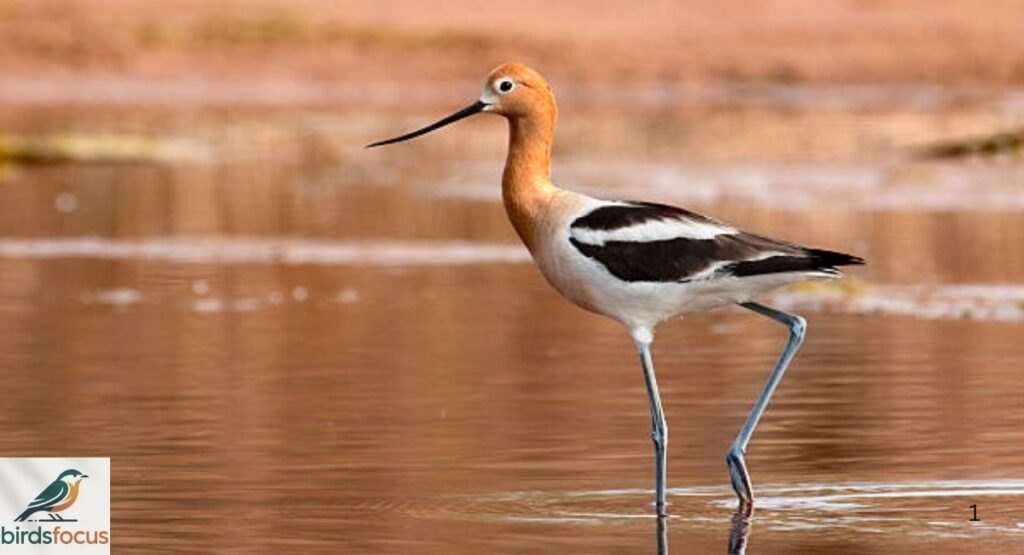
Long Upturned Bill and Blue-Gray Legs
The curved bill of the American Avocet Bird works like a natural tool. It helps the bird sweep through shallow water and catch tiny prey hidden below the surface. The long legs allow it to walk easily through wetlands without soaking its body feathers. These features make the bird perfectly adapted for wetland life.
Black-and-White Wing Pattern Explained
When standing still, the wings show bold black-and-white blocks. However, the pattern looks even more impressive during flight. The wings create a sharp chevron shape in the sky. This striking contrast helps birders identify the species from far away across open marshes and lakes.
Breeding Plumage vs Winter Plumage
The breeding plumage looks bright and colorful. Males often show rich cinnamon shades around the neck and head. Winter plumage becomes softer and paler with gray-white tones. These seasonal changes happen during molting and help the species prepare for migration and nesting.
American Avocet Habitat and Range

This species breeds mainly in the western and midwestern United States and southern Canada. During winter, many birds migrate toward Texas, California, Florida, Mexico, and parts of Central America. Large groups gather in coastal wetlands where food remains plentiful during colder months.
Preferred Wetland Habitats
The species thrives in open wetland habitats with little vegetation. Areas with mudflats and shallow pools support healthy populations of aquatic insects and crustaceans. These habitats also provide safe nesting spaces away from predators.
Migration Across North America
Migration is an important part of the American Avocet Bird’s yearly cycle. Huge flocks travel south during colder months and return north for breeding season. These seasonal journeys help the birds find better feeding and nesting conditions throughout the year.
Best Places to See American Avocets
Birdwatchers often visit Bolivar Flats Sanctuary and Great Salt Lake to observe massive flocks. These wetlands attract thousands of migrating shorebirds every season and provide rich feeding grounds.
American Avocet Diet and Feeding Behavior
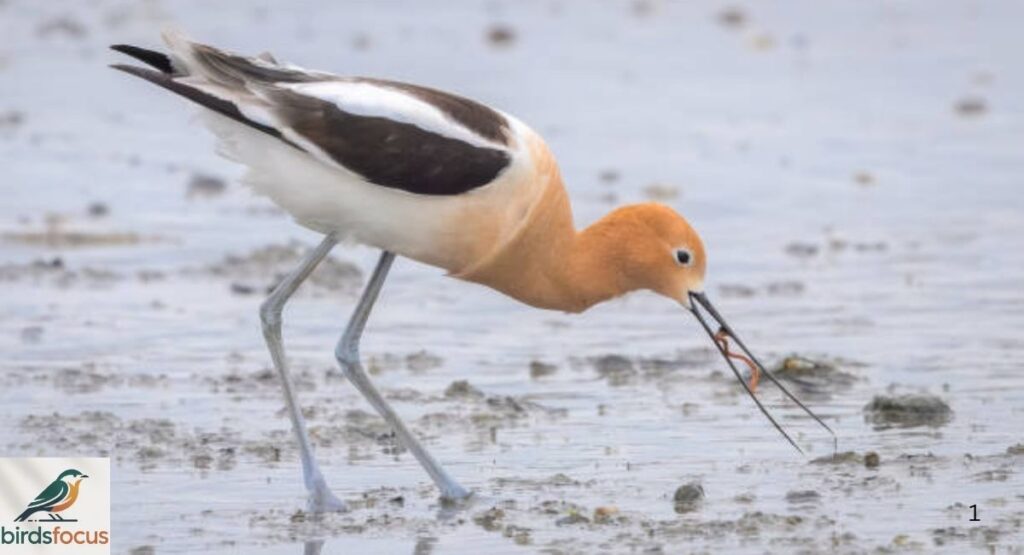
The American Avocet Bird mainly feeds on tiny aquatic creatures found in wetlands. Its diet includes aquatic invertebrates, brine flies, fairy shrimp, beetles, worms, and small fish. The bird searches for food in shallow water where prey remains easy to catch.
One of the most interesting behaviors is the famous scything feeding technique. The bird lowers its curved bill into water and sweeps it side to side while walking slowly. Sensitive nerves inside the bill detect movement instantly. This clever hunting style allows the bird to locate hidden prey even in muddy water.
What Does the American Avocet Eat?
The diet changes slightly depending on habitat and season. Coastal birds eat more marine invertebrates while inland birds consume freshwater insects and crustaceans. Young chicks mostly feed on tiny insects during early growth stages.
Group Feeding Behavior
Large flocks often feed together in shallow wetlands. Hundreds of birds may move in synchronized lines across mudflats. This creates a beautiful and organized feeding display that attracts photographers and bird enthusiasts from across the country.
Why the Curved Bill Matters
The upward curve helps funnel prey toward the mouth. This design improves feeding efficiency in shallow water. Very few shorebirds use this exact feeding strategy, making the American Avocet Bird especially unique among North American waders.
American Avocet Call and Vocalizations
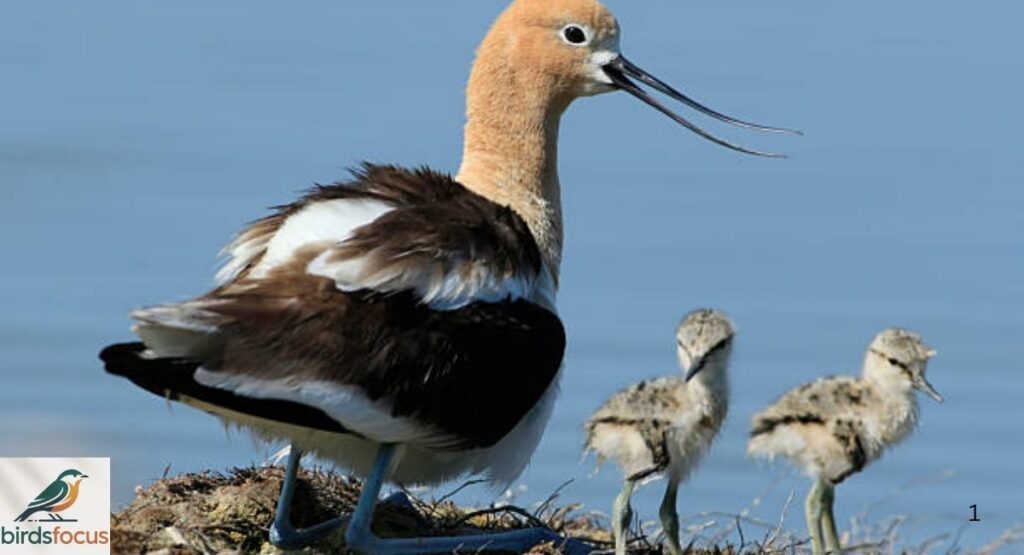
The American Avocet Bird produces sharp and clear calls that help flock members communicate. Most calls sound quick and high-pitched. Birds use different sounds during feeding, flying, and nesting activities. Alarm calls become louder and more aggressive when predators approach nests.
During breeding season, pairs communicate frequently while protecting nesting territories. Chicks also respond quickly to parental warning calls. These vocalizations play an important role in survival because wetland habitats often contain predators like gulls and foxes.
Common Calls and Sounds
The call usually sounds sharp and repeated. Birders often hear these sounds before spotting the bird visually. Flocks become especially noisy during migration and breeding periods.
Why Avocets Vocalize
Calls help birds stay connected while flying or feeding in groups. Parents also use vocal signals to guide chicks toward safety when danger appears nearby.
Identifying Avocets by Sound
Experienced birdwatchers learn to recognize the species through its high-pitched wetland calls. The sound differs from many sandpipers and plovers because it carries a sharper and more nasal tone.
American Avocet Nesting and Breeding

Breeding season begins during spring when birds return to northern wetlands. The American Avocet Bird performs beautiful courtship displays that involve splashing water and running together in pairs. These rituals strengthen pair bonds before nesting starts.
Nests are usually built on open ground near shallow water. Both parents create a shallow scrape lined with pebbles, shells, or grass. Nest placement helps adults monitor predators while staying close to feeding areas.
Courtship Displays
Males often splash water dramatically while preening feathers. Pairs may intertwine necks and run side by side through shallow water. These displays look elegant and highly coordinated.
Nest Site Selection
The species prefers open islands or mudflats with very little vegetation. Such locations provide better visibility against predators approaching the nest.
Colony Nesting Behavior
American Avocets sometimes nest in loose colonies with other shorebirds. Group nesting increases protection because many adults can warn each other about danger.
American Avocet Eggs
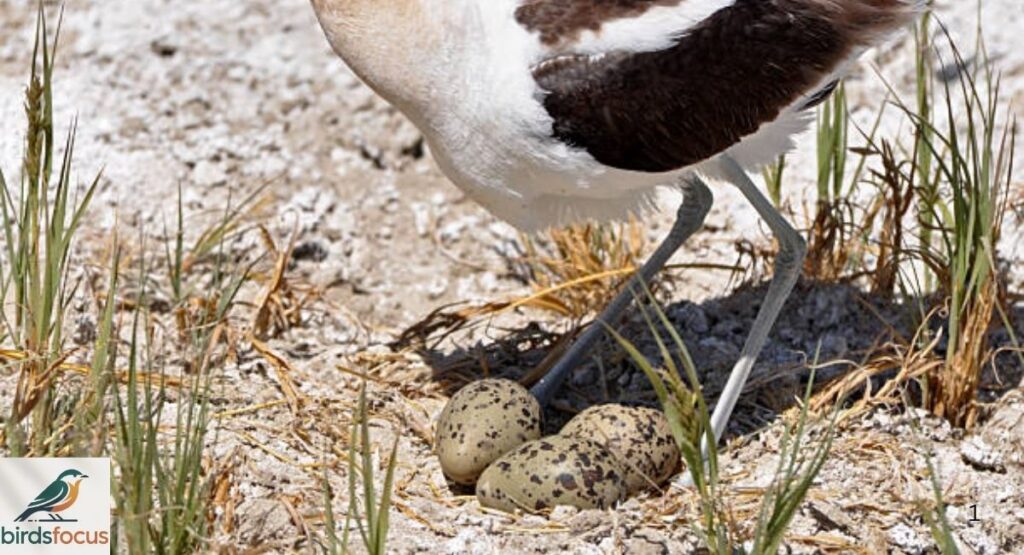
American Avocet eggs appear olive-green or brown with dark spots scattered across the shell. These markings help camouflage the eggs against muddy nesting grounds. Most nests contain three to four eggs during a normal breeding season.
Both parents share incubation duties. Eggs usually hatch after about 23 to 30 days depending on weather conditions. Adults remain highly protective during this period and aggressively chase away threats.
Egg Appearance and Size
The eggs blend perfectly with surrounding mud and pebbles. Their camouflage helps reduce attacks from predators like gulls and raccoons.
Incubation Period
Parents take turns warming the eggs throughout the day. This teamwork keeps the eggs safe and maintains proper temperature until hatching occurs.
Threats to Eggs
Flooding, predators, and human disturbance can damage nesting success. Rising water levels sometimes destroy nests built close to shorelines.
American Avocet Chicks

American Avocet chicks hatch covered in soft down feathers. They can walk and search for food shortly after leaving the nest. This early independence helps reduce time spent near vulnerable nesting sites.
Parents stay close to chicks and defend them aggressively. Adult birds often pretend to be injured to distract predators away from young birds. Chicks grow rapidly during the first few weeks after hatching.
Chick Appearance
Young chicks display brown and cream patterns that blend into wetland surroundings. This camouflage helps protect them from predators.
Learning to Feed
Chicks begin pecking for insects almost immediately after hatching. Parents guide them toward safe shallow feeding areas.
Growth and Development
Within weeks, the chicks develop stronger legs and longer bills. Eventually, they learn to fly and join migrating flocks during seasonal movements.
American Avocet Behavior
The American Avocet Bird displays very social behavior throughout the year. Outside breeding season, huge flocks gather in wetlands to feed and rest together. Birds spend long periods preening feathers and standing quietly in shallow water.
During nesting season, behavior changes dramatically. Adults become territorial and defend nests aggressively. They may dive toward predators or create loud alarm calls to protect chicks and eggs.
Feeding and Resting Habits
Birds often rest while standing on one leg in shallow water. Preening keeps feathers clean and waterproof for long flights and wetland feeding.
Flight Behavior
The species flies with steady wingbeats and stretched legs. Black-and-white wing patterns become highly visible during flight over open marshes.
Social Structure
Large flocks improve protection against predators. Group behavior also helps birds locate rich feeding grounds during migration.
American Avocet Predators and Threats
Many predators target the American Avocet Bird and its nests. Foxes, raccoons, gulls, hawks, and coyotes frequently attack eggs or chicks. Adult birds use loud calls and aggressive flying displays to defend nesting colonies.
Habitat destruction creates another serious threat. Wetland drainage, pollution, and coastal development reduce safe breeding and feeding areas. Climate change also affects water levels in important wetlands across North America.
Natural Predators
Predators mainly attack nests because eggs and chicks remain vulnerable. Adults rely on flock behavior and alarm calls for protection.
Habitat Loss
Wetlands continue disappearing because of agriculture and urban expansion. Loss of shallow feeding habitats directly impacts migratory bird populations.
Climate Change Effects
Droughts reduce wetland size while floods destroy nests. Changing weather patterns create additional challenges for breeding success.
American Avocet Male vs Female
Male and female American Avocets look very similar at first glance. Both share the same elegant body shape and striking plumage. However, experienced birders notice subtle differences between the sexes.
Bill Shape Differences
The female’s bill often curves upward more noticeably. This subtle feature helps researchers identify birds during breeding studies.
Breeding Roles
Both parents share nesting duties equally. Males and females cooperate closely while incubating eggs and protecting chicks.
Field Identification Challenges
Most casual birdwatchers cannot easily separate males from females without close observation. Plumage differences remain very small compared to many other bird species.
Conservation Status
The American Avocet Bird currently holds a stable conservation status. Scientists classify it as a species of least concern because populations remain widespread across North America. However, wetland destruction still threatens important breeding and wintering habitats.
Conservation groups work hard to protect wetlands used by migrating shorebirds. Organizations like the National Audubon Society and Cornell Lab of Ornithology support habitat restoration and bird monitoring programs.
Wetland Protection
Protected marshes and wildlife refuges help maintain healthy avocet populations. These areas provide safe nesting and feeding grounds during migration.
Importance of Bird Sanctuaries
Sanctuaries support thousands of birds every year. Coastal refuges remain essential for survival during winter migration periods.
How People Can Help
People can support conservation by protecting wetlands, avoiding nesting areas, and supporting wildlife organizations focused on habitat preservation.
Interesting Facts About American Avocets
The American Avocet Bird possesses one of the most unusual bills among North American shorebirds. Its curved shape develops naturally as the bird matures. This unique adaptation makes feeding in shallow water highly efficient.
Huge winter flocks sometimes contain thousands of birds gathered in a single wetland. Their synchronized feeding movements create stunning visual displays. Bird photographers often consider the species one of the most photogenic wetland birds in America.
Fascinating Adaptations
Sensitive nerves inside the bill help detect prey underwater. This allows feeding even in cloudy or muddy conditions.
Migration Surprises
Some flocks travel hundreds of miles between breeding and wintering grounds. Migration timing depends heavily on seasonal water conditions.
Wetland Importance
The species acts as an indicator of healthy wetlands. Strong avocet populations usually suggest rich aquatic ecosystems.
Conclusion
The American Avocet Bird is truly one of the most beautiful and fascinating shorebirds in North America. Its curved bill, elegant plumage, and unique feeding style make it stand out in wetlands and coastal habitats. From nesting behavior to migration patterns, this bird shows amazing adaptations that help it survive in changing environments.
Learning about the American Avocet Bird also reminds us why wetlands are so important for wildlife. Protecting these natural habitats helps future generations enjoy these graceful birds for years to come. Whether you are a birdwatcher or nature lover, the American Avocet always leaves a lasting impression.
FAQs
What does the American Avocet Bird eat?
The American Avocet Bird mainly eats aquatic insects, tiny crustaceans, worms, and small fish found in shallow wetlands.
Where can you find American Avocets?
American Avocets live in marshes, mudflats, salt ponds, and shallow lakes across the United States and parts of Canada and Mexico.
Why is the American Avocet’s bill curved upward?
Its curved bill helps the bird sweep through water and catch small prey using a feeding method called scything.
Do American Avocets migrate?
Yes, the American Avocet Bird migrates seasonally between breeding grounds in northern regions and winter habitats along coastal wetlands.
How many eggs does an American Avocet lay?
A female American Avocet usually lays 3 to 4 spotted eggs in a shallow ground nest near water.

Welcome to birdsfocus! I’m Anam Sattar, an AI Powered SEO, and Content Writer with 4 years of experirnce.
I help websites rank higher,grow traffic, and look amazing. My goal is to make SEO and web design simple and effective for everyone.
Let’s achieve more together!