

California offers one of the richest birdwatching experiences in North America. From peaceful wetlands to rugged coastlines and towering forests, the variety of Birds of California attracts nature lovers throughout the year. The state is home to colorful hummingbirds, majestic eagles, rare seabirds, and many fascinating songbirds. Bird enthusiasts enjoy spotting both migratory and resident species across different habitats.
Whether you explore beaches, mountains, or city parks, California always reveals something unique. Many travelers visit the state specifically for backyard birds of California, native birds of California, common birds of California, and birds of Southern California. This guide will help you discover beautiful species, birdwatching locations, and interesting facts about California’s remarkable bird diversity.
Types of Birds in California
California has many bird families living in different habitats. Forests hold woodpeckers and owls while wetlands attract cranes and herons. Coastal areas support gulls, pelicans, and shorebirds. Deserts contain roadrunners and hummingbirds adapted to dry conditions. This wide habitat range makes types of birds in California extremely diverse.
Bird scientists often divide California birds into songbirds, birds of prey, seabirds, water birds, and migratory birds. Each group plays a valuable role in nature. Some birds spread seeds while others control insect populations. Many species also help scientists track environmental changes across the state.
| Bird Group | Common Habitat | Famous Species |
| Songbirds | Forests and gardens | House Finch |
| Raptors | Mountains and valleys | Golden Eagle |
| Water Birds | Lakes and wetlands | Great Blue Heron |
| Coastal Birds | Beaches and cliffs | Brown Pelican |
| Desert Birds | Dry regions | Costa’s Hummingbird |
California Quail
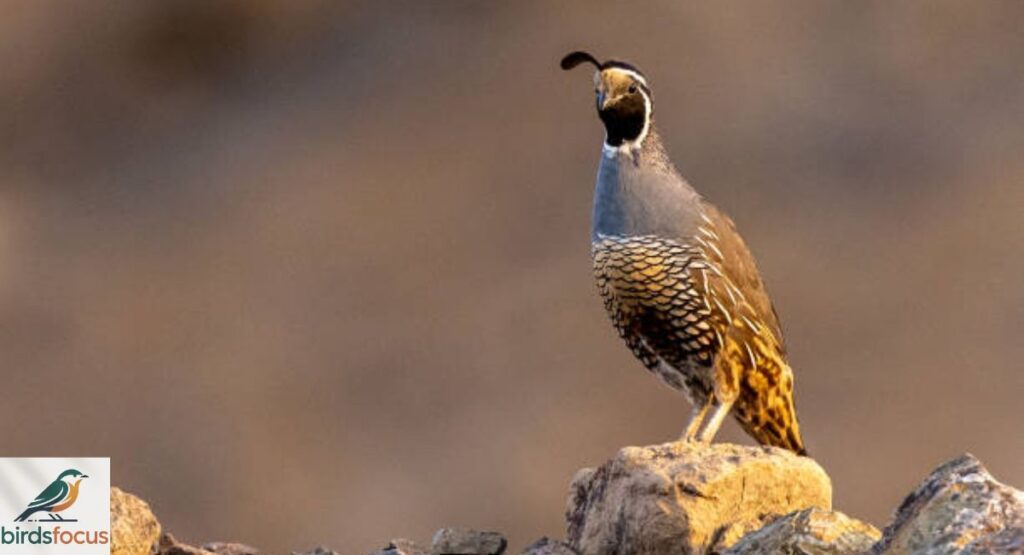
The California Quail looks charming with its curved black head plume and scaled feathers. It usually walks in small family groups through grasslands and parks. This bird prefers running instead of flying. During early mornings, its soft “chi-ca-go” call echoes through quiet California valleys.
House Finch
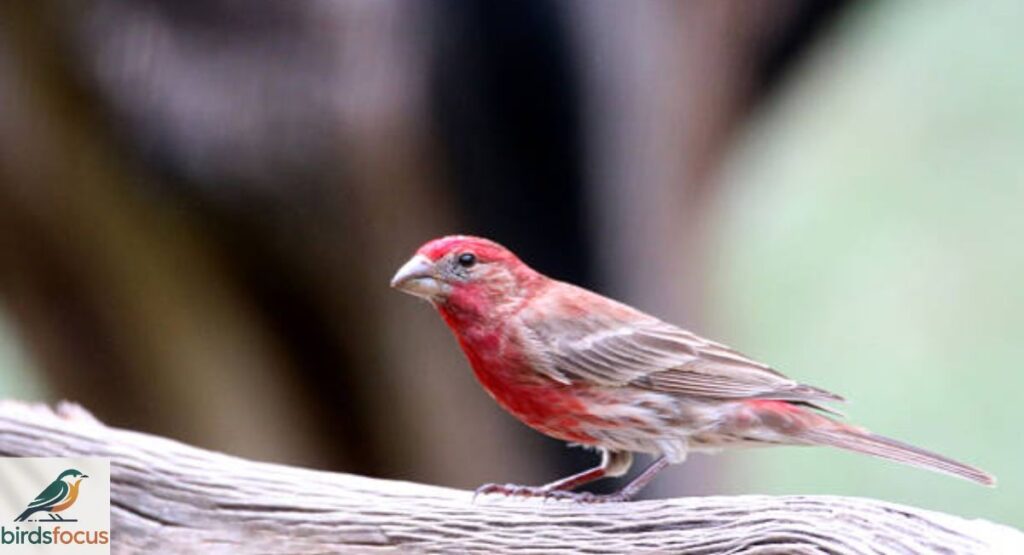
The House Finch thrives in neighborhoods, gardens, and suburban streets. Male birds display bright reddish feathers around the face and chest. These cheerful songbirds enjoy seeds, berries, and flower buds. Their lively chirping adds constant music to California backyards and city parks.
Great Blue Heron
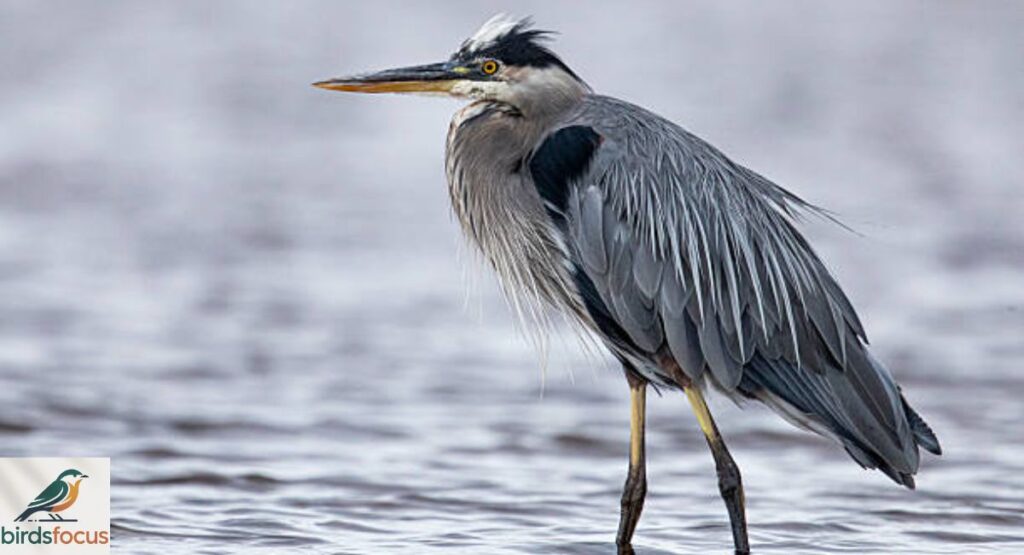
The Great Blue Heron stands tall near marshes, lakes, and coastal waters. It moves slowly while hunting fish, frogs, and small reptiles. Its long neck folds neatly during flight. Many birdwatchers admire this graceful hunter because it looks calm and prehistoric at once.
Most Common Birds of California
Many bird species appear daily across California neighborhoods and wild spaces. Some birds adapt easily to humans while others prefer forests or beaches. Still, a few species become familiar almost everywhere. These birds help beginners learn birdwatching without traveling far from home.
The most widespread birds often survive because they adjust quickly to changing weather and urban growth. Their feeding habits also remain flexible. Some eat insects while others enjoy seeds, berries, or leftover food from parks and gardens. These adaptable traits help many common birds of California flourish.
California Scrub-Jay
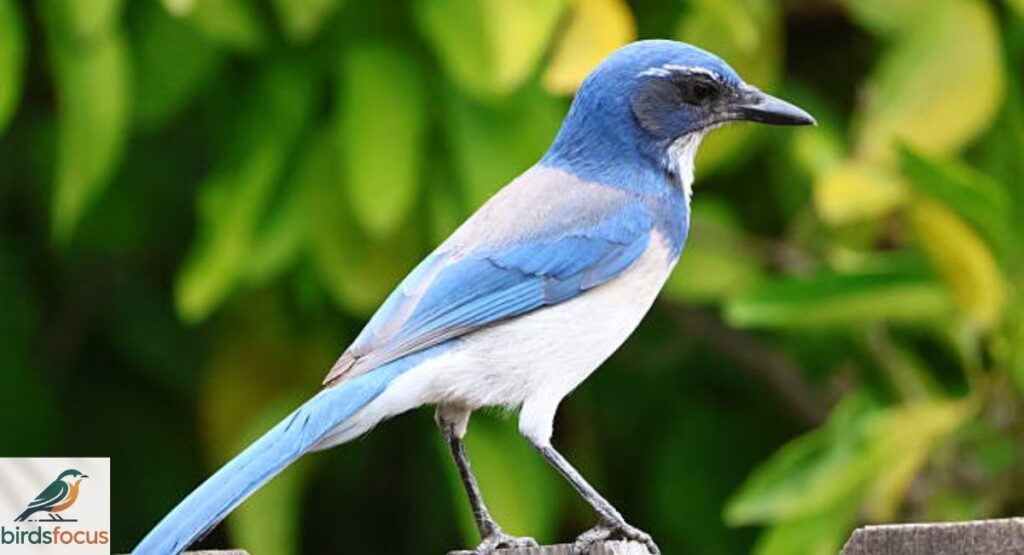
The California Scrub-Jay displays bright blue wings, a pale belly, and strong intelligence. It hides acorns during autumn and remembers many hiding spots later. This clever bird often visits feeders. People sometimes compare its behavior to tiny blue pirates guarding backyard territories.
Northern Mockingbird
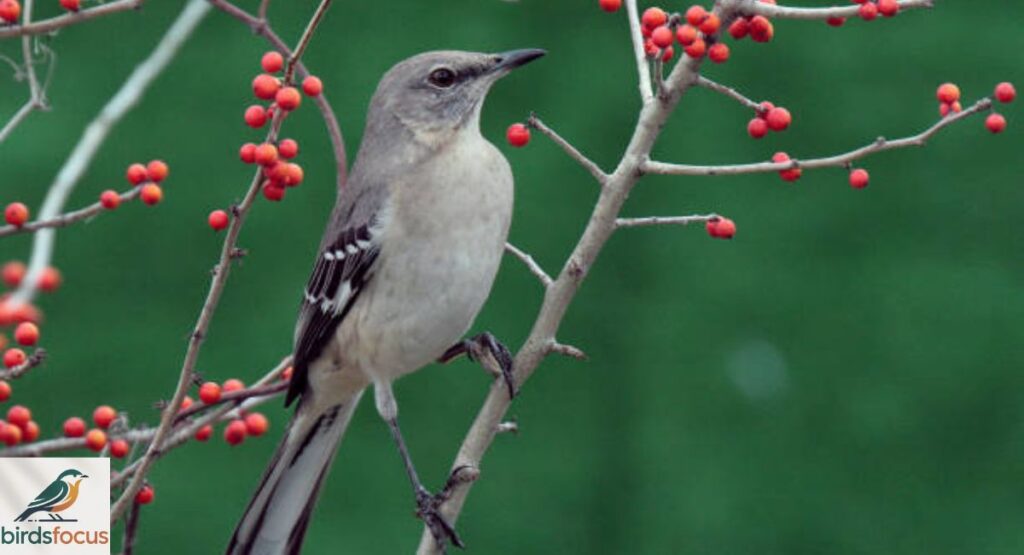
The Northern Mockingbird surprises listeners with endless sounds and copied bird calls. It can imitate alarms, whistles, and even car noises. Mockingbirds defend nesting areas fiercely. Despite their aggressive behavior, their musical performances make them beloved across California neighborhoods.
Mourning Dove
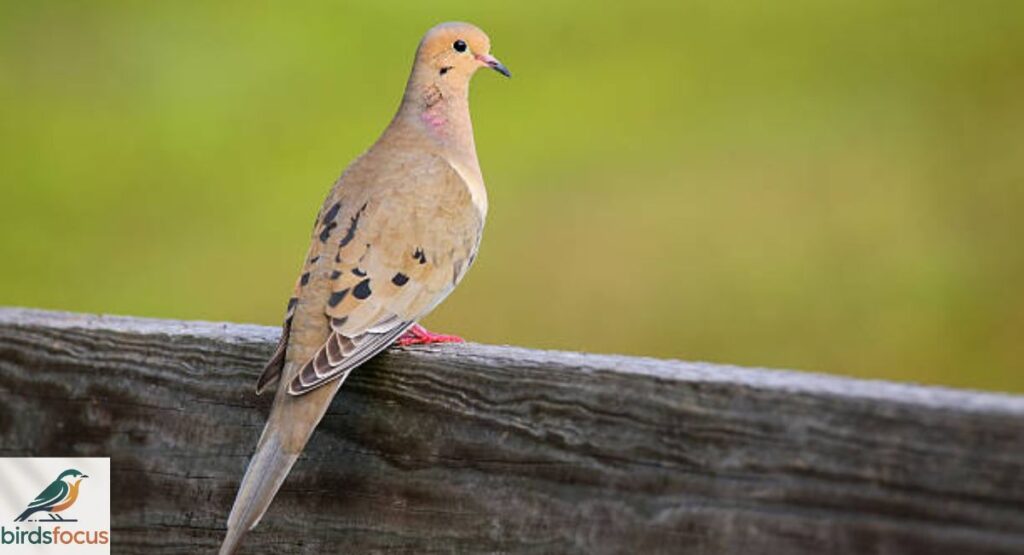
The Mourning Dove carries soft brown feathers and gentle black eyes. Its peaceful cooing sound often fills quiet mornings. Mourning doves search for seeds on the ground and prefer open areas. Their calm appearance gives gardens and parks a soothing atmosphere.
Native Birds of California
California hosts several bird species found nowhere else on Earth. These native birds evolved over thousands of years inside unique ecosystems. Forests, offshore islands, oak woodlands, and grasslands shaped their survival patterns. Many scientists study these birds carefully because they reveal important environmental changes.
Unfortunately, habitat destruction, pollution, drought, and wildfires threaten many native species today. Conservation groups now protect nesting grounds and breeding programs. These efforts help preserve the remarkable diversity of native birds of California for future generations and bird enthusiasts.
Yellow-billed Magpie
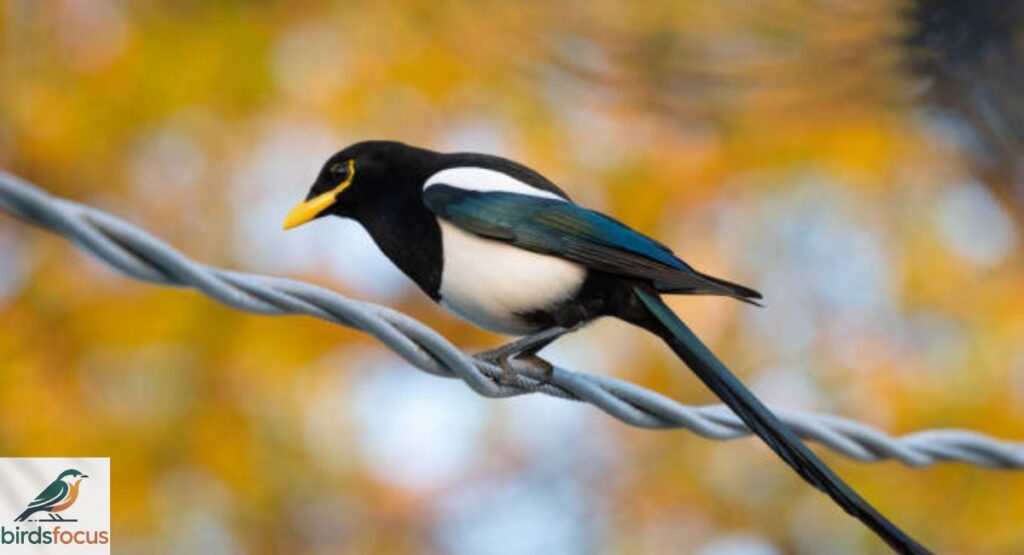
The Yellow-billed Magpie lives mainly in California’s Central Valley. Its yellow beak and glossy black feathers create a striking appearance. These social birds gather noisily in groups. Sadly, habitat loss and disease reduced their population during recent decades.
California Thrasher
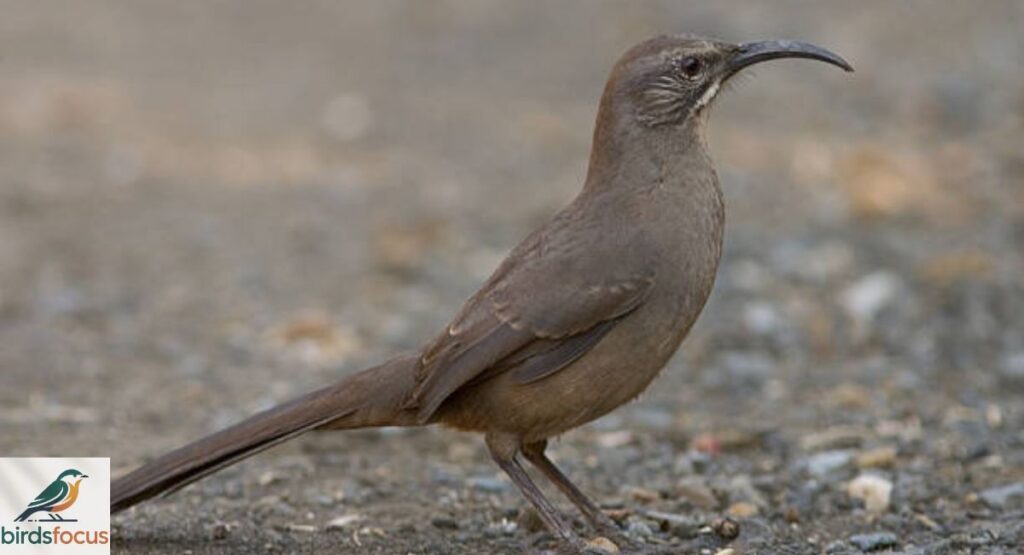
The California Thrasher hides inside chaparral shrubs and dry hillsides. It owns a curved bill perfect for digging insects from soil. Its singing sounds rich and varied. Birdwatchers often hear this shy species before spotting it among tangled bushes.
Backyard Birds of California
Backyards across California attract dozens of colorful birds every day. Feeders, flowering plants, and water fountains encourage birds to visit residential areas. Even tiny gardens can support hummingbirds, finches, towhees, and doves. Many people start birdwatching simply by observing birds outside kitchen windows.
Creating bird-friendly spaces also supports local ecosystems. Native plants provide food and shelter while clean water helps birds survive hot summers. Backyard habitats become especially valuable during migration periods when exhausted birds need safe resting areas throughout California cities and suburbs.
Anna’s Hummingbird
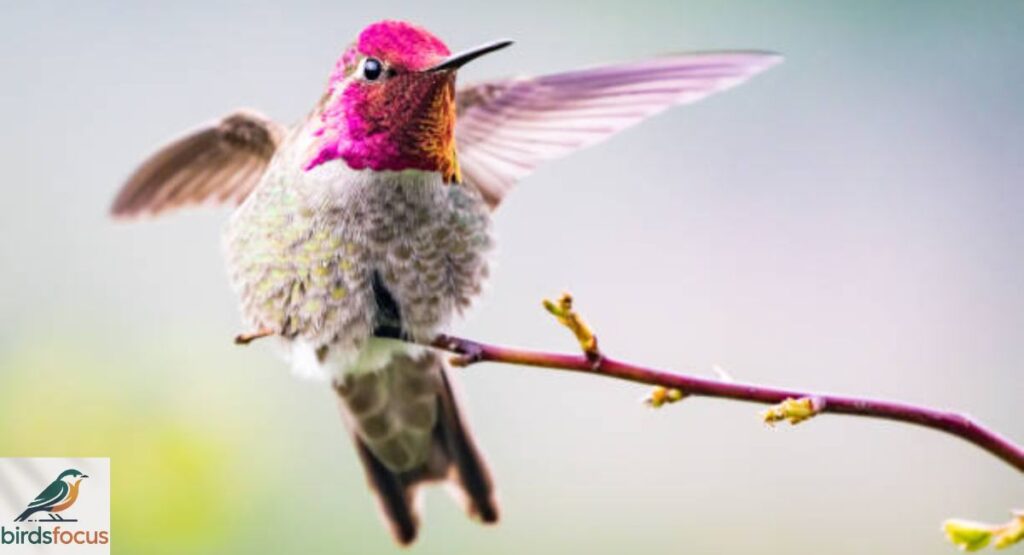
Anna’s Hummingbird flashes emerald feathers and bright pink throat patches. It hovers gracefully beside flowers while drinking nectar. Unlike many hummingbirds, this species stays in California year-round. Its tiny wings create a soft buzzing sound similar to miniature machinery.
California Towhee
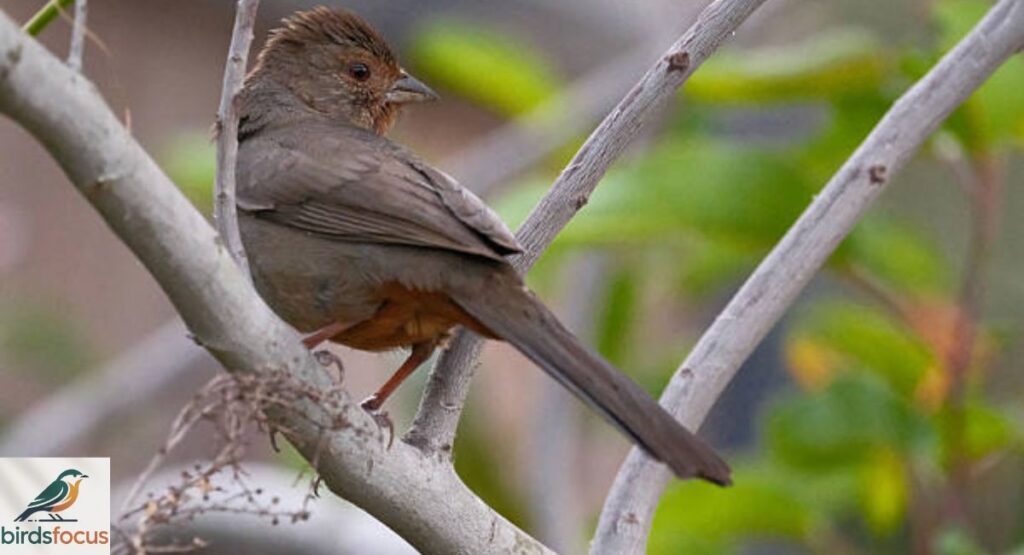
The California Towhee appears plain brown at first glance. However, its
warm rusty feathers beneath the tail look beautiful in sunlight. Towhees scratch leaves noisily while searching for insects and seeds. These birds feel comfortable near patios, shrubs, and garden fences.
Black Phoebe
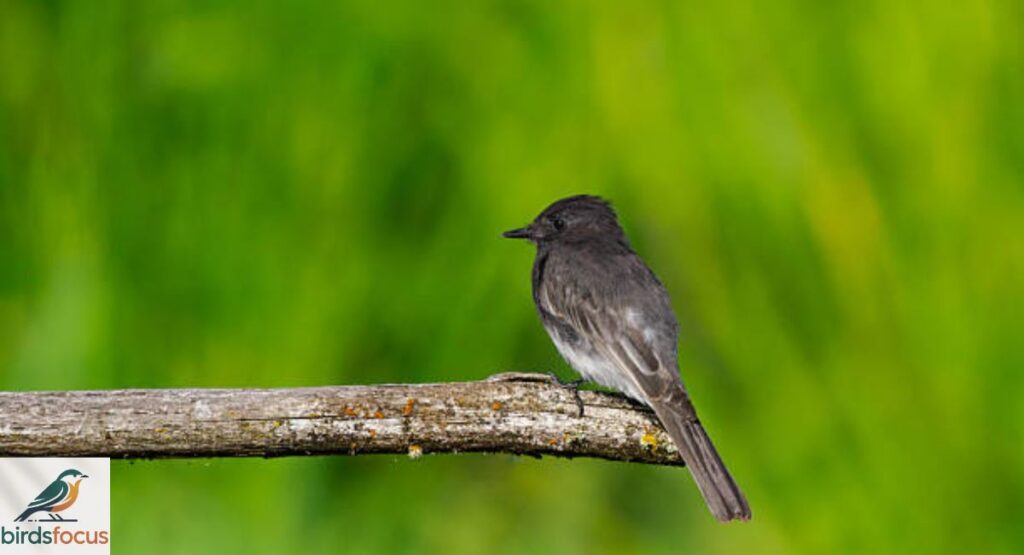
The Black Phoebe displays black feathers with a crisp white belly. It often sits quietly before darting into the air to catch insects. Black phoebes love water sources like ponds and fountains. Their sharp “chip” calls sound clear and energetic.
Birds of Southern California
Southern California contains deserts, beaches, wetlands, and urban landscapes packed closely together. This unusual geography creates homes for many bird species. Coastal winds attract seabirds while dry deserts support roadrunners and cactus-loving birds. Because temperatures stay mild, birdwatching remains active during every season.
Large cities like Los Angeles and San Diego surprisingly support strong bird populations too. Parks, gardens, lagoons, and protected reserves give birds valuable shelter. Many migrating species also stop here along the Pacific Flyway before continuing long journeys across North America.
Costa’s Hummingbird
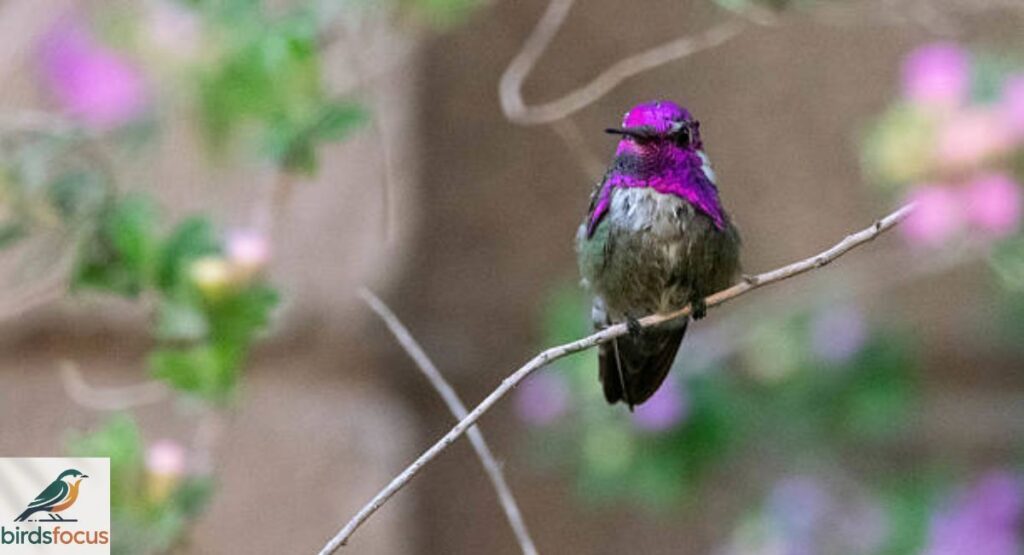
Costa’s Hummingbird thrives in desert regions with blooming cactus flowers. Male birds display vivid purple feathers around the face. These tiny birds move rapidly between flowers searching for nectar. Their fast flight looks almost magical during sunrise hours.
White-tailed Kite
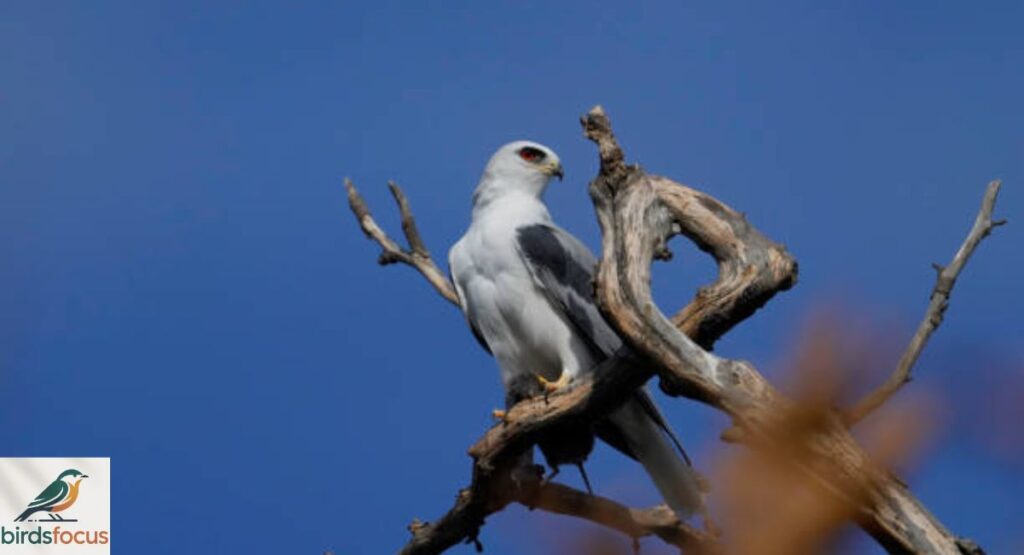
The White-tailed Kite glides slowly above grasslands searching for rodents. Its bright white body contrasts beautifully against blue skies. Birdwatchers admire its hovering hunting style. The kite pauses midair briefly before diving suddenly toward prey hidden below.
Greater Sage-Grouse
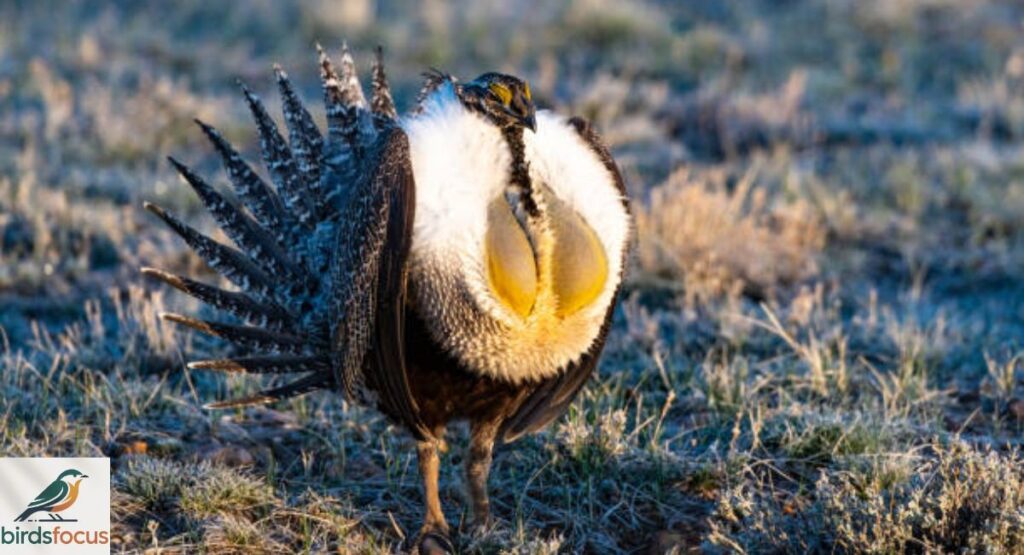
The Greater Sage-Grouse survives in dry sagebrush landscapes. Male birds perform dramatic dances during mating season. They puff chest sacs and create unusual popping sounds. These displays attract bird photographers and wildlife researchers from across the country.
Blue Birds of California
Blue-colored birds often become favorites among birdwatchers because their feathers shine brilliantly in sunlight. California supports several striking blue species living in forests, parks, wetlands, and suburban areas. Some birds appear bright turquoise while others show darker navy shades depending on lighting conditions.
These colorful birds usually feed on insects, berries, seeds, or small fish. Many species also possess strong intelligence and complex social behavior. Spotting blue birds in nature often feels exciting because their vivid feathers stand out clearly against green trees and gray coastal skies.
Western Bluebird
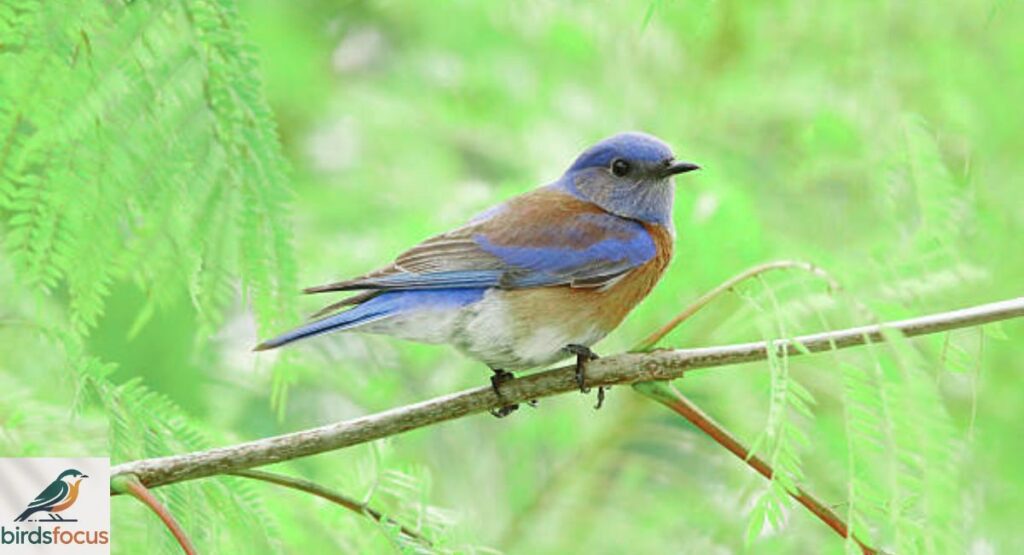
The Western Bluebird carries deep blue feathers across its back and rusty orange coloring on the chest. It prefers open woodlands and grassy fields. Bluebirds hunt insects from fence posts and branches. Their gentle songs create peaceful woodland sounds.
Belted Kingfisher
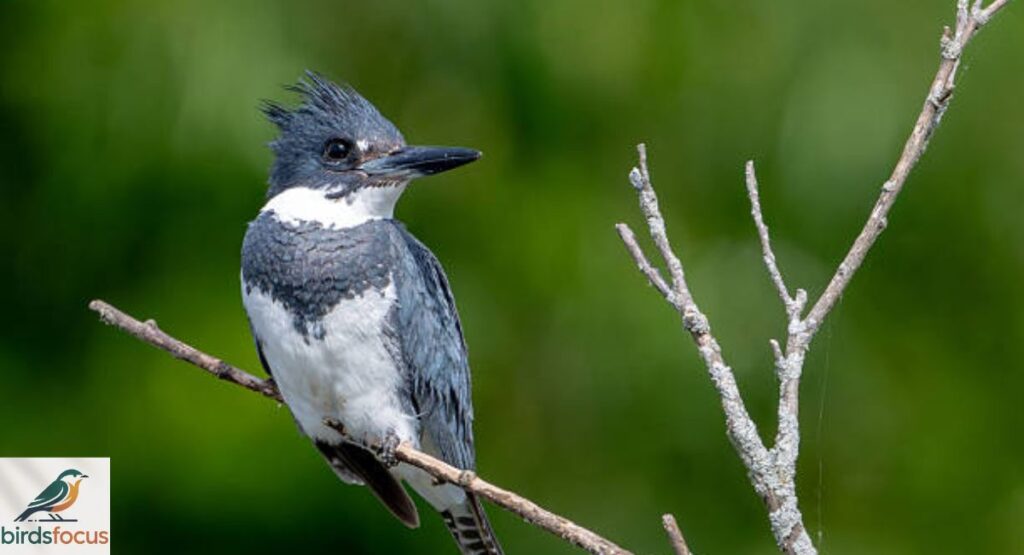
The Belted Kingfisher waits near rivers and lakes before diving quickly into water. Its shaggy blue-gray crest gives it a wild appearance. Kingfishers mainly eat fish and aquatic insects. Their rattling calls often echo loudly across quiet shorelines.
Tree Swallow
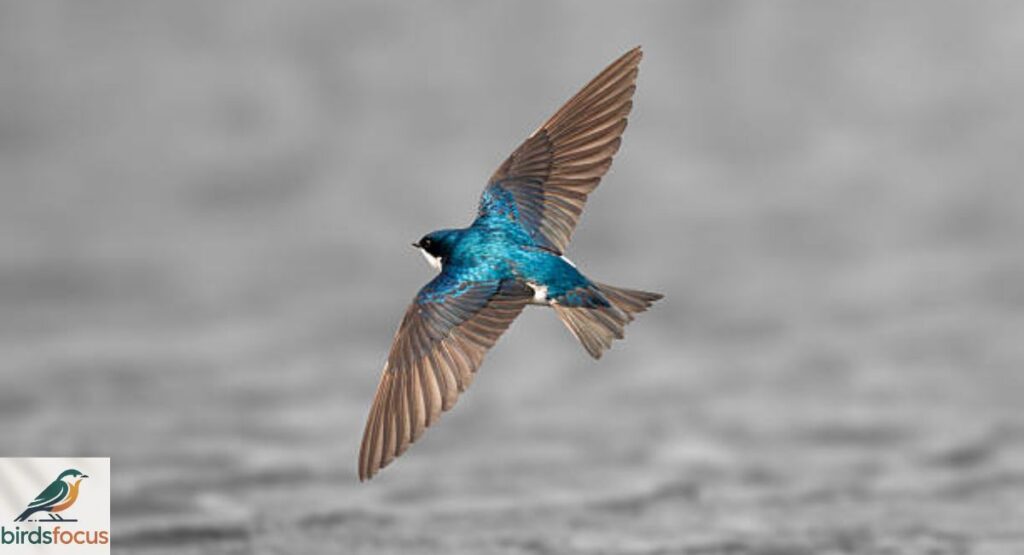
The Tree Swallow glides gracefully through the sky catching insects midair. Sunlight makes its feathers shimmer blue and green. These birds migrate long distances every year. Wetlands and open meadows become favorite feeding grounds during warmer seasons.
Yellow Birds of California
Yellow birds brighten California landscapes like tiny flying sunbeams. Their colorful feathers make them easier to notice inside forests, wetlands, and gardens. Many yellow species migrate seasonally while others remain year-round. Birdwatchers especially enjoy spotting these vibrant birds during spring and summer.
Some yellow birds belong to finch families while others belong to warblers or blackbirds. Their songs vary greatly too. Certain species sing soft melodies while others produce sharp whistles and energetic chatter that fills trees and shrubs with constant movement.
Lesser Goldfinch
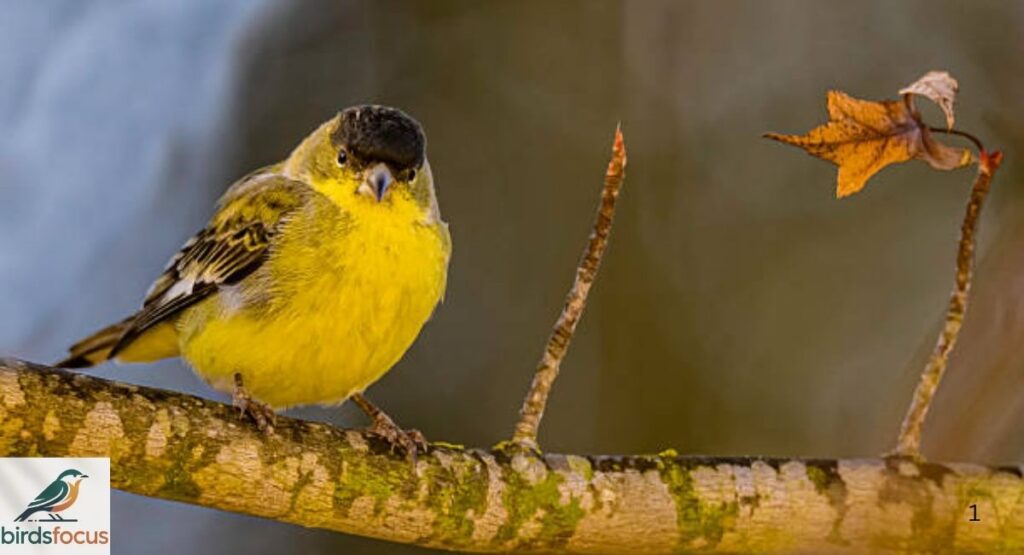
The Lesser Goldfinch displays bright yellow feathers beneath black wings. It frequently visits backyard feeders filled with sunflower seeds. These active birds travel in small groups. Their lively movements and cheerful songs make gardens feel energetic and welcoming.
Yellow Warbler
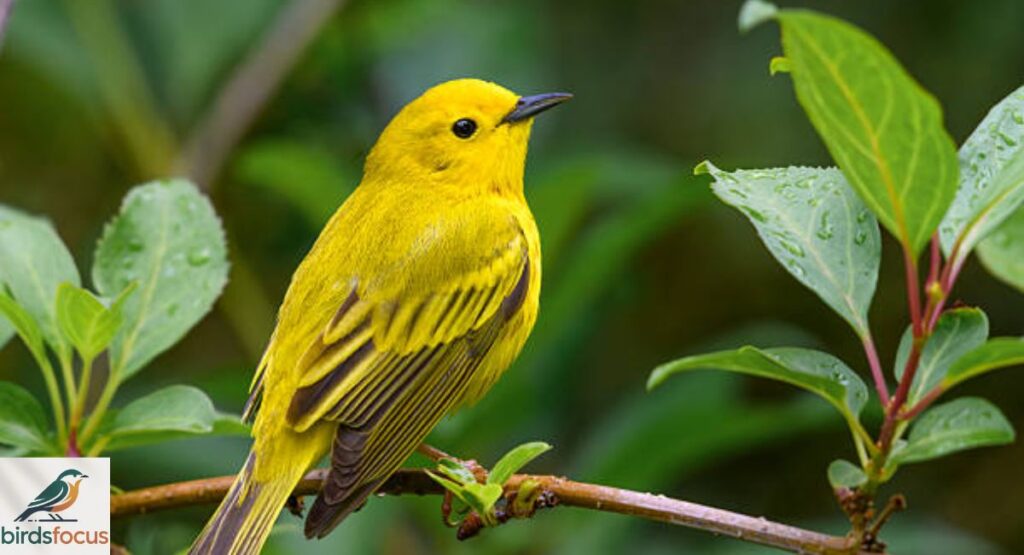
The Yellow Warbler glows with golden-yellow feathers during spring migration. It usually stays near rivers, wetlands, and bushes. Yellow warblers feed heavily on insects. Their sweet singing creates soft musical rhythms across marshes and woodland edges.
Common Yellowthroat
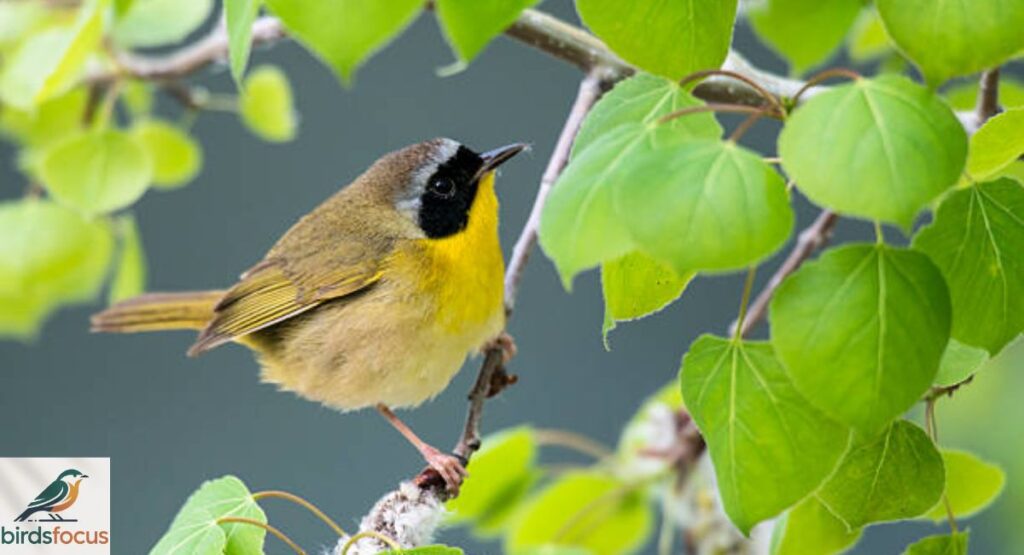
The Common Yellowthroat hides inside thick vegetation near marshes and ponds. Male birds wear black facial masks that resemble tiny bandits. These restless birds move quickly through reeds searching for insects. Their distinct calls sound surprisingly loud.
Birds of Prey in California
California supports many powerful raptors. Eagles, hawks, falcons, and owls hunt across mountains, grasslands, deserts, and coastlines. These birds possess sharp eyesight and strong talons designed for catching prey. Raptors help control rodent populations and maintain ecological balance in wild habitats.
Birdwatchers admire birds of prey because of their size, speed, and hunting skills. Some species soar quietly for hours while others attack suddenly with incredible precision. California’s wide open landscapes make raptor observation especially rewarding during migration seasons and winter months.
California Condor
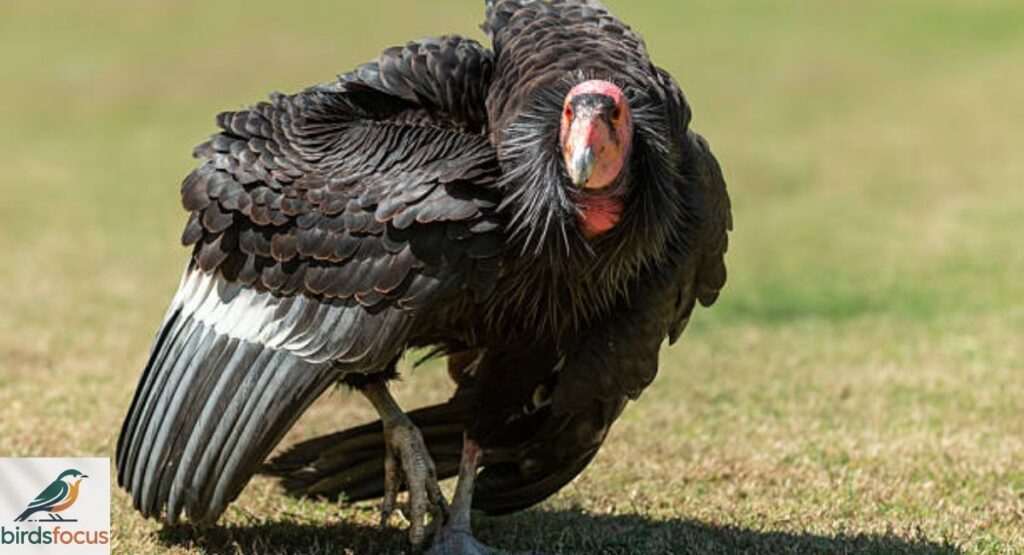
The California Condor owns one of the largest wingspans in North America. Conservation programs saved this species from extinction. Condors soar high above cliffs searching for carrion. Their massive size creates unforgettable experiences for wildlife photographers and tourists.
Golden Eagle
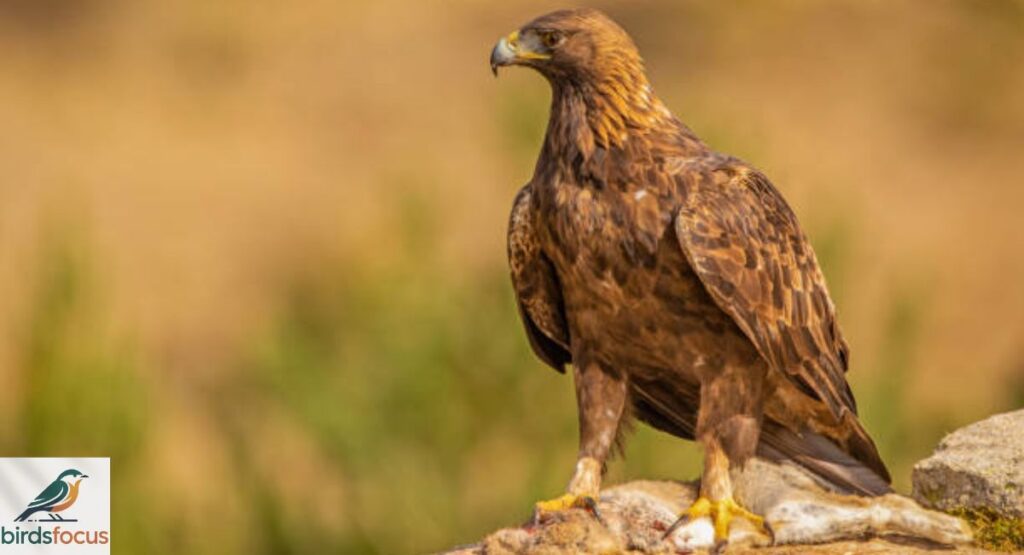
The Golden Eagle hunts rabbits, squirrels, and other small mammals across open landscapes. Golden feathers around its neck shine under sunlight. Eagles build enormous nests on cliffs and tall trees. Their powerful flight represents strength and wilderness.
Cooper’s Hawk
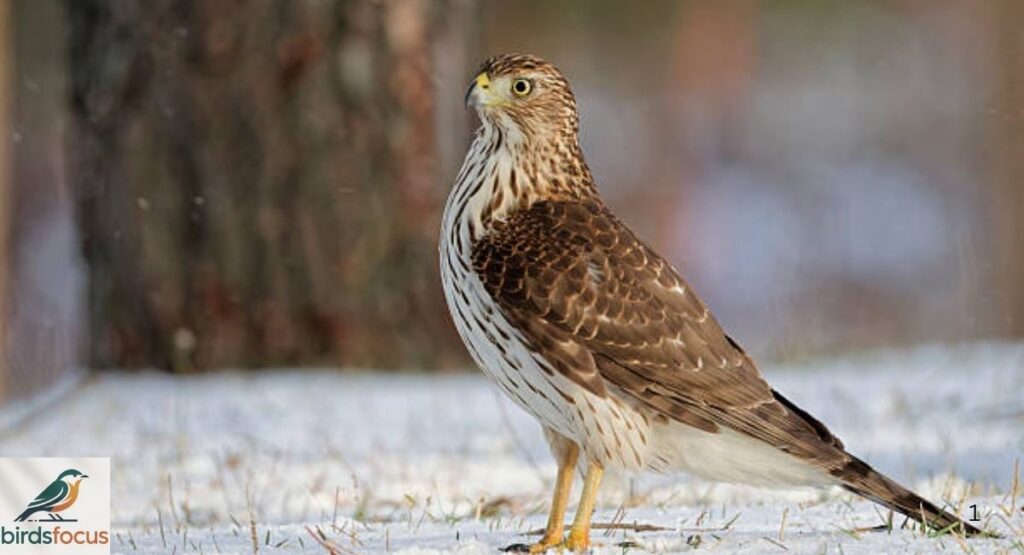
The Cooper’s Hawk flies rapidly through wooded areas chasing smaller birds. Its long tail helps with sharp turns between trees. Cooper’s hawks increasingly visit suburban neighborhoods. Backyard feeders sometimes attract these skilled hunters searching for easy prey.
Water Birds and Coastal Birds of California
California’s coastline stretches for hundreds of miles along the Pacific Ocean. Beaches, wetlands, lagoons, and marshes provide food for many water birds. Fish, shellfish, insects, and aquatic plants support huge bird populations throughout coastal ecosystems and freshwater habitats.
Migrating birds also depend heavily on California’s wetlands during long journeys. The Pacific Flyway serves as one of North America’s most important migration routes. Millions of birds stop here yearly to rest, feed, and recover before continuing seasonal travel.
Brown Pelican
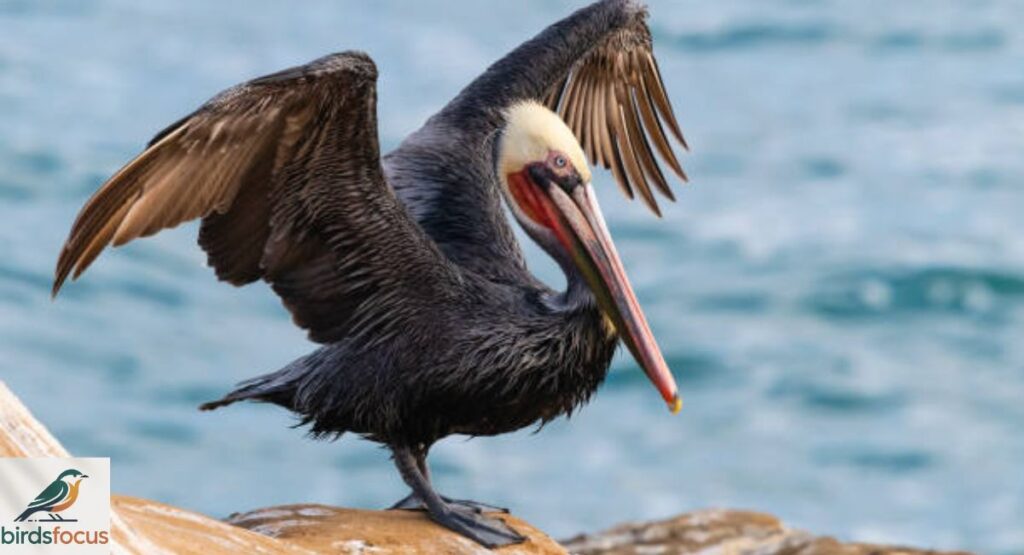
The Brown Pelican glides low above ocean waves searching for fish. It suddenly plunges into water using its large throat pouch for catching prey. Pelicans once faced severe population declines. Conservation efforts later helped the species recover successfully.
Snowy Plover
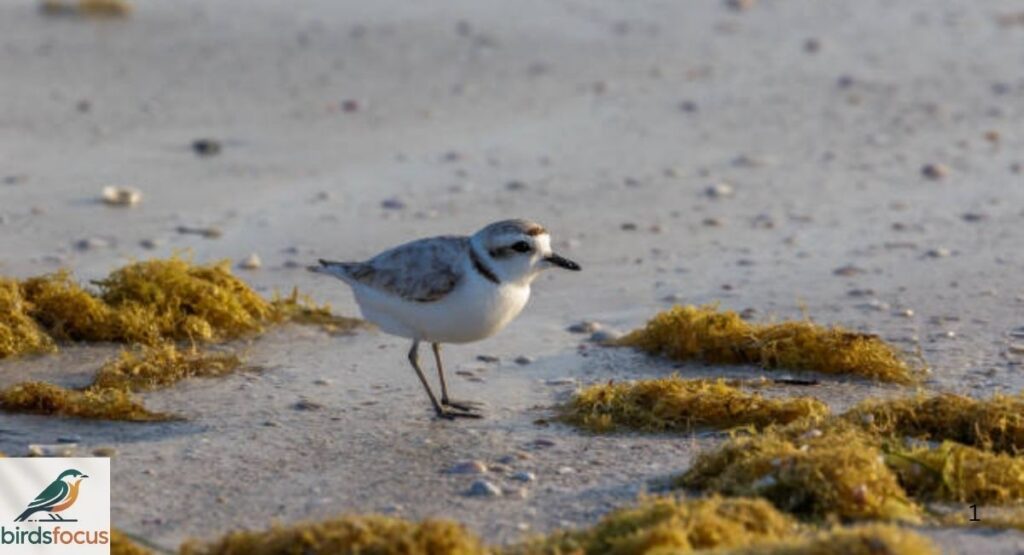
The Snowy Plover nests directly on sandy beaches. Its pale feathers blend perfectly with coastal environments. Human activity threatens many nesting areas. Wildlife groups now protect beaches carefully during breeding seasons to improve survival rates.
California Gull
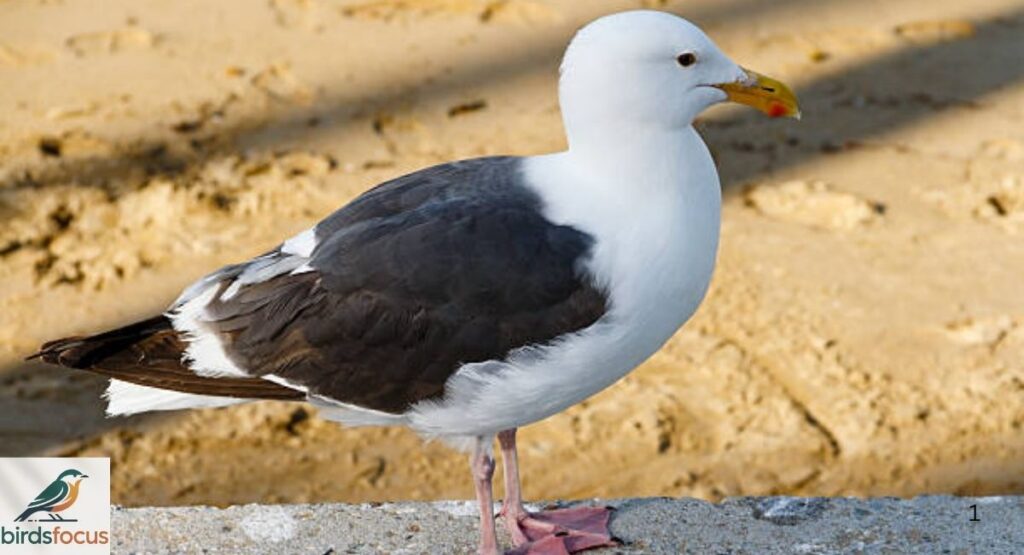
The California Gull appears commonly near beaches, lakes, and harbors. It feeds opportunistically on fish, insects, and scraps. California gulls adapt well to human environments. Their loud calls and social behavior make them familiar coastal residents.
Seasonal Birds in California
Bird activity changes dramatically across seasons. Spring brings colorful migration waves and busy nesting behavior. Summer supports young chicks learning survival skills. Autumn triggers long-distance migration while winter attracts waterfowl and northern species escaping colder climates elsewhere in North America.
Because California contains varied climates, birds move constantly between mountains, deserts, coastlines, and valleys. This seasonal movement creates exciting opportunities for birdwatchers. Different months reveal completely different bird species depending on migration patterns and weather conditions.
Sandhill Crane
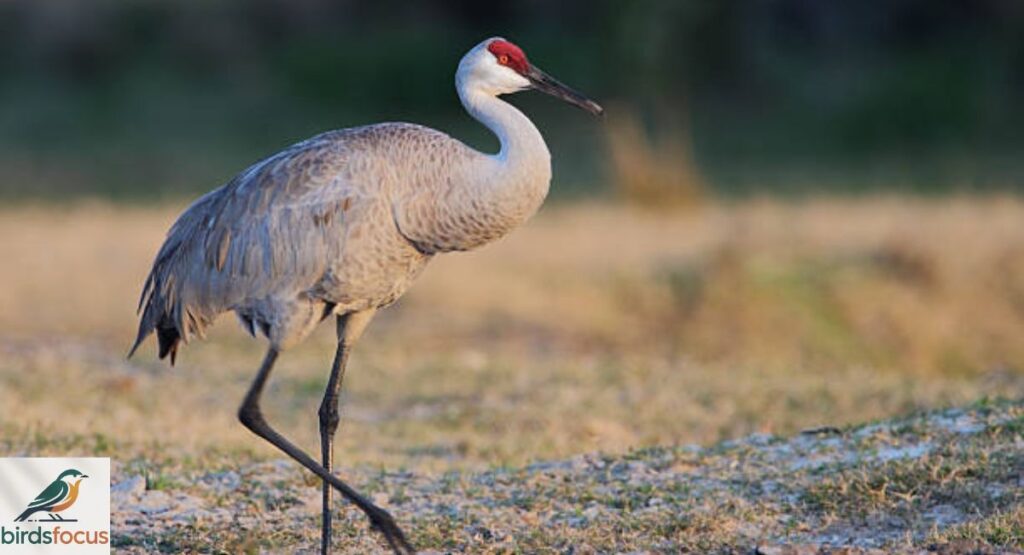
The Sandhill Crane arrives during cooler months in California wetlands. Its deep rattling calls carry across open marshes. Cranes perform elegant dancing displays during courtship. Watching large flocks land together creates one of California’s most spectacular wildlife scenes.
Tundra Swan
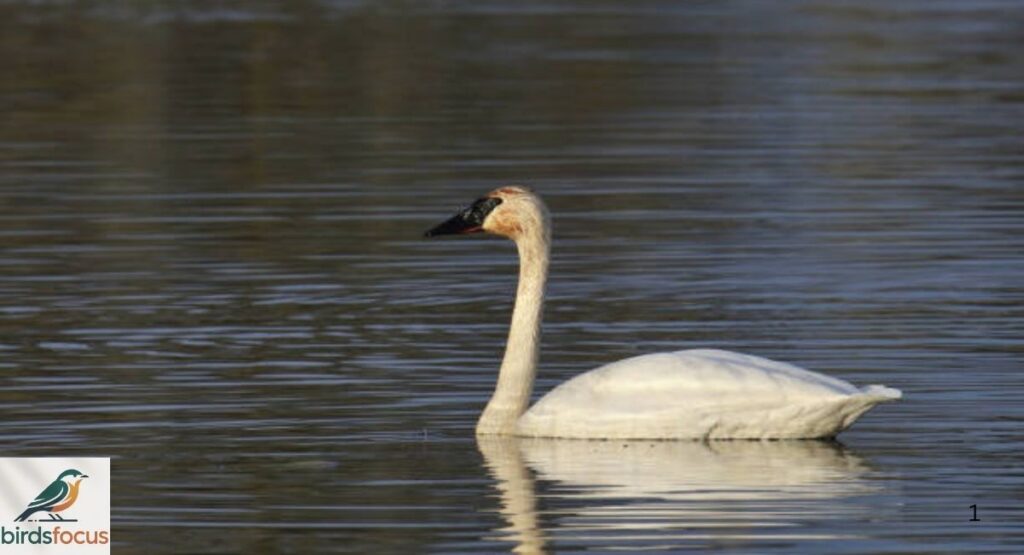
The Tundra Swan visits California during winter migration. Its bright white feathers contrast beautifully against dark wetlands. Swans travel long distances from Arctic breeding grounds. Their graceful floating movements symbolize calmness and natural beauty.
Cedar Waxwing
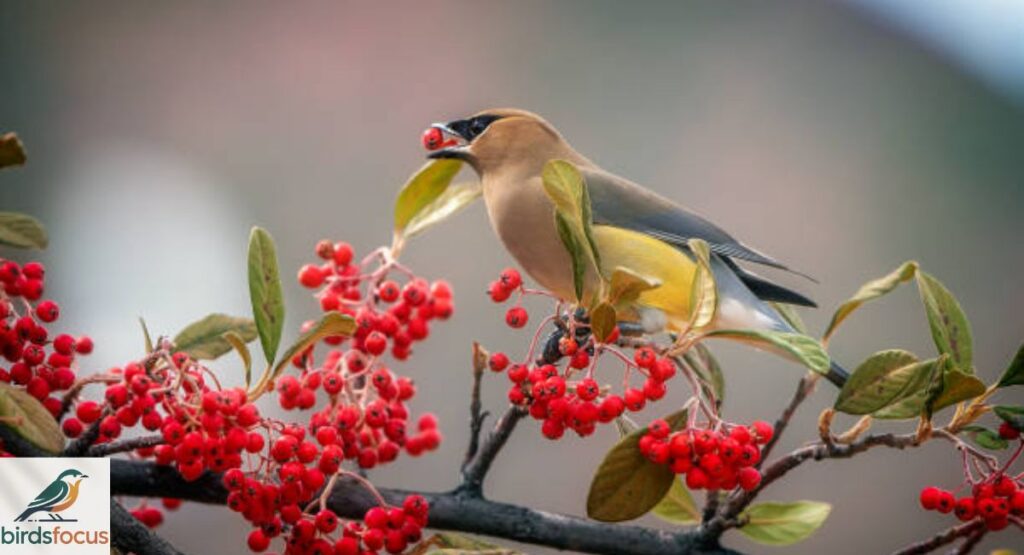
The Cedar Waxwing appears mostly during colder seasons searching for berries. Sleek feathers and red wing tips give it a polished appearance. Waxwings travel in social flocks. Their quiet behavior and smooth flight make them surprisingly elegant birds.
Birdwatching in California
California ranks among the best birdwatching destinations in the world. National parks, forests, wetlands, and coastal refuges attract bird enthusiasts throughout the year. Some visitors search for rare condors while others simply enjoy colorful backyard species and peaceful natural scenery.
Modern birdwatching also became easier through mobile apps, field guides, and digital photography. Beginners can identify birds quickly using sound recordings and online databases. Even city parks often contain surprising bird diversity for people starting their birdwatching journey.
| Best Birdwatching Area | Famous Bird Species |
| Monterey Bay | Pelicans and gulls |
| Yosemite National Park | Owls and woodpeckers |
| Salton Sea | Migratory water birds |
| Point Reyes | Coastal seabirds |
Tufted Puffin
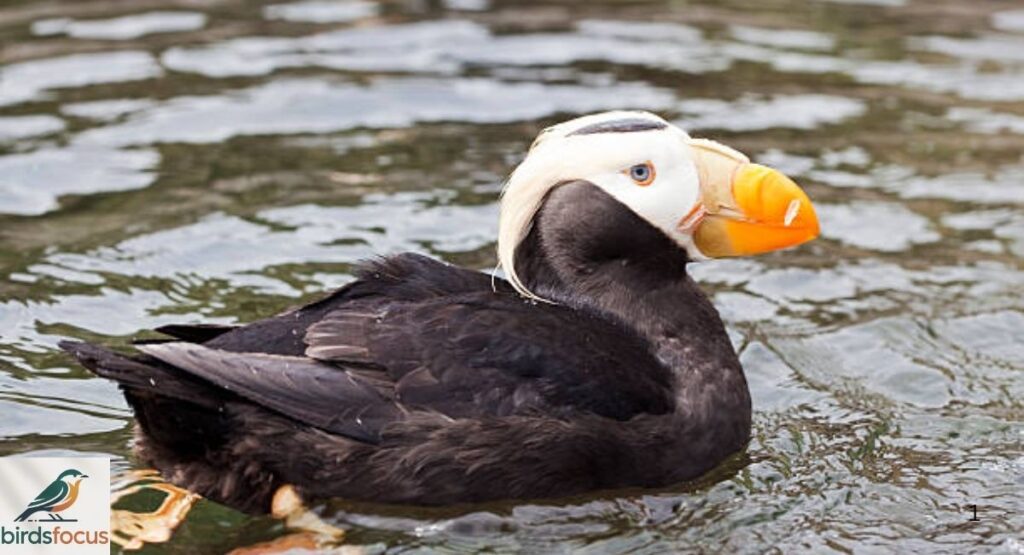
The Tufted Puffin looks almost cartoonish with colorful beaks and golden head feathers. Puffins spend most of their lives at sea. They dive underwater using wings for swimming. California’s northern coast offers rare opportunities to spot them.
Acorn Woodpecker
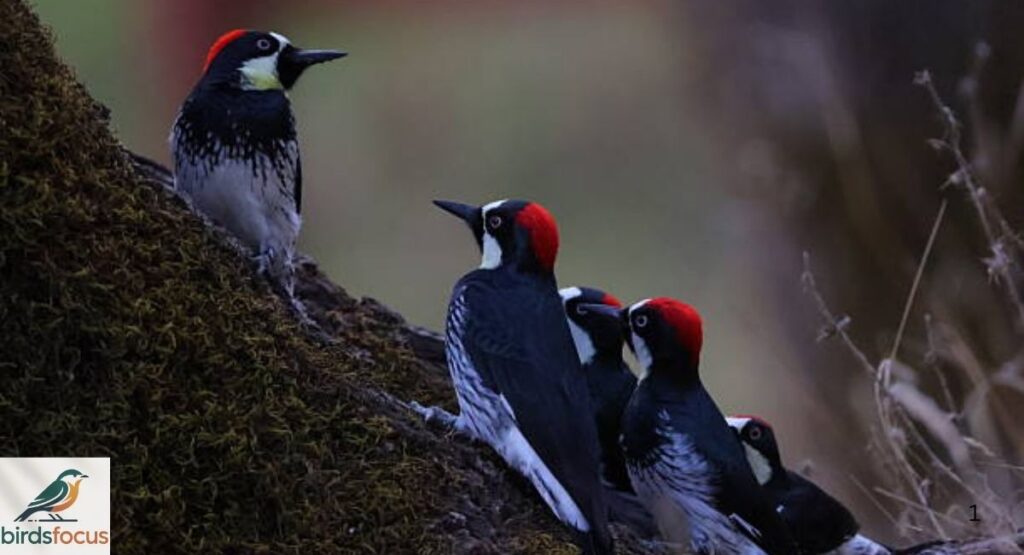
The Acorn Woodpecker stores acorns inside tree holes like natural food lockers. Large family groups defend these storage trees together. Their clown-like faces and loud calls attract attention easily. Oak forests provide ideal habitats for these intelligent birds.
Northern Pygmy-Owl
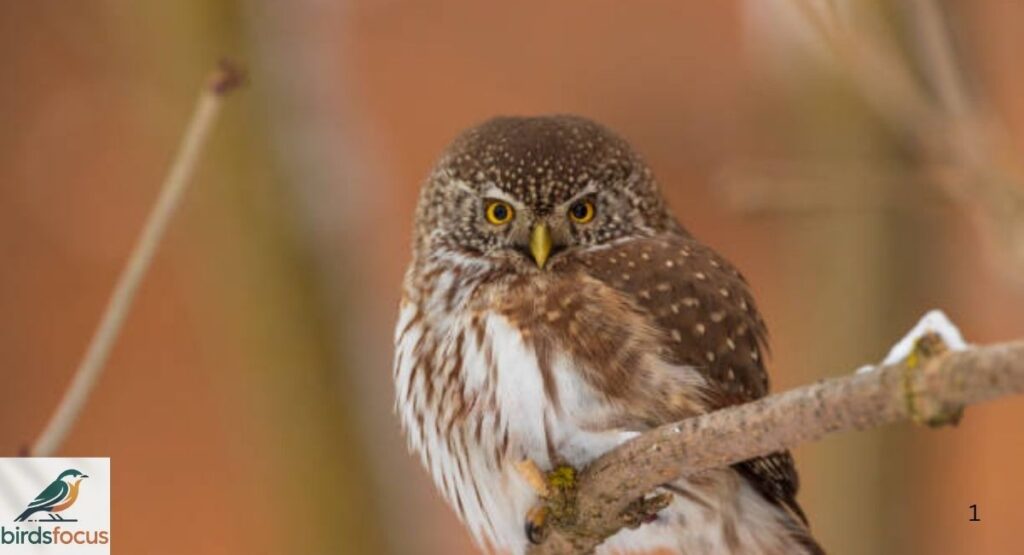
The Northern Pygmy-Owl remains tiny yet surprisingly fierce. It hunts songbirds and small mammals during daylight hours. Unlike many owls, pygmy-owls stay active during mornings and afternoons. Their piercing yellow eyes appear intense despite their small size.
Conservation of California Birds
Bird populations across California face many dangers today. Wildfires destroy nesting areas while pollution harms wetlands and coastal ecosystems. Expanding cities also reduce forests and grasslands needed for breeding. Climate change creates additional pressure by altering migration routes and food availability.
Conservation groups continue fighting these problems through habitat restoration and wildlife protection programs. Scientists track endangered species carefully while volunteers help clean beaches and wetlands. Public awareness also encourages communities to create safer environments for local bird populations.
California Condor Recovery
The California Condor nearly disappeared completely during the twentieth century. Wildlife experts captured remaining birds for breeding programs. Today, condors fly again across parts of California and Arizona. Their recovery became one of America’s greatest wildlife conservation success stories.
Wetland Restoration Projects
Wetland restoration helps protect ducks, cranes, herons, and migratory shorebirds. Conservation teams remove pollution and restore natural water flow patterns. Healthy wetlands provide food and nesting grounds for thousands of species. These projects also improve water quality for nearby human communities.
Backyard Conservation Efforts
Simple backyard changes can help local bird populations greatly. Native plants provide safer food sources while clean birdbaths support hydration during hot weather. Avoiding pesticides also protects insects that birds depend on for feeding chicks. Small efforts create meaningful environmental benefits over time.
Big Birds in California
California is home to some of the largest and most impressive birds in North America. These giant birds soar above mountains, wetlands, deserts, and coastal cliffs. Many birdwatchers travel long distances just to see these massive wingspans in the wild. Large birds also play important roles in balancing ecosystems.
Several big birds in California survive by hunting fish, rodents, or feeding on carrion. Others migrate seasonally through wetlands and valleys. Their size makes them easier to spot from a distance. However, habitat destruction and pollution still threaten many of these magnificent species.
| Big Bird | Average Wingspan | Habitat | Special Feature |
| California Condor | 9.5 feet | Mountains and cliffs | Largest flying bird in North America |
| Golden Eagle | 7 feet | Grasslands and valleys | Powerful hunting skills |
| Brown Pelican | 7.5 feet | Pacific coastline | Dives into water for fish |
| Great Blue Heron | 6.5 feet | Wetlands and lakes | Tallest wading bird |
| Sandhill Crane | 6.5 feet | Marshes and wetlands | Famous dancing displays |
| Tundra Swan | 6 feet | Lakes and wetlands | Long migration journeys |
Small Birds in California
Tiny birds bring constant energy and color to California gardens, forests, and parks. These little species move rapidly between flowers, shrubs, and tree branches. Despite their size, many small birds travel thousands of miles during migration seasons across North America.
Most small birds in California feed on seeds, nectar, berries, or insects. Their quick movements and cheerful songs create lively natural soundscapes. Many homeowners attract these birds using feeders, native flowers, and shallow water sources placed around backyards.
| Small Bird | Average Size | Habitat | Favorite Food |
| Anna’s Hummingbird | 4 inches | Gardens and parks | Nectar |
| Lesser Goldfinch | 4.5 inches | Backyards and forests | Seeds |
| Common Yellowthroat | 5 inches | Marshes and wetlands | Insects |
| House Finch | 5.5 inches | Urban neighborhoods | Seeds and berries |
| Tree Swallow | 5 inches | Wetlands and meadows | Flying insects |
| Northern Pygmy-Owl | 6 inches | Forests | Small birds and rodents |
Birds of Northern California
Northern California contains towering redwood forests, rocky coastlines, mountain lakes, and fertile valleys filled with birdlife. Cooler weather and dense forests attract species rarely seen in Southern California. Many migratory birds also stop here during seasonal travel along the Pacific Flyway.
Birdwatchers enjoy Northern California because habitats change quickly between mountains, wetlands, and coastal cliffs. This diversity supports owls, woodpeckers, seabirds, hummingbirds, and large raptors. National parks and protected forests create safe nesting areas for many native and migratory species.
| Bird | Common Habitat | Special Feature |
| Bald Eagle | Lakes and rivers | Massive white head and tail |
| Chestnut-backed Chickadee | Redwood forests | Friendly and active behavior |
| Tufted Puffin | Rocky coastline | Colorful beak during breeding season |
| Acorn Woodpecker | Oak woodlands | Stores acorns in tree holes |
| Osprey | Lakes and wetlands | Expert fish hunter |
| Western Grebe | Freshwater lakes | Elegant water dances |
Bald Eagle
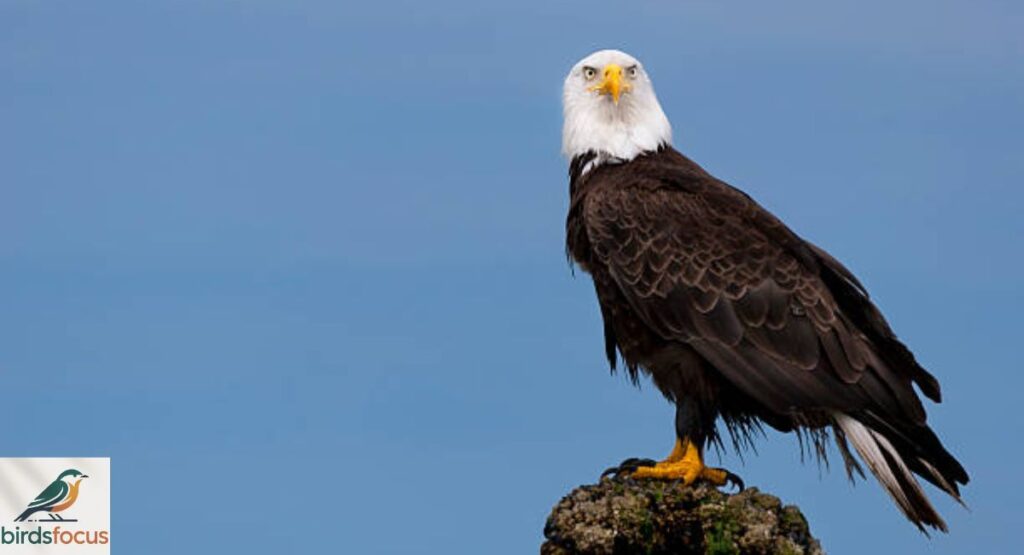
The Bald Eagle ranks among the most powerful birds in Northern California. It usually nests near lakes and rivers filled with fish. Eagles soar high above forests using sharp eyesight to locate prey. Their enormous nests often stay active for many years.
Chestnut-backed Chickadee
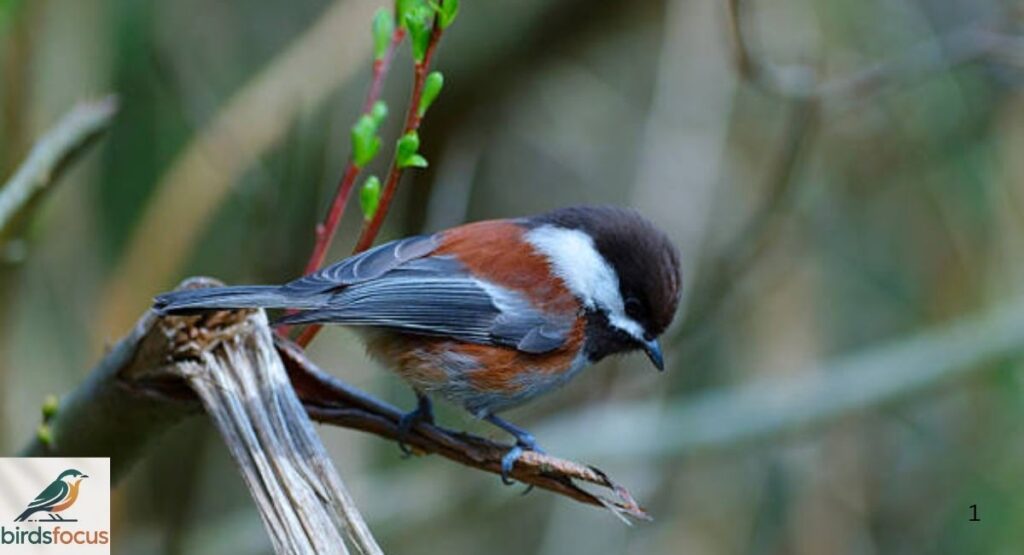
The Chestnut-backed Chickadee appears small yet extremely energetic inside redwood forests. Its chestnut-colored sides and black cap create a beautiful contrast. These birds move quickly through tree branches searching for insects. Their playful calls bring life to quiet forest trails.
Osprey
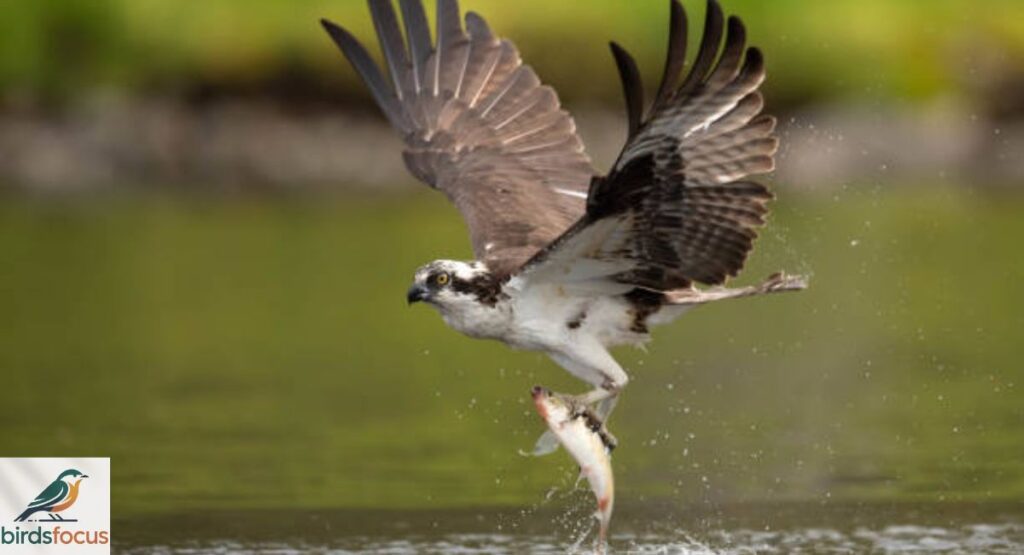
The Osprey specializes in catching fish from lakes and rivers. It hovers briefly above water before diving feet-first toward prey. Ospreys build huge stick nests near shorelines. Their dramatic hunting style attracts photographers and birdwatchers every year.
Western Grebe
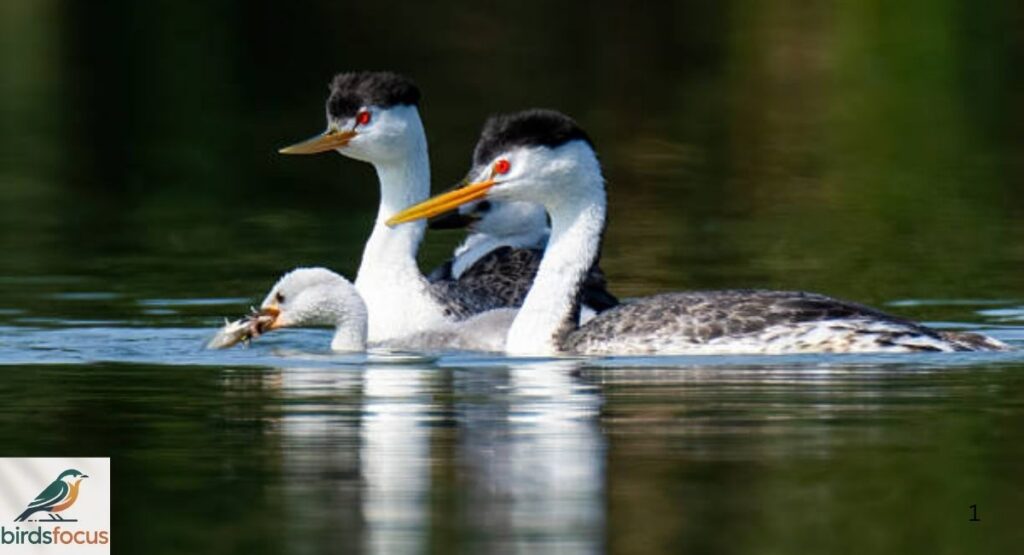
The Western Grebe glides gracefully across freshwater lakes and wetlands. During mating season, pairs perform synchronized water dances that look almost magical. These elegant birds dive underwater searching for fish and aquatic insects in calm northern lakes.
Conclusion
California offers one of the richest birdwatching experiences in North America. Forests, beaches, deserts, wetlands, and mountains support hundreds of fascinating species. From colorful hummingbirds to giant condors, the diversity of Birds of California continues attracting nature lovers from around the world.
Whether you enjoy backyard birdwatching or coastal adventures, California always provides something extraordinary. Protecting habitats and supporting conservation efforts will ensure future generations continue enjoying these beautiful birds. Every chirp, soaring wing, and migration journey reminds us how connected nature truly remains.
FAQs
What is the official state bird of California?
The California Quail is the official state bird of California. It became the state bird in 1931 because of its beauty and popularity.
What are the most common birds of California?
Some common birds of California include the House Finch, California Scrub-Jay, Mourning Dove, and Northern Mockingbird.
Which birds are native only to California?
The Island Scrub-Jay and Yellow-billed Magpie are two famous bird species found only in California.
Where can I see coastal birds in California?
You can spot coastal birds near beaches, wetlands, lagoons, and the Pacific coastline throughout California.
What is the best time for birdwatching in California?
Spring and fall are the best seasons because many migratory birds travel through California during these months.

Welcome to birdsfocus! I’m Anam Sattar, an AI Powered SEO, and Content Writer with 4 years of experirnce.
I help websites rank higher,grow traffic, and look amazing. My goal is to make SEO and web design simple and effective for everyone.
Let’s achieve more together!