


Birds in USA create one of the richest wildlife experiences across the continent. From dense forests to coastal wetlands, the country hosts more than 1,100 species that shape its natural balance. Because of diverse climates, you can spot everything from tiny hummingbirds to powerful eagles in different regions.
Many people enjoy watching common birds in usa like robins and cardinals in their backyards, while others explore national parks for rare sightings. Additionally, seasonal migration brings endless variety to birdwatching in usa, making every visit unique. Truly, the diversity of native birds in america reflects the country’s vast landscapes and ecological richness.
Birds Found in the USA
The variety of birds found across America feels almost endless. Dense pine forests shelter owls and woodpeckers while marshlands attract herons, pelicans, and cranes. Coastal states host gulls and seabirds while deserts support roadrunners and hawks. Because of this geographic richness, birds found in the united states adapt to nearly every habitat imaginable. Some species prefer crowded cities while others survive only in isolated wilderness areas.
Migration also increases bird diversity throughout the year. During spring and autumn, millions of birds travel across North America using ancient migration routes called flyways. These seasonal movements bring colorful warblers, ducks, geese, and shorebirds into different states. As a result, birdwatchers often experience completely different species depending on the season. This constant movement gives Birds in USA a dynamic and ever-changing character.
Why Birds in USA Are So Diverse
America contains snowy mountains, tropical wetlands, dry deserts, and coastal islands. These ecosystems create safe nesting grounds and food sources for countless species. The country also protects many national parks and wildlife refuges. Places like Yellowstone and the Everglades support fragile bird populations that might disappear elsewhere.
Bird diversity also depends on migration corridors. The Atlantic, Pacific, Central, and Mississippi Flyways guide millions of birds during seasonal journeys. Because the United States sits between Canada and Latin America, migratory species frequently stop here to rest and feed. This natural crossroads increases the richness of bird species in usa dramatically.
| Bird Fact | Details |
|---|---|
| Total Bird Species in USA | Over 1,100 |
| National Bird | Bald Eagle |
| Fastest Bird | Peregrine Falcon |
| Largest Bird | California Condor |
| Smallest Bird | Calliope Hummingbird |
Native Birds of the United States
Native birds evolved naturally in North America over thousands of years. These species play important ecological roles in forests, rivers, and grasslands. Many native birds control insect populations while others pollinate flowers or spread plant seeds. Without them, ecosystems would quickly lose balance. Native birds also reflect regional identity because many Americans recognize their local species immediately by sight or sound.
Several native birds have become iconic national symbols. The Bald Eagle represents freedom and strength while the cheerful American Robin signals the arrival of spring. Bird lovers admire native species because they connect people with America’s natural heritage. Protecting native birds remains essential as habitat destruction and climate shifts continue affecting wildlife populations across the country.
Bald Eagle
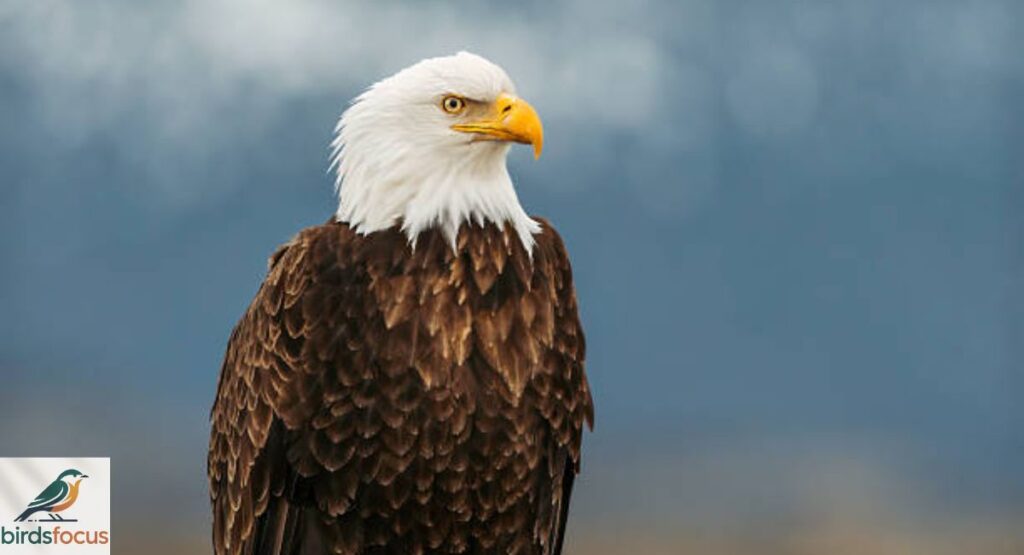
The Bald Eagle stands among the most recognizable native birds in america. This massive raptor can reach a wingspan exceeding seven feet. Bald Eagles often live near lakes and rivers because fish make up most of their diet. Their piercing eyesight allows them to spot prey from incredible distances.
For decades, Bald Eagles faced severe population decline due to pesticides and habitat loss. Conservation programs later helped restore their numbers. Today, they symbolize one of America’s greatest wildlife recovery stories. Seeing a Bald Eagle soaring above water feels powerful and unforgettable.
American Robin
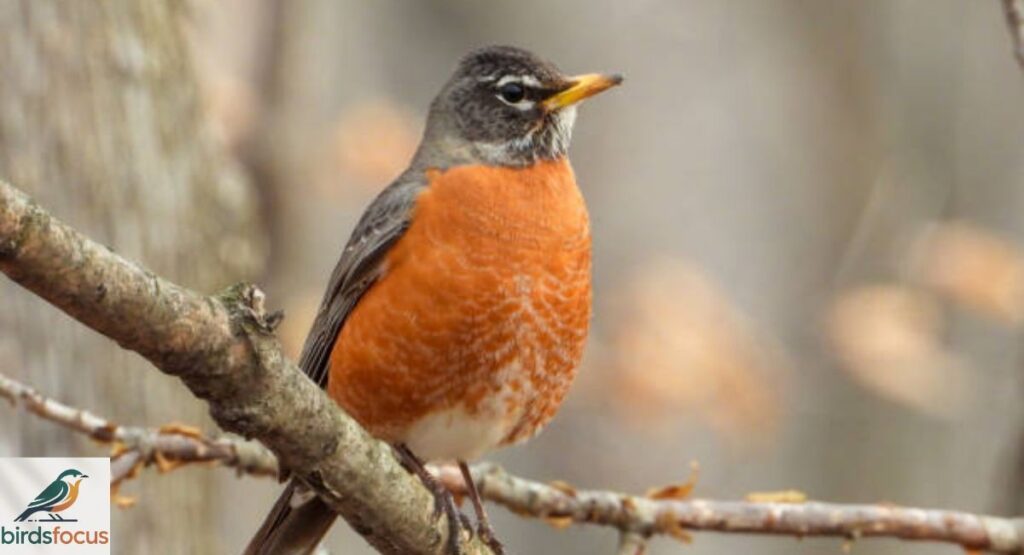
The American Robin appears throughout parks, gardens, and suburban neighborhoods. Its orange chest and cheerful singing make it one of the most familiar common birds in usa. Robins feed mostly on insects, worms, and berries. During spring mornings, their songs often become the first sounds people hear outdoors.
Robins adapt extremely well to human environments. They build nests in trees, porch corners, and even outdoor lights. Because they appear in nearly every state, many Americans associate robins with comfort and seasonal renewal. Their presence creates a sense of familiarity almost everywhere.
Northern Cardinal
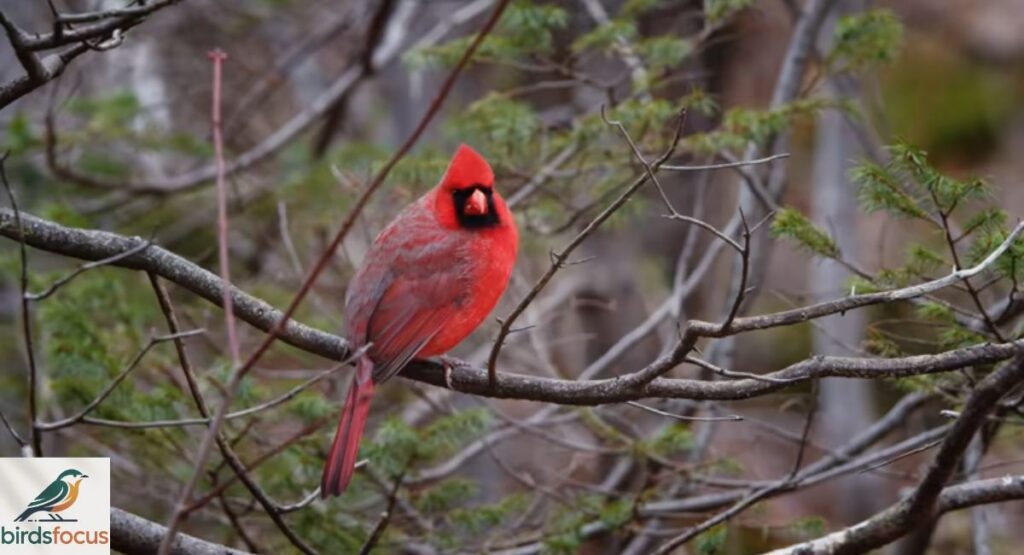
The bright red Northern Cardinal adds striking color to forests and backyards. Male cardinals display brilliant scarlet feathers while females show softer brown shades with reddish accents. These birds remain active year-round which makes them easy to spot during snowy winters.
Cardinals prefer shrubs and wooded neighborhoods where seeds remain plentiful. Their whistles sound sharp yet melodic across quiet mornings. Many bird enthusiasts consider cardinals among the most beautiful american birds list species because of their vibrant appearance and confident behavior.
Non-Native Birds in USA
Not every bird in America originally evolved there. Humans introduced several species from Europe, Asia, and other continents over centuries. Some arrived accidentally while others were released intentionally for decoration or hunting. Over time, many adapted successfully to American cities and farmland. Certain non-native birds now appear more commonly than native species in urban areas.
Although some introduced birds seem harmless, others create ecological problems. Invasive species compete with native birds for food and nesting spaces. They may also spread diseases or damage crops. Understanding non-native species helps conservationists protect vulnerable ecosystems and maintain balance among wild birds in america.
European Starling
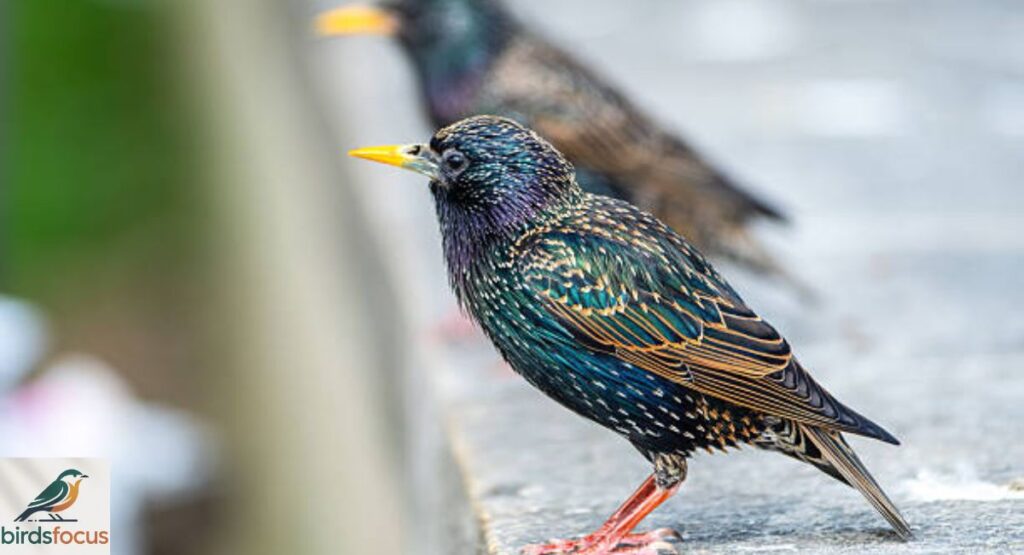
The European Starling arrived in North America during the nineteenth century. Today, it ranks among the most widespread birds across the continent. Starlings display glossy black feathers with purple and green reflections under sunlight. During winter, white speckles cover their bodies beautifully.
Despite their attractive appearance, starlings create major environmental issues. They aggressively compete with native cavity-nesting birds like bluebirds and woodpeckers. Massive starling flocks also damage crops and produce loud noise near cities. Their rapid expansion changed American bird populations dramatically.
Rock Pigeon
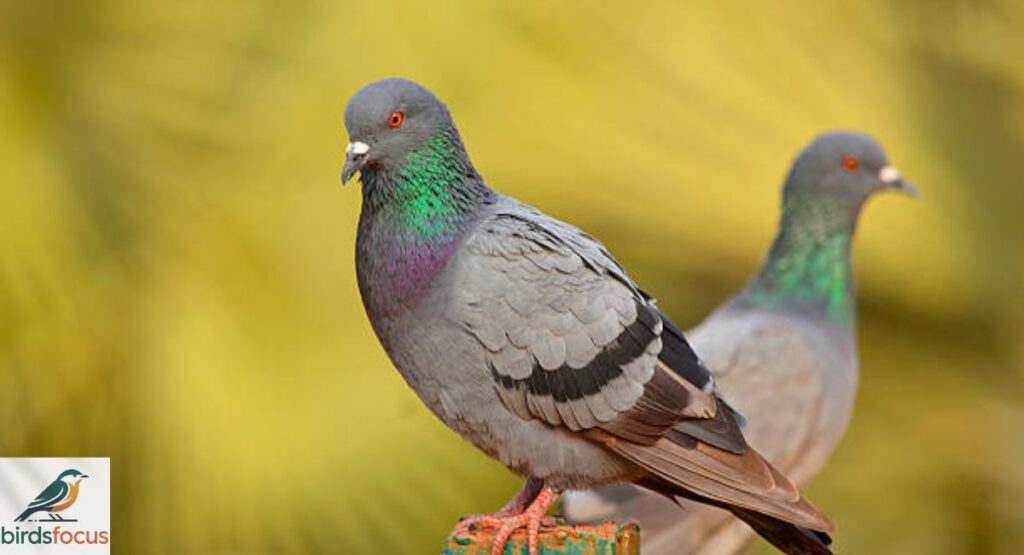
The familiar Rock Pigeon originally came from Europe and North Africa. Humans transported pigeons worldwide for communication and domestication. Modern city pigeons descend from escaped domestic birds that adapted quickly to urban environments.
Pigeons survive almost anywhere because they eat varied foods and reproduce rapidly. Tall buildings imitate the cliffs where their ancestors once nested. While some people dislike pigeons, others admire their intelligence and remarkable navigation abilities. These birds remain deeply connected to human civilization.
Birds of Prey in USA
Birds of prey dominate the skies with speed, strength, and deadly precision. Raptors possess hooked beaks, razor-sharp talons, and exceptional vision. They hunt mammals, fish, reptiles, and smaller birds efficiently. Across America, hawks, falcons, owls, and eagles maintain ecological balance by controlling prey populations naturally.
The world of birds of prey in usa fascinates birdwatchers because these hunters combine beauty with power. Some soar silently above mountains while others dive toward prey at astonishing speeds. Raptors also hold strong cultural symbolism throughout American history, representing freedom, courage, and survival.
| Bird of Prey | Unique Feature |
| Bald Eagle | Powerful fish hunter |
| Peregrine Falcon | Fastest bird on Earth |
| Osprey | Specialized fishing raptor |
| Great Horned Owl | Silent nighttime hunter |
| Red-tailed Hawk | Excellent soaring ability |
Peregrine Falcon
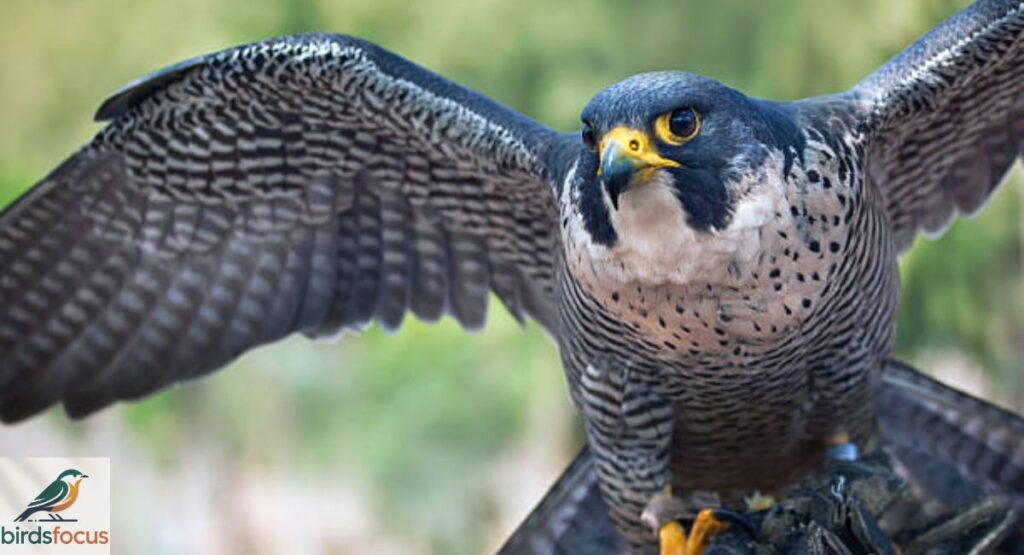
The Peregrine Falcon is the fastest animal on Earth. During hunting dives called stoops, it can exceed 200 miles per hour. Falcons target pigeons and smaller birds using breathtaking aerial attacks. Their streamlined bodies and pointed wings make them extraordinary fliers.
Peregrines nearly vanished from America because pesticides weakened their eggshells. Intensive conservation programs helped populations recover successfully. Today, they nest on skyscrapers, bridges, and cliffs throughout the country. Watching one hunt feels like witnessing nature’s fighter jet in action.
Great Horned Owl
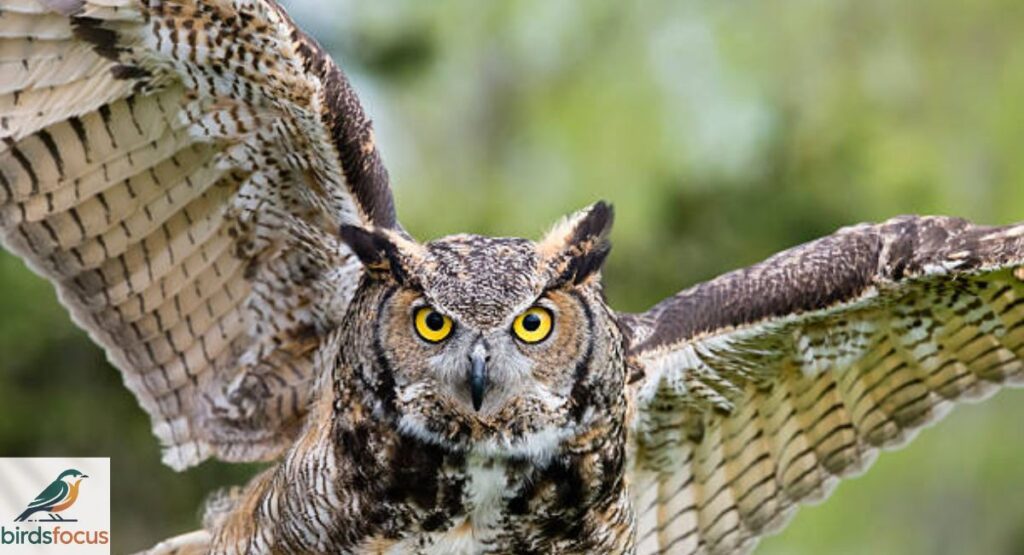
The Great Horned Owl ranks among the most powerful nocturnal hunters in North America. Its yellow eyes and ear-like feather tufts create a fierce appearance. These owls hunt rabbits, rodents, skunks, and even other birds during darkness.
Great Horned Owls survive in forests, deserts, suburbs, and swamps. Their silent flight allows them to surprise prey easily. Deep hooting calls echo through nighttime woodlands across America. Many people rarely see them despite living nearby because these owls remain incredibly secretive.
Largest Birds in USA
America hosts several enormous birds that impress observers immediately. Some possess gigantic wingspans while others stand remarkably tall. Large birds require substantial food supplies and wide habitats for survival. Their massive size often helps them travel long distances or defend against predators effectively.
The study of largest birds in usa reveals fascinating adaptations for flight and endurance. While giant birds may appear slow, many glide efficiently using thermal air currents. Their survival often depends on protected habitats because large species reproduce slowly and remain vulnerable to environmental disruption.
California Condor
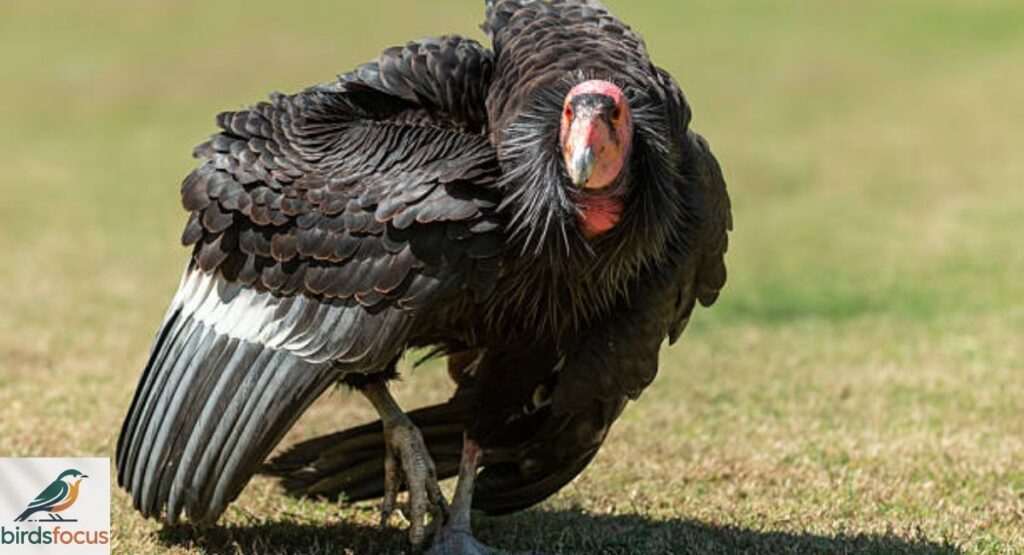
The California Condor remains the largest flying bird in North America. Its wingspan can stretch nearly ten feet across. Condors soar gracefully over mountains and canyons while searching for carrion. These scavengers help clean ecosystems by removing dead animals from the environment.
Condors once approached extinction due to poisoning and habitat destruction. Conservation breeding programs later saved the species from disappearing completely. Today, scientists continue monitoring wild populations carefully. Spotting a condor in flight feels rare and extraordinary.
Sandhill Crane
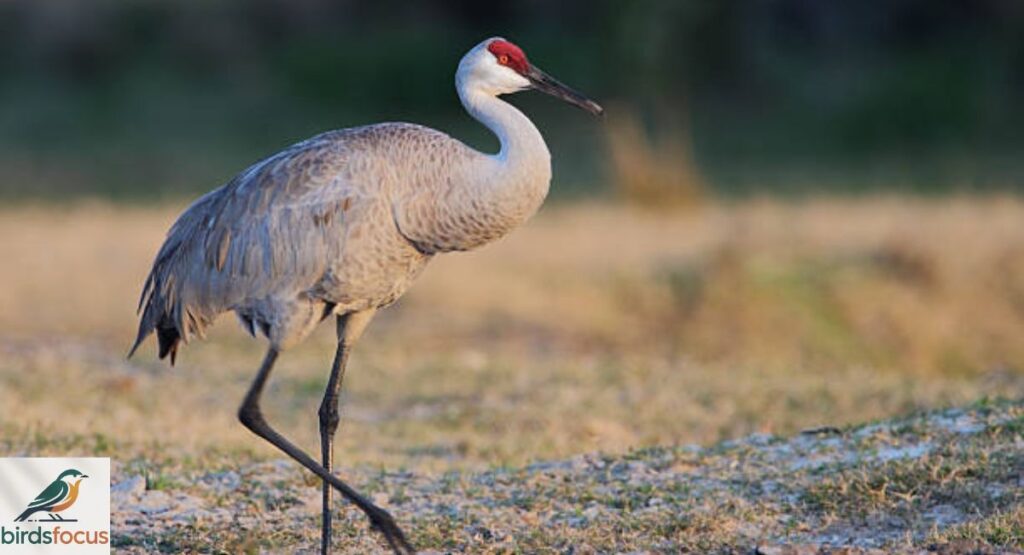
The elegant Sandhill Crane stands tall with long legs and broad wings. These cranes migrate across North America in enormous flocks that create spectacular seasonal displays. Their loud rattling calls often echo above wetlands and grasslands.
Sandhill Cranes dance during courtship using jumps, wing flaps, and graceful movements. Many birdwatchers travel specifically to witness crane migrations. Their prehistoric appearance and social behavior make them unforgettable among largest birds in the united states.
Birds in USA by Color
Color helps birdwatchers identify species quickly in forests and neighborhoods. Bright feathers also play essential roles during mating displays and territorial behavior. Some birds use vivid colors to attract partners while others rely on camouflage for protection. Observing feather patterns often reveals important details about habitat and behavior.
The colorful diversity of Birds in USA transforms ordinary landscapes into living artwork. From scarlet tanagers to golden finches, American birds display nearly every shade imaginable. These striking colors inspire photographers, painters, and nature lovers across the country.
Black Birds
Black birds create a mysterious and bold presence across forests, wetlands, and suburban neighborhoods in America. Many people admire their glossy feathers, sharp intelligence, and loud calls. Some black-colored birds travel in huge flocks while others prefer isolated woodland habitats. These striking species remain important members of the common birds in usa ecosystem.
American Crow
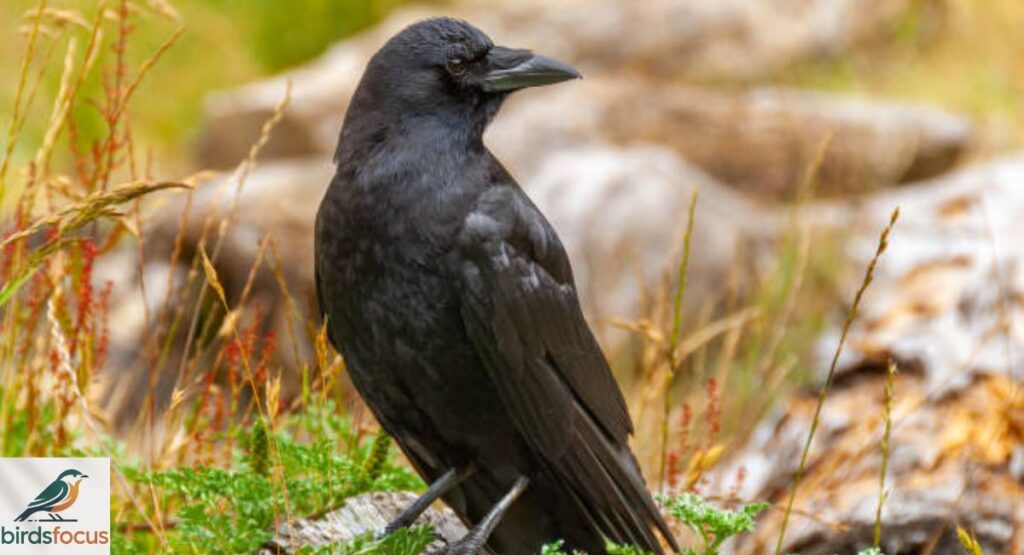
The American Crow ranks among the smartest black birds in america. Crows solve problems, recognize human faces, and communicate using complex sounds. Their glossy black feathers shine beautifully under sunlight. You can often spot them near farms, roadsides, forests, and busy cities searching for insects, seeds, and leftovers.
Red-winged Blackbird
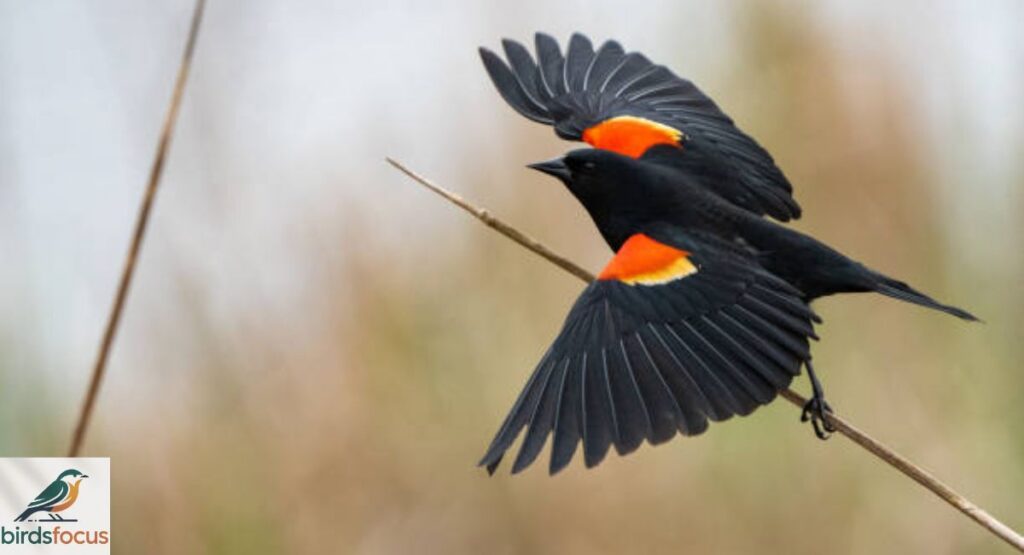
The Red-winged Blackbird stands out because of its bright red and yellow shoulder patches. Male birds defend marsh territories aggressively during breeding season. Their loud “conk-la-ree” calls echo across wetlands every spring. These birds gather in enormous flocks during winter which creates dramatic sights across open fields.
Blue Birds
Blue-colored birds add vivid beauty to American forests and gardens. Their bright feathers symbolize happiness, peace, and open skies. Many birdwatchers become interested in Birds in USA after spotting these colorful species for the first time. Blue birds often prefer wooded parks, farmlands, and suburban backyards.
Blue Jay
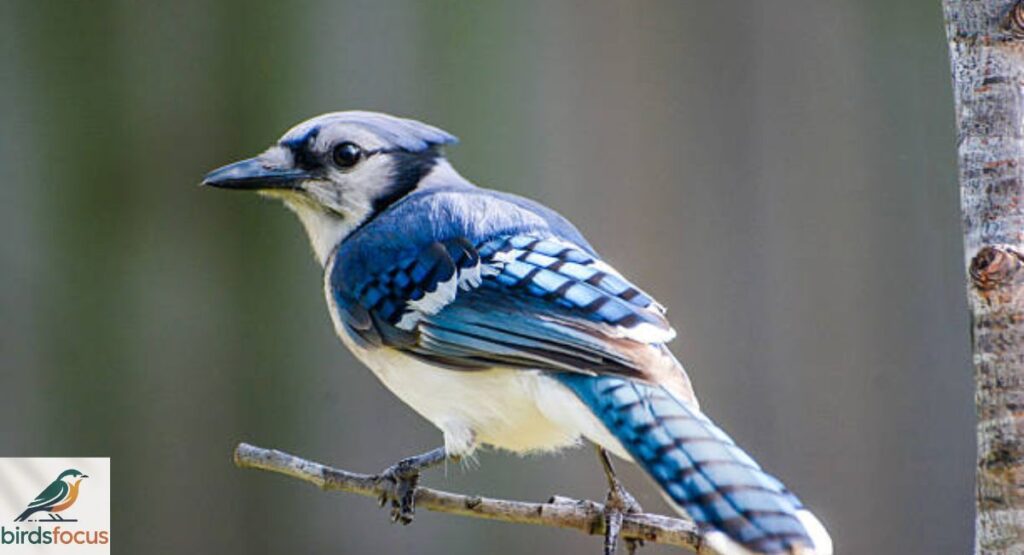
The Blue Jay is one of the loudest and most intelligent blue birds in usa. Its bright blue feathers, black neck collar, and bold personality make it easy to recognize instantly. Blue Jays store acorns for winter and sometimes imitate hawk calls to scare smaller birds away from feeders.
Eastern Bluebird
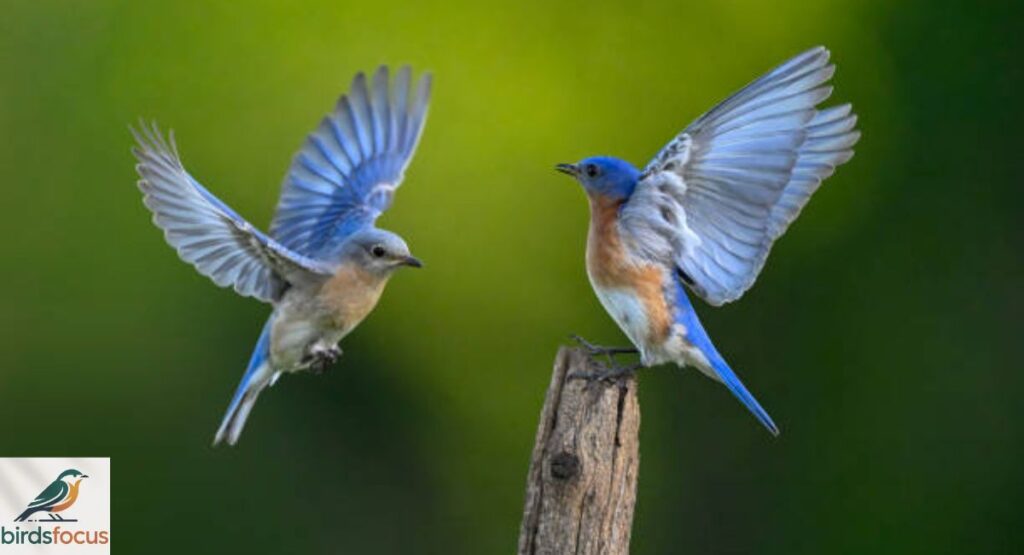
The gentle Eastern Bluebird carries brilliant blue feathers with a warm orange chest. These beautiful birds prefer open grasslands, orchards, and fence lines. Eastern Bluebirds feed mainly on insects and berries. Their soft songs and peaceful behavior make them favorites among backyard birdwatchers across America.
Red Birds
Red birds bring explosive color to forests and gardens throughout the country. Their vivid feathers easily catch attention during every season, especially against snowy winter landscapes. Many bird lovers consider red species among the most beautiful american birds list members because of their dazzling appearance and energetic behavior.
Scarlet Tanager
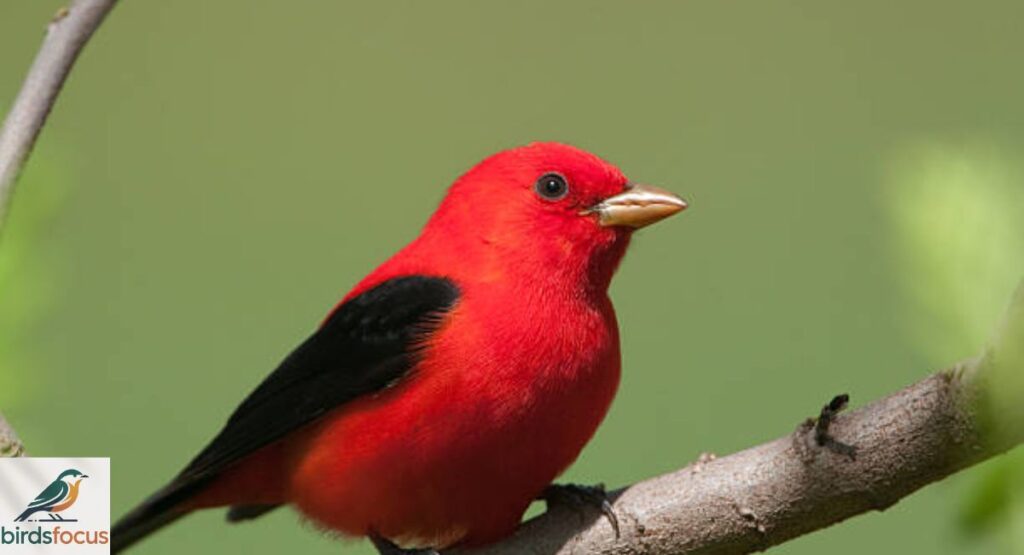
The striking Scarlet Tanager glows with fiery red feathers and jet-black wings. These birds spend most of their time hidden high in forest canopies. During migration, birdwatchers eagerly search for them across eastern woodlands. Their tropical appearance makes them look almost unreal in North American forests.
Yellow Birds
Yellow birds brighten gardens and forests like tiny flashes of sunlight. Their cheerful appearance often attracts beginner birdwatchers quickly. Many yellow species feed on seeds, insects, and nectar during warmer months. Because of their vivid plumage, they remain some of the easiest bird species in usa to identify.
American Goldfinch
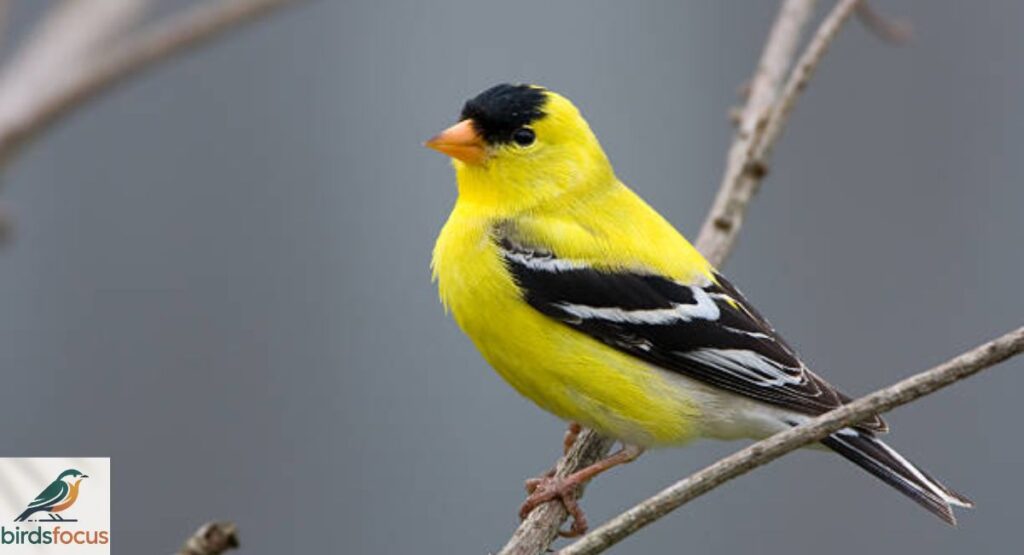
The radiant American Goldfinch becomes brilliant yellow during summer breeding season. These small finches love sunflower seeds and flowering plants. Their bouncing flight style and sweet chirping sounds make gardens feel lively and welcoming. Goldfinches often travel in small social flocks throughout open countryside.
Yellow Warbler
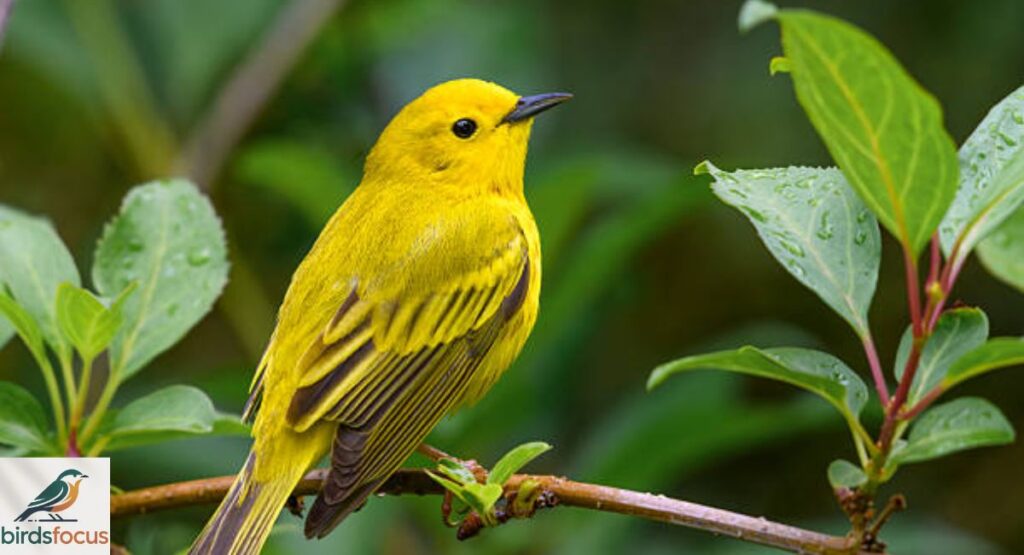
The tiny Yellow Warbler appears like a moving golden leaf among shrubs and wetlands. These energetic birds constantly search branches for insects and caterpillars. Their sweet whistling songs fill riversides and marshes during spring migration. Bright yellow feathers help them stand out beautifully in green vegetation.
White Birds
White birds symbolize elegance, peace, and grace throughout American wetlands and coastlines. Their bright feathers shine dramatically under sunlight which makes them highly noticeable from long distances. Many white species depend heavily on healthy aquatic ecosystems for feeding and nesting success.
Snowy Egret
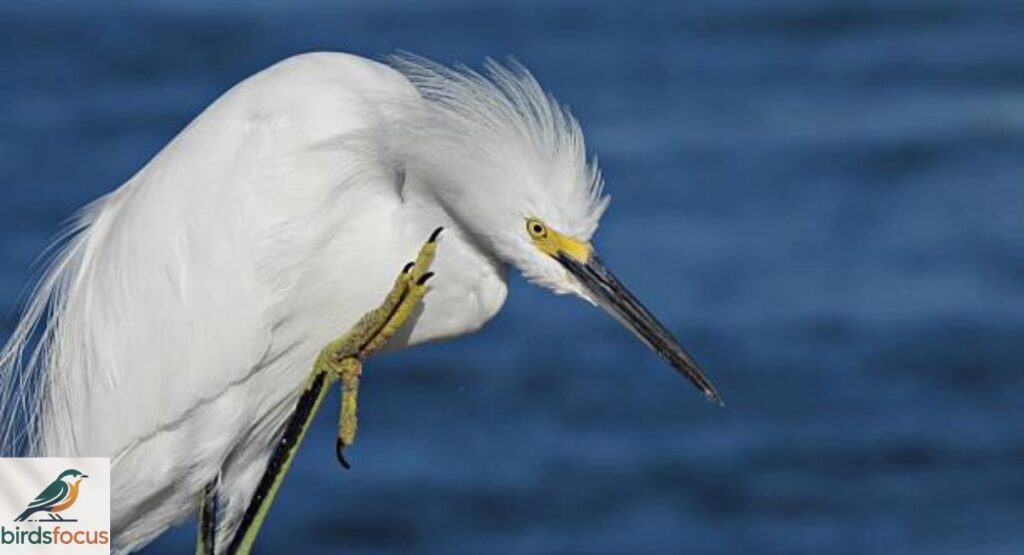
The graceful Snowy Egret moves carefully through shallow wetlands using its long black legs and golden feet. During breeding season, delicate white plumes decorate its body beautifully. Snowy Egrets hunt fish, frogs, and insects with fast stabbing movements that demonstrate remarkable precision and patience.
American White Pelican
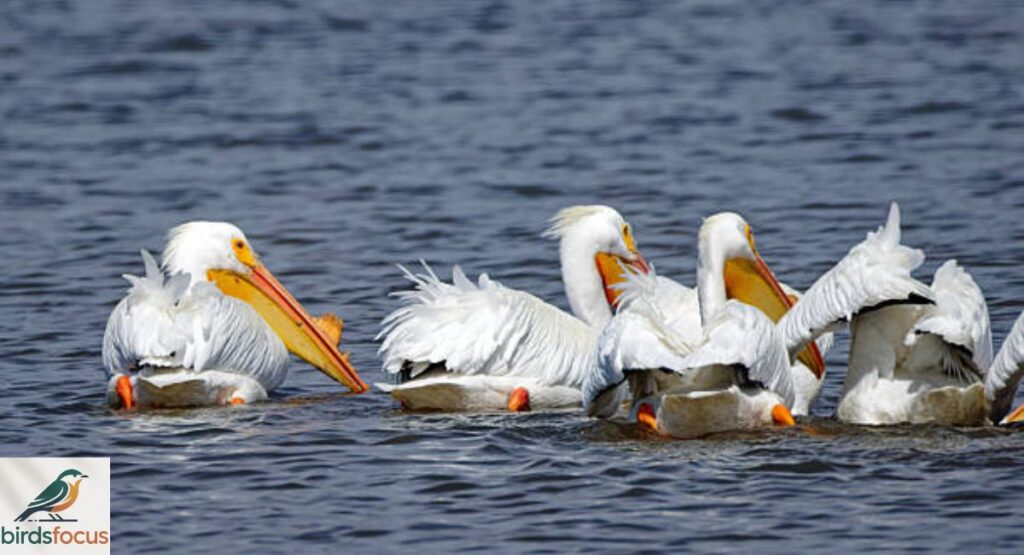
The enormous American White Pelican ranks among the largest water birds in usa. Its giant wingspan allows effortless soaring above lakes and wetlands. Unlike brown pelicans, this species catches fish while swimming cooperatively with other pelicans. Their bright white feathers and massive orange bills create unforgettable views near water.
Water Birds Found in the USA
Water birds depend on rivers, lakes, marshes, and coastlines for survival. Many species possess webbed feet, waterproof feathers, and long bills suited for fishing. Some dive underwater while others wade carefully through shallow wetlands. Their specialized adaptations help them thrive in aquatic habitats throughout America.
The diversity of water birds in usa remains astonishing. Pelicans glide above ocean waves while herons stalk fish silently through marshes. Wetlands provide critical nesting and feeding grounds for these species. Protecting aquatic habitats remains vital for their long-term survival.
Great Blue Heron
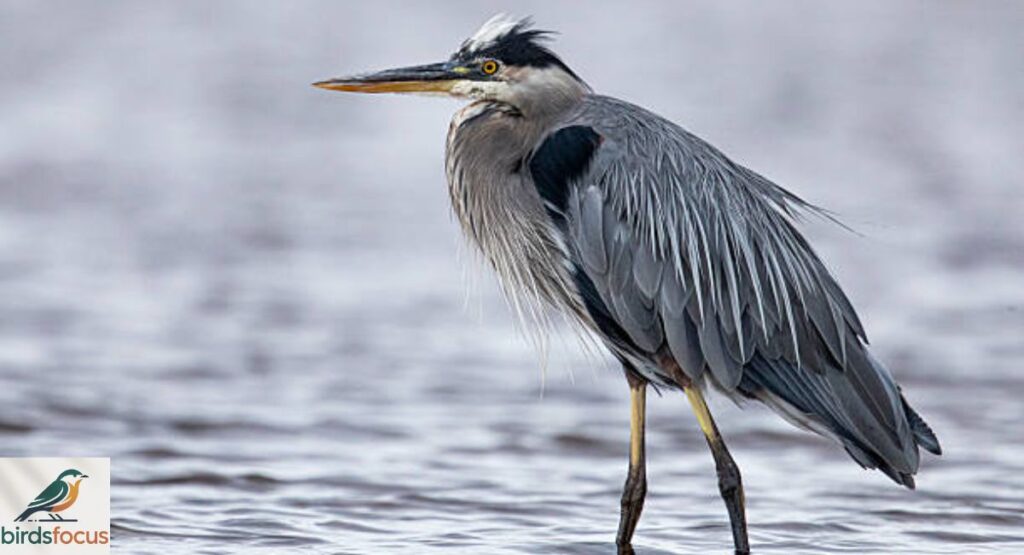
The towering Great Blue Heron moves through wetlands with slow, deliberate steps. Its long neck and spear-like bill help capture fish efficiently. Herons often stand motionless for several minutes before striking prey suddenly.
Great Blue Herons nest in colonies called rookeries high in trees near water. Their wingspans exceed six feet which gives them an impressive appearance during flight. These birds symbolize patience and precision throughout American wetlands.
Brown Pelican
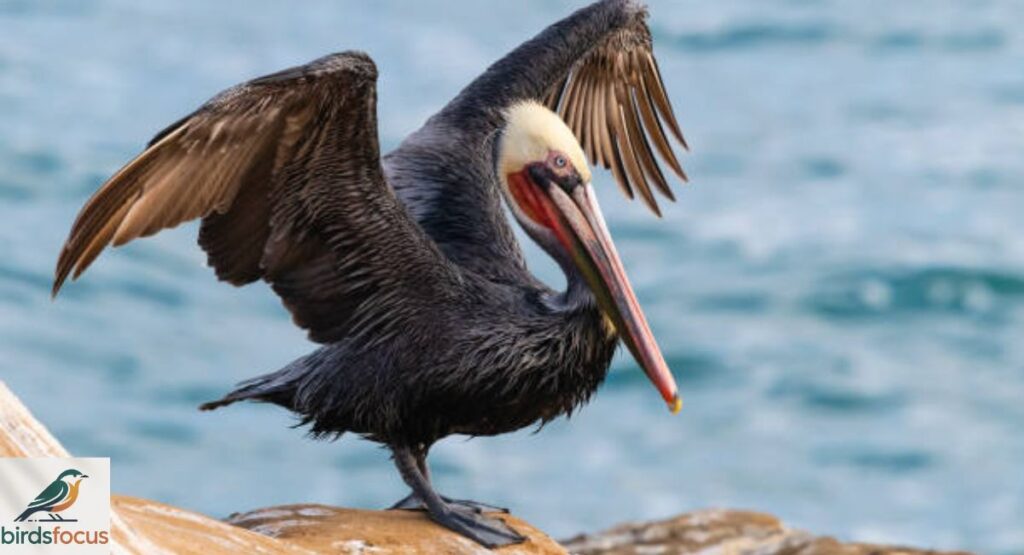
The Brown Pelican uses dramatic plunge-diving techniques to catch fish. Pelicans soar above coastlines before crashing headfirst into water at high speed. Expandable throat pouches allow them to scoop fish easily.
Brown Pelicans nearly disappeared due to pesticide contamination decades ago. Strong conservation efforts later restored their populations successfully. Today, they remain iconic symbols of coastal ecosystems in southern America.
Bird Migration in the United States
Bird migration represents one of nature’s greatest spectacles. Every year, millions of birds travel thousands of miles between breeding and wintering grounds. These journeys demand extraordinary endurance because birds face storms, predators, and habitat loss along the way.
The migration patterns of migratory birds in usa connect entire continents ecologically. Tiny warblers cross oceans while cranes navigate vast plains using ancient instincts. Scientists continue studying migration to understand navigation, climate effects, and survival strategies among American birds.
Atlantic Flyway
The Atlantic Flyway stretches along America’s eastern coastline. Birds traveling this route depend on coastal marshes, forests, and estuaries for rest and food. Waterfowl, hawks, and songbirds all use this migration corridor heavily.
Cities along the Atlantic coast often experience dramatic migration waves during spring and autumn. Birdwatchers gather at famous hotspots like Cape May to witness enormous seasonal movements. These migrations reveal the incredible resilience of wild birds.
Best Birdwatching Places in USA
America offers exceptional birdwatching opportunities for beginners and experts alike. National parks, wildlife refuges, and coastal wetlands support huge numbers of species year-round. Different regions attract different birds which keeps birdwatching exciting throughout every season.
The popularity of birdwatching in usa continues growing rapidly because it combines relaxation with adventure. Watching birds encourages people to slow down and appreciate natural beauty carefully. Many birders travel long distances just to glimpse rare or unusual species.
Everglades National Park
Florida’s Everglades support one of the richest bird ecosystems in North America. Wetlands there attract herons, ibises, pelicans, spoonbills, and raptors. Warm climates allow birdwatching during nearly every season.
The Everglades also provide critical habitat for endangered species. Airboat tours and walking trails help visitors explore remote marshes safely. Sunrise birdwatching in the Everglades feels peaceful and unforgettable.
State Birds of the United States
Every American state selected an official bird representing local culture or wildlife history. State birds often reflect regional habitats and traditions. Schoolchildren frequently learn these symbolic species during geography and science lessons.
State birds strengthen connections between communities and local ecosystems. Some species represent multiple states because they remain widespread and beloved nationwide. These symbols remind people to appreciate wildlife living around them every day.
Northern Mockingbird
The Northern Mockingbird serves as the state bird for several southern states. This gray songbird copies sounds from other birds, animals, and even machines remarkably well. Males sing continuously during breeding seasons.
Mockingbirds defend territories aggressively against predators much larger than themselves. Their intelligence and vocal talents make them highly respected among bird enthusiasts. Many Americans recognize their endless nighttime singing immediately.
Endangered Birds in America
Habitat destruction, pollution, pesticides, and climate change threaten many bird populations across America. Some species decline because wetlands disappear while others suffer from collisions with buildings and power lines. Conservation programs now focus heavily on habitat restoration and scientific monitoring.
Protecting endangered birds helps preserve entire ecosystems. When bird populations collapse, environmental imbalance often follows quickly. Conservation success stories prove recovery remains possible when governments and communities work together consistently.
Whooping Crane
The majestic Whooping Crane ranks among America’s rarest birds. These towering white cranes nearly vanished during the twentieth century because of hunting and habitat loss. Intensive conservation programs slowly increased their numbers.
Whooping Cranes migrate long distances between Canada and Texas each year. Scientists track them carefully using satellite technology and protected breeding programs. Their recovery offers hope for future bird conservation efforts worldwide.
Rare Birds in USA
Rare birds attract enormous attention from birdwatchers and researchers. Some species appear only in isolated habitats while others visit America unexpectedly during migration. Spotting a rare bird often becomes a once-in-a-lifetime experience for enthusiasts.
The fascination with rare birds in usa continues growing because unusual sightings create excitement and scientific value simultaneously. Rare birds also reveal environmental changes affecting migration patterns and ecosystems throughout North America.
| Rare Bird in USA | Habitat | Why It’s Rare |
|---|---|---|
| Ivory-billed Woodpecker | Old forests and swamps | Possibly extinct or extremely few left |
| Kirtland’s Warbler | Young jack pine forests (Michigan) | Very limited breeding area |
| California Least Tern | Coastal beaches | Habitat loss and disturbance |
| Gunnison Sage-Grouse | Sagebrush plains | Restricted to small western regions |
| Whooping Crane | Wetlands and migration routes | Low population, conservation dependent |
| Red-cockaded Woodpecker | Pine forests in southeastern USA | Requires old-growth pine trees |
| Florida Scrub-Jay | Florida scrub habitats | Endemic and habitat-specific species |
Interesting Facts About Birds in USA
American birds display astonishing abilities that often seem unbelievable. Falcons dive faster than race cars while hummingbirds flap wings dozens of times every second. Certain birds remember hiding places for thousands of seeds while others migrate across continents using stars and magnetic fields.
The world of Birds in USA combines beauty with extraordinary biological adaptations. Scientists continue discovering surprising intelligence, communication skills, and survival behaviors among common species. These remarkable traits explain why birds remain endlessly fascinating to humans everywhere.
| Amazing Bird Fact | Species |
| Fastest Bird | Peregrine Falcon |
| Largest Wingspan | California Condor |
| Best Mimic | Northern Mockingbird |
| Tiny Hovering Expert | Hummingbird |
| Strongest Night Hunter | Great Horned Owl |
Hummingbird Flight Abilities
Hummingbirds perform aerial maneuvers unlike almost any other bird species. They hover in place, fly backward, and move sideways effortlessly. Rapid wingbeats create a humming sound that gives them their famous name.
These tiny birds consume enormous energy daily. Some migrate thousands of miles despite weighing less than a coin. Their speed and precision make them among the most astonishing birds in North America.
Conclusion
Birds in USA show an amazing mix of color, sound, and life across every region. From native birds in america to striking birds of prey in usa, each species plays a key role in nature. Whether you enjoy birdwatching in usa or just notice backyard visitors, every bird adds value to the ecosystem. Their diversity reflects healthy landscapes and rich habitats.
In the end, protecting these birds matters for future generations. By saving habitats, we protect the beauty and balance of Birds in USA for years to come.
FAQs
1. What are the most common Birds in USA?
The most common Birds in USA include American Robin, Northern Cardinal, Blue Jay, and American Crow found in cities and forests.
2. What is the largest bird in the United States?
The California Condor is the largest flying bird in the USA, known for its huge wingspan and soaring flight.
3. Which are the best birds of prey in USA?
Bald Eagle, Peregrine Falcon, and Red-tailed Hawk are top birds of prey in usa with strong hunting skills.
4. When is the best time for birdwatching in USA?
Spring and fall are best for birdwatching in usa because migration brings many rare and colorful species.
5. Are all birds in USA native species?
No, the USA has both native and non-native birds like European Starling and Rock Pigeon.

Welcome to birdsfocus! I’m Anam Sattar, an AI Powered SEO, and Content Writer with 4 years of experirnce.
I help websites rank higher,grow traffic, and look amazing. My goal is to make SEO and web design simple and effective for everyone.
Let’s achieve more together!