
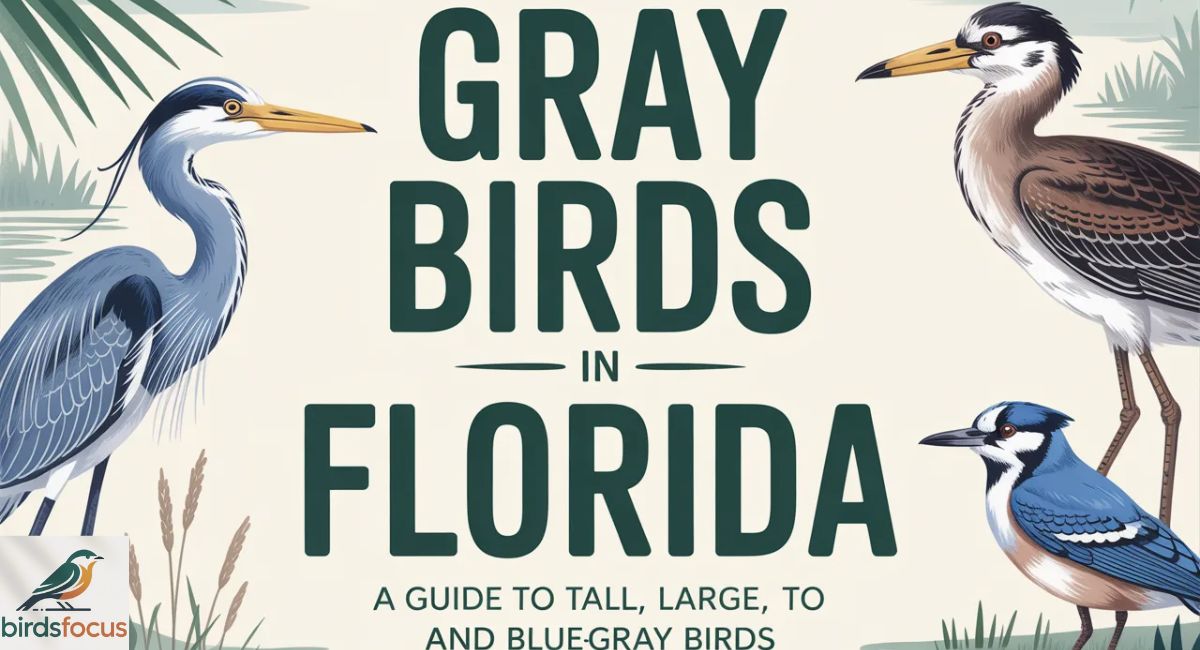
Florida is a paradise for bird lovers because the state offers wetlands, beaches, forests, and freshwater lakes filled with wildlife. Many travelers search for Gray Birds in Florida to learn how to identify tall herons, elegant cranes, and small backyard songbirds. Some gray birds live in Florida throughout the year while others arrive during seasonal migration. Their soft gray feathers help them blend into marshes, cloudy skies, and tree branches.
Birdwatchers often spot these birds near rivers, parks, and coastal areas during sunrise walks. From towering wading birds to tiny forest species, Florida provides endless opportunities for nature photography and outdoor exploration. Big Gray Birds in Florida, Tall Gray Birds in Florida, Blue-Gray Birds in Florida, and Large Gray Birds in Florida remain especially popular among bird enthusiasts.
Common Gray Birds Found in Florida
Florida is home to many famous gray birds. Some species live near water while others prefer gardens and forests. These birds vary in size, shape, and behavior. However, most of them share soft gray feathers that help them survive in nature. People often notice these birds during walks in parks, wetlands, and suburban neighborhoods.
Many Gray Birds in Florida are active during early morning hours. You can hear their calls before sunrise near trees and lakes. Some birds hunt fish patiently while others search for insects among bushes. Florida’s mild climate allows many birds to remain active throughout the year. This makes birdwatching enjoyable in every season.
Great Blue Heron
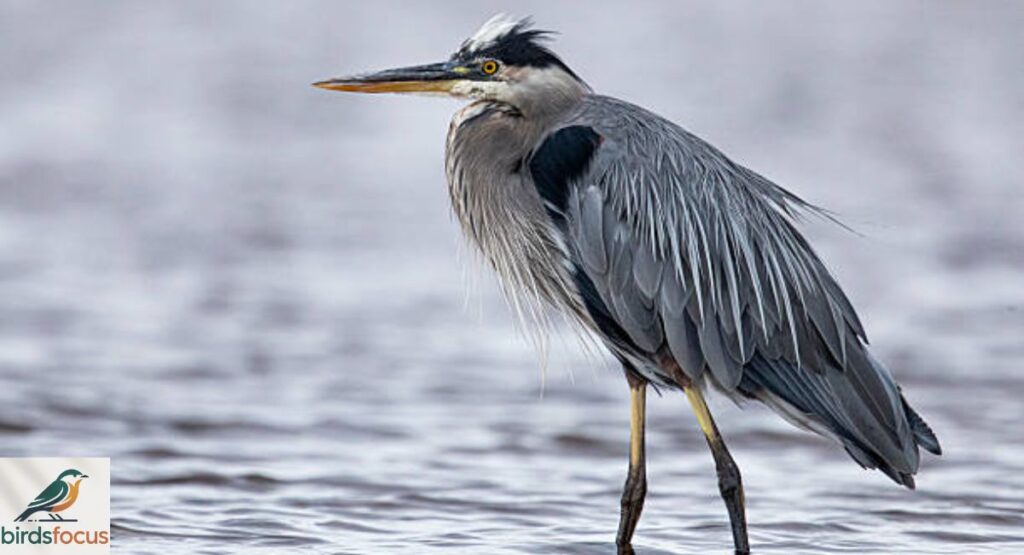
The Great Blue Heron is one of the tallest birds in Florida. It has long legs, a sharp yellow beak, and blue-gray feathers. You will often see this bird standing silently near rivers or marshes. It waits patiently before catching fish with incredible speed. Many photographers love this bird because of its graceful appearance and slow movements.
Gray Catbird
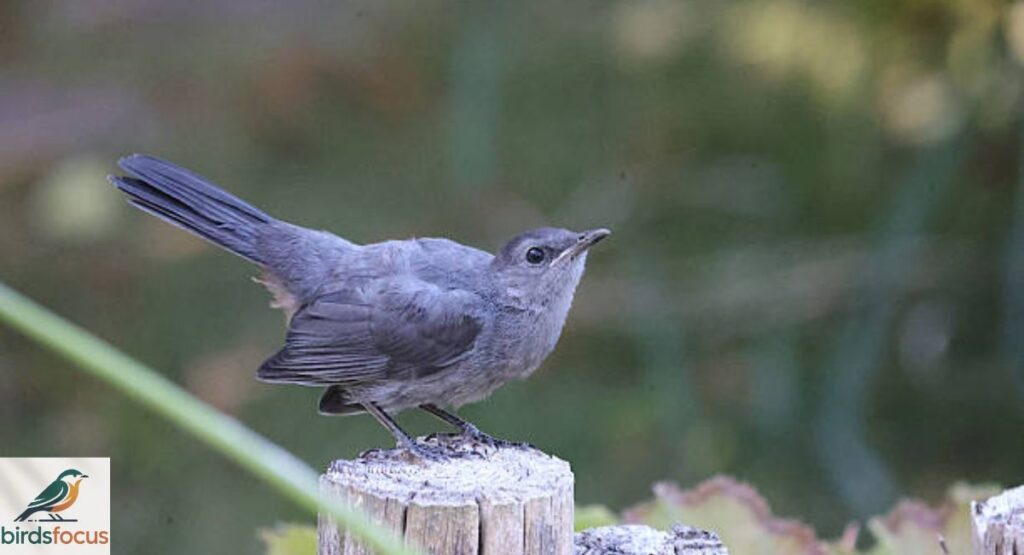
The Gray Catbird is a medium-sized bird with dark gray feathers and a black cap. Its name comes from its cat-like call. This bird enjoys hiding inside bushes and gardens. It feeds on berries, insects, and small fruits. Birdwatchers often hear the catbird before seeing it because it sings loudly from dense shrubs.
Northern Mockingbird
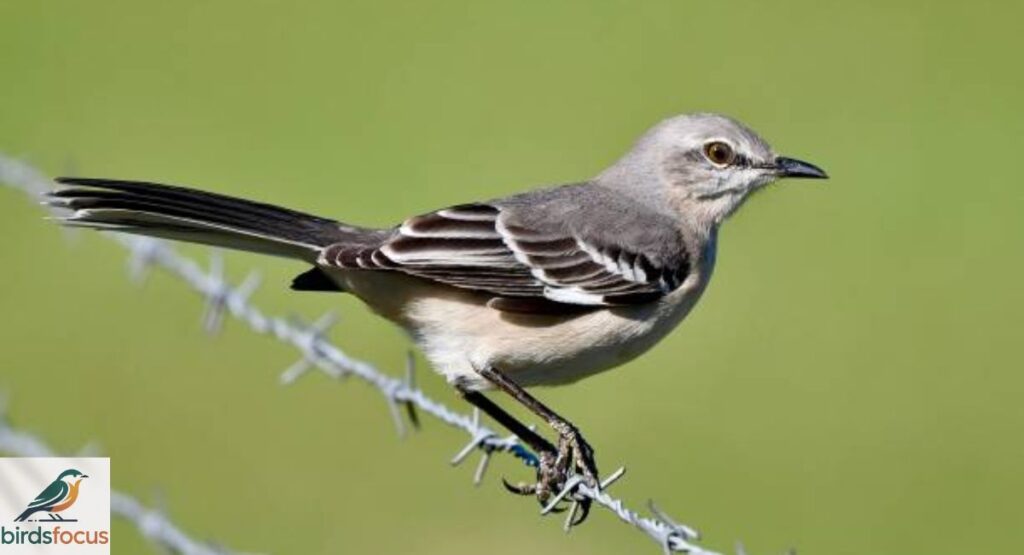
The Northern Mockingbird is Florida’s state bird. It has light gray feathers with white patches on its wings. This bird is famous for copying the sounds of other birds and even car alarms. Mockingbirds are very protective of their nests. They often chase larger birds away from their territory.
Blue-gray Gnatcatcher
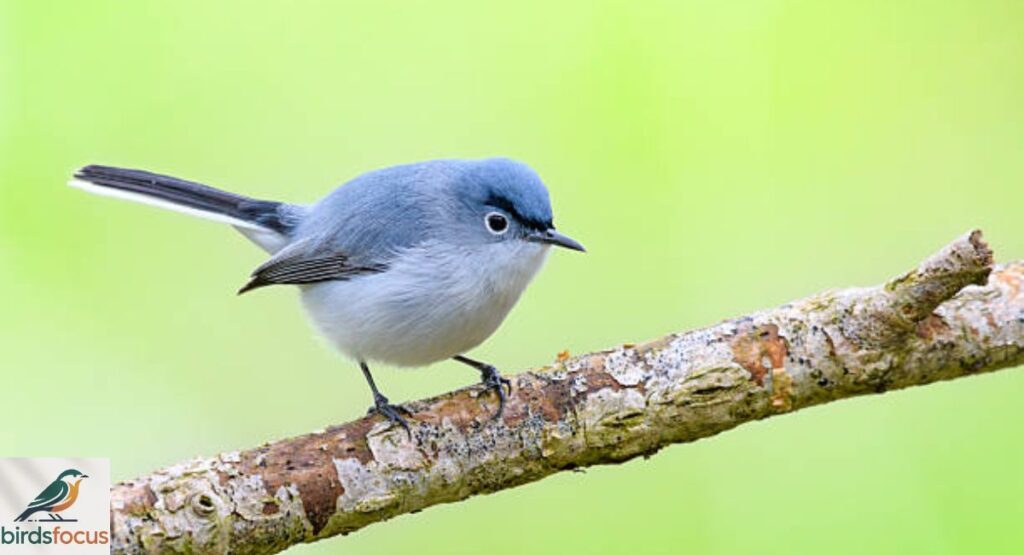
The Blue-gray Gnatcatcher is tiny but very energetic. It has soft blue-gray feathers and a thin tail with white edges. This bird moves quickly through tree branches searching for insects. It rarely stays still for long. Many people confuse it with other small birds because of its fast movement.
Big Gray Birds in Florida
Large birds attract attention immediately because of their size and strong appearance. Florida wetlands support many giant bird species due to the abundance of fish, frogs, and shallow water habitats. Some birds stand over four feet tall while others spread massive wings across the sky. These impressive birds often become favorite subjects for wildlife photographers.
Most big gray birds live near lakes, marshes, and open grasslands. Their long legs help them walk through shallow water while hunting prey. Large wings also allow them to travel long distances during migration. Florida’s warm climate creates perfect conditions for these birds throughout the year.
Sandhill Crane
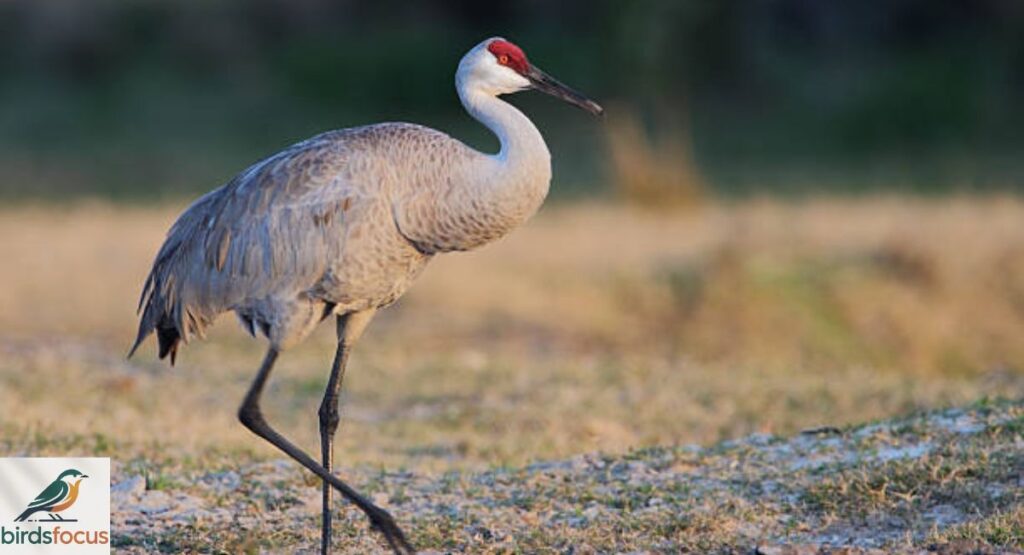
The Sandhill Crane is one of the most recognizable Gray Birds in Florida. It stands tall with gray feathers and bright red skin on top of its head. These birds are famous for their loud rattling calls and elegant mating dances. They often walk through neighborhoods and golf courses searching for seeds and insects.
Wood Stork
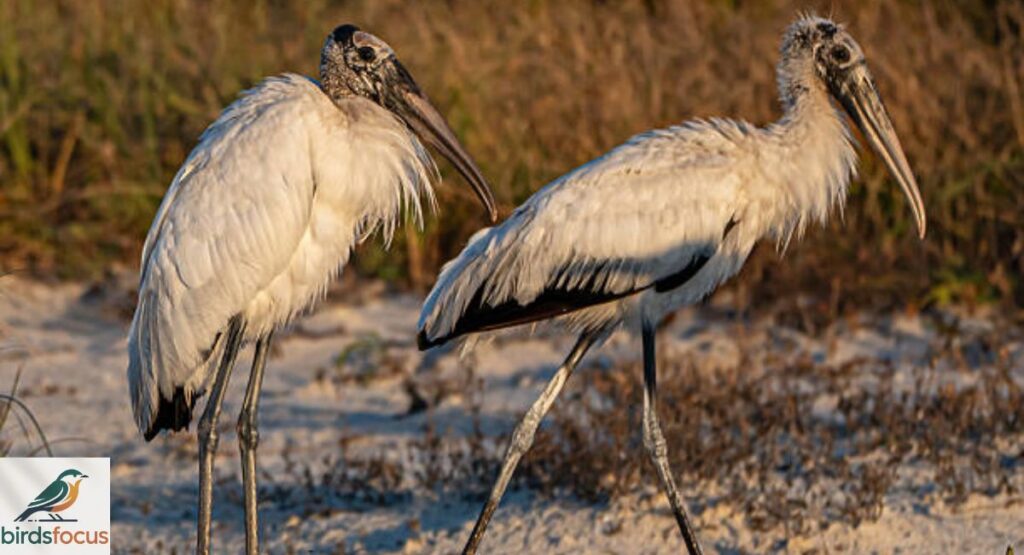
The Wood Stork looks ancient because of its bald head and large body. It has grayish wings with black edges. This bird hunts fish by moving its beak through shallow water until it catches prey. Wood storks often gather in large colonies during nesting season.
Double-crested Cormorant
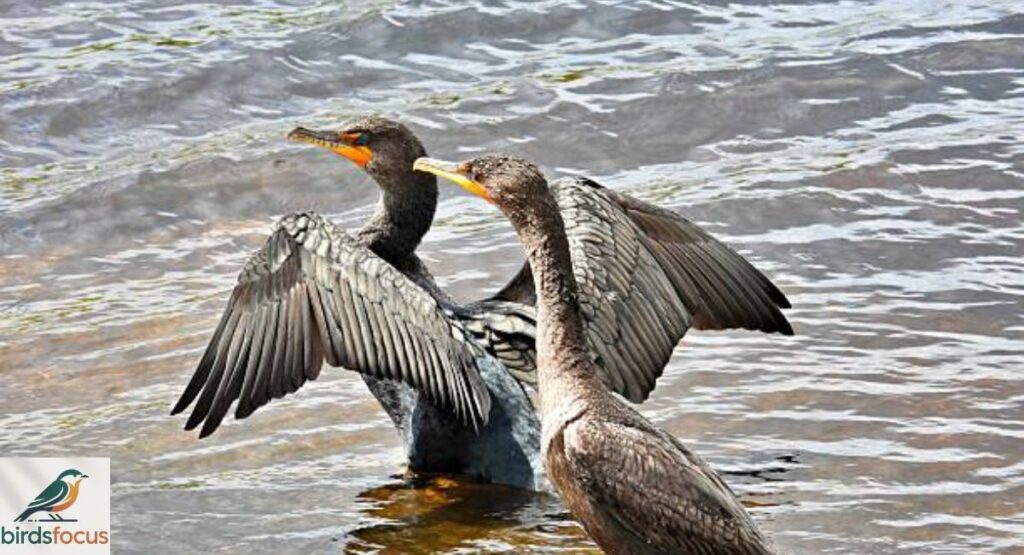
The Double-crested Cormorant has dark gray feathers and excellent diving skills. It spends much of its time swimming underwater while hunting fish. After fishing, the bird spreads its wings wide to dry them in the sun. This behavior makes it easy to identify near lakes and coastlines.
Tall Gray Birds in Florida Wetlands
Florida wetlands provide food, shelter, and nesting areas for tall birds. Marshes and swamps contain fish, frogs, insects, and aquatic plants. These resources help large wading birds survive easily. Tall birds also use their long legs to walk through deep water while searching for food.
Many visitors mistake herons and cranes for each other because both have long legs and gray feathers. However, their movements and hunting styles are very different. Herons move slowly while cranes often walk confidently across open land.
Little Blue Heron
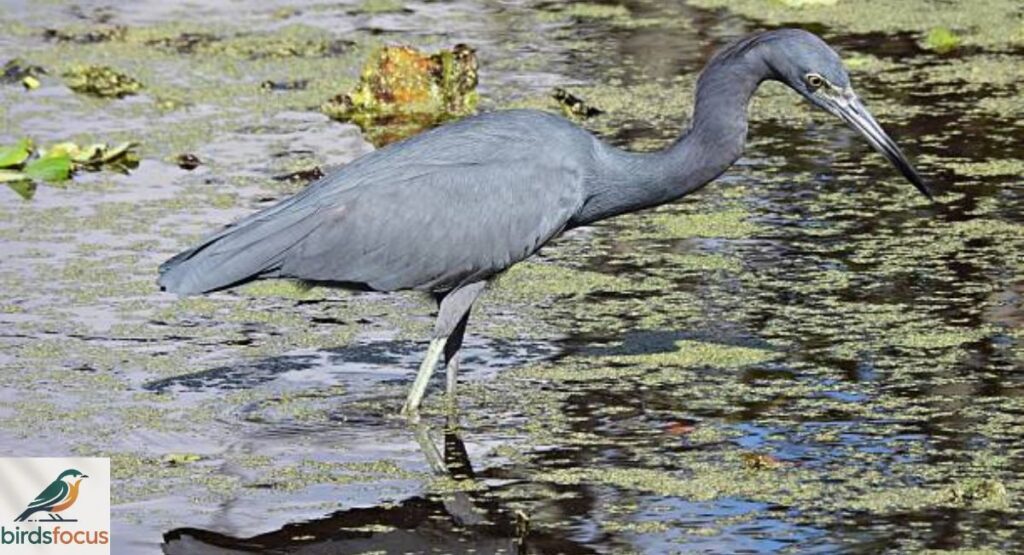
The Little Blue Heron changes color as it grows older. Young birds are mostly white while adults develop blue-gray feathers. This bird hunts quietly near ponds and marshes. It moves slowly before quickly catching fish or insects with its sharp beak.
Tricolored Heron
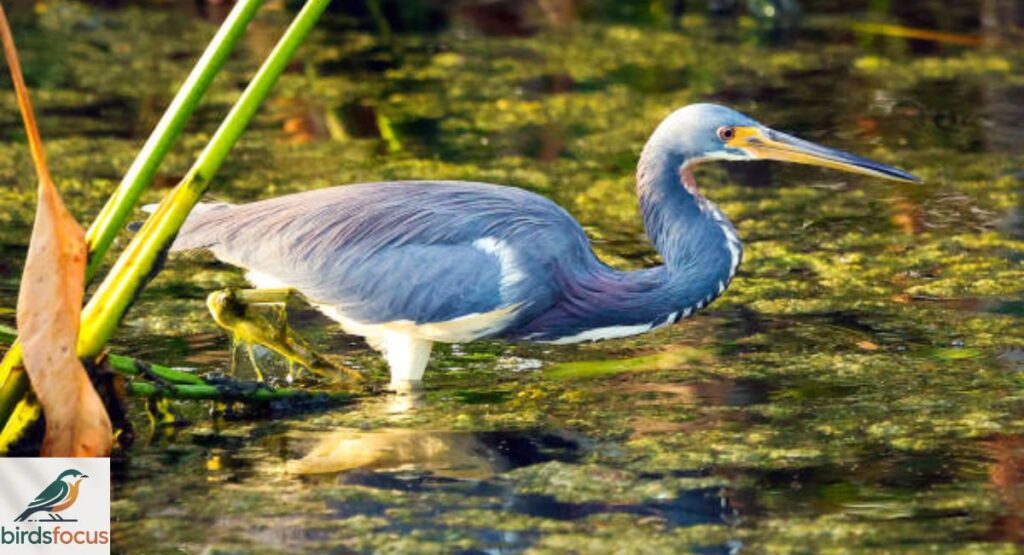
The Tricolored Heron has a mix of gray, blue, and white feathers. It looks slimmer than the Great Blue Heron. This bird runs through shallow water while chasing small fish. Its active hunting style makes it exciting to watch.
Reddish Egret
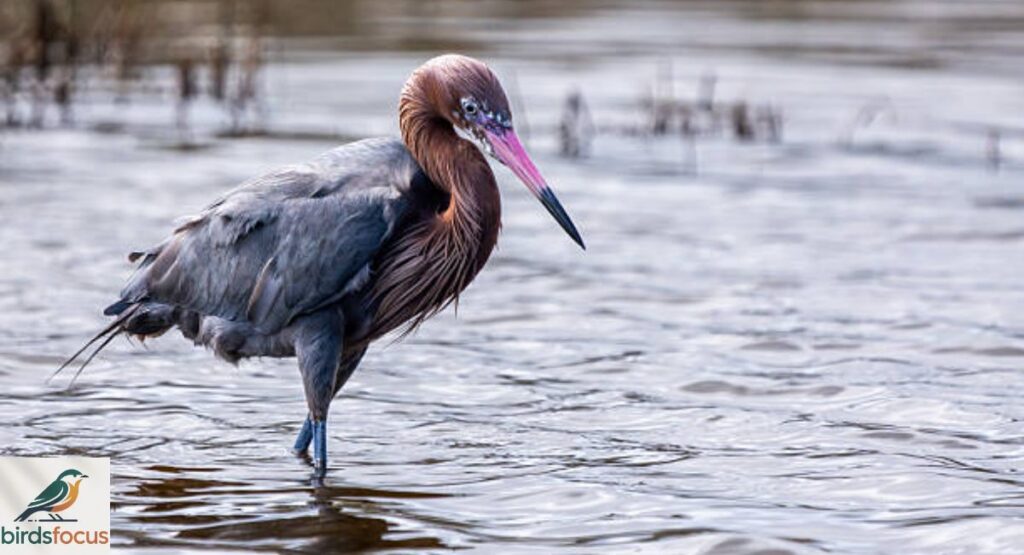
The Reddish Egret is famous for its unusual feeding dance. It jumps, spins, and spreads its wings while hunting fish. Some birds appear dark gray while others are completely white. Bird photographers love capturing its energetic movements near Florida beaches.
Small Blue-Gray Birds in Florida
Not all gray birds are large. Florida also has many tiny birds with beautiful blue-gray feathers. These birds usually live in forests, gardens, and suburban neighborhoods. They move quickly through branches while searching for insects and seeds.
Small birds play an important role in controlling insect populations. Many species also help spread seeds and pollinate plants. Backyard bird feeders often attract these charming visitors throughout the year.
Tufted Titmouse
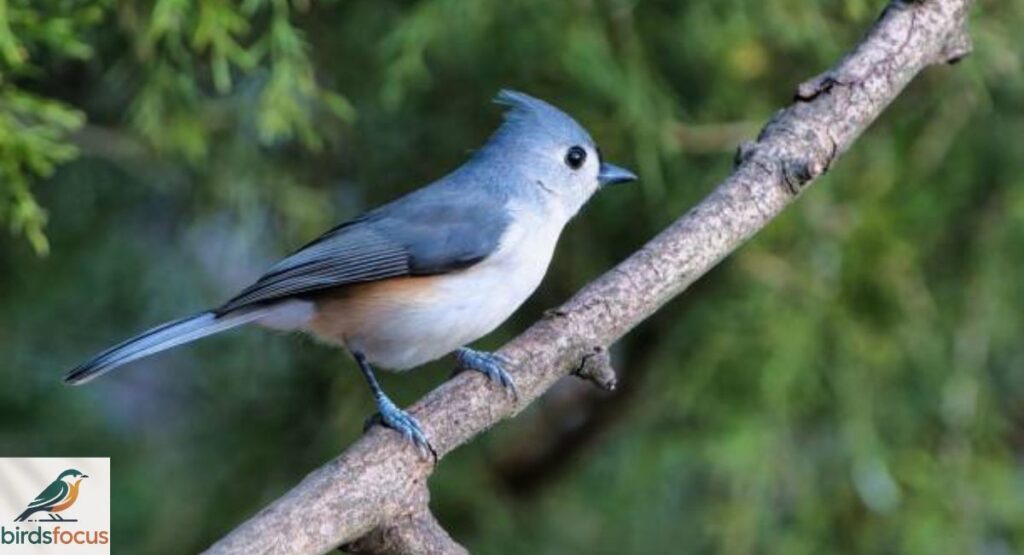
The Tufted Titmouse is easy to recognize because of its pointed gray crest. It has large dark eyes and soft gray feathers. This bird enjoys eating seeds, nuts, and insects. It often visits backyard feeders during colder months.
Blue Jay
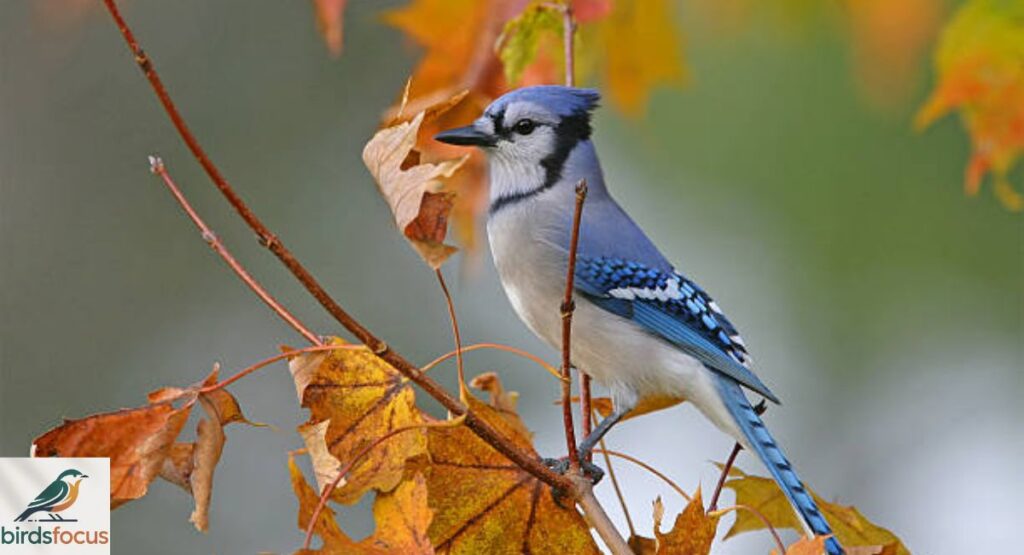
The Blue Jay has bright blue feathers mixed with gray and white colors. It is loud, intelligent, and highly social. Blue jays warn other birds when predators appear nearby. They also store food for later use during winter.
Eastern Phoebe
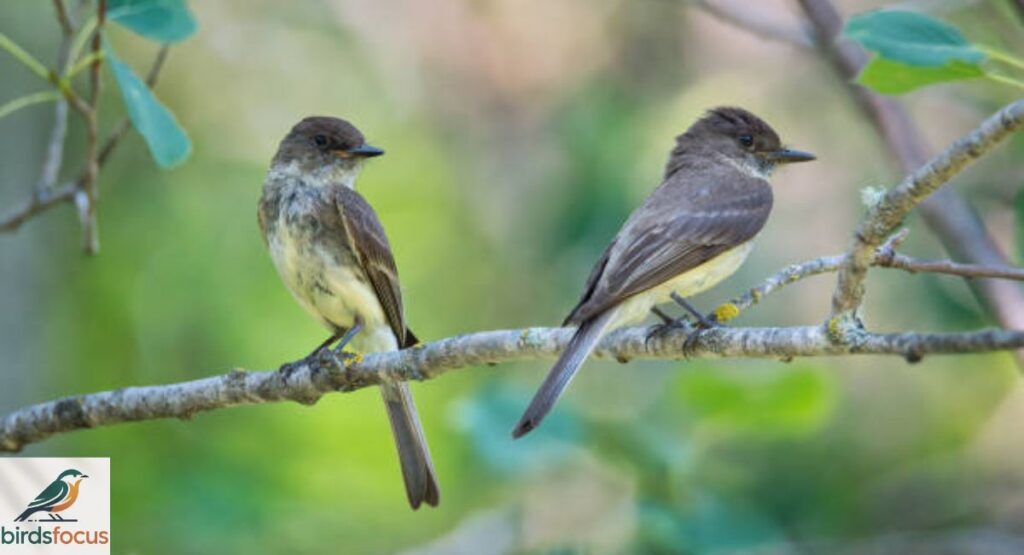
The Eastern Phoebe has soft gray feathers and a pale chest. It catches insects during flight and often wags its tail while perched. This bird likes nesting under bridges and roofs. Many people hear its simple “phoebe” call before spotting it.
Black, White, and Gray Birds in Florida
Some birds display a beautiful mix of black, white, and gray feathers. These color combinations help birdwatchers identify species quickly. Many of these birds live near beaches, lakes, and marshes across Florida.
Mixed-color birds often stand out because of their bold patterns. Some species have black heads with gray wings while others display white patches during flight. Their striking appearance makes them popular among beginner birdwatchers.
| Bird Name | Main Colors | Size | Habitat | Unique Feature |
|---|---|---|---|---|
| Black-crowned Night Heron | Black, white, gray | Medium | Wetlands and lakes | Active mostly at night |
| Loggerhead Shrike | Gray, black, white | Small | Grasslands and fields | Known as the “butcher bird” |
| Laughing Gull | Gray, black, white | Medium | Beaches and coastlines | Loud laughing call |
| Northern Mockingbird | Gray, white, black | Medium | Parks and neighborhoods | Mimics other bird sounds |
| Double-crested Cormorant | Dark gray, black | Large | Lakes and coastal waters | Spreads wings to dry |
| Black Skimmer | Black, white, gray | Medium | Coastal beaches | Lower beak is longer |
| Gray Catbird | Dark gray, black | Small | Gardens and shrubs | Cat-like vocal sounds |
| Tricolored Heron | Blue-gray, white, black | Medium | Marshes and wetlands | Fast hunting movements |
Black-crowned Night Heron
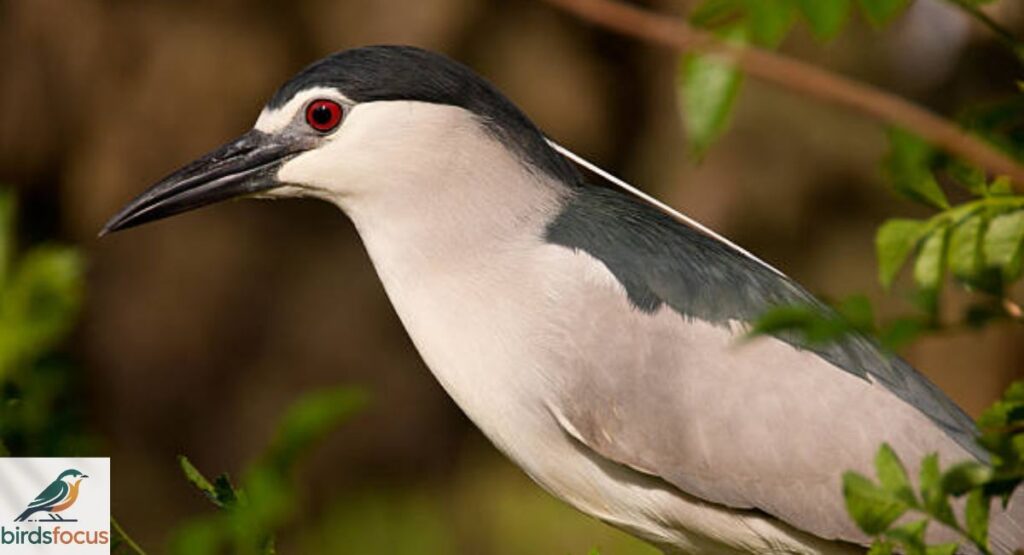
The Black-crowned Night Heron is active mostly at night. It has gray wings, a black head, and red eyes. This bird waits quietly near water before catching fish and frogs. During daytime, it usually rests in trees near wetlands.
Loggerhead Shrike
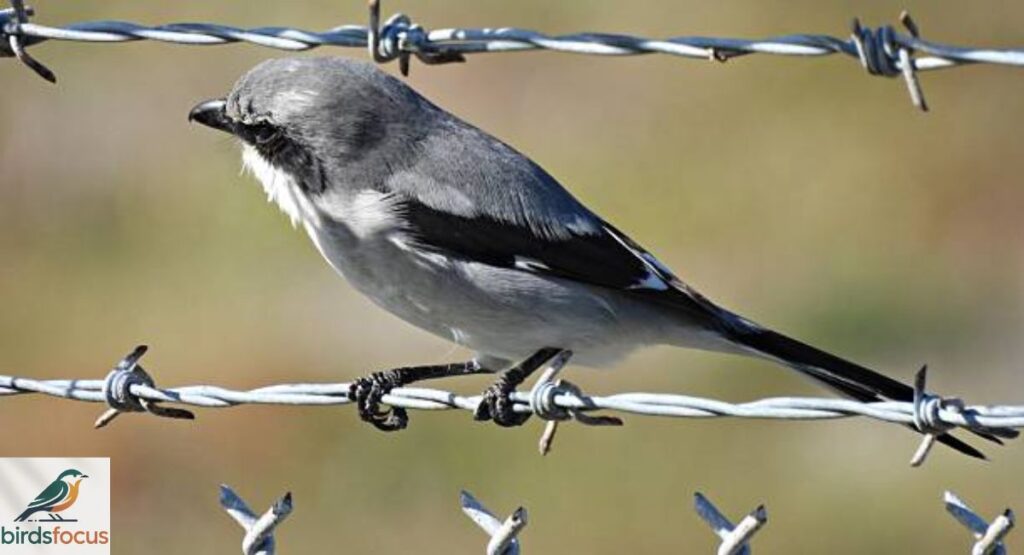
The Loggerhead Shrike may look small but behaves like a hunter. It has gray feathers with a black mask across its eyes. This bird catches insects and small animals using its hooked beak. Many people call it the “butcher bird.”
Laughing Gull
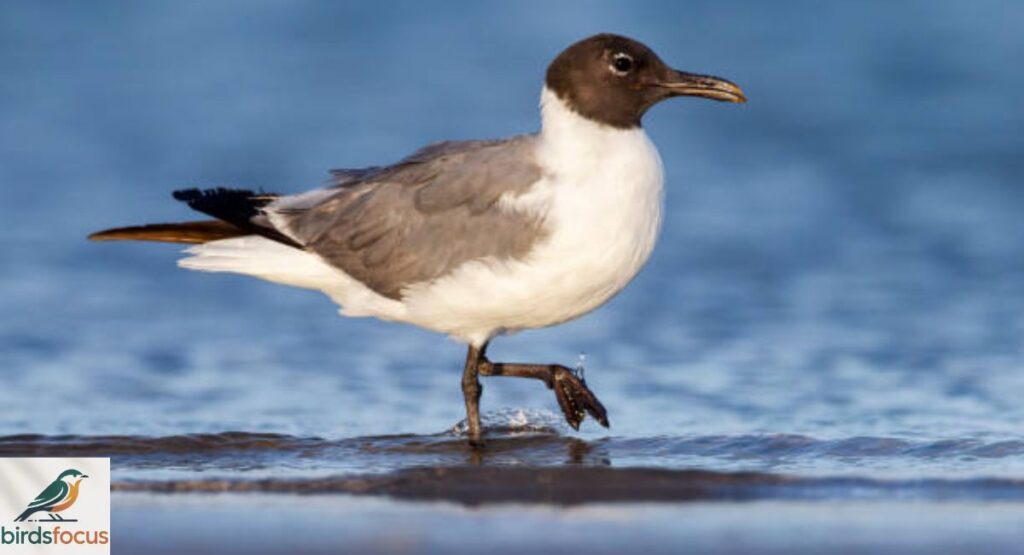
The Laughing Gull is common along Florida beaches. Adults develop black heads during breeding season while their wings remain gray. These gulls gather in noisy groups near the ocean. Their loud laughing calls inspired their unusual name.
Gray Birds Commonly Seen in Miami and Palm Beach
South Florida attracts many unique bird species because of its tropical climate and coastal habitats. Miami and Palm Beach contain mangroves, wetlands, beaches, and urban parks. These environments support both resident and migratory birds throughout the year.
Birdwatchers visiting South Florida often see herons, gulls, cranes, and small songbirds within one location. Coastal winds and warm temperatures make this region perfect for bird migration.
Gray Birds in Miami
Miami parks and shorelines contain many popular Gray Birds in Florida. Great Blue Herons hunt near canals while mockingbirds sing from palm trees. Coastal areas also attract gulls and cormorants. Early mornings provide the best birdwatching opportunities because temperatures remain cooler.
Gray Birds in Palm Beach
Palm Beach is famous for wetlands and coastal reserves filled with birdlife. Sandhill Cranes often appear near grassy fields and ponds. Small gray songbirds also visit gardens and nature trails. Winter months bring even more migratory birds into the area.
How to Identify Gray Birds in Florida
Identifying birds becomes easier when you focus on size, color, habitat, and behavior. Some birds prefer standing near water while others stay hidden inside trees. Watching how birds move can reveal important clues. Cranes walk slowly across land while herons remain still for long periods.
Bird calls also help with identification. Mockingbirds sing loudly while cranes produce deep rattling sounds. Feather patterns provide additional hints because some birds have blue-gray shades while others appear dark charcoal gray.
| Bird | Main Feature | Habitat |
| Great Blue Heron | Long neck | Wetlands |
| Sandhill Crane | Red head | Grasslands |
| Tufted Titmouse | Gray crest | Forests |
| Laughing Gull | Black head | Beaches |
Observe Size and Shape
Tall birds usually belong to the heron or crane family. Smaller birds often move quickly through branches. Long legs, wide wings, and sharp beaks help identify water birds easily.
Use your left or right arrow keys or drag and drop with the mouse to change the gradient position. Press the button to change the color or remove the control point.
Study Feather Colors
Some gray birds appear silver while others look blue-gray or charcoal colored. Seasonal changes can also affect feather shades. Young birds may look completely different from adults.
Listen to Bird Calls
Bird sounds provide useful identification clues. Mockingbirds copy sounds while catbirds produce cat-like calls. Cranes create loud rattling noises heard from far away.
Best Places to See Gray Birds in Florida
Florida contains many famous birdwatching destinations. Wetlands, wildlife refuges, and coastal parks attract bird lovers from around the world. Early morning and late afternoon usually provide the best viewing conditions.
Many parks include walking trails, observation towers, and photography spots. Bringing binoculars and a field guide improves the birdwatching experience significantly.
Everglades National Park
Everglades National Park is one of the best locations for spotting wading birds. Herons, egrets, and cranes thrive in the massive wetlands. Visitors often see birds hunting near shallow water during sunrise.
Merritt Island National Wildlife Refuge
Merritt Island National Wildlife Refuge attracts migratory birds every year. Coastal lagoons provide excellent feeding areas for gulls and herons. Wildlife photographers visit this refuge during winter migration season.
Corkscrew Swamp Sanctuary
Corkscrew Swamp Sanctuary contains ancient cypress forests and peaceful wetlands. Elevated boardwalks allow visitors to observe birds safely. This sanctuary is perfect for beginners interested in spotting rare gray birds.
Gray Birds in Florida by Region
Florida is a large state, and bird species change from one region to another. Some Gray Birds in Florida prefer coastal areas, while others stay deep in wetlands or forests. Because of this variety, birdwatchers can enjoy completely different sightings depending on where they travel. Each region has its own unique bird population shaped by climate, water sources, and habitat types.
Understanding regional bird distribution helps you identify species faster. For example, South Florida has tropical wetlands, while North Florida has cooler forests. Meanwhile, central Florida works as a transition zone where both northern and southern birds overlap. This mix makes Florida one of the richest birdwatching states in the USA.
South Florida Gray Birds
South Florida is warm, humid, and full of mangroves and coastal marshes. This region attracts many wading birds and water-loving species. The most common Gray Birds in Florida here include herons, egrets, and cranes. You will often see them standing in shallow water hunting fish. Cities like Miami also have urban birds that adapt easily to human activity.
Central Florida Gray Birds
Central Florida offers lakes, swamps, and pine forests that support a wide range of bird species. Here you can find Sandhill Cranes walking through open fields and Blue Jays flying between trees. This region is perfect for beginners because birds are easier to spot in open landscapes. Many Gray Birds in Florida live year-round in this area due to stable weather conditions.
North Florida Gray Birds
North Florida has cooler temperatures and dense forests compared to the south. This region attracts migratory birds during winter months. You may see mockingbirds, titmice, and woodpeckers in wooded areas. Wetlands near rivers also support herons and storks. Bird activity changes with seasons, making this region ideal for seasonal birdwatching.
Coastal Florida Gray Birds
Coastal Florida is rich with beaches, estuaries, and saltwater marshes. Seagulls, cormorants, and pelicans are commonly seen along shorelines. These birds depend on fish and ocean resources for survival. Many travelers enjoy watching Gray Birds in Florida along the coast during sunrise or sunset when bird activity is highest.
Florida Wetland Gray Birds
Wetlands are the most important habitat for large gray birds. Everglades and swamp areas host species like Great Blue Herons, Wood Storks, and Tricolored Herons. These birds rely on shallow water to catch food. Wetlands provide safety, nesting areas, and food supply. Without these habitats, many Gray Birds in Florida would struggle to survive.
Conclusion
Florida offers incredible opportunities for birdwatching throughout the year. From giant cranes to tiny songbirds, the variety of Gray Birds in Florida continues to amaze nature lovers. Wetlands, beaches, forests, and lakes create perfect habitats for many species.
Learning to identify birds takes patience and observation. However, every trip outdoors becomes more exciting once you recognize different calls, feather colors, and behaviors. Whether you visit the Everglades or your local park, Florida’s gray birds always bring beauty and life to the landscape.
FAQs
What is the most common gray bird in Florida?
The Northern Mockingbird and Great Blue Heron are among the most common Gray Birds in Florida seen in parks, wetlands, and neighborhoods.
What are the tall gray birds standing near water in Florida?
Tall gray birds near water are usually herons or cranes, especially the Great Blue Heron and Sandhill Crane.
Are blue-gray birds common in Florida?
Yes, Florida has many Blue-Gray Birds in Florida such as the Blue-gray Gnatcatcher and Tufted Titmouse.
Where can I see large gray birds in Florida?
You can spot Large Gray Birds in Florida near wetlands, lakes, beaches, and wildlife refuges like the Everglades.
Why do many Florida birds have gray feathers?
Gray feathers help birds blend into marshes, trees, and cloudy skies, which protects them from predators and helps them hunt quietly.

Welcome to birdsfocus! I’m Anam Sattar, an AI Powered SEO, and Content Writer with 4 years of experirnce.
I help websites rank higher,grow traffic, and look amazing. My goal is to make SEO and web design simple and effective for everyone.
Let’s achieve more together!