


Gray birds are some of the most common yet often overlooked creatures you can spot in nature. They may look plain at first, but their soft shades carry incredible detail and meaning. Many people struggle with gray bird identification because several species share similar tones and patterns.
In this guide, you will explore how these birds fit into different habitats and behaviors across the USA. You will also learn how gray bird species adapt to cities, forests, and wetlands. By understanding their bird coloration patterns and natural traits, you can easily recognize them in the wild and appreciate their quiet beauty.
What Makes a Bird Gray? (Science Explained)
The gray color in birds comes mainly from melanin in birds. This natural pigment controls darker shades like black and gray. At the same time, feather structure changes how light reflects. Together, these factors create different tones of gray across species.
This color is not random. It helps birds survive. For example, bird coloration patterns allow camouflage in urban areas and forests. A pigeon blends into concrete. A jay disappears into tree bark. Nature uses gray as a quiet but powerful survival tool.
How to Identify Gray Birds (Beginner’s Guide)
To improve gray bird identification, start with size and shape. A small bird moves quickly. A larger one glides more slowly. Next, look at the beak. Thin beaks suggest insects. Thick beaks suggest seeds. These small clues make a big difference.
Sound and behavior also matter. Some birds flick their tails. Others stay still and watch. Learning how to identify gray birds becomes easier when you combine color with movement, sound, and habitat. It’s like solving a puzzle step by step.
Most Popular 15 Gray Birds You Should Know
African Grey Parrot
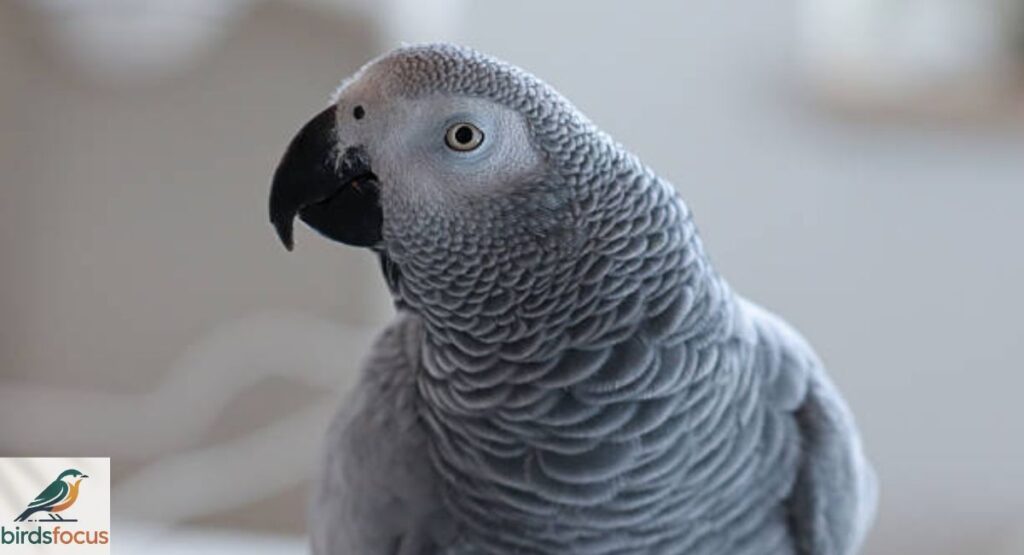
The African Grey Parrot stands out among gray birds for its intelligence. Its smooth gray body and bright red tail make it easy to spot. It can mimic human speech. This bird lives mostly in captivity in the USA and thrives on interaction and mental stimulation.
Gray Jay
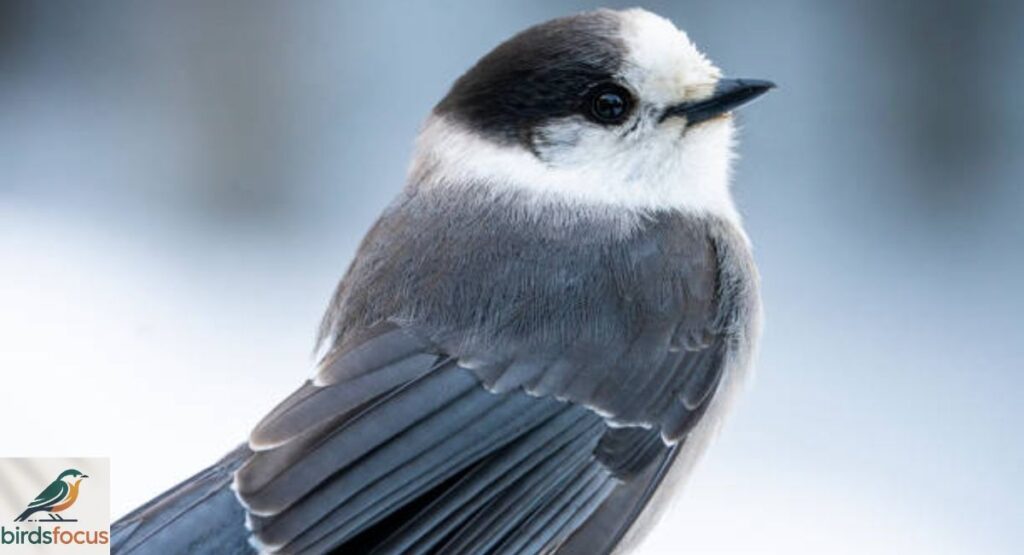
The Gray Jay has soft feathers and a calm look. It lives in cold forests and often approaches humans. People call it the “camp robber.” Its behavior helps in gray bird identification because it shows curiosity rather than fear.
Mourning Dove
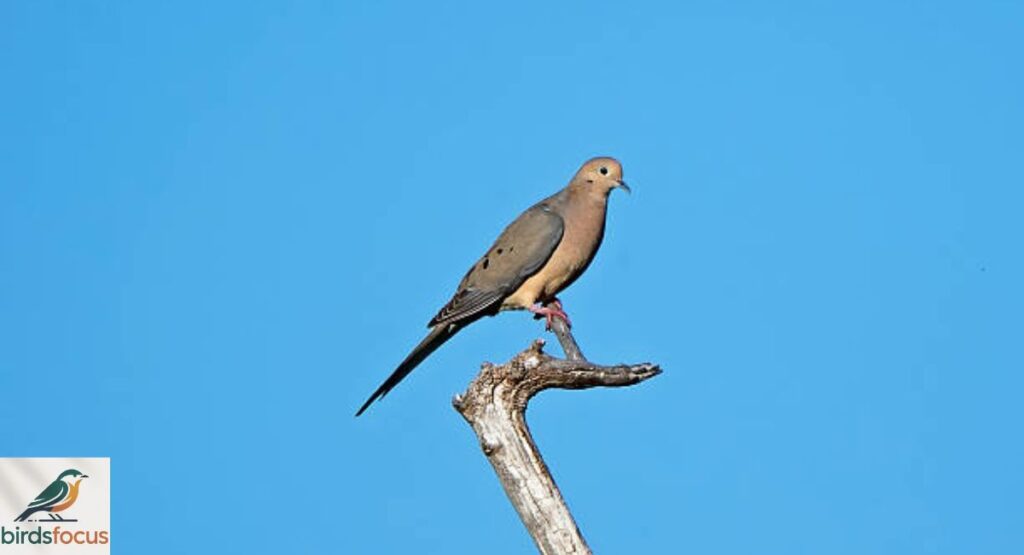
The Mourning Dove shows gentle beauty with its pale gray body. It produces a soft cooing sound that many people recognize. This bird prefers open spaces and backyards. Its long tail and smooth flight make it easy to identify.
Blue-gray Gnatcatcher
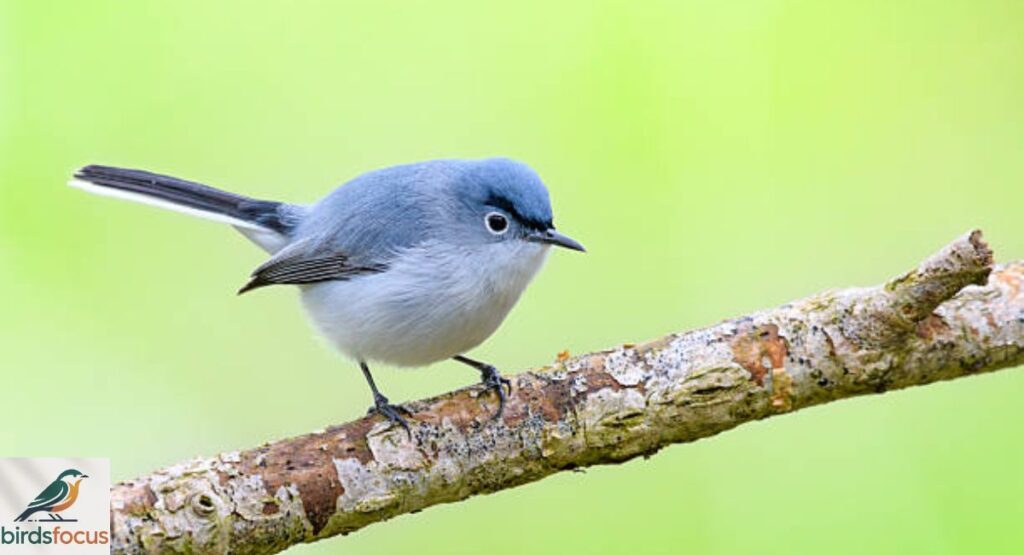
This small bird moves quickly and rarely stays still. Its bluish-gray shade adds variety to gray bird species. It has a thin beak and long tail. You’ll often see it catching insects in trees.
Northern Mockingbird
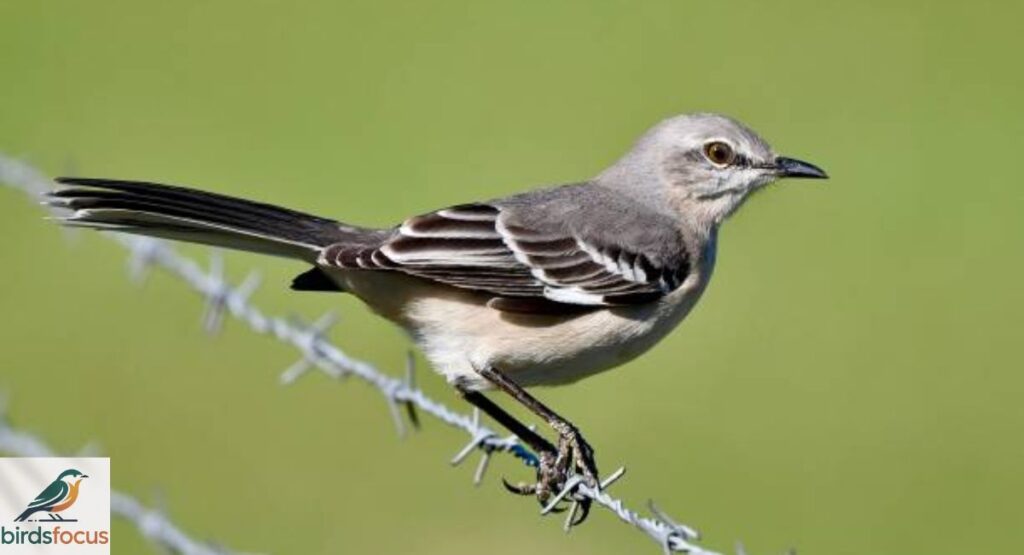
The Northern Mockingbird is famous for copying sounds. Its gray body and white wing patches help recognition. It sings loudly and often sits in open spaces. This behavior makes spotting easier.
Gray Catbird
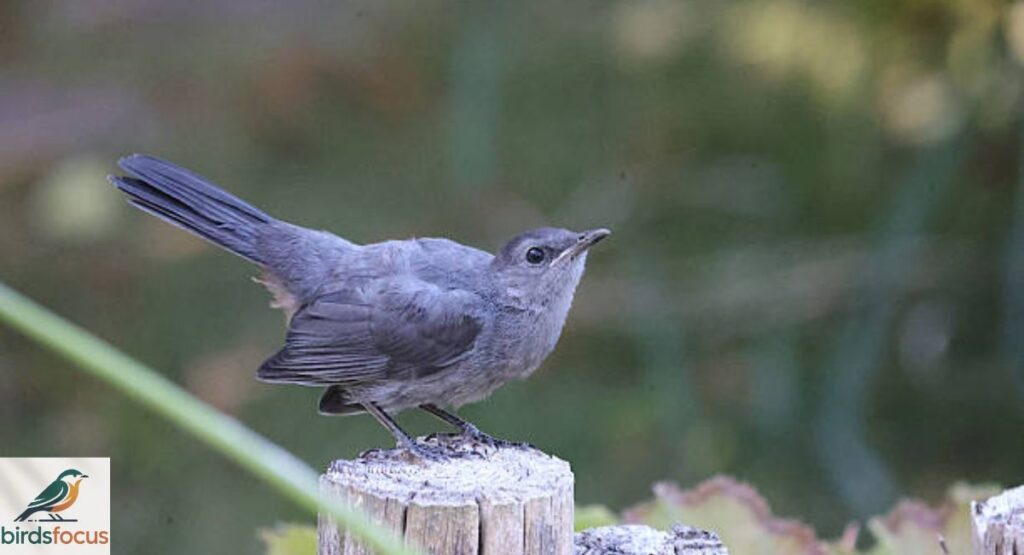
The Gray Catbird gets its name from its cat-like call. Its dark gray feathers and black cap create contrast. It prefers bushes and dense areas. This bird stays hidden but reveals itself through sound.
Rock Pigeon
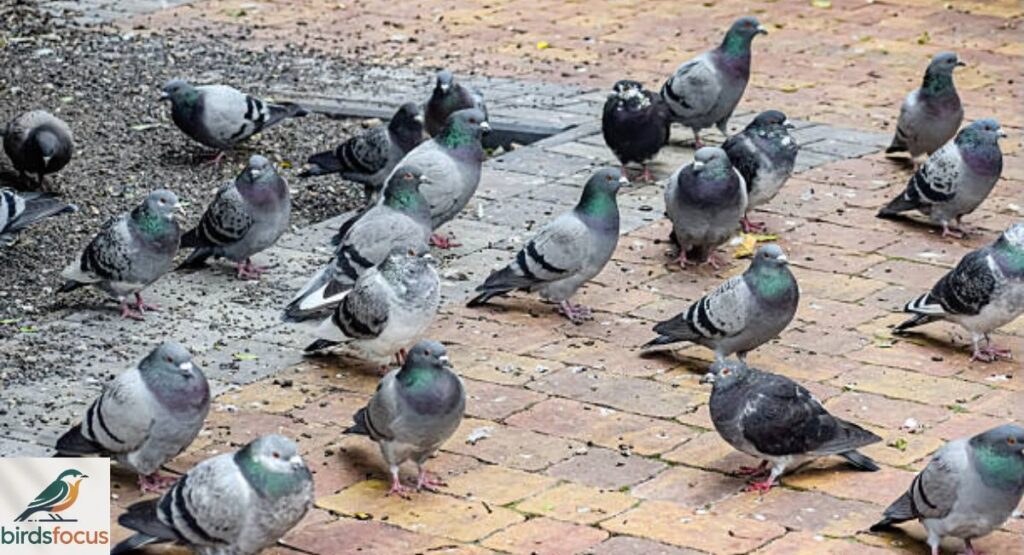
The Rock Pigeon is common in cities. Its gray feathers blend with buildings. You’ll see it walking on streets or flying in groups. It’s one of the easiest birds to recognize.
Canada Goose
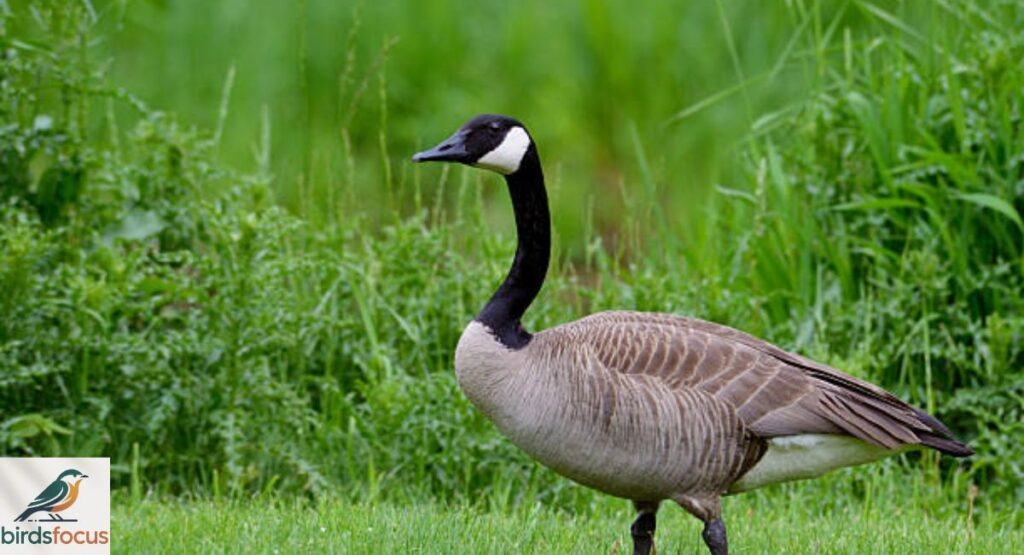
This large bird shows a mix of gray and brown tones. Its black neck and white chin strap stand out. It travels in groups and forms V-shaped patterns in the sky.
Great Gray Owl
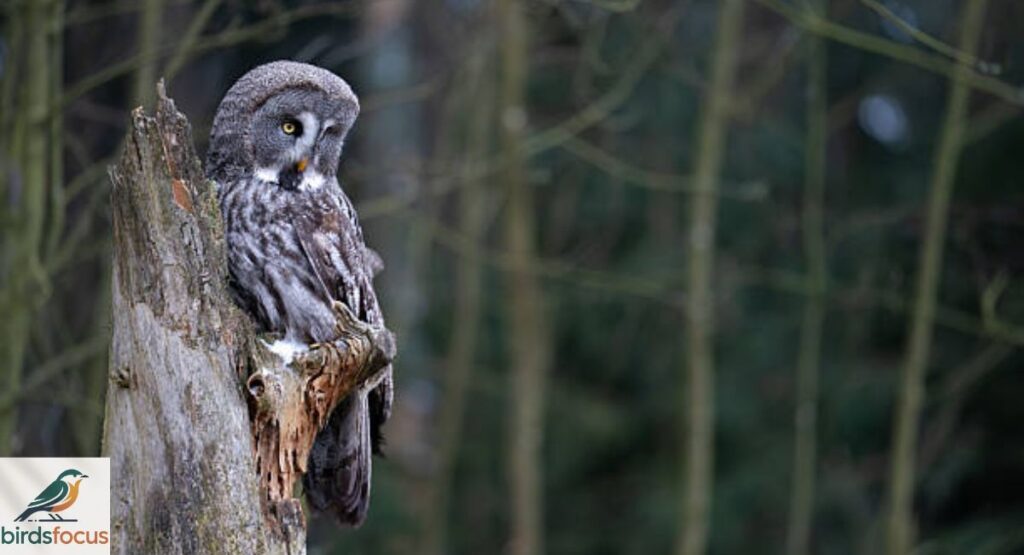
The Great Gray Owl looks powerful and calm. Its large face and gray feathers help it blend into forests. It hunts silently and appears mostly at dusk.
Sandhill Crane
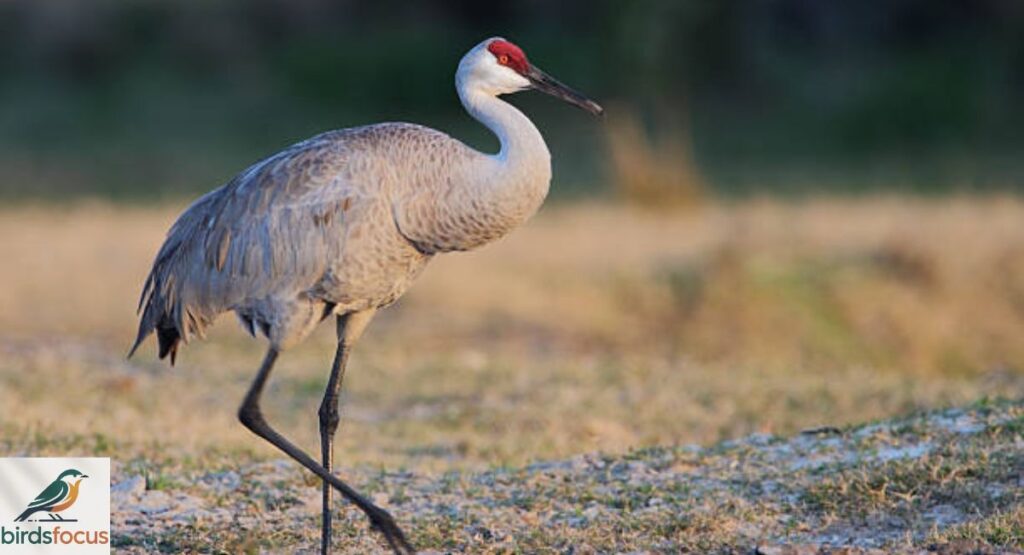
This tall bird has long legs and a gray body. It moves slowly and gracefully. Its loud call echoes across wetlands. It’s hard to miss once you see it.
Dark-eyed Junco
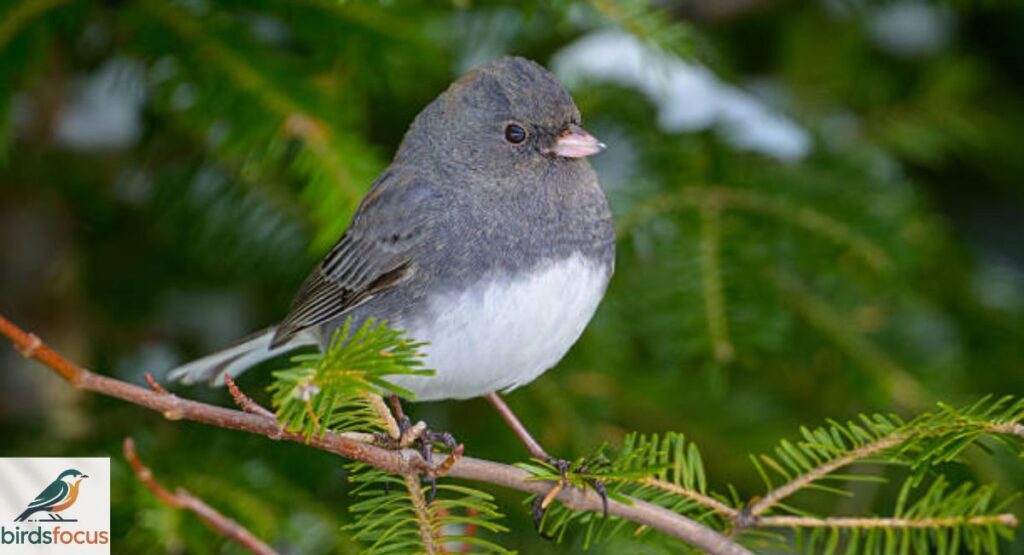
The Dark-eyed Junco is a small bird often seen in winter. Its gray body and white belly create contrast. It hops on the ground searching for seeds.
Tufted Titmouse
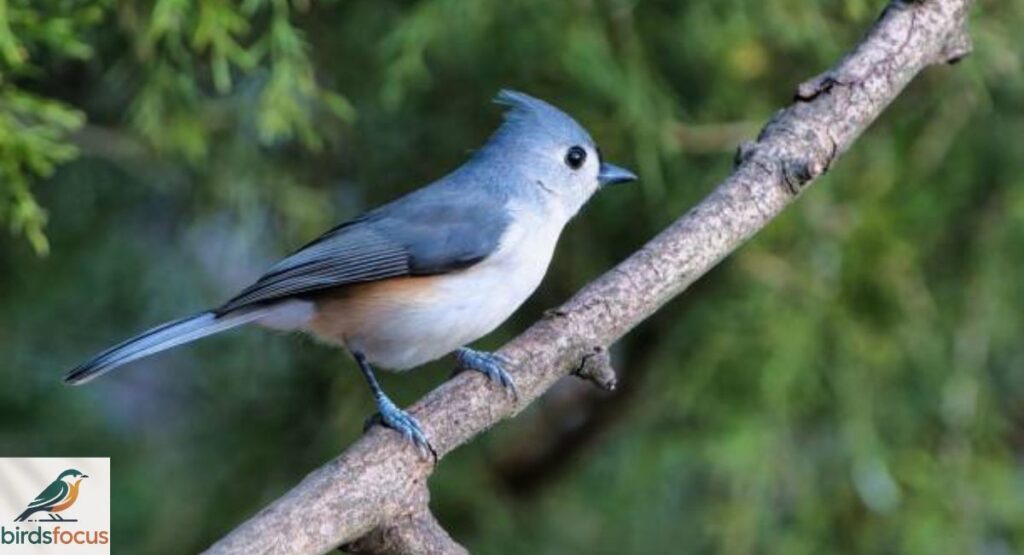
This bird has a small crest on its head. Its gray feathers and bright eyes give it a curious look. It often visits feeders in backyards.
Bushtit
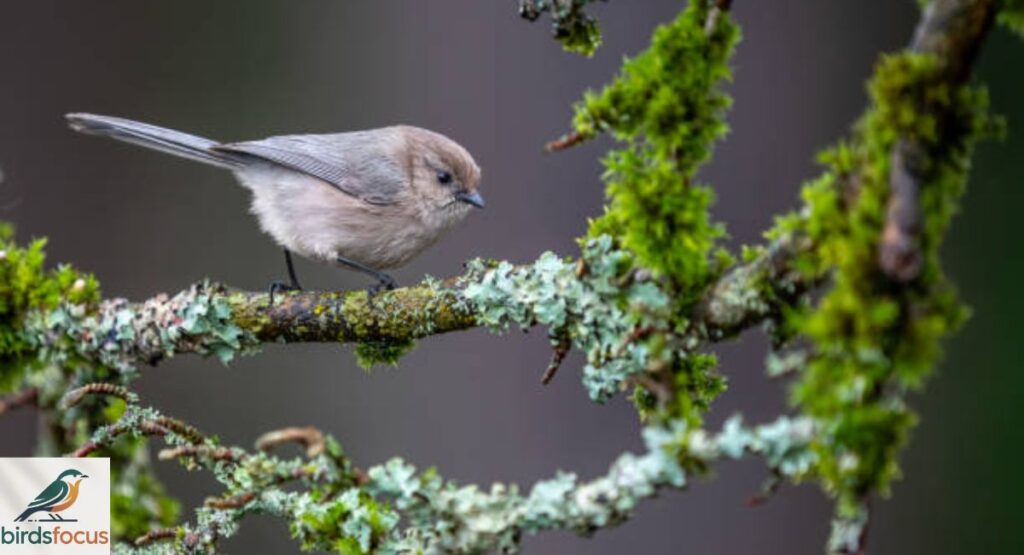
The Bushtit travels in groups. Its tiny gray body makes it hard to spot alone. It moves quickly through bushes, searching for insects.
Loggerhead Shrike
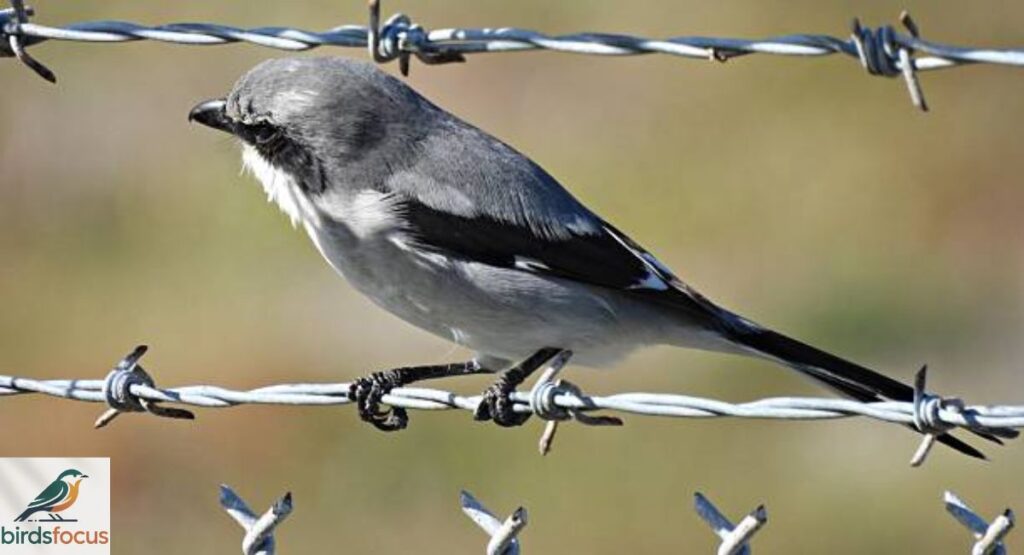
The Loggerhead Shrike looks calm but acts like a hunter. It uses sharp beaks to catch prey. Its gray and black pattern helps in bird identification guide use.
White-breasted Nuthatch
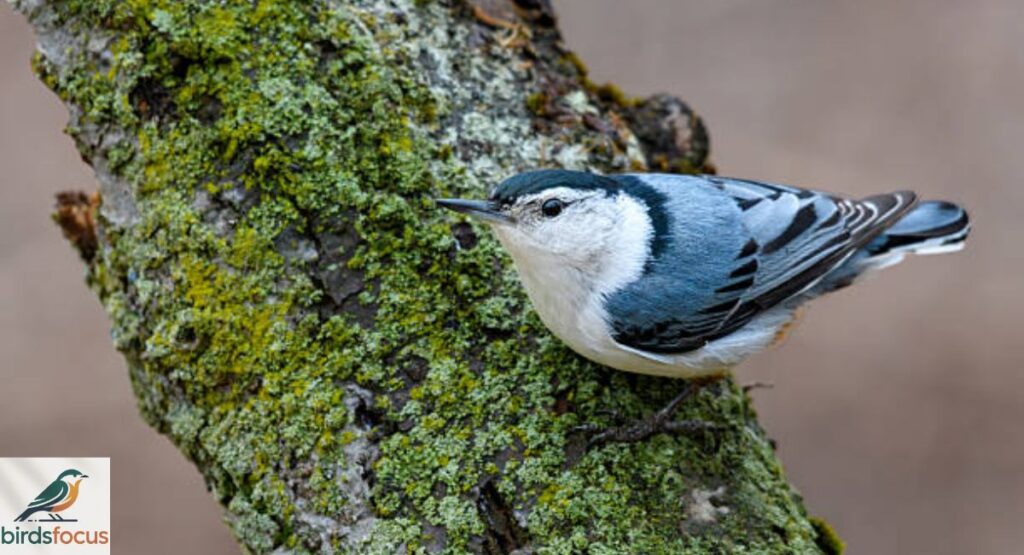
This bird climbs trees headfirst. Its gray back and white chest create contrast. It often makes nasal calls while moving along trunks.
Other Common Gray Birds
Gray Vireo
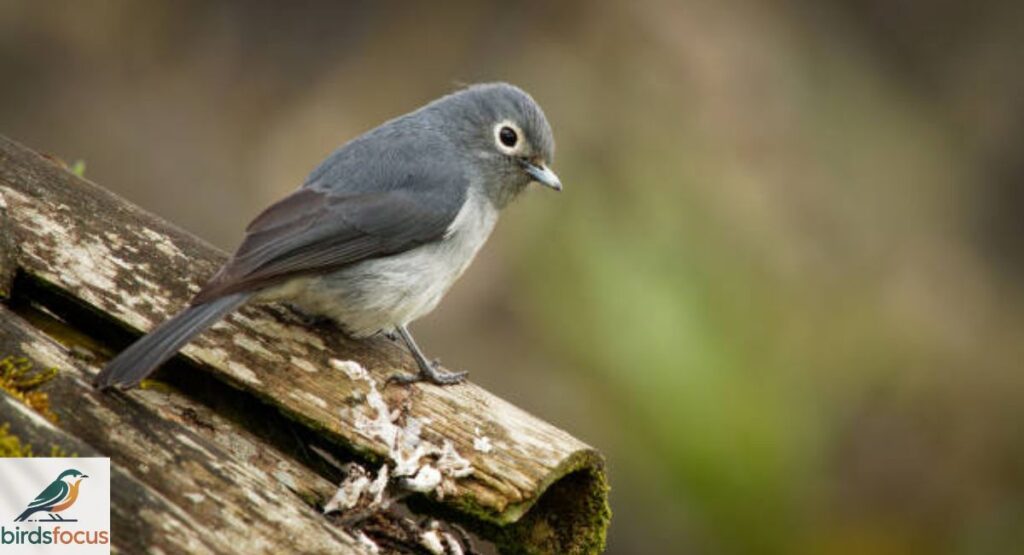
Gray Vireo is a small and quiet bird that lives in dry shrub areas. It shows a soft gray plumage that blends perfectly with dusty surroundings. You will rarely see it in the open because it prefers hiding deep in bushes. For proper gray bird identification, patience is the key.
Plumbeous Vireo
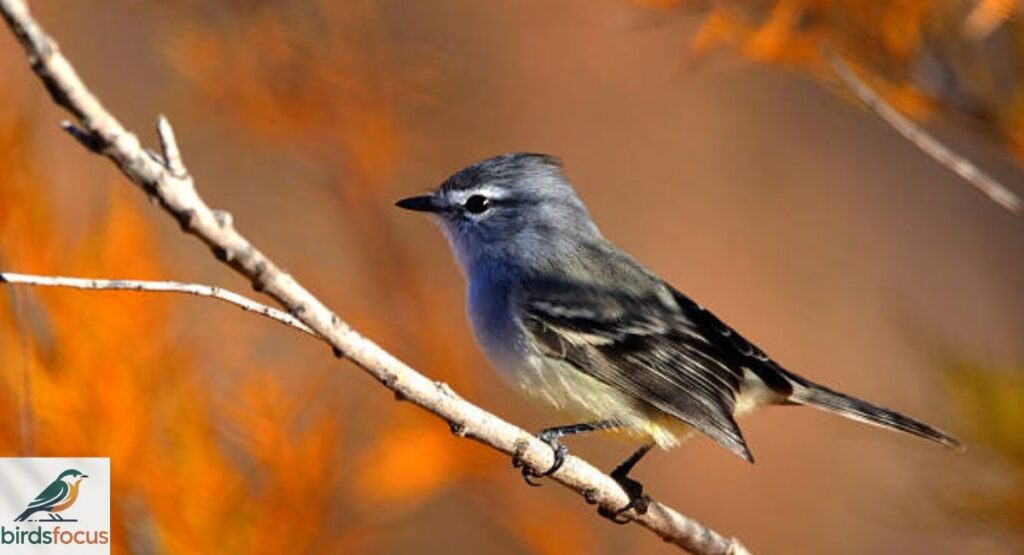
Plumbeous Vireo has a smooth bluish-gray body with a faint eye line. It moves slowly through tree canopies and often sings soft repeated notes. This calm behavior makes it easier to recognize this gray bird species once you learn its gentle movement style in forest habitats.
Warbling Vireo
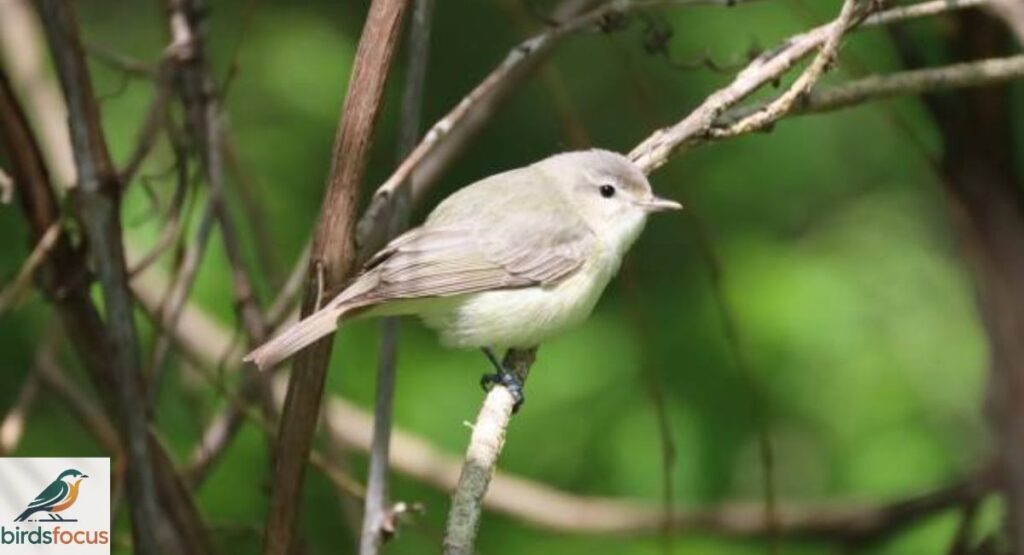
Warbling Vireo is light gray and very active. Its sweet, continuous song usually gives away its presence before you even spot it. This is why bird identification guide skills matter here. You hear it first, then search carefully among leaves to find the small moving shape.
Western Wood-pewee
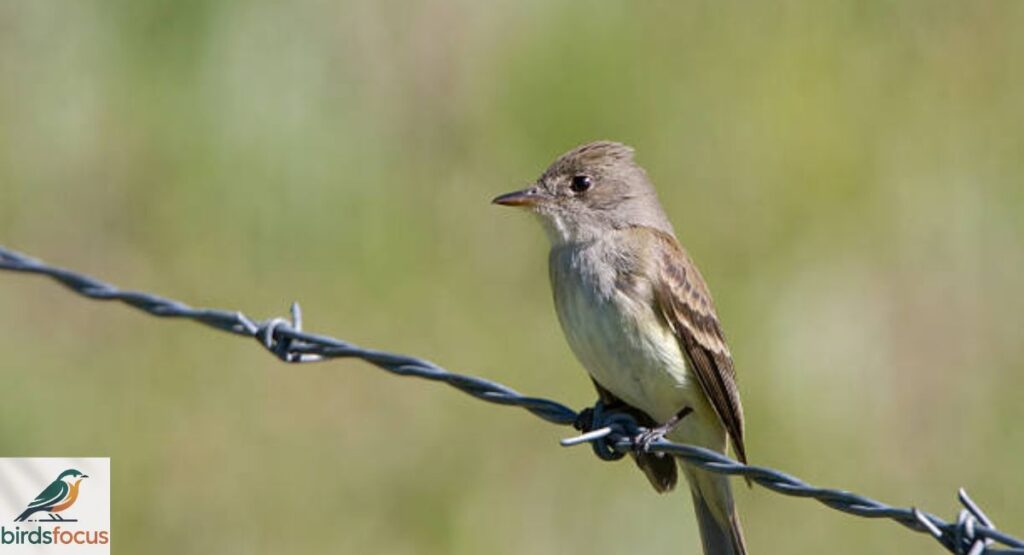
Western Wood-pewee has a plain gray look and prefers still perches on tree branches. It suddenly darts out to catch insects in mid-air. This wait-and-snap behavior is very useful for gray bird identification, especially in quiet woodland areas where movement is the only clue.
Spotted Flycatcher
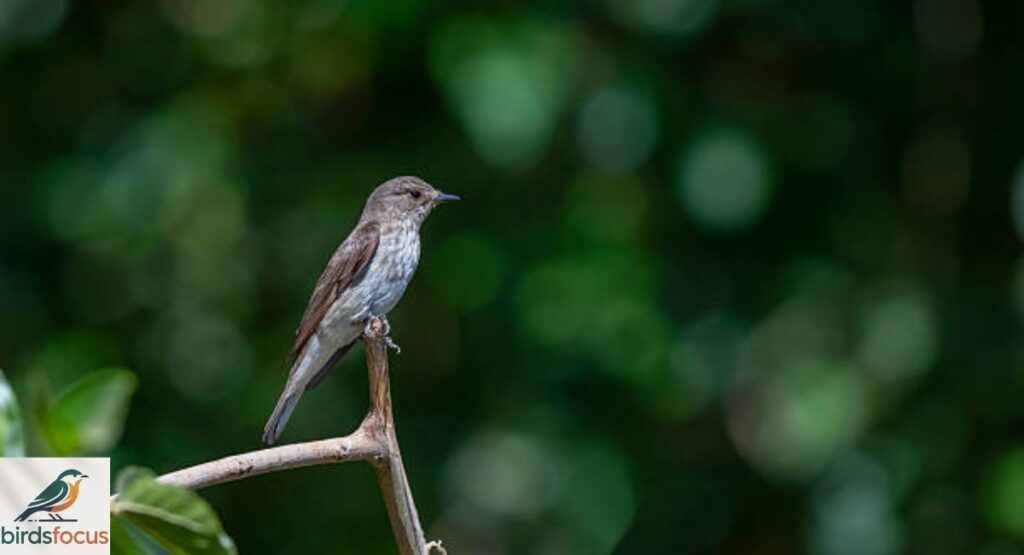
Spotted Flycatcher shows soft gray feathers with faint spotting on the chest. It often sits in open spaces and watches the air carefully before flying out for insects. This simple hunting pattern makes it a clear example of a typical gray bird species found in natural habitats.
Gray Birds by Size
Small Gray Birds
Small gray birds are quick, light, and always on the move. They often hide in bushes or trees, which makes gray bird identification a bit tricky at first. You’ll usually notice them by their fast flight and sharp calls rather than size alone.
| Category | Example Birds | Key Traits |
| Small Gray Birds | Blue-gray Gnatcatcher, Bushtit, Gray Vireo | Fast movement, thin beaks, insect eaters |
Medium Gray Birds
Medium gray birds are the most commonly seen gray birds in backyards and parks. They are easier to spot because they stay in open areas and show more balanced movement. Their behavior and sound are strong clues for proper identification.
| Category | Example Birds | Key Traits |
| Medium Gray Birds | Mourning Dove, Gray Catbird, Northern Mockingbird | Moderate size, clear calls, visible perching habits |
Large Gray Birds
Large gray birds are easy to recognize because of their size and strong presence. They often live in open fields, wetlands, or forests. For beginners, spotting them makes gray bird identification much simpler compared to smaller species.
| Category | Example Birds | Key Traits |
| Large Gray Birds | Sandhill Crane, Great Gray Owl, Canada Goose | Large wingspan, slow movement, loud calls or silent flight |
Gray Birds by Habitat
Different gray birds prefer different environments. Urban birds like pigeons adapt to buildings. Forest birds like jays stay near trees. Wetland birds like cranes need water. Observing habitat improves bird habitat identification significantly.
| Habitat | Common Gray Birds |
| Urban | Pigeon, Dove |
| Forest | Jay, Owl |
| Wetland | Crane, Goose |
Light and Dark Gray Birds
Light and dark gray birds are easy to mix up, especially for beginners. Light gray birds usually look soft and pale, often blending with skies or open fields. Dark gray birds appear deeper in tone and stand out more in forests or shaded areas. Understanding this difference helps improve gray bird identification quickly in real outdoor settings.
| Type | Example Birds | Key Features |
| Light Gray Birds | Mourning Dove, Blue-gray Gnatcatcher, Warbling Vireo | Soft color, pale feathers, gentle appearance |
| Dark Gray Birds | Gray Catbird, Great Gray Owl, Northern Mockingbird | Deep tones, stronger contrast, clearer markings |
Large and Medium Gray Birds with White Belly
Some gray birds are easy to recognize because they show a clear white belly against their gray body. This contrast helps a lot in gray bird identification, especially when you observe them in open spaces or backyards. Large birds usually stand out from far, while medium ones are easier to spot at close range.
| Size Category | Example Birds | Key Features |
| Large Gray Birds with White Belly | Sandhill Crane, Great Gray Owl | Tall body, wide wings, strong gray color with light belly contrast |
| Medium Gray Birds with White Belly | Northern Mockingbird, Dark-eyed Junco, Tufted Titmouse | Balanced size, visible white belly, active movement and clear calls |
Common Gray Bird Identification Problems (Solved)
Many people confuse a gray bird with black head or a gray bird with white neck. These small details matter. Look at patterns, not just color. For example, a black cap often signals a different species entirely.
Another common issue is size confusion. A small bird may look larger from a distance. Focus on behavior and sound. This improves your gray bird identification guide skills over time.
Tips for Bird Watching & Identification
Start early in the morning. Birds are more active then. Use binoculars for a closer view. Watch how birds move and listen to their calls. These habits improve bird watching for beginners quickly.
Apps and field guides also help. However, real experience matters most. Spend time outside. Observe patiently. Over time, recognizing gray birds becomes second nature.
Why Gray Birds Matter in Nature
Many gray birds control insect populations. Others spread seeds across forests. Some even act as indicators of environmental health. Their role may seem small, but it supports the entire ecosystem.
Without them, balance breaks. Nature depends on every species. Understanding their importance adds meaning to gray bird identification beyond just observation.
Conclusion
Gray birds may look simple, but once you learn to observe them closely, you notice how unique each one really is. From cities to forests, these birds adapt easily and show different behaviors that make gray bird identification both fun and rewarding. You’ve now explored many gray bird species and learned how size, habitat, and sound all help you recognize them in real life. With a little practice, spotting them becomes natural and enjoyable.
So next time you step outside, slow down and watch carefully. These gray birds are everywhere, quietly telling their stories through movement, sound, and behavior.
FAQs
What are gray birds?
Gray birds are species that mainly show gray tones in their feathers, often caused by melanin and feather structure.
Why are gray birds so common?
Gray color helps birds blend into cities, forests, and open areas, giving them better protection from predators.
How can I identify gray birds easily?
Focus on size, behavior, sound, and habitat instead of only color for better gray bird identification.
Are all gray birds the same species?
No, many different gray bird species exist, ranging from small gnatcatchers to large cranes and owls.
Where can I see gray birds in the USA?
You can spot them in backyards, parks, forests, and wetlands across most regions of the United States.

Welcome to birdsfocus! I’m Anam Sattar, an AI Powered SEO, and Content Writer with 4 years of experirnce.
I help websites rank higher,grow traffic, and look amazing. My goal is to make SEO and web design simple and effective for everyone.
Let’s achieve more together!