

Florida offers one of the richest birdwatching experiences in the United States because of its warm climate, coastal wetlands, and dense forests. Many bird lovers travel here every year to spot colorful species with glowing feathers and unique markings. Orange Birds in Florida attract special attention because their bright plumage stands out beautifully against green landscapes and blue skies.
From the striking Baltimore Oriole to the graceful American White Ibis, these birds create unforgettable wildlife moments for beginners and expert birders alike. Many visitors also search for birds in Florida with orange beaks, orange breasted birds in Florida, black and orange birds in Florida, and the famous blue bird with orange chest in Florida during migration seasons and early morning birdwatching tours.
| Bird Feature | Common Florida Species | Best Viewing Area |
| Orange Chest | American Robin | Parks and gardens |
| Orange Beak | American White Ibis | Wetlands |
| Black and Orange Feathers | Baltimore Oriole | Palm groves |
| Blue and Orange Body | Eastern Bluebird | Open fields |
Most Common Orange Birds in Florida
Florida hosts dozens of colorful birds. However, a few species stand out because of their vivid orange feathers and active personalities. These birds thrive in urban parks, forests, marshes, and backyard gardens. Their bright appearance often makes beginner birdwatchers stop in amazement.
Many of these birds become easier to spot during migration seasons. Spring and winter attract thousands of migrating species into Florida’s warm climate. As a result, birdwatchers frequently search for orange breasted birds in Florida during these peak months because the colors appear richer under seasonal plumage.
American Robin
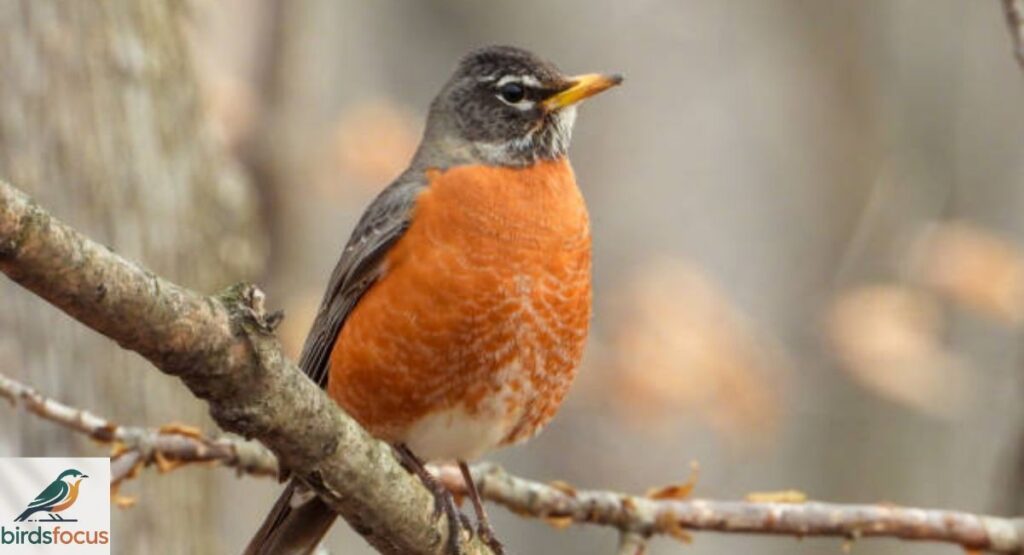
The American Robin remains one of the most recognizable Orange Birds in Florida. Its warm orange chest contrasts beautifully against a gray back and dark head. You will often notice robins hopping across lawns searching for worms after rainfall. Their movement looks quick and deliberate like tiny gardeners cleaning the soil.
Robins prefer suburban neighborhoods, parks, and wooded edges. During winter, large flocks move into Florida from colder northern states. These birds communicate with soft whistles at sunrise. Interestingly, robins sometimes eat fermented berries which can briefly affect their balance. That quirky behavior surprises many birdwatchers during colder months.
Baltimore Oriole
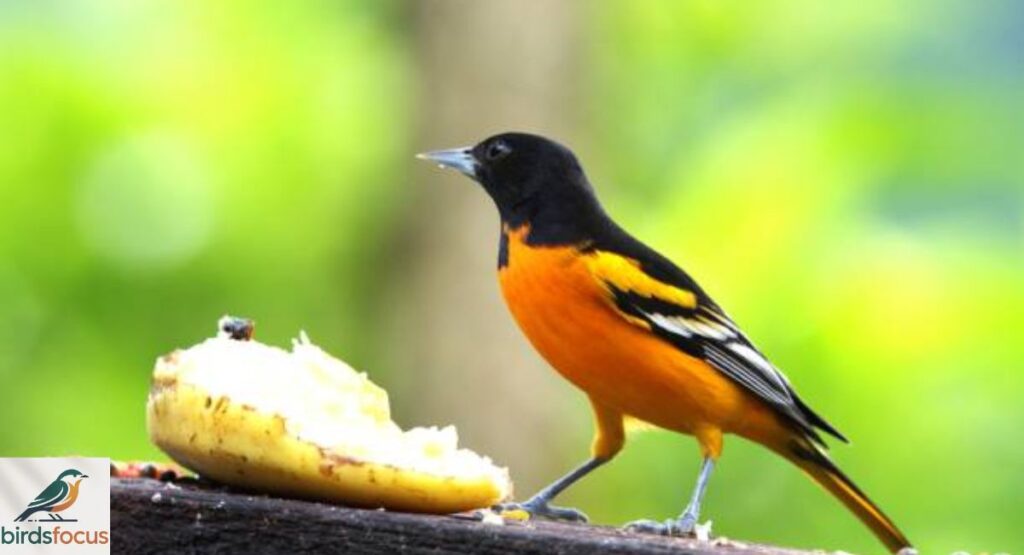
The Baltimore Oriole looks like a flame moving through palm trees. Its glowing orange belly and black wings make it one of the most elegant black and orange birds in Florida. Male orioles display brighter feathers while females carry softer yellow-orange shades.
Orioles love sweet foods. Many Florida homeowners attract them using orange slices and grape jelly feeders. During migration, these birds stop across Florida’s coastal regions before continuing northward. Their hanging nests sway gently from tree branches like woven lanterns floating in the wind.
Rufous Hummingbird
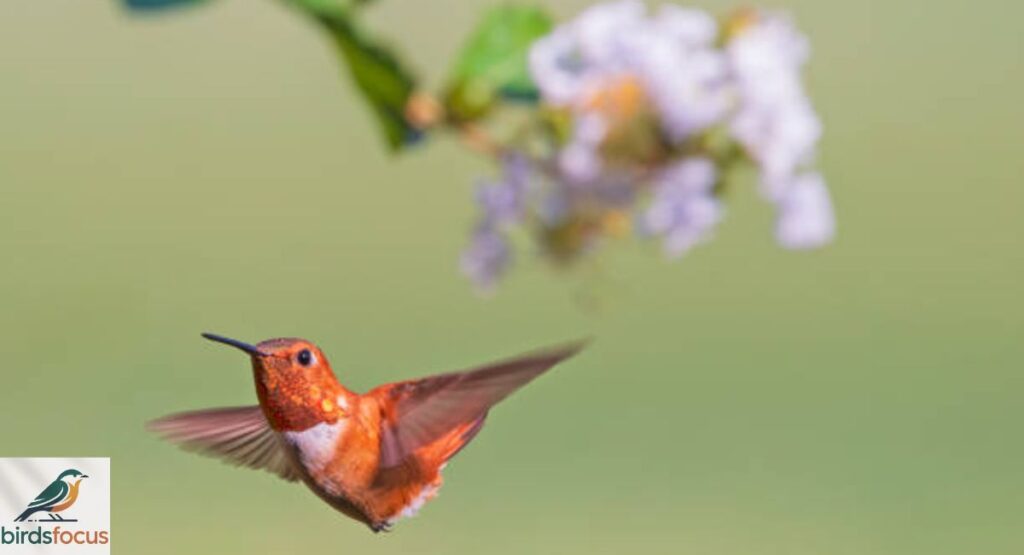
The Rufous Hummingbird may look tiny, yet its fiery orange feathers create a dramatic appearance. This energetic species flashes copper-orange tones while hovering beside flowers. It behaves fearlessly despite its small size and often chases larger birds away from feeding areas.
Although rare, this hummingbird occasionally appears during winter migration in Florida gardens. Native flowering plants attract them naturally. Birdwatchers often describe their movement as “flying sparks” because their wings move incredibly fast beneath sunlight. Spotting one feels like finding hidden treasure inside a tropical garden.
| Common Orange Birds | Main Color Pattern | Habitat |
| American Robin | Orange chest and gray body | Lawns and parks |
| Baltimore Oriole | Orange and black feathers | Palm trees |
| Rufous Hummingbird | Fiery orange body | Flower gardens |
Birds in Florida With Orange Beaks
Some Florida birds gain attention not because of feathers but because of their bright orange beaks. These beaks help birds hunt, feed, and survive within wetlands and coastal habitats. Many wading birds use long curved bills to search through shallow water for insects and small fish.
Birdwatchers often confuse yellow and orange beaks under strong sunlight. However, careful observation reveals important differences. Most birds with orange beaks in Florida live near marshes, ponds, and beaches where reflective water enhances their bright facial features.
Flame-colored Tanager
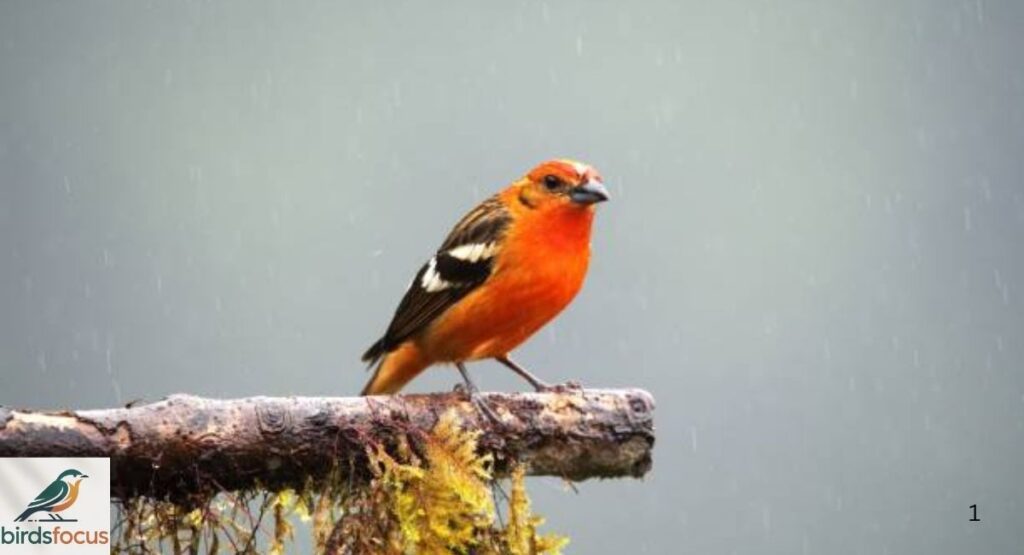
The Flame-colored Tanager is a rare but breathtaking visitor that bird enthusiasts occasionally report in Florida during unusual migration periods. This striking bird displays vivid flame-orange feathers across most of its body with dark wings that create a dramatic contrast in sunlight. Its brilliant appearance makes it one of the most eye-catching Orange Birds in Florida for experienced birdwatchers searching for uncommon species.
The bird usually prefers wooded habitats, tall trees, and quiet forest edges where it feeds on berries and insects. Because sightings remain rare, spotting a Flame-colored Tanager feels incredibly special and often attracts photographers and bird lovers from nearby regions.
Great Egret
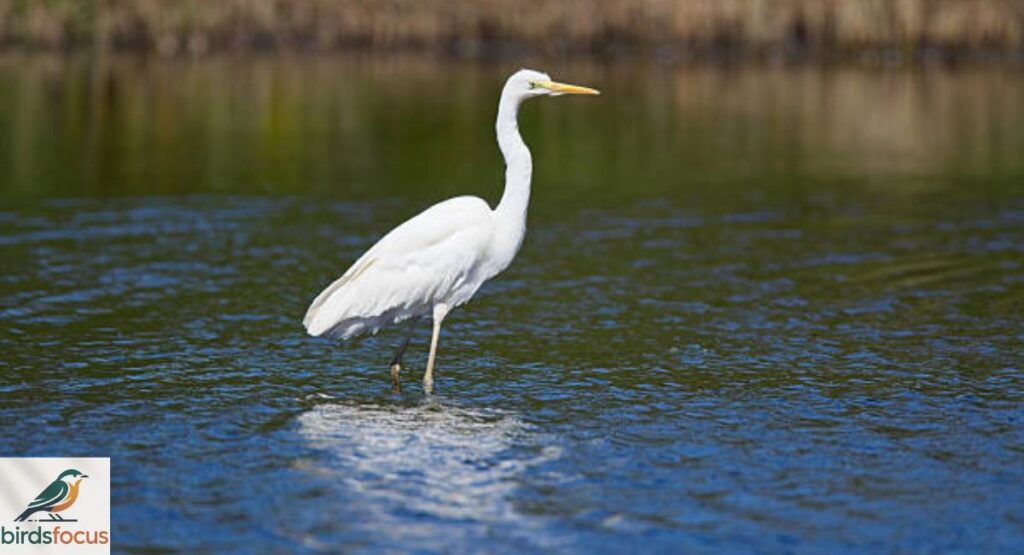
The Great Egret looks graceful and statuesque beside Florida marshes. Its long neck, white feathers, and orange-yellow beak create a sophisticated appearance. During breeding season, delicate plumes grow along its back like decorative ribbons.
Egrets hunt patiently. They stand motionless for long periods before striking fish with lightning speed. This silent hunting strategy helps them conserve energy in warm climates. Many wildlife photographers wait hours just to capture one perfect egret reflection across calm water.
| Birds With Orange Beaks | Beak Shape | Preferred Habitat |
| American White Ibis | Curved | Wetlands |
| Great Egret | Long and straight | Marshes |
| Boat-Tailed Grackle | Short and thick | Coastal towns |
Black and Orange Birds in Florida
Florida contains several dramatic bird species featuring black and orange feather combinations. These patterns help birds attract mates and defend territories. Bright colors also allow birdwatchers to identify species quickly across forests and wetlands.
Interestingly, many orange and black birds in Florida become more active during sunrise and sunset. Softer lighting enhances their feather colors. As a result, early morning birdwatching often produces the best sightings and photographs.
Red-Winged Blackbird
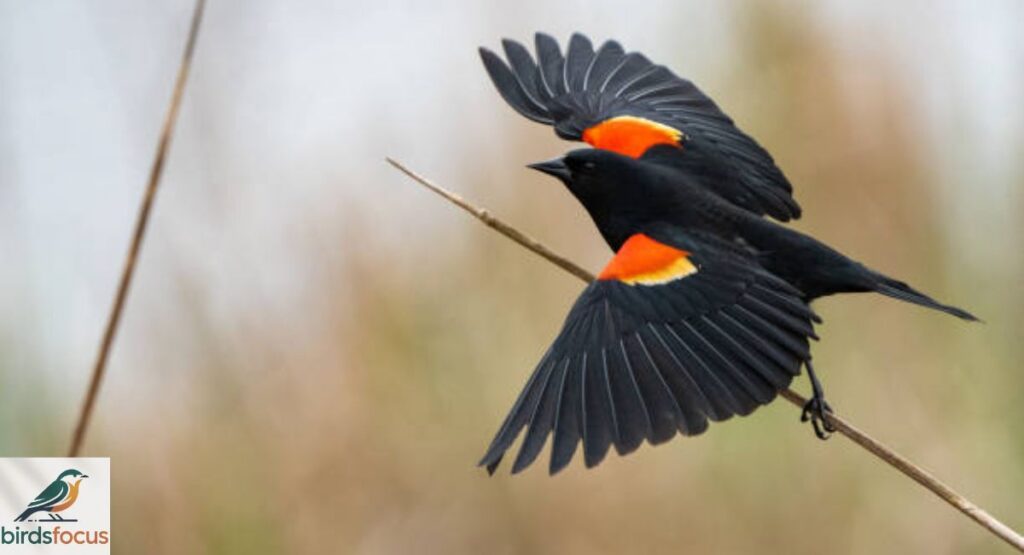
The Red-Winged Blackbird may appear fully black at first glance. However, bright orange-red shoulder patches reveal its identity immediately. Males display these colorful patches aggressively while protecting marsh territories during breeding season.
Their calls sound loud and metallic across wetlands. Female blackbirds look very different with streaked brown feathers that help camouflage nests among reeds. These birds often gather in massive flocks during migration which creates dramatic dark waves across the sky.
Orchard Oriole
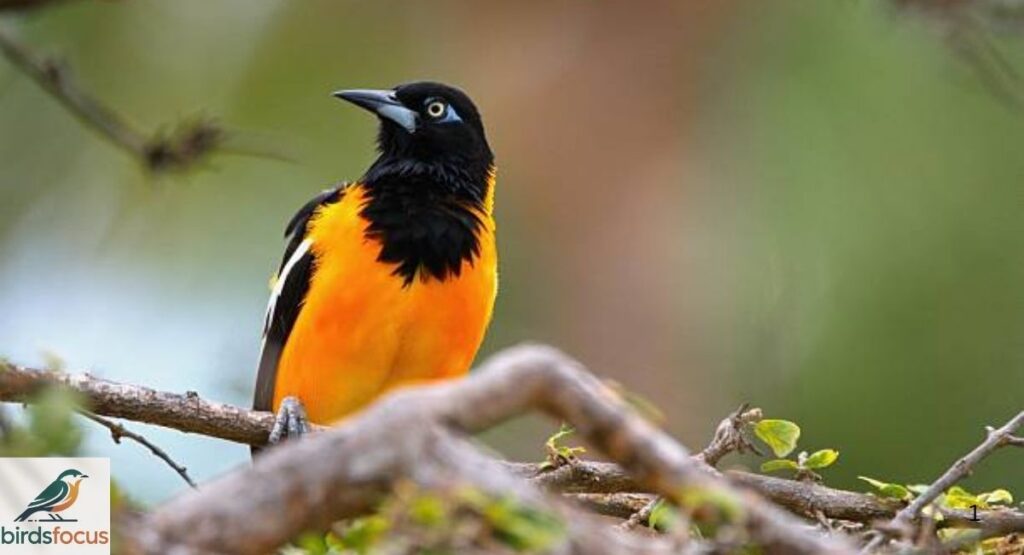
The Orchard Oriole combines chestnut-orange feathers with black wings and head markings. This smaller oriole species prefers quiet woodlands and river edges across Florida. Its sweet whistle sounds softer than many larger songbirds.
Orchard Orioles feed heavily on insects during breeding months. Later, they switch toward fruits and nectar. Their woven nests hang carefully from thin branches to avoid predators. Watching these birds build nests feels almost like observing tiny architects at work.
Eastern Towhee
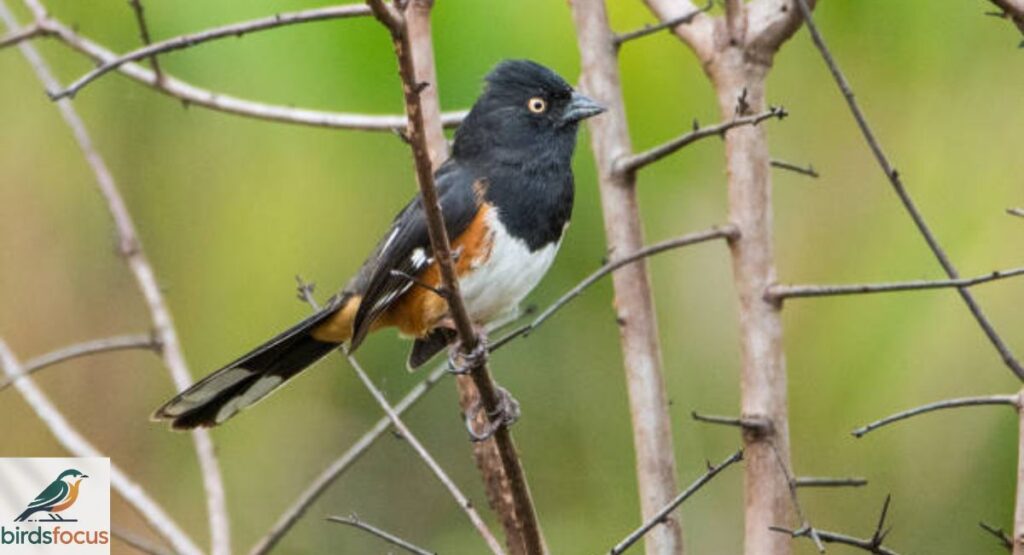
The Eastern Towhee displays bold black feathers with glowing orange sides and white belly markings. It spends most of its time scratching leaves beneath shrubs searching for insects and seeds.
Towhees stay secretive compared to orioles. However, their famous “drink-your-tea” whistle often reveals their location before birdwatchers actually see them. Dense woodland edges remain the best places for spotting these shy birds.
Blue Bird With Orange Chest in Florida
Some Florida birds combine cool blue feathers with warm orange chests. That contrast creates one of the most attractive color combinations in North American birdlife. These birds often appear calm and approachable around gardens and rural fields.
Among all colorful species, the Eastern Bluebird remains one of the most loved backyard visitors. Many families install nest boxes specifically to attract this beautiful species into suburban landscapes.
Eastern Bluebird
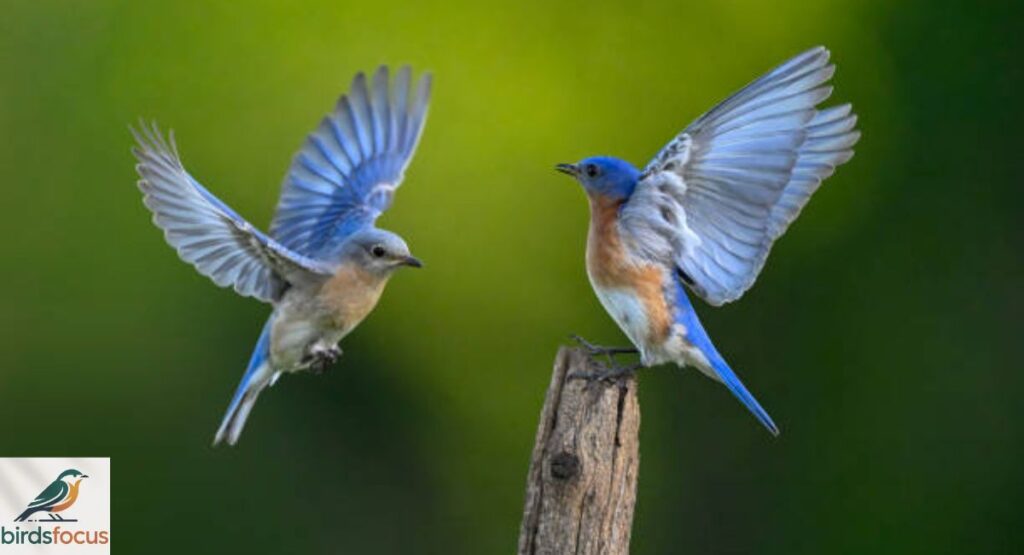
The Eastern Bluebird features vibrant blue wings paired with a soft orange chest. This gentle bird prefers open grassy areas with scattered trees and fence posts. It frequently perches quietly before swooping down to catch insects.
Bluebirds symbolize happiness in many American traditions. Farmers historically welcomed them because they reduce insect populations naturally. During winter, small flocks gather near berry-producing trees. Their calm behavior makes them perfect subjects for beginner wildlife photography.
Difference Between Bluebirds and Robins
Many beginners confuse bluebirds and robins because both feature orange chests. However, robins appear larger with darker heads and longer legs. Bluebirds display brighter blue feathers and softer facial features.
Robins spend more time walking across lawns while bluebirds prefer perching on wires or fences. Their flight patterns also differ noticeably. Bluebirds glide smoothly whereas robins move with quicker wingbeats.
| Blue and Orange Birds | Main Colors | Typical Habitat |
| Eastern Bluebird | Blue and orange | Open fields |
| American Robin | Gray and orange | Lawns |
| Varied Thrush | Dark blue and orange | Forest edges |
Orange Breasted Birds in Florida
Florida’s migration routes attract numerous orange breasted birds in Florida every year. Some remain temporary visitors while others nest permanently across forests and wetlands. Seasonal plumage changes often make males appear dramatically brighter during breeding periods.
Birdwatchers usually find these birds during early morning hours when feeding activity increases. Calm weather also improves visibility because strong wind forces birds deeper into protective vegetation.
Varied Thrush
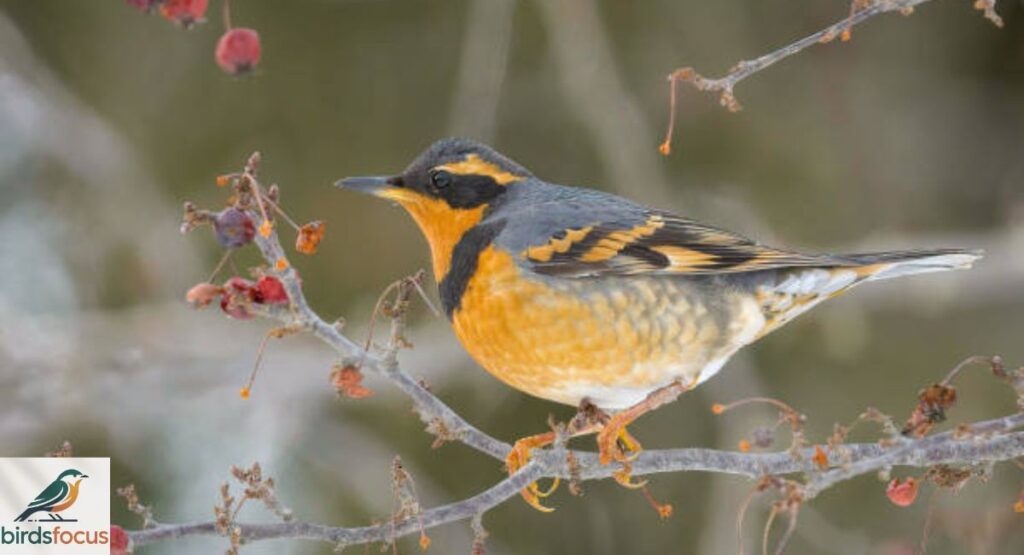
The Varied Thrush resembles a woodland cousin of the robin. It displays deep orange chest feathers combined with dark slate-blue markings. This rare visitor occasionally appears in northern Florida during unusual migration years.
Its haunting whistle echoes softly through forests during quiet mornings. Because sightings remain uncommon, birdwatchers often travel long distances after hearing reports of one nearby. Spotting this species feels incredibly rewarding for experienced bird enthusiasts.
American Redstart
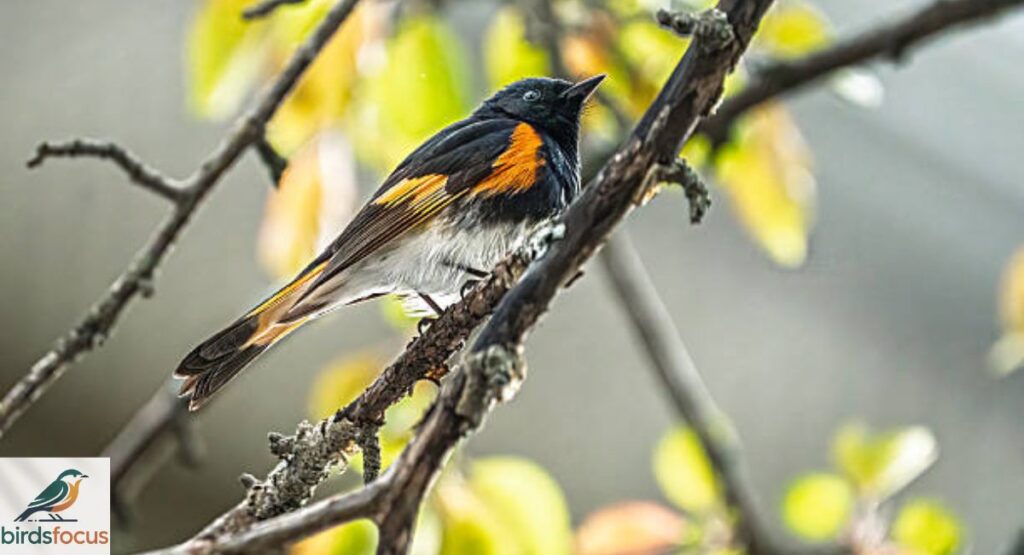
The American Redstart flashes orange patches across black
wings and tail feathers. Unlike many songbirds, it moves constantly while hunting insects among tree branches.
Redstarts fan their tails dramatically to startle insects into motion. This clever hunting method increases feeding success. Male birds display brighter orange patterns while females carry softer yellow shades. Their restless movement resembles tiny dancing flames inside the forest canopy.
Barn Swallow
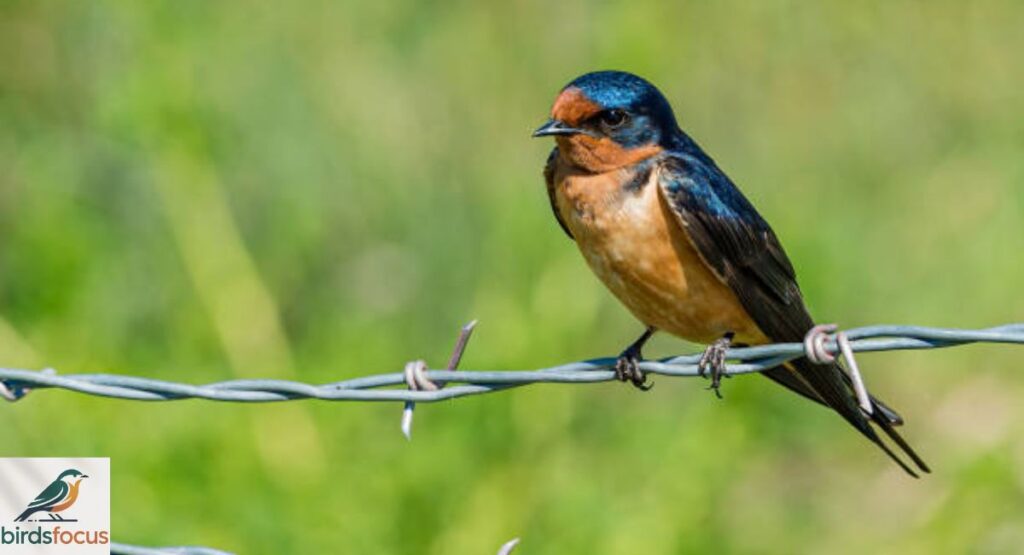
Barn Swallows feature orange underparts and dark blue backs. These agile birds spend most of their lives airborne catching insects above lakes and open fields.
Their forked tails improve aerial maneuverability. Swallows migrate enormous distances between North and South America each year. Farmers appreciate them because they naturally reduce mosquito populations around barns and wetlands.
Where to See Orange Birds in Florida
Florida offers some of America’s best birdwatching locations. Wetlands, coastal marshes, tropical forests, and wildlife refuges create ideal conditions for observing colorful species year-round. Many visitors specifically search for Orange Birds in Florida during winter migration when bird diversity reaches its peak.
Timing matters greatly during birdwatching trips. Sunrise often produces the highest bird activity because temperatures remain cooler and feeding behavior intensifies. Quiet observation also increases the chance of spotting shy woodland species.
Everglades National Park
The Everglades forms one of the richest bird habitats in North America. Vast wetlands support ibises, egrets, herons, and migratory songbirds throughout the year.
Airboat noise sometimes scares birds temporarily. Therefore, walking trails often provide better viewing opportunities. During dry seasons, birds gather around shrinking water sources which improves visibility for photographers and researchers alike.
Merritt Island National Wildlife Refuge
This coastal refuge attracts thousands of migratory birds annually. Wetlands, lagoons, and open grasslands support extraordinary species diversity.
Birdwatchers frequently spot spoonbills, orioles, and bluebirds here. Observation towers improve long-distance viewing across marshes. Winter months usually deliver the highest concentration of colorful migratory species.
Corkscrew Swamp Sanctuary
Corkscrew Swamp Sanctuary protects ancient cypress forests filled with unique wildlife. Quiet boardwalks allow visitors to explore dense habitats safely.
Woodland birds thrive beneath the towering trees. Birdsong echoes beautifully through humid morning air. Many experienced photographers consider this sanctuary one of Florida’s hidden ecological treasures.
| Best Florida Birdwatching Areas | Famous Species |
| Everglades National Park | Ibises and egrets |
| Merritt Island Refuge | Orioles and bluebirds |
| Corkscrew Swamp Sanctuary | Woodland birds |
How to Identify Florida Birds by Color
Bird identification becomes easier once you understand color patterns and body shapes. Experienced birdwatchers rarely rely on one feature alone. Instead, they combine feather shades, beak structure, habitat, movement, and vocal sounds.
Lighting conditions also affect color perception dramatically. Sunrise may intensify orange plumage while midday sunlight can wash colors away completely. Therefore, observing birds from multiple angles improves identification accuracy.
Orange Chest vs Orange Belly
Some birds display orange only across the chest while others carry orange feathers across the entire underside. Robins mainly show orange on the chest area. Orioles often display brighter orange extending toward the belly.
This subtle difference helps separate similar species quickly. Beginners often overlook feather boundaries when identifying birds. However, careful observation improves confidence significantly over time.
Long Orange Beaks vs Short Orange Beaks
Long orange beaks usually belong to wading birds like ibises and egrets. These beaks help probe mud and shallow water for prey. Shorter orange beaks appear more commonly among songbirds and scavengers.
Beak shape often reflects feeding strategy. Curved bills work better for probing while straight pointed beaks help spear fish efficiently. Nature designs each feature with remarkable precision.
Birdwatching Tools for Beginners
Modern birdwatchers benefit from excellent technology. Lightweight binoculars improve long-distance viewing while bird identification apps recognize songs instantly.
Field guides remain valuable despite digital tools. Many experienced birders still carry printed guides because illustrations highlight subtle feather details better than photographs. Patience and practice ultimately remain the greatest birdwatching tools of all.
Big Orange Birds in Florida
Big orange birds in Florida are easy to notice because of their size, strong flight, and bright feather patterns. These birds usually live in wetlands, coastal areas, and open forests where they hunt, feed, and nest. Many birdwatchers in the USA often search for Orange Birds in Florida because larger species like orioles and ibises create stunning visual contrast in the sky and water landscapes. Their orange shades often look brighter during sunrise when sunlight reflects off feathers.
Large orange birds also play an important role in Florida’s ecosystem. They help control insect populations and spread seeds across wetlands. Birds like the Baltimore Oriole and American White Ibis are often seen in groups during migration seasons. These species prefer open habitats where they can easily spot food and avoid predators. Their behavior, size, and color make them one of the most photographed birds in Florida.
| Big Orange Birds | Main Color Pattern | Habitat |
| Baltimore Oriole | Black and bright orange | Trees and gardens |
| American White Ibis | White with orange beak | Wetlands |
| Great Egret (breeding season) | White with orange-yellow bill | Marshes |
Small Orange Birds in Florida
Small orange birds in Florida look delicate but are full of energy. These birds often move quickly between flowers, trees, and shrubs while searching for insects or nectar. Many birdwatchers love spotting small Orange Birds in Florida like hummingbirds because they appear like flying sparks in sunlight. Their small size allows them to hide easily, making sightings more special.
These tiny birds are also important pollinators. Species such as the Rufous Hummingbird and Eastern Bluebird bring life to gardens and wild areas. They prefer flowering plants, open fields, and backyard feeders. Despite their size, they show strong territorial behavior and fast movement, especially during feeding. Their bright orange tones make them stand out even in dense vegetation.
| Small Orange Birds | Main Color Pattern | Habitat |
| Rufous Hummingbird | Fiery orange with green hints | Flower gardens |
| Eastern Bluebird | Blue with orange chest | Open fields |
| American Redstart | Black with orange patches | Forest edges |
Conclusion
Florida offers an extraordinary world filled with vibrant feathers, glowing orange chests, and elegant orange beaks. From the fiery Baltimore Oriole to the graceful American White Ibis, these species transform wetlands and forests into living works of art. That diversity explains why bird enthusiasts continue searching for Orange Birds in Florida every season.
Whether you explore the Everglades, coastal marshes, or quiet backyard gardens, colorful birds appear almost everywhere across the Sunshine State. Careful observation, patience, and curiosity turn ordinary walks into unforgettable wildlife experiences. Once you begin noticing these remarkable birds, Florida’s skies never look ordinary again.
FAQs
What is the most common orange bird in Florida?
The American Robin is one of the most common Orange Birds in Florida because of its bright orange chest and widespread presence in parks and gardens.
Which white bird in Florida has a long orange beak?
The American White Ibis is famous for its curved orange beak and white feathers often seen near wetlands and ponds.
What blue bird has an orange chest in Florida?
The Eastern Bluebird features vivid blue feathers with a soft orange chest and commonly appears in open grassy areas.
When is the best time to see orange birds in Florida?
Spring and winter migration seasons offer the best chances to spot colorful birds throughout Florida’s forests and coastal refuges.
Are black and orange birds common in Florida?
Yes, species like the Baltimore Oriole and Red-Winged Blackbird are common black and orange birds in Florida during migration and breeding seasons.

Welcome to birdsfocus! I’m Anam Sattar, an AI Powered SEO, and Content Writer with 4 years of experirnce.
I help websites rank higher,grow traffic, and look amazing. My goal is to make SEO and web design simple and effective for everyone.
Let’s achieve more together!