


The Blue Gray Tanager is one of the most eye-catching birds in the tropical Americas. Its gentle blue feathers and calm behavior make it a favorite among bird watchers and wildlife photographers. You can often spot this colorful species resting in gardens, parks, and forest edges where it searches for fruit and insects.
Unlike many shy birds, the Blue Gray Tanager adapts remarkably well to human surroundings and thrives in human-modified landscapes. Bird enthusiasts visiting Costa Rica regularly encounter this beautiful Neotropical songbird in urban gardens and forest edges. Its striking purplish-blue shoulder patch makes identification easier even from a distance.
What Is the Blue Gray Tanager?
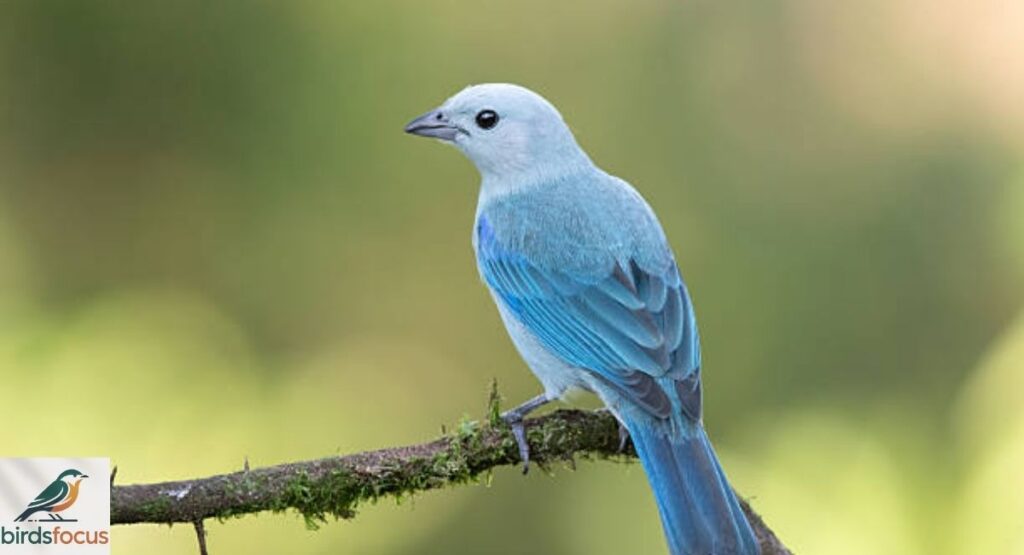
- A common Neotropical songbird found across Central America, South America, and parts of the Caribbean.
- Scientifically known as Thraupis episcopus.
- Belongs to the family Thraupidae and the order Passeriformes.
- Also known as the Blue-grey Tanager and Blue and Gray Tanager.
- Recognized for its beautiful blue body, darker wings, and tail.
- Features a distinctive purplish-blue shoulder patch in many populations.
- Usually measures around 16 cm (6.3 inches) in length.
- Weighs approximately 21 grams (0.04 lbs).
- Classified as an omnivore that feeds on fruits, insects, and nectar.
- Active during the daytime and considered a diurnal bird.
- Commonly found in gardens, parks, forest edges, and plantations.
- Frequently seen in pairs or small social groups.
- Currently listed as a species of Least Concern by conservation organizations.
Blue Gray Tanager Identification
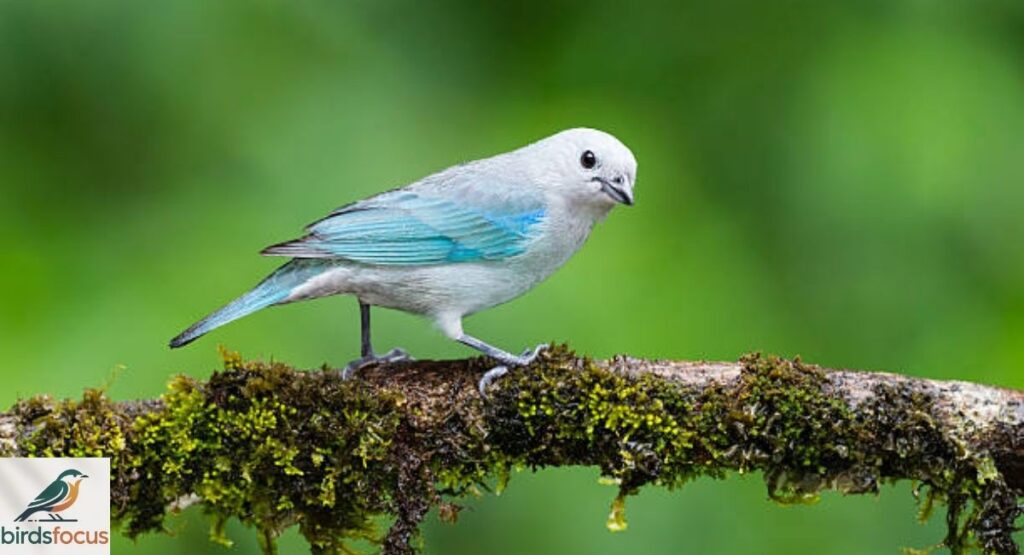
The first thing you notice about the Blue Gray Tanager is its smooth blue coloring and elegant posture. The bird displays blue-gray plumage, dark wings, and a noticeable purplish-blue shoulder patch that often shines under sunlight. Many birders use this shoulder marking for quick identification.
Another useful feature is the strong black bill. This stout tanager bill helps the species eat both insects and fruit. The bird also has dark legs and typical anisodactyl feet designed for gripping branches and wires with ease.
Blue Gray Tanager Female Identification
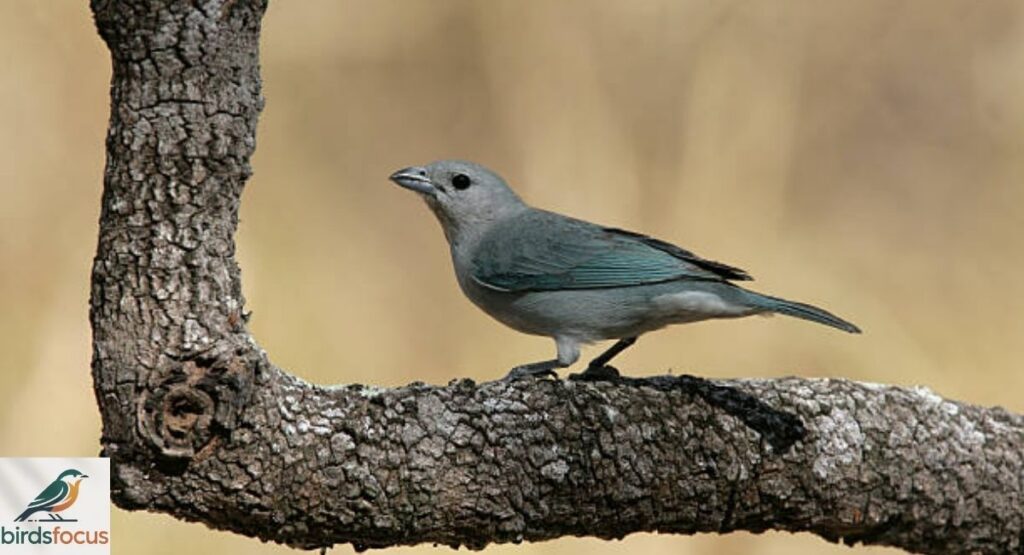
The female looks very similar to the male, which makes identification difficult for beginners. Females may appear slightly duller in color, yet they still display the classic blue body and dark wings.
Male Blue Gray Tanager
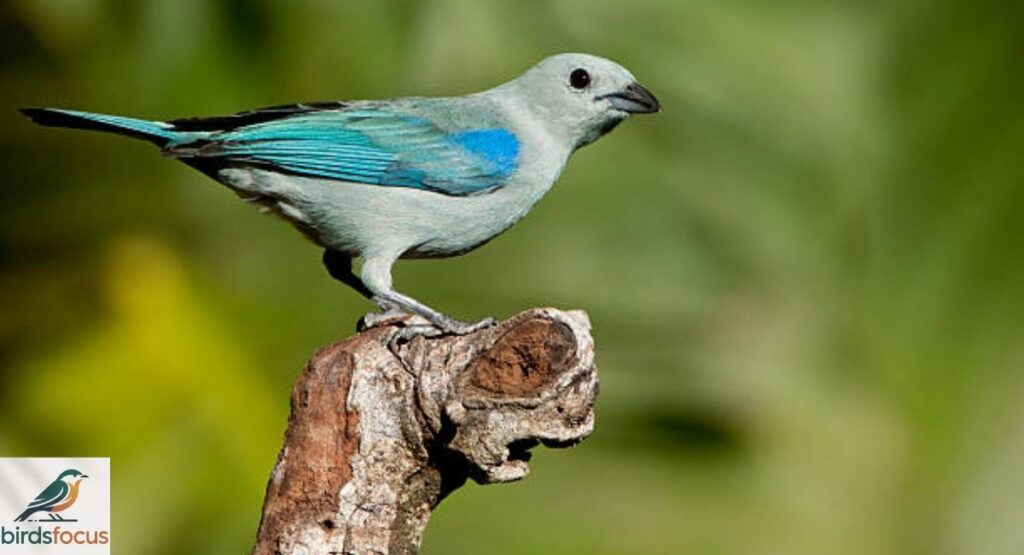
Males often show brighter shoulder colors and stronger feather contrast. However, field experts usually rely on behavior rather than color differences to determine sex.
Juvenile and Immature Blue Gray Tanager Plumage
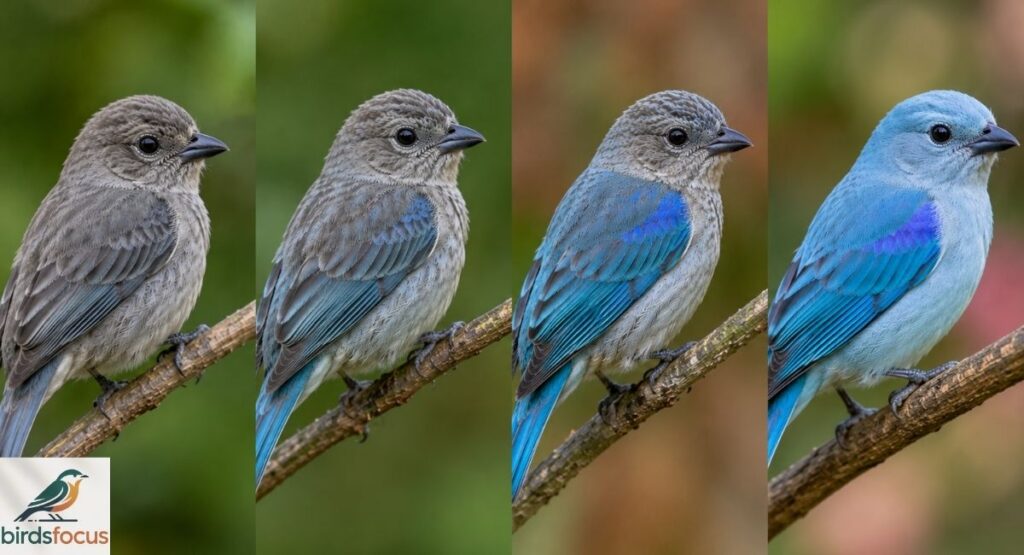
Young birds appear grayer and less colorful than adults. Their feathers develop richer shades after the first molt period.
Habitat and Distribution
The Blue Gray Tanager lives throughout a large section of tropical America. Its range stretches from Honduras and Nicaragua through Costa Rica and Panama before reaching Brazil, Peru, Ecuador, and Bolivia. The species succeeds because it adapts quickly to changing environments.
One reason for this success lies in habitat flexibility. The bird uses open woodland edges, semi-open habitats, forest edges, and even human-modified landscapes. It also appears regularly in towns and agricultural regions.
Blue Gray Tanager in Costa Rica
Costa Rica remains one of the best locations to observe this species. Visitors often encounter the bird in gardens, eco-lodges, and lowland forests.
Preferred Habitats and Ecosystems
The species favors urban gardens, city parks, plantations, and second-growth forest areas where fruit and insects remain abundant.
| Habitat Type | Suitability |
| Gardens | Very High |
| Forest Edges | Very High |
| Dense Rainforest | Moderate |
| Urban Parks | High |
| Plantations | High |
Diet and Feeding Habits
The Blue Gray Tanager follows an omnivorous diet that changes with the seasons. Fruits make up a large part of its meals, although insects become especially important during breeding periods when chicks require extra protein.
Its feeding behavior benefits tropical ecosystems in surprising ways. By carrying seeds across long distances, the bird contributes to forest growth and natural regeneration. This makes it an important participant in seed dispersal.
What Does the Blue Gray Tanager Eat?
The species feeds on berries, figs, insects, caterpillars, nectar, and small fruits. It often visits flowering plants during dry seasons.
Feeding Behavior and Foraging Techniques
Birds search leaves, branches, and fruit clusters while moving quickly between trees. They frequently forage in pairs or family groups.
Behavior, Song, and Communication
Social behavior plays an important role in the daily life of the Blue Gray Tanager. Birds often travel in pairs or small groups and occasionally join mixed-species flocks while searching for food.
Although not famous singers, these birds communicate constantly through short whistles and buzzing notes. Their calls help maintain contact while feeding in dense vegetation.
Blue Gray Tanager Song and Calls
The song usually consists of soft chirps and thin whistles rather than long melodies. Experienced birders often identify the species by sound before seeing it.
Communication Methods and Vocal Signals
Alarm calls become sharper when predators approach. Courtship sounds appear softer and more repetitive during breeding periods.
Breeding and Life Cycle
Breeding usually begins during seasons with abundant food supplies. The pair works together to build a small cup-shaped nest hidden inside shrubs or trees.
Female birds lay two to three eggs in most nesting attempts. Both parents feed the chicks and defend the nest from danger until the young birds become independent.
Nest Construction and Nesting Locations
The nest consists of grass, leaves, and plant fibers woven into a compact structure placed among branches.
Lifespan and Survival Rates
Wild individuals often survive for around six years although favorable conditions may increase longevity.
Eggs, Incubation, and Chick Development
The female usually lays two to three pale-colored eggs in a small cup-shaped nest hidden among branches or shrubs. Incubation lasts about 12 to 14 days, during which the parents protect the nest carefully.After hatching, the chicks grow quickly and rely on both parents for food until they leave the nest roughly two weeks later.
Predators, Threats, and Survival
Like many tropical birds, the Blue Gray Tanager faces pressure from snakes, hawks, and tree-climbing mammals. Eggs and chicks remain especially vulnerable during nesting periods.
Fortunately, the species possesses several defensive advantages. Fast flight, group vigilance, and flexible habitat use increase survival rates across its range.
Natural Predators of the Blue Gray Tanager
Predators include snakes, raptors, monkeys, and domestic cats living near urban areas.
Adaptations That Improve Survival
The bird’s ability to thrive in disturbed environments gives it a major advantage over more specialized species.
Population and Conservation Status
Conservation organizations currently classify the Blue Gray Tanager as a species of Least Concern. Its population remains stable across most countries because it tolerates environmental changes better than many tropical birds.
The species also benefits from human gardens and fruit trees. These additional food sources help maintain healthy numbers even in urban environments.
Current Population Trends
Most surveys report stable or increasing populations throughout much of its range.
Conservation Challenges Across Its Range
Habitat destruction still creates local problems, especially where urban expansion removes native vegetation.
Interesting Blue Gray Tanager Facts
Few birds combine beauty and adaptability as successfully as the Blue Gray Tanager. It often becomes one of the first tropical birds visitors notice during wildlife tours in Costa Rica.Researchers have also observed regional feather differences among populations. These variations create fascinating examples of local adaptation across tropical environments.
Some populations display brighter shoulder patches than others while urban birds often show remarkable tolerance toward people.Spanish-speaking regions call the species Tangara Azul while Portuguese speakers often use the name Sanhaçu-azul.
Conclusion
The Blue Gray Tanager stands out as one of the most beautiful and adaptable birds in the tropical Americas. Its soft blue feathers, gentle song, and ability to thrive in gardens and forests make it a favorite among bird lovers and photographers alike.
From its habitat in Costa Rica to its feeding habits and survival skills, this colorful bird offers plenty to admire. If you ever visit its range, keep your eyes open because spotting a Blue Gray Tanager is an experience you are unlikely to forget.
FAQs
Where can you find the Blue Gray Tanager?
The Blue Gray Tanager lives across Central and South America, including Costa Rica, Panama, Brazil, and Colombia. It commonly appears in gardens, parks, and forest edges.
What does the Blue Gray Tanager eat?
The Blue Gray Tanager eats fruits, berries, insects, nectar, and small invertebrates. Its diet changes depending on food availability and season.
Are male and female Blue Gray Tanagers different?
Male and female Blue Gray Tanagers look very similar. Males may show slightly brighter colors, but the differences are often difficult to spot.
Is the Blue Gray Tanager endangered?
No, the Blue Gray Tanager is currently listed as a species of Least Concern. Its population remains stable across most of its range.
What makes the Blue Gray Tanager easy to identify?
Its soft blue body, darker wings, and noticeable purple shoulder patch make the Blue Gray Tanager easy to recognize in the wild.

Welcome to birdsfocus! I’m Anam Sattar, an AI Powered SEO, and Content Writer with 4 years of experirnce.
I help websites rank higher,grow traffic, and look amazing. My goal is to make SEO and web design simple and effective for everyone.
Let’s achieve more together!