

The Birds of Hawaii offer one of the most fascinating wildlife experiences in the United States. Hawaii’s remote location in the Pacific Ocean allowed many species to evolve in complete isolation, creating an extraordinary collection of birds found nowhere else on Earth. Today, the islands are home to colorful honeycreepers, majestic seabirds, and remarkable species such as the Nene, Hawaii’s official state bird.
Alongside these unique creatures, visitors can also discover species introduced from other parts of the world. Whether you enjoy photography or nature walks, exploring the native birds of Hawaii, endemic birds of Hawaii, bird watching in Hawaii, rare birds of Hawaii, and bird habitats in Hawaii creates unforgettable memories.
What Is the State Bird of Hawaii?
The official state bird of Hawaii is the Nene bird, also known as the Hawaiian goose. Hawaii adopted this bird as its state symbol in 1957 because it represents resilience and island heritage. The name “Nene” comes from the bird’s soft call, which sounds like “nay-nay” when heard in the wild.
The state bird of Hawaii once faced extinction as hunting, predators, and habitat loss pushed numbers dangerously low. Conservation programs changed its future. Today the Nene bird has become one of America’s greatest wildlife recovery stories and remains one of the most recognizable native birds of Hawaii.
Nene Bird of Hawaii: Facts, Habitat, and Identification
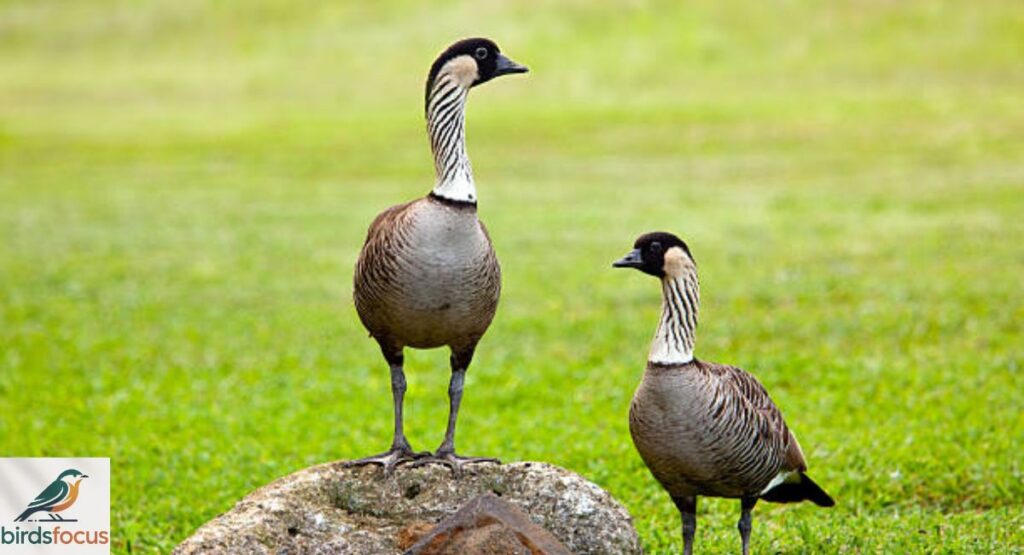
Unlike geese found on the mainland, the Nene bird adapted to volcanic terrain instead of lakes and marshes. Its stronger feet and reduced webbing help it walk across lava fields and rocky grasslands. Adults have buff-colored cheeks, a black face, and delicate feather patterns that resemble fish scales.
Visitors often spot the Hawaiian goose on Maui, Kauai, and the Big Island. The species feeds on berries, grasses, flowers, and seeds. Although populations have improved, the bird still benefits from ongoing protection programs designed to preserve important bird habitats in Hawaii.
Native Birds of Hawaii You Should Know
Iiwi
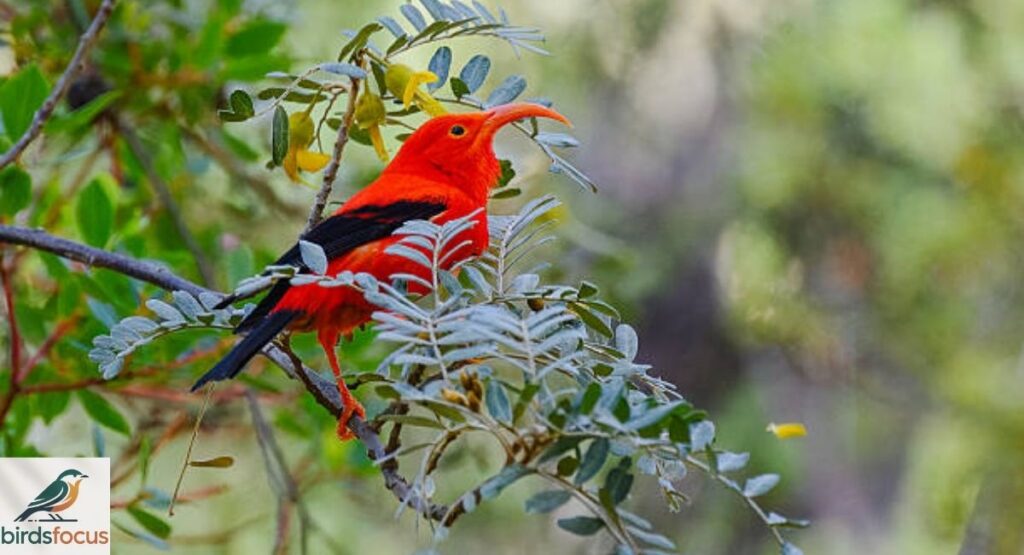
The Iiwi is one of the most beautiful native birds in Hawaii. Its bright red feathers and long curved beak make it easy to recognize in Hawaiian forests. The bird feeds mainly on nectar from native flowers. It plays an important role in pollination. Today, habitat loss and disease threaten its population in higher elevations.
Apapane
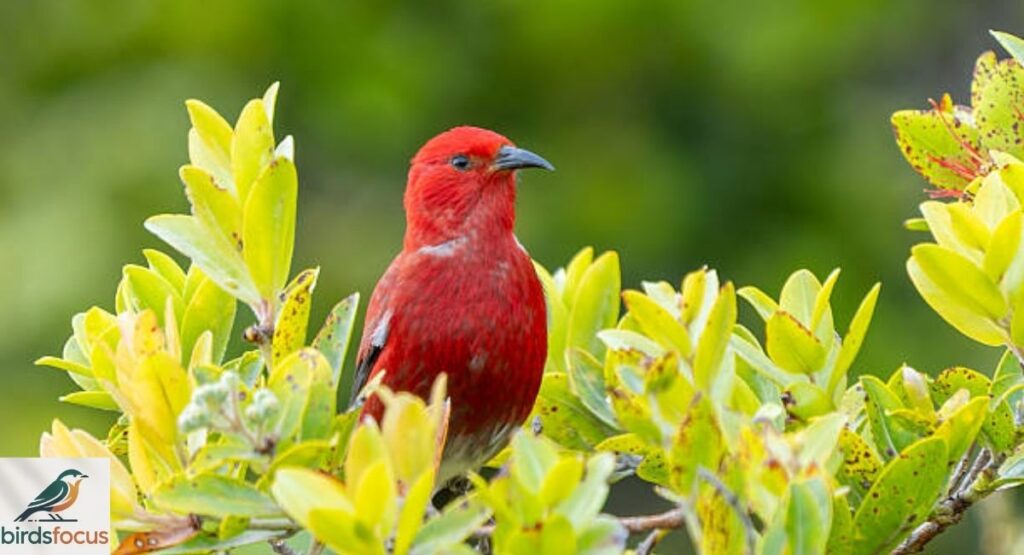
The Apapane is among the most common native honeycreepers found in Hawaii. It has deep red feathers with black wings and tail feathers. This energetic bird moves quickly between flowering trees in search of nectar. You can often hear its cheerful calls before spotting it. The species adapts better than many other native birds.
Hawaiian Hawk (Io)
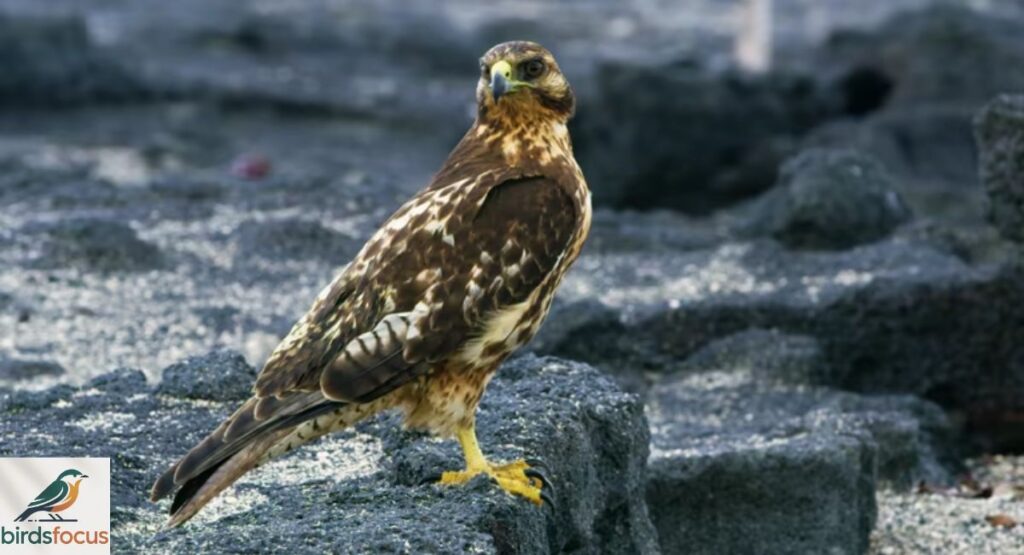
The Hawaiian Hawk, locally called the Io, is Hawaii’s only native hawk species. It lives mostly on the Big Island and hunts insects, rodents, and small birds. The hawk appears in many Hawaiian legends and traditions. Its sharp eyesight makes it an excellent hunter. Conservation efforts have helped stabilize its population.
Hawaiian Goose (Nene)
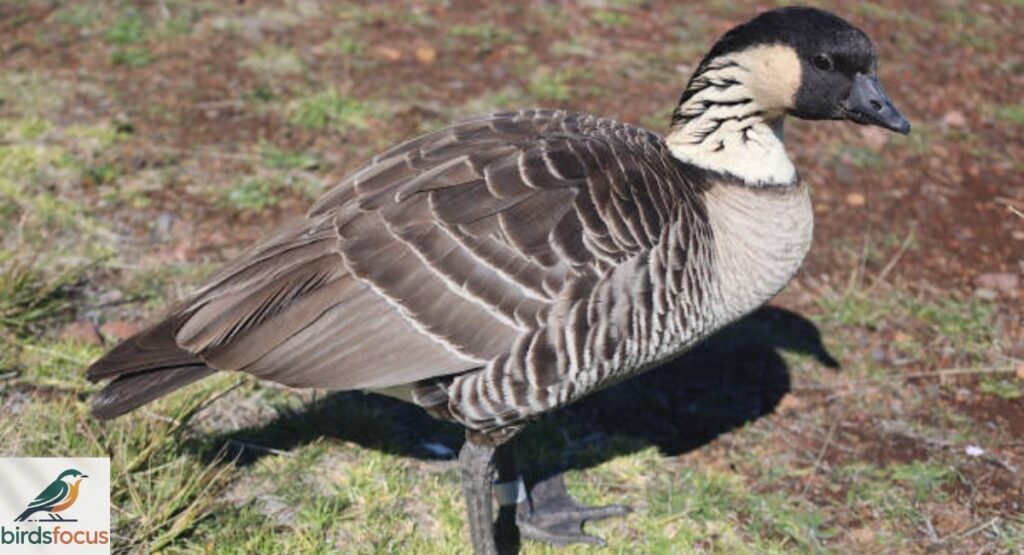
The Nene, also known as the Hawaiian goose, is the official state bird of Hawaii. Unlike mainland geese, it evolved to walk across lava fields and rough volcanic terrain. The bird feeds on grasses, berries, and leaves. Its population once dropped to fewer than thirty birds. Protection programs helped bring the species back from the edge of extinction.
Hawaiian Petrel
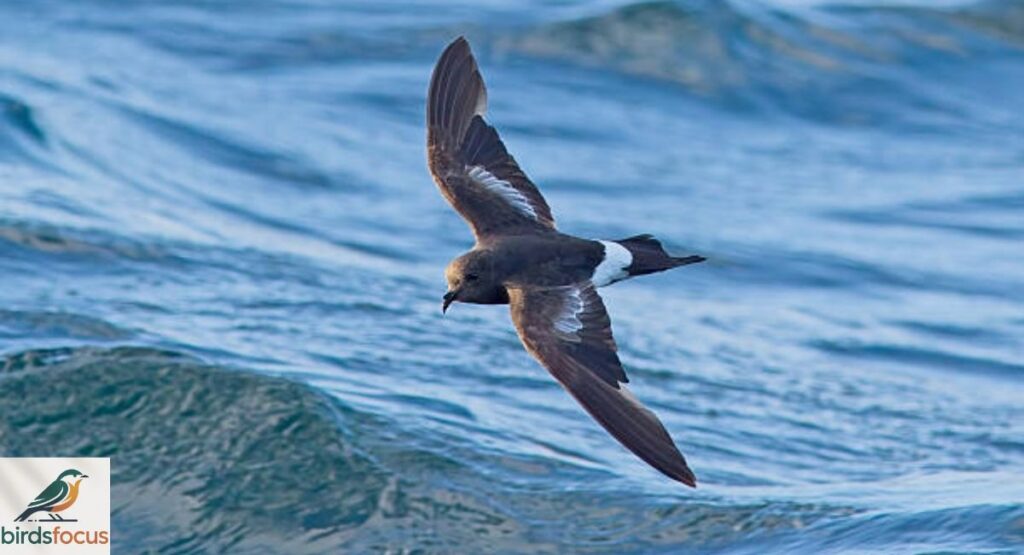
The Hawaiian Petrel spends most of its life flying over the open Pacific Ocean. It returns to Hawaiian mountains only to breed and raise chicks. This seabird can travel thousands of miles during feeding trips. Bright lights near cities often confuse young birds during migration. Conservation groups actively rescue stranded birds each year.
Pueo (Hawaiian Owl)
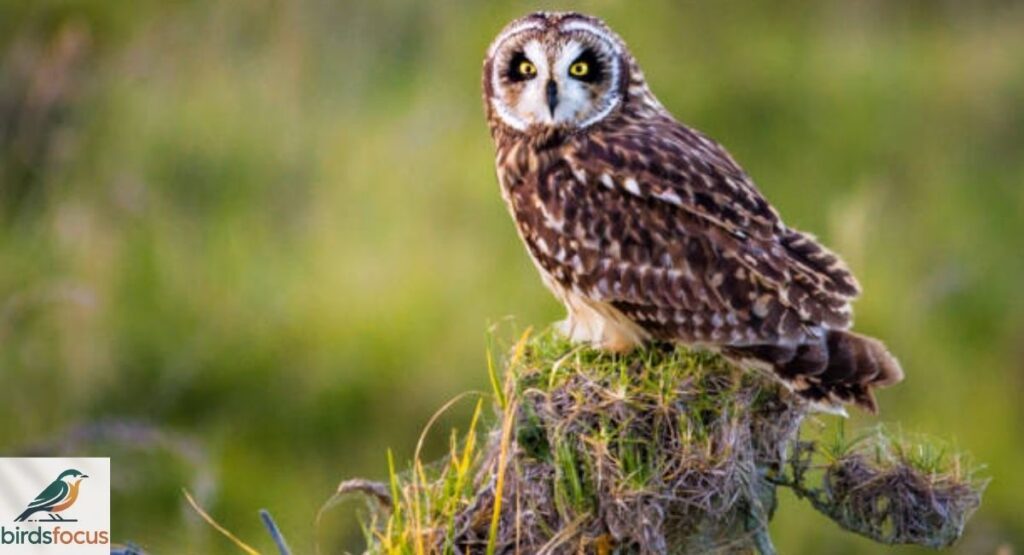
The Pueo, or Hawaiian owl, is one of Hawaii’s most respected birds. Unlike many owls, it hunts mainly during daylight hours. Ancient Hawaiian culture considered the bird a spiritual guardian and protector. It feeds on rodents, insects, and small animals. Open grasslands provide ideal hunting grounds for this unique predator.
Maui Parrotbill
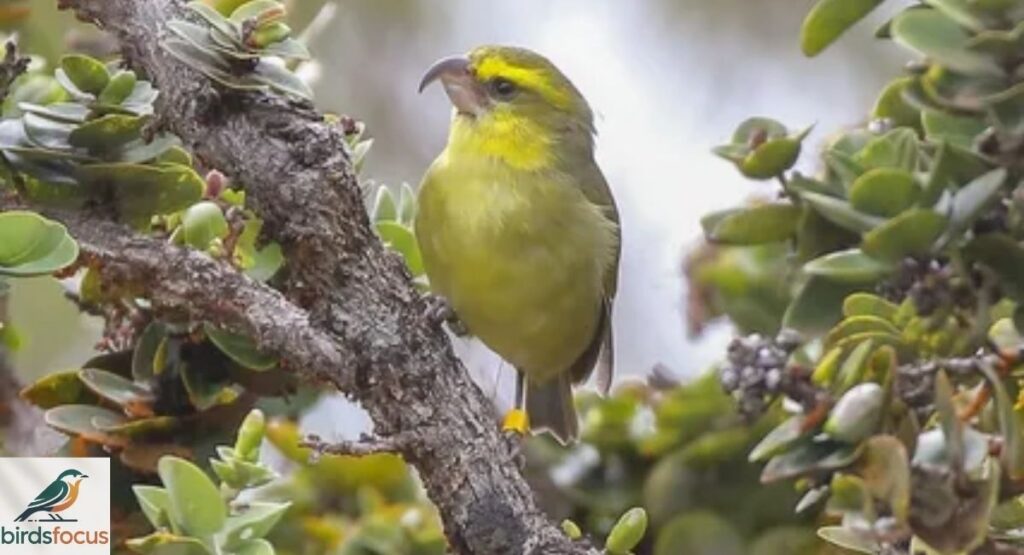
The Maui Parrotbill is one of Hawaii’s rarest forest birds. Its strong beak allows it to break branches and search for hidden insects. Scientists estimate that only a small population survives in Maui’s mountain forests. Habitat destruction and invasive species remain major threats. Intensive conservation work continues to protect this remarkable bird.
Akikiki and Other Rare Honeycreepers
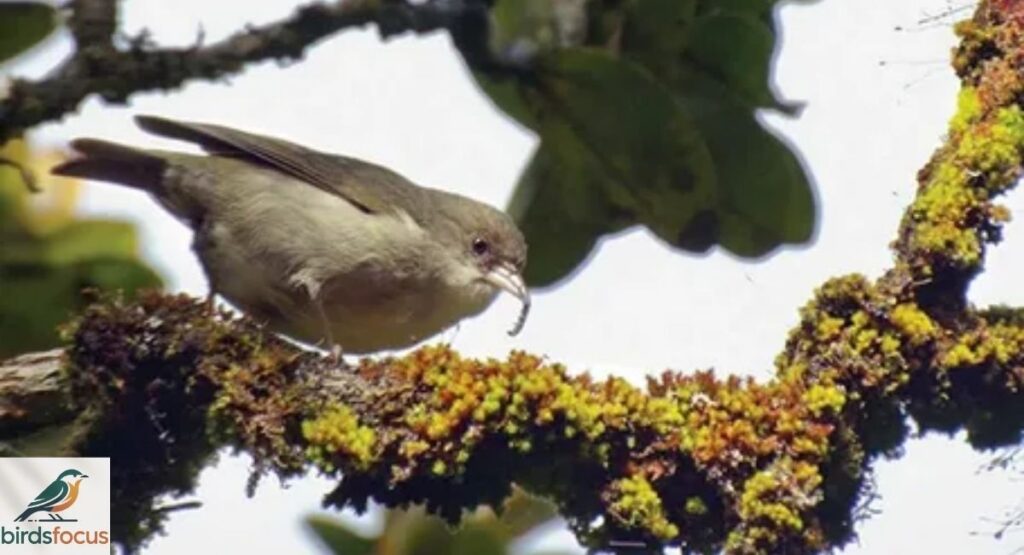
The Akikiki belongs to the famous Hawaiian honeycreeper family. These birds evolved into many forms after arriving in Hawaii millions of years ago. Sadly, many species have disappeared due to disease and habitat loss. Remaining honeycreepers survive mostly in remote mountain forests. They represent one of the world’s most extraordinary examples of evolution.
Why Hawaii Has So Many Endemic Bird Species
Hawaii’s extreme isolation allowed birds to evolve separately from mainland species for millions of years. Over time, they developed unique colors, songs, and feeding habits. Scientists call these species endemic because they exist nowhere else on Earth. This unusual evolution makes Hawaii one of the world’s most important bird conservation regions.
Introduced Birds in Hawaii
Mynah Bird
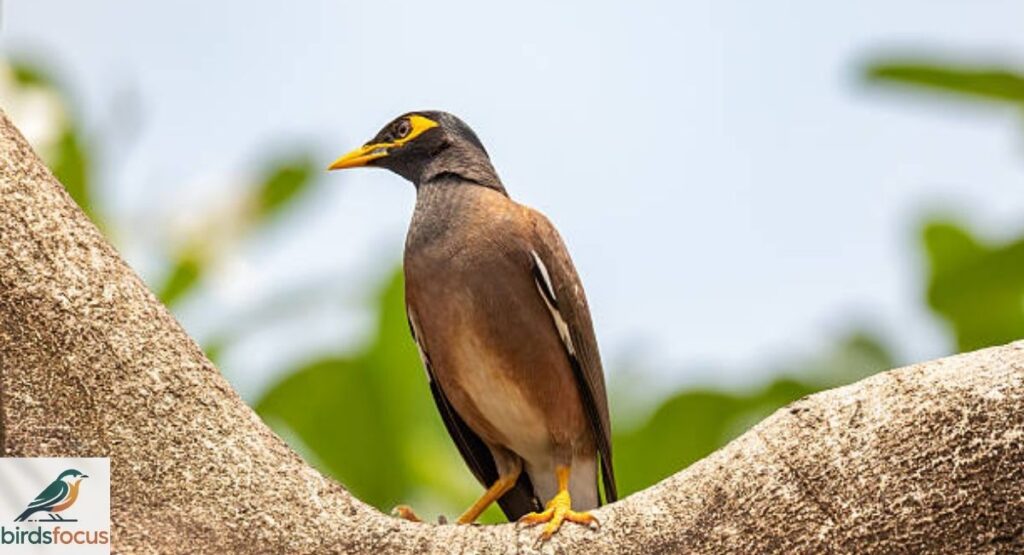
The Common Myna arrived in Hawaii during the nineteenth century to help control insects in sugar plantations. It quickly adapted to towns, parks, and neighborhoods across the islands. This intelligent bird has dark brown feathers and bright yellow skin around its eyes. Mynas often travel in noisy groups and can mimic sounds they hear regularly.
Java Sparrow
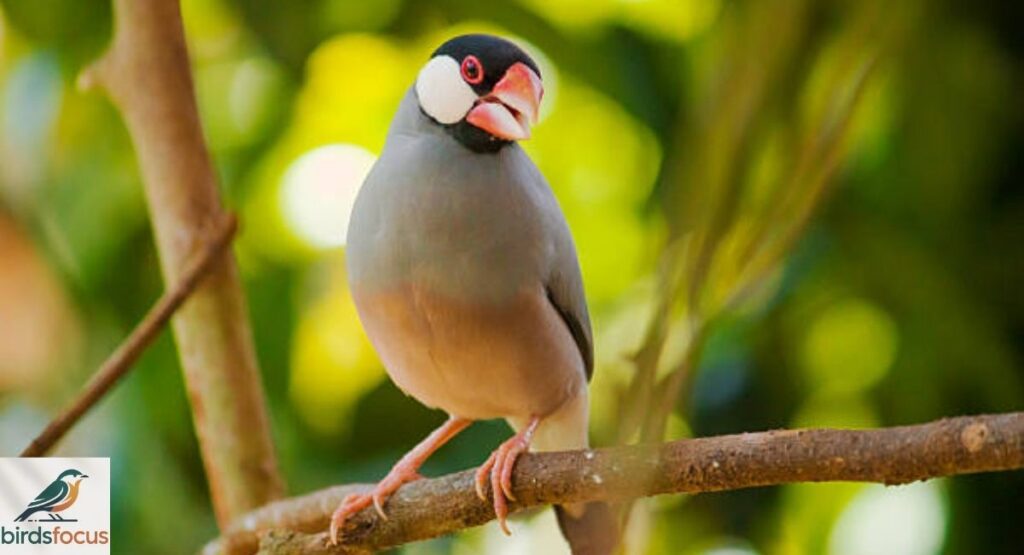
The Java Sparrow is easy to recognize because of its gray body, pink beak, and black head markings. Originally native to Southeast Asia, it was introduced to Hawaii as a cage bird before escaping into the wild. Today it lives in grassy fields and agricultural areas. The bird mainly feeds on seeds and grains.
Red-Crested Cardinal
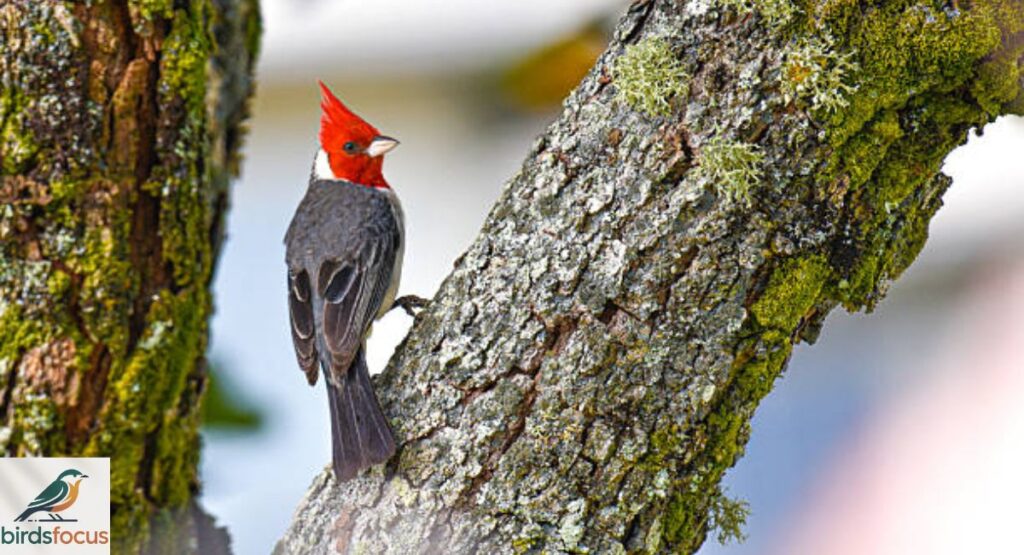
The Red-Crested Cardinal is one of Hawaii’s most photographed birds. Its bright red head contrasts beautifully with its gray body and white chest. Despite its name, it is not closely related to the Northern Cardinal. Visitors frequently spot this species in gardens, beaches, and resort areas throughout the islands.
Zebra Dove
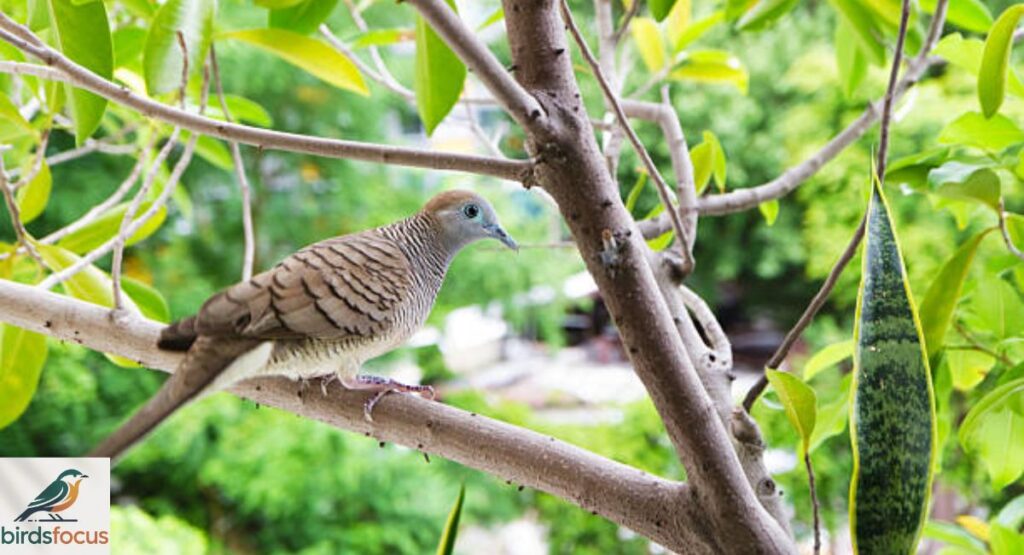
The Zebra Dove arrived in Hawaii from Asia and quickly became one of the islands’ most familiar birds. It has delicate striped feathers that resemble zebra patterns. Its soft and rhythmic cooing is a common sound in parks and residential neighborhoods. Many locals appreciate its calm behavior and gentle appearance.
Cattle Egret
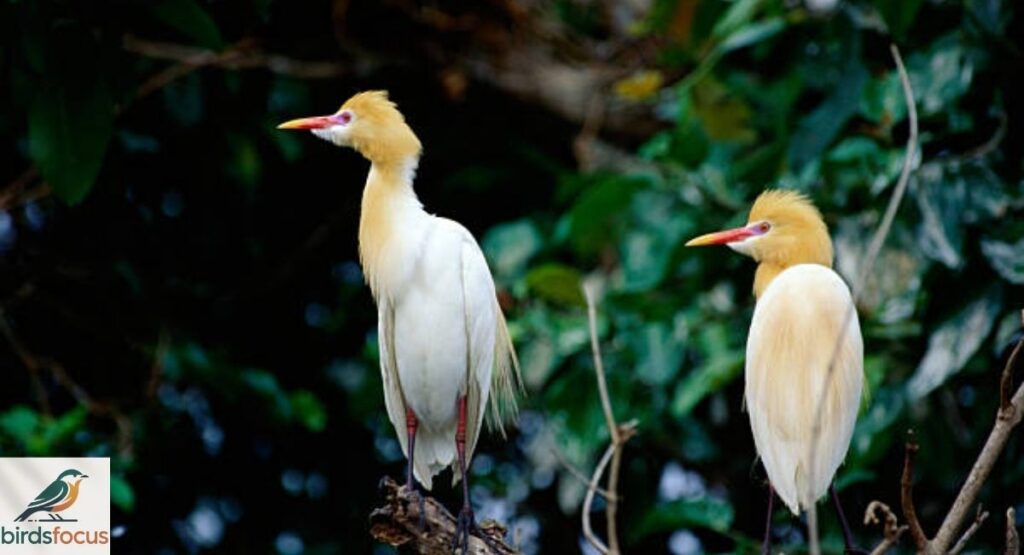
The Cattle Egret was introduced to Hawaii in the 1950s to help reduce insect populations around livestock farms. This white bird often follows cattle and feeds on insects disturbed by grazing animals. It has adapted extremely well to Hawaiian grasslands and wetlands. During breeding season, adults develop attractive orange feathers on their heads and backs.
Saffron Finch
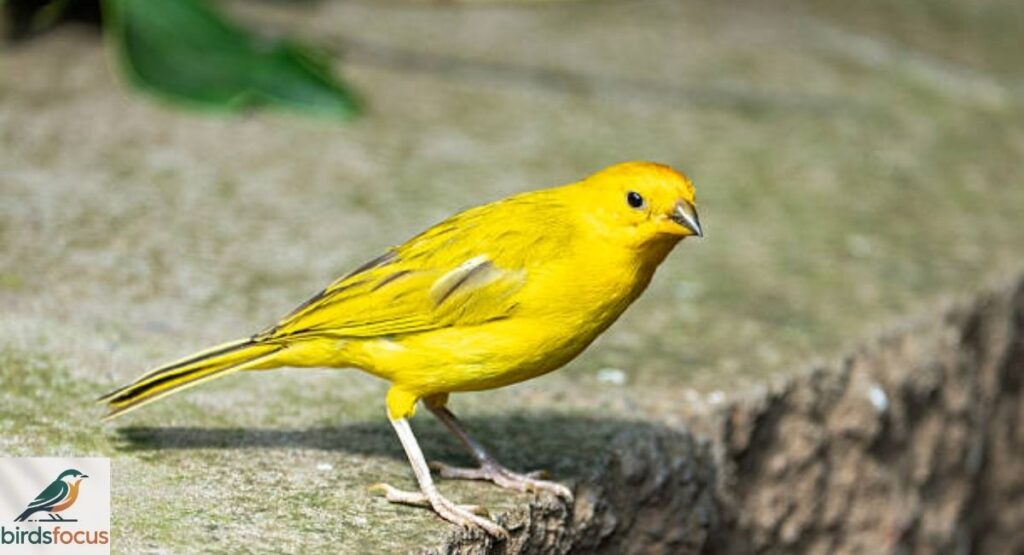
The Saffron Finch adds bright color to Hawaiian gardens and urban spaces. Its golden yellow feathers and orange head make it stand out among other birds. Native to South America, the species thrives in warm climates and open landscapes. It often feeds on seeds, fruit, and small insects found near homes and parks.
White-Rumped Shama
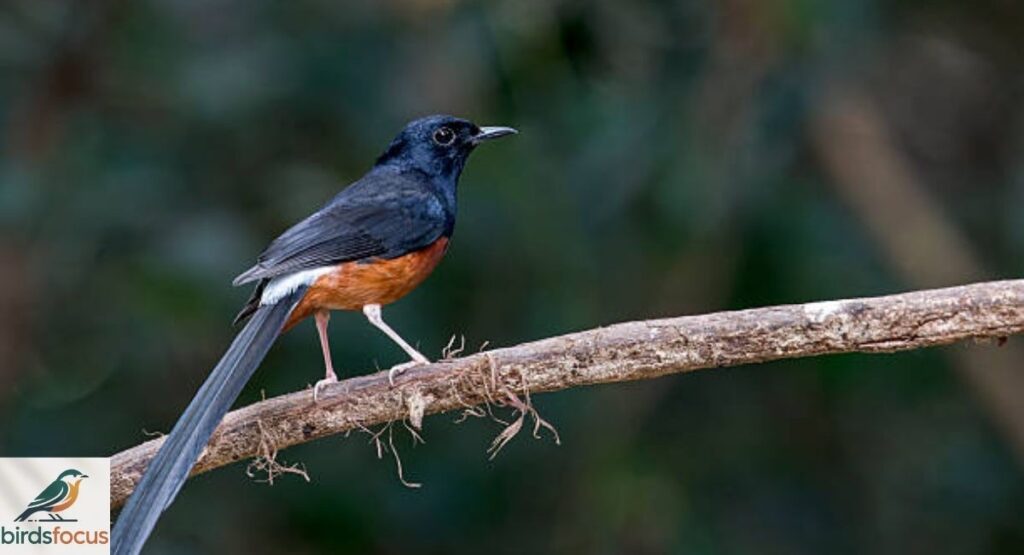
The White-Rumped Shama is famous for its beautiful song and rich musical calls. This bird was introduced from Asia and now lives in forests across several Hawaiian islands. Its long tail and glossy black feathers make it easy to identify. Many birdwatchers consider it one of Hawaii’s finest singers.
Japanese White-Eye
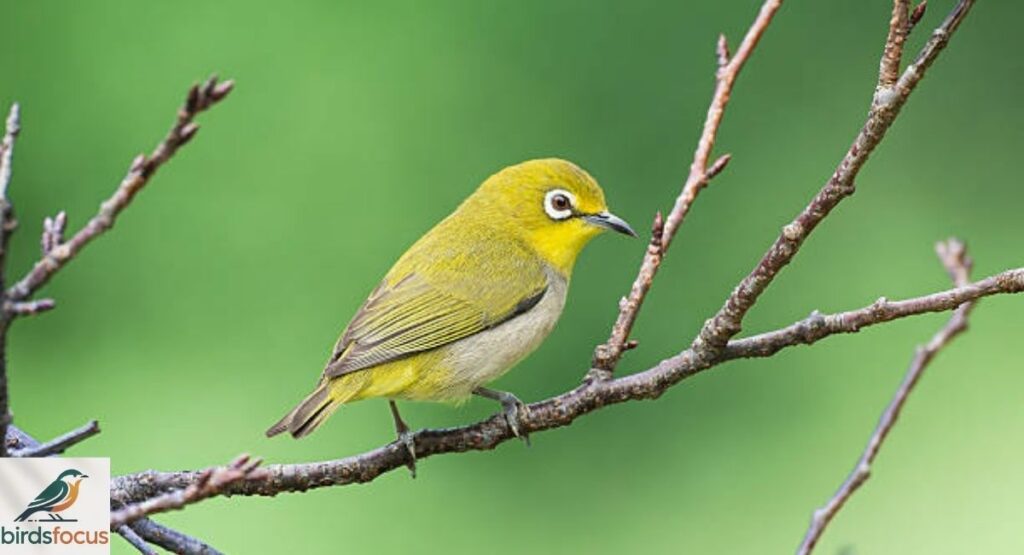
The Japanese White-Eye became established in Hawaii during the early twentieth century. Its small size and distinctive white eye ring make identification simple. The species feeds on nectar, fruit, and insects in gardens and forests. Scientists believe it competes with some native birds for food resources in certain habitats.
Red-Whiskered Bulbul
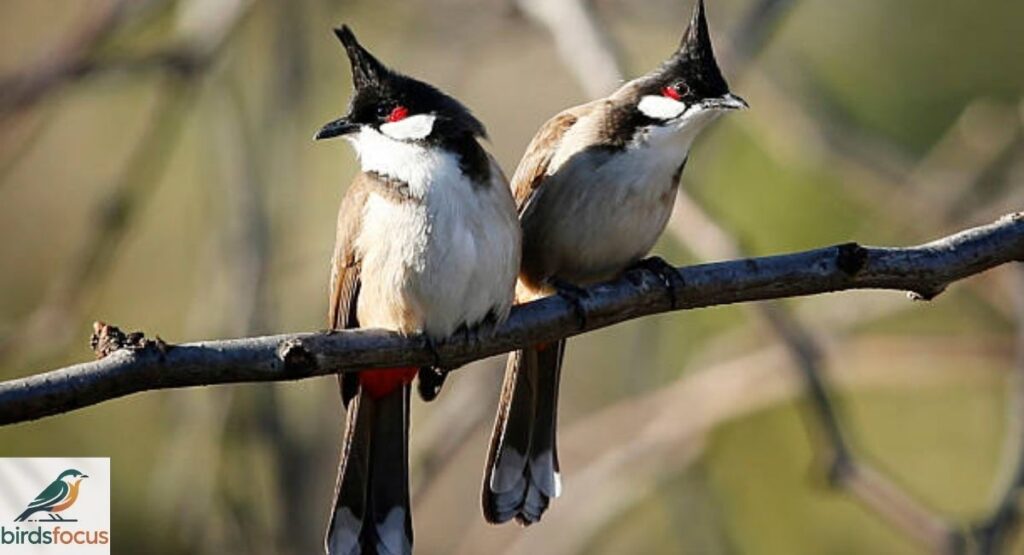
The Red-Whiskered Bulbul is another colorful introduced species found in Hawaii. Its pointed crest and bright red cheek patches give it a unique appearance. The bird prefers fruit, berries, and flower nectar. It often gathers in small groups near forests and residential areas.
Northern Cardinal
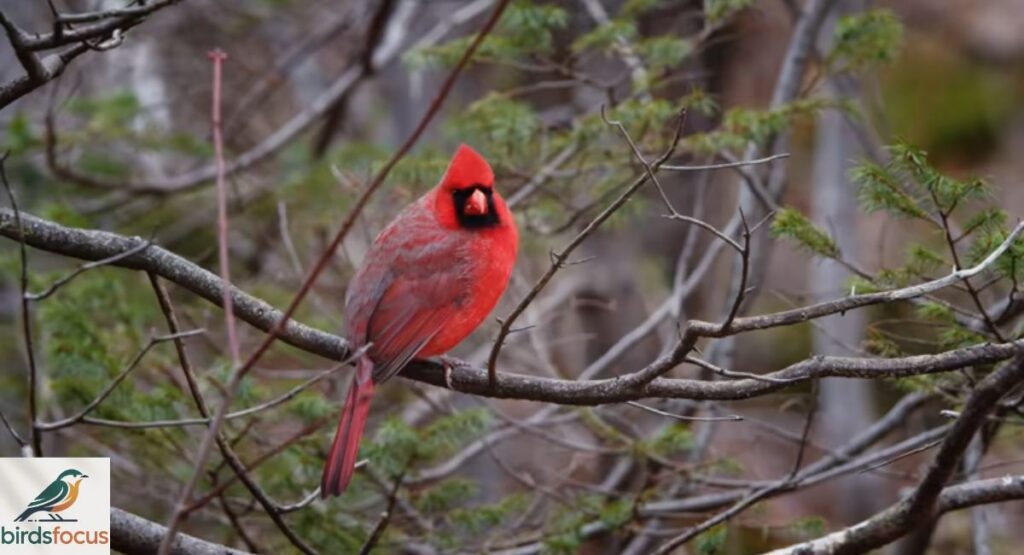
The Northern Cardinal may not be native to Hawaii, yet it has become a favorite among residents and visitors. Male cardinals display brilliant red feathers while females show softer brown tones with hints of red. Their clear whistles and songs echo through parks and gardens. They are now common on several Hawaiian islands.
Rose-Ringed Parakeet
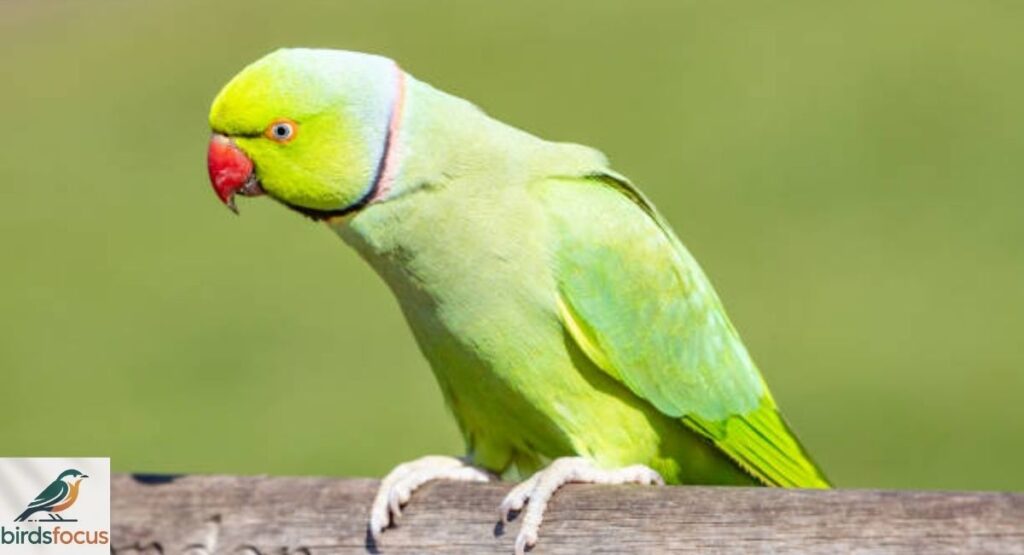
The Rose-Ringed Parakeet brings tropical energy to Hawaii’s bird population. This green parrot species forms noisy flocks that travel between feeding sites. It feeds on fruit, seeds, and flowers in urban and agricultural areas. Its intelligence and adaptability have helped it establish stable populations in parts of Hawaii.
How Introduced Birds Affect Native Birds of Hawaii
Introduced species have changed Hawaii’s ecosystems in many ways. Some compete with native birds for food and nesting areas while others spread diseases into fragile habitats. Conservation experts carefully monitor these populations to protect endangered species. Maintaining balance between introduced birds and native wildlife remains one of Hawaii’s biggest conservation challenges.
Birds of Maui, Hawaii
Maui offers one of the richest birding experiences in the Hawaiian Islands because its landscapes range from coastal wetlands to high volcanic forests. This diversity allows both native and introduced species to thrive in different environments. Visitors exploring Maui may encounter the Nene bird, Hawaii Amakihi, Apapane bird, and even the endangered Maui Parrotbill in protected mountain regions.
The slopes of Haleakala create cool forest habitats where many native birds of Hawaii continue to survive despite growing environmental pressures. Lower elevations attract introduced birds such as the Northern Cardinal, Common Myna, and Japanese White-Eye. Seasonal migration also brings shorebirds and seabirds to Maui’s coastline, making the island an excellent destination for bird watching in Hawaii throughout the year.
Haleakala National Park Birds
Haleakala National Park is considered the heart of Maui’s bird conservation efforts. Its high elevation forests protect some of Hawaii’s rarest honeycreepers and forest species. Birdwatchers often visit before sunrise when activity reaches its peak. The park provides one of the best opportunities to observe endangered Hawaiian birds in their natural habitat.
Best Bird Watching Locations on Maui
Some of Maui’s best birding locations include Haleakala National Park, Kealia Pond National Wildlife Refuge, and the forests surrounding Hosmer Grove. Each site offers a different collection of species and habitats. Early mornings usually provide the highest activity levels and the best conditions for bird photography in Hawaii.
Birds of Kauai, Hawaii
The Birds of Kauai Hawaii include some of the oldest surviving native species in the island chain. Kauai escaped many volcanic changes that transformed neighboring islands. As a result, ancient forests still shelter unique bird communities.
Areas such as Hanalei National Wildlife Refuge provide sanctuary for wetland species and forest birds. Conservation teams continue protecting remaining populations from mosquito-borne diseases that threaten many rare birds of Hawaii.
Birds of Oahu, Hawaii
Oahu offers a fascinating mix of urban wildlife and natural habitats, making it one of the easiest islands for bird watching in Hawaii. From city parks in Honolulu to mountain forests and coastal wetlands, the island supports both native and introduced species. Visitors often notice birds almost everywhere they go, whether they are walking through busy streets or relaxing on the beach.
The Birds of Oahu, Hawaii include colorful introduced species alongside a smaller number of surviving native birds. The island’s wetlands, valleys, and forest reserves continue to provide important shelter for wildlife. Oahu also serves as an important stop for migratory birds in Hawaii, especially during the winter months when birds arrive from North America and Asia.
Common Birds Found on Oahu
Several bird species have become part of everyday life on Oahu. The Common Myna, Northern Cardinal, Zebra Dove, Red-Crested Cardinal, and Japanese White-Eye frequently appear in neighborhoods, shopping areas, and public parks. Their ability to adapt to human activity has allowed them to thrive across the island.
Native Birds of Oahu
Although many native species disappeared from Oahu over time, several important birds still survive in protected habitats. Birdwatchers may encounter the Oʻahu ʻElepaio, one of the island’s few remaining endemic forest birds. Conservation projects continue working to preserve these valuable populations and protect important bird habitats in Hawaii.
Wetland Birds of Oahu
Oahu’s wetlands attract some of Hawaii’s most interesting water birds. Species such as the Hawaiian Coot, Hawaiian Duck, and migratory shorebirds depend on marshes and ponds for food and nesting areas. These wetlands play a major role in supporting wetland birds of Hawaii and maintaining ecological balance.
Seabirds Along the Oahu Coast
The island’s cliffs and coastlines provide nesting sites for several seabird species. Visitors may spot the White Tern, Brown Noddy, Great Frigatebird, and Red-Tailed Tropicbird soaring above the ocean. These birds spend much of their lives over open water and return to land mainly for breeding.
Best Bird Watching Spots on Oahu
Some of the best locations for bird watching include the James Campbell National Wildlife Refuge, Kaena Point State Park, and the forests of the Waianae Mountains. These areas offer opportunities to observe both native species and seasonal visitors. Early morning remains the ideal time for photography and wildlife observation.
Birds of the Big Island, Hawaii
The Birds of the Big Island Hawaii benefit from the island’s enormous range of habitats. Snow-covered mountains, lava deserts, rainforests, and coastlines create opportunities for impressive species diversity.
Bird enthusiasts often search for the Hawaiian hawk, locally called the Io, and the Hawaiian short-eared owl, known as the Pueo. The Big Island also offers some of the best opportunities for bird photography in Hawaii.
Common Birds of Hawaii by Color
Color identification helps beginners recognize species quickly. Red birds include the Apapane bird, Northern cardinal, and Red-crested cardinal. Yellow species include the Saffron finch and Yellow-fronted canary while white birds include the elegant White tern.
Black and brown birds also dominate many Hawaiian landscapes. The Hawaiian crow, Brown noddy, and Hawaiian black noddy represent important examples of native island species and seabirds.
| Bird Color | Common Species |
| Red | Apapane, Northern Cardinal, Red-crested Cardinal |
| Yellow | Saffron Finch, Yellow-fronted Canary |
| White | White Tern |
| Brown | Brown Noddy |
| Black | Hawaiian Crow, Hawaiian Black Noddy |
Best Places for Bird Watching in Hawaii
The best bird watching in Hawaii happens where habitats remain healthy and protected. National wildlife refuges, mountain forests, coastal wetlands, and volcanic parks attract thousands of birds throughout the year. Seasonal migration adds even greater diversity to local ecosystems.
Experienced birders often recommend Kauai forests, Maui highlands, and Hawaii Volcanoes National Park. These locations support both migratory birds in Hawaii and species found nowhere else on Earth, making the islands one of North America’s greatest birding destinations.
Conclusion
The Birds of Hawaii showcase one of the world’s most extraordinary collections of wildlife. From the iconic Nene bird to colorful honeycreepers and graceful seabirds, each species adds something special to the islands’ natural heritage. Hawaii’s unique geography created bird species that cannot be found anywhere else on Earth.
Exploring the native birds of Hawaii offers more than simple bird watching. It provides a deeper understanding of island ecosystems, conservation efforts, and Hawaiian culture. Protecting these remarkable birds today helps ensure future generations can enjoy their beauty and diversity for years to come.
FAQs
What is the state bird of Hawaii?
The Nene bird, also called the Hawaiian goose, is the official state bird of Hawaii and has held this status since 1957.
How many bird species live in Hawaii?
Hawaii has recorded around 340 bird species, including native, introduced, migratory, and accidental visitors.
What are the most famous native birds of Hawaii?
Some well-known native birds of Hawaii include the Nene, Iiwi, Apapane, Hawaiian Hawk, and Hawaiian Petrel.
Which Hawaiian island is best for bird watching?
The Big Island and Kauai are considered the best islands for bird watching in Hawaii because they support many native and endangered species.
Are there birds found only in Hawaii?
Yes, many endemic birds of Hawaii such as the Nene and Palila exist nowhere else in the world.

Welcome to birdsfocus! I’m Anam Sattar, an AI Powered SEO, and Content Writer with 4 years of experirnce.
I help websites rank higher,grow traffic, and look amazing. My goal is to make SEO and web design simple and effective for everyone.
Let’s achieve more together!