

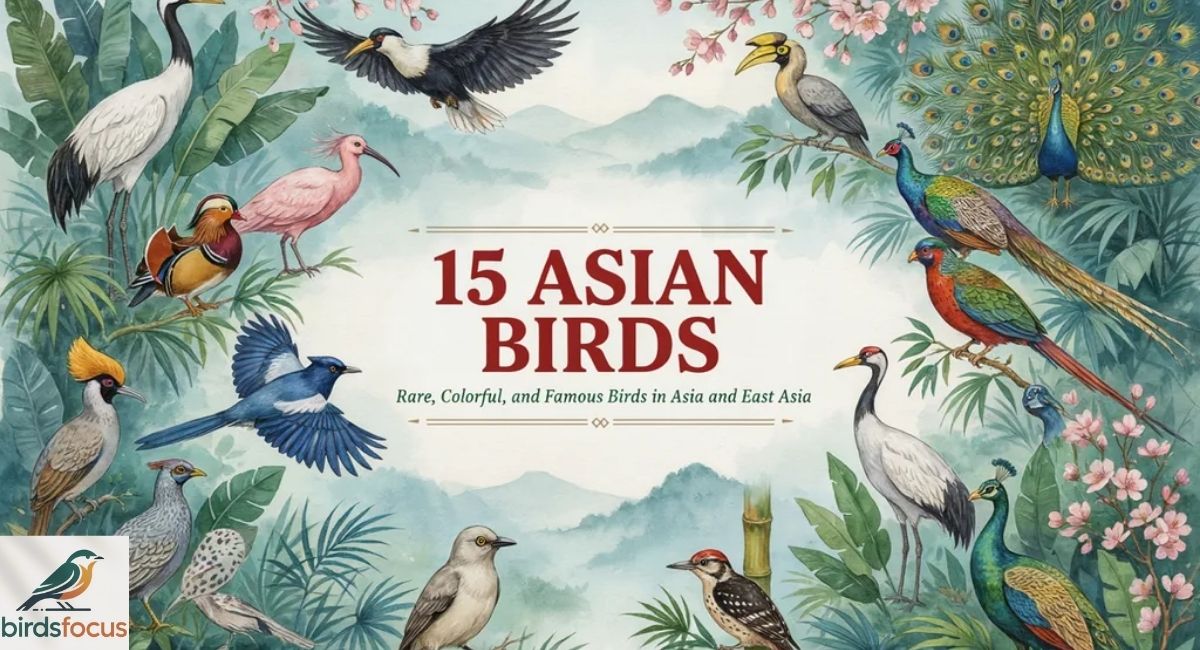
From emerald rainforests in Borneo to frozen wetlands in Japan, Asian Birds showcase some of the most spectacular wildlife on Earth. The continent shelters dazzling pheasants, prehistoric hornbills, and songsters whose calls echo across mountains and jungles alike. Many of these species exist nowhere else, making Asia a dream destination for birdwatchers and photographers from the United States and beyond.
This guide explores fifteen unforgettable birds that stand out for their beauty, rarity, and remarkable behavior. Along the way, you’ll discover fascinating facts about rare Asian birds, colorful birds in Asia, East Asian birds, and some of the world’s most extraordinary Asian bird species.
Why Asia Is a Paradise for Bird Lovers
Asia’s landscapes create an almost endless collection of habitats. Tropical forests in Southeast Asia support canopy specialists that spend their lives among towering trees. The Himalayas shelter mountain birds adapted to freezing winters and thin air. Vast marshes in East Asia welcome millions of migratory visitors each season. Islands scattered across Indonesia and the Philippines encourage evolution to take unexpected paths, producing species found nowhere else on the planet.
American birdwatchers often discover that Asian species feel wonderfully unfamiliar. Many possess colors rarely seen in North American birds. Others display unusual behaviors that challenge expectations about how birds live and reproduce. Some species use volcanic heat to incubate eggs while others rely on complex dances to attract mates. These extraordinary adaptations explain why Asia has become a dream destination for wildlife photographers, naturalists, and adventurous travelers seeking experiences beyond traditional birding routes.
15 Asian Birds
Great Argus
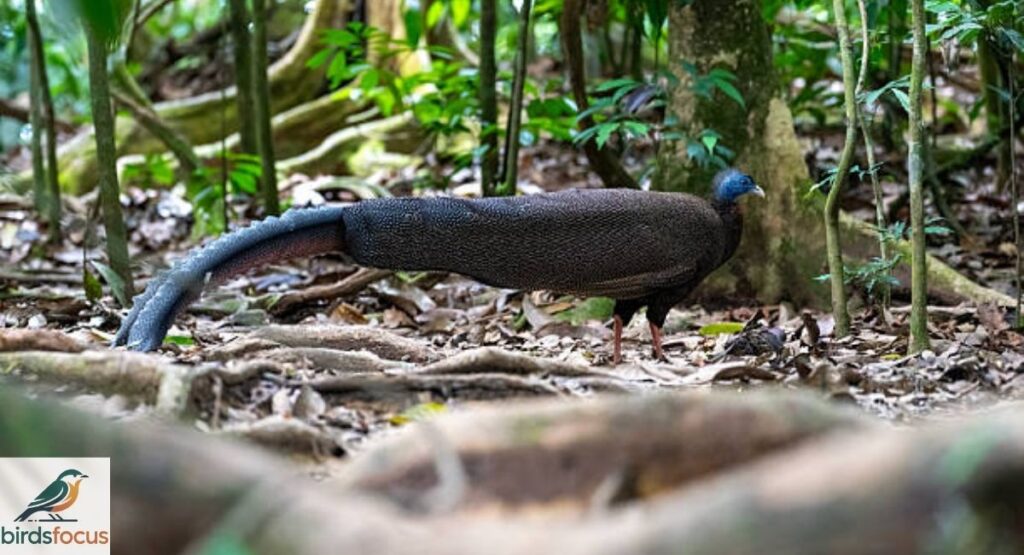
The Great Argus may be the closest thing the bird world has to a professional dancer. Native to rainforests in Malaysia, Sumatra, and Borneo, the male unfolds enormous wings decorated with hundreds of eye-like patterns during courtship displays. Scientists believe these markings evolved through generations of female preference. When the bird calls through the forest, the haunting sound carries across valleys and often becomes the soundtrack of tropical mornings.
Asian Koel
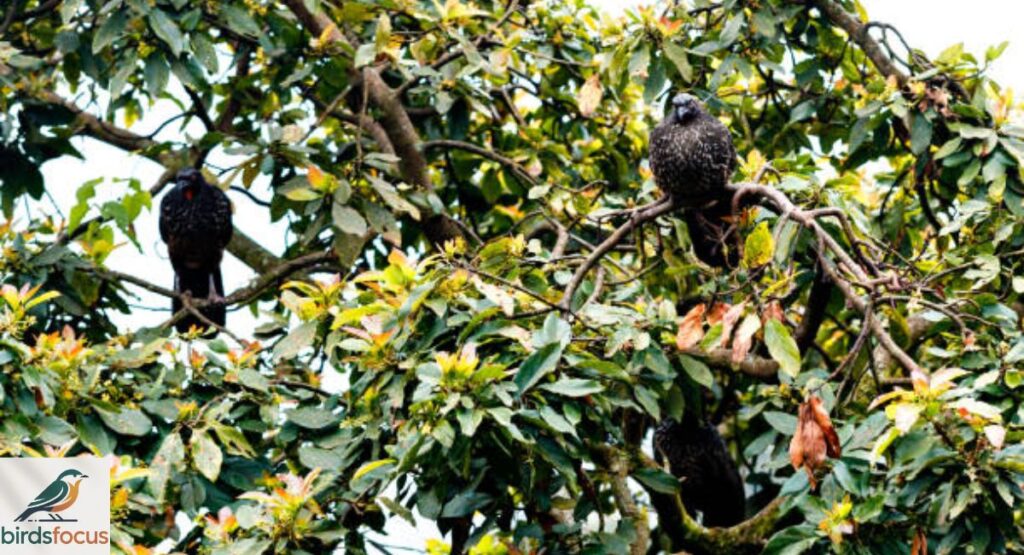
The Asian Koel announces summer across much of South and Southeast Asia with its unmistakable rising call. Unlike many songbirds, this species practices brood parasitism, laying eggs in the nests of other birds and allowing foster parents to raise the chicks. Males display glossy black feathers while females wear elegant brown plumage marked with white spots. Its call has inspired poems, songs, and folklore throughout the continent for centuries.
Helmeted Hornbill
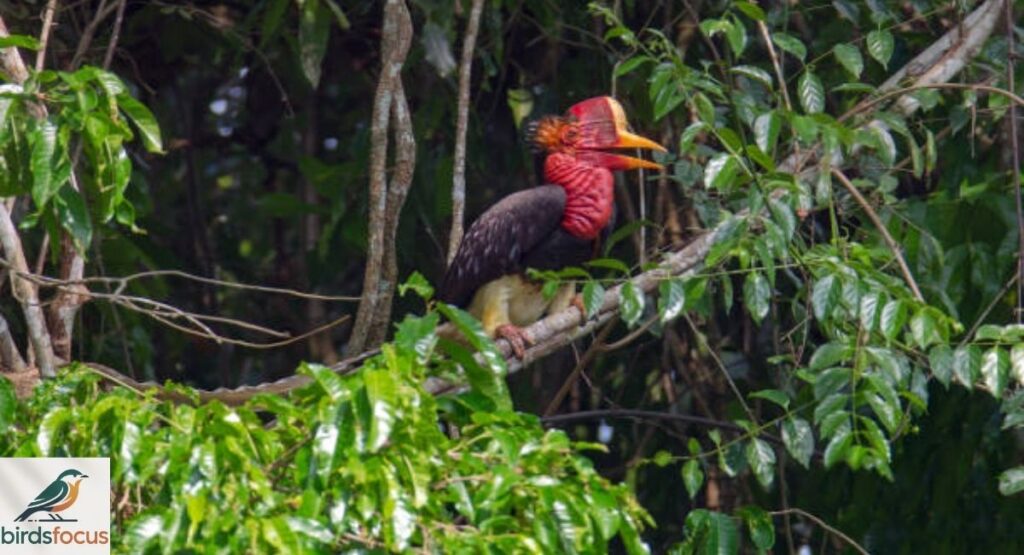
Few birds look as ancient as the Helmeted Hornbill. Its massive casque sits atop an oversized bill and gives the bird a prehistoric appearance. Unlike other hornbills, the casque consists of solid material rather than hollow structure. Males engage in dramatic aerial battles where they collide in midair with astonishing force. Unfortunately, this remarkable feature has also made the species a target for illegal hunting and trade.
Bornean Banded Pitta
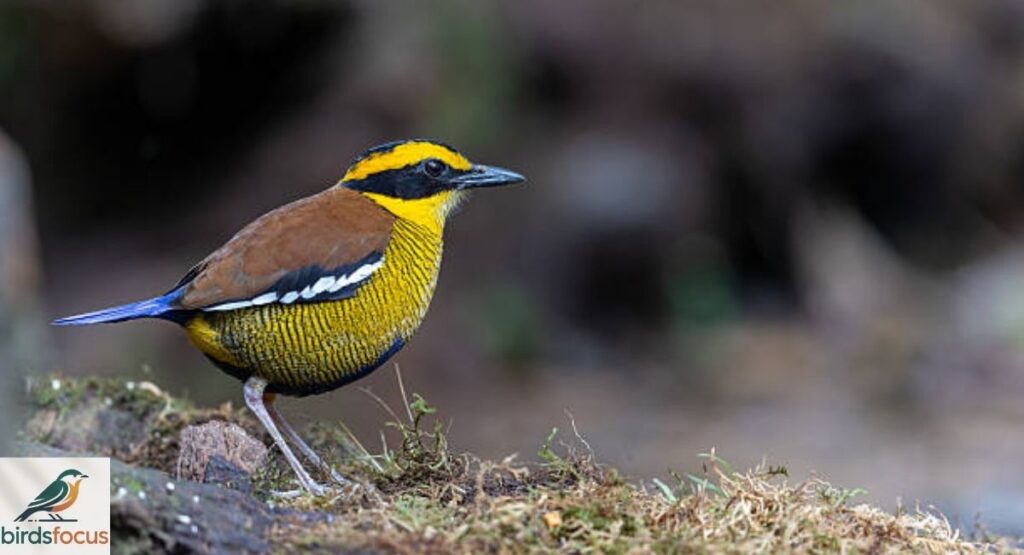
The Bornean Banded Pitta appears almost unreal when sunlight touches its feathers. Brilliant blues, oranges, reds, and blacks combine to create one of the most striking birds in Southeast Asia. Found only on Borneo, it prefers quiet forest floors where it searches for insects among fallen leaves. Even experienced birdwatchers celebrate every encounter because the species often remains hidden despite its extraordinary colors.
Golden Pheasant
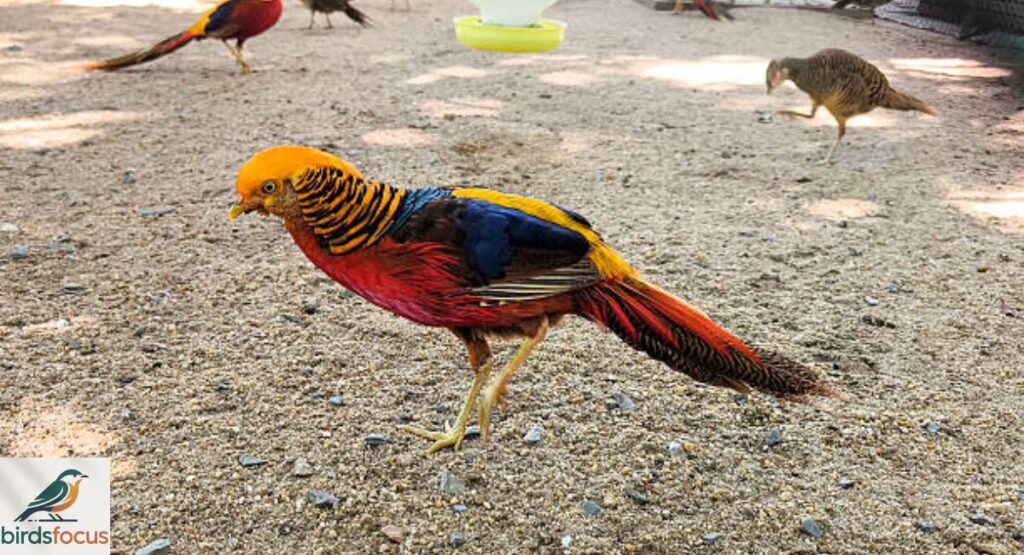
The Golden Pheasant looks as though an artist painted every feather separately. Native to central China, males wear golden crests, fiery orange collars, crimson bodies, and long patterned tails. Females prefer camouflage tones that help them avoid predators while nesting. The species has become famous worldwide in aviaries and parks, yet seeing one in its natural forest habitat remains a memorable experience for any traveler.
Whitehead’s Broadbill
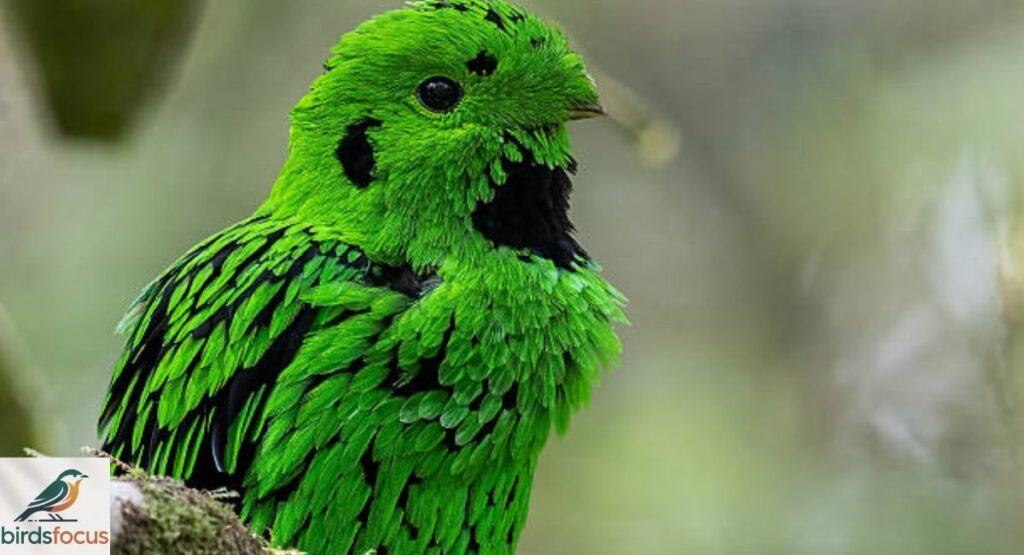
Whitehead’s Broadbill proves that nature occasionally ignores restraint. Covered in brilliant shades of green with touches of black and yellow, this species blends perfectly into moss-covered mountain forests despite its vivid appearance. It inhabits high elevations in Borneo where cool air and frequent mist create ideal conditions. Bird photographers often describe their first sighting as one of the highlights of an entire expedition.
Maleo
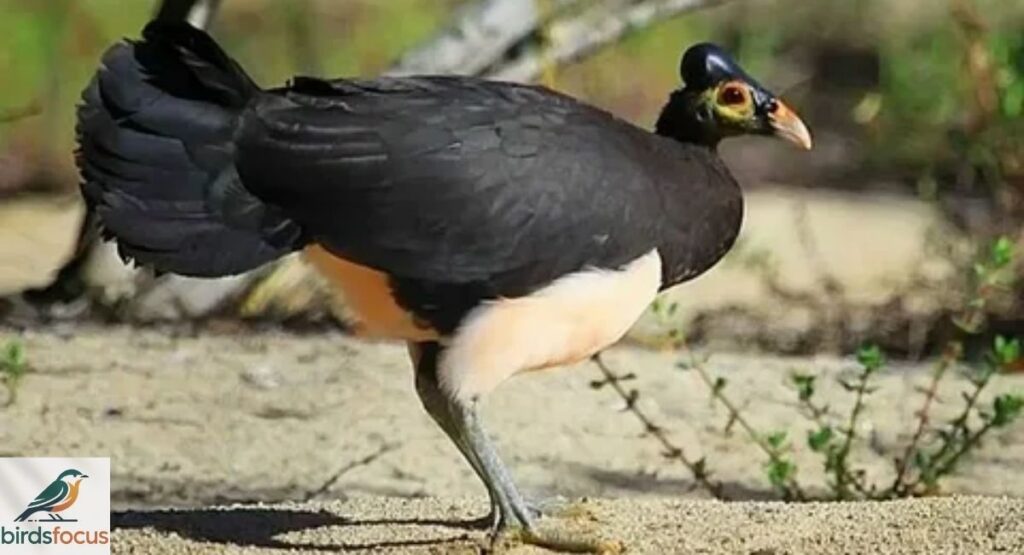
The Maleo rewrites almost everything people assume about bird parenting. Found only in Indonesia, it lays enormous eggs in warm volcanic soil or sun-heated sand rather than incubating them directly. Chicks emerge fully feathered and capable of flying within hours of hatching. Scientists call such young birds super-precocial because they require almost no parental care. Few species demonstrate independence so dramatically from the very beginning of life.
Wallace’s Standardwing
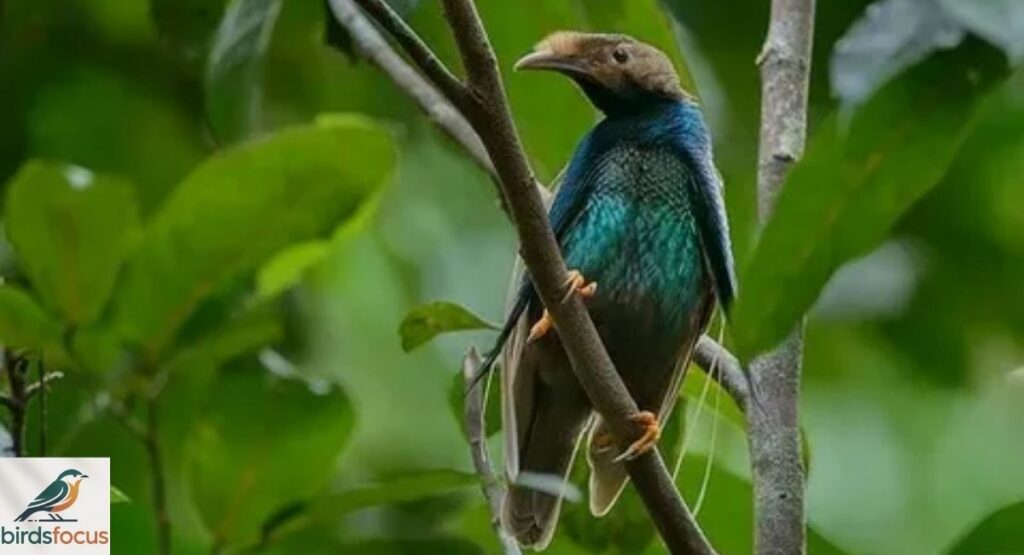
Named after naturalist Alfred Russel Wallace, this spectacular bird belongs to the birds-of-paradise family. Males carry long white ornamental plumes that stream behind them during courtship displays. The species lives only on a handful of Indonesian islands where dense forests provide food and shelter. Watching several males perform together resembles witnessing an elaborate theatrical production staged high in the canopy.
Great Slaty Woodpecker
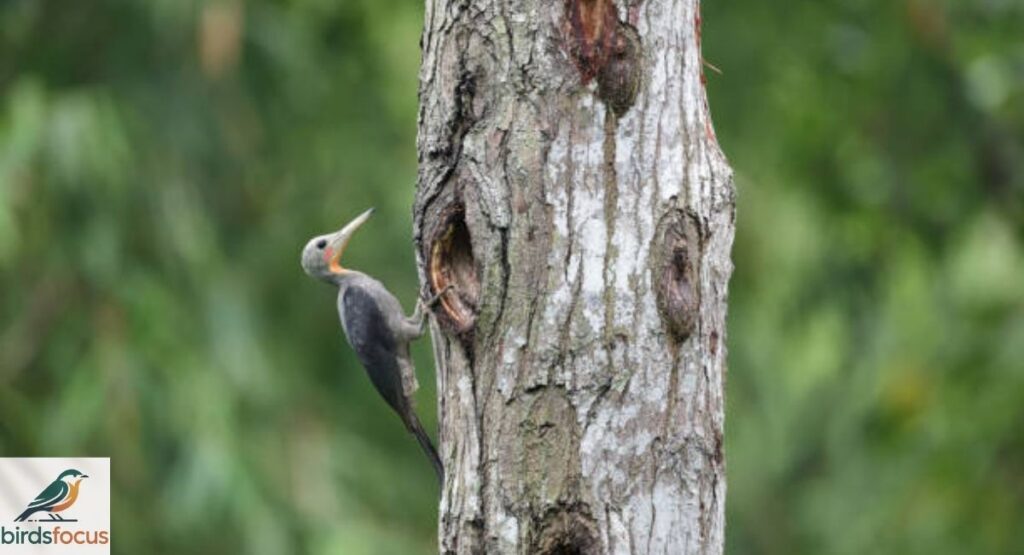
The Great Slaty Woodpecker often reminds observers of a small dinosaur exploring tree trunks. As Asia’s largest woodpecker, it can reach nearly twenty inches in length. Rather than feeding alone, families move through forests together while searching for insects beneath bark. Their powerful bills can break apart dead wood with ease. Habitat loss has reduced populations in many parts of their historical range.
Fire-Tufted Barbet
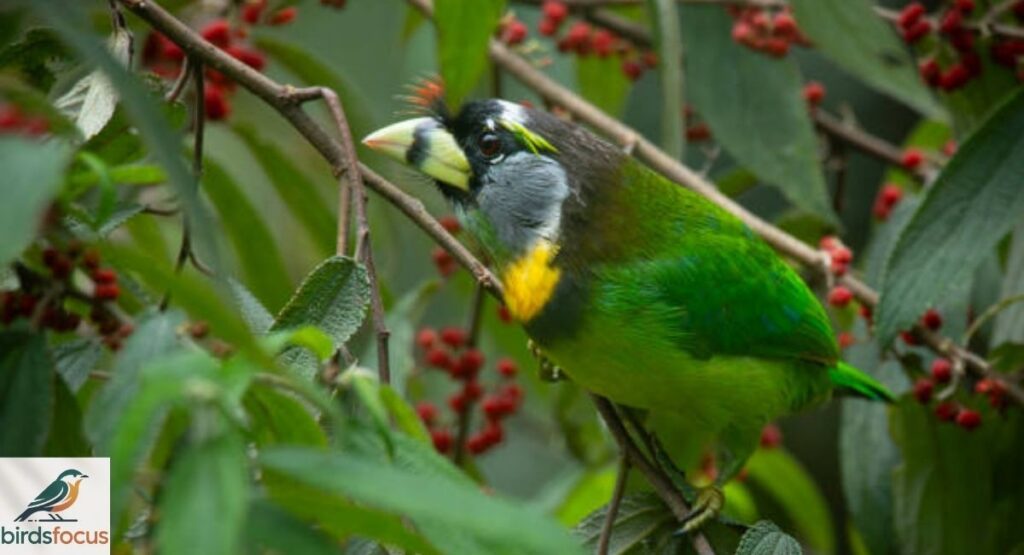
The Fire-Tufted Barbet combines green plumage with flashes of red, yellow, and black in a design that appears almost handcrafted. Mountain forests in Malaysia and Sumatra provide its preferred environment. Despite its bright appearance, the bird often disappears among leaves with surprising efficiency. Its calls echo through highland forests and help birdwatchers locate individuals hidden among dense vegetation.
Smew

The Smew offers a different kind of beauty. This elegant diving duck spends winters across East Asia and parts of Europe. Males wear white plumage crossed by fine black markings that resemble ink brush strokes on paper. The species prefers lakes, rivers, and wetlands where it hunts small fish underwater. During migration, flocks create striking scenes against snowy landscapes and frozen waterways.
Mandarin Duck

Many people consider the Mandarin Duck the most beautiful waterfowl in the world. Males display orange sails, purple chests, green crowns, and intricate facial patterns that seem almost impossible for nature to produce naturally. In East Asian culture, pairs symbolize loyalty and marital happiness. Their popularity in art and literature stretches back centuries and continues in modern traditions across several countries.
Himalayan Monal
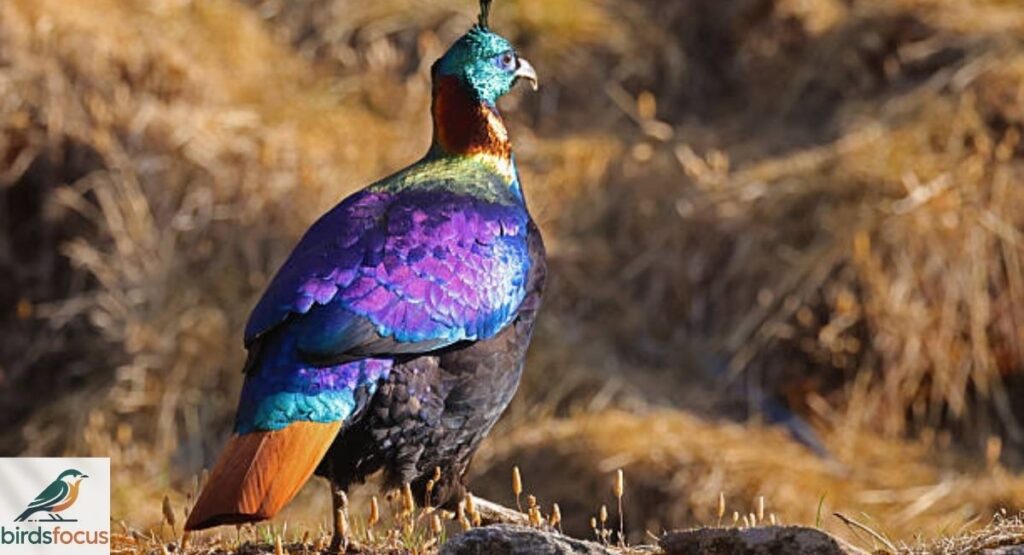
The Himalayan Monal transforms sunlight into color. Its iridescent feathers shift between green, blue, purple, and copper depending on viewing angle and lighting conditions. Living at high elevations in the Himalayas requires resilience against harsh winters and rugged terrain. The species serves as the national bird of Nepal and holds cultural importance throughout mountain communities that share its environment.
Crested Kingfisher

The Crested Kingfisher thrives beside rushing rivers and rocky streams across East Asia. Unlike smaller kingfishers that rely mainly on vibrant color, this species impresses with size and a dramatic crest of feathers. It hovers briefly before plunging into water to capture fish with remarkable precision. Strong wings and sharp eyesight make it one of the continent’s most efficient freshwater hunters.
Red-Crowned Crane
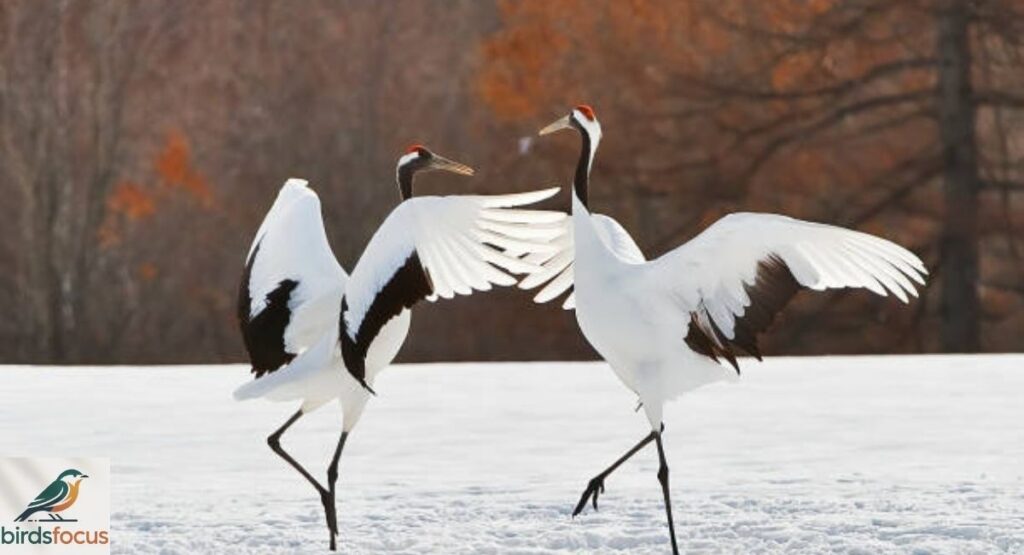
Grace and symbolism combine in the Red-Crowned Crane. Revered across East Asia, the species represents happiness, fidelity, and longevity in traditional culture. Adults stand nearly five feet tall and perform elegant dances involving leaps, bows, and wing displays. Wetlands provide crucial breeding grounds, yet habitat destruction threatens populations. Conservation efforts have become international priorities because of the bird’s cultural and ecological value.
Best Places in Asia for Birdwatching
East Asia provides an entirely different experience. Wetlands in China, Japan, and South Korea support huge numbers of migratory birds using major flyways that connect Siberia with tropical regions further south. These stopover sites act as avian airports where exhausted travelers refuel before continuing their journeys. Many birdwatchers plan visits around migration seasons because species diversity can change dramatically within only a few weeks.
The following table highlights several famous birding regions and their signature species.
| Region | Habitat Type | Signature Birds |
| Borneo | Tropical rainforest | Bornean Banded Pitta, Whitehead’s Broadbill |
| Central China | Mountain forest | Golden Pheasant |
| Indonesia | Islands and volcanic landscapes | Maleo, Wallace’s Standardwing |
| Himalayas | Alpine forest and meadows | Himalayan Monal |
| East Asian Wetlands | Marshes and lakes | Smew, Red-Crowned Crane |
For visitors from the United States, planning birdwatching around regional climate patterns often makes the difference between disappointment and unforgettable encounters. Dry seasons improve access to tropical forests while migration periods transform wetlands into bustling wildlife spectacles.
Conservation Challenges Facing Asian Birds
Many of Asia’s most celebrated birds face uncertain futures. Expanding agriculture continues to replace forests that once stretched uninterrupted across entire regions. Roads divide habitats into smaller fragments and reduce breeding opportunities for species that require large territories. Birds that evolved in stable environments often struggle to adapt quickly enough to these rapid changes.
Illegal wildlife trade creates additional pressure. The Helmeted Hornbill remains one of the clearest examples because demand for its casque has fueled poaching despite legal protections. Songbirds also suffer from capture for pet markets across several countries. Removing breeding adults from wild populations weakens ecosystems and reduces long-term survival prospects for already vulnerable species.
Public awareness remains equally important. Every photograph shared responsibly, every entrance fee paid to a protected reserve, and every ecotourism business supported by travelers contributes to broader conservation efforts. Wildlife protection rarely depends on a single action. Instead, success emerges from thousands of small decisions made consistently over time.
Tips for Birdwatching in Asia
Preparation often determines success in birdwatching. Researching target species before travel allows observers to recognize calls and behaviors that might otherwise go unnoticed. Many tropical birds reveal themselves through sound long before they become visible. Learning vocalizations therefore becomes as valuable as studying field marks and plumage patterns.
Quality binoculars dramatically improve the experience. Tropical forests frequently provide only brief glimpses through dense vegetation and good optics help maximize those opportunities. Cameras with long lenses benefit photographers, although patience often matters more than equipment. Some of the finest wildlife images result from waiting quietly rather than moving constantly in search of action.
Perhaps the most important advice involves patience. Birds operate according to their own schedules rather than human expectations. Hours of silence may suddenly give way to extraordinary encounters that justify every moment of waiting. Experienced birdwatchers often describe patience not as a skill but as the essential currency of wildlife observation.
Conclusion
Asia’s birdlife feels like a living gallery painted by nature itself. From the dazzling Golden Pheasant to the ancient-looking Helmeted Hornbill, these species reveal the incredible diversity hidden across forests, mountains, islands, and wetlands. Their colors, behaviors, and survival strategies make every sighting unforgettable for bird lovers and travelers alike.
Yet these remarkable birds face growing threats from habitat loss and climate change. By supporting conservation efforts and practicing responsible birdwatching, you can help protect these natural treasures so future generations can continue to admire the beauty of Asian Birds for years to come.
FAQs
1. What is the most beautiful bird in Asia?
Many birdwatchers consider the Golden Pheasant and Mandarin Duck among the most beautiful birds because of their vibrant and colorful plumage.
2. Which bird is unique to Asia?
The Maleo, Bornean Banded Pitta, and Wallace’s Standardwing are unique Asian species found only in specific regions of Indonesia and Borneo.
3. What is the rarest bird in Asia?
The Helmeted Hornbill is one of the rarest and most threatened birds in Asia due to habitat loss and illegal wildlife trade.
4. Where are the best places to see Asian birds?
Borneo, the Himalayas, Indonesia, and East Asian wetlands offer some of the best birdwatching opportunities in Asia.
5. Why are Asian Birds important to ecosystems?
Asian Birds help spread seeds, control insect populations, and maintain the balance of forests, wetlands, and mountain ecosystems.

Welcome to birdsfocus! I’m Anam Sattar, an AI Powered SEO, and Content Writer with 4 years of experirnce.
I help websites rank higher,grow traffic, and look amazing. My goal is to make SEO and web design simple and effective for everyone.
Let’s achieve more together!