

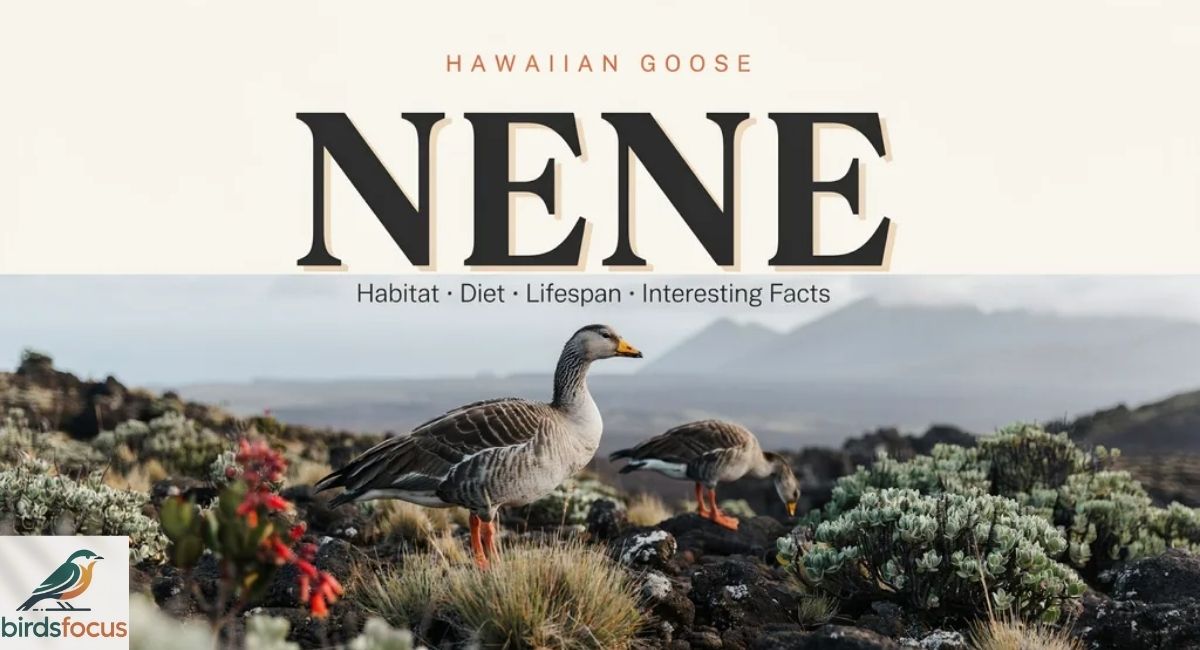
The Hawaiian Goose, commonly known as the Nene, is one of the most fascinating birds found in the Hawaiian Islands. Unlike most geese that depend on lakes and wetlands, this remarkable species evolved to survive on dry volcanic landscapes and grassy uplands. As the official state bird of Hawaii, the Hawaiian Goose represents resilience, adaptation, and successful wildlife recovery.
Its distinctive appearance, gentle calls, and unusual lifestyle make it stand apart from other geese around the world. From its specialized feet to its unique breeding habits, the Nene offers a remarkable example of island evolution and remains a treasured part of Hawaii’s natural heritage and biodiversity.
What Is the Hawaiian Goose (Nene)?
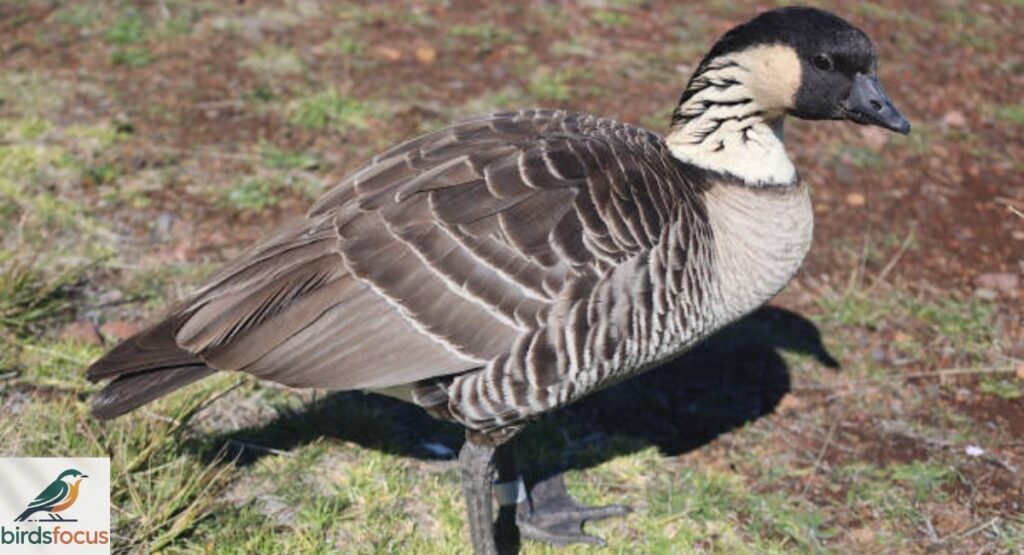
The Hawaiian Goose is scientifically known as Branta sandvicensis and belongs to the Anatidae family of waterfowl. Scientists believe its ancestors arrived from North America thousands of years ago before slowly evolving into a completely different species suited for island life. Over time, this bird lost many features common among mainland geese and developed characteristics perfect for Hawaii’s demanding environment.
The name “Nene” comes from its soft and gentle call, which sounds similar to “nay-nay.” Unlike loud geese that dominate ponds and city parks across America, the Nene Goose communicates using quieter sounds that fit its calmer lifestyle in the wild Hawaiian uplands.
Physical Characteristics of the Hawaiian Goose
Size and Weight of the Hawaiian Goose
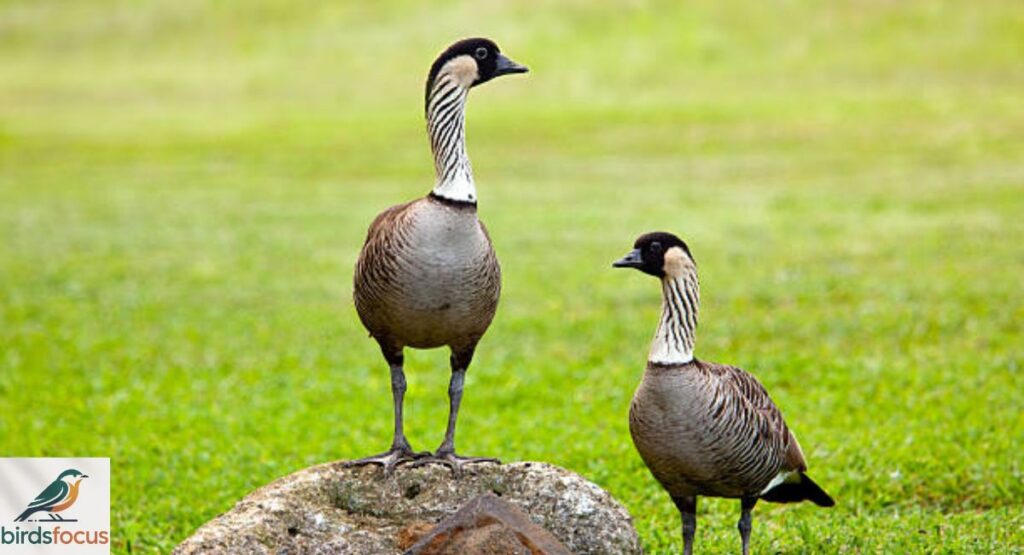
At first glance, the Hawaiian Goose appears smaller and more compact than many mainland geese. Adult birds usually measure between 16 and 26 inches in length, while their wingspan reaches around 43 to 48 inches. Males are slightly larger than females and generally weigh between 4 and 6 pounds. Females typically weigh between 3 and 5.5 pounds, giving them a lighter frame that helps during nesting and incubation.
Plumage and Coloration
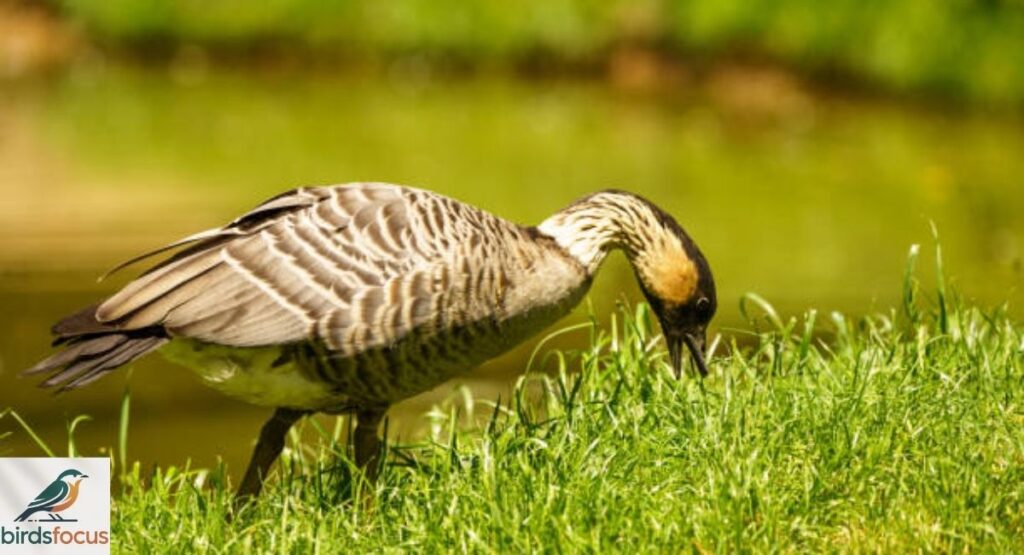
The Hawaiian Goose carries a warm and earthy color palette that blends perfectly with volcanic landscapes and dry grasslands. Its body features rich brown feathers edged with lighter shades, creating a scaled appearance across the back and wings. The face, bill, legs, and feet are black, while the cheeks display a soft buff color that gives the bird a distinctive and elegant look.
The Unique Furrowed Neck
One of the easiest ways to identify the Hawaiian Goose is by its remarkable neck feathers. The pale cream and black markings create deep grooves that resemble carved wood or woven rope. This furrowed pattern is rarely seen in other goose species and has become one of the Nene’s most recognizable physical features among birdwatchers and wildlife photographers.
Feet Adapted for Lava Terrain
Unlike most geese that spend much of their lives swimming, the Hawaiian Goose evolved for walking across rugged volcanic ground. Its feet contain reduced webbing and thick padded toes that provide excellent grip on uneven surfaces. These specialized feet allow the bird to move comfortably across lava flows, rocky hillsides, and dry shrublands where ordinary waterfowl would struggle.
Wing Structure and Flying Ability
Although the Hawaiian Goose spends much of its time on land, it remains an impressive flyer. Its wings are shorter and stronger than many people expect, allowing quick takeoffs and efficient travel between feeding and nesting areas. During flight, the bird moves with powerful wingbeats and often travels between islands or elevations in search of food and favorable weather conditions.
Male vs Female Appearance
Male and female Hawaiian Geese look remarkably similar, making visual identification difficult without close observation. Males tend to have slightly larger bodies, thicker necks, and broader heads, while females usually appear more delicate in overall build. Despite these subtle differences, both sexes share nearly identical plumage and markings throughout adulthood.
Adaptations That Make the Hawaiian Goose Unique
Millions of years of island evolution transformed the Hawaiian Goose into one of the world’s most specialized geese. Reduced webbing, stronger legs, efficient water use, and excellent walking ability all helped this species survive in dry environments. These adaptations separate the Nene from its ancestors and make it one of the finest examples of evolutionary change among modern birds.
Habitat of the Hawaiian Goose
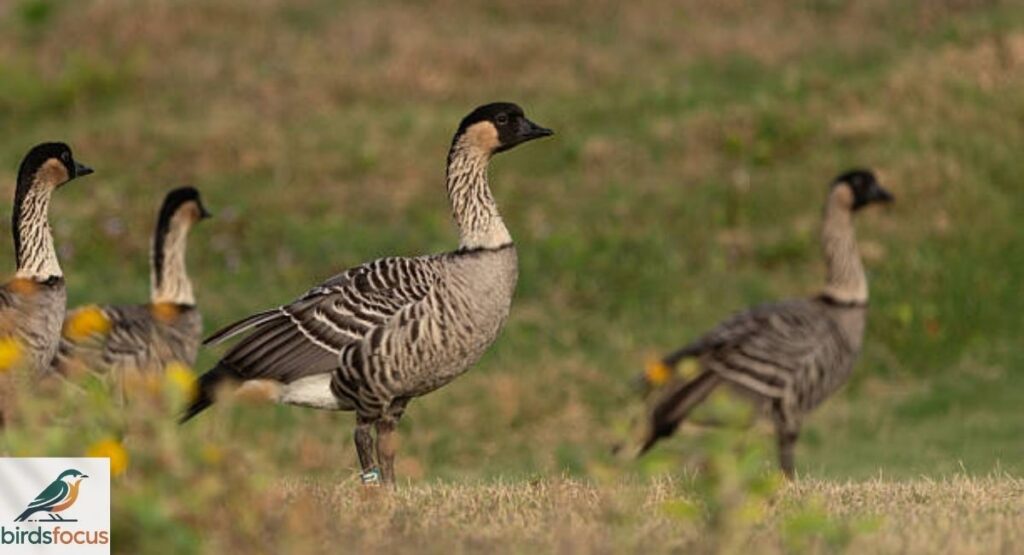
The Hawaiian Goose prefers environments that surprise many first-time visitors. Rather than lakes and marshes, it favors dry grasslands, shrublands, volcanic slopes, coastal dunes, and even golf courses. The species thrives in places where native vegetation provides both food and shelter from predators.
Most wild populations live on Hawaii Island, Maui, Kauai, Molokai, and Lanai. Large numbers inhabit the volcanic landscapes surrounding upland regions where rainfall remains limited. This unusual habitat preference makes the native bird of Hawaii one of the few geese in the world adapted to dry terrestrial ecosystems.
Diet of the Hawaiian Goose
What Does the Hawaiian Goose Eat?
The Hawaiian Goose follows a strictly plant-based diet and is considered a highly adaptable herbivore. Unlike many geese that feed in ponds and wetlands, the Nene spends most of its day grazing on land. Its menu includes grasses, tender leaves, seeds, flowers, berries, sedges, and young shoots that grow across Hawaii’s dry uplands and volcanic slopes.
Native Plants in the Hawaiian Goose Diet
Native vegetation forms the foundation of the Hawaiian Goose diet. The bird regularly feeds on native grasses and low-growing shrubs that thrive in rugged island habitats. Berries and flowering plants provide valuable nutrients during breeding periods when adults require additional energy to raise healthy goslings.
Feeding Habits and Foraging Behavior
The Hawaiian Goose is primarily a ground feeder and searches for food by walking slowly across grasslands and lava fields. Its strong legs and padded feet make movement across rocky terrain surprisingly easy. Most feeding activity occurs during the cooler morning and evening hours when temperatures remain comfortable.
How the Hawaiian Goose Gets Water
One of the most remarkable adaptations of the Hawaiian Goose is its ability to survive with very little drinking water. The bird obtains much of its moisture from fresh grasses, leaves, and juicy berries. This adaptation allows the species to thrive in dry environments where ponds and streams may be limited for long periods.
Seasonal Changes in Diet
Food availability changes throughout the year and the Hawaiian Goose adjusts its diet accordingly. During wetter months, birds consume fresh grasses and young shoots. In drier seasons, they rely more heavily on seeds, berries, and hardy shrubs that remain available in volcanic landscapes.
| Food Type | Importance in Diet |
| Grasses | Primary food source |
| Leaves | Daily nutrition |
| Seeds | Energy-rich food |
| Flowers | Seasonal nutrition |
| Berries | Moisture and vitamins |
| Shrubs | Dry season survival |
Why the Hawaiian Goose Diet Is Unique
Most geese depend heavily on aquatic plants and wetlands for survival. The Hawaiian Goose evolved in a completely different direction. Its ability to graze like a land bird while obtaining moisture directly from vegetation makes it one of the most unusual and specialized goose species in the world.
Lifespan of the Hawaiian Goose
Wild Hawaiian Goose populations typically live between twenty and twenty-five years under favorable conditions. Protected birds living in managed environments occasionally exceed thirty years, making them surprisingly long-lived for their size.
Several factors determine survival rates in the wild. Predators, road accidents, habitat quality, and food availability all influence longevity. Conservation managers carefully monitor these risks because every breeding adult plays an important role in maintaining healthy populations.
| Environment | Average Lifespan |
| Wild Habitat | 20–25 Years |
| Protected Facilities | 25–35 Years |
Behavior and Social Structure
The Hawaiian Goose displays a social personality that strengthens family bonds. Most pairs remain together for many years and often return to familiar nesting territories each breeding season. Young birds stay with their parents long after becoming independent, creating close family groups rarely seen in many bird species.
Communication remains gentle and surprisingly complex. The famous “Nene” call helps mates stay connected while warning sounds alert nearby birds to danger. Although the species does not migrate like many northern geese, local movements occur when food supplies change with the seasons.
Breeding and Reproduction
Breeding Season of the Hawaiian Goose
The Hawaiian Goose has one of the longest breeding seasons among goose species, usually starting in August and continuing until April. This extended breeding period allows the Nene Goose to take advantage of favorable weather conditions and food availability across the Hawaiian Islands, increasing the chances of successful nesting and chick survival.
Nesting Habits and Egg Laying
Unlike many waterfowl, the Hawaiian Goose nests directly on the ground in grasslands, shrublands, and sheltered volcanic areas. The female carefully builds a nest using grasses, vegetation, and soft feathers before laying four to five eggs that remain protected within the nesting site.
Incubation and Parental Care
The female incubates the eggs for approximately twenty-nine to thirty-two days while the male stays nearby to guard the nest against predators and disturbances. This cooperative parenting behavior improves the survival chances of both eggs and newly hatched goslings in the wild.
Growth and Development of Goslings
Young goslings are precocial, meaning they can walk and feed themselves only a few days after hatching. Although they become independent feeders quickly, they continue to stay with their parents for protection and guidance until they are fully grown and capable of flight after about eleven to fourteen weeks.
Why Hawaiian Goose Reproduction Is Unique
The reproductive strategy of the Hawaiian Goose differs from many other geese because of its long breeding season, strong pair bonds, and exceptional parental care. These adaptations have played an important role in helping the species recover from near extinction and survive in Hawaii’s challenging volcanic environment.
Is the Hawaiian Goose Endangered?
The story of the Hawaiian Goose nearly ended during the twentieth century. Hunting, habitat destruction, and introduced predators pushed populations to fewer than thirty birds in the wild. For several years, extinction appeared almost unavoidable.
Fortunately, large-scale conservation programs changed the future of the species. Captive breeding, predator control, and habitat restoration slowly rebuilt populations across multiple islands. Today, the recovery of the endangered Hawaiian Goose stands as one of the most celebrated wildlife success stories in the United States.
Predators and Threats
Natural predators were once rare in Hawaii. The arrival of mongooses, rats, cats, and stray dogs dramatically altered the balance of island ecosystems. Eggs and young goslings became especially vulnerable because nests remain exposed on the ground.
Modern threats continue to challenge recovery efforts. Vehicle collisions, habitat fragmentation, and climate changes all create new obstacles for conservation teams. Wildlife managers now use fencing, habitat management, and predator removal to improve breeding success.
Hawaiian Goose vs Canada Goose
Although both species share common ancestry, major differences separate them today. The Canada Goose prefers wetlands and migratory routes across North America, while the Hawaiian Goose favors dry uplands and remains largely non-migratory.
| Feature | Hawaiian Goose | Canada Goose |
| Scientific Name | Branta sandvicensis | Branta canadensis |
| Migration | Mostly Non-Migratory | Long-Distance Migrant |
| Habitat | Lava Fields and Grasslands | Lakes and Wetlands |
| Feet | Partially Webbed | Fully Webbed |
| Conservation Status | Recovering Population | Stable Population |
Can You See Hawaiian Geese in the Wild?
Visitors to Hawaii still have opportunities to observe the Hawaiian Goose in its natural environment. Many sightings occur on Hawaii Island, Maui, and Kauai where conservation efforts continue to support growing populations.
National parks and protected reserves offer the best viewing opportunities. Wildlife experts encourage visitors to admire birds from a respectful distance, especially during nesting season when parents become highly protective of their young.
Interesting Facts About the Hawaiian Goose
The Hawaiian Goose holds several world records and unusual distinctions. It remains the world’s rarest goose species and one of the few geese adapted to tropical islands. It spends more time walking than swimming and can survive long periods without drinking fresh water.
Scientists consider the Nene a living example of island evolution in action. Its feet changed, its behavior shifted, and its habitat preferences transformed over thousands of years. Few birds demonstrate adaptation as clearly as the remarkable Branta sandvicensis.
Conclusion
The journey of the Hawaiian Goose from the edge of extinction to gradual recovery offers hope for wildlife conservation worldwide. Few birds have adapted so perfectly to such unusual surroundings while overcoming so many challenges along the way.
Today, the Nene stands not only as Hawaii’s state bird but also as a reminder that determined conservation efforts can reverse even the darkest predictions. Its future remains brighter than ever, provided people continue protecting the fragile ecosystems that made this extraordinary bird possible.
FAQs
Why is the Hawaiian Goose called the Nene?
The Hawaiian Goose gets its name from its soft “nay-nay” sounding call, which locals describe as “Nene.”
Is the Hawaiian Goose endangered?
The Hawaiian Goose was once critically endangered, but conservation efforts have helped its population recover significantly.
What does the Hawaiian Goose eat?
The Hawaiian Goose mainly feeds on grasses, leaves, seeds, berries, and flowers found in Hawaiian grasslands and shrublands.
Can Hawaiian Geese fly?
Yes, Hawaiian Geese are strong flyers and travel between feeding, nesting, and resting areas across the islands.
Where can you see Hawaiian Geese in the wild?
You can commonly spot Hawaiian Geese on Hawaii Island, Maui, and Kauai, especially in parks, grasslands, and volcanic regions.

Welcome to birdsfocus! I’m Anam Sattar, an AI Powered SEO, and Content Writer with 4 years of experirnce.
I help websites rank higher,grow traffic, and look amazing. My goal is to make SEO and web design simple and effective for everyone.
Let’s achieve more together!