

Black and white birds always stand out in nature due to their striking contrast and unique feather patterns. In the USA, Black and White Bird Species are found in forests, wetlands, and coastal regions, making them one of the most fascinating groups for birdwatchers and nature lovers. These birds include songbirds, woodpeckers, gulls, and raptors, each showing different behaviors and habitats.
Understanding these species helps improve bird identification guide skills and makes field observation more accurate. Their simple yet bold coloration often provides camouflage, communication signals, and mating advantages in the wild.
What Are Black and White Birds?
Black and white birds are species that mainly display dark and light feather patterns. These birds are not fully one color. Instead, they show patches, stripes, or mixed markings across their body. In science, they are often called monochrome birds because of their two-tone appearance.
In the USA, Black and White Bird Species include songbirds, woodpeckers, gulls, and raptors. Their coloration plays an important role in camouflage, mating, and communication. However, each species uses these patterns in a different ecological way.
Characteristics of Black and White Birds
Black and white birds are easy to notice due to strong feather contrast. Many Black and White Bird Species show wing bars, head caps, or striped body designs. These features help birdwatchers identify species quickly in the wild.
However, color alone is not enough. Behavior, flight style, and feeding habits are also important clues. Some birds climb trees, some dive into water, and some stay on the ground. Therefore, bird identification guide learning depends on both visual and behavioral observation.
Complete List of Black and White Bird Species
Songbirds
Black-capped Chickadee
Black-and-white Warbler
Dark-eyed Junco
Black-billed Magpie
Snow Bunting
Eastern Towhee
White-breasted Nuthatch
Tufted Titmouse
Common Starling
Northern Mockingbird
Warbling Vireo
Bushtit
Woodpeckers
Downy Woodpecker
Hairy Woodpecker
Red-cockaded Woodpecker
White-headed Woodpecker
Ladder-backed Woodpecker
Yellow-bellied Sapsucker
Acorn Woodpecker
Northern Flicker (partial black & white pattern)
Raptors
Osprey
Swallow-tailed Kite
Black-and-white Hawk-eagle
White-tailed Kite
Steller’s Sea-eagle
Gyrfalcon
White Hawk
Crested Caracara
Penguins
Emperor Penguin
Adélie Penguin
Gentoo Penguin
Chinstrap Penguin
King Penguin
Macaroni Penguin
Little Penguin
Humboldt Penguin
Other Black and White Bird Species
American Oystercatcher
Pied Avocet
White Wagtail
Magpie-lark
White-browed Wagtail
Greater Yellowlegs (partial pattern)
Ross’s Goose (black + white contrast)
Classification of Black and White Bird Species
Black and white birds in the USA are grouped based on family, structure, and habitat. This classification makes learning easier for beginners and experts. It also improves understanding of Black and White Bird Species USA diversity across ecosystems.
Black-capped Chickadee (Songbird)
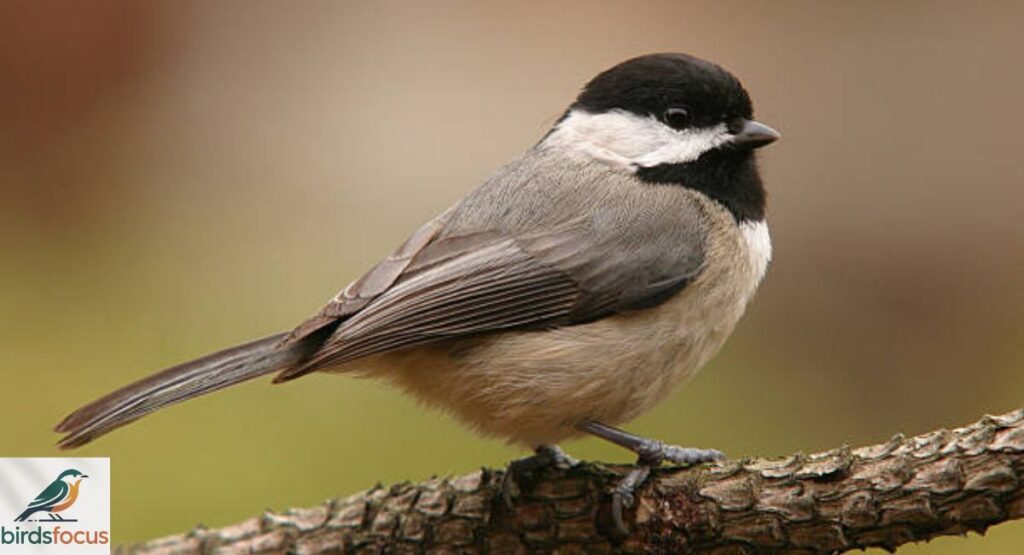
The Black-capped Chickadee is a small Black and White Bird Species found in forests, parks, and suburban areas across the USA. It has a black cap and white cheeks, making it very easy to recognize in the field. It is active, curious, and often approaches humans.
It feeds on insects, seeds, and berries throughout the year. During winter, it stores food for survival. Its “chick-a-dee-dee-dee” call is very distinctive. Birdwatchers often identify it first by sound before sight.
Black-and-white Warbler (Songbird)
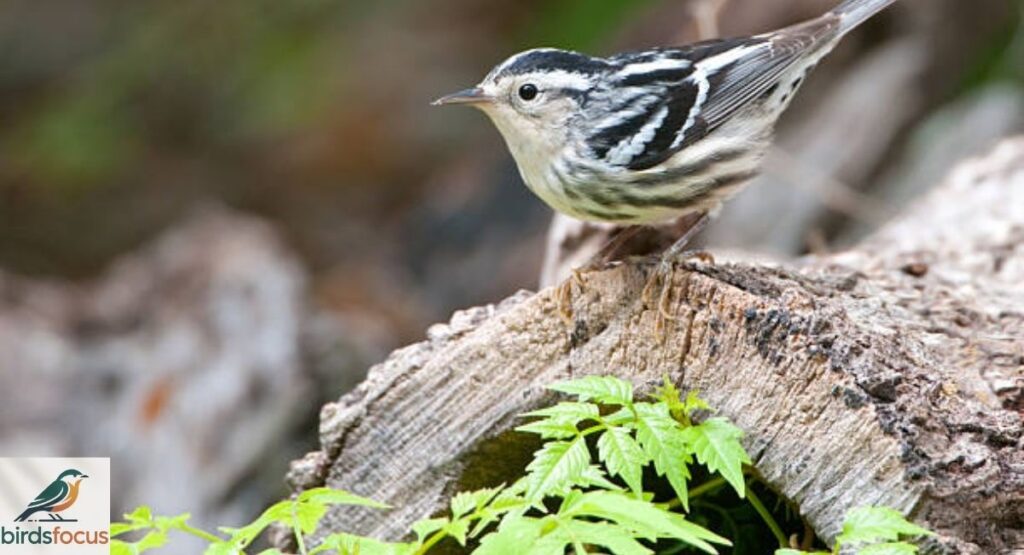
The Black-and-white Warbler is a striped Black and White Bird Species found in North American forests. Its zebra-like pattern makes it visually unique among warblers. It behaves differently because it climbs tree trunks like a woodpecker.
It feeds mainly on insects hidden under bark. It is highly active during migration seasons. Birdwatchers often see it in spring and summer. Its movement pattern is more useful than color for identification.
Dark-eyed Junco (Songbird)
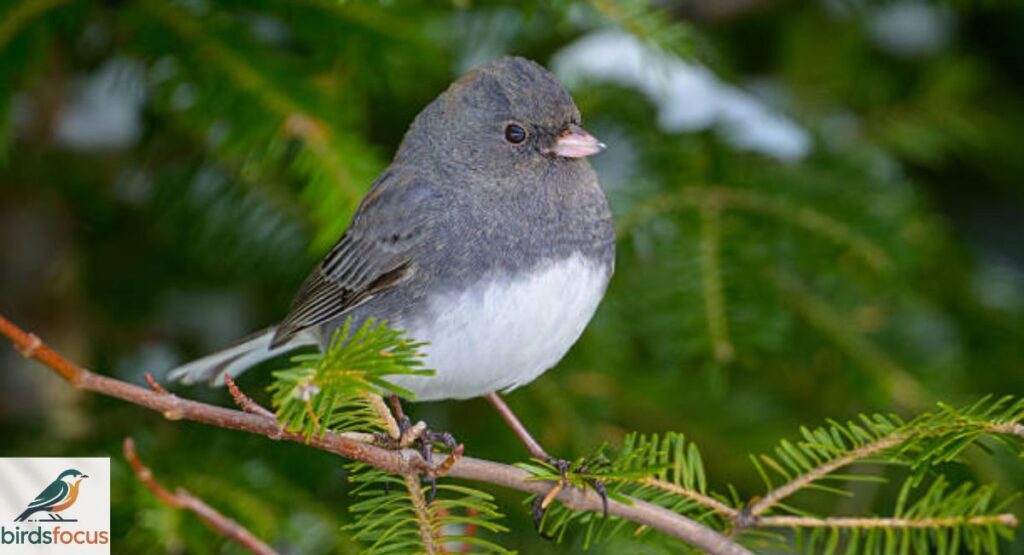
The Dark-eyed Junco is a seasonal Black and White Bird Species commonly seen across the USA in winter. It has a dark head, gray body, and white belly. It is often seen hopping on the ground in flocks.
It feeds on seeds and small insects. It prefers colder climates and migrates depending on season. Its soft chirping sound helps in identification. It is one of the most widespread winter birds in North America.
Black-headed Gull (Waterbird)
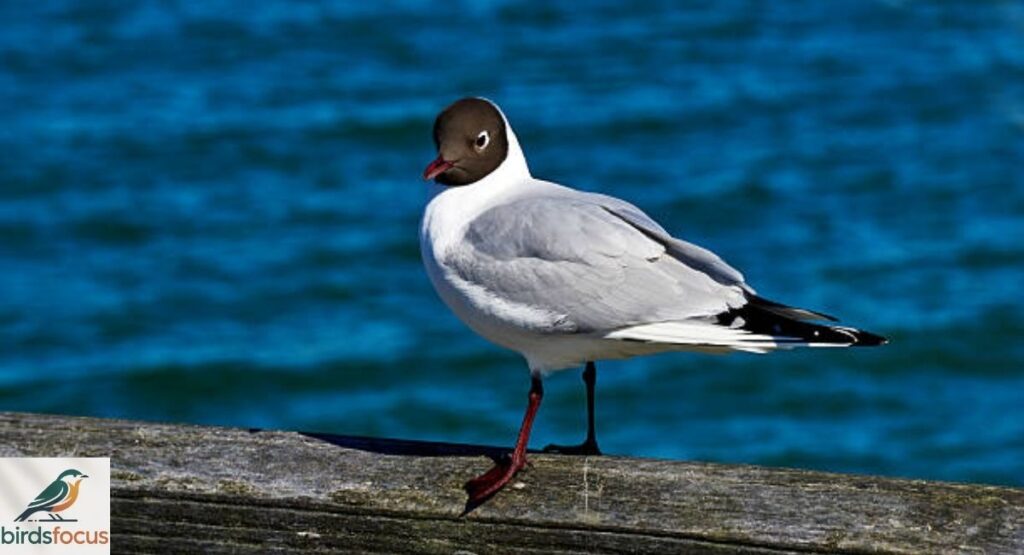
The Black-headed Gull is a coastal Black and White Bird Species found near lakes, rivers, and coastal cities. It has a white body, gray wings, and a dark head during breeding season. It is highly adaptable and often lives near humans.
It feeds on fish, insects, and food scraps. It is highly social and travels long distances. It forms large flocks in migration. It also indicates healthy aquatic ecosystems.
Royal Tern (Waterbird)
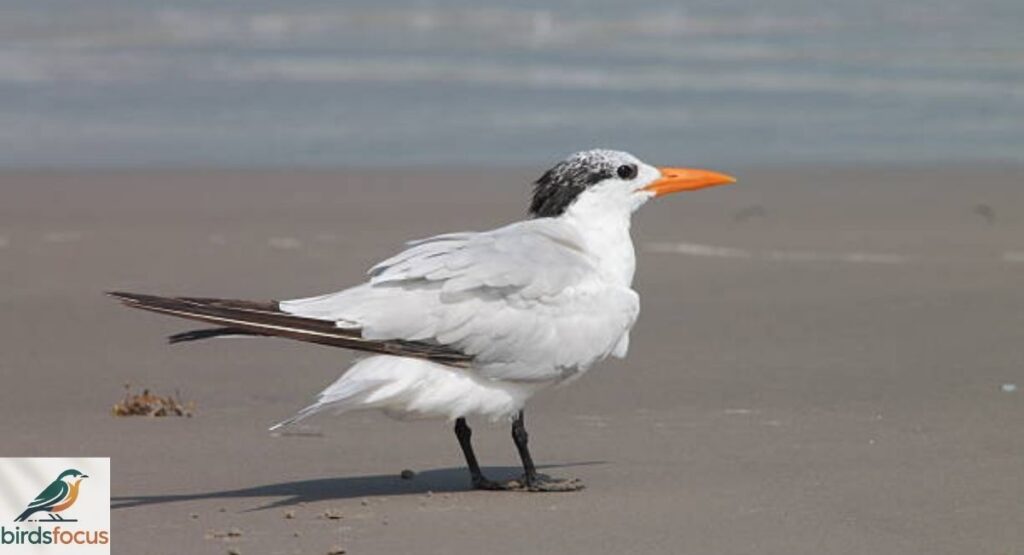
The Royal Tern is a sharp and fast Black and White Bird Species found along USA coastlines. It has a black cap, white body, and orange beak. It is a skilled fisher and strong diver.
It catches fish by diving directly into water. It lives in colonies near beaches and islands. It communicates using loud calls. It is active during daylight hours.
Atlantic Puffin (Seabird)
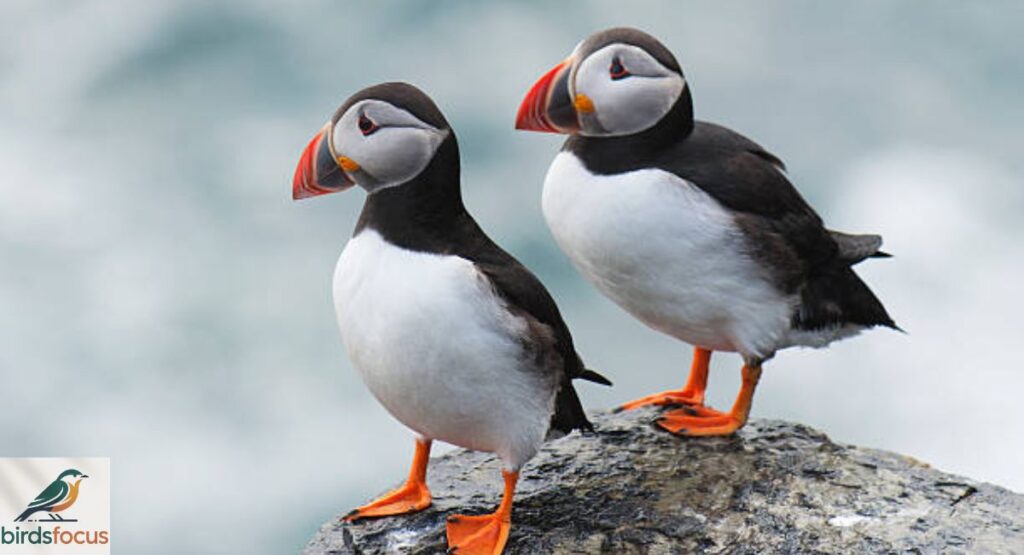
The Atlantic Puffin is a famous Black and White Bird Species found in northern coastal regions. It has a black back, white belly, and colorful beak. It is often called the “sea parrot.”
It dives underwater to catch fish. It can carry multiple fish at once. It nests in cliffs and burrows. It spends most of its life at sea.
Black Skimmer (Seabird)
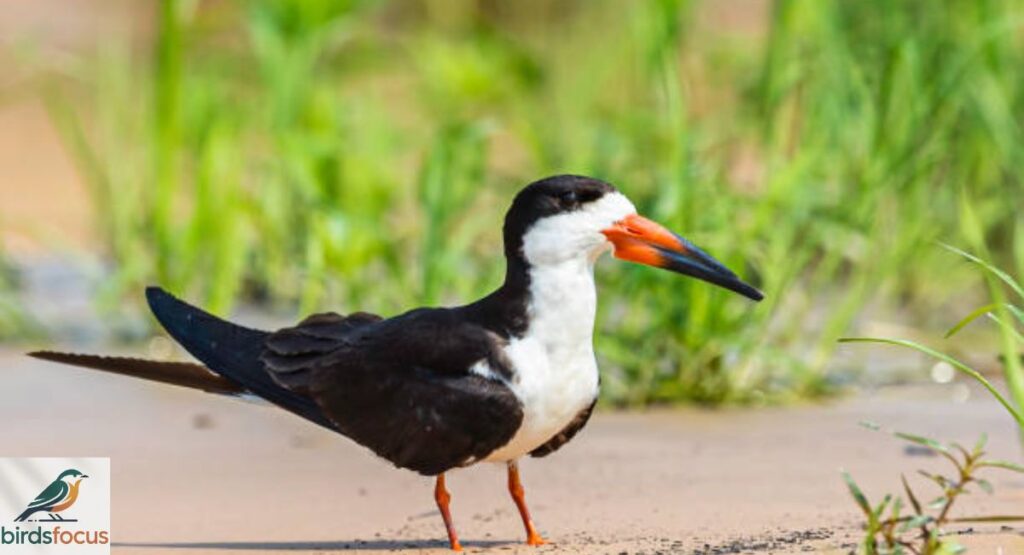
The Black Skimmer is a striking Black and White Bird Species found along the coastal areas of the USA. It has a black back, white underparts, and a uniquely long lower bill. This unusual beak helps it skim the water surface while flying to catch small fish. It is mostly active during dawn and dusk when feeding is easier near calm waters.
Common Loon (Seabird)
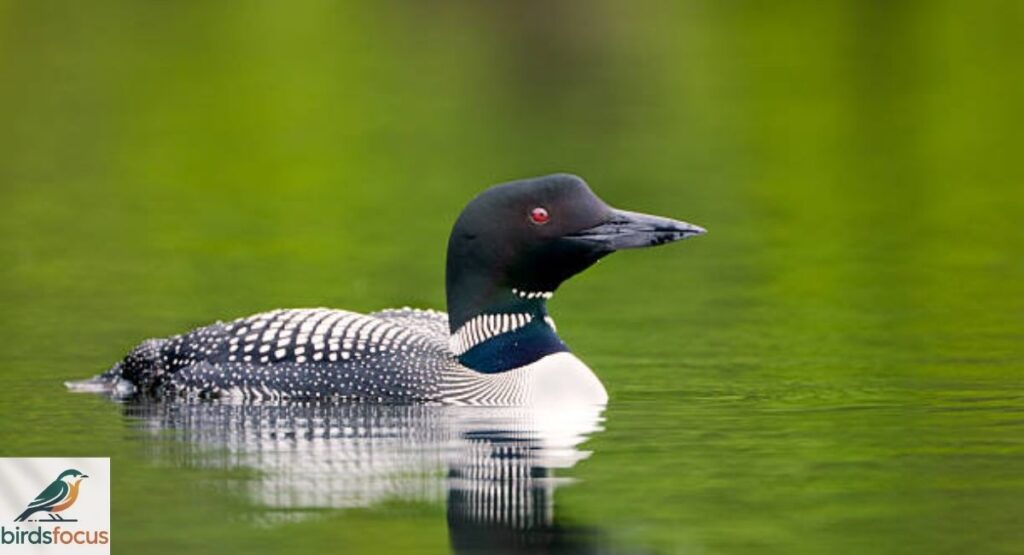
The Common Loon is a powerful Black and White Bird Species found across lakes and coastal waters of North America. It has a black head with a checkered black and white back during breeding season. Its striking red eyes and strong body make it easy to recognize on calm water surfaces.
Downy Woodpecker (Woodpecker)
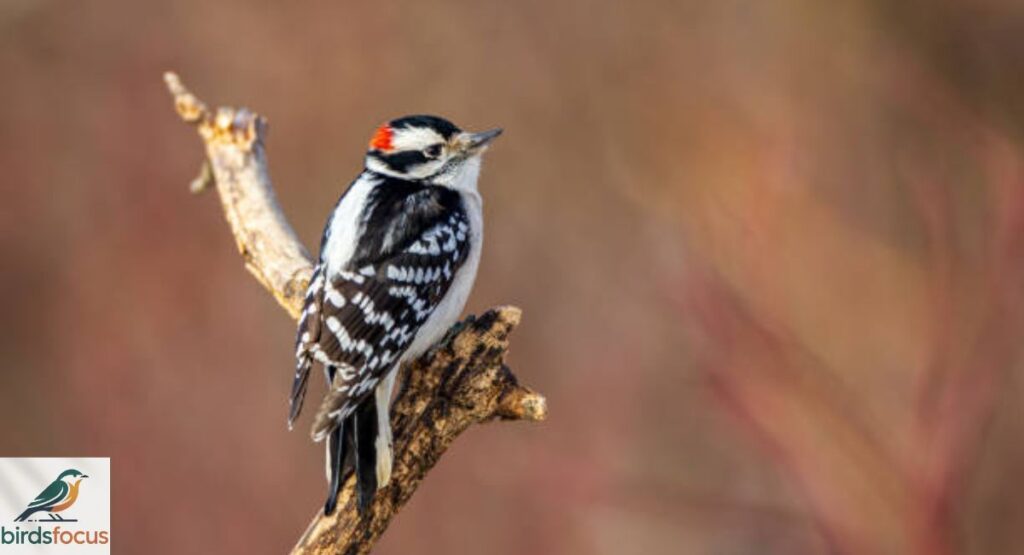
The Downy Woodpecker is a small forest Black and White Bird Species found across the USA. It has black wings with white spots and a short bill. Males often show a small red patch on the head.
It feeds on insects under tree bark. It uses strong drumming to communicate. It helps control forest pests naturally. It is one of the most common backyard woodpeckers.
Hairy Woodpecker (Woodpecker)
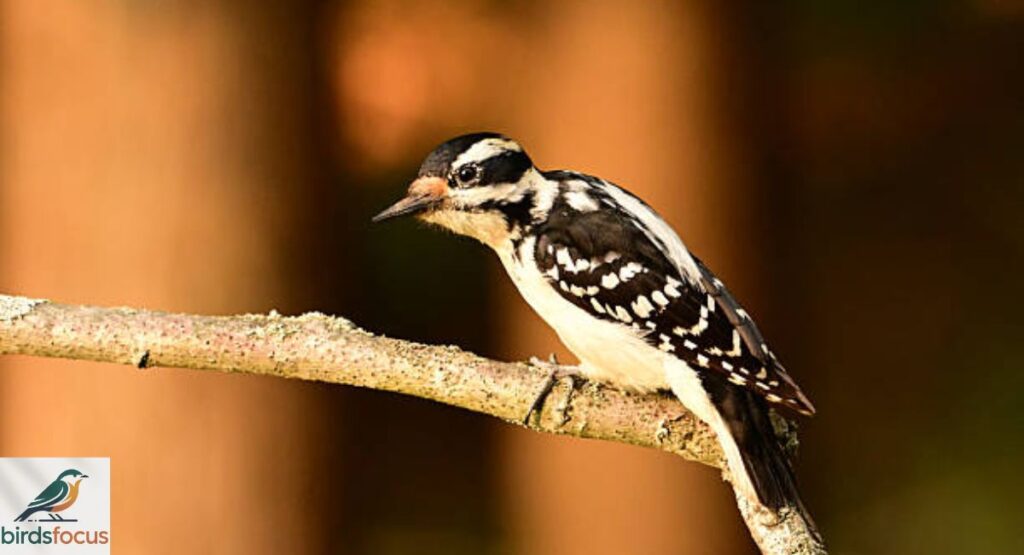
The Hairy Woodpecker is a larger Black and White Bird Species similar to the Downy Woodpecker. It has a stronger body and longer beak. It is commonly found in mature forests.
It feeds on insects and larvae inside trees. It produces loud drumming sounds for communication. It is often confused with Downy Woodpecker. It plays an important ecological role in forests.
Osprey (Raptor)
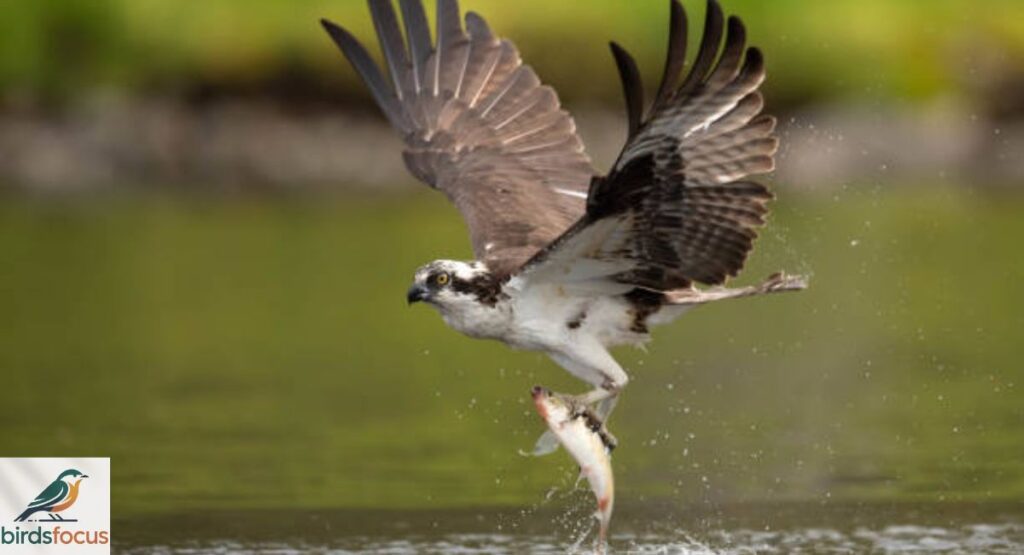
The Osprey is a powerful Black and White Bird Species found near lakes, rivers, and coastal areas. It has white underparts and dark wings. It is also known as a fish-hunting eagle.
It hovers above water before diving to catch fish. It builds large nests near water sources. It is a top predator in aquatic ecosystems. It is one of nature’s most efficient hunters.
Swallow-tailed Kite (Raptor)
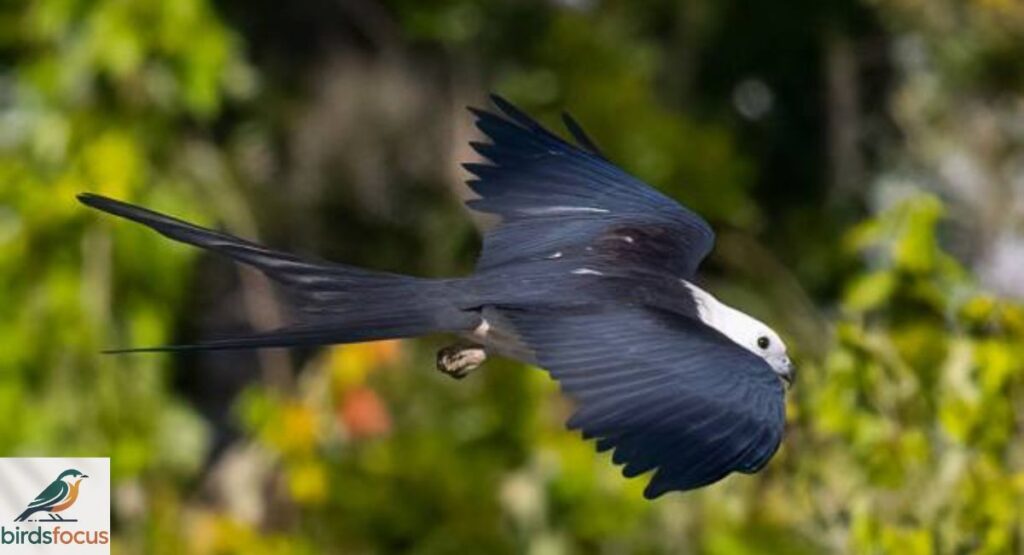
The Swallow-tailed Kite is an elegant Black and White Bird Species found in southern USA. It has long wings and a deeply forked tail. Its black and white contrast is visible even from far distance.
It feeds on insects and small animals. It glides smoothly in the sky for long hours. It rarely flaps its wings while flying. It is considered one of the most graceful raptors.
White-tailed Kite (Raptor)
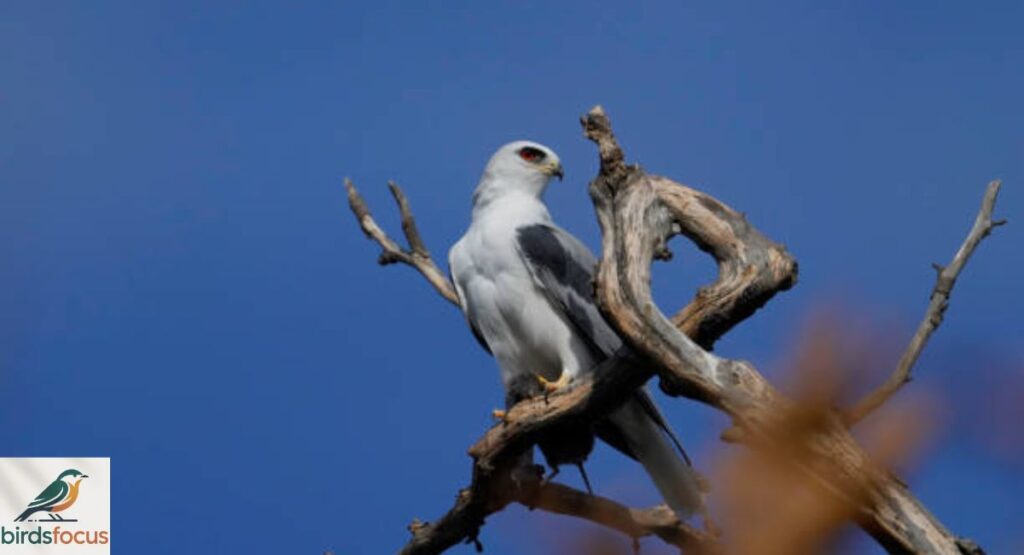
The White-tailed Kite is an elegant Black and White Bird Species found in open grasslands and coastal regions of the USA. It has bright white underparts, grayish-black wings, and a long, narrow tail. Its smooth hovering flight makes it easy to spot while it scans the ground for prey.
Habitat of Black and White Birds
Black and white birds live across multiple ecosystems in the USA. Forests, wetlands, coastal regions, and urban areas all support different Black and White Bird Species. Each habitat influences feeding behavior and migration patterns.
Wetlands provide fish and insects, while forests support insect-eating species. Coastal areas attract seabirds and gulls. Urban areas also support adaptable species like chickadees and gulls.
Behavior and Adaptation
Behavior plays a major role in survival of Black and White Bird Species. Some birds migrate long distances, while others stay in one region year-round. Feeding habits also vary based on habitat.
Adaptation helps birds survive in changing environments. Woodpeckers drill trees for insects, while raptors hunt fish from water. These behaviors make each species unique in the black and white birds identification guide system.
Importance of Black and White Birds in Ecosystem
Black and white birds play an important ecological role in the USA. They help control insect populations, support food chains, and indicate environmental health. Many Black and White Bird Species are used as ecological indicators.
For example, waterbirds show the health of lakes and oceans. Forest birds reflect ecosystem balance. Without them, natural systems would become unstable and less diverse.
Conservation Status
Many Black and White Bird Species face threats from habitat loss, pollution, and climate change. Urban expansion reduces nesting areas and food sources. Some species also face changes in migration patterns.
Conservation programs focus on habitat protection and restoration. Protected areas and wildlife laws help maintain populations. However, continuous monitoring is necessary for long-term survival of these species.
Birdwatching & Identification Tips
Birdwatching is one of the best ways to study Black and White Bird Species USA. Early morning is the best time for observation. Quiet environments improve chances of spotting birds.
Focus on movement, sound, and habitat instead of only color. Use binoculars and field guides for better accuracy. Recording sightings also helps improve identification skills over time.
Conclusion
Black and white birds are among the most fascinating wildlife species in the USA. Black and White Bird Species exist in almost every environment, from forests to oceans. Their contrast makes them visually striking but requires careful study for accurate identification.
With practice, you can understand monochrome birds through sound, behavior, and habitat. This guide strengthens your black and white birds identification guide knowledge and helps you enjoy birdwatching with greater confidence and understanding.
FAQs
1. What are Black and White Bird Species?
These are birds that mainly show black and white feather patterns, often used for camouflage, mating, or identification.
2. Where can I find black and white birds in the USA?
They are commonly found in forests, wetlands, coastal areas, and even city parks across the United States.
3. Why do some birds have black and white colors?
Their coloration helps them hide from predators, attract mates, and adapt to different environments.
4. Are black and white birds rare?
No, many species like chickadees, gulls, and woodpeckers are very common in North America.
5. What is the easiest way to identify black and white birds?
You can identify them by observing their size, behavior, habitat, and unique feather patterns.

Welcome to birdsfocus! I’m Anam Sattar, an AI Powered SEO, and Content Writer with 4 years of experirnce.
I help websites rank higher,grow traffic, and look amazing. My goal is to make SEO and web design simple and effective for everyone.
Let’s achieve more together!