

For many wildlife enthusiasts, Hawks in New York represent some of the most fascinating birds in the northeastern United States. These impressive birds of prey in New York inhabit diverse landscapes ranging from dense forests and wetlands to suburban neighborhoods and bustling city parks. Moreover, both resident and migratory species contribute to the remarkable diversity of hawks in New York State throughout the year.
Whether soaring above open fields or nesting in urban environments, these skilled predators play a vital role in maintaining ecosystem balance. Understanding the various types of hawks in New York and the unique New York hawk species helps birdwatchers appreciate these magnificent raptors even more.
Types of Hawks in New York
The hawks in New York State include both permanent residents and seasonal visitors. These New York hawk species live across forests, wetlands, grasslands, and urban parks. Furthermore, hawks found in New York State follow the Atlantic Flyway, a major migration corridor. This diversity makes hawks in New York a top interest for birdwatchers and researchers.
In addition, common hawks in New York vary by habitat and season. Some prefer deciduous forests, while others hunt over open fields or marshes. Meanwhile, migratory hawks in New York appear during spring migration and fall migration, while resident hawks in New York stay year-round in stable territories.
1. Red-tailed Hawk (Buteo jamaicensis)
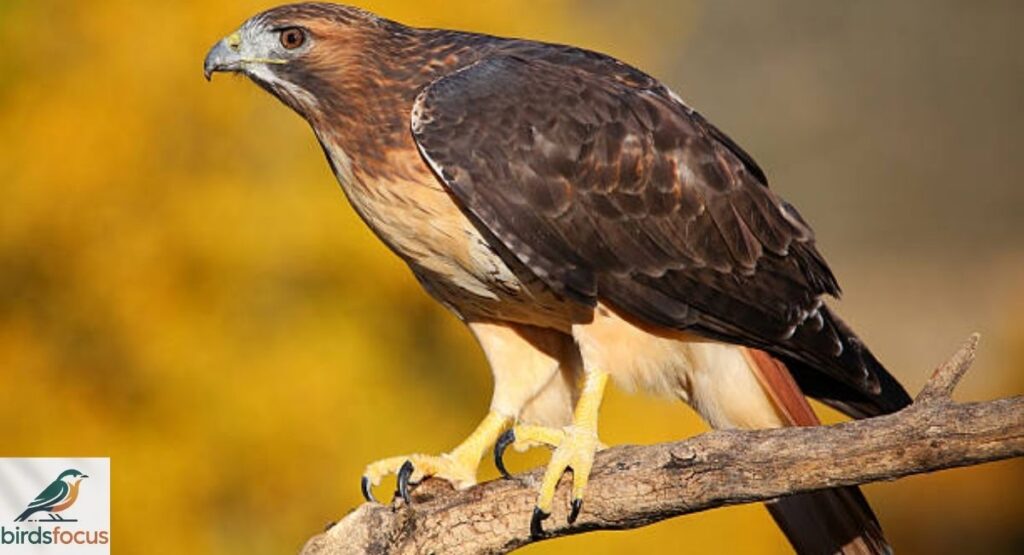
The Red-tailed Hawk stands as one of the most recognizable hawks in New York City and rural zones. Its reddish tail, broad wings, and powerful hooked beak make identification easier. It often performs soaring flight above highways and farmland.
| Feature | Description |
| Wingspan | Broad wings up to 4 feet |
| Habitat | Open fields, suburban areas |
| Diet | Rodents, squirrels, rabbits |
| Behavior | Perch hunting, soaring |
Additionally, this species dominates urban hawks in New York ecosystems. It adapts well to urban parks like Central Park.
2. Cooper’s Hawk (Accipiter cooperii)
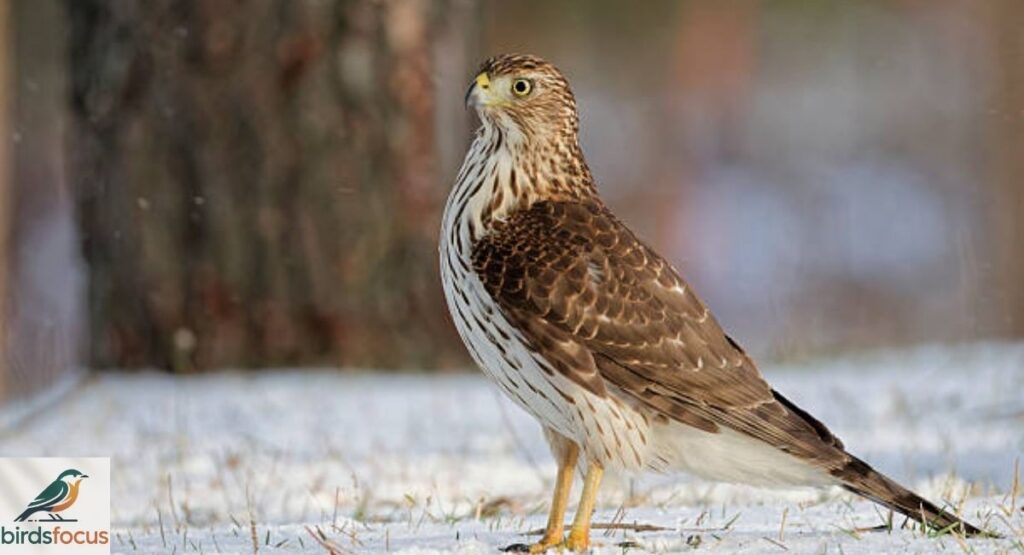
The Cooper’s Hawk vs Sharp-shinned Hawk comparison often confuses beginners in hawk identification in New York. The Cooper’s Hawk is larger with a rounded tail and strong aerial hunting ability. It thrives in woodland edges and suburban zones.
Moreover, it hunts songbirds, insects, and small mammals. It uses stealth and speed. This makes it a skilled predator among raptors in New York State.
3. Sharp-shinned Hawk (Accipiter striatus)
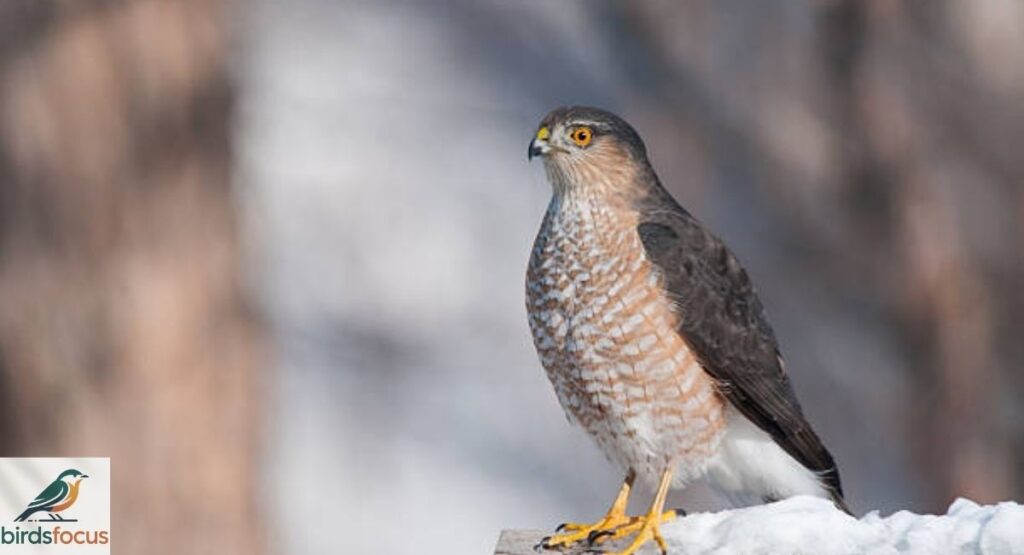
The smallest among hawks in New York State, this species has short wings and a long tail. It moves quickly through dense trees. Therefore, it excels in coniferous forests and thick deciduous forests.
Its diet includes songbirds, making it a key predator in urban ecology. Birdwatchers often use Merlin Bird ID to confirm sightings.
4. Northern Harrier (Circus hudsonius)
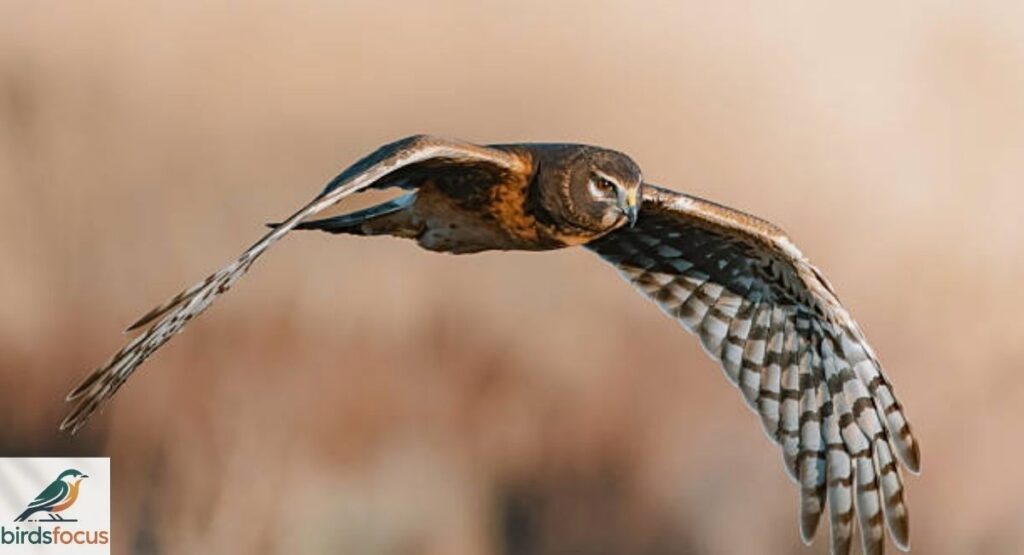
The Northern Harrier glides low over marshes, wetlands, and meadows. It has a unique white rump patch and owl-like face. Unlike most hawks, it relies on hearing as well as vision.
Furthermore, it performs smooth gliding behavior while hunting voles, frogs, and insects. This makes it distinct among hawks found in New York State.
5. Broad-winged Hawk (Buteo platypterus)
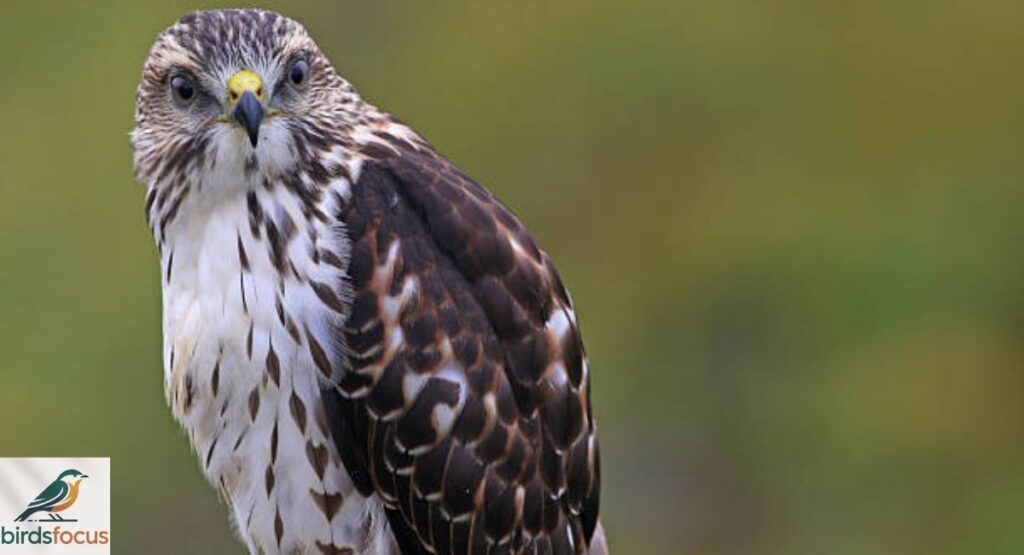
The Broad-winged Hawk is famous for migration “kettles.” These swirling groups are a highlight of hawk migration in New York. It prefers breeding season in deep forests.
| Behavior | Detail |
| Migration | Strong spring migration and fall migration |
| Habitat | Deciduous forests |
| Diet | Small mammals, insects |
Birdwatchers often observe it at Braddock Bay Hawk Watch.
6. Red-shouldered Hawk (Buteo lineatus)
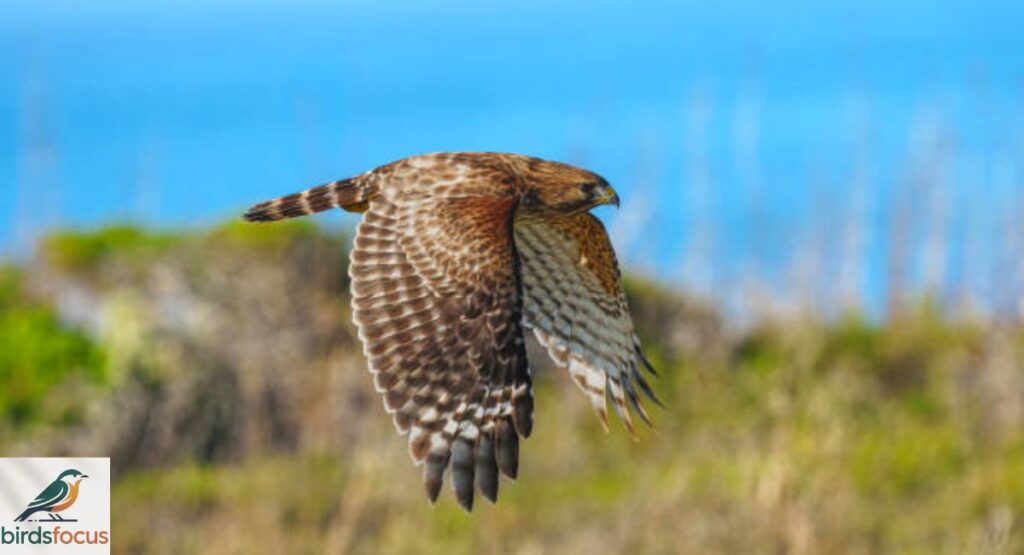
This vocal hawk thrives in wetlands and woodland edges. Its striped wings and loud calls make it easy to detect. It is a key resident hawk in New York.
Additionally, it feeds on frogs, snakes, and small mammals. Conservation efforts by the New York State Department of Environmental Conservation help maintain stable populations.
7. Rough-legged Hawk (Buteo lagopus)
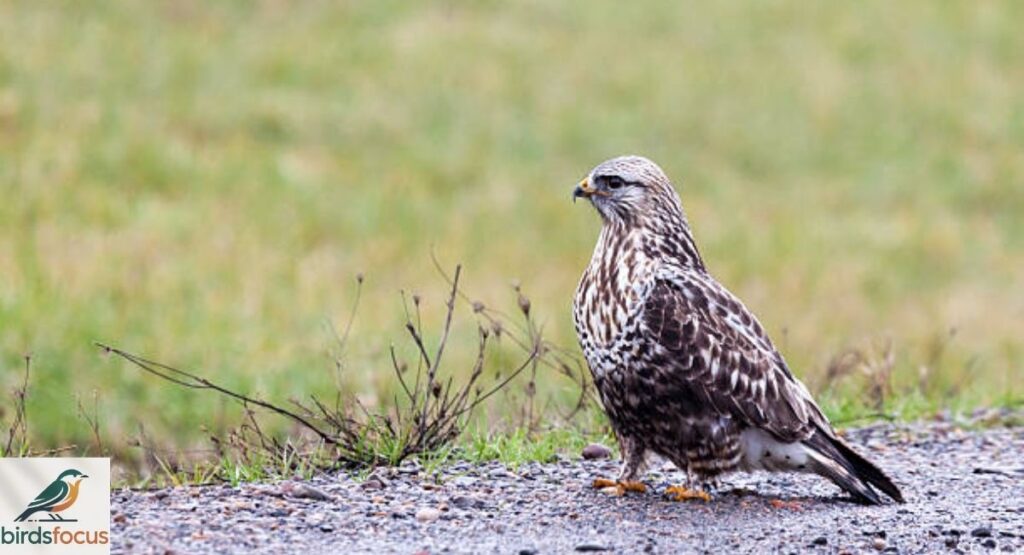
The Rough-legged Hawk is a winter visitor in hawks in New York State. It breeds in Arctic regions and migrates south during cold months.
It prefers open fields and agricultural zones. Its feathered legs help it survive cold climates. This makes it a rare but exciting sight.
8. Northern Goshawk (Accipiter atricapillus)
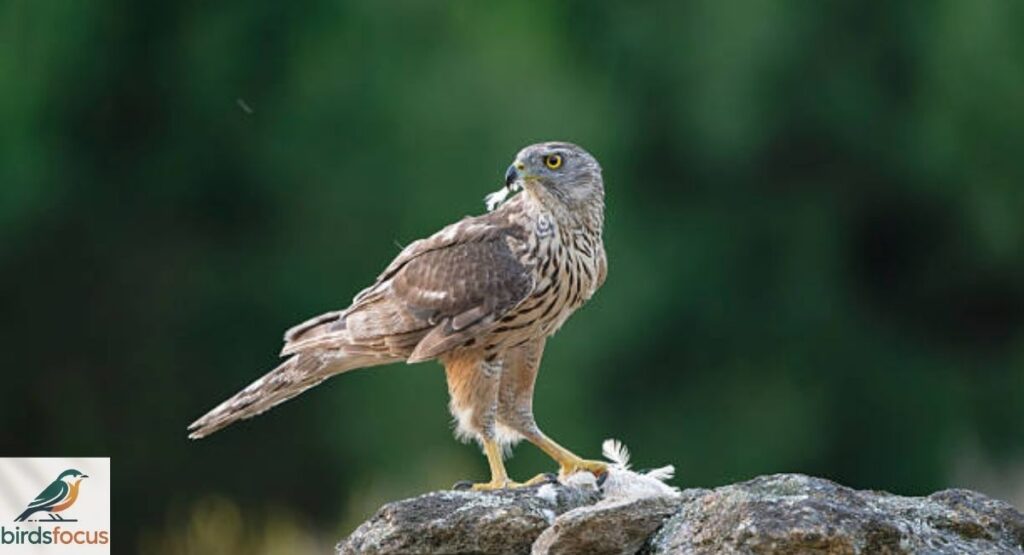
The Northern Goshawk is powerful and secretive. It lives deep in coniferous forests and rarely appears near cities. It uses aggressive hunting techniques.
Its prey includes rabbits, squirrels, and birds. It represents one of the largest forest raptors in New York.
9. Ferruginous Hawk (Buteo regalis)
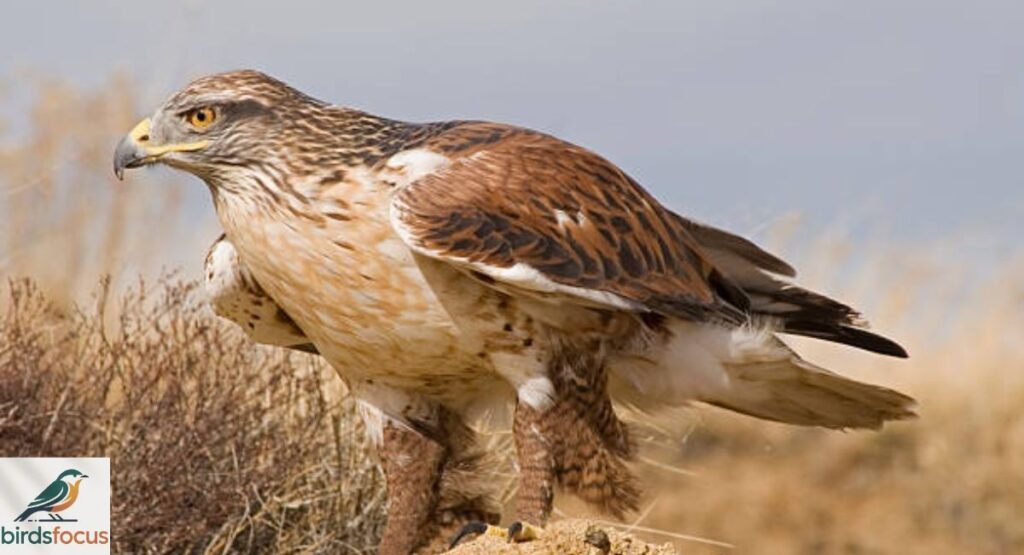
This rare visitor appears occasionally in hawks in New York State records. It prefers open grasslands of western regions.
However, unusual migration routes sometimes bring sightings. Birdwatchers consider it a special discovery during citizen science projects like eBird.
10. Swainson’s Hawk (Buteo swainsoni)
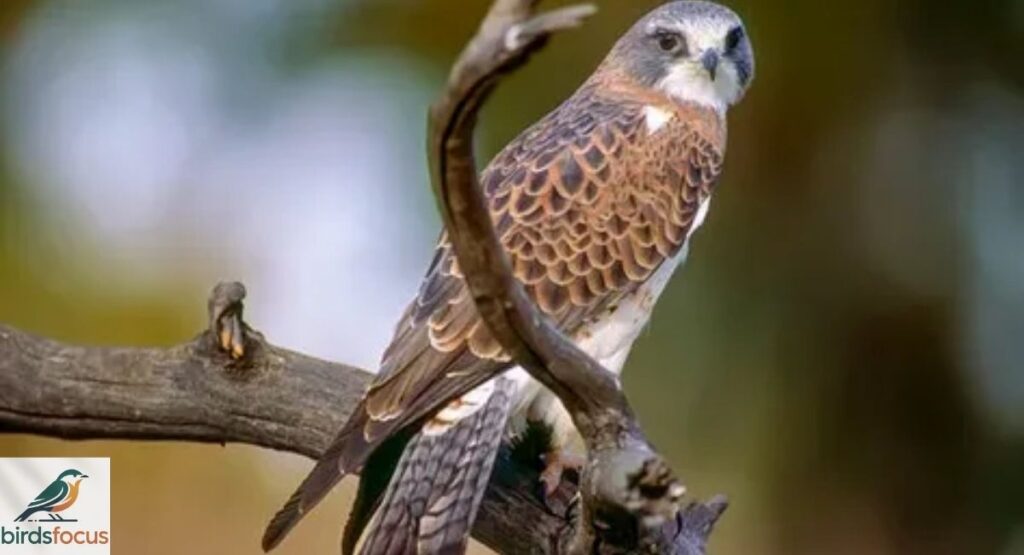
The Swainson’s Hawk travels long distances across continents. It appears during rare migration events in New York.
It feeds heavily on grasshoppers and insects during migration. Its long journey makes it a symbol of migratory bird routes and global ecology.
11. Zone-tailed Hawk (Buteo albonotatus)
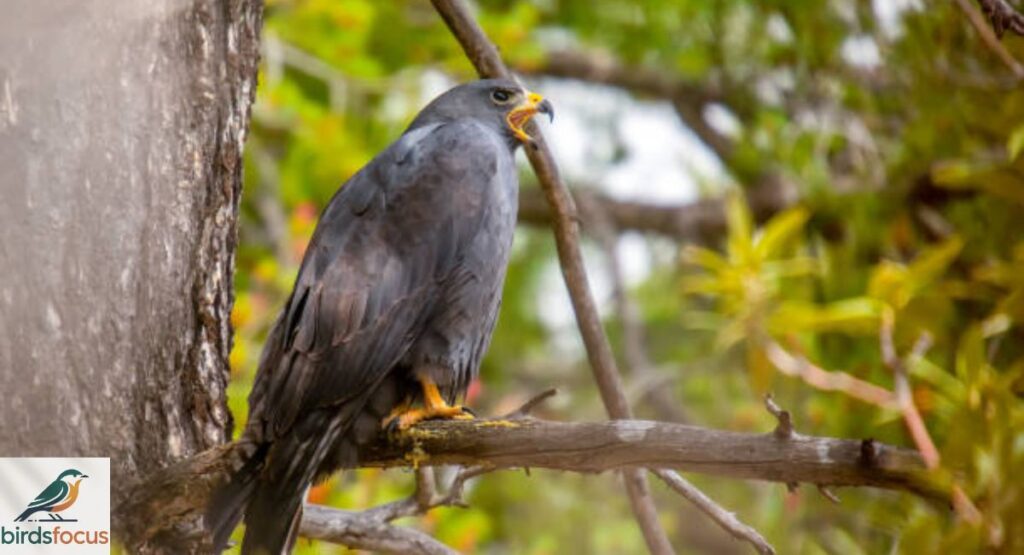
This hawk mimics vultures during flight. It confuses prey using stealth behavior. It is extremely rare in hawks in New York City sightings.
It often flies in mixed groups with scavengers. This strategy increases hunting success.
12. Harris’s Hawk (Parabuteo unicinctus)
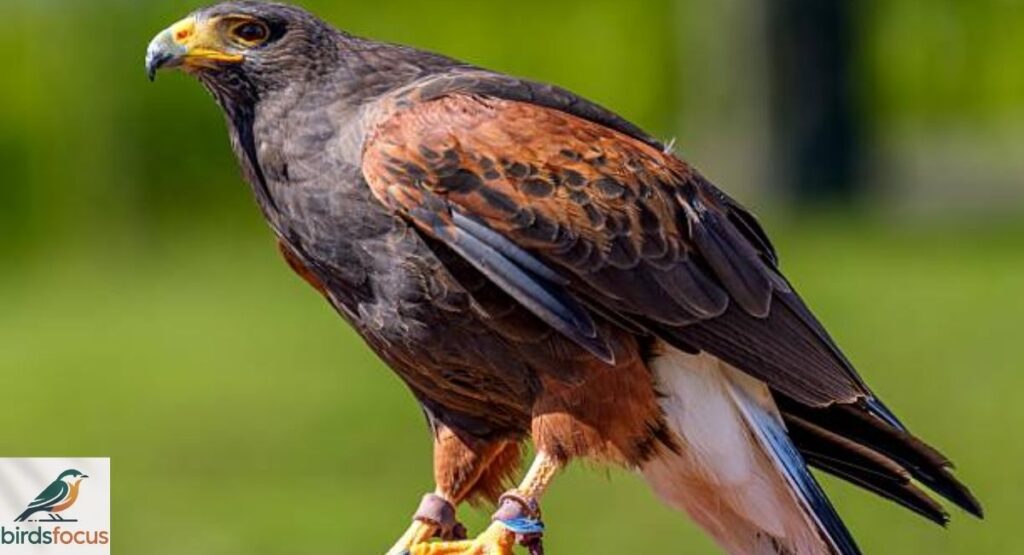
The Harris’s Hawk hunts in groups, unlike most raptors. It uses teamwork to capture prey like rabbits and rodents.
This behavior is rare among hawks in New York State. It is studied widely in birdwatching apps and research programs.
Hawks in New York City
Hawks in New York City adapt to dense urban environments. They nest on buildings and hunt pigeons and rats. Locations like Central Park and rooftops host frequent sightings.
Additionally, urban hawks in New York benefit from food abundance. However, building collisions remain a major threat. Conservation groups monitor these risks carefully.
Hawks Found in New York State by Season
Seasonal movement defines hawks in New York State diversity. Spring migration and fall migration bring peak activity along the Atlantic Flyway.
| Season | Hawk Activity |
| Spring | Migration north |
| Summer | Breeding season |
| Fall | Migration south |
| Winter | Winter visitors |
Furthermore, seasonal hawk sightings increase in regions like Hudson Valley, Long Island, and Adirondack Mountains.
Hawk Identification Guide for New York
Effective hawk identification in New York depends on field marks. Key features include wingspan, tail pattern, and plumage differences.
Observers also study juvenile hawk vs adult hawk markings. Tools like Cornell Lab of Ornithology resources and eBird help confirm sightings.
Where to See Hawks in New York
Top birdwatching sites include Jamaica Bay Wildlife Refuge, Montezuma National Wildlife Refuge, and Fire Island National Seashore. These areas support rich wildlife refuges.
Additionally, Finger Lakes Region and Niagara Region offer strong migration visibility. Birdwatchers often use binoculars for birdwatching during peak migration.
Conservation and Threats to Hawks in New York
Habitat loss remains the biggest threat to hawks in New York State. Climate change and pesticide exposure also impact survival rates.
Moreover, wildlife protection programs focus on reducing building collisions and supporting raptor rehabilitation centers. Public awareness plays a vital role in protecting ecosystem balance.
Common Backyard Hawks in New York
Backyards across hawks in New York State often turn into unexpected hunting zones for raptors. These common hawks in New York adapt well to suburban areas, urban parks, and woodland edges where prey like rodents and songbirds stay active. Moreover, learning hawk identification in New York helps you notice differences in tail pattern, plumage, and soaring flight behavior with ease.
In addition, resident hawks in New York remain present all year, while migratory hawks in New York arrive during spring migration and fall migration. These seasonal shifts change what people observe in their surroundings. Consequently, even ordinary backyard spaces can become active observation points for raptors in New York.
Table: Common Backyard Hawks in New York
| Hawk Species | Appearance Clues | Habitat | Diet | Behavior | Season |
| Red-tailed Hawk | reddish tail, broad wings | open fields, suburban areas | rodents, squirrels, rabbits | perch hunting, strong soaring flight | year-round |
| Cooper’s Hawk | rounded tail, sharp wings | suburban areas, woodland edges | songbirds, small prey | fast aerial hunting, surprise attacks | year-round |
| Sharp-shinned Hawk | small size, long tail | coniferous forests, backyard feeders | small birds | rapid stealth movement | winter & migration |
| Red-shouldered Hawk | striped wings, reddish shoulders | wetlands, wooded suburbs | frogs, snakes, small mammals | perch hunting, loud calls | year-round (select regions) |
Backyards near Central Park, Hudson Valley, and Long Island often show frequent sightings. Additionally, these urban hawks in New York help maintain ecosystem balance by naturally controlling rodent populations.
Interesting Facts About Hawks Found in New York
Hawks found in New York State show fascinating behavior that often surprises even experienced birdwatchers. These hawks in New York adapt to forests, wetlands, grasslands, and even dense city environments with remarkable flexibility. Moreover, their survival strategies reveal how birds of prey in New York maintain balance in complex ecosystems.
One striking fact is how hawk identification in New York often depends on subtle traits rather than obvious differences. Features like wingspan, tail pattern, and plumage shift between juvenile hawk and adult hawk stages. As a result, beginners often confuse species such as Cooper’s Hawk and Sharp-shinned Hawk, especially during fast flight.
Finally, citizen science has transformed how people study these raptors. Platforms like eBird, tools from the Cornell Lab of Ornithology, and apps like Merlin Bird ID allow everyday observers to contribute to global migration data. This has significantly improved understanding of hawks in New York State and their long-term population trends.
Conclusion
From soaring Red-tailed Hawks to rare seasonal visitors, Hawks in New York showcase an impressive variety of raptors across forests, wetlands, open fields, and cities. Understanding these remarkable birds helps birdwatchers and nature lovers appreciate the rich diversity of hawks in New York State and their role in maintaining healthy ecosystems.
Whether you are exploring Central Park or watching migration along the Atlantic Flyway, these magnificent birds of prey in New York offer unforgettable experiences. Learning about the different types of hawks in New York makes every sighting more exciting and highlights the importance of conservation for future generations.
FAQs
Are there hawks in New York?
Yes, several species of hawks in New York live throughout the state, including both year-round residents and seasonal migrants.
What is the most common hawk in New York?
The Red-tailed Hawk is considered one of the most common hawks in New York State and is frequently seen in cities and rural areas.
Which hawks live in New York City?
Red-tailed Hawks, Cooper’s Hawks, and Sharp-shinned Hawks are among the hawks in New York City that adapt well to urban environments.
When do hawks migrate through New York?
Most migratory hawks in New York pass through during spring migration and fall migration along the Atlantic Flyway.
Where can I see hawks in New York?
Popular places for viewing birds of prey in New York include Central Park, Jamaica Bay Wildlife Refuge, and Braddock Bay Hawk Watch.

Welcome to birdsfocus! I’m Anam Sattar, an AI Powered SEO, and Content Writer with 4 years of experirnce.
I help websites rank higher,grow traffic, and look amazing. My goal is to make SEO and web design simple and effective for everyone.
Let’s achieve more together!