

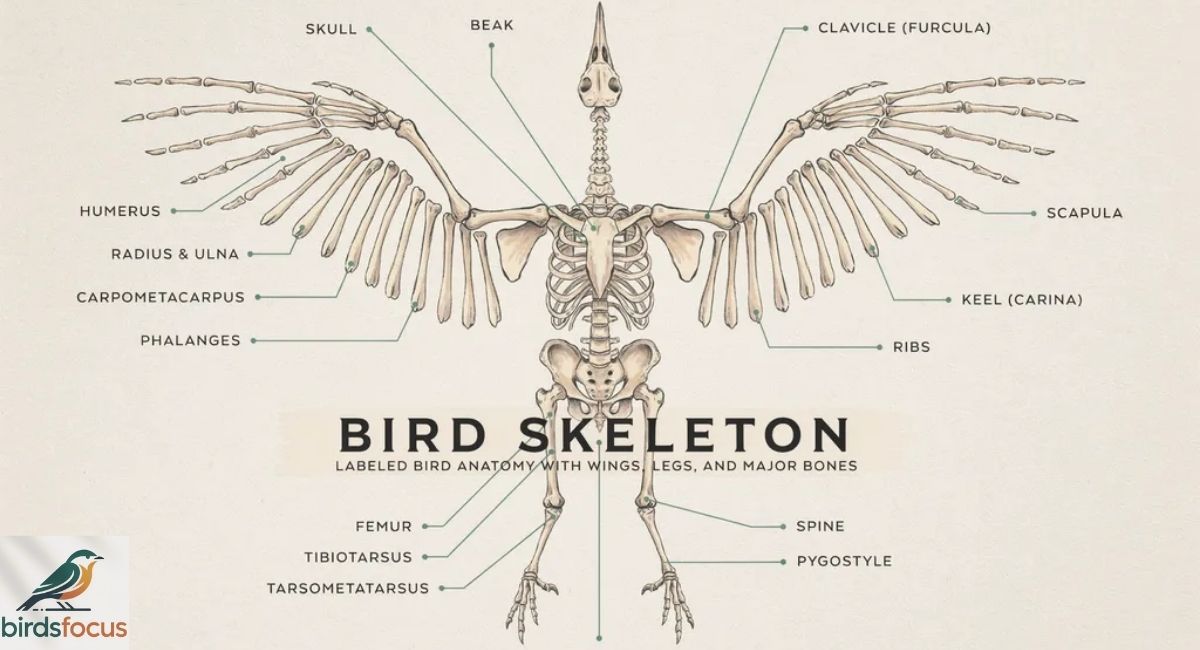
Before exploring individual bones, it helps to understand why the Bird Skeleton is considered one of nature’s most efficient designs. This remarkable avian skeleton provides strength, flexibility, and support while remaining light enough for flight. Unlike mammals, birds possess specialized features such as hollow bones, fused structures, and a highly organized bird bone anatomy that improves balance and movement.
From powerful eagles to tiny hummingbirds, every species relies on a unique skeletal framework adapted to its lifestyle. Understanding the Bird Skeleton also reveals how evolution shaped the avian skeletal system to enhance survival, locomotion, and the extraordinary ability to fly across diverse environments.
Understanding the Bird Skeleton

The Bird Skeleton forms the internal framework of the body. It protects delicate organs and provides attachment points for muscles. This vertebrate skeleton consists of two major sections known as the axial skeleton and the appendicular skeleton. Together, these components support flight, locomotion, feeding, and balance. Despite appearing fragile, bird bones possess remarkable durability because they contain internal reinforcements called internal struts.
Another fascinating aspect of the bird bone structure is its adaptability. Flying birds have lightweight bones and extensive fusion. Ground-dwelling species show different proportions to support running and walking. The skeletal framework also contributes to posture and stability. This remarkable design allows birds to occupy nearly every ecosystem on Earth.
Overview of Avian Skeletal Structure
The Bird Skeleton contains several major regions. These include the skull, vertebral column, ribs, sternum, wings, pelvis, and legs. Together they form a highly organized avian anatomy system. The body framework distributes forces during movement and absorbs the impact created by takeoff and landing. Such arrangements allow birds to remain agile while maintaining strength.
Bird Skeleton Diagram: Labeled Anatomy
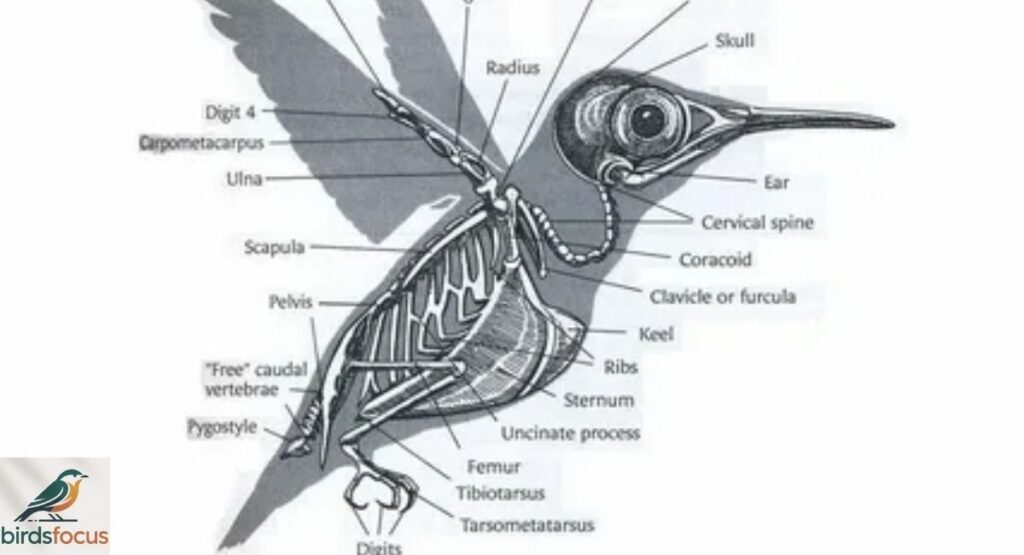
A labeled diagram of the Bird Skeleton reveals many important structures that work together in harmony. The most recognizable bones include the skull, cervical vertebrae, scapula, coracoid, furcula, ribs, sternum, pelvis, and wing bones. Anatomical diagrams help students and veterinarians identify structures accurately. They also improve our understanding of movement and flight mechanics.
Several specialized bones make birds different from mammals. The synsacrum, pygostyle, and carpometacarpus are examples of evolutionary innovations. These fused structures provide stability while reducing unnecessary weight. In addition, the tarsometatarsus, tibiotarsus, and hallux contribute to balance and efficient movement. Each part of the Bird Skeleton performs a distinct function that supports survival.
Identifying Major Bones
Among the most important structures are the humerus, radius, ulna, femur, fibula, and phalanges. The wishbone, also called the furcula, acts like a spring during wing beats. Meanwhile, the keel and sternum provide broad surfaces for powerful muscles. These adaptations distinguish birds from most other vertebrates.
| Major Bone | Primary Function |
| Skull | Protects the brain |
| Furcula | Stores and releases energy |
| Humerus | Supports wing movement |
| Radius | Provides flexibility |
| Ulna | Anchors flight feathers |
| Femur | Supports body weight |
| Tarsometatarsus | Improves balance |
| Pygostyle | Supports tail feathers |
Unique Characteristics of Bird Bones
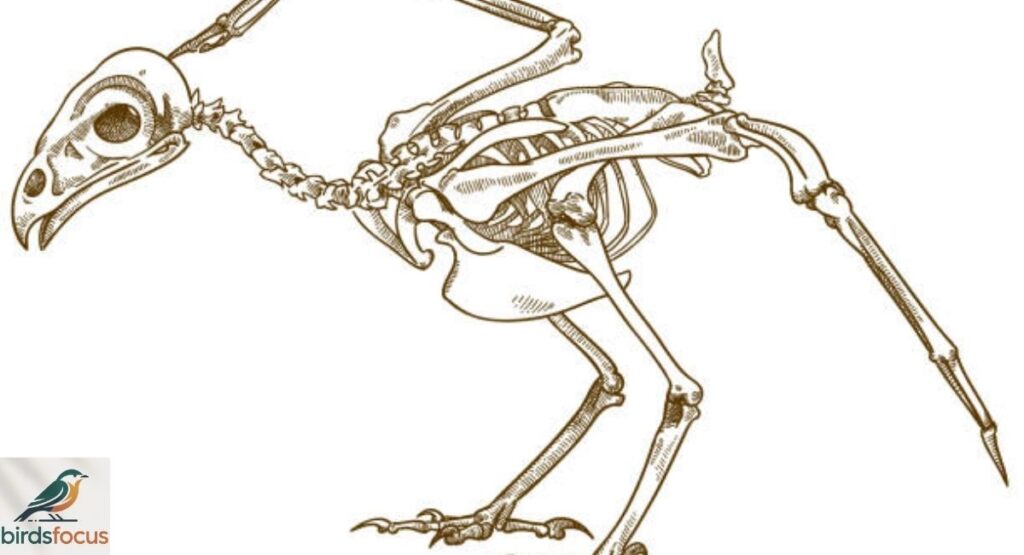
What makes the Bird Skeleton truly extraordinary is its combination of lightness and strength. Many bones are classified as pneumatic bones because they contain air spaces connected to respiratory air sacs. These cavities increase oxygen exchange and reduce body mass. However, hollow does not mean weak. Birds possess a sophisticated honeycomb bone structure reinforced by strong internal supports.
Equally impressive is the amount of fusion found throughout the bird skeletal structure. Bones such as the synsacrum, carpometacarpus, and pygostyle provide rigidity that improves stability during flight. This arrangement enhances body stabilization and minimizes energy loss. Consequently, birds achieve efficient movement without sacrificing structural strength.
Specialized Features of Avian Bones
Birds possess several unusual adaptations rarely seen in other animals. The uncinate processes strengthen the rib cage and improve breathing efficiency. The patella, or kneecap, helps distribute force during movement. Furthermore, many species exhibit specialized foot arrangements such as anisodactyl feet, zygodactyl feet, and pamprodactyl feet, which reflect different ecological roles. These features illustrate the remarkable versatility of the Bird Skeleton.
Bird Wing Skeleton Anatomy
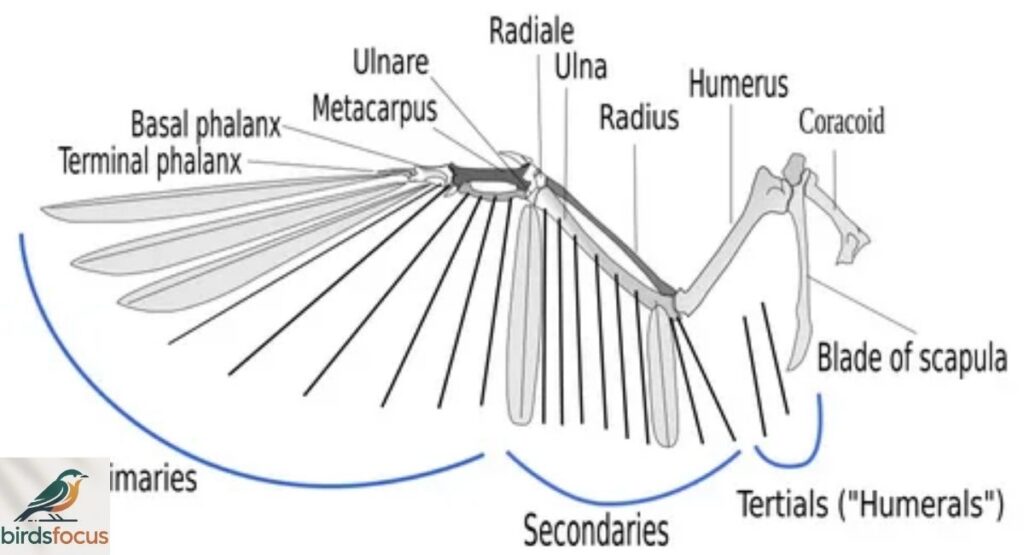
The Bird Skeleton owes much of its success to the remarkable structure of the wings. Unlike human arms, bird wings contain highly specialized bones designed for lift and maneuverability. The wing begins at the shoulder girdle and extends outward through a series of elongated bones. This arrangement creates a lightweight yet powerful system that supports different styles of flight. Whether a bird glides like an eagle or hovers like a hummingbird, the wing skeleton plays a vital role in movement.
Another fascinating feature involves the coordination between bones and muscles. The shoulder girdle, which includes the scapula, coracoid, and furcula, provides stability during wing beats. Together, these structures resist tremendous forces produced during flight. The Bird Skeleton also relies on flexible joints that allow rapid changes in direction. Such adaptations explain why birds remain among the most efficient fliers in nature.
Structure of the Bird Wing Skeleton
The upper wing contains the humerus, which connects to the forearm bones known as the radius and ulna. The lower portion contains the carpometacarpus and several wing digits. One special structure called the alula functions like a miniature wing flap. It improves aerodynamic efficiency and helps prevent stalling during slow flight and landing.
| Wing Bone | Function |
| Humerus | Supports upper wing |
| Radius | Provides flexibility |
| Ulna | Supports secondary feathers |
| Carpometacarpus | Supports primary feathers |
| Alula | Enhances maneuverability |
Bird Leg Skeleton Anatomy
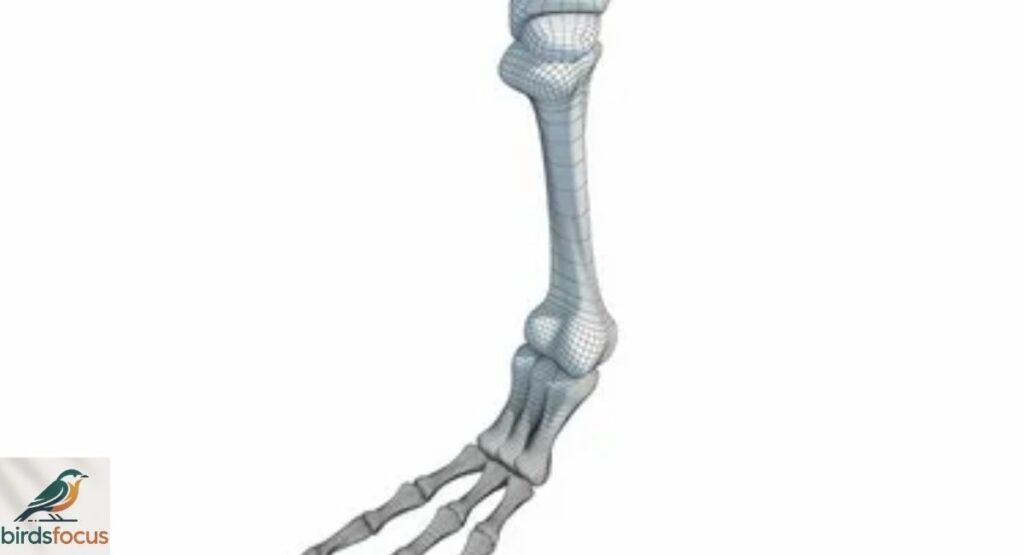
While wings attract most attention, the legs are equally important within the Bird Skeleton. Birds use their legs for walking, running, swimming, climbing, and landing. The lower limbs have evolved to withstand repeated impacts while maintaining balance. Their arrangement differs significantly from mammals because several bones are fused together. These modifications improve strength and reduce weight.
Different species possess distinctive leg adaptations. Wading birds develop elongated limbs, while raptors have powerful feet designed for grasping prey. Running birds such as ostriches exhibit strong lower limbs that support high speeds. These variations demonstrate how the Bird Skeleton adapts to different habitats and behaviors.
Bones of the Bird Leg Skeleton
The upper leg contains the femur, while the lower segment includes the tibiotarsus and the slender fibula. Below these lies the tarsometatarsus, which acts as the primary weight-bearing structure. Birds also possess several toe bones called phalanges. The arrangement of these digits creates remarkable stability and allows specialized foot patterns such as anisodactyl feet and zygodactyl feet.
| Leg Bone | Main Purpose |
| Femur | Supports body weight |
| Tibiotarsus | Transfers movement |
| Fibula | Provides stability |
| Tarsometatarsus | Maintains balance |
| Phalanges | Aid in grasping and perching |
Bird Appendicular Skeleton: Wings and Legs
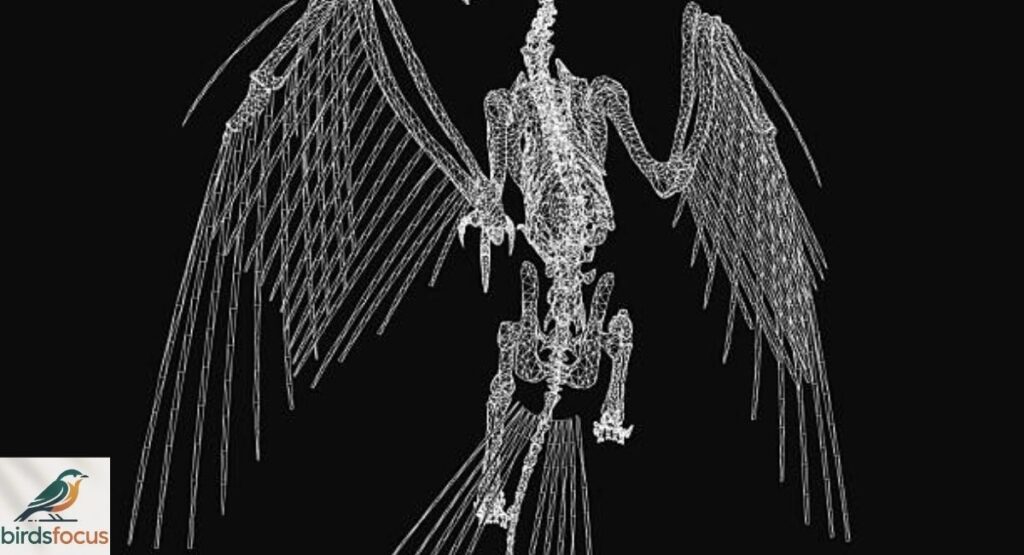
The appendicular portion of the Bird Skeleton includes the wings, legs, and the girdles that connect them to the body. This section allows movement and plays an important role in balance and coordination. Without the appendicular system, birds would not be able to fly, perch, or walk effectively. The combination of flexibility and strength enables birds to perform extraordinary maneuvers.
Furthermore, the appendicular system works closely with muscles and tendons. The pectoral girdle supports flight muscles, while the pelvis anchors the lower limbs. These structures help distribute forces during takeoff and landing. Consequently, birds maintain excellent control whether they are airborne or standing on a branch.
Limb Bones and Their Functions
The upper appendages contain the wing bones, whereas the lower appendages contain the pelvis and leg bones. Together they create a sophisticated locomotor system. This design contributes to body stabilization, improves landing impact absorption, and enhances overall mobility.
Bird Axial Skeleton
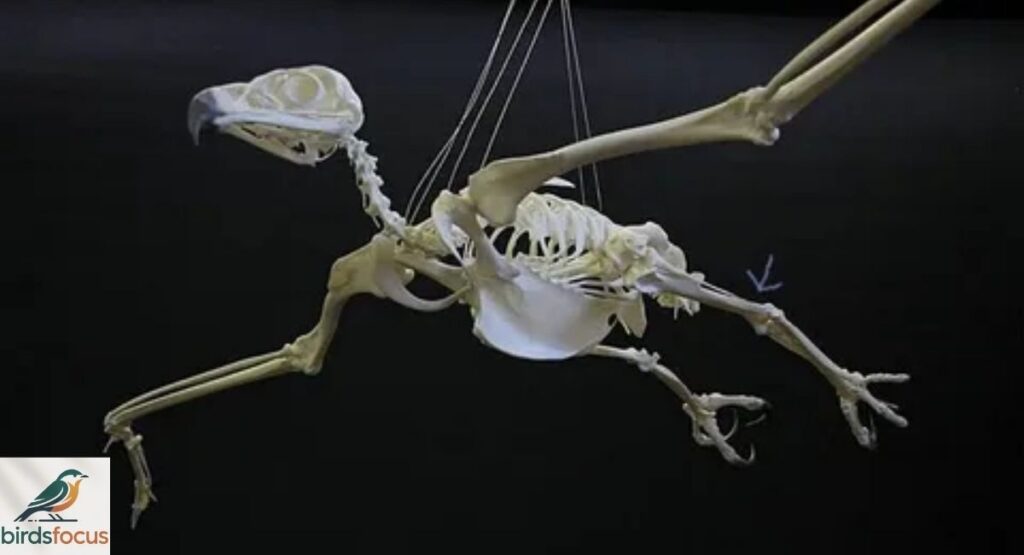
The axial portion forms the central framework of the Bird Skeleton. It includes the skull, vertebral column, ribs, and sternum. These structures protect delicate organs and provide attachment points for muscles. The central framework also helps maintain posture during movement and flight. Despite being lightweight, the axial skeleton exhibits remarkable strength.
Several fused regions contribute to stability. The synsacrum strengthens the lower back, while the pygostyle supports tail feathers. Birds also possess a highly flexible neck because of their numerous cervical vertebrae. These adaptations allow them to rotate the head and perform precise movements without moving the entire body.
Central Framework of the Body
The rib cage contains specialized projections called uncinate processes. These structures strengthen the chest and assist with breathing. The broad sternum and prominent keel provide attachment points for powerful flight muscles. Together, these features help maintain skeletal rigidity and support efficient respiration.
| Axial Structure | Function |
| Skull | Protects the brain |
| Cervical Vertebrae | Increase neck flexibility |
| Ribs | Protect internal organs |
| Sternum | Supports flight muscles |
| Synsacrum | Strengthens the pelvis |
| Pygostyle | Anchors tail feathers |
Functions of Major Bones in Birds
Every component of the Bird Skeleton serves a specific purpose. The skull safeguards the brain and sensory organs. The furcula, commonly called the wishbone, stores and releases energy during flight. The coracoid acts as a pillar that prevents the chest from collapsing under powerful wing strokes. Meanwhile, the scapula stabilizes the shoulder joint and supports muscle attachment.
Some bones specialize in movement and control. The ulna anchors secondary feathers, while the radius improves flexibility. The humerus transfers force from the muscles to the wings. In the lower body, the femur, tibiotarsus, and tarsometatarsus provide support and maintain balance. Together, these structures enable birds to fly, run, perch, and survive in diverse environments.
Unique Structures and Their Roles
Certain bones are found only in birds or are highly modified. The pygostyle supports tail feathers used for steering. The keel anchors large flight muscles. The hallux, or rear toe, assists with grasping branches. These features reveal how the Bird Skeleton evolved into one of nature’s most efficient biological systems.
Adaptations of the Bird Skeleton for Flight
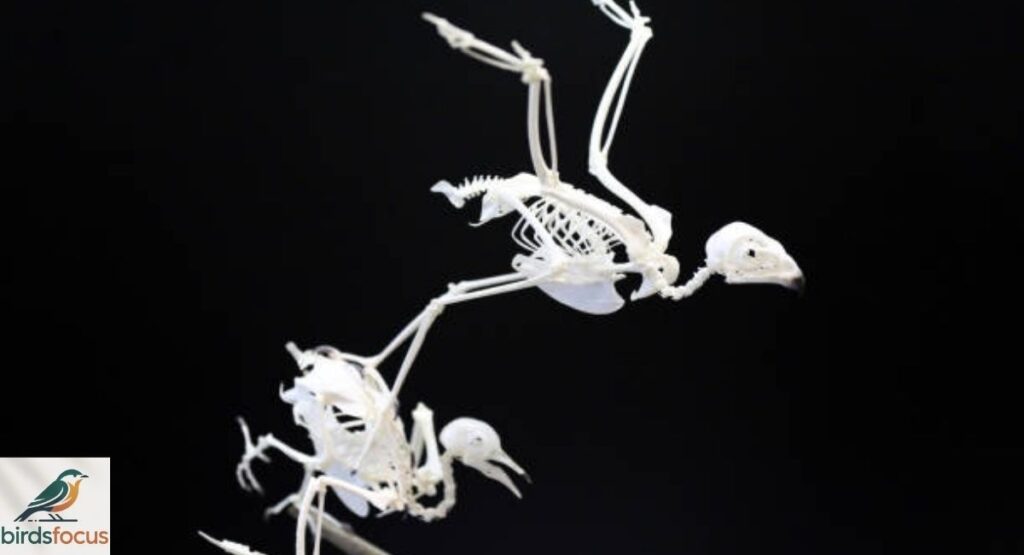
The Bird Skeleton contains extraordinary features that make flight possible. Unlike mammals, birds possess hollow bones, also called pneumatic bones, which contain air-filled spaces connected to the respiratory system. This design reduces body mass without sacrificing strength. Inside these bones lies a complex honeycomb bone structure supported by internal struts. These reinforcements help birds withstand the tremendous stress produced during takeoff, landing, and sustained flight.
Equally important is the extensive fusion of bones throughout the body. Structures such as the synsacrum, carpometacarpus, and pygostyle create a rigid framework that minimizes energy loss. The broad keel provides a large attachment area for the pectoralis muscle and the supracoracoideus muscle, which generate powerful downstrokes and upstrokes. These modifications improve flight mechanics, increase aerodynamic efficiency, and contribute to excellent body stabilization.
Flight Adaptations That Improve Performance
The Bird Skeleton also benefits from a flexible neck and streamlined body shape. Multiple cervical vertebrae allow birds to move their heads independently from the torso. This flexibility improves feeding, vision, and grooming. Combined with lightweight construction, these features make birds among the most successful vertebrates on Earth.
| Adaptation | Function |
| Hollow bones | Reduce weight |
| Bone fusion | Increase stability |
| Keel | Anchors flight muscles |
| Air sacs | Improve oxygen supply |
| Pygostyle | Supports tail feathers |
| Flexible neck | Enhances movement |
Bird Skeleton with Wings Spread
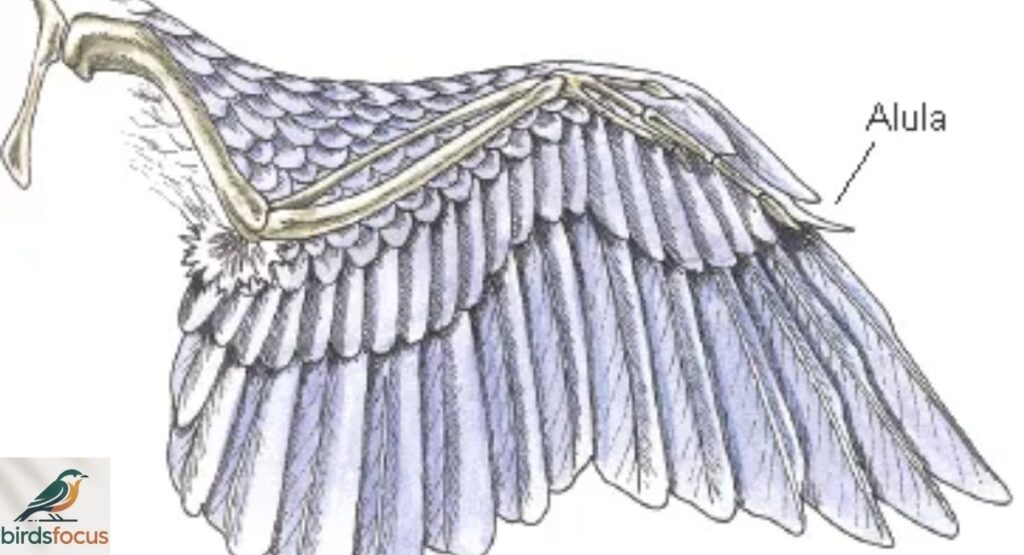
When viewed with fully extended wings, the Bird Skeleton reveals the engineering behind flight. The arrangement of the humerus, radius, ulna, and carpometacarpus creates a framework that supports feathers and distributes forces evenly. This configuration generates lift and enables precise control during gliding and maneuvering.
The spread-wing posture also highlights the importance of the alula, which acts like the leading-edge slat on an aircraft wing. This tiny structure improves airflow and prevents stalling at low speeds. The Bird Skeleton works together with feathers and muscles to maintain balance and produce smooth, efficient motion through the air.
Understanding Wing Extension
The extended wing demonstrates how bones, tendons, and feathers interact. Each structure contributes to lift generation, thrust production, and directional control. Such cooperation explains why birds perform complex aerial movements with remarkable accuracy.
Types of Bird Skeletons
Although the basic structure remains similar, different species possess unique versions of the Bird Skeleton. Flying birds such as eagles, hawks, and swifts exhibit lightweight bodies and large keels that support powerful flight muscles. Their bones emphasize speed, endurance, and maneuverability.
Flightless birds display very different characteristics. The kiwi bird skeleton, dodo bird skeleton, and ostrich skeleton contain heavier limbs and reduced wing structures. These species rely on running or walking rather than flying. Aquatic birds such as penguins possess specialized adaptations that allow efficient swimming. Such diversity illustrates how evolution shapes anatomy according to lifestyle.
Variations Among Bird Species
Different environments produce different skeletal modifications. Raptors develop strong claws and robust bones, while wading birds have elongated legs. Species-specific adaptations demonstrate the incredible flexibility of the avian skeletal system.
| Bird Group | Distinctive Feature |
| Eagles | Strong wing bones |
| Hummingbirds | Rapid wing movement |
| Ostriches | Powerful legs |
| Penguins | Dense bones for diving |
| Kiwis | Reduced wings |
| Swans | Long neck vertebrae |
Bird Skeleton vs Human Skeleton

At first glance, the Bird Skeleton and the human skeleton appear similar because both belong to vertebrates. Each contains a skull, spine, ribs, and limbs. However, major differences become obvious when comparing their structures. Birds possess fused bones, lightweight construction, and wings instead of arms. Humans rely on dense bones and greater flexibility.
One striking difference involves the sternum. Birds have a pronounced keel that anchors massive flight muscles. Humans lack this structure because they do not fly. Birds also possess more cervical vertebrae, which gives them exceptional neck flexibility. These distinctions demonstrate how evolution modifies the same basic plan for different functions.
Comparison Between Birds and Humans
The Bird Skeleton prioritizes efficiency and flight, while humans emphasize upright posture and dexterity. Despite these differences, both systems reveal the remarkable adaptability of vertebrate anatomy.
| Feature | Bird Skeleton | Human Skeleton |
| Bone Structure | Hollow | Dense |
| Forelimbs | Wings | Arms |
| Sternum | Large keel | Flat |
| Bone Fusion | Extensive | Limited |
| Neck Vertebrae | More numerous | Seven |
| Tail Bones | Pygostyle present | Coccyx present |
Evolution of the Bird Skeleton
The modern Bird Skeleton traces its ancestry to ancient theropod dinosaurs. Fossil discoveries have revealed strong similarities between birds and small carnivorous dinosaurs. Scientists regard Archaeopteryx as one of the most important transitional fossils because it possessed both reptilian and avian characteristics. This evidence supports the idea that modern birds evolved gradually over millions of years.
Over time, several modifications improved flight performance. Teeth disappeared and lighter beaks evolved. Tails shortened into the pygostyle, and forelimbs transformed into wings. Extensive bone fusion created greater stability. These changes resulted in the efficient avian anatomy observed today. The evolutionary story of birds remains one of the most fascinating examples of adaptation in the natural world.
From Dinosaurs to Modern Birds
Ancient fossils reveal how feathers, lightweight bones, and specialized muscles emerged over time. These developments transformed ground-dwelling dinosaurs into the extraordinary flying creatures seen today.
“Birds are living dinosaurs, carrying millions of years of evolutionary history in every feather and bone.”
Conclusion
Understanding the Bird Skeleton gives you a deeper appreciation for how birds move, fly, and survive in different environments. From the skull and wings to the legs and tail, every bone has a specific role that contributes to strength, balance, and efficient movement. These remarkable adaptations highlight the beauty of avian anatomy and the incredible design found in nature.
Whether studying bird bone anatomy for education or simple curiosity, learning about the avian skeletal system reveals how evolution shaped modern birds. Their lightweight bones, fused structures, and specialized features make the Bird Skeleton one of the most fascinating examples of biological engineering in the animal kingdom.
FAQs
1. What is a bird skeleton?
A Bird Skeleton is the internal framework of bones that supports the body, protects organs, and enables movement and flight.
2. Why are bird bones hollow?
Many bird bones are hollow or pneumatic, which reduces body weight and helps birds fly more efficiently without losing strength.
3. Are bird wings and legs part of the appendicular skeleton?
Yes, the wings, legs, and their supporting girdles make up the appendicular skeleton, which is responsible for movement.
4. What is the function of the bird’s wishbone?
The wishbone, also called the furcula, acts like a spring and helps store energy during wing movements.
5. How is a bird skeleton different from a human skeleton?
Birds have lightweight, fused bones and a large keel for flight muscles, while humans have denser bones and greater flexibility.

Welcome to birdsfocus! I’m Anam Sattar, an AI Powered SEO, and Content Writer with 4 years of experirnce.
I help websites rank higher,grow traffic, and look amazing. My goal is to make SEO and web design simple and effective for everyone.
Let’s achieve more together!