


The Zebra Dove is a charming little bird admired for its gentle personality, beautiful striped feathers, and soothing cooing voice. Native to Southeast Asia, this elegant species has successfully adapted to tropical regions such as Hawaii, where it thrives in gardens, parks, and open landscapes. Its graceful appearance and peaceful nature have made it a favorite among birdwatchers, photographers, and pet owners alike.
Beyond its attractive looks, the Zebra Dove is known for its unique bird identification features, melodic Zebra Dove call, remarkable pair bonding, and adaptable ground-feeding bird behavior. This complete guide explores everything you need to know, from habitat and diet to breeding, care, and fascinating facts about this remarkable dove species.
What Is a Zebra Dove?
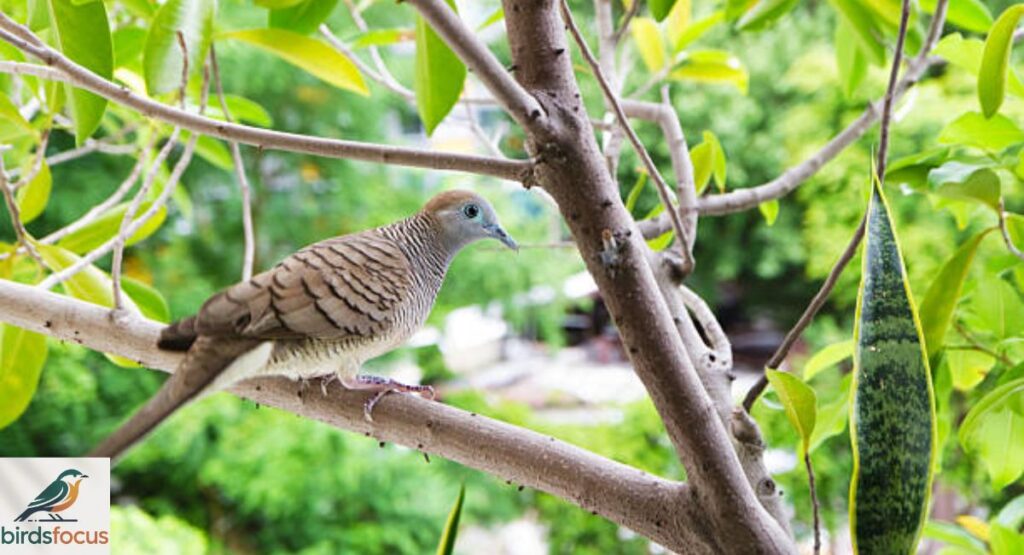
The Zebra Dove is a small member of the pigeon and dove family that naturally occurs across Southeast Asia. Its scientific name is Geopelia striata, and it belongs to the Columbidae family. Bird lovers admire this species for its calm nature, gentle voice, and beautiful striped plumage that resembles delicate zebra markings. Unlike many larger doves, it spends much of its day walking across open ground while searching for tiny seeds and grains.
Scientific Classification
Scientists classify the Zebra Dove as Geopelia striata, a species within the genus Geopelia. It belongs to the order Columbiformes, which includes pigeons and doves found across nearly every continent. This Southeast Asian dove is also known as the Barred Dove or Barred Ground Dove because of the narrow dark stripes that decorate almost its entire body.
| Classification | Details |
| Scientific Name | Geopelia striata |
| Family | Columbidae |
| Order | Columbiformes |
| Genus | Geopelia |
| Common Names | Zebra Dove, Barred Dove, Barred Ground Dove |
| Conservation Status | Least Concern (IUCN) |
Zebra Dove Identification
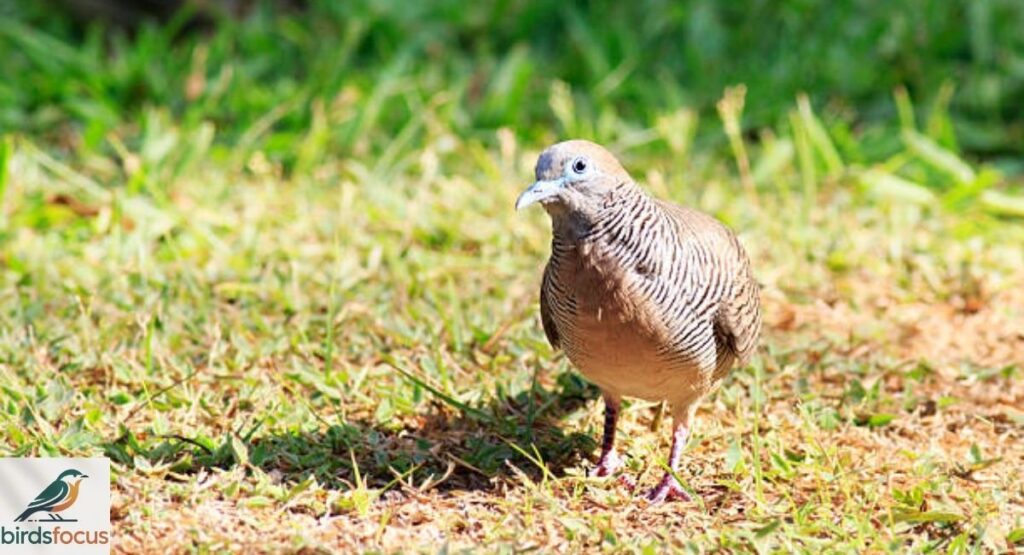
Learning to recognize a Zebra Dove becomes much easier once you notice its slim body, long tail, and neat striped feathers. At first glance, it may resemble several other small doves. However, its fine horizontal barring, soft pink chest, and bright blue skin around the eyes quickly set it apart. These unique markings help birdwatchers identify the species even from a distance.
Besides its appearance, the bird’s gentle movements also provide useful clues. It often walks quickly across open ground instead of hopping like many songbirds. Combined with its rhythmic cooing, this behavior makes identification much simpler, even before you see every feather clearly.
Physical Appearance
Adult birds measure about 20 to 23 centimeters long with a wingspan between 24 and 26 centimeters. Their body features brownish-grey plumage, elegant black and white barring, soft pink underparts, a blue eye ring, and a long tail tipped with white feathers. Their slim build gives them an elegant silhouette that looks surprisingly graceful during flight.
One remarkable feature is their detailed feather pattern. The thin stripes continue across the neck, breast, and sides, creating the classic “zebra” appearance. Their small gray beak and pink legs complete a look that bird enthusiasts instantly recognize in parks and tropical gardens.
Juvenile vs Adult Zebra Dove
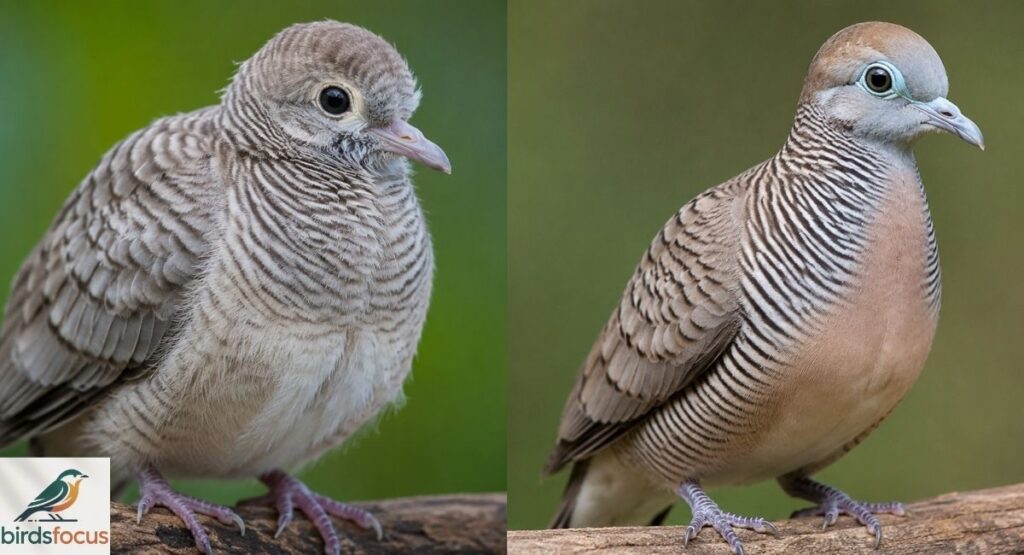
Young birds look noticeably different from mature adults. Juveniles usually display duller feathers with softer brown shades and less visible barring. Their facial colors appear muted, and the blue skin around the eyes develops gradually as they mature. These subtle differences help experienced birdwatchers estimate the bird’s age.
As young birds grow, fresh feathers replace the juvenile plumage and reveal sharper stripes with brighter colors. Within a few months, they closely resemble adults, although older birds often show cleaner markings and a more polished appearance after seasonal molts.
Male vs Female Zebra Dove
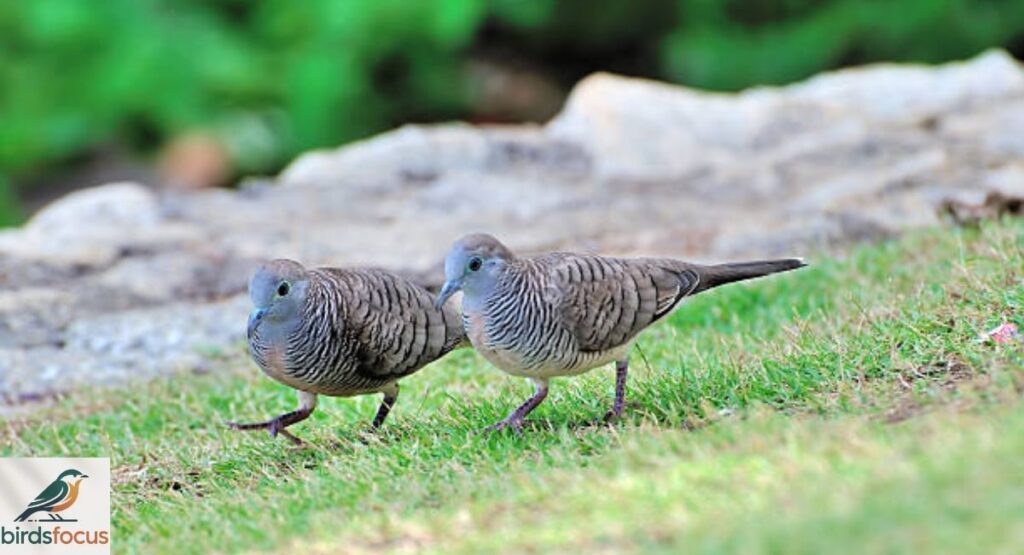
At first glance, male and female birds appear almost identical. Careful observation reveals a few small differences. Males tend to stand slightly taller, produce louder songs, and perform more energetic courtship displays. Females usually have a rounder body shape and remain quieter during most of the breeding season.
| Feature | Male | Female |
| Size | Slightly larger | Slightly smaller |
| Voice | Louder cooing | Softer calls |
| Courtship | Active displays | More reserved |
| Body Shape | Slimmer posture | Rounder appearance |
For beginners, listening to their calls often provides a better clue than relying on appearance alone because physical differences remain quite subtle throughout adulthood.
Zebra Dove Habitat and Distribution
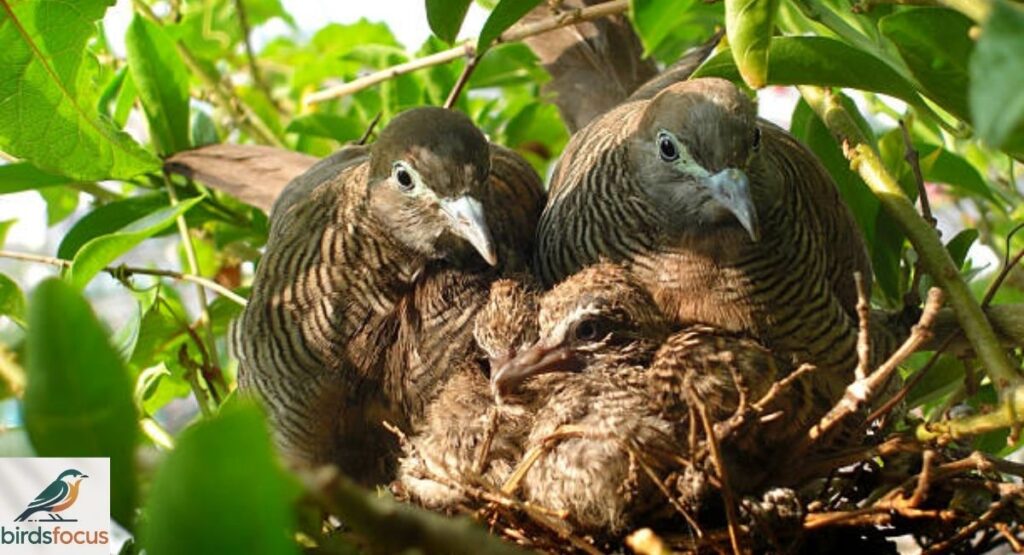
The Zebra Dove thrives in warm climates where open spaces meet scattered trees and shrubs. It prefers lowland habitats with plenty of seeds on the ground, making parks, farms, gardens, and quiet neighborhoods ideal homes. Unlike forest specialists, this adaptable species feels comfortable around people without becoming overly dependent on them.
Its remarkable ability to live alongside humans has helped it spread far beyond its native homeland. Today, birdwatchers frequently encounter these doves in tropical towns, rural landscapes, and landscaped public spaces where natural food remains abundant throughout the year.
Native Range
The natural home of the Zebra Dove stretches across Southeast Asia, including Thailand, Malaysia, Singapore, Indonesia, Brunei, Myanmar, Cambodia, and parts of the Philippines. These tropical countries provide warm temperatures, open vegetation, and reliable food sources that support healthy populations.
Within this region, the birds commonly occupy farmland, scrubland, village edges, and lightly wooded areas. Their adaptability allows them to flourish wherever seeds remain plentiful and predators stay relatively scarce.
Introduced Populations
Humans introduced these birds to several tropical islands many decades ago. Today, stable populations exist in Hawaii, Mauritius, the Seychelles, Laos, and the British Indian Ocean Territory. In many of these places, the birds quickly adapted to local conditions and became familiar residents of parks and gardens.
Unlike invasive species that seriously damage ecosystems, Zebra Dove populations generally coexist peacefully with native wildlife. Their diet mainly consists of fallen seeds, reducing competition with many other bird species.
Preferred Habitat
This elegant dove prefers lowland habitats with open visibility and scattered vegetation. It regularly visits urban wildlife areas, tropical gardens, agricultural fields, grassy parks, roadside edges, and suburban neighborhoods. These environments offer both feeding opportunities and safe nesting locations.
Dense forests rarely attract this species because thick vegetation limits ground feeding. Instead, the birds favor sunny spaces where they can quickly detect predators while searching for food across bare soil or short grass.
Zebra Dove in Hawaii
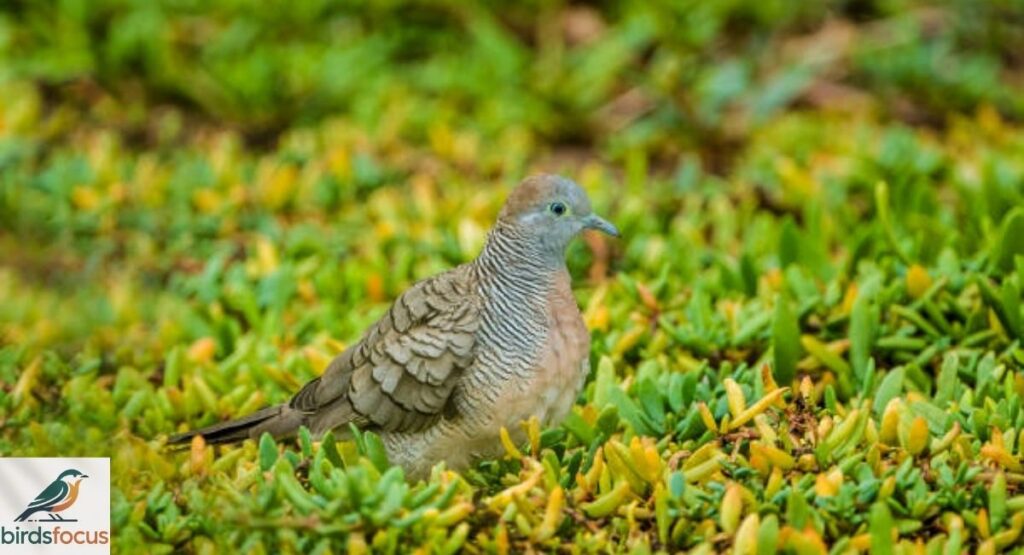
The Zebra Dove has become one of the most familiar birds across Hawaii. Although it is not native to the islands, it settled so successfully that many visitors assume it has always lived there. Today, its gentle cooing fills parks, beaches, gardens, and neighborhoods from sunrise until evening. The warm climate closely matches its original home in Southeast Asia, allowing the species to flourish without much difficulty.
For many travelers from the mainland United States, spotting a Zebra Dove is one of the highlights of visiting Hawaii. The bird often walks fearlessly along sidewalks, hotel gardens, and picnic areas while searching for seeds. Its calm personality makes it easy to observe, which has helped it become one of Hawaii’s most photographed wild birds.
How They Arrived
The Zebra Dove was introduced to Hawaii during the early twentieth century. People brought these birds from Southeast Asia because they admired their peaceful temperament and pleasant songs. Once released, the birds adapted quickly to Hawaii’s tropical environment and began establishing healthy breeding populations.
Unlike many introduced species, the Zebra Dove found plenty of natural food and nesting sites across the islands. Warm temperatures, open green spaces, and year-round vegetation allowed the birds to reproduce successfully without facing harsh seasonal changes.
Where to See Zebra Doves in Hawaii
Visitors can easily find Zebra Doves throughout Oahu, Maui, Kauai, and the Big Island. They appear in botanical gardens, beach parks, golf courses, walking trails, shopping districts, and residential neighborhoods. Early morning usually offers the best chance to watch them feeding quietly on open lawns.
Because these birds feel comfortable around people, they often allow observers to approach within a short distance. Their relaxed behavior makes them an excellent subject for wildlife photography, especially when the morning sunlight highlights their beautiful striped feathers.
Why They Thrive in Hawaii
Hawaii offers nearly perfect living conditions for the Zebra Dove. Mild weather, abundant seeds, clean water sources, and limited natural predators create an environment where these birds can survive throughout the year. Unlike colder regions, the islands provide continuous access to food without long winters interrupting breeding or feeding.
The bird also adapts remarkably well to human landscapes. Gardens, parks, farms, and quiet neighborhoods provide safe places for nesting while maintaining enough open ground for feeding. This flexibility explains why Zebra Dove populations remain stable across much of Hawaii today.
Zebra Dove Behavior and Lifestyle
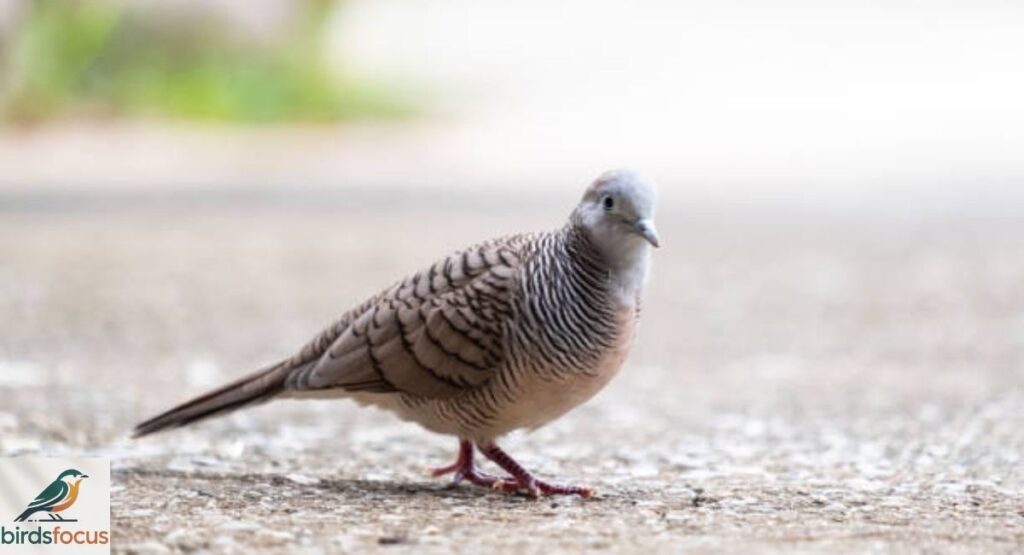
The Zebra Dove lives a calm and predictable life that revolves around feeding, resting, and communicating with its lifelong partner. Unlike many energetic songbirds, it rarely rushes through the landscape. Instead, it spends hours walking carefully across the ground while searching for tiny seeds hidden among grass and soil.
Daily Routine
Each morning begins shortly after sunrise. The Zebra Dove leaves its nighttime perch and starts searching for food while temperatures remain cool. Feeding continues throughout the morning before the bird rests during the hottest hours of the day.
Late afternoon brings another active feeding period. As evening approaches, the bird returns to a sheltered tree or shrub where it spends the night protected from predators and changing weather conditions.
Ground Foraging Habits
Unlike many birds that search for food among branches, the Zebra Dove is a skilled ground-feeding bird. It slowly walks across bare soil, sidewalks, and grassy areas while picking up tiny seeds one by one. This careful feeding style conserves energy and allows the bird to detect movement nearby.
Its soft feather colors also provide excellent camouflage against dry leaves and soil. Even experienced birdwatchers sometimes overlook a feeding dove until it suddenly takes flight.
Flight Pattern
The Zebra Dove flies with quick wingbeats followed by short gliding movements. Most flights cover only short distances between feeding areas, resting sites, and nesting trees. Instead of soaring high into the sky, the bird usually remains close to the ground.
During sudden danger, it accelerates rapidly before landing in nearby shrubs or low branches. This fast escape strategy helps reduce the risk of attacks from hawks and other aerial predators.
Social Behavior
Most Zebra Doves live alone or with a single lifelong mate. Strong pair bonding allows breeding pairs to cooperate while building nests, protecting eggs, and raising young chicks. Outside the breeding season, small groups sometimes gather where food is plentiful.
Despite these occasional gatherings, the species rarely forms large flocks. Individual pairs prefer maintaining comfortable distances while sharing the same feeding grounds peacefully.
Territorial Nature
Breeding pairs defend small nesting territories using soft but repeated vocalizations. Males often perch on exposed branches where their songs travel across the surrounding area. These calls warn nearby birds that the nesting site is already occupied.
Actual fights remain uncommon because vocal communication usually prevents serious conflict. This peaceful approach helps maintain harmony while reducing unnecessary energy loss.
Zebra Dove Call and Sound
One of the most memorable features of the Zebra Dove is its soothing voice. Many people recognize the bird long before they actually see it because its repeated coo carries across quiet gardens and neighborhood parks. The gentle rhythm creates a peaceful atmosphere that many listeners associate with tropical mornings.
Bird enthusiasts often describe the Zebra Dove call as relaxing rather than loud. Unlike harsh bird cries, its voice remains soft and steady, making it pleasant to hear for long periods. This unique vocal style explains why the species became popular in bird singing competitions throughout parts of Southeast Asia.
What Does a Zebra Dove Sound Like?
The Zebra Dove sound consists of short, rhythmic cooing notes repeated in a steady pattern. Many people compare it to a calm whistle or a slow musical beat that rises and falls gently. Each bird develops slight variations, allowing experienced listeners to recognize individual males.
During quiet mornings, these calls travel surprisingly far through open landscapes. The peaceful rhythm often blends naturally with rustling leaves and gentle breezes.
Why Do Zebra Doves Coo?
The Zebra Dove uses its voice for several important purposes. Males call to attract females, defend their territory, and strengthen relationships with established mates. Regular communication helps breeding pairs remain connected even while feeding in different locations.
Young birds also learn these vocal patterns by listening to adults. Over time, repeated practice allows them to produce stronger and more consistent calls during adulthood.
Zebra Dove Sound Meaning
Every call carries a purpose. Soft repeated coos usually signal courtship display or reinforce an existing pair bond. Faster vocal sequences often warn nearby birds that a territory is occupied, while quieter contact calls help partners locate one another after temporary separation.
Birdwatchers who spend time observing these vocal patterns quickly notice that the Zebra Dove sound meaning changes with behavior, season, and social interaction rather than remaining exactly the same throughout the year.
When Are They Most Vocal?
The Zebra Dove sings most actively during the early morning and late afternoon. Dawn provides ideal conditions because cooler temperatures and lower background noise help the sound travel farther. Calling also increases during the breeding season when males compete for attention.
Rainy weather and strong winds usually reduce vocal activity. Instead, the birds remain sheltered until calmer conditions return.
Diet and Feeding Habits
The Zebra Dove survives mainly on tiny seeds found across open ground. Its simple diet supports an active lifestyle while providing enough energy for breeding and raising young birds. Because food remains available throughout much of the year in tropical regions, these birds rarely travel long distances to feed.
Pet owners should understand that this species has different nutritional needs from parrots or larger pigeons. A balanced diet built around high-quality seeds, fresh water, and occasional protein helps maintain healthy feathers, strong bones, and successful breeding.
Natural Diet
Wild Zebra Doves are primarily granivores and graminivores. They eat grass seeds, weed seeds, fallen grains, and small plant material scattered across fields and gardens. Occasionally, they consume tiny insects to increase protein intake during breeding or chick development.
This varied feeding strategy allows them to adapt to changing seasons without relying on a single food source. Their ability to locate tiny seeds also reduces competition with many larger birds.
Favorite Seeds
Millet remains one of the favorite foods of the Zebra Dove. The birds also enjoy canary seed, cracked rice, sorghum, small cereal grains, and various native grass seeds. Fresh seed mixtures provide balanced nutrition while encouraging natural foraging behavior.
Many backyard bird lovers successfully attract these doves by scattering small quantities of clean seed across open ground instead of using elevated feeders.
Do Zebra Doves Eat Insects?
Although considered mainly seed eaters, Zebra Doves occasionally consume ants, termites, beetles, and other tiny small invertebrates. These protein-rich foods become especially valuable during nesting season when growing chicks require additional nutrients.
This flexible diet helps young birds develop healthy muscles and feathers before leaving the nest.
Foods to Avoid
Certain foods can seriously harm a Zebra Dove. Chocolate, avocado, caffeine, salty snacks, processed sugar, moldy seed, alcohol, and spoiled food should never be offered. Fresh clean water must remain available every day because dehydration quickly affects a bird’s health.
Pet owners should also avoid feeding large bread quantities since bread contains very little nutritional value for seed-eating birds.
Feeding Pet Zebra Doves
Healthy pet birds thrive on premium dove seed mixes supported by fresh leafy vegetables, calcium supplements, and constant access to clean water. Occasional mineral grit may also aid digestion, depending on veterinary guidance and local feeding practices.
Creating a regular feeding schedule reduces stress while encouraging natural behavior. Birds quickly learn daily routines and often greet their owners with cheerful coos when mealtime arrives.
Breeding and Reproduction
The Zebra Dove follows a simple but fascinating breeding cycle that reflects its calm nature and strong family bonds. Unlike many birds that change partners each season, this species usually forms lasting pairs. Once a male and female choose each other, they work together to build a nest, incubate eggs, and care for their chicks. Their teamwork greatly improves the survival rate of young birds in the wild.
Breeding seasons vary slightly depending on climate and food availability. In tropical regions, Zebra Dove pairs may raise several broods in a single year because warm temperatures and abundant seeds provide ideal conditions. This flexibility allows healthy populations to remain stable across much of their natural range.
Mating Season
The breeding season generally runs from September through June in much of Southeast Asia. However, birds living in consistently warm climates may nest at different times whenever food remains plentiful. Healthy adults become more vocal during this period, and males increase their singing to attract mates and defend nesting territories.
Longer daylight hours and reliable food supplies encourage successful breeding. Pairs often return to familiar nesting areas where previous attempts have been successful.
Courtship Display
Courtship begins with the male performing an elegant display. He lowers his head, spreads his tail, and produces a series of soft rhythmic coos. This graceful performance demonstrates his health and fitness while strengthening the bond between the pair.
The female carefully observes these displays before accepting the male. Once she responds positively, both birds remain close together and begin searching for a suitable nesting location.
Nest Building
The Zebra Dove builds a small, lightweight nest using dry grass, thin twigs, root fibers, and leaves. Both parents participate in construction, although the male usually gathers most of the nesting material while the female arranges it into a shallow platform.
Nests are commonly placed in shrubs, small trees, climbing vines, window ledges, or sheltered garden plants. Choosing an elevated location helps reduce the risk from ground predators.
Egg Laying
Female Zebra Doves normally lay one or two smooth white eggs during each breeding attempt. Although the clutch size is small, both parents invest significant time protecting and incubating the eggs.
| Breeding Detail | Information |
| Clutch Size | 1–2 eggs |
| Egg Color | White |
| Nest Type | Simple platform |
| Nest Location | Trees, shrubs, ledges |
| Parents Involved | Male and Female |
Incubation
The incubation period usually lasts between 13 and 18 days. Both parents share this responsibility by taking turns sitting on the eggs throughout the day. This cooperation keeps the eggs warm while allowing each adult enough time to feed.
The parents quietly rotate duties with little disturbance. Their coordinated behavior demonstrates the species’ remarkable pair bonding and cooperative parenting.
Raising Chicks
Newly hatched chicks depend completely on their parents. During the first days of life, both adults feed them nutrient-rich crop milk before gradually introducing softened seeds. This special food contains proteins and fats that support rapid growth.
Young birds leave the nest after about two weeks and become confident fliers within another week. Even after fledging, parents continue supervising and feeding their offspring until they become fully independent.
Zebra Dove Lifespan and Health
The Zebra Dove is generally a hardy bird when it receives proper nutrition, clean housing, and a stress-free environment. Wild birds face predators and changing weather, while captive birds often live longer because they receive regular food and protection.
Good husbandry plays a major role in extending a bird’s life. Owners who maintain clean cages, provide balanced nutrition, and monitor health regularly usually enjoy many years with their feathered companion.
Average Lifespan
Wild Zebra Doves usually live between five and ten years. Birds kept in clean aviaries with excellent care sometimes exceed ten years because they avoid predators, food shortages, and harsh environmental conditions.
Genetics, nutrition, exercise, and veterinary care all influence longevity.
Common Diseases
Like many small birds, Zebra Doves can suffer from respiratory infections, internal parasites, feather mites, bacterial illnesses, and nutritional deficiencies. Poor hygiene often increases the risk of disease.
Early treatment greatly improves recovery. Owners should watch for unusual behavior because birds naturally hide illness until they become seriously sick.
Signs of a Healthy Zebra Dove
Healthy birds remain alert throughout the day. Their feathers stay smooth and clean while their eyes appear bright and clear. Regular eating, active movement, steady breathing, and normal droppings all indicate good health.
A healthy Zebra Dove also sings regularly and responds quickly to movement around its environment.
Tips for Long Life
A balanced seed diet, fresh drinking water, regular exercise, and a spacious cage help maintain excellent health. Routine cleaning prevents harmful bacteria from building up, while reducing stress strengthens the bird’s immune system.
Annual examinations by an avian veterinarian can detect health problems before they become serious.
Zebra Dove as a Pet
Many bird lovers choose the Zebra Dove because it is gentle, quiet, and easy to manage compared to larger parrots or pigeons. Its calm personality makes it an excellent choice for beginners who want to experience bird ownership without dealing with excessive noise or demanding behavior. Although these doves are not highly interactive like parrots, they develop trust over time and become comfortable around people who treat them patiently.
Before bringing a Zebra Dove home, you should understand its long-term needs. A healthy bird requires proper nutrition, daily observation, regular cleaning, and enough space to fly. When these needs are met, a pet Zebra Dove can become a peaceful companion for many years.
Are Zebra Doves Good Pets?
Yes, the Zebra Dove makes a wonderful pet for people who appreciate calm birds instead of playful entertainers. It enjoys peaceful surroundings and rarely becomes aggressive. Its pleasant cooing creates a relaxing atmosphere without disturbing neighbors, making it suitable for apartments and suburban homes.
Unlike parrots, Zebra Doves do not imitate speech or perform tricks. Instead, they reward good care with gentle behavior, beautiful songs, and graceful movements. Many owners enjoy simply watching them forage, preen, and interact with their mates.
Temperament
The Zebra Dove has a naturally friendly and peaceful temperament. It rarely bites and usually avoids conflict with other birds when enough space is available. This calm nature explains why it is popular among both experienced breeders and first-time bird keepers.
Although these birds tolerate human presence, they do not enjoy constant handling. They prefer observing their surroundings while remaining close to familiar people. Patient owners often earn the bird’s trust through consistent daily care rather than physical interaction.
Cage Requirements
Choosing the right cage plays an important role in keeping a Zebra Dove healthy. Because these birds spend much of their time walking and making short flights, a wide cage works better than a tall one. Horizontal space allows natural movement and reduces stress.
The enclosure should include sturdy perches, shallow food dishes, fresh water containers, and a quiet nesting area. Good ventilation and natural daylight also improve the bird’s overall health while reducing the risk of respiratory illness.
| Cage Feature | Recommended Standard |
| Minimum Width | 30–36 inches |
| Bar Spacing | ½ inch |
| Perches | Natural wood |
| Water | Fresh daily |
| Flooring | Easy to clean |
Aviary Setup
An outdoor aviary provides the ideal home for a Zebra Dove in warm climates. It offers more flying space, fresh air, and natural sunlight, all of which support strong muscles and healthy feathers. The aviary should include sheltered areas that protect birds from heavy rain, direct midday sun, and strong winds.
Adding safe plants, shrubs, and small branches creates a more natural environment. These features encourage normal behaviors such as exploring, resting, and selecting comfortable nesting locations.
Daily Care
Daily care involves much more than providing food. Owners should replace drinking water every day, remove leftover seed hulls, clean food containers, and observe the bird for any unusual behavior. Even small changes in appetite or posture can signal an early health problem.
Spending a few quiet minutes watching your Zebra Dove each day helps you notice changes before they become serious. Early attention often prevents minor issues from developing into expensive medical conditions.
Grooming
The Zebra Dove keeps its feathers clean through regular preening. Owners usually do not need to bathe the bird directly because it prefers shallow water dishes for self-cleaning. Fresh bathing water encourages healthy feather maintenance and supports normal skin condition.
Beaks and nails naturally wear down when birds use wooden perches and rough surfaces. If overgrowth occurs, trimming should only be performed by an experienced avian professional.
Exercise
Daily exercise keeps a Zebra Dove physically fit and mentally stimulated. Birds housed in large cages or aviaries naturally fly between perches, strengthening their wings and improving circulation. Limited movement can eventually lead to obesity and reduced muscle tone.
Providing enough flying space also reduces boredom and encourages natural behaviors such as foraging, stretching, and exploring the environment.
Zebra Dove for Sale
Many people searching for a Zebra Dove for sale hope to find a healthy bird at a reasonable price. While availability depends on location, reputable breeders and specialty aviaries often raise captive-bred birds that adapt well to home environments. Buying from responsible sources also supports ethical breeding practices and discourages illegal wildlife trade.
Before purchasing a bird, take time to research local regulations and breeder reputation. A healthy Zebra Dove may live for many years, making it a long-term commitment rather than an impulse purchase.
Average Price
In the United States, the price of a Zebra Dove usually ranges between $40 and $150. Several factors influence cost, including the bird’s age, health, breeder reputation, and local demand. Hand-raised birds or exceptional breeding pairs may cost more than young birds intended as pets.
Additional expenses include the cage, quality seed mix, veterinary care, toys, and cleaning supplies. Planning for these ongoing costs ensures better care throughout the bird’s life.
Where to Buy
Responsible buyers should purchase birds from licensed breeders, reputable aviaries, bird specialty stores, or recognized rescue organizations. These sources generally provide healthier birds and valuable care advice for new owners.
Avoid buying birds from sellers who cannot explain the bird’s history or who keep their animals in dirty conditions. Healthy breeding environments usually reflect responsible management and better animal welfare.
Legal Considerations
Although the Zebra Dove is commonly kept as a pet, ownership laws vary by state and local jurisdiction. Some areas require permits for certain bird species, while others regulate transportation or commercial breeding.
Always check local wildlife regulations before purchasing a bird. Understanding these requirements protects both you and the animal while promoting responsible ownership.
Choosing a Healthy Bird
A healthy Zebra Dove should have bright eyes, smooth feathers, clean nostrils, and an alert posture. It should breathe quietly, move confidently, and show interest in food and its surroundings. Birds that remain fluffed up, inactive, or have dirty feathers may be experiencing health problems.
Ask the breeder about the bird’s age, diet, medical history, and breeding records. Honest answers usually indicate a knowledgeable and trustworthy seller.
Peaceful Dove vs Zebra Dove
At first glance, the Peaceful Dove and the Zebra Dove look remarkably similar because both belong to the dove family and share a slim body with fine barred feathers. However, a closer look reveals several important differences in appearance, voice, distribution, and behavior. Knowing these distinctions helps birdwatchers identify each species correctly, especially in regions where their ranges overlap.
The Zebra Dove is famous for its clear horizontal barring across almost the entire body and its rhythmic, musical coo. The Peaceful Dove, on the other hand, has softer markings and a slightly different vocal pattern. While both birds have gentle personalities, their natural habitats and geographic ranges are not the same.
| Feature | Zebra Dove | Peaceful Dove |
| Scientific Name | Geopelia striata | Geopelia placida |
| Native Range | Southeast Asia | Australia and New Guinea |
| Size | 20–23 cm | 19–21 cm |
| Plumage | Distinct black-and-white barring | Softer grey-brown barring |
| Call | Rhythmic staccato coo | Gentle rising whistle |
| Habitat | Gardens, farms, parks, scrubland | Woodlands, grasslands, riverbanks |
| Temperament | Calm and social | Quiet and shy |
| Pet Suitability | Popular in aviculture | Less common as a pet |
| Lifespan | 5–10 years | Around 5–10 years |
Although both species belong to the same genus, the Zebra Dove adapts more easily to urban environments. It commonly lives around people and frequently visits parks and residential gardens. The Peaceful Dove usually prefers quieter habitats with less human activity, making it less visible in busy towns and cities.
Zebra Dove Predators and Threats
Despite its peaceful nature, the Zebra Dove faces several challenges in the wild. Natural predators hunt adults, eggs, and chicks, while human activities continue to alter many of the habitats these birds depend on. Fortunately, the species remains widespread because of its adaptability and strong breeding success.
Conservation experts currently classify the Zebra Dove as a stable species. Even so, protecting natural habitats and encouraging responsible bird ownership remain essential for maintaining healthy populations across its range.
Natural Predators
Small birds naturally attract a variety of predators. Hawks, falcons, owls, snakes, monitor lizards, and domestic cats all hunt Zebra Doves when opportunities arise. Eggs and young chicks are especially vulnerable because they cannot escape danger.
The dove’s camouflage offers important protection while feeding on the ground. Its striped plumage blends with dry grass and fallen leaves, making it much harder for predators to detect.
Human Threats
Human activity creates additional risks for the Zebra Dove. Habitat destruction caused by expanding cities, intensive farming, and deforestation reduces safe nesting areas. Illegal trapping for the cage bird trade has also affected local populations in parts of Southeast Asia.
Road traffic, pesticide use, pollution, and free-roaming domestic cats present ongoing dangers in urban environments. Responsible wildlife management and habitat conservation help reduce these threats.
Conservation Status
According to the IUCN Red List, the Zebra Dove is classified as Least Concern because its overall population remains stable across much of its natural and introduced range. Although no precise global population estimate exists, the species continues to thrive in many tropical regions.
Its adaptability plays a major role in this success. The bird quickly adjusts to parks, gardens, agricultural land, and suburban neighborhoods where food and nesting sites remain available.
Interesting Zebra Dove Facts
The Zebra Dove has earned admiration from bird lovers around the world for reasons that extend far beyond its beautiful appearance. Its gentle behavior, impressive adaptability, and soothing songs have made it one of the most recognizable tropical doves. Many fascinating details about this species often surprise even experienced birdwatchers.
| Fact | Details |
| Scientific Name | Geopelia striata |
| Family | Columbidae |
| Average Length | 20–23 cm |
| Wingspan | 24–26 cm |
| Diet | Granivore, Graminivore, occasional insects |
| Lifespan | 5–10 years |
| Conservation Status | Least Concern |
| Nest | Small platform made of twigs and grass |
| Eggs per Clutch | 1–2 white eggs |
One remarkable feature of the Zebra Dove is its lifelong pair bond. Once a male and female form a partnership, they often remain together for many breeding seasons. Both parents share responsibilities equally, from nest building to chick care, demonstrating exceptional cooperation.
Another interesting fact is the bird’s distinctive ground movement. Instead of hopping like sparrows, the Zebra Dove walks with quick, smooth steps that resemble a tiny rodent. This unusual style allows it to search efficiently for seeds while staying alert for predators.
The species is also famous for its musical voice. In several Southeast Asian countries, male Zebra Doves participate in traditional bird singing competitions where judges evaluate rhythm, tone, and consistency. Well-trained birds can become highly valued because of their exceptional vocal abilities.
Unlike many tropical birds that avoid human activity, the Zebra Dove adapts comfortably to cities and suburban neighborhoods. Its ability to thrive in gardens, parks, and farms explains why millions of people enjoy seeing and hearing this elegant bird every day.
Conclusion
The Zebra Dove combines beauty, intelligence, and gentle behavior into one remarkable bird. Its elegant striped feathers, peaceful personality, and soothing coo have earned admiration from birdwatchers, photographers, and pet owners across the world. Whether you encounter one in a Hawaiian park, a Southeast Asian garden, or a well-maintained home aviary, it leaves a lasting impression through its calm presence and graceful movements.
Understanding the Zebra Dove goes beyond recognizing its appearance. Learning about its bird identification, habitat, courtship display, pair bonding, ground-feeding bird behavior, and proper care allows you to appreciate this species on a much deeper level. By supporting habitat conservation, choosing ethical breeders, and providing responsible care, you help ensure that future generations can continue enjoying one of the world’s most charming and peaceful dove species.
FAQs
1. What makes a Zebra Dove different from other doves?
The Zebra Dove is easy to recognize by its fine black-and-white barred feathers, long tail, and soft rhythmic cooing, which set it apart from many other dove species.
2. Can a Zebra Dove be kept as a pet?
Yes, a Zebra Dove can make a good pet if it comes from a legal source and receives proper housing, a balanced diet, and daily care in a safe environment.
3. What do Zebra Doves eat in the wild?
Zebra Doves mainly eat grass seeds, weed seeds, small grains, and occasionally tiny insects or other small invertebrates for extra protein.
4. How long does a Zebra Dove live?
A healthy Zebra Dove usually lives 5 to 10 years in the wild and may live even longer in captivity with excellent care and regular health checks.
5. Why do Zebra Doves coo so often?
Zebra Doves coo to communicate with their mates, defend their territory, strengthen pair bonds, and attract partners during the breeding season.

Welcome to birdsfocus! I’m Anam Sattar, an AI Powered SEO, and Content Writer with 4 years of experirnce.
I help websites rank higher,grow traffic, and look amazing. My goal is to make SEO and web design simple and effective for everyone.
Let’s achieve more together!