


The Types of Orioles found across North America are among the most eye-catching birds you can observe in the wild. Their brilliant orange, yellow, and black feathers make them easy to recognize, while their sweet songs add life to forests, parks, and backyards. These colorful songbirds belong to the Icteridae family, making them completely different from the Old World orioles found in Europe, Asia, and Africa.
From the striking Baltimore Oriole to the impressive Altamira Oriole, each species has unique features, habitats, and behaviors. This complete guide explores the most common North American orioles, helping you identify them by appearance, range, diet, nesting habits, and seasonal migration with confidence.
How Many Types of Orioles Are Found in North America?
North America is home to eight of the most commonly recognized oriole species, although more than twenty species occur across Mexico, Central America, and nearby regions. The birds covered in this guide are the ones birdwatchers most often encounter in the United States and southern Canada. Each species has unique colors, songs, nesting habits, and migration routes, making bird identification both exciting and rewarding. Learning these North American orioles helps you recognize them more confidently during every season.
These beautiful birds belong to the Icteridae family, a group that also includes blackbirds, meadowlarks, and grackles. Despite their shared family, every oriole species has developed distinct features that suit its environment. Some thrive in eastern woodlands, while others prefer dry deserts or palm-lined neighborhoods. Their remarkable diversity is one reason the Types of Orioles continue to capture the attention of bird enthusiasts throughout North America.
| Common Name | Scientific Name | Primary Range | Migration |
| Baltimore Oriole | Icterus galbula | Eastern U.S. & Southern Canada | Long-distance migrant |
| Bullock’s Oriole | Icterus bullockii | Western U.S. | Long-distance migrant |
| Orchard Oriole | Icterus spurius | Eastern & Central U.S. | Long-distance migrant |
| Hooded Oriole | Icterus cucullatus | Southwest U.S. | Partial migrant |
| Scott’s Oriole | Icterus parisorum | Desert Southwest | Partial migrant |
| Altamira Oriole | Icterus gularis | South Texas | Mostly resident |
| Audubon’s Oriole | Icterus graduacauda | South Texas | Resident |
| Spot-breasted Oriole | Icterus pectoralis | South Florida | Local resident |
Most Common Types of Orioles in North America
Baltimore Oriole
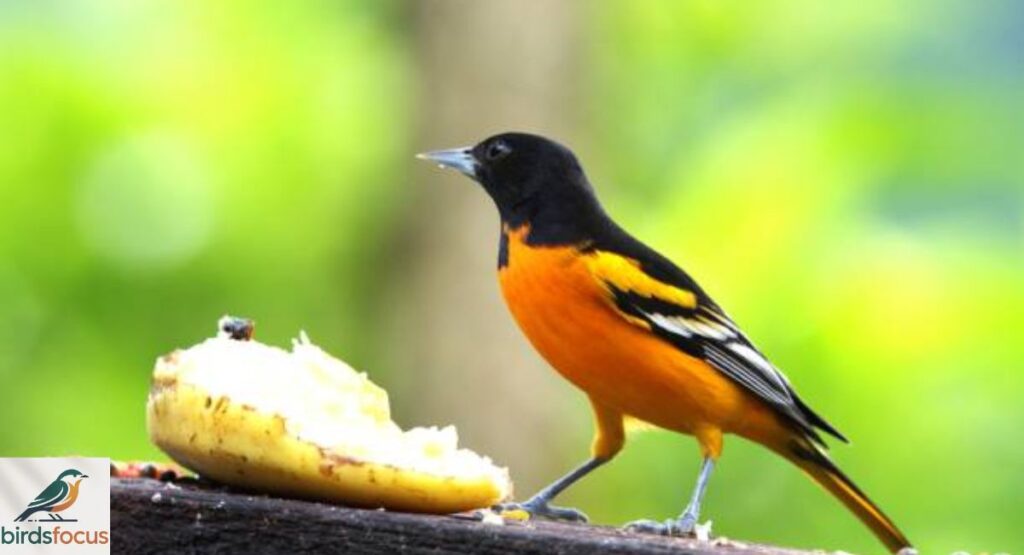
The Baltimore Oriole (Icterus galbula) is the best-known member of the Types of Orioles found in North America. Adult males display brilliant orange underparts with a glossy black head, wings, and back, while females wear softer yellow-orange plumage. This striking songbird breeds across the eastern United States and southern Canada before migrating to Central and South America each fall. It prefers open woodlands, river edges, parks, and mature shade trees where insects and fruit are plentiful. Its woven hanging nest remains one of the finest examples of bird architecture in North America.
Bullock’s Oriole
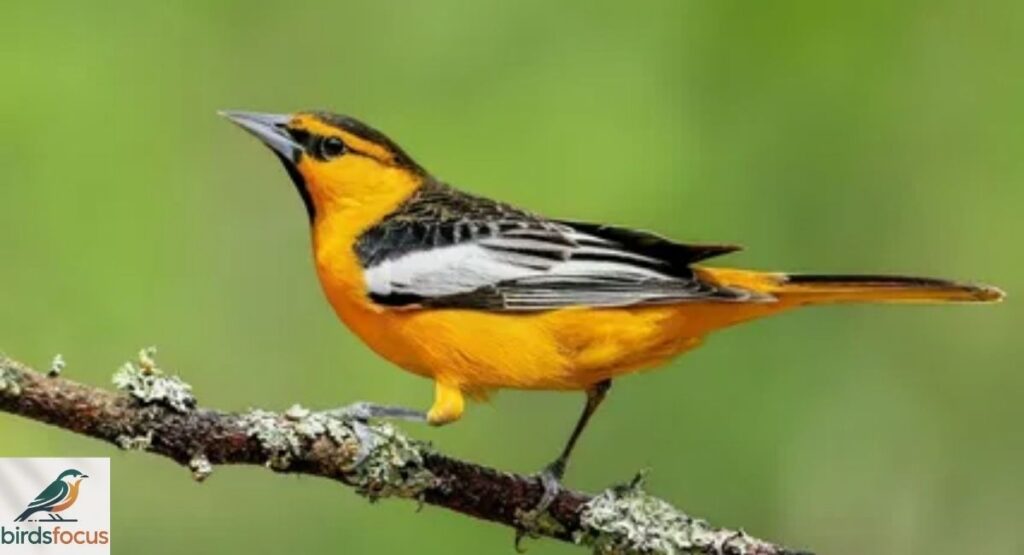
The Bullock’s Oriole dominates the western half of the continent and often replaces the Baltimore Oriole in western states. Males have bright orange faces, white wing patches, and a bold black crown that makes them easy to identify. Females appear more yellow with grayish backs, helping them blend into woodland habitats. These colorful migratory birds favor cottonwood groves, open forests, suburban parks, and streamside woodlands where they feed on insects, berries, nectar, and ripe fruit throughout the breeding season.
Orchard Oriole
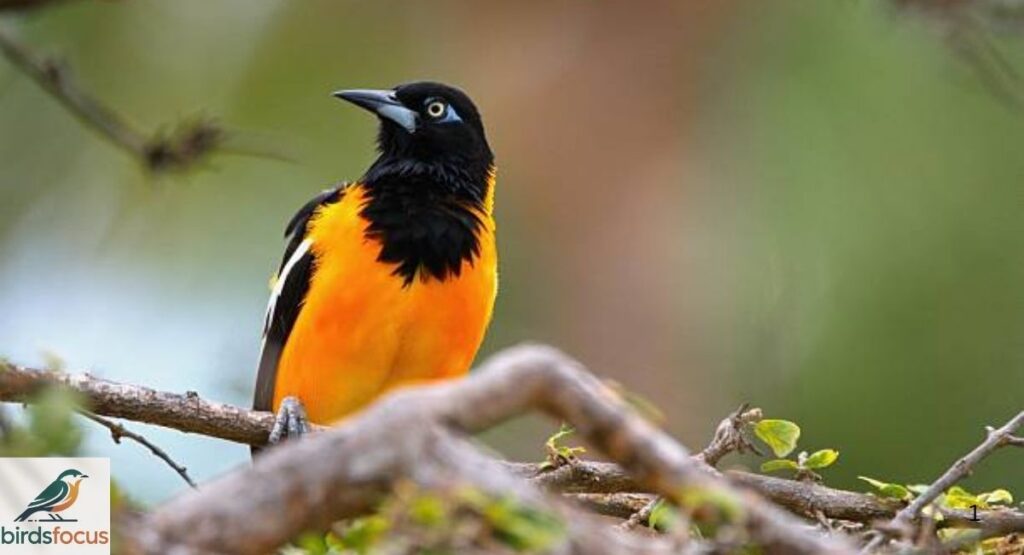
Among all Types of Orioles, the Orchard Oriole is the smallest species. Adult males stand out with rich chestnut-orange feathers instead of the bright orange seen in other orioles. Females are olive-green with yellow underparts, making them surprisingly difficult to spot among leafy branches. They usually arrive later in spring than most migratory birds and build neat hanging nests in orchards, riverside trees, and open woodlands. Their calm behavior often allows them to nest peacefully alongside several other songbird species.
Hooded Oriole
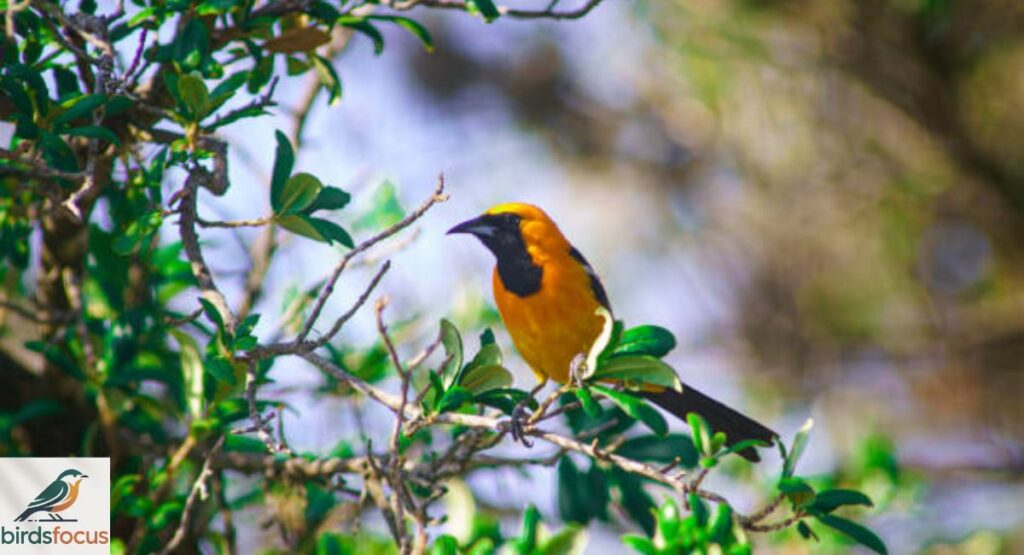
The Hooded Oriole is one of the most elegant birds in the American Southwest. Adult males display deep golden-orange plumage with a black throat and curved bill, while females remain olive-yellow throughout the year. Unlike many other orioles, this species commonly nests beneath large palm leaves, earning it the nickname “Palm-Leaf Oriole.” These attractive North American orioles have steadily expanded their range into California suburbs, where ornamental palm trees provide ideal nesting locations.
Scott’s Oriole
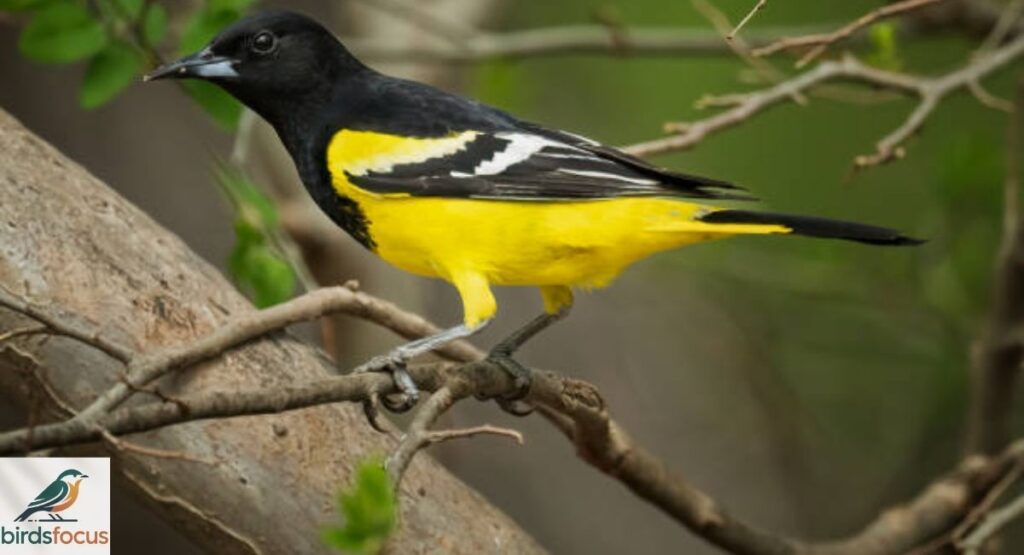
The Scott’s Oriole thrives in dry mountain slopes and desert landscapes covered with yucca plants. Males have brilliant yellow bodies contrasted by jet-black heads and backs, creating one of the boldest color combinations among American songbirds. Females appear softer with olive-yellow feathers that offer natural camouflage. Unlike many backyard birds, this species relies heavily on insects, nectar, and fruit instead of seeds. Its sweet, flute-like song echoes beautifully across rocky desert valleys during spring mornings.
Altamira Oriole
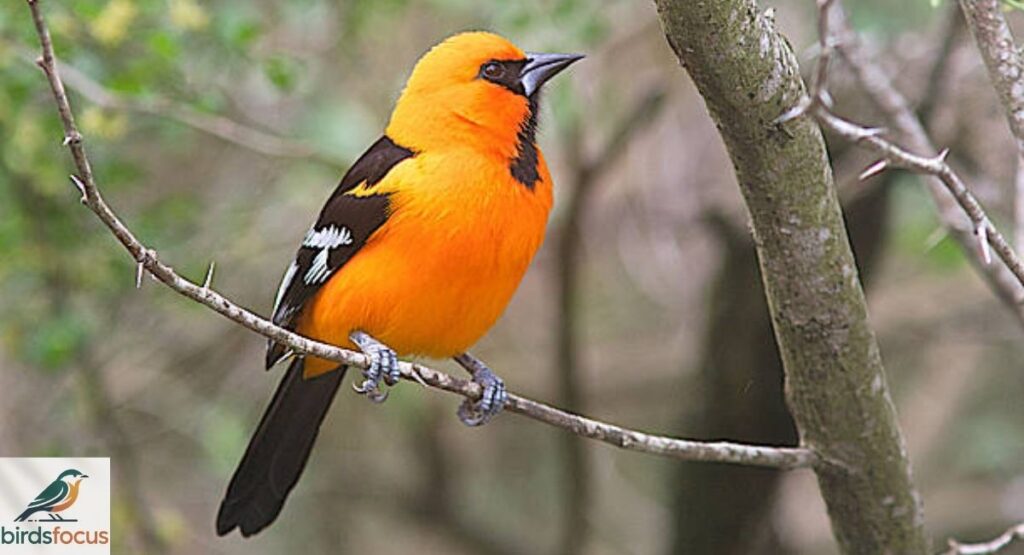
The Altamira Oriole is the largest oriole regularly found in the United States. It features a vivid orange body, black wings, and an unusually long tail that gives it an impressive appearance in flight. Most sightings occur in the Lower Rio Grande Valley of southern Texas, although the species is widespread farther south into Mexico. These intelligent birds weave remarkably long hanging nests that sometimes exceed two feet in length. Their impressive craftsmanship protects eggs and chicks from predators while swaying safely in the wind.
Audubon’s Oriole
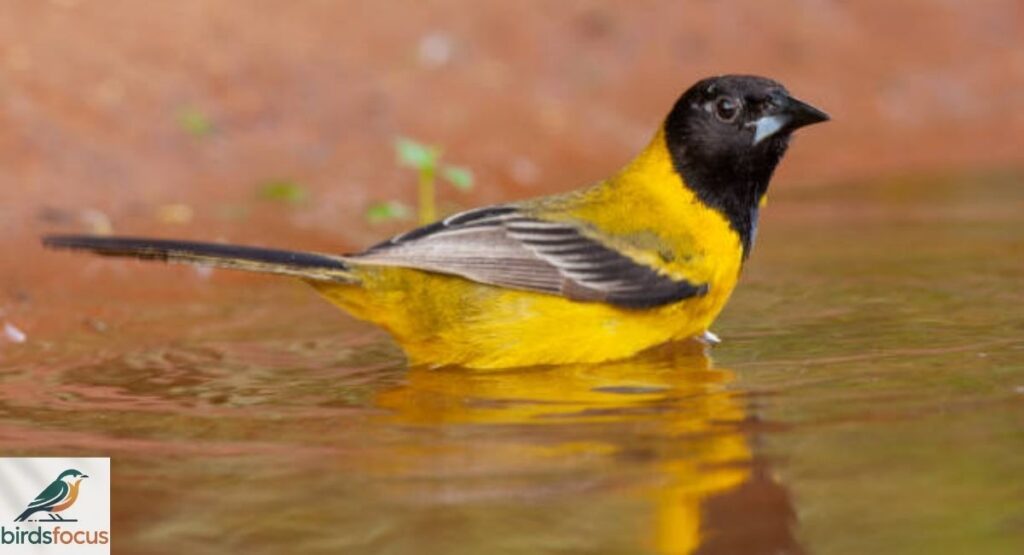
The Audubon’s Oriole stands apart because it remains mostly resident instead of migrating long distances each year. Its bright yellow body contrasts sharply with a black hood, creating a striking field mark that birdwatchers quickly recognize. This species prefers dense woodlands, thorny brush, and semi-open forests across southern Texas and northeastern Mexico. Its rich, whistling song rises and falls through the trees, making it easier to hear than to see in thick vegetation.
Spot-breasted Oriole
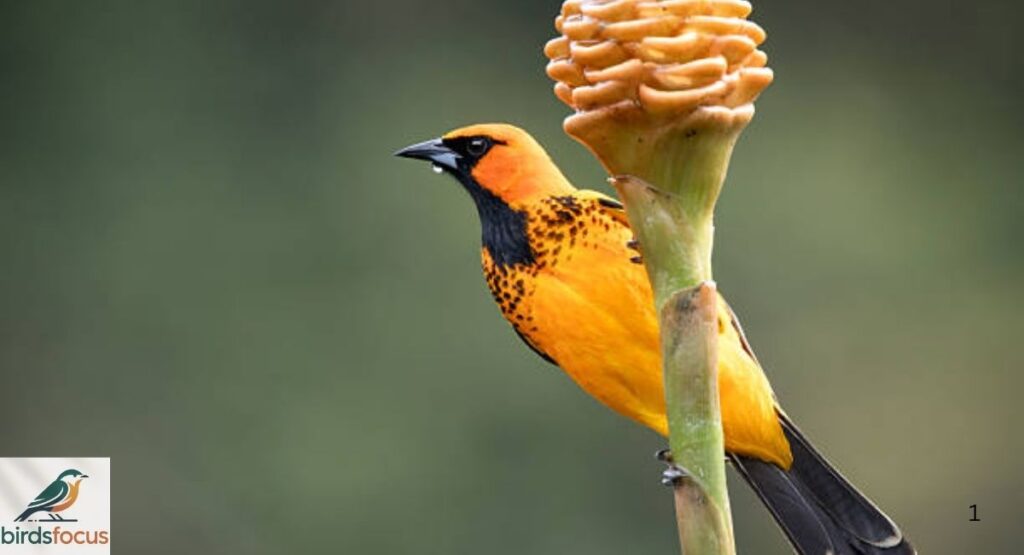
The Spot-breasted Oriole originally came from southern Mexico and Central America, yet established populations now thrive in parts of South Florida. The bird resembles several other orioles at first glance, but the black spots scattered across its bright orange breast make identification simple. White wing markings add another helpful clue. These adaptable backyard birds flourish in suburban gardens filled with flowering trees, fruit, and insects, allowing local birdwatchers to enjoy this tropical visitor throughout the year.
How to Identify Different Oriole Species
Learning to identify the different Types of Orioles becomes much easier once you know what to look for. While all orioles share slender bodies and pointed bills, each species has its own combination of colors, wing patterns, and markings. Paying attention to these small details helps you separate similar-looking birds, even from a distance. During spring and summer, adult males usually display the brightest feathers, making identification much simpler.
Female and young orioles can be more challenging because they often have olive, yellow, or dull orange plumage instead of bright black-and-orange colors. Instead of relying only on color, notice the bird plumage, wing markings, body size, and bill shape. Their whistles and musical calls also provide useful clues. With a little practice, you can confidently identify most North American orioles without needing a field guide every time.
| Species | Main Color | Best Identification Feature | Habitat |
| Baltimore Oriole | Bright orange and black | Black head with orange underparts | Eastern woodlands |
| Bullock’s Oriole | Orange, white, and black | Large white wing patch | Western forests |
| Orchard Oriole | Chestnut and black | Small size and dark chestnut body | Orchards and riverbanks |
| Hooded Oriole | Golden orange | Black throat and curved bill | Palm trees and suburbs |
| Scott’s Oriole | Yellow and black | Bright yellow belly with black back | Desert landscapes |
| Altamira Oriole | Orange and black | Largest North American oriole | South Texas |
| Audubon’s Oriole | Yellow and black | Solid black hood | Dense brushlands |
| Spot-breasted Oriole | Orange with black spots | Spotted breast | South Florida |
Where Do Orioles Live? Habitat and Distribution
The different Types of Orioles occupy a wide variety of habitats across North America. Some prefer tall deciduous forests, while others thrive in dry deserts, river valleys, suburban gardens, or palm-lined neighborhoods. These adaptable woodland birds choose locations with plenty of insects, flowering plants, and fruit-bearing trees. Large shade trees also provide safe nesting sites where predators are less likely to reach their hanging nests.
Distribution varies greatly from one species to another. The Baltimore Oriole breeds across the eastern United States and southern Canada, while the Bullock’s Oriole dominates the western states. Altamira Oriole and Audubon’s Oriole remain mostly in southern Texas, whereas the Spot-breasted Oriole has established local populations in South Florida. Mexico and Central America serve as important winter homes for several migratory birds, providing food and warm weather until spring returns.
What Do Orioles Eat?
Unlike many backyard birds, orioles rarely depend on seeds. Instead, they enjoy a varied menu filled with insects, fruit, and sweet nectar. Their natural diet includes caterpillars, beetles, spiders, wasps, berries, and flower nectar. These colorful insect-eating birds help control garden pests while also pollinating certain flowering plants. During breeding season, insects become especially important because growing chicks need protein for healthy development.
Backyard bird lovers can easily attract orioles by offering foods they naturally prefer. Fresh orange halves, grape jelly, mealworms, and homemade nectar are among their favorites. Special oriole feeders designed for fruit and jelly often attract visiting birds within days during migration. Planting native flowering trees and berry-producing shrubs creates a dependable food source while supporting local wildlife throughout the year.
| Favorite Foods | Why Orioles Eat Them |
| Caterpillars | High protein for chicks |
| Beetles | Rich energy source |
| Spiders | Important natural prey |
| Berries | Vitamins and natural sugars |
| Orange halves | Sweet juice and moisture |
| Grape jelly | Easy source of energy |
| Flower nectar | Natural sugars for migration |
| Mealworms | Excellent protein supplement |
How to Attract Orioles to Your Backyard
If you want to welcome the different Types of Orioles into your yard, focus on providing food, water, and shelter before they arrive during spring migration. Orioles quickly notice bright orange feeders filled with nectar, fresh fruit, or grape jelly. Clean water is just as important. A shallow bird bath or moving water feature encourages these colorful backyard birds to stop and stay longer, especially during warm summer days.
Your landscaping also plays a major role in attracting orioles naturally. Native flowering plants, mature shade trees, and berry-producing shrubs create an inviting habitat filled with insects and nectar. Avoid using pesticides because they reduce an important food source for these beautiful songbirds. Keeping feeders clean and placing them in quiet, open areas increases your chances of enjoying regular visits throughout the breeding season and migration.
Birdwatching Tip: Place your oriole feeder outside two to three weeks before spring migration begins. Early arrivals often remember reliable feeding locations and return year after year.
Orioles Migration Patterns and Seasonal Behavior
Migration is one of the most fascinating parts of the lives of the different Types of Orioles. Most species spend spring and summer across the United States and southern Canada before traveling thousands of miles to warmer regions. These remarkable migration routes help orioles find abundant food, safer nesting areas, and ideal weather throughout the year. Their journeys usually begin in late summer and continue until they reach Mexico, Central America, or even northern South America.
Spring migration often starts between March and May, depending on the species and local weather conditions. Adult males usually arrive first to establish breeding territories before females appear a few days later. During summer, orioles build their famous hanging nests, raise their chicks, and feed almost constantly. As daylight hours become shorter in late summer, these colorful migratory birds prepare for another long journey by increasing their food intake and storing extra energy.
| Oriole Species | Spring Arrival | Fall Departure | Winter Location |
| Baltimore Oriole | April–May | August–September | Central & South America |
| Bullock’s Oriole | April | August–September | Mexico |
| Orchard Oriole | Late April–May | July–August | Central America |
| Hooded Oriole | March–April | September | Mexico |
| Scott’s Oriole | March–April | September | Mexico |
| Altamira Oriole | Resident | Resident | South Texas & Mexico |
| Audubon’s Oriole | Resident | Resident | South Texas & Mexico |
| Spot-breasted Oriole | Resident | Resident | South Florida |
Conclusion
The vibrant Types of Orioles found across North America prove that nature never runs short of color or character. From the brilliant Baltimore Oriole in eastern forests to the impressive Altamira Oriole of South Texas, every species offers something unique for bird lovers. Learning their colors, songs, habitats, and behaviors makes every birdwatching trip more rewarding while helping you appreciate the remarkable diversity of these beautiful North American orioles.
Whether you are a beginner or an experienced birder, understanding where orioles live, what they eat, and when they migrate increases your chances of spotting them in the wild. By planting native trees, offering fresh fruit, and keeping clean feeders available, you can turn your backyard into a welcoming stop for these spectacular songbirds. Every sighting is a reminder that even small conservation efforts can make a lasting difference for wildlife.
FAQs
1. What are the most common types of orioles in North America?
The most common Types of Orioles include the Baltimore, Bullock’s, Orchard, Hooded, Scott’s, Altamira, Audubon’s, and Spot-breasted Oriole.
2. How can I identify different oriole species?
You can identify orioles by their feather colors, size, wing patterns, bill shape, and unique songs. Adult males are usually brighter than females.
3. What do orioles like to eat?
Orioles mainly eat insects, caterpillars, fruit, berries, nectar, and spiders. They also enjoy orange halves, grape jelly, and mealworms in backyard feeders.
4. Where do most orioles live?
Most orioles live in open woodlands, forest edges, parks, gardens, and river valleys across the United States, Canada, and parts of Mexico.
5. When is the best time to see orioles?
Spring and early summer are the best seasons to spot orioles because most migratory species return to North America to breed and raise their young.

Welcome to birdsfocus! I’m Anam Sattar, an AI Powered SEO, and Content Writer with 4 years of experirnce.
I help websites rank higher,grow traffic, and look amazing. My goal is to make SEO and web design simple and effective for everyone.
Let’s achieve more together!