


Few sights in nature feel as mesmerizing as Purple Birds flashing beneath golden sunlight. Their shimmering feathers create a magical display that instantly captures attention. Some species glow with violet tones while others reveal deep blue-purple iridescence during flight. Across the United States, birdwatchers search forests, wetlands, and open grasslands hoping to spot these rare beauties.
Popular species like the Purple Finch, Purple Martin, and glossy grackles stand out because of their unusual plumage and fascinating behavior. Many people assume these birds contain true purple pigment. However, most develop their dazzling appearance through reflected light and feather structure. This guide explores the world of purple bird species using simple identification tips and interesting facts.
What Makes a Bird Look Purple?
The dazzling appearance of Purple Birds comes from feather science rather than actual purple dye inside the feathers. Tiny layers within feathers scatter light in unusual ways. When sunlight strikes those layers, the feathers reflect blue, violet, and indigo tones. Scientists call this structural coloration. It works much like soap bubbles or oil floating on water.
That is why some birds appear dark from one angle yet glow bright purple from another. Sun position changes everything. Early morning light often creates the strongest color effects. Wet feathers can also intensify the shine. In shaded forests, many purple birds appear almost black until sunlight suddenly reveals hidden iridescence.
Birdwatchers frequently confuse violet shades with blue or black coloration. However, careful observation reveals subtle differences. Some species carry raspberry-purple feathers while others show metallic blue-purple reflections. Learning these distinctions helps you identify birds faster in the field.
Why Purple Plumage Looks Different in Morning and Evening Light
Morning sunlight strikes feathers at lower angles. That soft golden light enhances iridescence and creates dramatic purple flashes. Evening light produces warmer tones that may shift feathers toward bronze or deep navy colors instead.
Humidity also changes feather appearance. Damp feathers reflect more concentrated light. Birds near wetlands often look more colorful after rain. This explains why marsh birds sometimes appear brighter during humid summer mornings.
Professional bird photographers often wait hours for ideal lighting because purple plumage is difficult to capture accurately. Camera sensors sometimes flatten iridescent colors. Human eyes usually see richer tones than digital images can reproduce.
Types of Purple Birds
Purple Finch
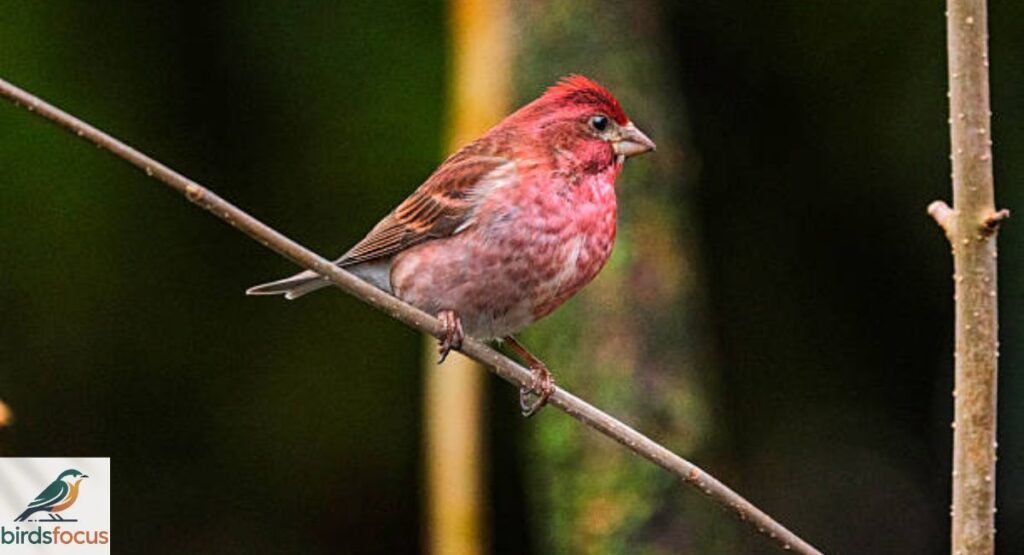
The Purple Finch remains one of the most recognizable Purple Birds in North America. Male Purple Finches display rich raspberry-purple coloring across the head, chest, and back. Their plumage almost looks like berry juice spilled across brown feathers. Females appear softer with streaked brown patterns and bold facial markings.
These birds thrive in forests, woodland edges, and suburban neighborhoods. During winter, many migrate southward into the northern United States where they frequently visit backyard feeders. They especially enjoy sunflower seeds and millet. Their cheerful warbling songs echo through pine forests during spring mornings.
Migration patterns vary depending on food availability. Some winters bring enormous finch movements known as irruptions. During these years, thousands travel farther south searching for cone seeds. Birdwatchers across the Midwest eagerly wait for those dramatic seasonal appearances.
Purple Finch vs House Finch
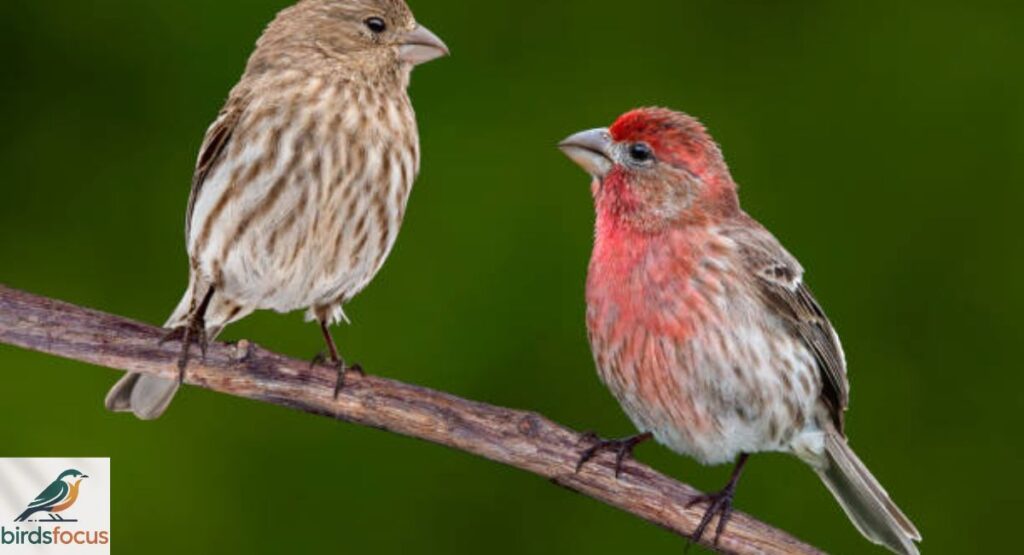
House Finches carry a more orange-red tone while Purple Finches display cooler raspberry-purple shades. Purple Finches also show cleaner white eyebrow lines and thicker necks. Their songs sound richer and more musical than the sharper chirps of House Finches.
Purple Martin
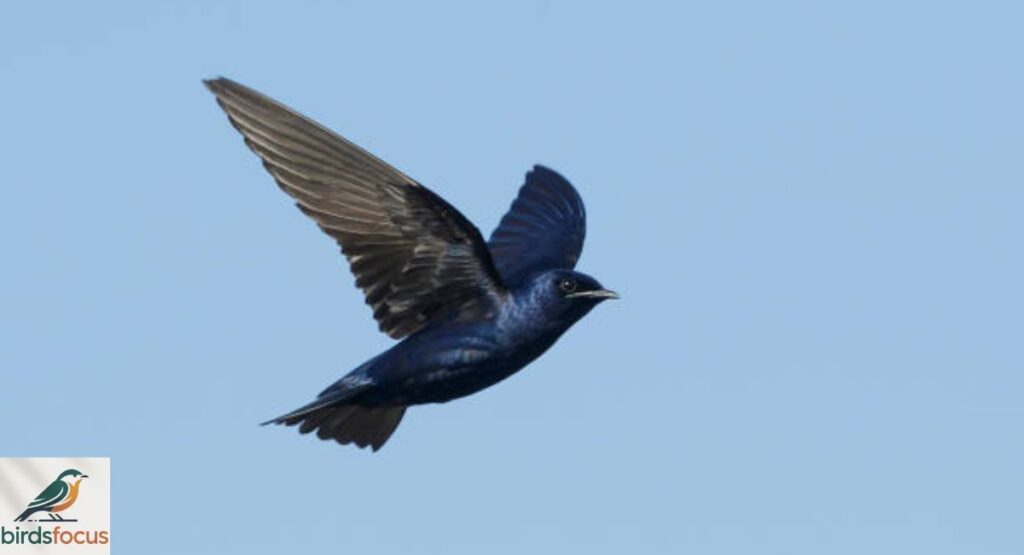
The Purple Martin is the largest swallow species in North America. These graceful aerial hunters shine with glossy blue-purple plumage that looks almost metallic under sunlight. Their streamlined bodies and pointed wings allow them to glide effortlessly across open skies.
Purple Martins spend much of their day hunting flying insects. Mosquitoes, beetles, dragonflies, and moths make up a large part of their diet. Farmers and homeowners often appreciate their appetite for insects. Large martin colonies can consume thousands of flying bugs every single day.
Unlike many wild birds, Purple Martins rely heavily on human-provided nesting houses throughout eastern America. Bird enthusiasts install elaborate martin houses mounted on tall poles in open fields. Martins prefer wide spaces where they can detect predators early and approach nests safely.
These birds complete remarkable migrations every year. Many travel thousands of miles between the United States and South America. Despite their long journeys, they often return to the same nesting colony each spring like clockwork.
Best Bird Houses for Purple Martins
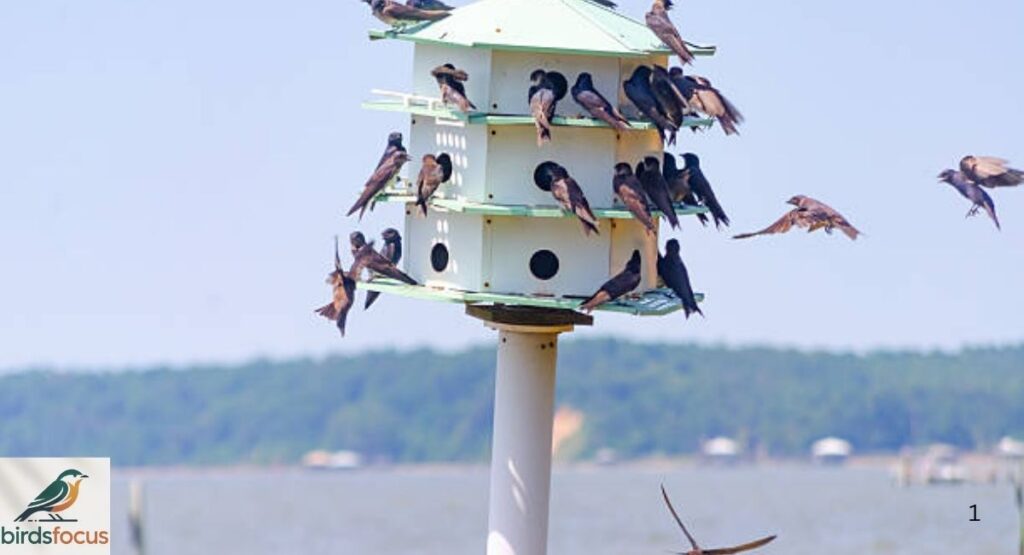
Successful martin houses stand at least 12 feet above ground in open areas. Predator guards help protect nests from snakes and raccoons. Martins avoid heavily wooded spaces because trees obstruct their flight paths.
Purple Gallinule
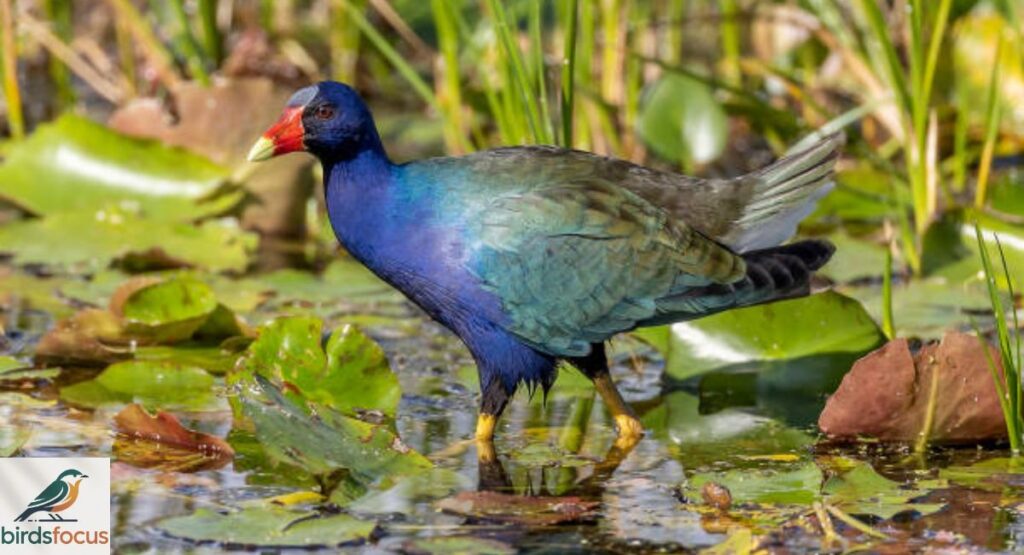
The Purple Gallinule looks almost tropical compared to most North American birds. Its body glows with violet-blue feathers while the back shines greenish bronze. Bright yellow legs and a colorful red-and-blue bill create an unforgettable appearance.
Purple Gallinules inhabit freshwater marshes across the southeastern United States. Florida wetlands support especially strong populations. These birds move carefully across floating vegetation using extremely long toes that distribute their weight like natural snowshoes.
Unlike ducks, gallinules often climb reeds and cattails while searching for food. They eat seeds, aquatic plants, insects, frogs, and small snails. Watching them walk across lily pads feels almost surreal because they appear to float above the water surface.
Purple Gallinule vs Common Gallinule
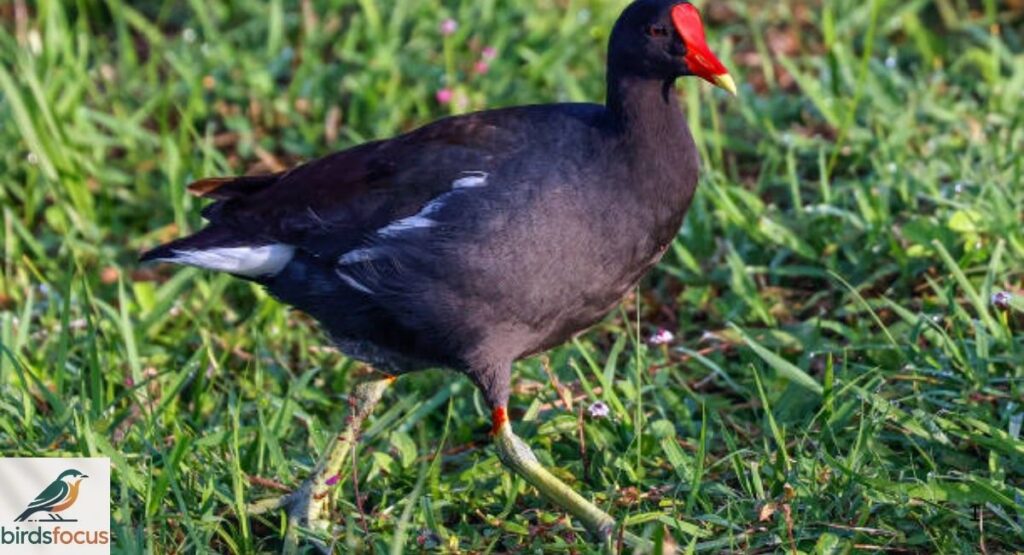
Purple Gallinules display brighter purple-blue plumage and yellow legs while Common Gallinules appear darker with white side stripes. Purple Gallinules also move more gracefully through wetland vegetation and climb plants more frequently.
Common Grackle
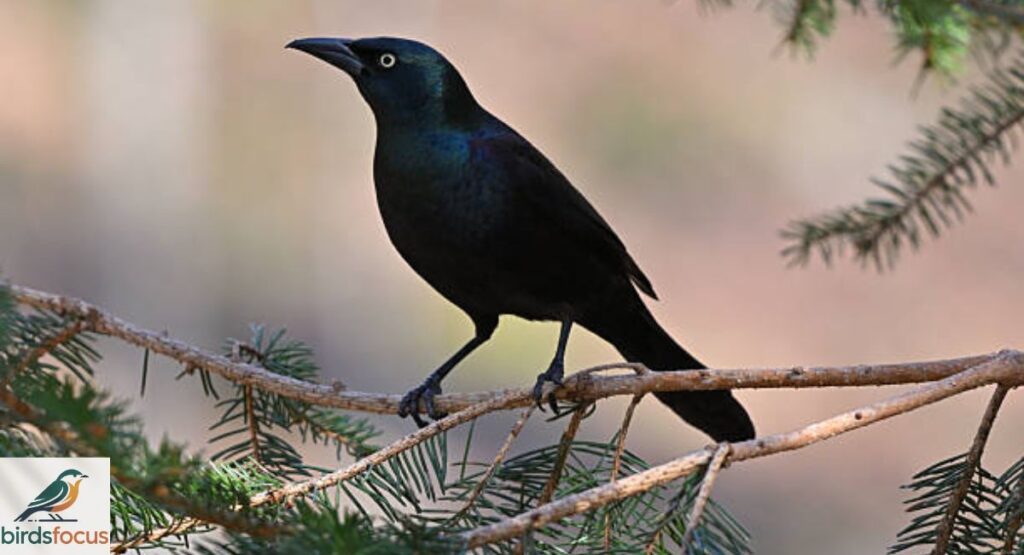
The Common Grackle may appear black at first glance. However, sunlight reveals deep purple, blue, and bronze iridescence across the feathers. Their glossy plumage creates one of the most dramatic hidden color displays among American birds.
Common Grackles adapt extremely well to human environments. You can spot them in parking lots, farmland, city parks, and suburban lawns. Their intelligence allows them to exploit countless food sources including insects, grains, fruit, and discarded human food.
Large grackle flocks often create noisy gatherings during migration. Thousands may roost together in trees, producing a constant stream of whistles, squeaks, and metallic calls. Some birdwatchers compare the sound to rusty playground swings creaking in the wind.
Common Grackle vs Great-tailed Grackle
Great-tailed Grackles appear larger with dramatically long tails and louder vocalizations. Common Grackles carry more compact bodies and shorter tails. Both species display impressive purple iridescence under sunlight.
Great-tailed Grackle
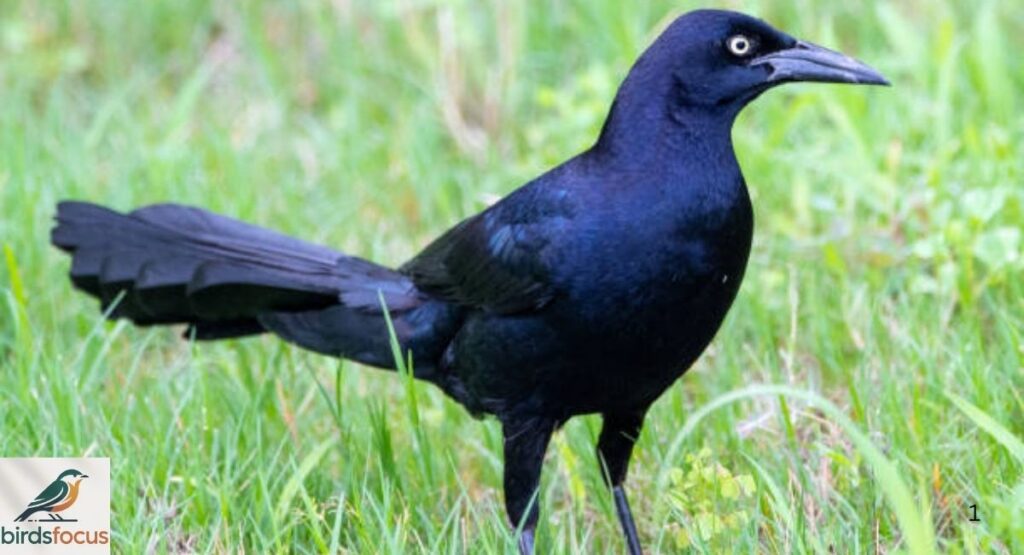
The Great-tailed Grackle dominates urban areas across the southern United States with swaggering confidence. Males display long keel-shaped tails and glossy purple-black feathers that shimmer brilliantly during sunny afternoons.
These birds walk boldly through parking lots, restaurant patios, and shopping centers searching for scraps. Their adaptability helped them expand rapidly across Texas, Arizona, and California during the last century. Today they thrive in many human-altered landscapes.
Great-tailed Grackles produce an astonishing variety of calls ranging from whistles to mechanical rattles. Some sounds resemble squeaky gates while others echo like electronic beeps. Their vocal range surprises many first-time listeners.
Great-tailed Grackle Behavior
These birds display remarkable intelligence. They learn traffic patterns, steal pet food, and sometimes wash food in puddles before eating. Urban environments seem to sharpen their problem-solving abilities even further.
Violet-backed Starling
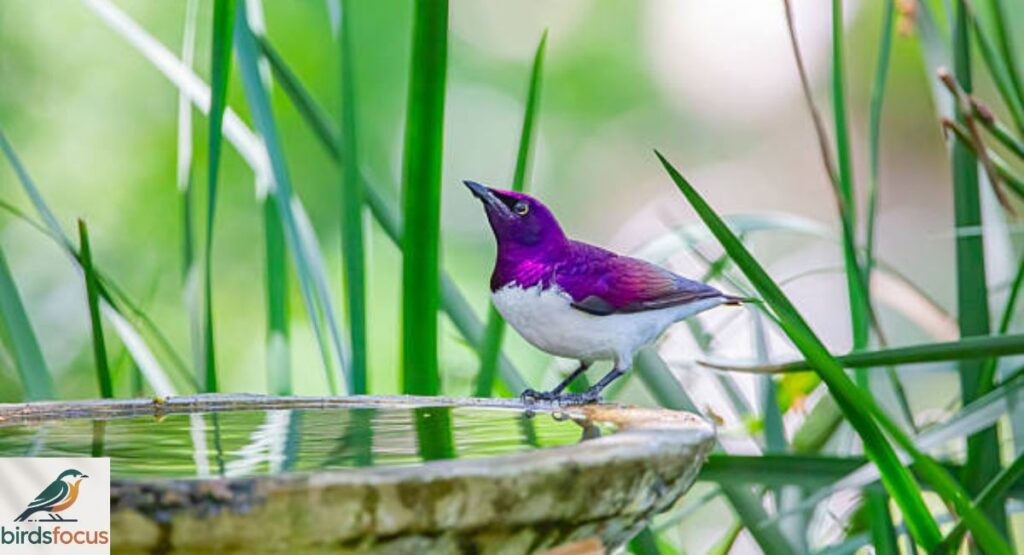
The Violet-backed Starling is a small African bird known for its glowing purple back and snowy white belly. Males shine with metallic violet feathers that sparkle beautifully in sunlight. These birds prefer open woodlands and savannas where they feed on fruits and insects. Their soft whistles and elegant appearance make them favorites among bird photographers.
Purple Honeycreeper
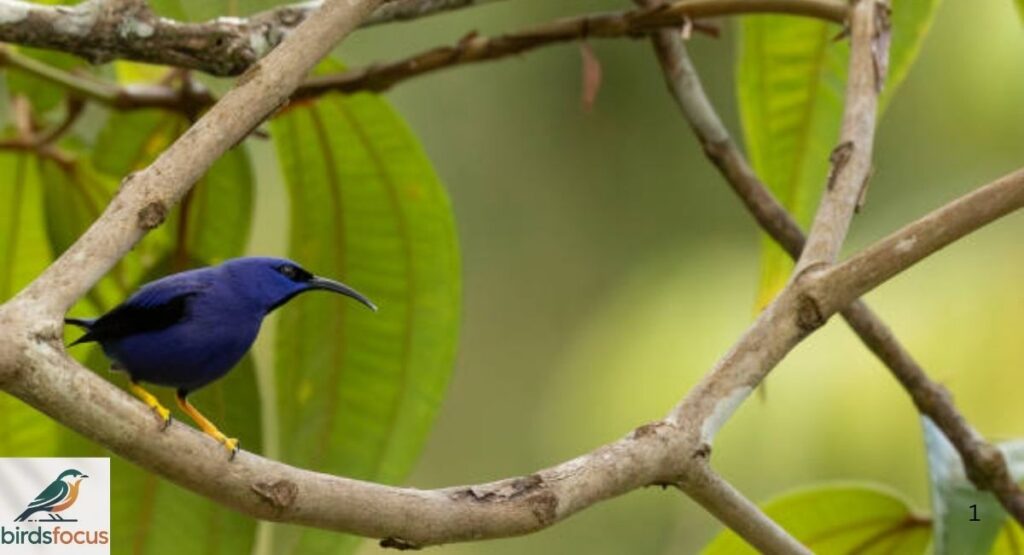
The Purple Honeycreeper is a tropical bird with deep violet-blue plumage and a curved black bill. It commonly lives in rainforests where flowering trees provide nectar and fruit. Males appear brighter than females and often flash vivid purple shades while flying through forest canopies. Their energetic movements make them difficult but exciting to observe.
Purple Sunbird
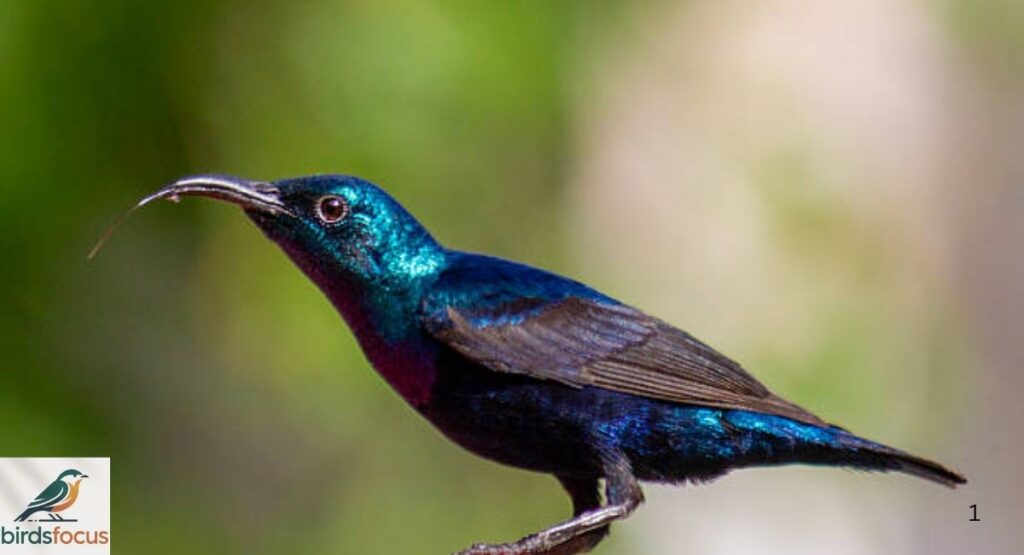
The Purple Sunbird is a tiny bird famous for its glossy purple-blue feathers and curved beak. Males become especially vibrant during breeding season when sunlight creates a metallic shine across their bodies. These birds feed mainly on nectar, small insects, and fruits. They move quickly between flowers and often hover briefly like hummingbirds while feeding.
Purple-breasted Cotinga
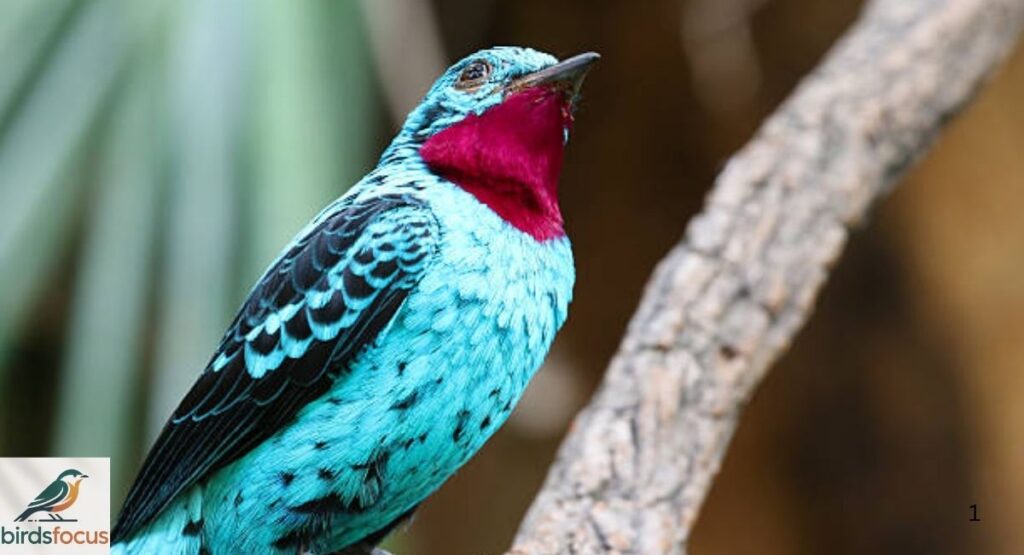
The Purple-breasted Cotinga is a rare tropical bird with striking plumage that blends deep purple and soft pink shades. It usually lives high in rainforest canopies where it quietly feeds on fruit. Birdwatchers consider this species difficult to spot because it remains hidden among dense trees for most of the day.
Wompoo Fruit Dove
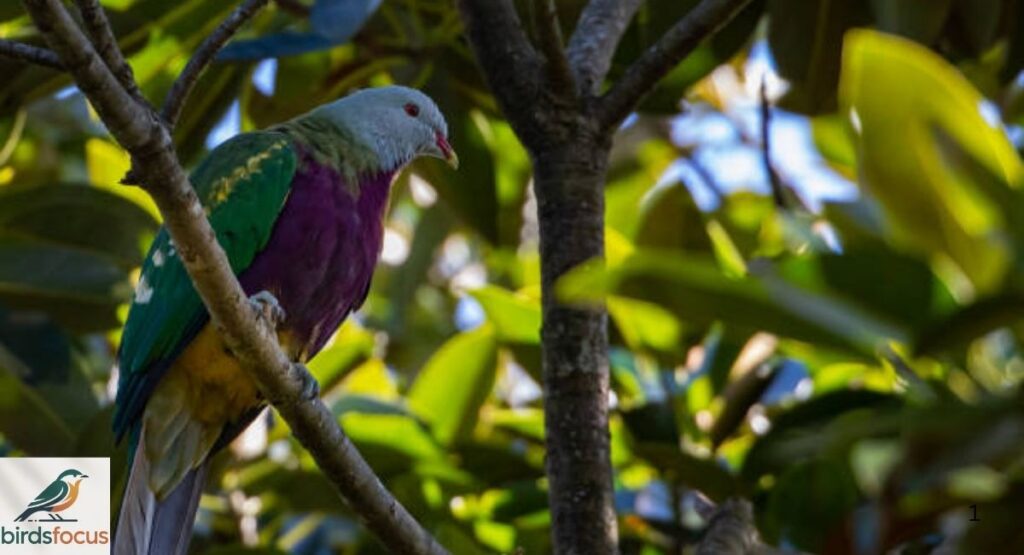
The Wompoo Fruit Dove displays rich purple feathers mixed with yellow and green coloration. This colorful bird lives in rainforest habitats and feeds mostly on wild fruits and berries. Its deep booming calls echo through forests during early mornings. The bird’s vivid colors make it look almost painted by hand.
Other Birds That Appear Purple
Violet Sabrewing
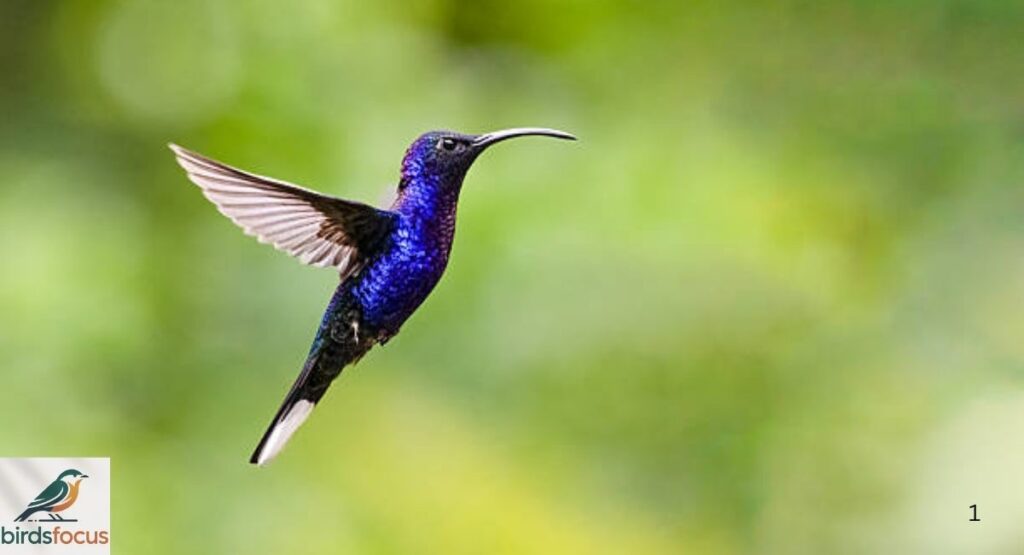
The Violet Sabrewing ranks among the largest hummingbirds in the world. Males shimmer with intense violet-purple feathers that sparkle like polished amethyst stones. Their rapid wingbeats create a loud humming sound while feeding.
These birds inhabit mountain forests in Central America though wandering individuals occasionally fascinate birders near southern Texas. They prefer nectar-rich flowers and aggressively defend feeding territories from rival hummingbirds.
Purple-throated Carib
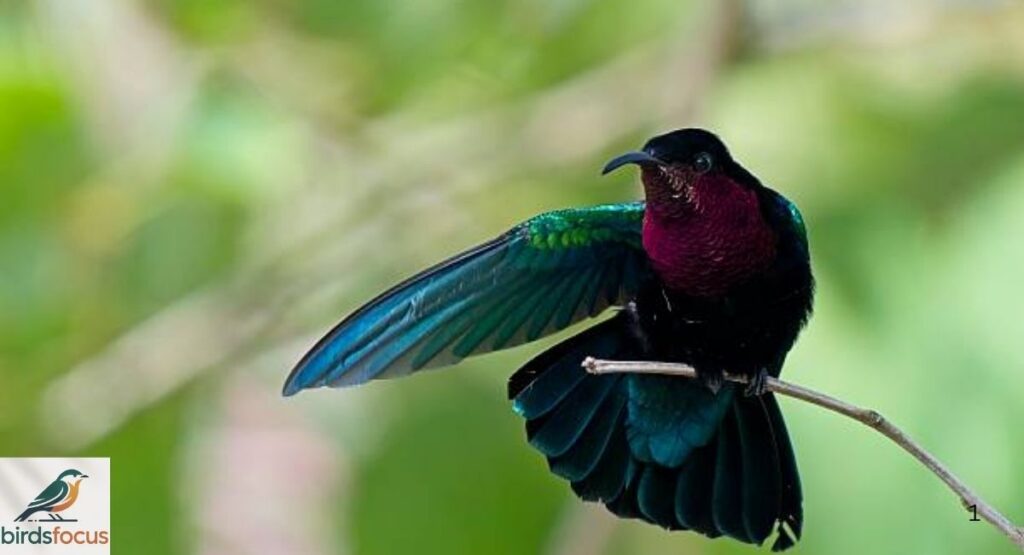
The Purple-throated Carib carries one of the most dazzling throats in the hummingbird world. Males display velvety purple patches that contrast sharply against dark plumage and curved bills.
These tropical hummingbirds specialize in feeding from heliconia flowers. Their curved beaks evolved perfectly for reaching deep nectar sources. Females often visit different flower species than males which reduces feeding competition.
Lilac-breasted Roller
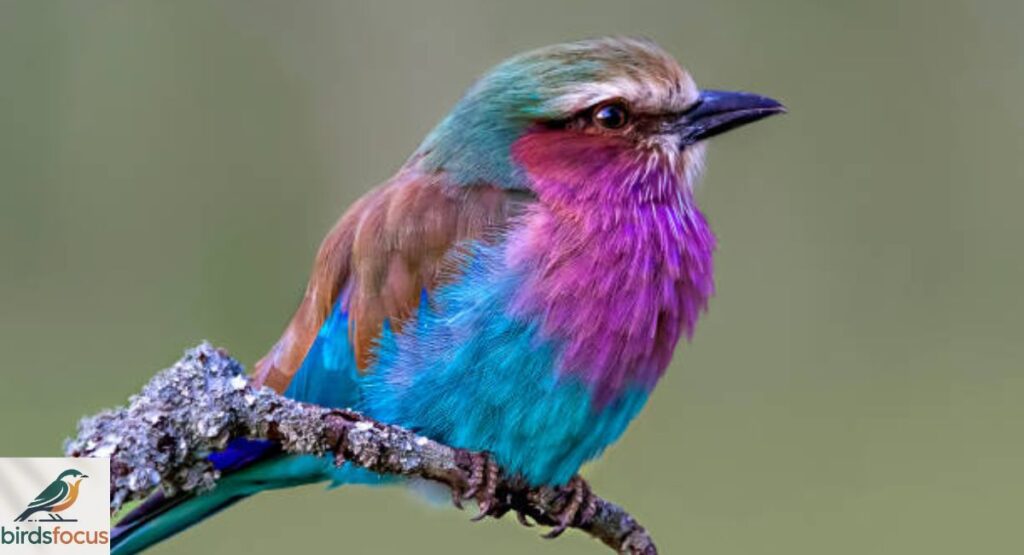
The Lilac-breasted Roller looks almost unreal due to its explosion of turquoise, blue, purple, and green feathers. Although native to Africa, this species frequently appears in discussions about the world’s most colorful birds.
Its lilac chest glows beautifully under African sunlight. During courtship, rollers perform dramatic aerial dives and spins that resemble acrobatic air shows. Those displays help attract mates and defend territory.
Bird lovers across the United States often recognize this species from wildlife documentaries and safari photography. Its rainbow-like coloration makes it one of Earth’s most photographed birds.
Where Can You See Purple Birds?
The United States offers excellent opportunities for spotting Purple Birds throughout the year. Wetlands in Florida host Purple Gallinules during warm seasons while northeastern forests attract Purple Finches during migration. Open grasslands and farmland provide ideal habitat for Purple Martins.
Texas remains one of the best states for observing multiple purple bird species together. Grackles dominate urban zones while martins nest in rural communities. Gulf Coast marshes also attract migrating wetland birds each spring.
Birdwatchers searching for iridescent birds should visit habitats during early morning hours. Soft sunlight enhances feather coloration dramatically. Marsh boardwalks, forest trails, and wildlife refuges often provide the best observation opportunities.
National wildlife refuges also protect important habitats for migrating birds. Many refuges offer bird blinds, walking trails, and educational programs that help visitors identify species more accurately.
| Best U.S. Locations for Purple Birds | Common Species |
| Florida Wetlands | Purple Gallinule |
| Texas Grasslands | Great-tailed Grackle |
| Northeast Forests | Purple Finch |
| Midwest Open Fields | Purple Martin |
| Coastal Marshes | Iridescent Blackbirds |
How to Identify Purple Birds in the Wild
Identifying Purple Birds requires patience and careful observation. Color alone often creates confusion because sunlight changes feather appearance constantly. Birdwatchers should focus on body shape, movement, habitat, feeding style, and vocal sounds instead of relying only on plumage.
Purple Martins glide smoothly through open skies while finches hop between branches. Gallinules walk slowly across marsh plants. Grackles stride confidently across lawns and parking lots. Those movement patterns quickly reveal species identity even from a distance.
Good binoculars improve color accuracy significantly. Cheap lenses sometimes distort iridescent shades. Birders also benefit from field guides and smartphone bird identification apps. Many apps now recognize bird songs instantly which helps beginners learn faster.
Photography can also strengthen identification skills. Reviewing images later often reveals feather details missed during live observation. Over time, birdwatchers begin recognizing subtle traits like tail length, beak curvature, and posture instinctively.
Beginner Birdwatching Tips for Spotting Purple Birds
Early morning remains the best time for birdwatching because birds feed actively during cooler temperatures. Quiet movement helps prevent startling shy species. Neutral-colored clothing also improves observation success in natural habitats.
Purple Birds Comparison Table
| Purple Bird | Main Habitat | Distinct Color | Food Source | Migration |
| Purple Finch | Forests | Raspberry-purple | Seeds | Seasonal |
| Purple Martin | Open skies | Blue-purple gloss | Insects | Long-distance |
| Purple Gallinule | Wetlands | Violet-blue | Plants/Insects | Partial |
| Common Grackle | Urban areas | Purple-black sheen | Omnivore | Regional |
| Great-tailed Grackle | Cities/Grasslands | Metallic purple | Omnivore | Expanding |
Why Are Purple Birds Rare?
True purple pigmentation rarely develops in birds because nature produces blue and red pigments differently. Instead of relying on purple pigment, most birds create purple effects through feather structure and reflected light. That unusual process makes genuine purple coloration uncommon.
Evolution also influences feather color. Bright birds attract mates more easily yet they also attract predators. Many species balance beauty with survival by displaying iridescent feathers that shift color depending on viewing angle.
Habitat destruction threatens several colorful bird populations worldwide. Wetland drainage harms gallinules while deforestation reduces nesting sites for finches and tropical species. Climate change also disrupts migration timing and food availability.
Scientists continue studying iridescence because it may inspire future technologies involving light reflection and color engineering. Nature often solves complex problems long before humans understand them fully.
The Science Behind Iridescent Purple Feathers
Microscopic keratin layers inside feathers bend light into different wavelengths. When light scatters back toward human eyes, feathers appear purple, blue, or green depending on viewing angle. That natural optical engineering creates extraordinary beauty without true purple pigment.
Tips for Attracting Purple Birds
Creating a bird-friendly yard increases your chances of seeing Purple Birds regularly. Native plants provide food, shelter, and nesting material. Sunflower seeds attract finches while open lawns encourage Purple Martins to investigate nesting houses.
Fresh water remains equally important. Bird baths and shallow ponds attract birds during hot weather. Moving water features work especially well because birds notice sound quickly. Clean water sources also support healthy feather maintenance.
Avoiding pesticides helps protect insect-eating species like martins and hummingbirds. Many backyard chemicals reduce insect populations and indirectly harm birds that depend on them for survival.
Berry-producing shrubs, flowering nectar plants, and natural grasses create layered habitats that support many species simultaneously. A diverse yard often attracts more colorful birds than a perfectly manicured lawn.
| Backyard Attraction Method | Bird Species Helped |
| Sunflower Seeds | Purple Finch |
| Open Nesting Houses | Purple Martin |
| Wetland Plants | Purple Gallinule |
| Water Features | Grackles and Finches |
| Nectar Flowers | Hummingbirds |
Conclusion
Purple Birds bring a special kind of beauty to forests, wetlands, and backyards across the United States. From the colorful Purple Finch to the glossy Purple Martin, each bird carries unique feather patterns, habits, and behaviors that make birdwatching more exciting and memorable. Their shimmering plumage often changes with sunlight which adds even more mystery to their appearance.
Learning how to identify these fascinating birds helps you appreciate nature in a deeper way. Whether you enjoy backyard birding or exploring wildlife trails, spotting purple-colored birds can turn an ordinary day into an unforgettable experience. Protecting natural habitats will also help future generations continue enjoying these remarkable birds.
FAQs
What is the most common purple bird in the United States?
The Purple Finch and Common Grackle are among the most commonly seen Purple Birds in many parts of the USA.
Are purple birds naturally purple?
Most purple-colored birds are not truly purple. Their feathers reflect sunlight in special ways that create a purple shine.
Where can you usually see Purple Martins?
Purple Martins prefer open fields, farmlands, and suburban areas with martin houses and nearby water sources.
Why do grackles look purple in sunlight?
Grackles have iridescent feathers that reflect blue and violet light which creates a glossy purple appearance.
How can I attract purple birds to my backyard?
You can attract Purple Birds by adding bird feeders, fresh water, native plants, and safe nesting spaces in your yard.

Welcome to birdsfocus! I’m Anam Sattar, an AI Powered SEO, and Content Writer with 4 years of experirnce.
I help websites rank higher,grow traffic, and look amazing. My goal is to make SEO and web design simple and effective for everyone.
Let’s achieve more together!