


Florida is a dream destination for bird lovers searching for colorful wildlife and rare feather patterns. Among the most fascinating species are the Purple Birds in Florida, known for their glowing plumage and shimmering colors. Some birds display bright purple feathers while others reveal a soft violet shine only under sunlight.
From quiet marshlands to busy city parks, these beautiful creatures thrive in many habitats across the state. Birdwatchers often visit Florida to spot these unique species during migration and breeding seasons. In this guide, you’ll discover amazing facts, identification tips, and the best places to see purple feathered birds, wetland birds Florida, iridescent birds, and other stunning backyard birds Florida throughout the year.
Why Some Birds Appear Purple
Most birds do not actually have true purple pigment in their feathers. Instead, tiny feather structures reflect sunlight in different ways. This creates a glowing purple or violet effect called iridescence. Because of this natural trick, some birds look black in the shade yet shine purple in bright sunlight.
This rare coloring makes purple feathered birds very special. Florida has many species with glossy plumage and colorful neck patches. Birdwatchers often notice these colors early in the morning when sunlight hits the feathers perfectly.
| Feather Style | Appearance | Example Bird |
| Iridescent Feathers | Purple shine in sunlight | European Starling |
| Natural Purple Plumage | True purple coloring | Purple Gallinule |
| Metallic Glow | Blue-purple reflection | Boat-tailed Grackle |
The Science Behind Purple Feathers
Bird feathers contain tiny layers that bend and reflect light. These microscopic layers work like a prism. They create blue, violet, and purple shades without using real purple pigment. That’s why many iridescent birds change color depending on the angle of sunlight.
15 Purple Birds Found in Florida
Florida is home to many birds with purple feathers or purple shine. Some live near wetlands while others stay in cities and neighborhoods. These birds make Florida one of the top birdwatching destinations in America.
European Starling
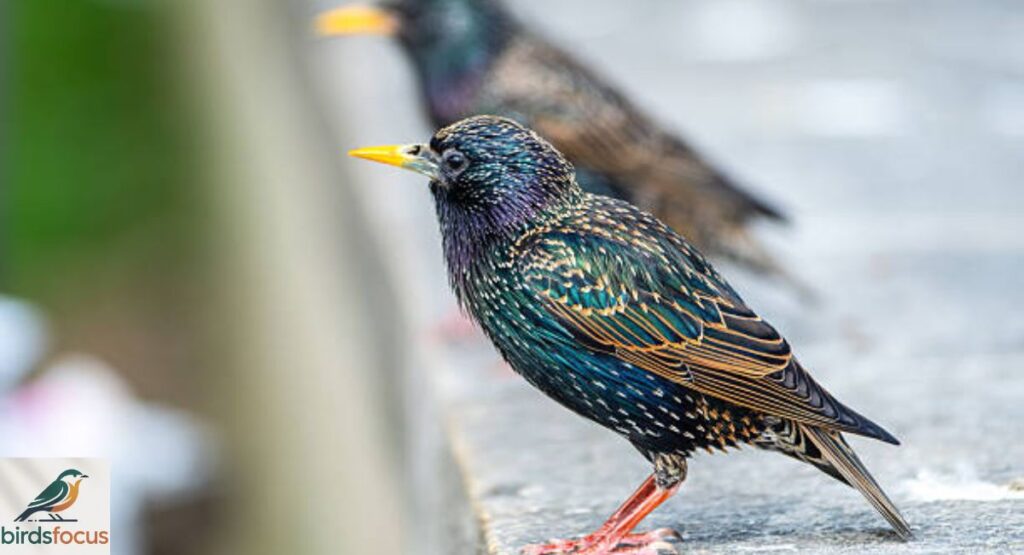
The European Starling is a common bird with shiny black feathers that glow purple and green in sunlight. Large flocks often gather in cities and farms. These birds are very smart and can copy sounds. Although invasive, they remain one of the easiest birds with purple feathers to spot in Florida.
Rock Pigeon
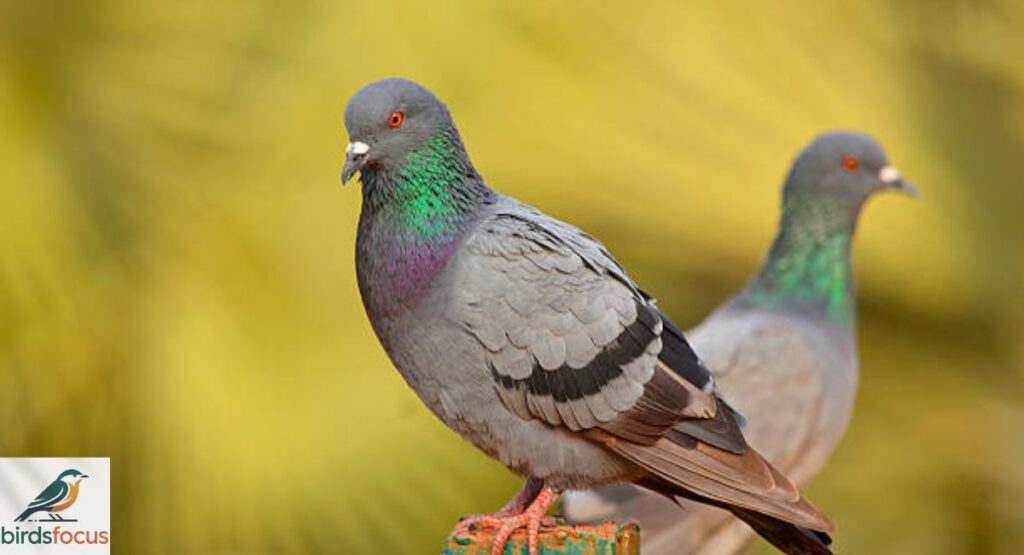
Rock Pigeons are common in parks and cities across Florida. Their neck feathers shine purple and green under sunlight. Many people ignore pigeons, but their metallic colors are surprisingly beautiful. These birds adapt well to human environments and thrive in urban areas.
Purple Finch
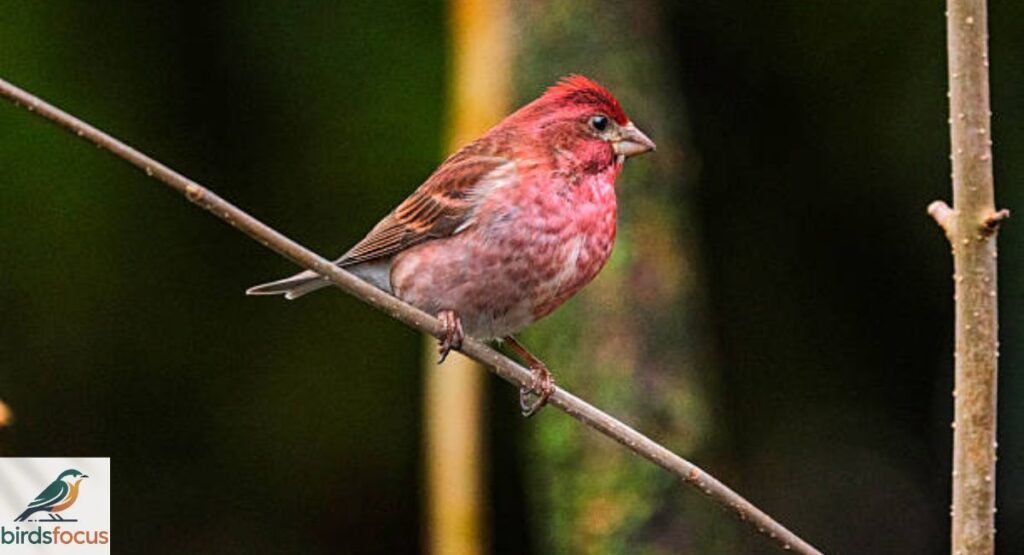
Male Purple Finches have raspberry-purple feathers on the head and chest. Females look brown with white streaks. These birds love sunflower seeds and often visit backyard feeders. They are popular among backyard birds Florida enthusiasts during winter.
Purple Martin
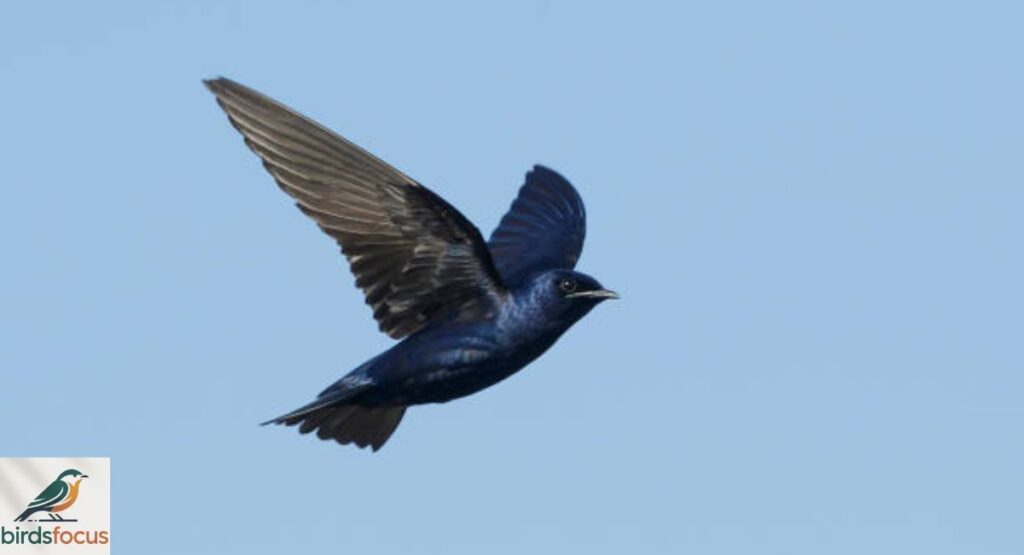
Purple Martins are large swallows with glossy blue-purple feathers. They catch insects while flying high above lakes and open fields. These birds use nest houses placed by humans. Their aerial movements look graceful and fast.
Little Blue Heron
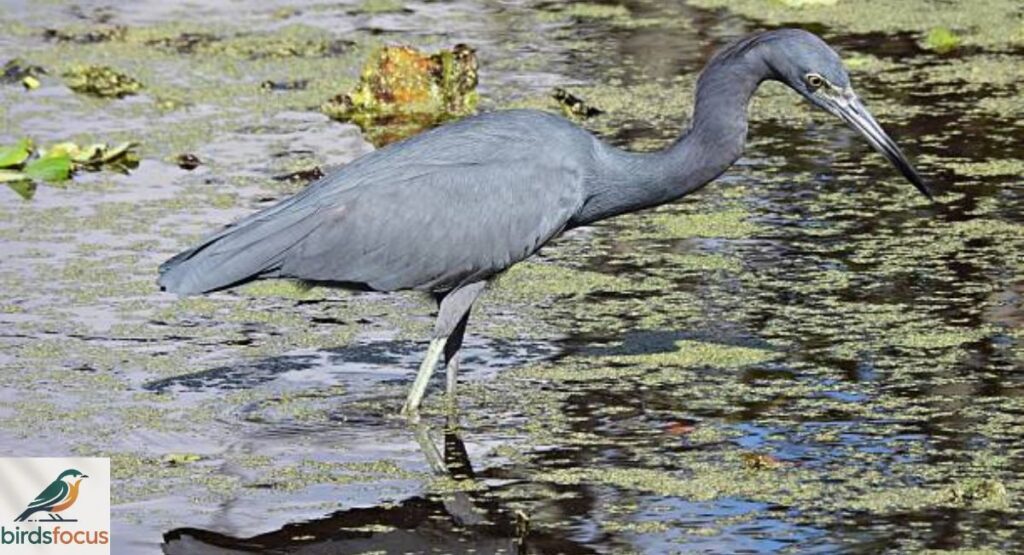
Little Blue Herons have dark blue-gray bodies with purple-maroon necks. Young birds are completely white during their first year. These wetland hunters stand still for long periods before catching fish and frogs with sharp bills.
Boat-tailed Grackle
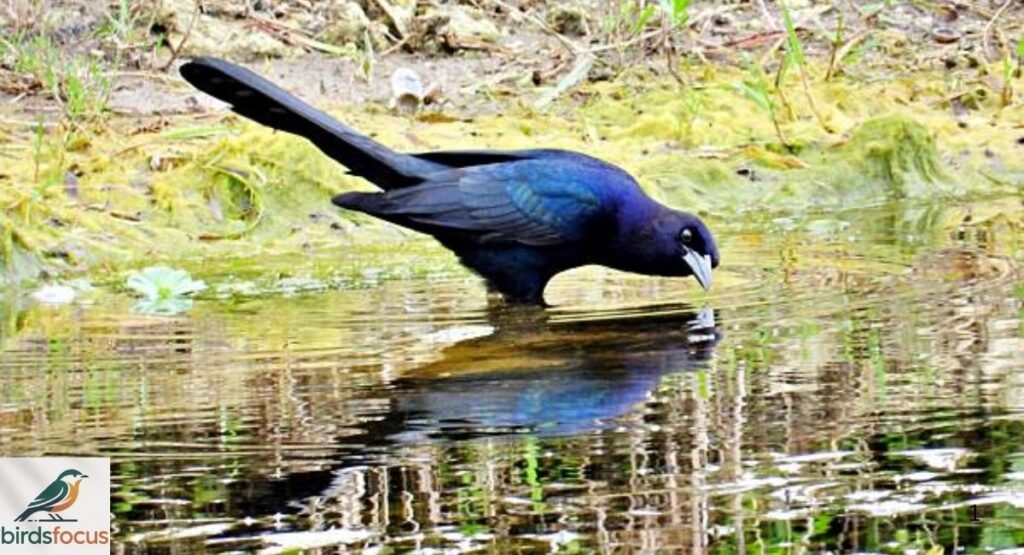
Boat-tailed Grackles are loud blackbirds with purple-blue shine on their feathers. Males have long tails shaped like boats. These birds are common near beaches, parking lots, and restaurants where they search for leftover food.
Purple Gallinule
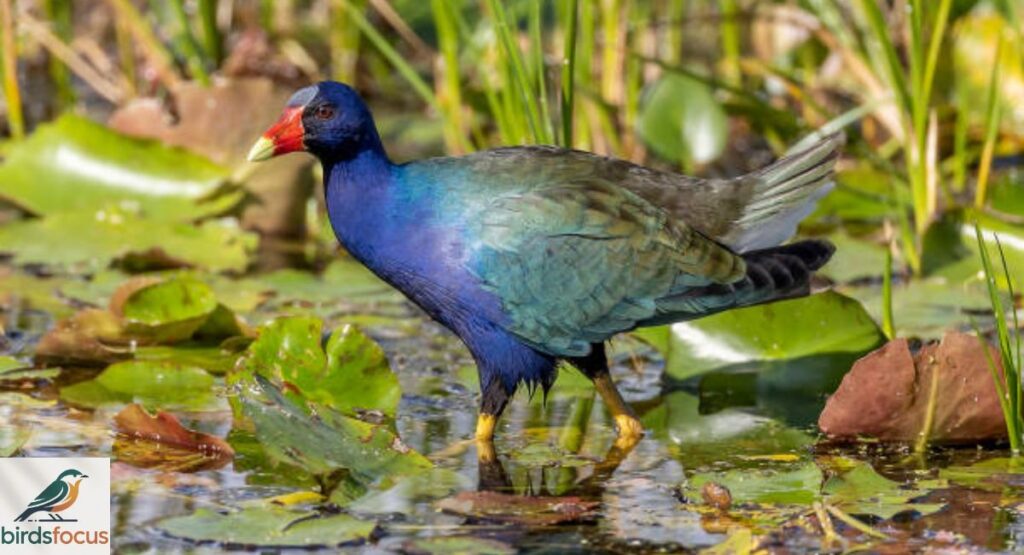
Purple Gallinules are among the most colorful native Florida birds. Their feathers mix purple, blue, bronze, and green shades. Long yellow legs help them walk across floating plants in wetlands. Their bright red bills make them easy to recognize.
Common Grackle
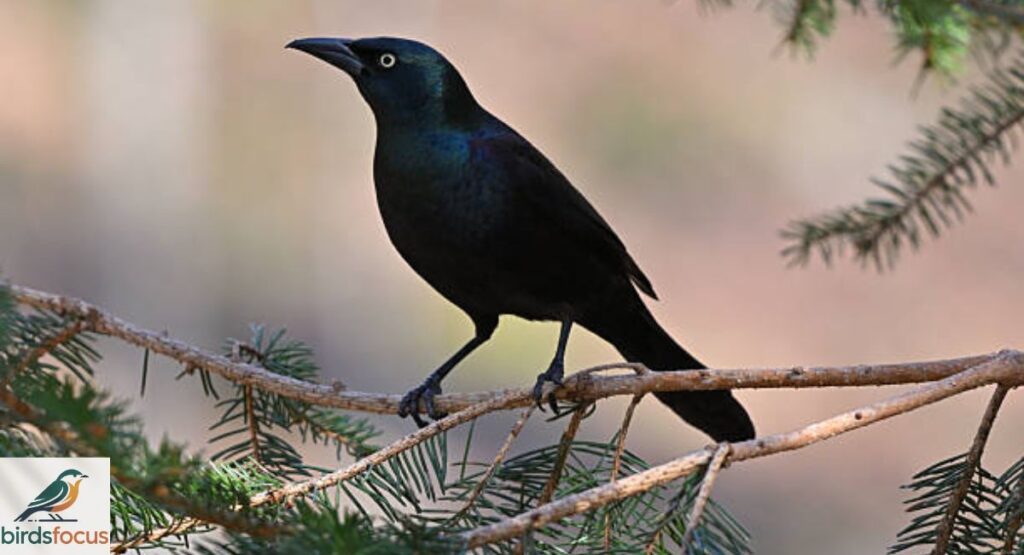
Common Grackles have glossy black feathers with purple heads and bright yellow eyes. Large flocks gather near fields and parking lots. Their metallic feathers shine beautifully during sunrise and sunset.
Glossy Ibis
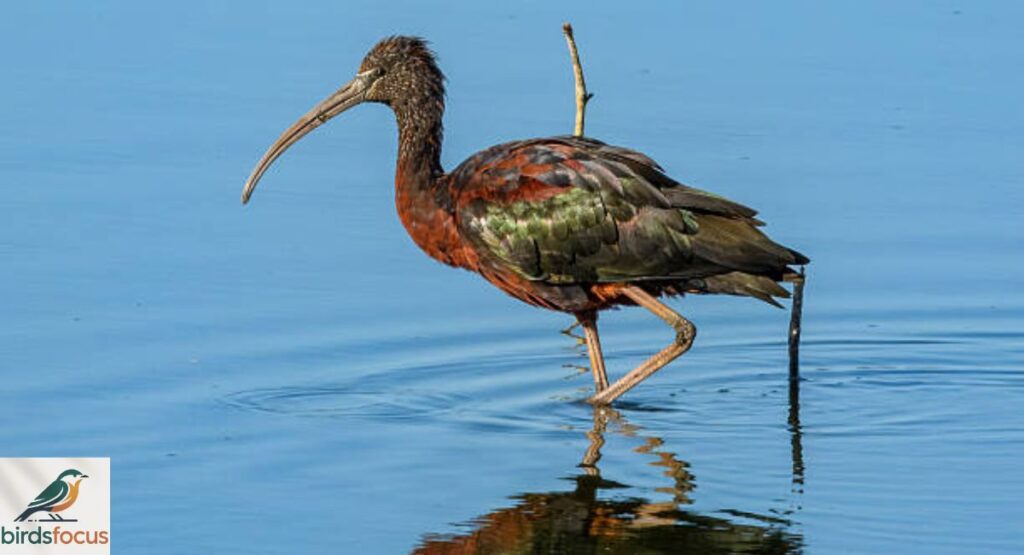
Glossy Ibises show bronze and purple reflections across their feathers. They use long curved bills to search mud for insects and small aquatic animals. Wetlands and flooded fields are their favorite habitats.
Black Vulture
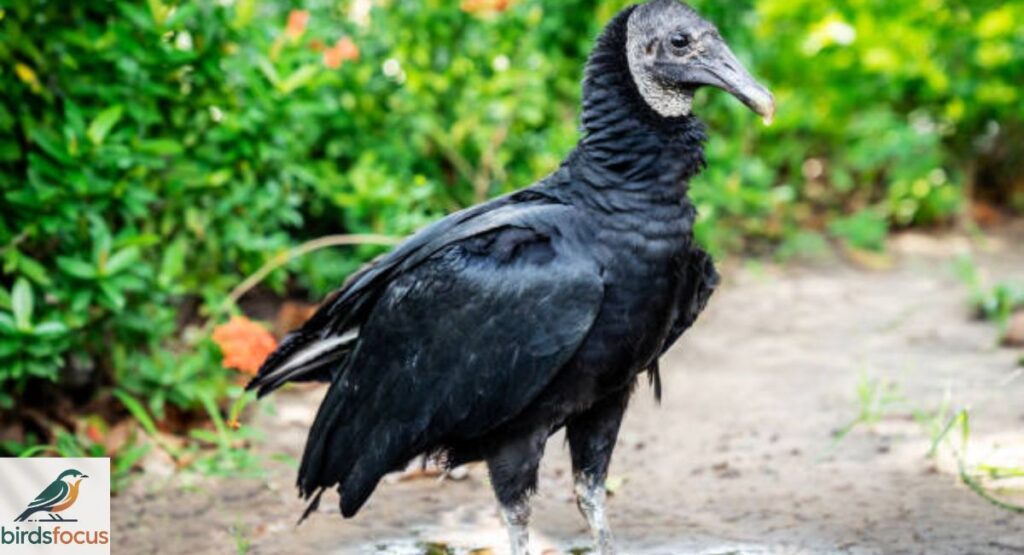
Black Vultures may appear plain black at first. However, close sunlight reveals a subtle purple-blue glow on their feathers. These scavengers help nature by cleaning dead animals from roads and fields.
White-crowned Pigeon
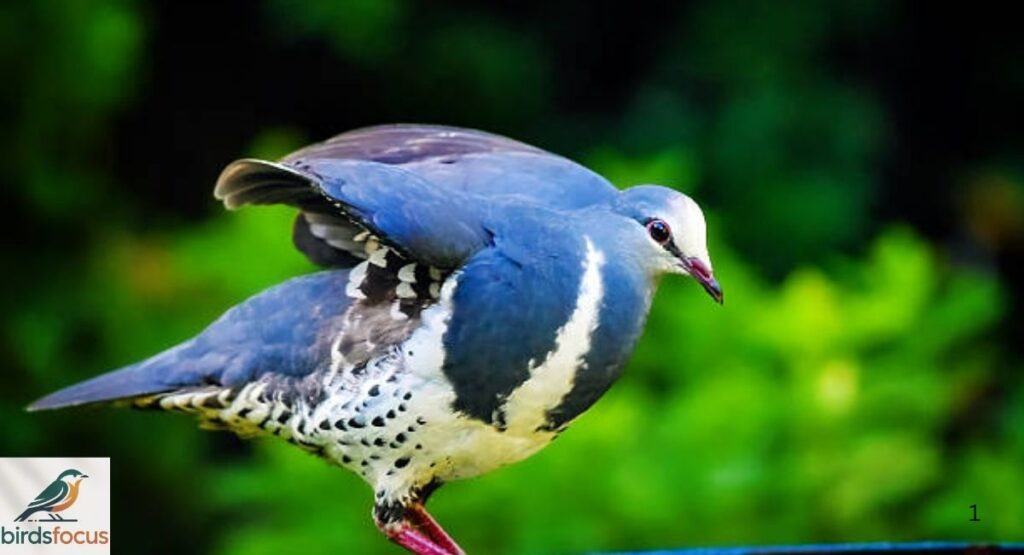
White-crowned Pigeons live mainly in southern Florida and the Florida Keys. Their neck feathers display soft purple shine beside a bright white crown. These shy birds prefer tropical forests and mangroves.
Red-winged Blackbird
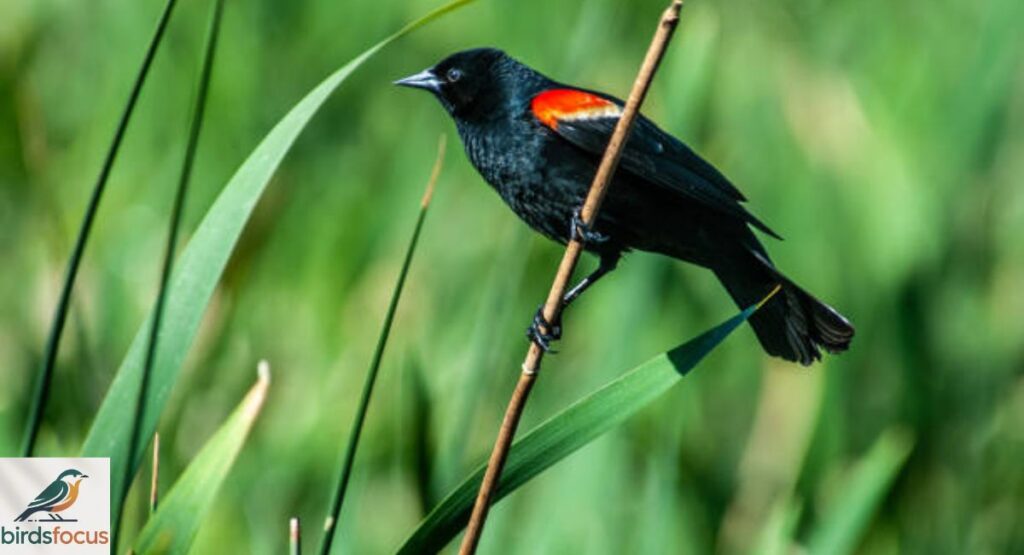
Male Red-winged Blackbirds show hidden purple gloss on their dark feathers. Their bright shoulder patches stand out strongly in wetlands. They are famous for loud calls and aggressive nesting behavior.
Anhinga
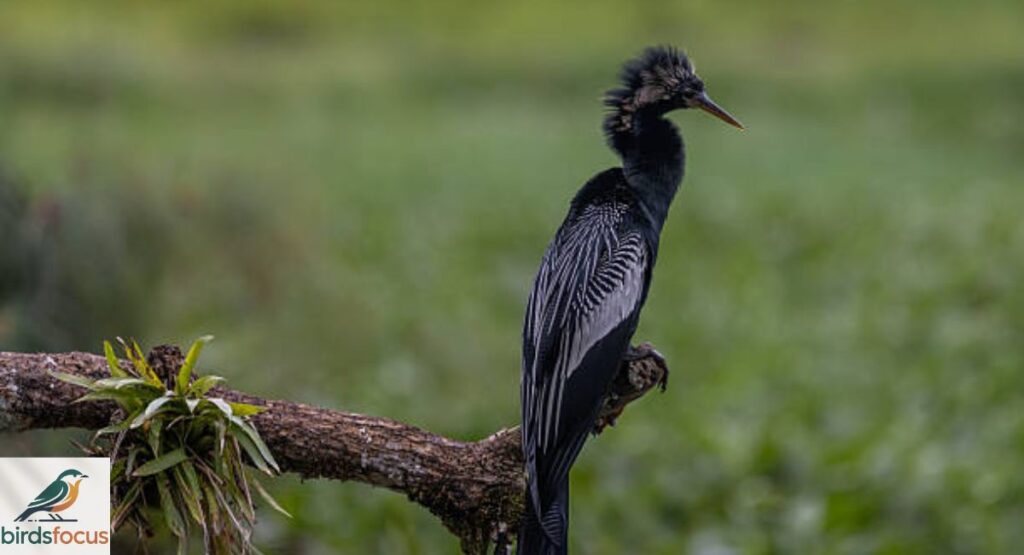
Anhingas are water birds with silver-purple feather reflections. After diving underwater for fish, they spread their wings to dry in the sun. Many people call them snake birds because of their long necks.
Florida Wood Duck
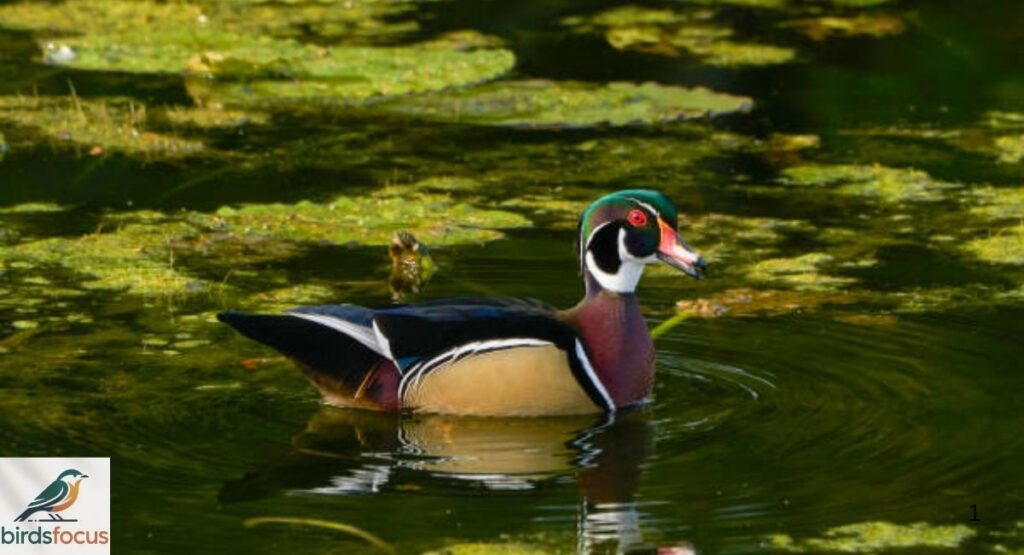
The Florida Wood Duck displays a beautiful mix of glossy feathers with hints of purple, green, and blue under sunlight. Males look especially colorful during breeding season. These ducks prefer wooded swamps, quiet ponds, and freshwater lakes where they feed on seeds, plants, and small insects.
Florida Green Heron
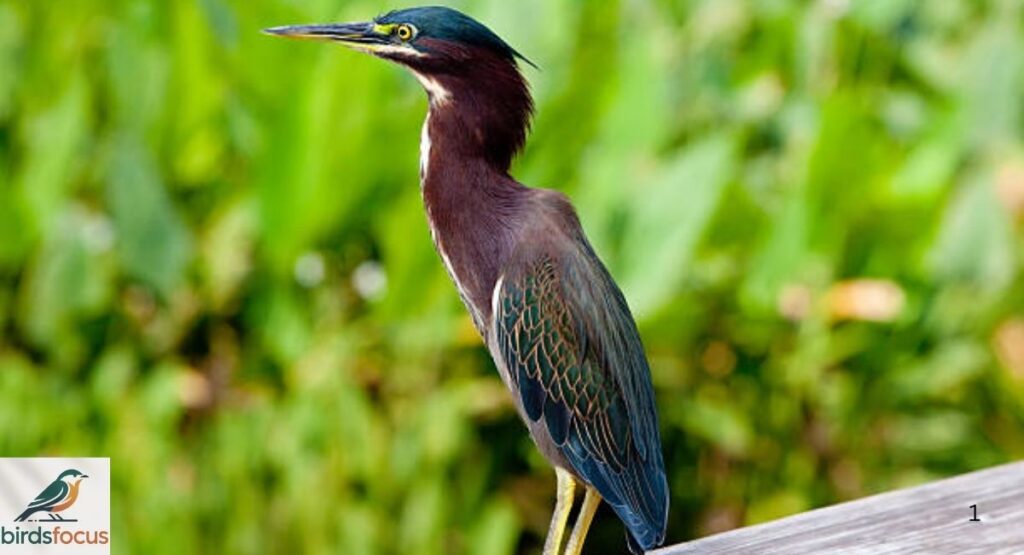
The Florida Green Heron often appears dark green or purple depending on the light. Its neck feathers show rich chestnut and violet tones during sunrise and sunset. This small heron hides near shallow water while patiently hunting fish, frogs, and insects along wetland edges.
Best Places to See Purple Birds in Florida
Florida offers excellent birdwatching locations filled with marshes, lakes, and coastal habitats. Wetlands provide food, shelter, and nesting areas for many colorful species. Birdwatchers often visit famous parks and wildlife refuges to see rare birds.
The Everglades is one of the best places to spot Purple Birds in Florida. Coastal marshes and freshwater swamps also attract herons, ibises, and gallinules throughout the year.
| Location | Famous Purple Bird |
| Everglades | Purple Gallinule |
| Coastal Marshes | Boat-tailed Grackle |
| Wetlands | Little Blue Heron |
| City Parks | Rock Pigeon |
Best Seasons for Birdwatching in Florida
Spring is one of the best seasons for birdwatching because migratory birds return during warmer weather. Many birds also show brighter breeding colors during this time. Wetlands become active with nesting birds and feeding flocks.
Winter is another excellent season because northern birds travel south to Florida. Cooler weather attracts finches, blackbirds, and water birds. Birdwatchers can enjoy high bird diversity from December through February.
How to Attract Purple Birds to Your Backyard
Creating a bird-friendly backyard increases your chances of seeing colorful species. Bird feeders filled with sunflower seeds attract finches and blackbirds. Fresh water sources also help birds during Florida’s hot summers.
Native plants provide shelter and natural food for birds. Purple Martins need special nesting houses placed in open areas. A quiet yard with trees and shrubs usually attracts more bird feeder visitors.
| Backyard Feature | Bird Species |
| Sunflower Seeds | Purple Finch |
| Birdbath | Grackles |
| Wetland Plants | Purple Gallinule |
| Nest Boxes | Purple Martin |
Birdwatching Tips for Beginners
Birdwatching becomes easier with patience and practice. Early morning is the best time because birds are most active after sunrise. Moving slowly helps prevent birds from flying away too quickly.
Binoculars make it easier to notice feather colors and markings. Learning bird calls also improves identification skills. Many beginners keep notebooks or use mobile apps to record sightings.
“Birdwatching helps people slow down and enjoy nature’s hidden beauty.”
Native vs Invasive Purple Birds in Florida
Some purple birds naturally belong to Florida ecosystems while others arrived through human activity. Native species help maintain healthy wetlands and forests. Invasive birds sometimes compete with local wildlife for food and nesting areas.
European Starlings and Gray-headed Swamphens are common invasive species in Florida. Protecting wetlands and native habitats helps local birds survive and reproduce successfully.
| Native Birds | Invasive Birds |
| Purple Gallinule | European Starling |
| Little Blue Heron | Gray-headed Swamphen |
| Purple Martin | Rock Pigeon |
Interesting Facts About Purple Birds in Florida
Purple is one of the rarest colors found in birds. Many species only appear purple because of sunlight reflection. Some Purple Martins migrate thousands of miles between North and South America every year.
Purple Gallinules can walk on floating plants because of their long toes. Large martin flocks sometimes become so huge they appear on weather radar systems. Even common pigeons hide beautiful purple colors most people never notice.
Purple Birds in Florida by Region
Florida is not the same everywhere, and bird life also changes by area. Some regions are rich in wetlands while others have cities, beaches, and forests. Because of this, Purple Birds in Florida appear differently depending on location. Each region offers a unique birdwatching experience, especially during migration seasons.
North Florida
North Florida has forests, rivers, and quiet wetlands. Here, birdwatchers often spot Purple Finch, European Starling, and Common Grackle. Cooler weather attracts migratory birds in winter. Open woodlands and backyard feeders make sightings easier, especially during early morning hours when birds actively search for food.
Central Florida
Central Florida is full of lakes, swamps, and urban parks. This region is ideal for seeing Purple Martin colonies during breeding season. Wetlands also support Little Blue Heron and Purple Gallinule. Cities like Orlando offer surprising bird diversity near ponds, golf courses, and green spaces.
South Florida
South Florida has the richest biodiversity in the state. The Everglades and coastal marshes are home to Purple Gallinule, Boat-tailed Grackle, and Gray-headed Swamphen. Warm tropical weather supports year-round bird activity. This region gives the best chance to observe rare and colorful wetland birds.
Florida Keys
The Florida Keys offer a tropical birdwatching paradise. Dense mangroves and coastal forests support species like White-crowned Pigeon. These birds are shy and prefer hidden habitats. Birdwatchers often explore early mornings when islands are quiet and bird activity is highest.
Big and Small Purple Birds in Florida
Florida is home to both large wetland birds and tiny backyard species with purple feathers or glossy violet shine. Some birds look massive while standing near marshes, while others appear small and energetic around feeders and gardens. Their size, habitat, and behavior make each species unique for birdwatchers across the state.
| Bird Name | Size Category | Main Habitat | Purple Feature |
|---|---|---|---|
| Purple Gallinule | Large | Wetlands and marshes | Bright purple-blue body |
| Little Blue Heron | Large | Swamps and shallow water | Purple-maroon neck |
| Gray-headed Swamphen | Large | Freshwater wetlands | Purple-blue feathers |
| Boat-tailed Grackle | Medium | Coastal marshes | Glossy purple-black shine |
| Purple Martin | Medium | Open skies and lakes | Dark blue-purple plumage |
| European Starling | Small | Cities and suburbs | Purple-green iridescence |
| Purple Finch | Small | Forests and backyards | Raspberry-purple chest |
| Common Grackle | Small | Parks and fields | Metallic purple head |
Large purple birds usually live near wetlands because these habitats provide food and nesting areas. Smaller birds often visit backyard feeders, trees, and urban parks. Early morning sunlight makes their purple feathers look even brighter and easier to identify.
Conclusion
Florida is a paradise for birdwatchers who love colorful wildlife. From wetlands to city parks, Purple Birds in Florida create unforgettable moments for nature lovers. Their glowing feathers and unique behaviors make every birdwatching trip exciting.
Whether you explore the Everglades or watch birds from your backyard, Florida offers endless opportunities to discover rare and beautiful species. Once you start noticing these birds, every walk outside feels more colorful and alive.
FAQs
What is the most common purple bird in Florida?
The European Starling is one of the most common birds with a purple shine seen across Florida cities and neighborhoods.
Are purple birds rare in Florida?
Some purple birds are rare while others are common. Wetlands and marshes usually offer the best chances to spot colorful species.
Why do some birds look purple in sunlight?
Many birds have iridescent feathers that reflect sunlight. This reflection creates purple, blue, or violet colors at certain angles.
Where can I see Purple Birds in Florida?
You can find them in wetlands, coastal marshes, parks, lakes, and even backyard feeders throughout the state.
Which purple bird visits backyard feeders most often?
The Purple Finch often visits feeders, especially during cooler months when sunflower seeds are available.

Welcome to birdsfocus! I’m Anam Sattar, an AI Powered SEO, and Content Writer with 4 years of experirnce.
I help websites rank higher,grow traffic, and look amazing. My goal is to make SEO and web design simple and effective for everyone.
Let’s achieve more together!