
It sounds like a trick question from a school quiz. Is grass abiotic or biotic? Since grass is green, grows and needs sunlight, most people guess correctly, but the reasons behind the answer are worth knowing. If you’ve ever typed is grass abiotic into a search bar, the answer is no. Grass is biotic, because it’s a living thing.
Biotic versus abiotic
Ecologists sort the parts of any environment into two groups. Biotic factors are the living, or once living, parts of an ecosystem: plants, animals, fungi, bacteria and the remains they leave behind. Abiotic factors are the non-living parts: sunlight, water, soil minerals, temperature, air and rocks.
A simple way to remember it is the prefix. “Bio” means life, so biotic means related to life. Adding “a” in front of a word often means “not,” as in “amoral” or “atypical,” so abiotic means not living.
Why grass counts as biotic
Grass is a plant, and plants meet every test for being alive. It grows from seed, takes in nutrients, makes its own food through photosynthesis, responds to its surroundings, and reproduces by seeds and runners. A lawn left alone for a few weeks proves it, because it keeps getting taller and spreads into new corners.
Photosynthesis is the key point. Grass uses sunlight, water and carbon dioxide to make sugar for energy and releases oxygen as a by-product. That’s a living process, and no rock or puddle can do it.
Grass also supports other living things. Rabbits, grasshoppers, cattle and deer eat it. Insects and birds shelter in it. Its roots hold soil together and feed fungi and microbes underground. So it sits at the base of many food chains as a producer, which is another biotic role.
What about dead grass?
Here’s where students often get stuck. Dry, brown, dead grass isn’t alive any more. Is it abiotic then? Usually, no. Scientists still treat it as biotic, because it came from a living organism. Dead leaves, fallen logs and animal bones are considered biotic material for the same reason, and they break down to feed decomposers like earthworms and bacteria.
A plastic lawn or an artificial turf mat is different. It’s made by people from synthetic materials and never lived, so it counts as non-living. It isn’t a natural abiotic factor, but it certainly isn’t biotic either.
The abiotic side of a grassy field
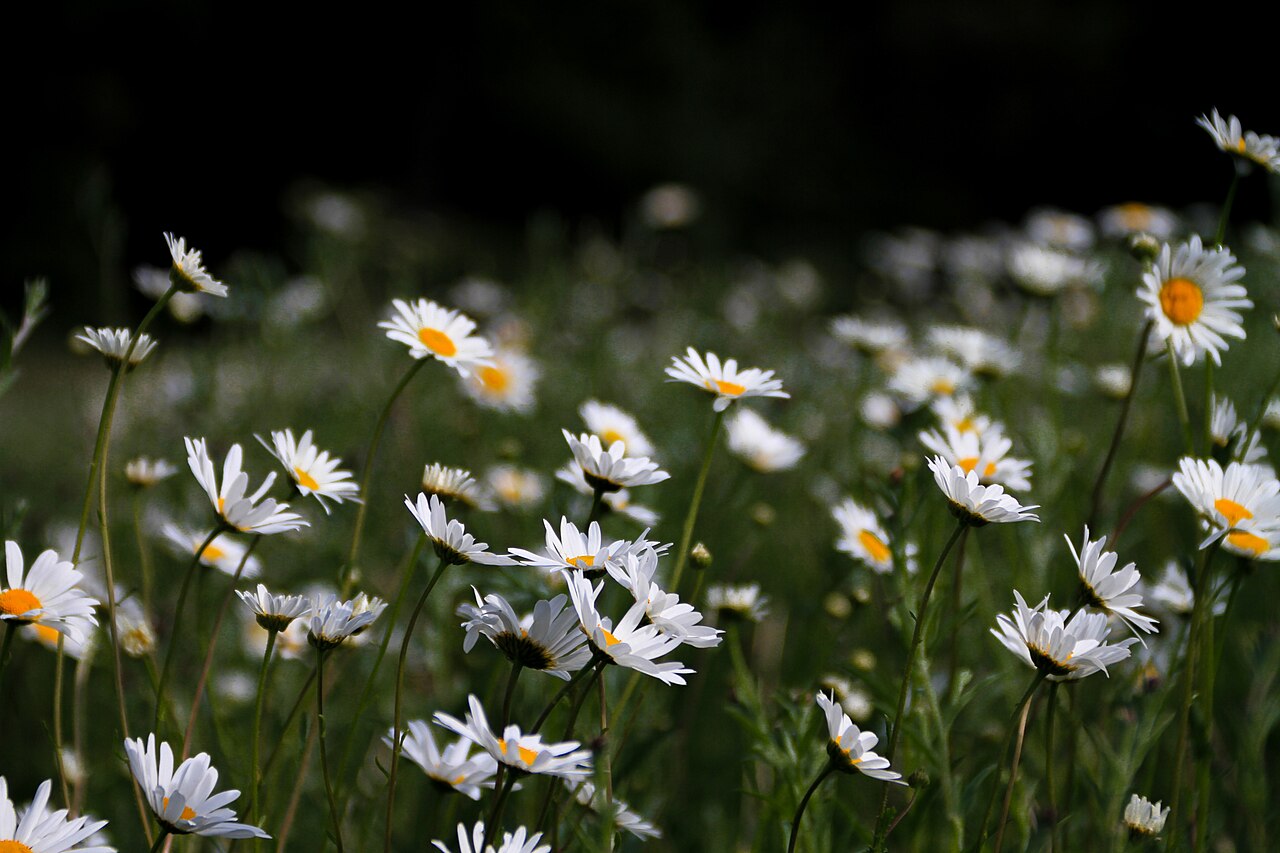
To see the difference, picture a meadow. The grass, wildflowers, bees, mice and hawks are biotic. The sunshine, rain, wind, soil type, the stones along the path and the temperature of the air are abiotic. The two groups depend on each other constantly. Grass can’t grow without light and water, and soil gets richer when plants and animals die and break down inside it.
Changing one abiotic factor can reshape the biotic ones. A dry summer can turn a green field brown and send grazers looking for food somewhere else. Too much rain can wash nutrients away. Ecologists track these links to understand how healthy a habitat is, and farmers watch them closely too, since pasture quality depends on rainfall, soil and the animals grazing on it.
A quick way to check anything
When you’re not sure if something is biotic or abiotic, ask three questions. Is it alive now? Was it once alive? Did it come from a living thing? If the answer to any of them is yes, it’s biotic. If it was never alive, like water, sand or sunlight, it’s abiotic.
For more short, clear comparisons of everyday science terms, compairro.com is worth a look.
So the answer is settled. Grass is biotic, living or dead, and the sun, soil and water around it are the abiotic factors it relies on.

Welcome to birdsfocus! I’m Anam Sattar, an AI Powered SEO, and Content Writer with 4 years of experirnce.
I help websites rank higher,grow traffic, and look amazing. My goal is to make SEO and web design simple and effective for everyone.
Let’s achieve more together!