

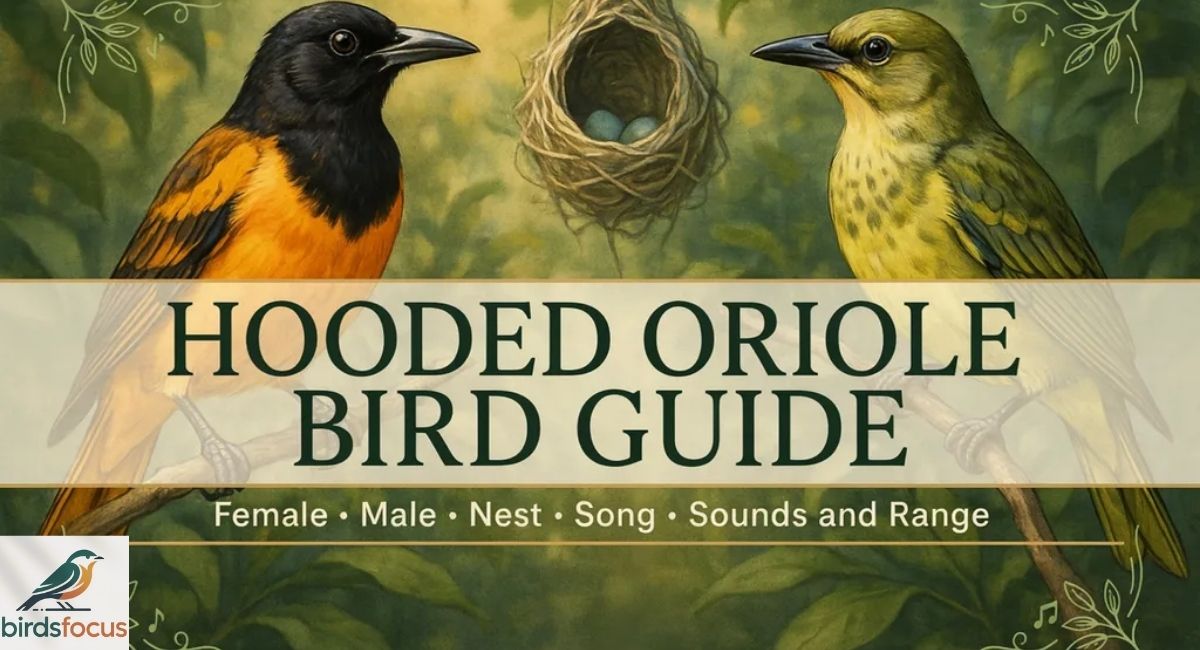
The Hooded Oriole is one of the most colorful and fascinating songbirds found in the southwestern United States. Known for its brilliant orange plumage and cheerful whistles, this striking bird attracts birdwatchers across California, Arizona, and Texas. The male Hooded Oriole displays vivid colors that stand out in sunlight, while the female Hooded Oriole uses softer shades for camouflage during nesting season.
Many bird lovers recognize this species by its unique hooded oriole nest, which often hangs beneath palm fronds. Its beautiful hooded oriole song and regular visits to hummingbird feeders make this bird a memorable sight in gardens and parks throughout its range.
Hooded Oriole Identification Guide
The easiest way to recognize a Hooded Oriole is by its vivid colors and slender curved bill. Adult birds measure between seven and eight inches long with rounded wings and a wedge-shaped tail. Their elegant shape gives them a lighter appearance than many other blackbirds and orioles.
Birders often confuse young birds with females because both display softer shades. However, plumage patterns, wing markings, and facial coloration provide reliable clues for accurate identification throughout the year.
How to Identify a Hooded Oriole
The species combines bright coloration with graceful body proportions. The slightly curved bill allows the bird to feed on nectar and insects with equal ease. Unlike heavier blackbirds, the body appears streamlined and agile among branches and flowers.
Male Hooded Oriole
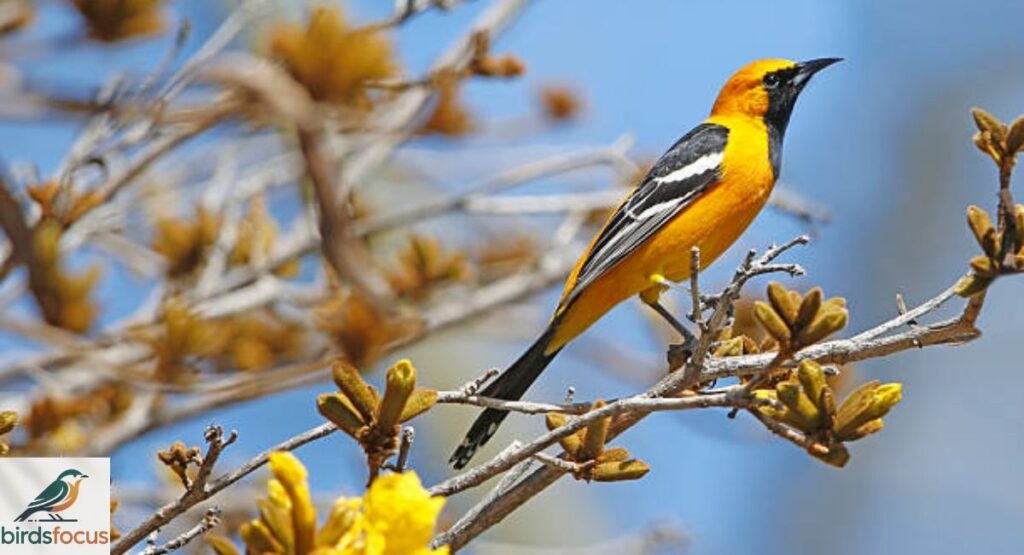
The male Hooded Oriole wears a brilliant orange hood covering the head and chest. A black throat, black back, and dark wings create a dramatic contrast. White wing markings become highly visible during flight and often help birders spot males from a distance.
Female Hooded Oriole
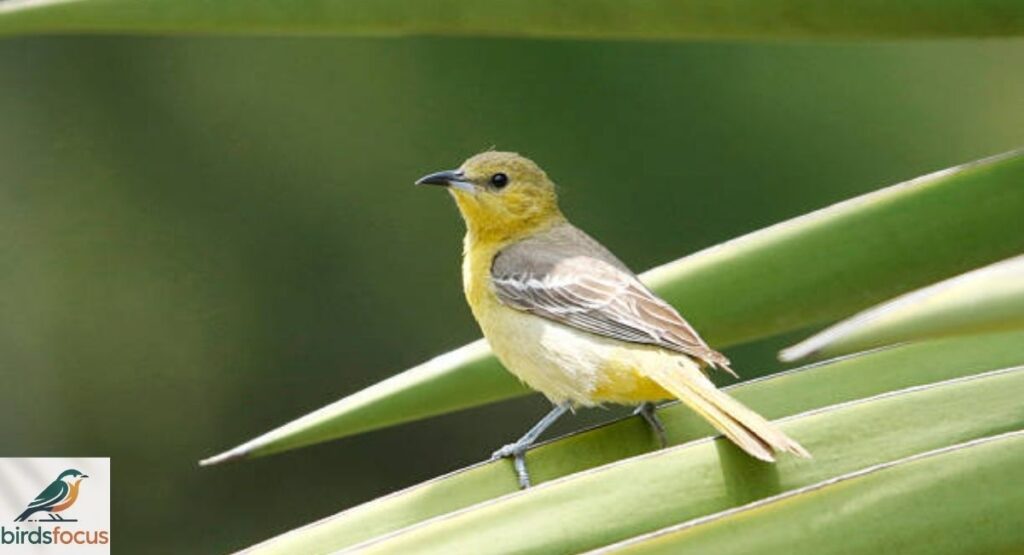
The female Hooded Oriole displays softer shades of yellow-green with gray wings and a pale face. Her subtle coloration provides excellent camouflage while incubating eggs high among palm fronds and foliage.
Juvenile Hooded Oriole
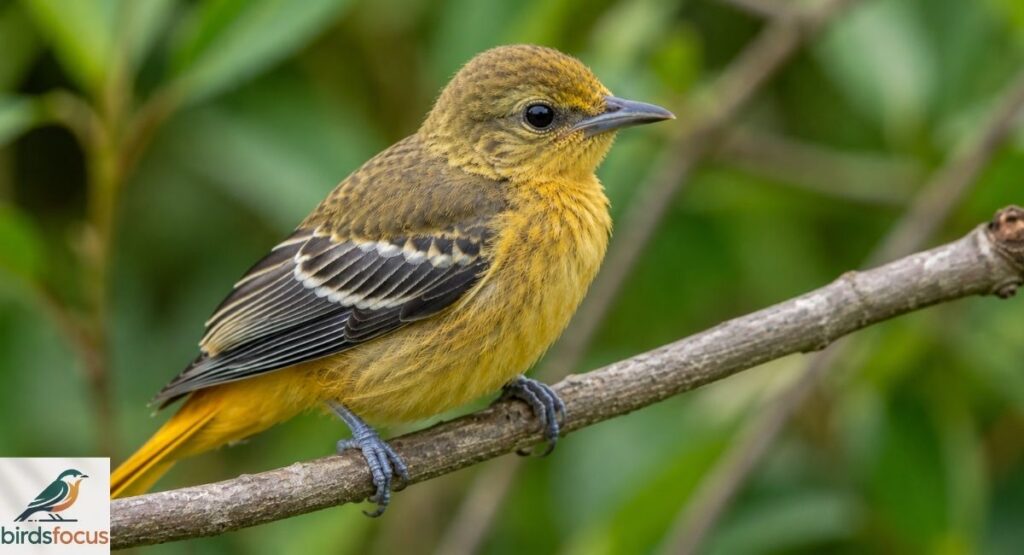
A juvenile Hooded Oriole resembles the female during its first months of life. Young males gradually develop darker feathers and richer orange tones as they mature into adulthood.
Hooded Oriole Range and Distribution
The Hooded Oriole range stretches across the southwestern United States and deep into Mexico. Breeding populations occur mainly in California, Arizona, New Mexico, and Texas where warm climates provide suitable nesting habitat.
Migration patterns vary by location. Some populations travel south during winter while others remain year-round in neighborhoods that offer reliable nectar sources and mild temperatures.
Where Do Hooded Orioles Live?

These birds prefer lowland regions with scattered trees and water sources. Desert oases, suburban gardens, and riparian woodlands all provide excellent habitat.
Hooded Oriole Range Map
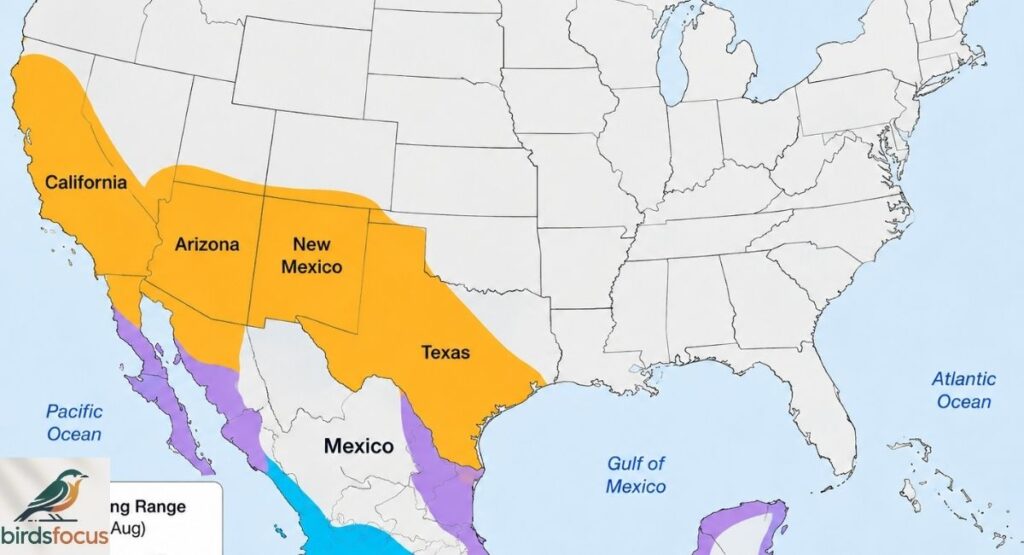
Most breeding records cluster in the American Southwest while winter populations spread farther south into Mexico. Urban areas with mature landscaping often support surprisingly healthy numbers.
Migration Patterns
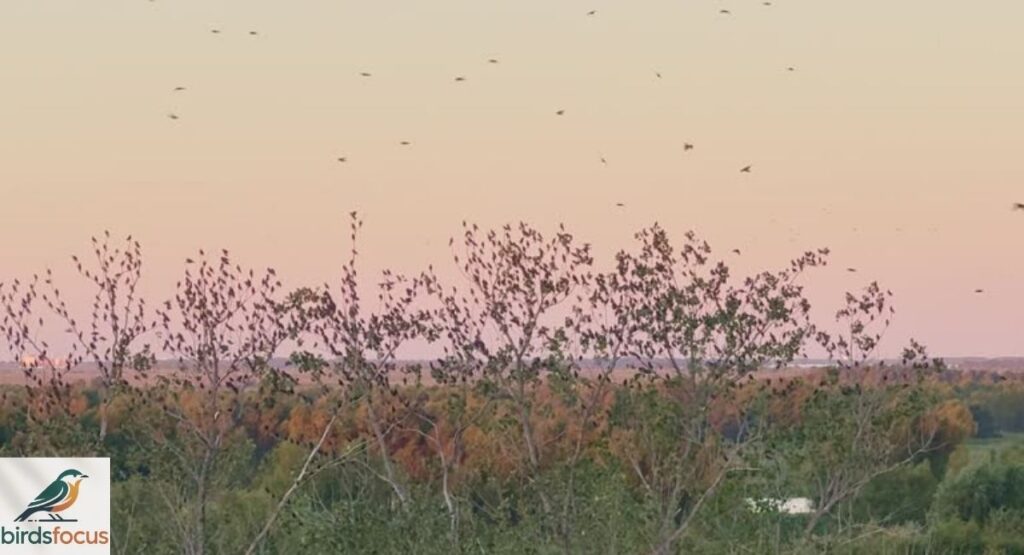
Many birds arrive in March and begin leaving by August. Their early arrival gives them access to nesting sites before intense summer heat arrives.
Hooded Oriole Habitat Preferences
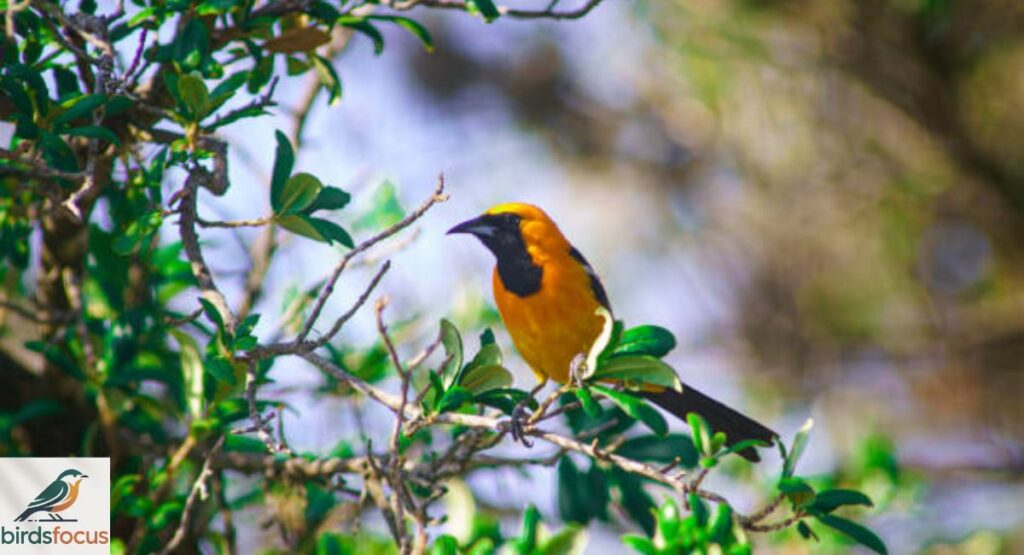
The species thrives in environments that combine trees, flowers, and open spaces. Streams, canyons, and woodland edges provide ideal feeding opportunities for adults raising young birds.
Modern landscaping has unexpectedly benefited the species. Decorative palms planted throughout southern cities have expanded available nesting locations and encouraged population growth in some regions.
Natural Habitats
The bird naturally occupies arroyos, desert valleys, sycamore groves, and cottonwood forests. These environments provide insects, berries, and nectar-rich flowers.
Urban and Suburban Habitats
The species adapts remarkably well to parks, golf courses, and residential neighborhoods. Cities with mature trees often support nesting pairs.
Why Hooded Orioles Love Palm Trees
Palm leaves create ideal attachment points for nests. The hanging fronds reduce access for predators and provide protection from weather extremes.
Hooded Oriole Nest and Breeding Behavior
Perhaps the most fascinating feature of the species is the hooded oriole nest. The female creates an elegant hanging pouch woven from fibers, grasses, and plant material. The structure often resembles a suspended basket swinging beneath leaves.
Breeding begins shortly after spring arrival. Males establish territories and attract females with songs and displays while females choose the final nest location.
What Does a Hooded Oriole Nest Look Like?
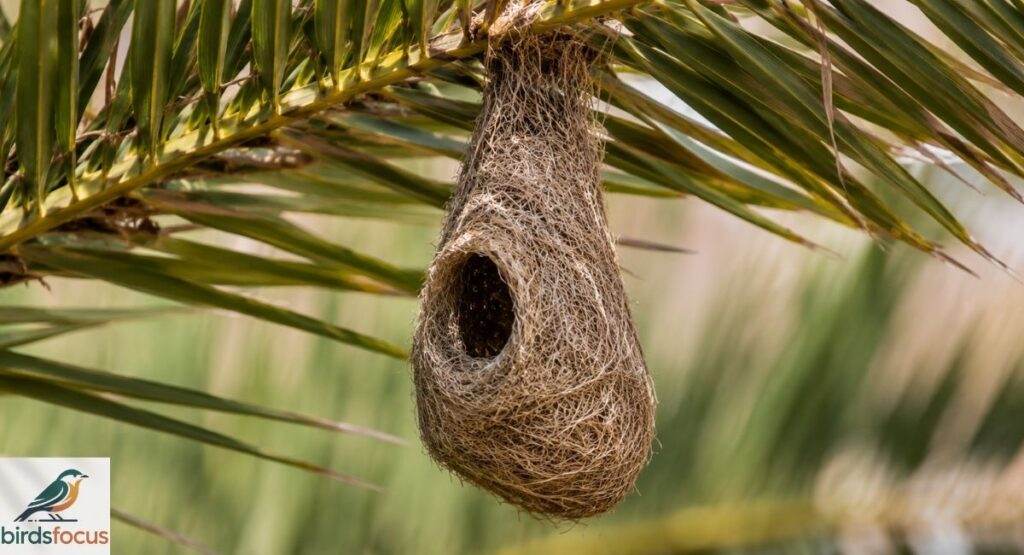
The nest forms a deep woven pocket attached beneath palm fronds or large leaves. Plant fibers and soft lining materials protect eggs and nestlings.
Where Do Hooded Orioles Build Their Nests?
Most nests appear in palm trees although yucca plants, banana leaves, and ornamental trees are also used.
Nest Building Process
Females complete most construction work while males occasionally gather material and defend nearby territory.
Eggs and Incubation
Females usually lay four eggs marked with brown and gray blotches. Incubation lasts approximately two weeks.
Raising Young Birds
Both parents feed the chicks. Young birds generally leave the nest around fourteen days after hatching.
Hooded Oriole Diet and Feeding Habits
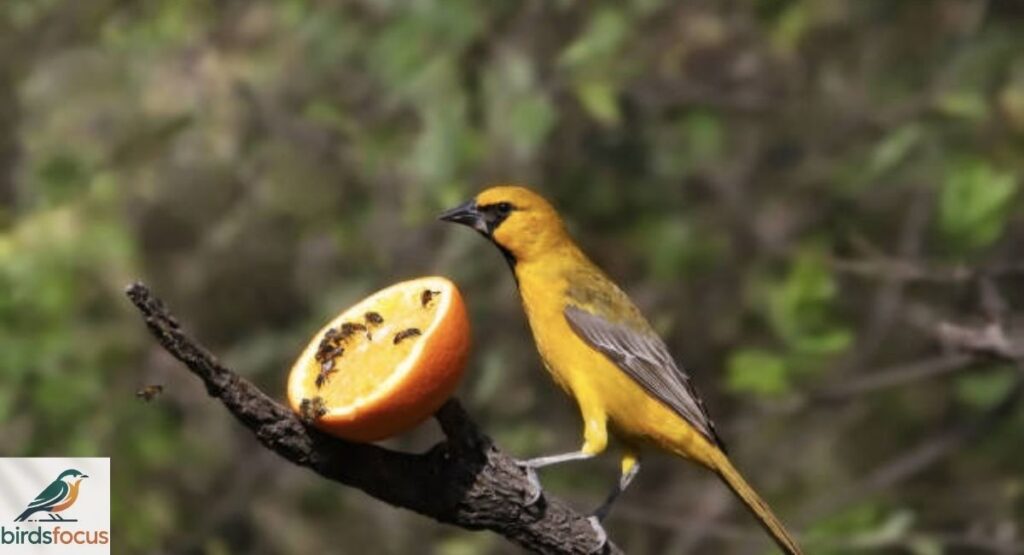
The Hooded Oriole combines insect hunting with fruit feeding and nectar drinking. Caterpillars become especially important during breeding because growing chicks require protein-rich meals.
Seasonal changes influence food choices. Nectar dominates during flowering periods while insects become more important during nesting season.
What Do Hooded Orioles Eat?
Their menu includes caterpillars, beetles, ants, berries, figs, and cultivated fruit growing in suburban gardens.
Nectar Feeding Behavior
The species regularly visits flowers and hummingbird feeders filled with sugar water. Many homeowners discover orioles accidentally while feeding hummingbirds.
Foraging Techniques
Birds move carefully through foliage while inspecting leaves and flowers for insects hidden among branches.
Hooded Oriole Feeder Guide
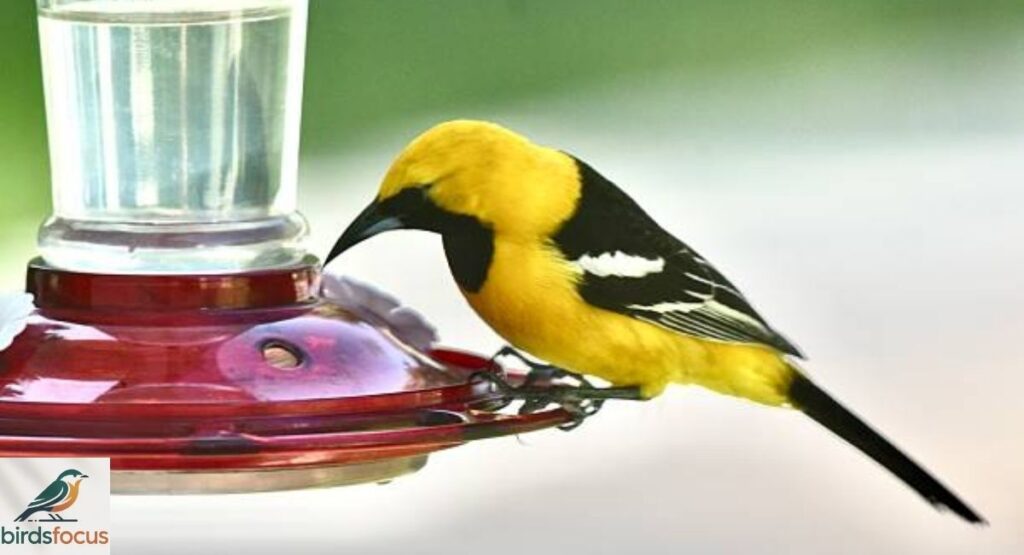
Backyard birders can attract these birds with simple feeding stations. Nectar feeders and fresh fruit often produce results within days during migration periods.
Clean feeders remain essential because spoiled nectar can harm visiting birds and spread disease among local populations.
Best Feeders for Hooded Orioles
Wide-perch nectar feeders work particularly well because orioles prefer larger feeding surfaces than hummingbirds.
Best Foods to Attract Hooded Orioles
Orange halves, grape jelly, and nectar solutions consistently attract hungry migrants during spring and summer.
Tips to Attract Hooded Orioles to Your Yard
Plant native flowers, provide fresh water, and avoid pesticides that reduce insect populations.
Hooded Oriole Song, Calls, and Sounds
The hooded oriole song sounds rich, varied, and surprisingly musical. Males often combine whistles, chatters, and warbles into long vocal performances.
Birders frequently recognize the species by sound before seeing it. Their voices travel well through suburban neighborhoods and desert canyons.
What Does a Hooded Oriole Sound Like?
Typical hooded oriole sounds include whistles, rising notes, and soft chatter sequences.
Hooded Oriole Song Characteristics
Songs often vary between individuals and may contain borrowed notes from neighboring birds.
Calls and Communication
Short calls help pairs remain in contact while feeding or defending territory.
Can Hooded Orioles Mimic Other Birds?
Yes. Males occasionally imitate nearby species and weave those sounds into their own songs.
Hooded Oriole Behavior and Personality
These birds display curiosity and intelligence around feeders and nesting sites. Although usually peaceful, they defend territories vigorously during breeding season.
Observers often notice their energetic movements among branches and flowers as they search for insects and nectar.
Courtship Displays
Males bow, sing softly, and point their bills upward during courtship rituals.
Territorial Behavior
Breeding pairs actively defend nesting trees against intruders.
Social Behavior
Outside nesting season, birds become less territorial and more tolerant of neighbors.
Flight Pattern and Movement
Their flight appears direct and purposeful with quick wingbeats between trees.
Hooded Oriole Conservation Status
The species currently holds a stable conservation classification and remains relatively common across much of its range. However, local populations continue facing environmental challenges.
Habitat protection and responsible urban landscaping remain important for long-term survival throughout the Southwest.
| Conservation Factor | Impact |
| Habitat Loss | Moderate |
| Climate Change | Increasing |
| Urban Development | Regional |
| Palm Tree Availability | Positive |
| Backyard Feeders | Beneficial |
Population Trends
Current estimates place the North American population near 1.7 million birds.
Major Threats
Habitat destruction and brood parasitism by the Bronzed Cowbird remain important concerns.
Conservation Efforts
Native planting programs and citizen science surveys continue improving conservation knowledge.
Similar Birds to the Hooded Oriole
Several species resemble the Hooded Oriole, including the Bullock’s Oriole, Orchard Oriole, and Scott’s Oriole. Careful attention to plumage, range, and song usually solves identification challenges.
| Feature | Hooded Oriole | Bullock’s Oriole | Orchard Oriole | Scott’s Oriole | Altamira Oriole |
| Adult Male Color | Bright orange hood with black throat and back | Orange face with black crown and black back | Chestnut underparts with black head and back | Bright yellow body with black chest and back | Deep orange body with black throat and back |
| Adult Female Color | Yellow-green with gray wings | Dull yellow-orange with grayish back | Olive-green with yellow underparts | Yellow with grayish wings | Yellow-orange with olive wings |
| Size | 7.1–7.9 in (18–20 cm) | 6.7–7.5 in (17–19 cm) | 6.3–7.1 in (16–18 cm) | 8–9 in (20–23 cm) | 9–10 in (23–25 cm) |
| Preferred Habitat | Palm trees, suburbs, desert oases | Open woodlands and riparian areas | Forest edges, orchards, riverbanks | Desert mountains and yucca habitats | Tropical forests and woodland edges |
| Nest Location | Hanging pouch under palm fronds | Suspended from tree branches | Woven nest in shrubs or trees | Yucca plants and desert trees | Large hanging nests in tall trees |
| Range in the USA | California, Arizona, New Mexico, Texas | Western United States | Eastern and Central United States | Southwestern deserts | Rare visitor to southern Texas |
| Song Style | Musical whistles, warbles, and chatter | Rich flute-like whistles | Fast melodic whistles | Clear whistles with harsh notes | Loud whistles and chatter |
| Best Identification Clue | Orange hood and curved bill | Black crown with orange cheeks | Smaller size and chestnut body | Bright yellow belly and black chest | Largest North American oriole |
Interesting Hooded Oriole Facts
The Hooded Oriole is one of the few North American orioles that regularly builds its nest beneath palm fronds. This unusual nesting choice helps protect eggs and chicks from predators and harsh sunlight.
Male Hooded Orioles sometimes imitate the songs of other birds and blend those sounds into their own musical performances. Their rich whistles and warbles often make them easier to hear than to see.
Unlike many songbirds, Hooded Orioles frequently visit hummingbird feeders to drink sugar water. In some neighborhoods, they become regular summer visitors and may return to the same feeding locations year after year.
A female Hooded Oriole does most of the nest construction by herself. She carefully weaves grasses, plant fibers, and soft materials into a hanging pouch that can take several days to complete.
Most Hooded Orioles arrive in the southwestern United States as early as March and begin their southward journey by late summer. They are considered one of the earliest spring migrants among American orioles.
Scientists estimate that the North American population contains around 1.7 million birds. The species currently holds an IUCN conservation status of Least Concern, although some local populations continue to face habitat pressures.
Conclusion
The Hooded Oriole is much more than a colorful backyard visitor. From its bright appearance and musical voice to its remarkable nesting skills, this bird continues to fascinate bird lovers across the southwestern United States. Learning how to identify males, females, and young birds makes every sighting more rewarding.
Whether you are listening to the hooded oriole song, watching a pair build a hooded oriole nest, or attracting them with nectar feeders, this species offers a memorable birdwatching experience. Protecting habitats and planting bird-friendly gardens can help future generations enjoy these beautiful birds.
FAQs
1. Are Hooded Oriole birds rare?
No, Hooded Orioles are fairly common in parts of the southwestern United States, especially in California, Arizona, and Texas during the breeding season.
2. What do Hooded Orioles eat?
They feed on insects, berries, fruit, and nectar. They also visit hummingbird feeders for sugar water.
3. Where do Hooded Orioles build their nests?
Most Hooded Orioles build hanging pouch nests beneath palm fronds, although they may also use yucca plants and ornamental trees.
4. Do Hooded Orioles migrate?
Yes, most populations migrate between the United States and Mexico, arriving in spring and leaving in late summer.
5. How can I attract Hooded Orioles to my yard?
Offer nectar feeders, fresh orange slices, native flowering plants, and a reliable water source to attract them.

Welcome to birdsfocus! I’m Anam Sattar, an AI Powered SEO, and Content Writer with 4 years of experirnce.
I help websites rank higher,grow traffic, and look amazing. My goal is to make SEO and web design simple and effective for everyone.
Let’s achieve more together!