


The Yellow Warbler Bird is one of North America’s most recognizable and cheerful songbirds. Known for its brilliant yellow plumage and sweet, musical voice, this tiny migrant brightens wetlands, woodlands, and backyard habitats across the United States. Birdwatchers often search for its distinctive yellow warbler song, listen for its unique yellow warbler call, and compare it with similar species such as the female yellow-rumped warbler.
Beyond its striking appearance, this energetic bird plays an important ecological role by controlling insect populations. From nesting behavior and migration routes to fascinating vocalizations and habitat preferences, the Yellow Warbler Bird offers endless discoveries for nature lovers and birding enthusiasts alike.
What Is a Yellow Warbler?
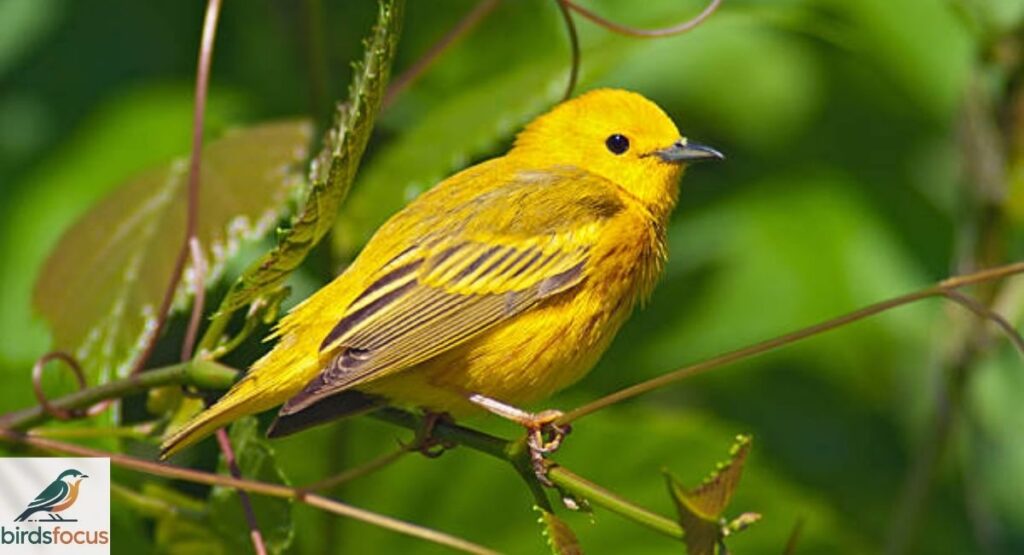
The Yellow Warbler Bird is a small migratory warbler belonging to the wood-warbler family. Scientists classify it as Setophaga petechia, one of the most widespread warbler species in North America.
During the breeding season, these birds occupy much of the United States and Canada before traveling thousands of miles south for winter. Their adaptability allows them to thrive in a variety of environments, especially where shrubs and water sources occur together.
How to Identify a Yellow Warbler Bird
Spotting a Yellow Warbler Bird becomes much easier once you know what features to look for. This species stands out because of its nearly all-yellow appearance. Many birders describe it as a flying patch of sunlight moving through shrubs and low tree branches. Unlike several other warblers that display complex color patterns, the Yellow Warbler keeps things simple with bright yellow feathers and a lively personality. During spring and summer, males often sing from exposed perches, making identification even easier.
Male vs Female Yellow Warbler Identification
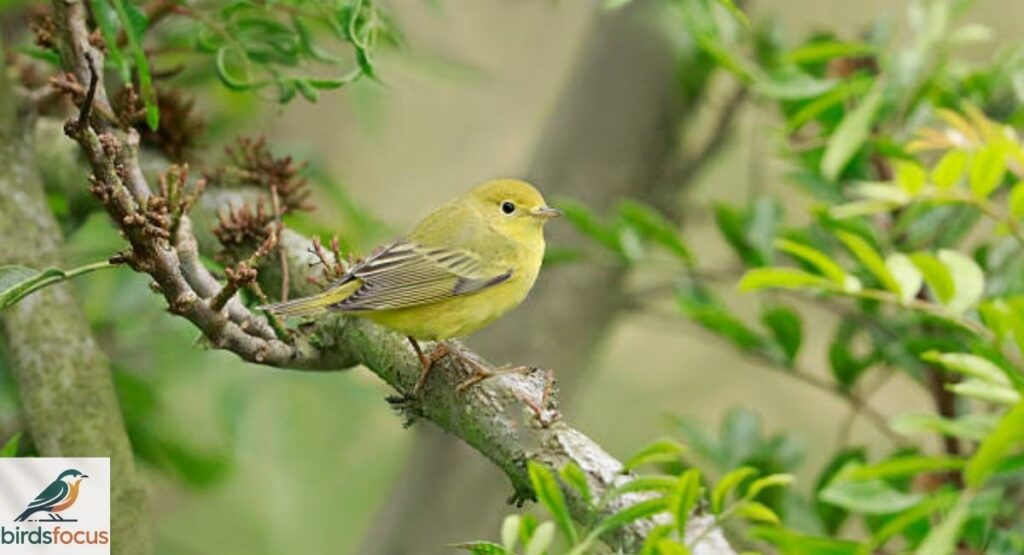
Male Yellow Warblers are often easier to recognize because they wear stronger colors and obvious reddish breast streaks. During spring, their feathers seem to glow in sunlight. These visual signals help attract mates and establish breeding territories. Birdwatchers usually identify males first because they also sing more frequently and perch in visible locations.
Female Yellow Warblers display a gentler appearance. Their feathers remain yellow but lack the intense coloration seen in males. Most females show little or no chest streaking. While they may seem less flashy, their softer tones provide useful camouflage while nesting among shrubs and dense vegetation. Careful observation of plumage differences quickly reveals whether you are viewing a male or female.
Juvenile Yellow Warbler Appearance
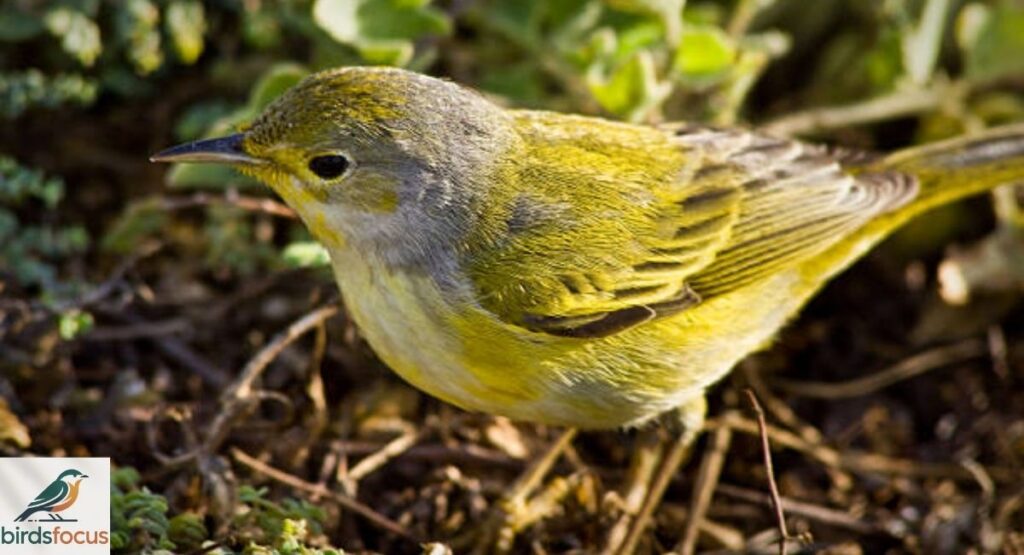
Young Yellow Warblers look noticeably different from mature adults. Newly fledged birds often display duller yellow feathers mixed with olive tones across the back and wings. This subdued appearance helps protect them from predators while they learn to forage and navigate their environment.
Female Yellow-Rumped Warbler vs Yellow Warbler
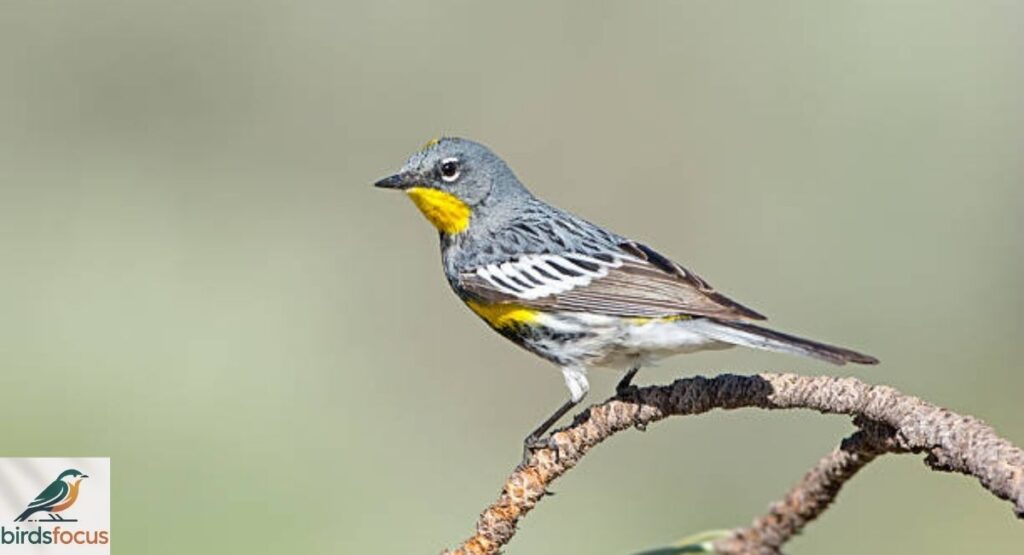
Many beginner birdwatchers confuse the Female Yellow-Rumped Warbler with the Yellow Warbler Bird because both species can show yellow tones. However, a closer look reveals several important differences.
The Yellow Warbler appears much brighter and cleaner in color, while the female Yellow-Rumped Warbler displays a mixture of gray, brown, white, and yellow markings. Learning these distinctions can prevent one of the most common identification mistakes made during migration seasons.
Habitat and Behavior Differences
The Yellow Warbler Bird favors habitats rich in shrubs and moisture. Wetlands, riparian corridors, willow stands, and forest edges provide ideal conditions for nesting and feeding. These birds spend much of their time actively searching leaves and branches for insects.
| Feature | Yellow Warbler | Female Yellow-Rumped Warbler |
| Main Color | Bright yellow | Gray-brown with yellow patches |
| Breast Markings | Often reddish streaks | Dark streaking |
| Rump Patch | Absent | Bright yellow rump |
| Wing Markings | Minimal | Noticeable white patches |
| Habitat | Wetlands and shrubs | Forests and mixed woodlands |
| Winter Diet | Mostly insects and berries | Heavy berry consumption |
| Song Style | Sweet musical phrases | Shorter trills and chips |
Mistakes Birdwatchers Make
One of the most common mistakes occurs when observers focus only on yellow coloration. Many birds display some yellow feathers, but color alone rarely provides a complete identification. Birdwatchers should examine wing patterns, tail markings, body shape, and habitat before reaching a conclusion.
Yellow Warbler vs Other Similar Yellow Birds
Several North American birds share yellow plumage, which can create confusion for beginners. Fortunately, each species possesses unique field marks, behaviors, and habitat preferences. Understanding these differences helps birdwatchers identify birds with greater confidence while expanding their knowledge of local wildlife.
Yellow Warbler vs American Goldfinch
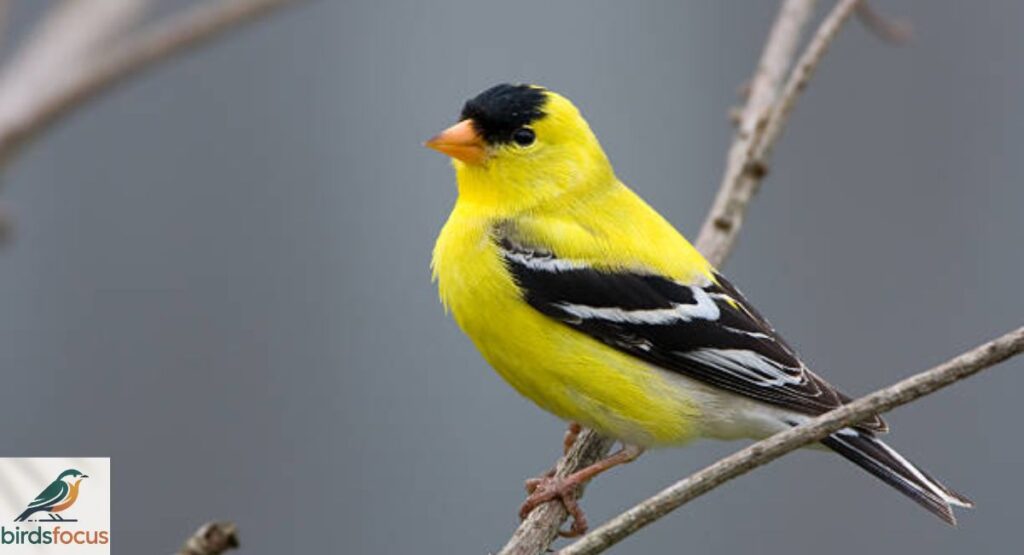
The American Goldfinch displays brilliant yellow breeding plumage similar to a Yellow Warbler. However, goldfinches have black wings, black tails, and a distinct black forehead during summer. Their flight pattern appears bouncy and undulating, which differs from the more direct movements of warblers.
Yellow Warbler vs Wilson’s Warbler
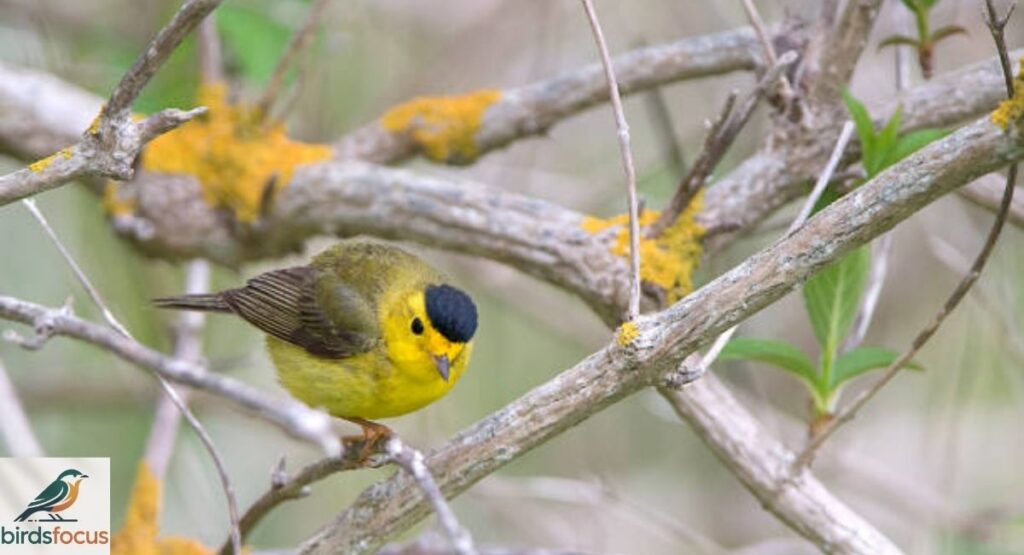
Wilson’s Warbler shares a small body size and bright yellow coloration. The easiest identification clue is the male Wilson’s Warbler’s black cap, which sits prominently on top of the head during breeding season. This feature immediately separates it from Yellow Warblers.
Yellow Warbler vs Yellow-Throated Warbler
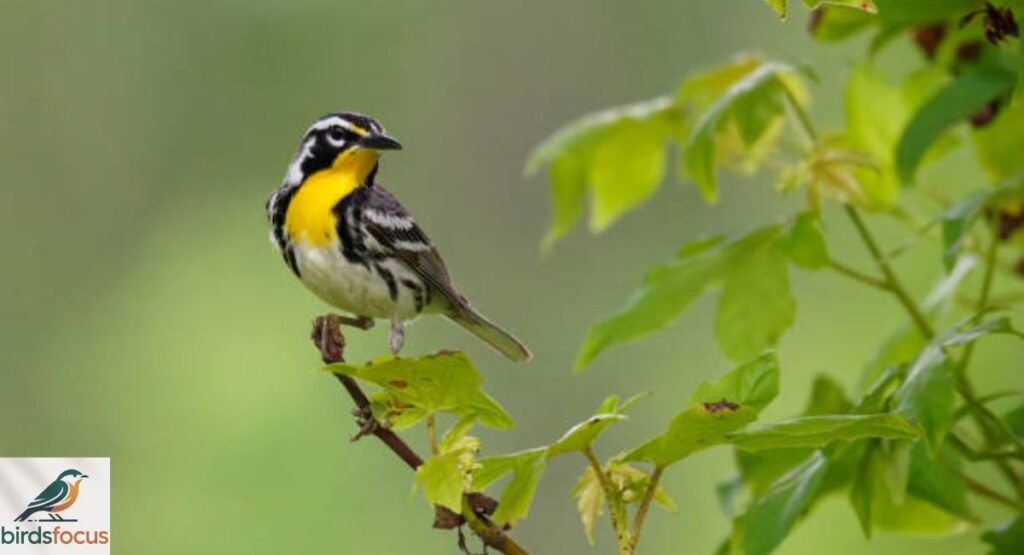
The Yellow-Throated Warbler presents a completely different facial pattern despite sharing yellow coloration. Its bright yellow throat contrasts sharply with black-and-white markings on the face and body. This dramatic appearance makes identification straightforward when seen clearly.
Yellow Warbler vs Yellow-Breasted Chat
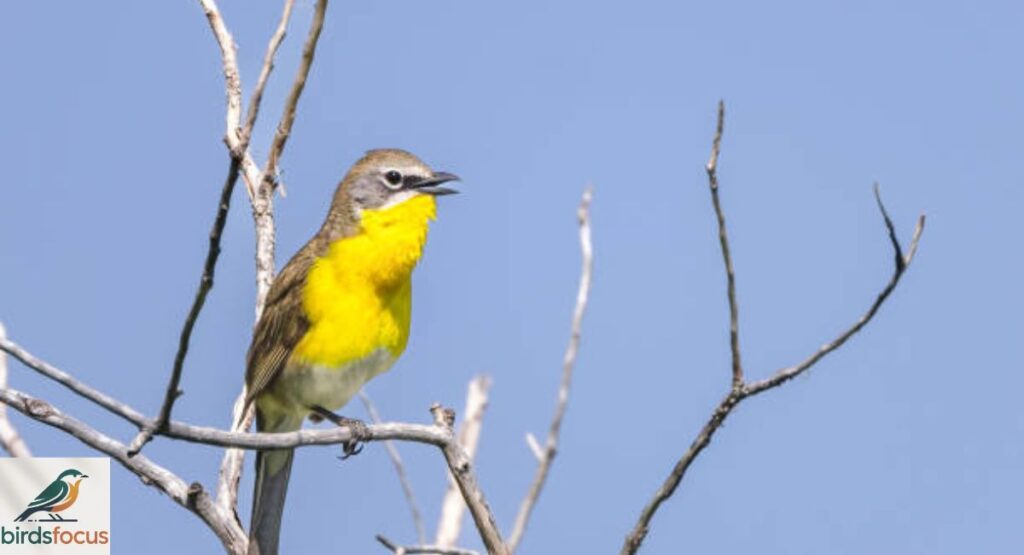
The Yellow-Breasted Chat is larger, heavier, and more robust than a Yellow Warbler. It features a bright yellow chest but also shows white facial markings and a longer tail. Many birders notice its unusual behavior before identifying its appearance.
Yellow Warbler vs Pine Warbler
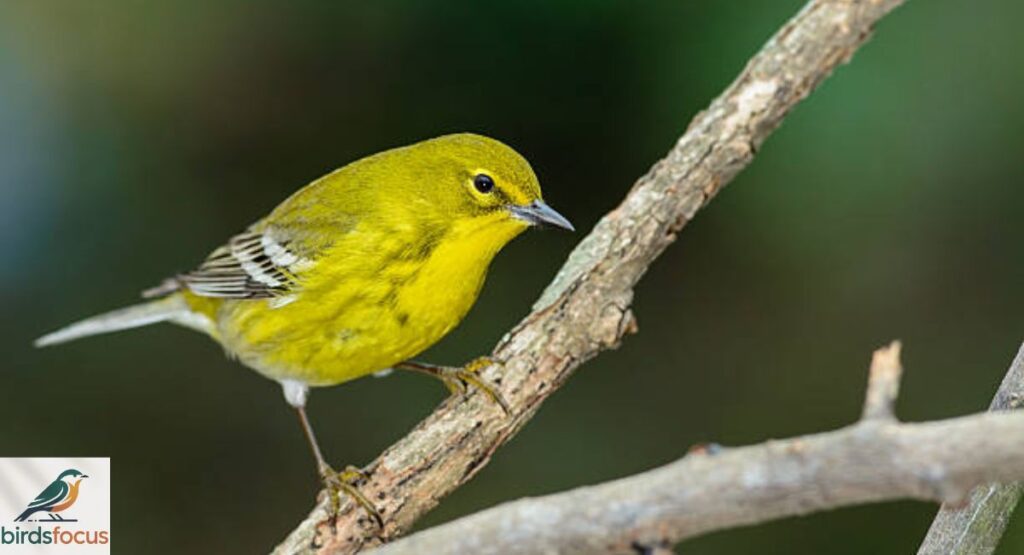
The Pine Warbler displays olive-yellow tones rather than the pure yellow coloration typical of Yellow Warblers. It often appears duller and more subdued, especially outside the breeding season. Pine Warblers also show wing bars that Yellow Warblers lack.
Quick Comparison Chart for Similar Yellow Birds
| Species | Main Identification Feature | Preferred Habitat |
| Yellow Warbler | Bright all-yellow body | Wetlands and shrubs |
| American Goldfinch | Black wings and cap | Fields and gardens |
| Wilson’s Warbler | Black cap | Moist forests |
| Yellow-Throated Warbler | Yellow throat with black face pattern | Mature woodlands |
| Yellow-Breasted Chat | Large size and white facial markings | Dense thickets |
| Pine Warbler | Olive-yellow plumage and wing bars | Pine forests |
Yellow Warbler Song
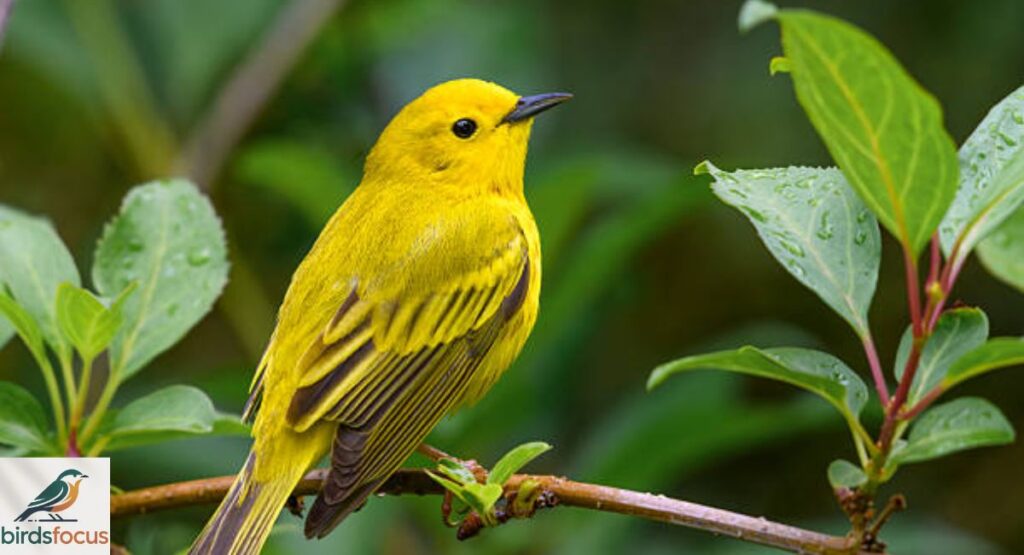
One of the most memorable features of the Yellow Warbler Bird is its cheerful and energetic song. Many birdwatchers hear this bird long before they spot it among dense shrubs. During spring and early summer, males sing almost constantly as they establish territories and attract potential mates. Their bright voice carries surprisingly far for such a small bird, often echoing through wetlands, stream corridors, and woodland edges.
Why Male Yellow Warblers Sing
Male Yellow Warblers sing primarily to defend territory and attract females. A strong song advertises that a territory is occupied and warns rival males to stay away. At the same time, singing helps females evaluate potential mates during the breeding season.
Yellow Warbler Call
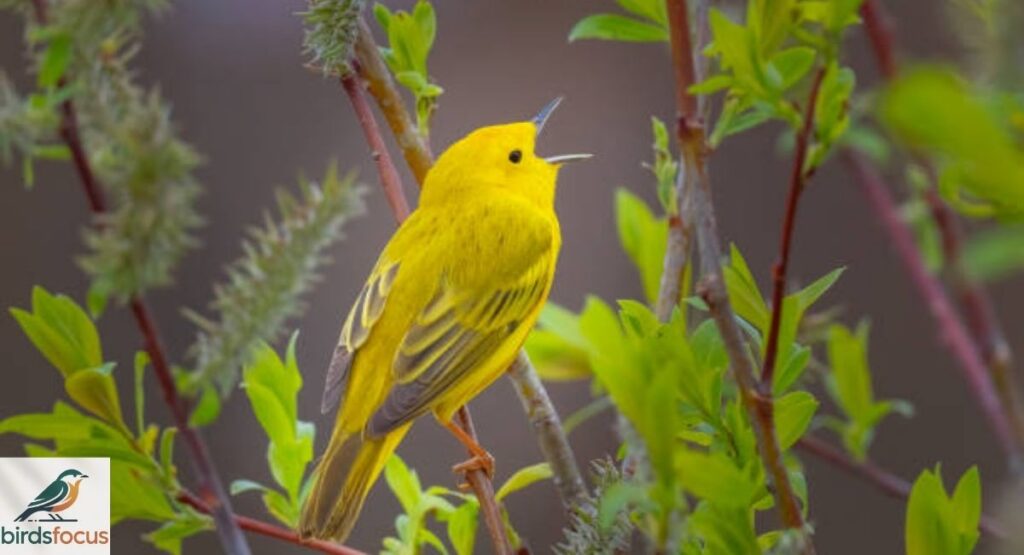
While songs receive most of the attention, the Yellow Warbler Bird also uses a variety of calls for everyday communication. Calls tend to be shorter and less musical than songs. They help birds stay in contact, warn of danger, and coordinate activities during breeding season. Understanding these sounds provides a deeper appreciation of Yellow Warbler behavior.
Birdwatchers who learn calls often detect Yellow Warblers more easily during migration when singing activity decreases. A brief call note may reveal a hidden bird that would otherwise remain unnoticed among dense vegetation.
Differences Between Song and Call
The difference between a song and a call lies primarily in purpose and complexity. Songs are longer and more musical. Males use them mainly during breeding season to attract mates and defend territories. Songs contain multiple notes arranged in recognizable patterns.
Calls are shorter and more practical. They serve immediate communication needs such as maintaining contact, signaling danger, or coordinating movements. Both vocalizations are important, but they perform very different functions within the bird’s daily life.
Yellow Warbler Call Recordings and Listening Tips
Listening to recordings can significantly improve field identification skills. Many birdwatchers use audio libraries from bird organizations to familiarize themselves with Yellow Warbler vocalizations before heading outdoors. Repeated listening helps train the ear to recognize subtle differences between species.
Yellow Warbler Nest
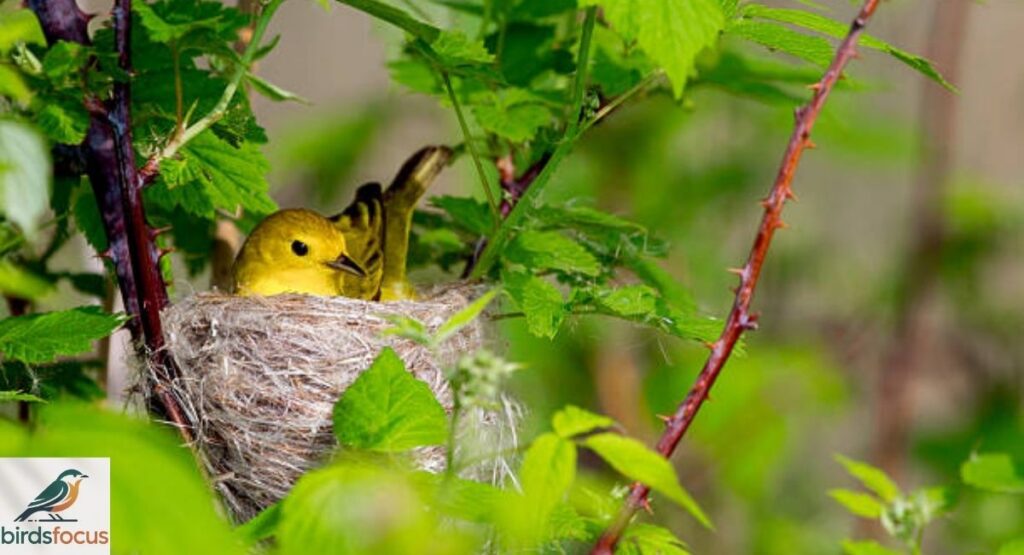
The nest of the Yellow Warbler Bird represents one of the most remarkable examples of avian engineering. Despite their small size, these birds construct durable and carefully designed nests capable of supporting eggs, chicks, and challenging weather conditions. The structure combines strength, flexibility, and camouflage in a surprisingly compact package.
Nest construction reflects thousands of years of evolutionary refinement. Every material serves a purpose, and every placement decision influences survival. For birdwatchers, discovering an active Yellow Warbler nest offers a fascinating glimpse into the species’ breeding behavior.
Eggs, Hatchlings, and Nestlings
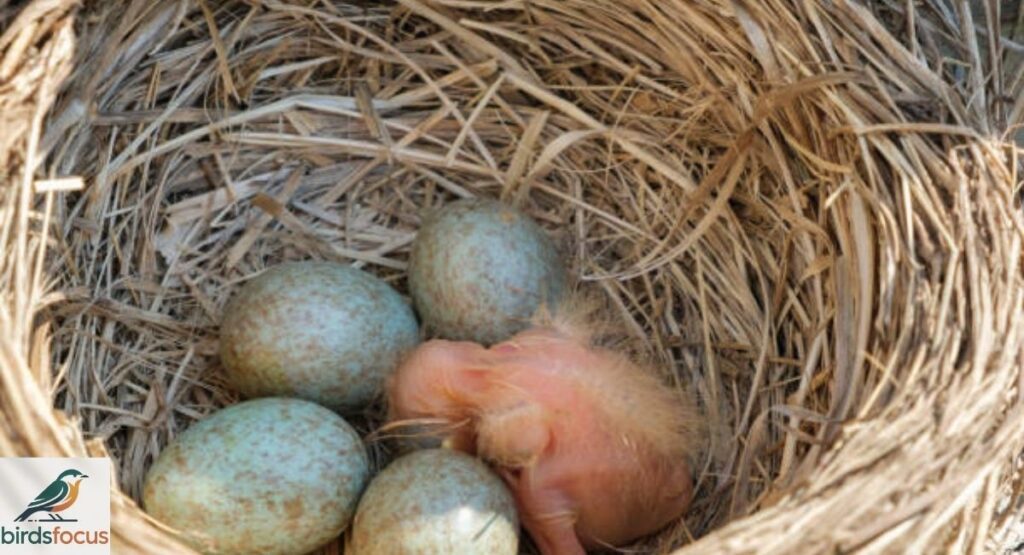
A typical clutch contains four to five eggs. After hatching, nestlings grow rapidly thanks to a steady diet of insects delivered by both parents. Their development progresses quickly because the breeding season remains relatively short.
During this stage, chicks depend entirely on parental care. Adults continuously remove waste, regulate nest conditions, and deliver food until the young become strong enough to leave the nest.
Yellow Warbler Sounds and Vocalizations
The vocal world of the Yellow Warbler Bird extends far beyond a single song. These birds use a surprisingly diverse collection of sounds to communicate with mates, defend territories, warn about predators, and interact with neighboring birds. Each vocalization carries specific information that helps individuals survive and reproduce successfully.
Scientists studying bird communication continue to discover subtle variations in Yellow Warbler sounds. Different situations can trigger different vocal responses. A singing male defending territory sounds very different from a parent protecting a nest or a migrating bird maintaining contact with companions.
Habitat and Range
The Yellow Warbler Bird occupies one of the widest breeding ranges among North American warblers. Its adaptability allows it to thrive in diverse environments, provided suitable shrubs and water sources remain available. From coastal wetlands to interior river valleys, this species has successfully colonized an impressive variety of habitats.
Despite this broad distribution, Yellow Warblers show clear habitat preferences. They consistently choose areas with dense vegetation, abundant insects, and reliable nesting locations. Understanding these habitat requirements helps birdwatchers locate the species more effectively throughout the year.
Where Do Yellow Warblers Live?
The Yellow Warbler Bird prefers habitats where shrubs, young trees, and water occur together. Wetlands, marsh edges, riparian corridors, willow thickets, and brushy fields provide ideal conditions. These environments support large populations of insects, which form the foundation of the bird’s diet. Dense vegetation also offers protection from predators and creates safe nesting locations.
Breeding Range in the United States and Canada
During the breeding season, the Yellow Warbler Bird occupies a vast portion of North America. Its range stretches from Alaska across Canada and into most northern and central regions of the United States. Few warbler species achieve such a broad distribution during summer.
Winter Range and Overwintering Locations
As temperatures drop and insect populations decline, Yellow Warblers begin their southward migration. Most spend winter in Central America, northern South America, Mexico, and parts of the Caribbean. These warmer regions provide reliable food sources throughout the non-breeding season.
Habitat Preferences by Season
Habitat selection changes slightly throughout the year. During spring and summer, breeding birds strongly favor wetland habitat, willow thickets, and dense shrublands near water. These locations provide nesting sites, abundant insects, and protective cover for young birds.
| Season | Main Geographic Range |
| Spring Migration | Southern United States moving northward |
| Breeding Season | Most of the United States, Canada, and Alaska |
| Fall Migration | United States through Mexico |
| Winter Season | Mexico, Central America, Caribbean, and northern South America |
Migration Behavior
Migration represents one of the most fascinating aspects of the Yellow Warbler Bird. Every year, millions of these small birds travel thousands of miles between breeding and wintering grounds. Despite weighing less than half an ounce, they complete journeys that would challenge much larger animals. Their migration showcases remarkable endurance, navigation skills, and adaptability.
Scientists continue studying how these birds accomplish such extraordinary movements. Research suggests they rely on a combination of celestial cues, magnetic fields, landscape features, and inherited instincts. Together, these tools guide them across vast distances with impressive accuracy.
Spring Migration Routes
Spring migration begins as daylight increases and temperatures gradually warm. Birds leave tropical wintering grounds and move northward through Mexico and the United States. Many arrive on breeding territories between April and May depending on latitude and local weather conditions.
Fall Migration Patterns
Fall migration typically begins after the breeding season ends. Adult birds often depart first, followed by young birds that hatched during the summer. Unlike spring migration, which emphasizes speed, autumn migration may proceed more gradually with extended stopovers for feeding.
Night Migration Behavior
Most migration occurs under the cover of darkness. Night migration offers several advantages, including cooler temperatures, calmer air conditions, and reduced exposure to predators. While humans sleep, thousands of Yellow Warblers travel overhead on their seasonal journeys.
What Do Yellow Warblers Eat?
Diet plays a crucial role in the survival of the Yellow Warbler Bird. Unlike seed-eating backyard birds, Yellow Warblers primarily consume insects. Their feeding behavior helps regulate insect populations and contributes to healthy ecosystem function. Throughout the year, they constantly search leaves, branches, and vegetation for prey.
Their insect-based diet influences nearly every aspect of their life cycle. Habitat selection, migration timing, breeding success, and territorial behavior all depend heavily on the availability of suitable food resources. Areas rich in insects often support the highest densities of Yellow Warblers.
Do Yellow Warblers Eat Fruit or Berries?
Although insects form the majority of their diet, Yellow Warblers occasionally consume berries and small fruits. These foods become more important during migration and winter when insect availability may fluctuate. Fruits provide quick energy that supports long-distance travel.
Birdwatchers sometimes observe migrating Yellow Warblers feeding on native berry-producing shrubs. Even so, the species remains primarily insectivorous and rarely relies on fruit as a major food source.
How to Attract Yellow Warblers to Your Yard
Many bird lovers hope to attract the Yellow Warbler Bird to their property. Unlike seed-eating birds that visit traditional feeders, Yellow Warblers respond best to habitat improvements that mimic natural environments. Creating the right combination of vegetation, water, and shelter can dramatically increase your chances of seeing these beautiful songbirds.
The key lies in understanding what Yellow Warblers need most. Since they hunt insects and nest in shrubs, landscapes that provide food and cover are far more attractive than yards focused solely on bird feeders. Even small changes can make a significant difference.
Create the Ideal Habitat
The best way to attract a Yellow Warbler Bird is to create a habitat that resembles its natural environment. These birds prefer areas with dense shrubs, young trees, and nearby water. A yard filled with native vegetation provides shelter, nesting sites, and a steady supply of insects. The more natural the landscape appears, the more likely Yellow Warblers will stop and stay.
Best Native Plants for Yellow Warblers
Native plants form the foundation of a bird-friendly landscape. Species such as willow, dogwood, elderberry, buttonbush, and serviceberry support insect populations while also providing cover and nesting opportunities. These plants have evolved alongside local wildlife and often offer greater ecological value than ornamental imports.
Water Features That Attract Warblers
Water is one of the most effective ways to attract the Yellow Warbler Bird. Birdbaths, shallow ponds, and small water features provide drinking and bathing opportunities. Moving water is especially attractive because birds can hear it from a distance and often investigate the source.
Shrubs and Trees Yellow Warblers Prefer
Yellow Warblers consistently favor shrubby habitats over mature forests. Willow stands are among their favorite nesting locations, but they also use alder, dogwood, and other dense shrubs. These plants provide protection from predators and support abundant insect life.
Social Life Yellow Warbler
The Yellow Warbler Bird may appear delicate, but it possesses a surprisingly active and dynamic social life. Throughout the year, these birds engage in territorial defense, courtship displays, parental care, and seasonal migration. Their behavior reflects a balance between cooperation and competition that helps ensure survival.
Although Yellow Warblers often appear solitary while foraging, they interact frequently with neighboring birds during the breeding season. Vocal communication plays a major role in maintaining territories, attracting mates, and coordinating family activities.
Predators and Threats
Despite their bright appearance and energetic behavior, the Yellow Warbler Bird faces numerous threats throughout its life. Predators target eggs, nestlings, fledglings, and even adults. In addition to natural dangers, habitat loss and environmental changes create growing challenges for populations across North America.
Survival depends on a combination of camouflage, vigilance, habitat quality, and reproductive success. Although many individuals successfully navigate these challenges, ongoing conservation efforts remain important for maintaining healthy populations.
Human-Related Threats
Human activities create additional challenges for migratory birds. Window collisions, outdoor cats, pesticide use, and habitat disturbance all contribute to mortality. These threats occur across breeding grounds, migration routes, and wintering areas.
Fortunately, many of these dangers can be reduced through conservation awareness and responsible land management practices. Small actions by homeowners and communities can make a meaningful difference.
Conservation Status
Although the Yellow Warbler Bird remains one of the most widespread warblers in North America, conservationists continue to monitor its population closely. The species is not currently considered endangered across most of its range. However, several regional populations have experienced declines due to habitat loss, environmental changes, and human activity. Maintaining healthy habitats remains essential for ensuring the bird’s long-term success.
Conservation Classification
Most conservation assessments currently categorize the Yellow Warbler as a species of low immediate concern at the continental level. This classification reflects its broad distribution and relatively large numbers compared to many other songbirds.
Interesting Yellow Warbler Facts
The Yellow Warbler Bird may be small, but it possesses an impressive collection of unique traits. From extraordinary migration journeys to innovative nesting behavior, this species continues to surprise birdwatchers and researchers alike. Many of its most interesting characteristics remain unknown to casual observers.
Learning these fascinating facts not only increases appreciation for the species but also highlights the remarkable adaptations that allow such a tiny bird to survive across vast geographic regions.
Conclusion
The Yellow Warbler Bird is a fascinating songbird that stands out for its bright yellow feathers, cheerful song, and impressive migration journey. From learning how to identify it and understand its calls to exploring its nesting habits and habitat, this bird offers endless interest for birdwatchers and nature lovers alike.
Whether you are spotting one in your backyard or hearing its sweet melody near a wetland, the Yellow Warbler remains a memorable sight. By protecting natural habitats and supporting bird-friendly environments, we can help ensure future generations continue to enjoy the beauty and ecological value of this remarkable species.
FAQs
What does a Yellow Warbler Bird eat?
The Yellow Warbler Bird mainly feeds on insects such as caterpillars, beetles, flies, and spiders. It may also eat small berries during migration and winter.
How can I identify a Yellow Warbler Bird?
Look for its bright yellow plumage, dark eyes, and active behavior. Males often have reddish streaks on their chest, while females appear slightly duller.
What does a Yellow Warbler song sound like?
Its song is commonly described as “sweet sweet sweet, I’m so sweet.” The cheerful melody is one of the easiest warbler songs to recognize.
Where do Yellow Warblers build their nests?
They usually build cup-shaped nests in shrubs, willows, and small trees near wetlands, rivers, and other areas with dense vegetation.
Do Yellow Warblers migrate?
Yes, Yellow Warblers are long-distance migrants. They breed across North America and spend the winter in Mexico, Central America, and parts of South America.

Welcome to birdsfocus! I’m Anam Sattar, an AI Powered SEO, and Content Writer with 4 years of experirnce.
I help websites rank higher,grow traffic, and look amazing. My goal is to make SEO and web design simple and effective for everyone.
Let’s achieve more together!