

Florida is home to some of the most beautiful birds in North America, and few are as striking as the Pink Birds in Florida that brighten the state’s wetlands and coastlines. Many visitors expect to see flamingos, but the elegant Roseate Spoonbill, the rare American Flamingo, and other large pink birds in Florida often create the most excitement for birdwatchers. Their vivid feathers stand out against blue water and green marshes, making them unforgettable to anyone who sees them.
From quiet mangroves to shallow bays, these birds thrive in unique habitats across the state. If you want to identify a pink bird in Florida or learn where to spot pink flying birds in Florida, understanding these species can make every wildlife trip more rewarding and memorable for nature lovers.
What Are the Pink Birds in Florida?
When people search for Pink Birds in Florida, they usually mean two famous species. The first is the Roseate Spoonbill, which lives in Florida year-round. The second is the American Flamingo, which appears less often but creates huge excitement when seen in the wild.
Some smaller birds can also show pale pink shades during breeding season. Juvenile birds may look lighter than adults, which can confuse new birdwatchers. Understanding feather color, bill shape, and habitat helps you identify these striking birds more confidently.
Roseate Spoonbill
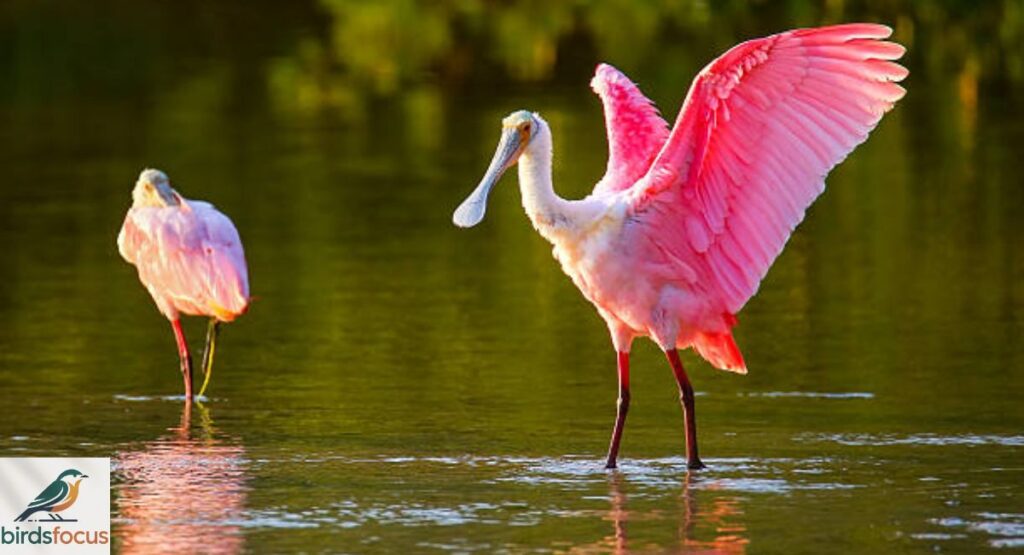
The Roseate Spoonbill is the bird most people mistake for a flamingo. Its body shows soft pink feathers, but the wings reveal brighter red and coral tones when it flies. Its long legs and graceful neck make it one of the most recognizable pink birds in south Florida.
Its bill gives the spoonbill its name. The wide flattened tip helps it sweep through shallow water to find food. Because of that unusual shape, it becomes much easier to separate this bird from other pink and white birds in Florida.
American Flamingo
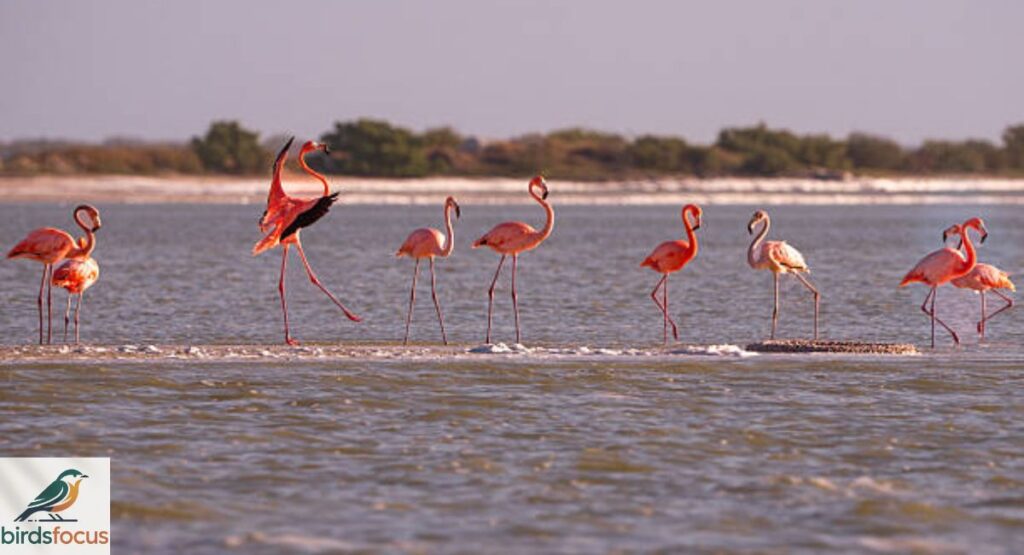
The American Flamingo is taller and brighter than the spoonbill. Its vivid pink body and curved black-tipped bill create the classic tropical image many people expect. Although flamingos once lived naturally in the state, they remain rare compared with other Pink Birds in Florida.
Modern sightings usually happen in remote coastal areas. Scientists now believe some wild flamingos may be returning naturally instead of escaping captivity. That possibility has made every confirmed sighting important to Florida bird researchers.
Roseate Spoonbill Florida’s Most Common Pink Bird
Among all Pink Birds in Florida, the spoonbill is the species people see most often. It lives in marshes, estuaries, and protected bays where shallow water supports fish and shrimp. Its bright feathers become richer during breeding season.
Young spoonbills often look pale at first. Their color deepens with age as they eat more food rich in natural pigments. This change means older adults usually appear far more dramatic than younger birds standing nearby.
Why the Spoonbill Looks Pink
The spoonbill gets its pink color from carotenoids, the same natural pigments found in shrimp and crustaceans. Birds that eat more pigment-rich food often develop stronger feather color. This makes diet one of the most important parts of understanding Pink Birds in Florida.
Without that food, the feathers would fade. Zoos carefully manage flamingo and spoonbill diets because feather color can become dull without the right nutrients. Nature works the same way in Florida wetlands.
Are There Flamingos in Florida?
Many people ask whether flamingos truly belong in the state. Historical records show wild flamingos once lived in Florida before hunting reduced their numbers. Today they remain rare, but occasional sightings suggest some may be returning.
That mystery makes flamingos one of the most fascinating pink birds in Florida that fly across coastal waters. Birdwatchers often travel long distances hoping for a glimpse because each sighting feels special and uncommon.
Why Flamingo Sightings Matter
Wild flamingo sightings help scientists understand changing migration patterns. Warmer waters and habitat protection may encourage birds to visit again. Some experts believe Florida could slowly become part of the flamingo’s natural range once more.
Because of that, flamingos are more than beautiful birds. They may also reveal how coastal ecosystems continue to change across the region.
Roseate Spoonbill vs Flamingo
At first glance, spoonbills and flamingos seem similar. Both have long legs, curved necks, and pink feathers. However, their bills immediately reveal the difference. Spoonbills have flat spoon-shaped bills, while flamingos have sharply bent bills.
Their body posture also differs. Flamingos often stand upright in deeper water, while spoonbills move slowly through shallows. Watching movement can help you identify large pink birds in Florida even from a distance.
| Feature | Roseate Spoonbill | American Flamingo |
| Bill shape | Flat spoon tip | Curved downward |
| Color | Light pink with red wings | Bright pink |
| Height | Medium | Taller |
| Florida presence | Common | Rare |
Flight Differences
Spoonbills fly with their neck stretched forward and legs trailing behind. Their bright wing patches become visible in sunlight. Flamingos also fly with extended necks, but their wing shape appears narrower and more elegant.
If you watch carefully, the flight pattern can help identify pink flying birds in Florida before they land.
Why Are Some Birds Pink?
Birds do not naturally hatch bright pink. Their color develops from food. Small crustaceans contain carotenoids, which move into feathers as birds digest them. The more pigment they consume, the stronger the pink shade becomes.
This process explains why some birds look pale while others glow with deep rose color. It also explains why healthy adults usually look brighter than younger birds still developing.
The Science Behind Pink Feathers
Pigments enter the bloodstream after digestion. The body then deposits those pigments into growing feathers. Over time, that creates the remarkable shades that make Pink Birds in Florida so distinctive.
This same process influences flamingos around the world. Florida birds simply show it in especially beautiful coastal habitats.
Where to See Pink Birds in Florida
South Florida remains the best region for spotting these birds. Coastal marshes and shallow lagoons offer ideal feeding grounds. Quiet protected areas give birds space to rest without heavy disturbance from boats or crowds.
Popular places include the Everglades, Florida Bay, and quiet mangrove shorelines. Birdwatchers often find spoonbills near sheltered waters where fish gather in warm shallow areas.
Best Places for Sightings
Sanibel Island and protected wildlife refuges also attract spoonbills. Early morning creates the best lighting and calmer conditions. Fewer people around means birds stay relaxed longer.
Photographers often prefer sunrise because soft light makes pink feathers appear richer and more detailed.
Best Time to Spot Pink Birds in Florida
Winter and early spring usually provide the best viewing. Cooler months bring more predictable bird activity. Water levels also make feeding areas easier to access for wading birds.
Morning remains the best time of day. Birds feed actively after sunrise. Those calm conditions make it easier to see Pink Birds in Florida clearly.
Seasonal Changes
Breeding season can intensify feather color. During this period, adults often appear brighter than usual. That makes spring especially rewarding for bird lovers who want dramatic photographs.
Storm season can reduce sightings because birds move deeper into protected wetlands.
What Do Pink Birds Eat?
Most pink birds feed in shallow water. They eat shrimp, tiny fish, insects, and small crustaceans. These foods provide the nutrients that create and maintain pink feathers.
Spoonbills sweep their bills side to side to feel prey underwater. Flamingos filter food through specialized structures in their bills. Each bird uses a different feeding method.
Why Diet Matters
Without the right food, pink feathers fade. Strong color often reflects a healthy bird with access to rich feeding grounds. That is why habitat protection matters for preserving Pink Birds in Florida.
Healthy wetlands help support both beauty and survival.
Pink Birds That Fly in Florida
Watching pink birds in flight feels completely different from seeing them standing still. Spoonbills reveal bright red shoulder patches that remain hidden while resting. Their wings flash against the sky in a dramatic way.
This is why many visitors specifically search for pink birds in Florida that fly rather than birds seen only in marshes. Movement often shows their most impressive colors.
Why Flight Helps Identification
Flight reveals wing shape, body size, and color patterns. Those details can help identify birds even from far away. Experienced birdwatchers often recognize species before the bird lands.
That skill becomes easier with practice in Florida wetlands.
Other Pink and White Birds in Florida
Some birds show partial pink shades instead of full pink bodies. The White Ibis can appear rosy around the face during breeding season. Juvenile spoonbills may also look pale pink mixed with white.
These birds can confuse beginners. Looking at leg length and bill shape usually gives the clearest answer when identifying unusual birds.
Similar Looking Species
Scarlet ibis escapees from captivity occasionally appear in Florida. Though rare, they can surprise birdwatchers. Their deeper red color usually separates them from natural Pink Birds in Florida.
Unusual sightings often become exciting local birding news.
Large and Small Pink Birds in Florida
When people search for large and small pink birds in Florida, they often expect every pink bird to look the same. In reality, Florida has both tall wading birds and smaller species that show soft pink shades. Some birds stand out because of their size, while others show only a hint of color in the right light. Knowing the difference helps you identify Pink Birds in Florida more accurately.
Large species like the Roseate Spoonbill and the American Flamingo usually attract the most attention because their long legs and bright feathers make them easy to spot. Smaller birds such as the White Ibis can also appear pink during certain seasons. The table below makes it easier to compare these beautiful birds found across Florida wetlands.
| Bird Species | Size | Main Color | Where Found in Florida |
| Roseate Spoonbill | Large | Bright pink | Marshes and coastal wetlands |
| American Flamingo | Large | Deep pink | Rare in South Florida |
| White Ibis | Small to medium | White with pink tones | Wetlands and shorelines |
| Juvenile Spoonbill | Medium | Pale pink | Shallow feeding areas |
Pink Birds in Florida By Region
The best places to see Pink Birds in Florida depend on where you travel in the state. Some regions have warm coastal wetlands, while others have shallow bays that attract feeding birds. Each area offers a different chance to spot these colorful birds in their natural habitat.
Pink Birds in South Florida
South Florida is the most reliable region for seeing Pink Birds in Florida because the warm climate supports year-round feeding. The Roseate Spoonbill appears often in mangroves and coastal marshes. Rare flamingo sightings also happen here more than anywhere else in the state.
Pink Birds in Central Florida
Central Florida has fewer pink birds, but spoonbills sometimes appear in freshwater wetlands and large lakes. Birdwatchers may notice these birds during seasonal movement. Calm marshes in this region can still provide occasional views of large pink birds in Florida.
Pink Birds in North Florida
North Florida has cooler weather, so pink birds appear less often than in southern regions. Some spoonbills may visit coastal estuaries during warmer months. Most birdwatchers in this region usually see other wading birds instead of bright pink species.
Pink Birds Along the Gulf Coast
Florida’s Gulf Coast offers shallow water that attracts feeding spoonbills. Quiet estuaries and coastal flats create excellent viewing conditions. Many photographers visit this side of the state to capture pink birds in Florida that fly over calm morning water.
Pink Birds Along the Atlantic Coast
The Atlantic Coast can also host spoonbills in protected lagoons and sheltered inlets. While sightings are less common than in the south, patient birdwatchers sometimes find them feeding near shore. This region can still surprise visitors looking for unusual pink birds.
Conclusion
Seeing Pink Birds in Florida can turn an ordinary nature trip into something unforgettable. From the graceful Roseate Spoonbill to the rare flamingo, these birds bring color and life to Florida’s wetlands. Their beauty often surprises visitors who never expected to find such striking wildlife in the state.
If you know where and when to look, spotting a pink bird in Florida becomes much easier. Quiet coastal areas, shallow marshes, and early mornings give you the best chance. Once you see these remarkable birds in the wild, you will understand why they leave such a lasting impression.
FAQs
What is the most common pink bird in Florida?
The Roseate Spoonbill is the most common among the Pink Birds in Florida. It is often seen in shallow wetlands and coastal marshes across South Florida.
Are flamingos native to Florida?
Yes, the American Flamingo was once native to Florida. Today, wild sightings are rare, but some birds still appear in remote southern coastal areas.
Why are some birds pink in Florida?
Pink feathers come from a diet rich in shrimp and small crustaceans. These foods contain natural pigments called carotenoids that color the feathers.
Where can you see pink birds in Florida?
You can often spot Pink Birds in Florida in the Everglades, Florida Bay, and along quiet mangrove shorelines in South Florida.
Do pink birds stay in Florida all year?
Some species, like the Roseate Spoonbill, live in Florida year-round. Others may appear only during certain seasons or unusual migration periods.

Welcome to birdsfocus! I’m Anam Sattar, an AI Powered SEO, and Content Writer with 4 years of experirnce.
I help websites rank higher,grow traffic, and look amazing. My goal is to make SEO and web design simple and effective for everyone.
Let’s achieve more together!