

Birdwatching becomes more exciting when you explore birds that start with L and learn how different species live and behave in nature. From colorful parrots to skilled hunters, these birds show amazing diversity. In this guide, you will discover bird names that start with L, their habitats, and interesting facts that make each species unique. Some, like the Loon, thrive on northern lakes, while others such as the Lorikeet live in tropical forests.
Learning about these birds starting with the letter L helps you recognize them during nature walks and birdwatching trips. Whether you are a beginner or an experienced bird lover, this list of common birds that start with L will expand your knowledge and appreciation of wildlife.
List of 20+ Birds That Start With L
Lapwing
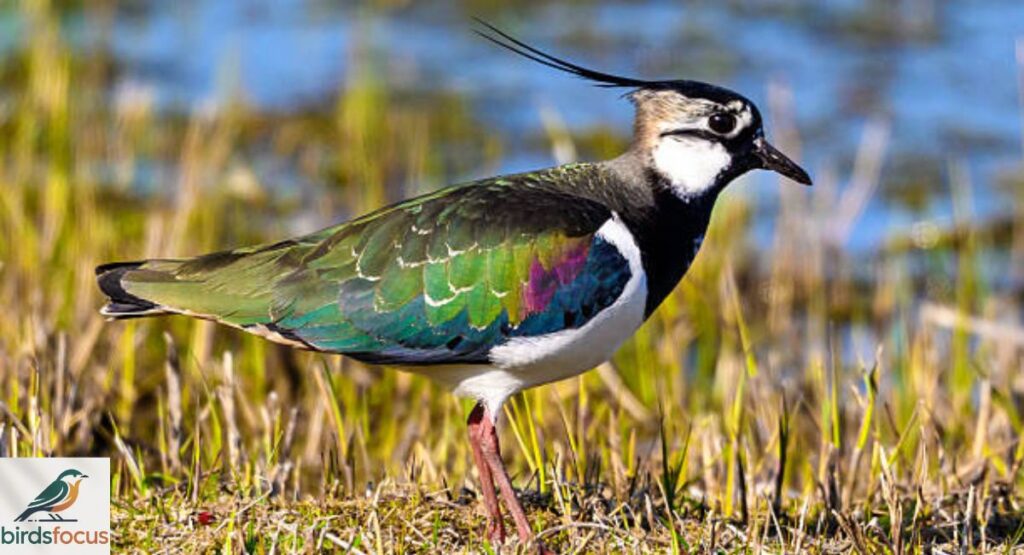
The Lapwing is a striking wading bird recognized by its long crest and shiny green back feathers. It usually lives in grasslands, farmland, and wetlands. Lapwings build their nests on the ground, which helps them stay hidden. Their loud “peewit” call makes them easy to identify.
Loggerhead Shrike
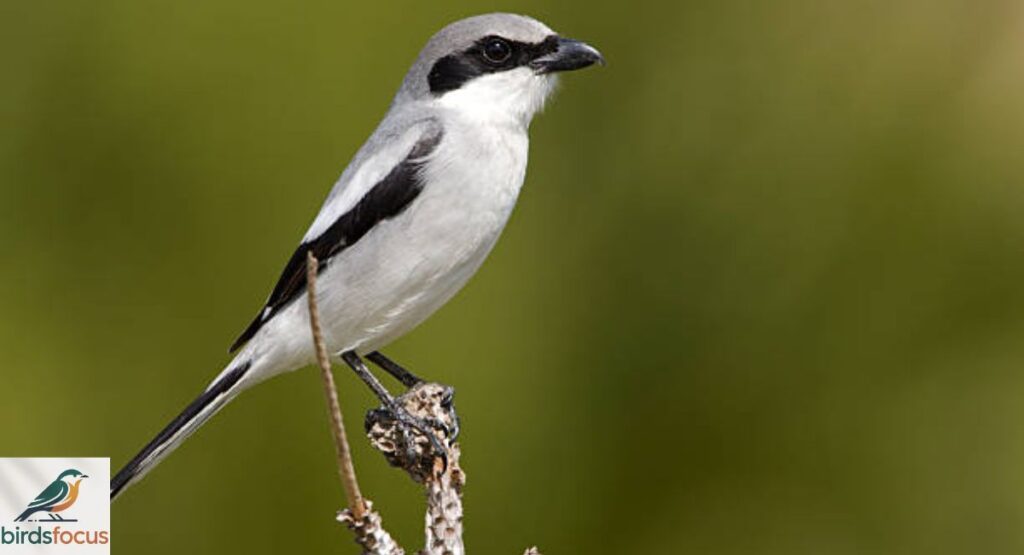
The Loggerhead Shrike is a small bird but a skilled predator. It hunts insects, small birds, and tiny mammals. One unusual behavior is storing prey on thorns or barbed wire. Because of this habit, birdwatchers sometimes call it the “butcher bird.”
Lark
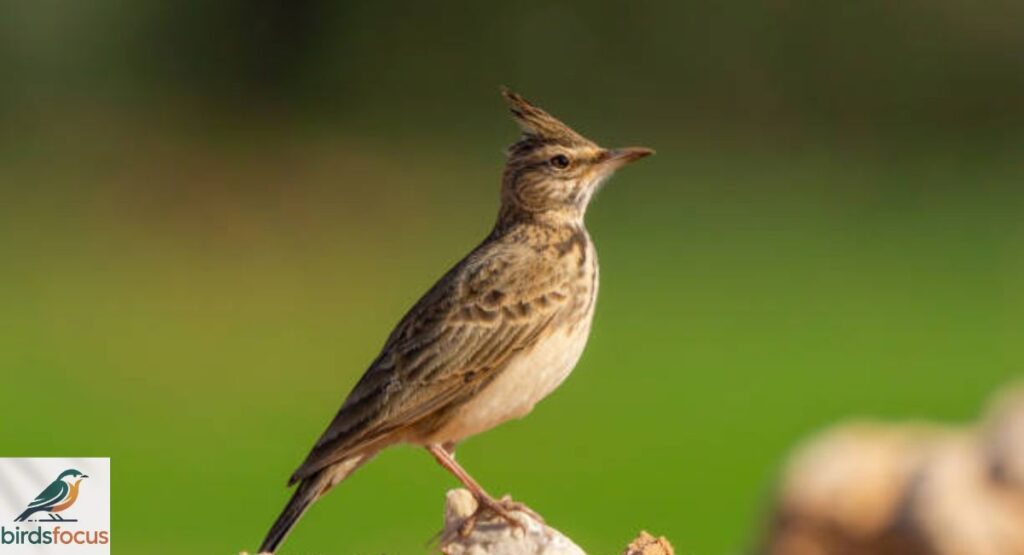
The Lark is a well-known songbird famous for its cheerful singing. It often sings while flying high above open fields. Larks mainly eat seeds and insects found in grasslands. Their brown feathers blend with the soil, helping them stay safe from predators.
Lorikeet
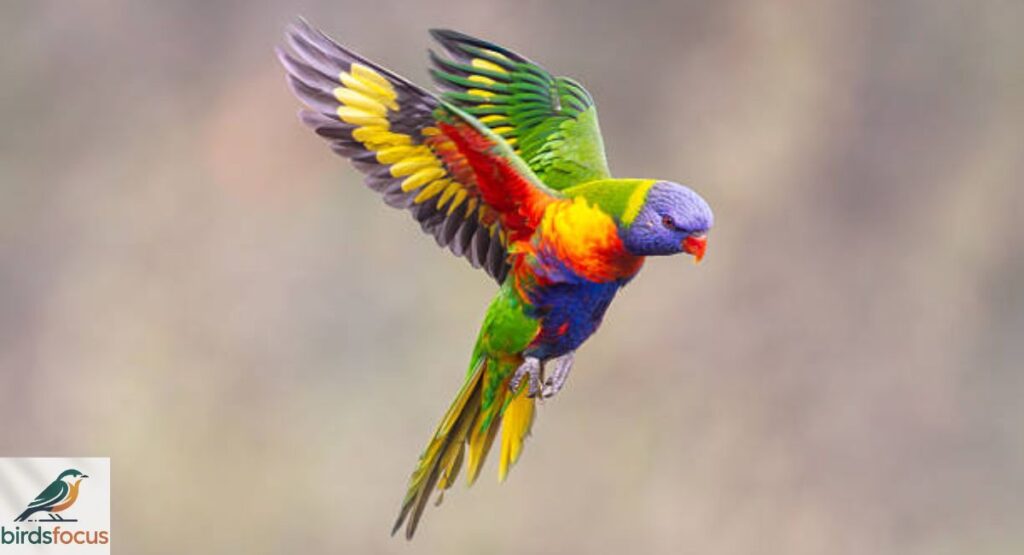
The Lorikeet is a colorful parrot that lives mostly in Australia and nearby islands. It has bright green, blue, and red feathers. Lorikeets feed mainly on nectar and pollen. Their brush-shaped tongues help them collect nectar from flowers.
Loon
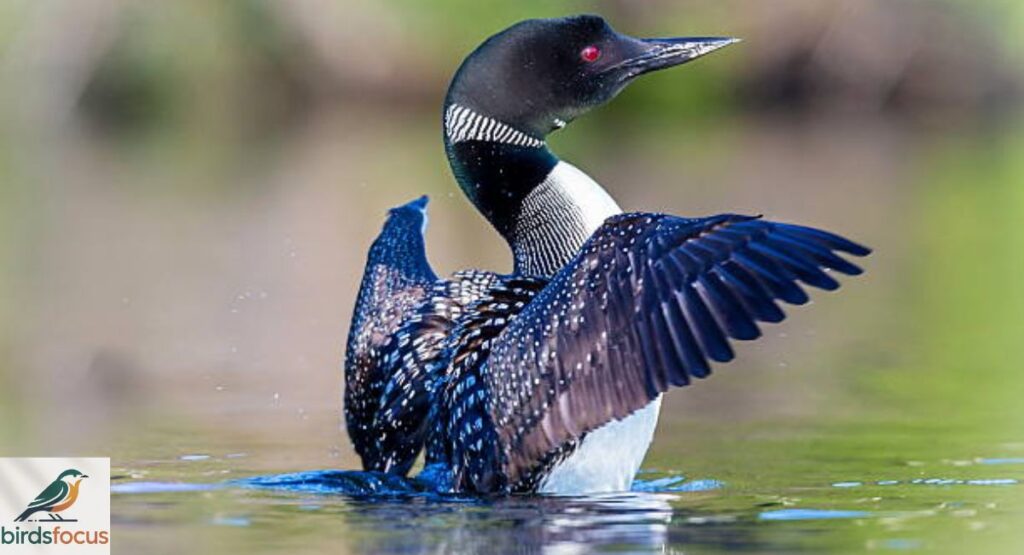
The Loon is a large water bird known for its haunting call. It lives around lakes in northern regions of North America and Europe. Loons are powerful swimmers and excellent divers. They catch fish underwater and can stay submerged for several minutes.
Limpkin
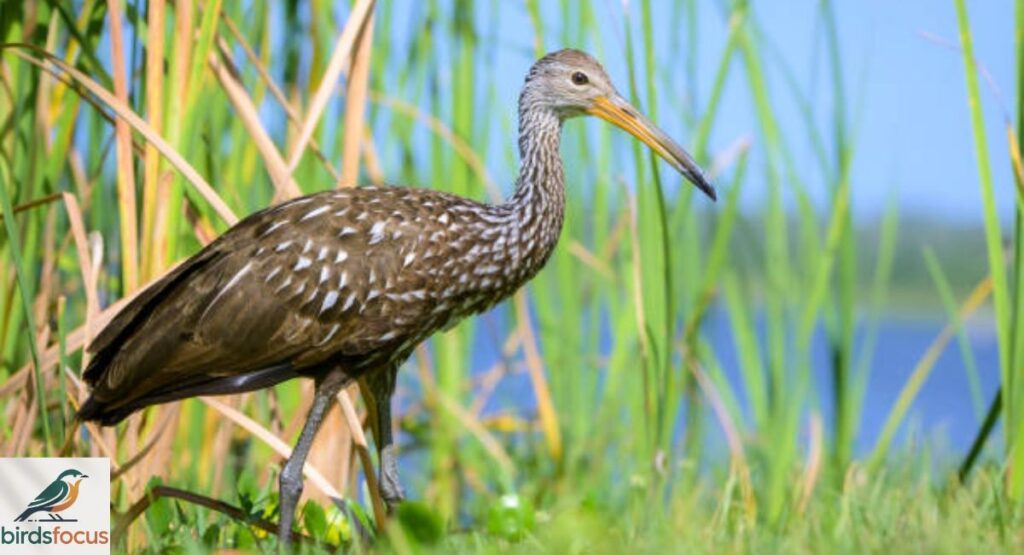
The Limpkin is a tall wading bird found in marshes and swamps. It has brown feathers covered with white spots. Limpkins mainly feed on apple snails. Their loud cries often echo through wetlands during the evening.
Lesser Flamingo
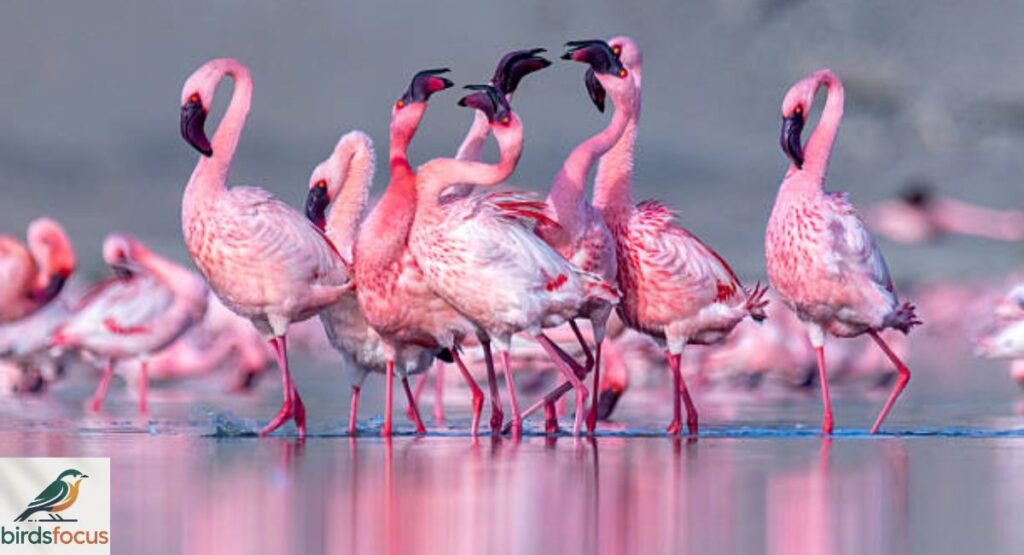
The Lesser Flamingo is the smallest flamingo species but still very beautiful. Its pink feathers come from pigments in the algae and crustaceans it eats. These birds gather in very large groups near salty lakes. Sometimes millions of flamingos stand together in one colony.
Laughing Kookaburra
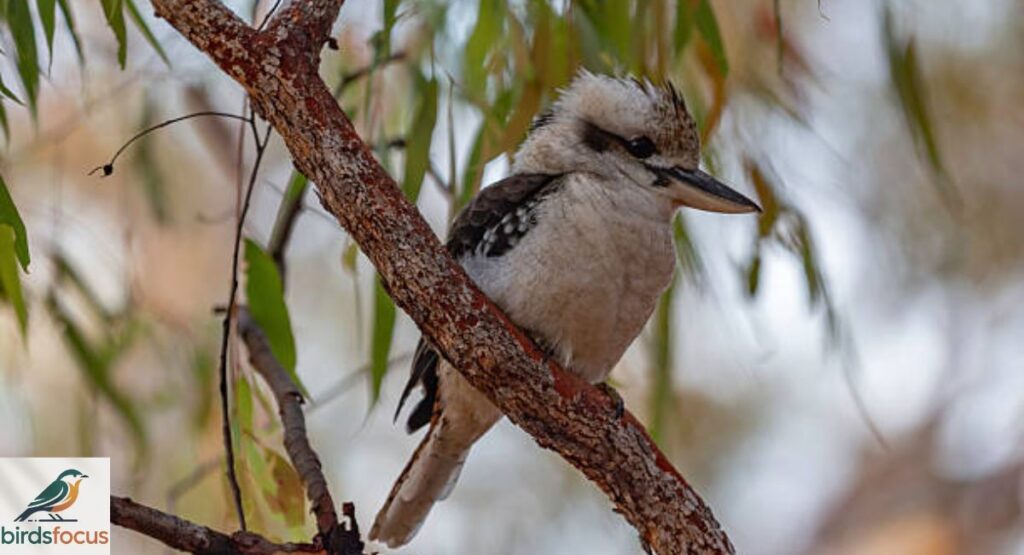
The Laughing Kookaburra is famous for its loud call that sounds like human laughter. It belongs to the kingfisher family. Instead of catching fish, it hunts insects, small reptiles, and rodents. These birds live mainly in forests and woodlands.
Long-tailed Tit
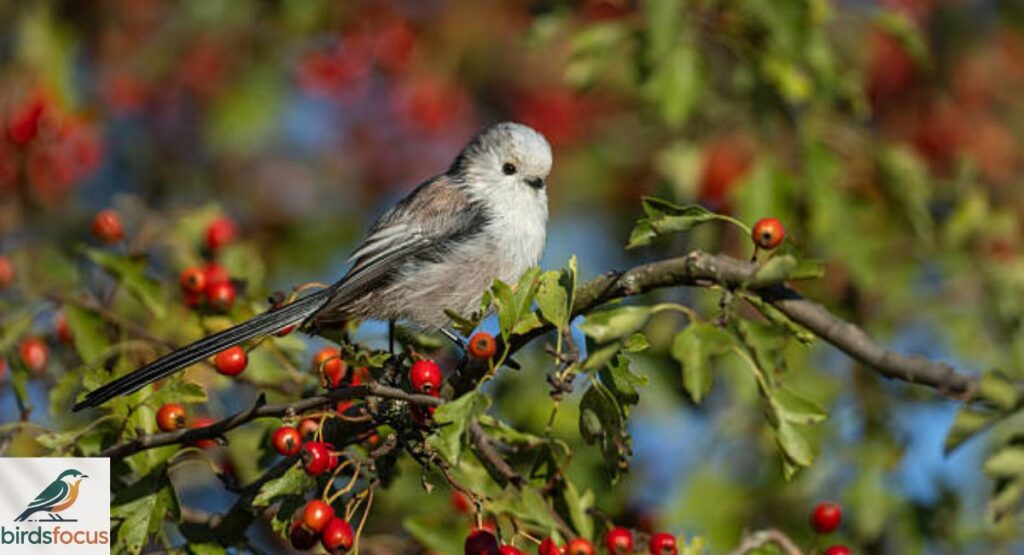
The Long-tailed Tit is a small bird with a very long tail and soft feathers. It lives in forests, hedges, and gardens. These birds often travel in small family groups. During cold nights, they huddle together to stay warm.
Lyrebird
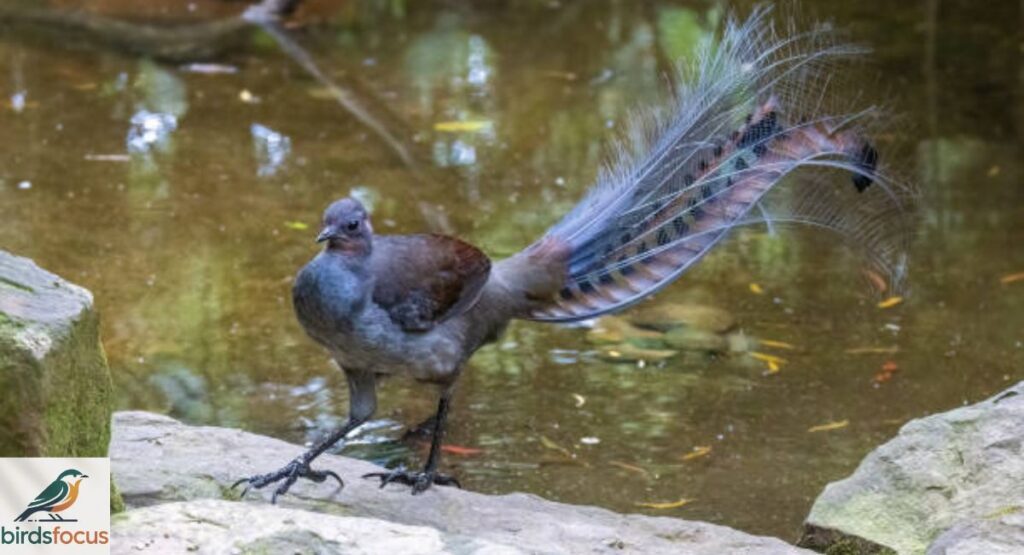
The Lyrebird is one of the most remarkable birds in the world. It lives in Australian rainforests. This bird is famous for copying sounds such as other bird calls, camera clicks, and even chainsaws. The male also displays beautiful tail feathers during courtship.
Lazuli Bunting
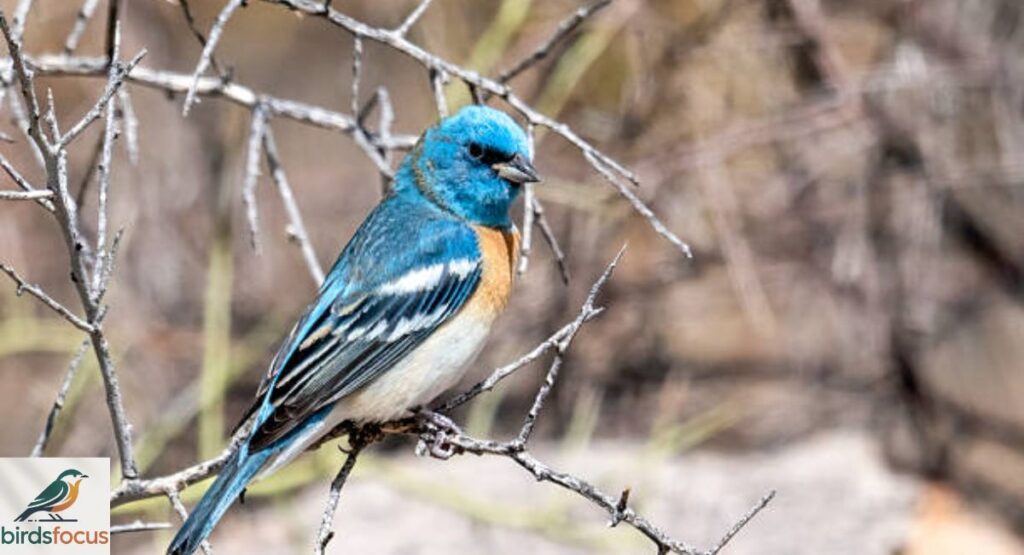
The Lazuli Bunting is a colorful songbird found in western North America. Males have bright blue heads and backs. Females appear more brown and less colorful. These birds prefer shrublands and woodland edges.
Lanner Falcon
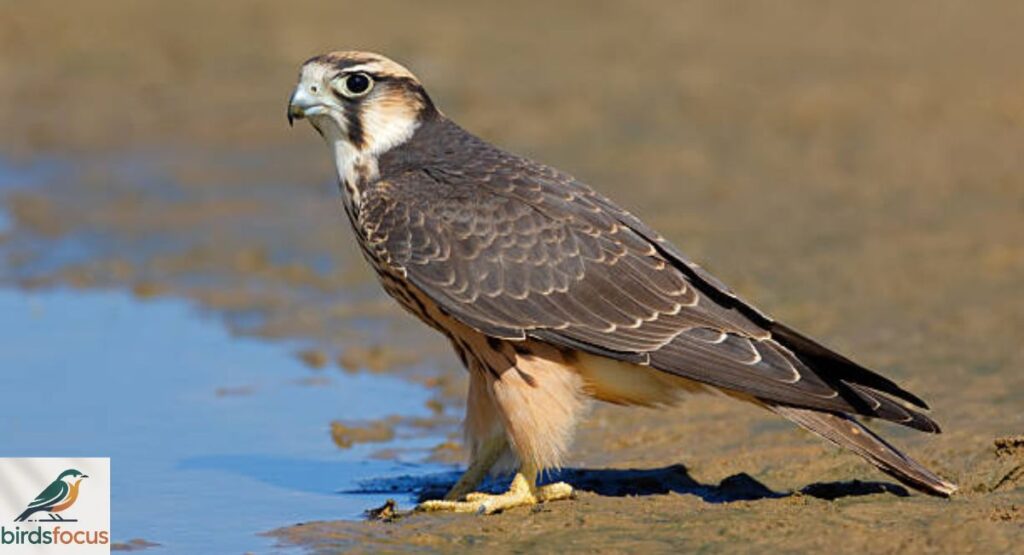
The Lanner Falcon is a fast and powerful bird of prey. It hunts birds and small animals while flying at high speed. Lanner Falcons often live in open plains and desert regions. Historically, people used them for falconry.
Leach’s Storm-Petrel
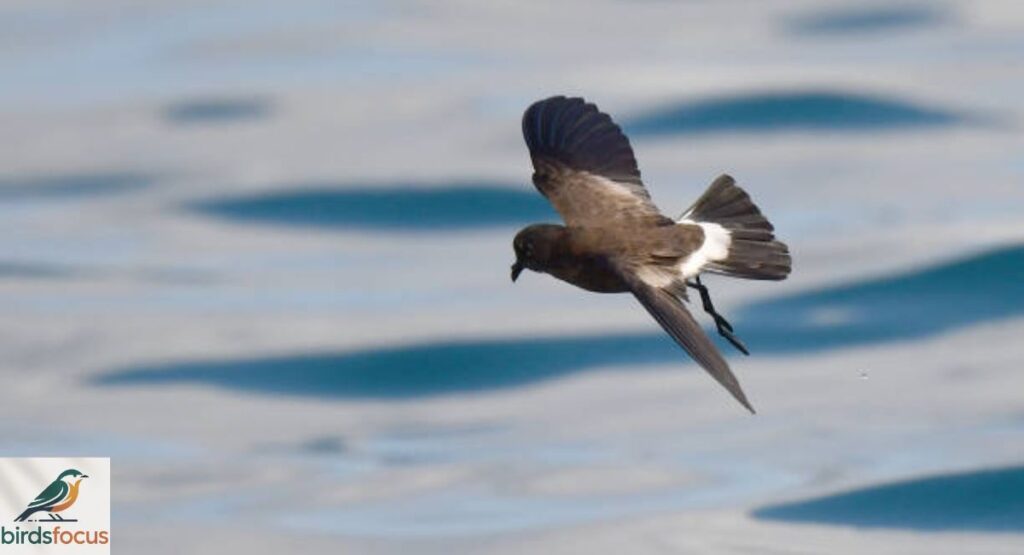
The Leach’s Storm-Petrel is a small seabird that spends most of its life over the ocean. It feeds on tiny fish and plankton. These birds glide smoothly over the water surface. They usually return to land only during the breeding season.
Lewin’s Honeyeater
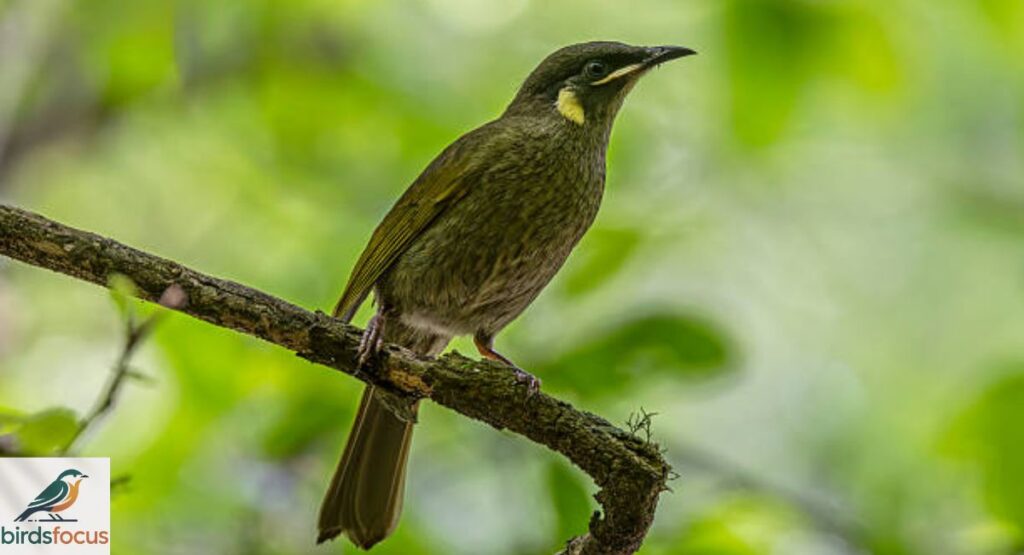
The Lewin’s Honeyeater is a nectar-feeding bird found in Australian forests. It has dark green feathers and a noticeable yellow patch near its ear. These birds help pollinate flowers while feeding on nectar. They also eat insects and fruits.
Little Owl
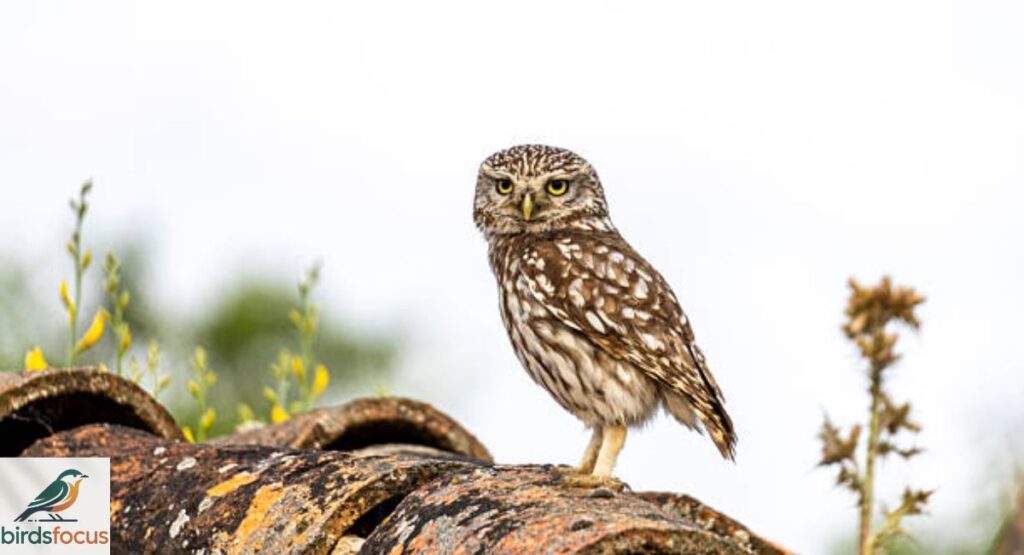
The Little Owl is a small but bold owl found across Europe and parts of Asia. It often lives near farmland and open countryside. Unlike many owls, it can sometimes be seen during the daytime. Its bright yellow eyes give it a serious expression.
Little Egret
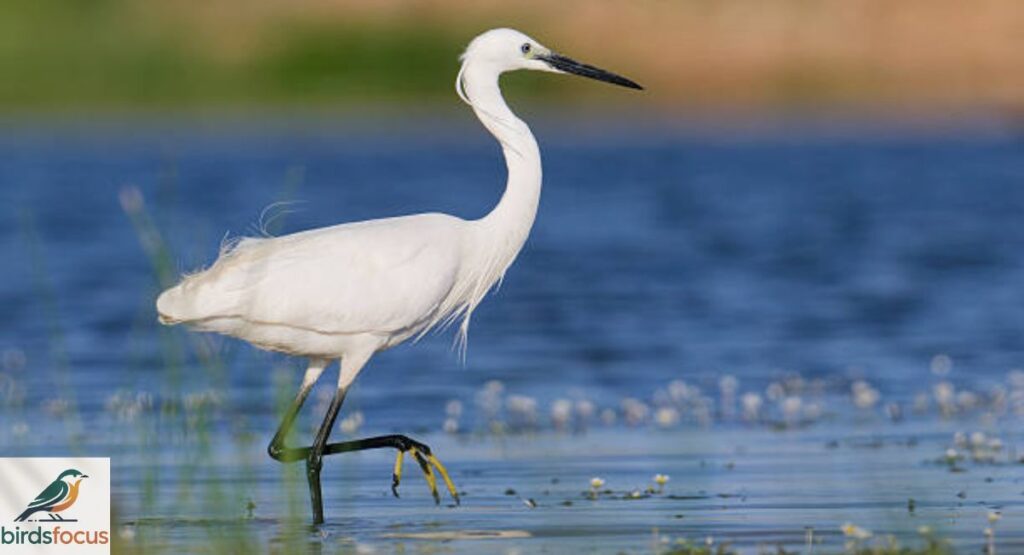
The Little Egret is a graceful white wading bird. It lives near rivers, lakes, and coastal wetlands. Its black legs and bright yellow feet make it easy to identify. Little Egrets slowly walk through shallow water while hunting fish.
Linnet
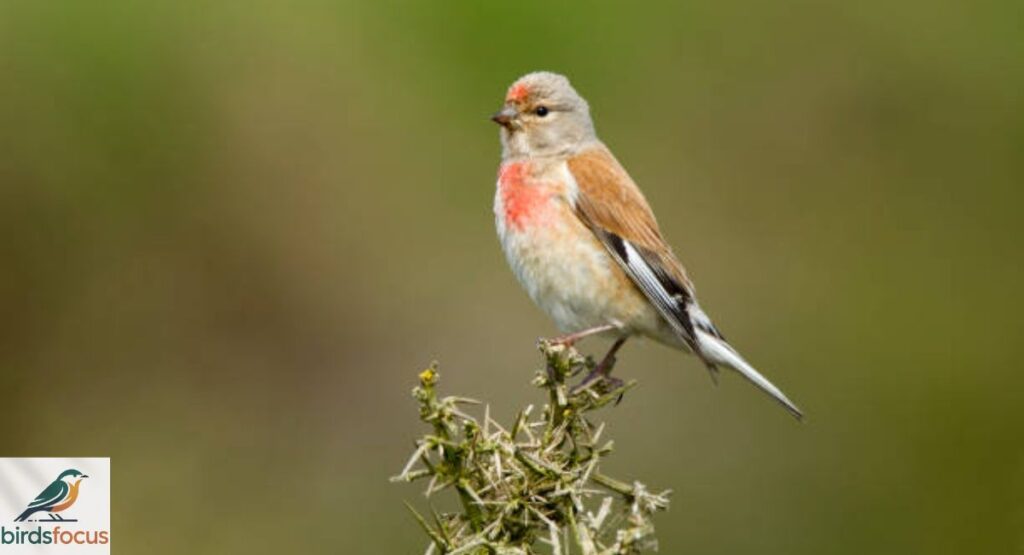
The Linnet is a small finch with a sweet singing voice. It usually lives in farmland and open countryside. Male linnets show red feathers on their chest and forehead. These birds often gather in flocks during winter.
Lapland Longspur
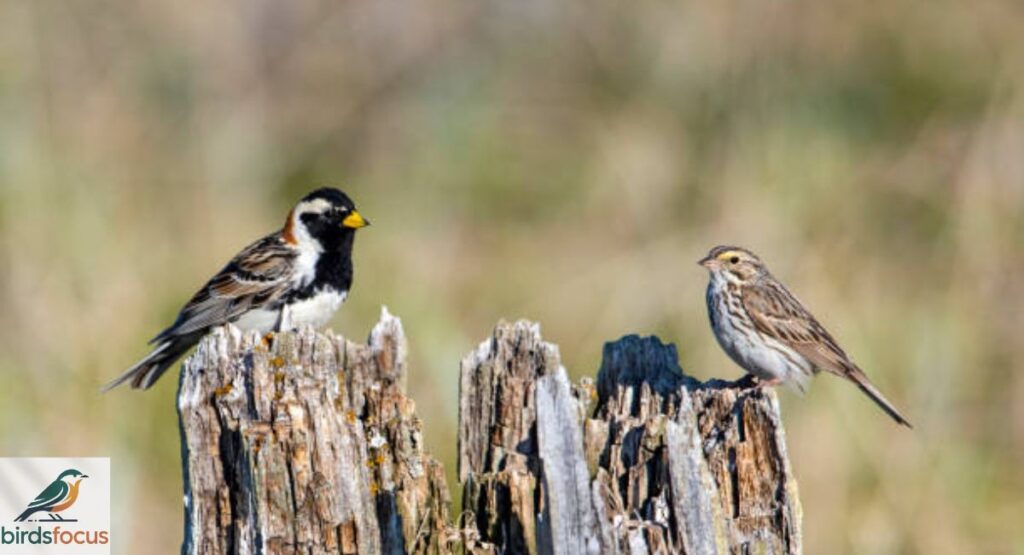
The Lapland Longspur is a hardy bird that breeds in Arctic tundra regions. During winter, it migrates to open fields in North America and Europe. It feeds mainly on seeds and insects. This bird can survive extremely cold environments.
Little Tern
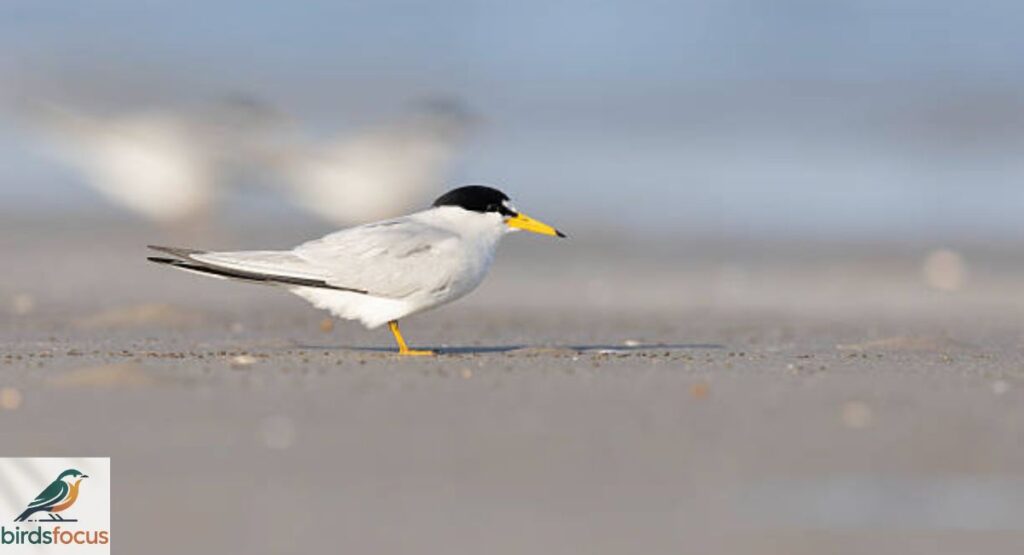
The Little Tern is a small seabird commonly found near coastlines. It dives into the water to catch small fish. These birds often nest on sandy beaches. Their fast flying style helps them hunt efficiently.
Long-eared Owl
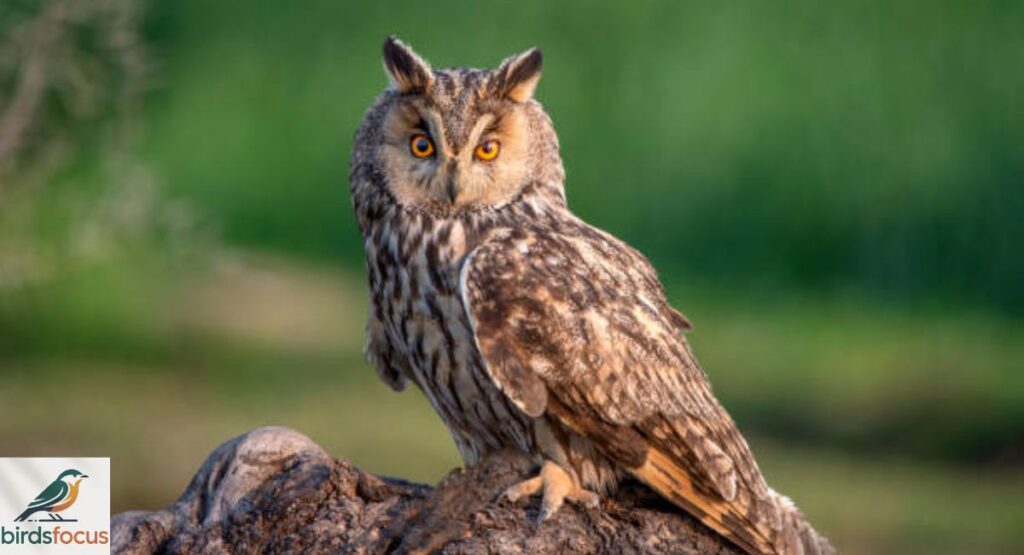
The Long-eared Owl is known for its long ear-like feather tufts. It prefers forests and wooded areas. These owls hunt at night and feed mainly on small mammals. During winter, they sometimes gather in groups while resting in trees.
Long-billed Curlew
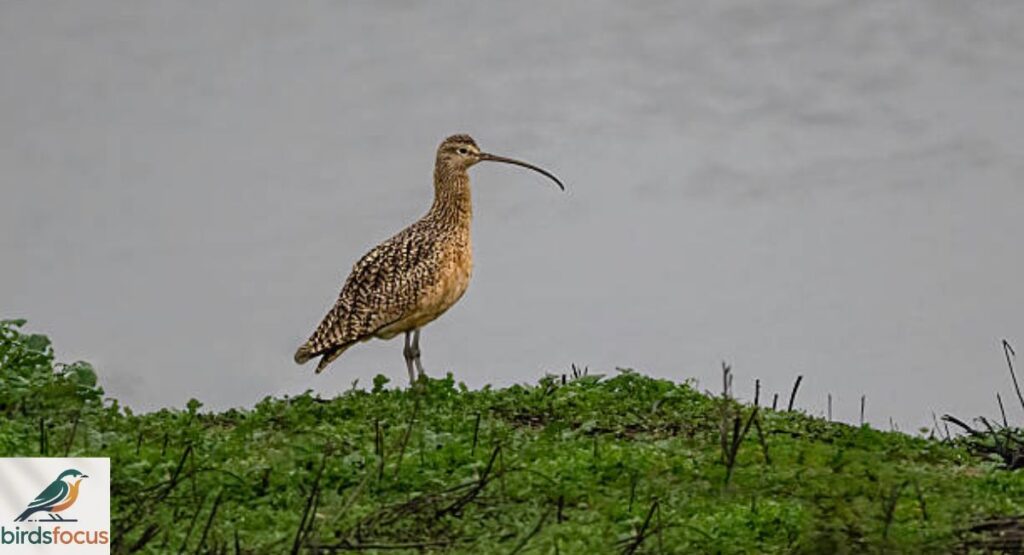
The Long-billed Curlew is a large shorebird with a very long curved bill. It uses this bill to dig into mud or sand for insects and crustaceans. This bird usually lives in grasslands and coastal regions of North America.
Little Penguin
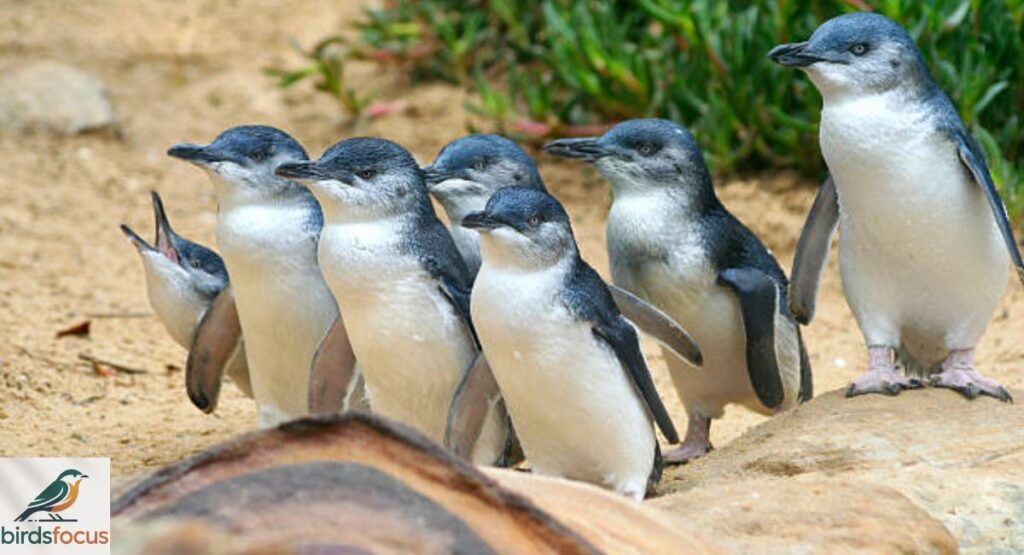
The Little Penguin is the smallest penguin species in the world. It lives along the southern coasts of Australia and New Zealand. These penguins have blue feathers and swim skillfully in the ocean. They come ashore at night to rest in burrows.
Below is a helpful table showing 22 birds that start with L. It includes their scientific names and main habitats. This makes it easier to understand where these birds live and how diverse the bird world can be.
| Bird Name | Scientific Name | Main Habitat |
| Lapwing | Vanellus vanellus | Grasslands and wetlands |
| Loggerhead Shrike | Lanius ludovicianus | Open fields |
| Lark | Alaudidae | Meadows and grasslands |
| Lorikeet | Trichoglossus | Tropical forests |
| Loon | Gavia | Northern lakes |
| Limpkin | Aramus guarauna | Marshes and swamps |
| Lesser Flamingo | Phoeniconaias minor | Salty lakes |
| Laughing Kookaburra | Dacelo novaeguineae | Woodlands |
| Long-tailed Tit | Aegithalos caudatus | Forests and gardens |
| Lyrebird | Menura | Rainforests |
| Lazuli Bunting | Passerina amoena | Shrublands |
| Lanner Falcon | Falco biarmicus | Open plains |
| Leach’s Storm-Petrel | Oceanodroma leucorhoa | Open ocean |
| Lewin’s Honeyeater | Meliphaga lewinii | Forest areas |
| Little Owl | Athene noctua | Countryside |
| Little Egret | Egretta garzetta | Wetlands |
| Linnet | Carduelis cannabina | Farmlands |
| Lapland Longspur | Calcarius lapponicus | Arctic tundra |
| Little Tern | Sternula albifrons | Coastal regions |
| Long-eared Owl | Asio otus | Forest edges |
| Long-billed Curlew | Numenius americanus | Grasslands |
| Little Penguin | Eudyptula minor | Coastal shores |
Common Birds That Start With L
Many common birds that start with L are familiar to birdwatchers in parks, forests, and open countryside. The cheerful Lark is one of the best known examples. This small songbird often sings while flying high above fields. Its brown feathers provide camouflage which helps it hide from predators.
Another interesting example among birds that start with L is the colorful Lorikeet. This parrot feeds on nectar using a special brush-tipped tongue. Because of this diet, lorikeets help pollinate flowers. Their bright green and red feathers make them some of the most recognizable birds in tropical regions.
Lark ( A Famous Songbird That Starts With L)
The Lark represents joy and freedom in many cultures. Poets often describe its song as uplifting and musical. These birds starting with the letter L live mainly in grasslands where they search for seeds and insects. Skylarks in Europe can sing continuously for several minutes while hovering high in the sky.
Rare Birds That Start With L
Some birds that start with L live in remote areas and remain difficult to observe. One remarkable example is the Lyrebird. This bird lives in Australian rainforests and possesses one of the most complex vocal abilities in the animal kingdom.
The Lyrebird can mimic camera clicks, chainsaws, and even car alarms. Researchers studying bird names that start with L often describe this species as nature’s most talented sound imitator. During mating displays, the male spreads his beautiful tail feathers shaped like a musical lyre.
Lyrebird (Nature’s Greatest Mimic)
The Lyrebird fascinates scientists because it copies almost any sound it hears. Some recordings show lyrebirds repeating entire forest soundscapes. These birds that start with L use mimicry to impress potential mates and defend territory.
Interesting Facts About Birds That Start With L
Many surprising facts surround birds that start with L. The mysterious Loon can dive underwater for several minutes while hunting fish. Meanwhile, the tiny Long-tailed Tit survives cold winters by huddling together with other birds.
Scientists also discovered that the fierce Loggerhead Shrike uses thorns or barbed wire to store prey. This unusual behavior gives the bird its nickname “butcher bird.” Such adaptations show how birds starting with L evolved unique survival strategies.
Where You Can Spot Birds That Start With L
Several birds that start with L appear in North America. The striking Lazuli Bunting often lives near woodland edges in the western United States. Meanwhile, the haunting call of the Loon echoes across lakes in states such as Minnesota, Alaska, and Maine.
Wetland habitats also host elegant species like the Little Egret. These graceful birds walk slowly through shallow water while hunting fish. Birdwatchers exploring coastal marshes sometimes observe them feeding alongside herons and other water birds.
Tips for Birdwatching Beginners
If you want to see birds that start with L, begin early in the morning. Most birds sing during sunrise. Bring binoculars and stay quiet while observing nature. Patience plays a big role in birdwatching.
Technology can also help. Many beginners use apps like Merlin Bird ID from the Cornell Lab of Ornithology. These tools analyze bird calls and identify species instantly. This method helps beginners recognize bird names that start with L quickly and confidently.
Unique Behaviors of Birds That Start With L
Many birds that start with L show fascinating behaviors that make them stand out. For example, the Loggerhead Shrike stores prey on thorns, while the Lyrebird mimics chainsaws, cameras, and other birds. Even small birds like the Long-tailed Tit huddle together in winter to stay warm. Observing these unique habits reveals how adaptable and clever these birds starting with the letter L can be in finding food, protecting themselves, and attracting mates. Understanding their behaviors makes birdwatching more exciting and helps you appreciate nature’s creativity.
Migration Patterns of Birds That Start With L
Many birds that start with L follow fascinating migration routes. The Lapland Longspur travels thousands of miles between the Arctic tundra and temperate regions in winter. Similarly, Little Terns migrate along coastlines to find warmer waters and abundant food. Studying these birds starting with the letter L helps birdwatchers predict where to spot them during different seasons. Migration also shows how these birds adapt to changing climates and habitats, making their journeys one of the most impressive natural phenomena in the bird world.
Conclusion
Exploring birds that start with L opens a fascinating window into the natural world. From the cheerful song of the Lark to the colorful feathers of the Lorikeet, each bird teaches us something unique about survival, habitat, and behavior. Learning these bird names that start with L not only improves your wildlife knowledge but also makes birdwatching more enjoyable and meaningful.
By observing these birds starting with the letter L in lakes, forests, and fields, you can connect with nature in a deeper way. Even beginners can spot, identify, and appreciate the beauty and diversity of these amazing birds.
FAQs
1. What bird starts with L?
Some well-known birds that start with L include the Lark, Loon, Lapwing, and Lorikeet.
2. Where can I see birds that start with L in the USA?
You can spot species like the Loon in northern lakes and Lazuli Bunting in woodland edges.
3. Which is the most colorful bird that starts with L?
The Lorikeet is one of the brightest, with green, red, and blue feathers.
4. Are any birds that start with L endangered?
Yes, species like the Lesser Flamingo face threats from habitat loss and pollution.
5. How can I attract birds that start with L to my garden?
Provide fresh water, native plants, and feeders to attract species like Linnets and small songbirds.

Welcome to birdsfocus! I’m Anam Sattar, an AI Powered SEO, and Content Writer with 4 years of experirnce.
I help websites rank higher,grow traffic, and look amazing. My goal is to make SEO and web design simple and effective for everyone.
Let’s achieve more together!