


African Birds are among the most fascinating wildlife species on the planet, offering an incredible mix of colors, behaviors, and habitats. From powerful eagles soaring above vast savannas to vibrant rollers flashing through woodlands, Africa is home to more than 2,300 bird species. Whether you’re a beginner or an experienced birdwatcher, exploring these remarkable birds is an unforgettable adventure.
This guide introduces 25 spectacular species while highlighting their appearance, habitat, diet, and unique traits. Along the way, you’ll discover the richness of African wildlife, birdwatching in Africa, bird diversity, and bird habitats that make the continent a world-famous destination for nature lovers seeking extraordinary birding experiences.
25 Spectacular African Birds
Shoebill
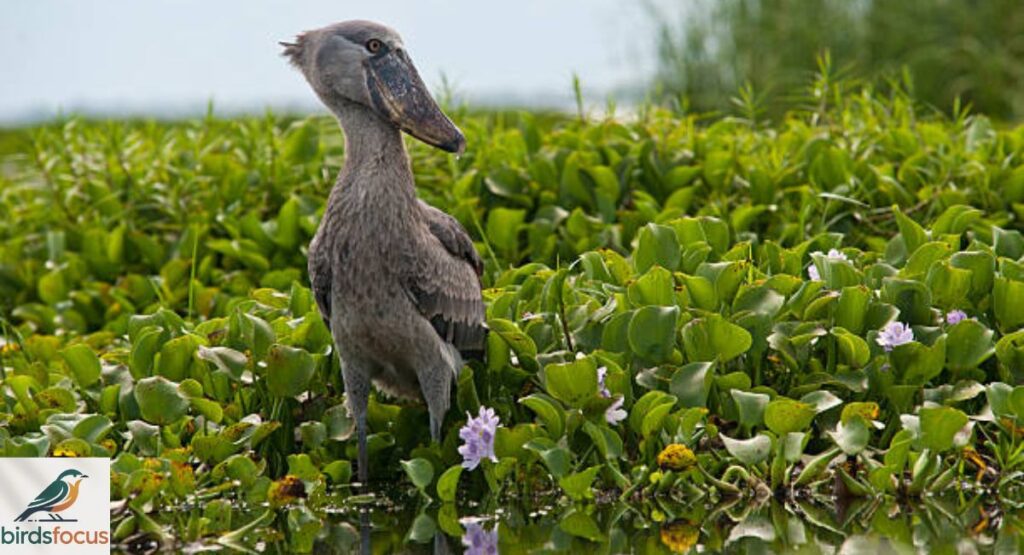
The Shoebill is one of the strangest yet most captivating African Birds you can ever encounter. Its enormous shoe-shaped bill gives this giant wetland hunter a prehistoric appearance. Standing nearly five feet tall, it quietly patrols marshes and swamps while waiting patiently for fish, frogs, or even young crocodiles to move within striking distance. Unlike many birds that chase prey, the Shoebill depends on remarkable patience and precise timing.
You can find Shoebills in freshwater wetlands across countries such as Uganda, South Sudan, and Zambia. Their slow movements help them blend into tall reeds, making them difficult to spot despite their impressive size. Sadly, habitat destruction threatens these magnificent birds. Conservation programs now protect many important wetlands to preserve these remarkable members of African wildlife and maintain healthy bird habitats throughout central Africa.
Grey Crowned Crane
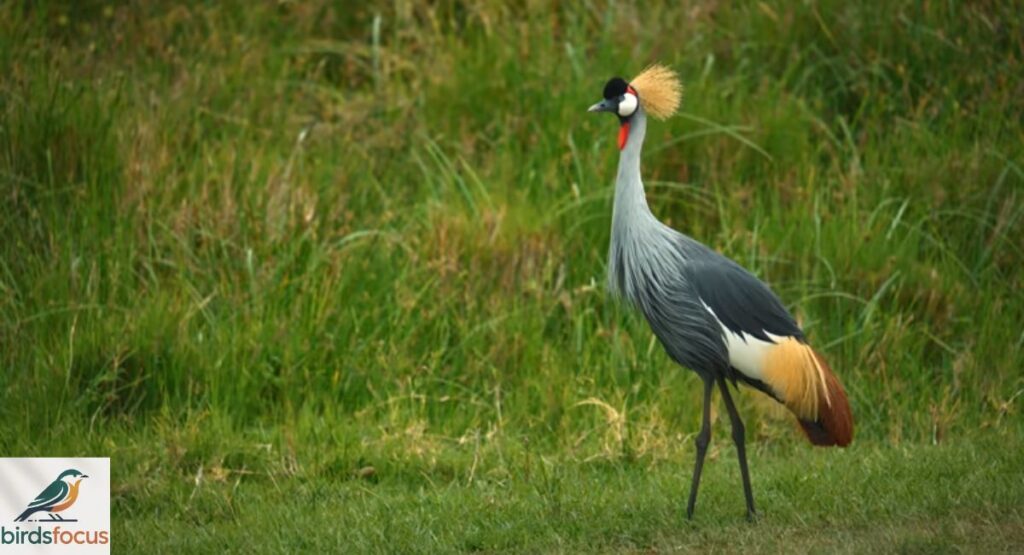
The Grey Crowned Crane is often considered one of the most elegant African Birds thanks to its golden crown of stiff feathers and graceful movements. Its soft gray body contrasts beautifully with white wings and bright red facial markings. During courtship, these cranes perform energetic dances that include jumping, bowing, and spreading their wings. Watching this display feels more like attending a grand performance than observing wildlife.
Grey Crowned Cranes prefer grasslands, wetlands, and open fields where food is plentiful. They feed on insects, seeds, frogs, and small reptiles while walking slowly through shallow water. Unlike many crane species, they can perch in trees because of their unusually long hind toes. Their declining population highlights the importance of protecting wetlands and preserving biodiversity, ensuring future generations continue enjoying these iconic African bird species.
Secretary Bird
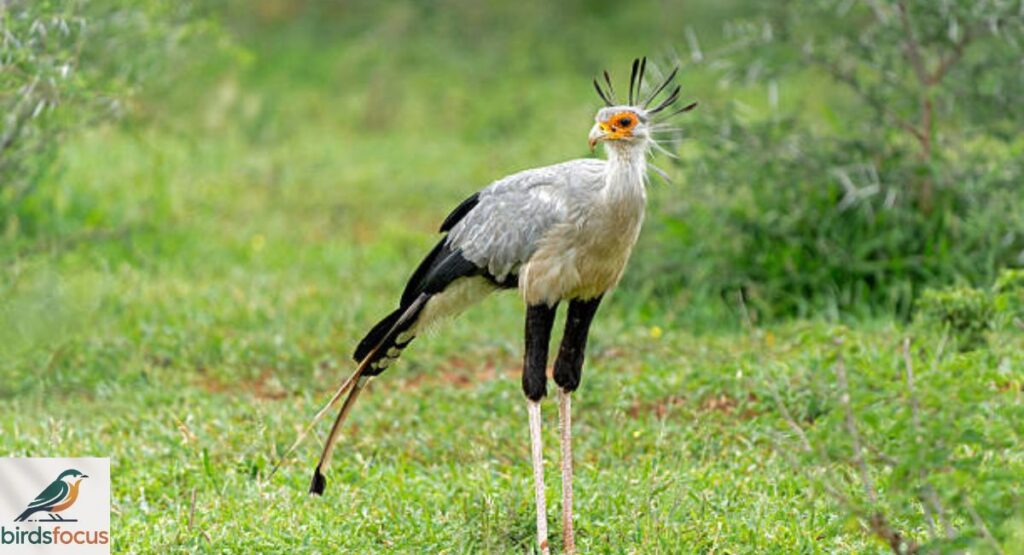
Few African Birds are as distinctive as the Secretary Bird. With its long legs, sharp hooked beak, and elegant black crest feathers, it resembles an eagle walking confidently across open grasslands. Instead of catching prey while flying, this unusual raptor hunts on foot. It uses powerful kicks to kill venomous snakes, making it one of Africa’s most skilled reptile hunters.
Secretary Birds thrive in savannas where they spend hours searching for insects, rodents, snakes, and small birds. Their excellent eyesight allows them to detect movement from remarkable distances. Because these birds require large territories, habitat loss has reduced their numbers in several regions. Conservation organizations continue working to protect the open landscapes essential for these spectacular birds of prey.
African Fish Eagle
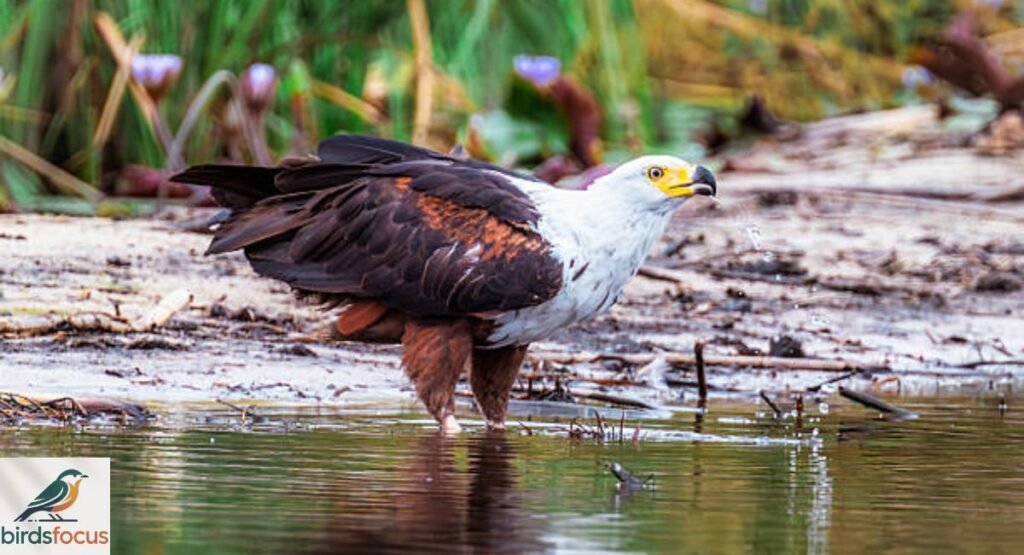
The African Fish Eagle is often called the voice of Africa because of its unforgettable call echoing across lakes and rivers. Its snow-white head contrasts sharply with a dark brown body and powerful yellow beak. This striking appearance makes it one of the easiest African Birds to recognize. Many wildlife photographers consider hearing its call one of the highlights of an African safari.
African Fish Eagles spend much of their time perched near water before swooping down to capture fish with razor-sharp talons. Although fish make up most of their diet, they occasionally steal prey from other birds or feed on waterfowl. Healthy rivers and lakes are essential for their survival, making this species an excellent indicator of thriving freshwater habitats and balanced wildlife conservation efforts.
Bateleur Eagle
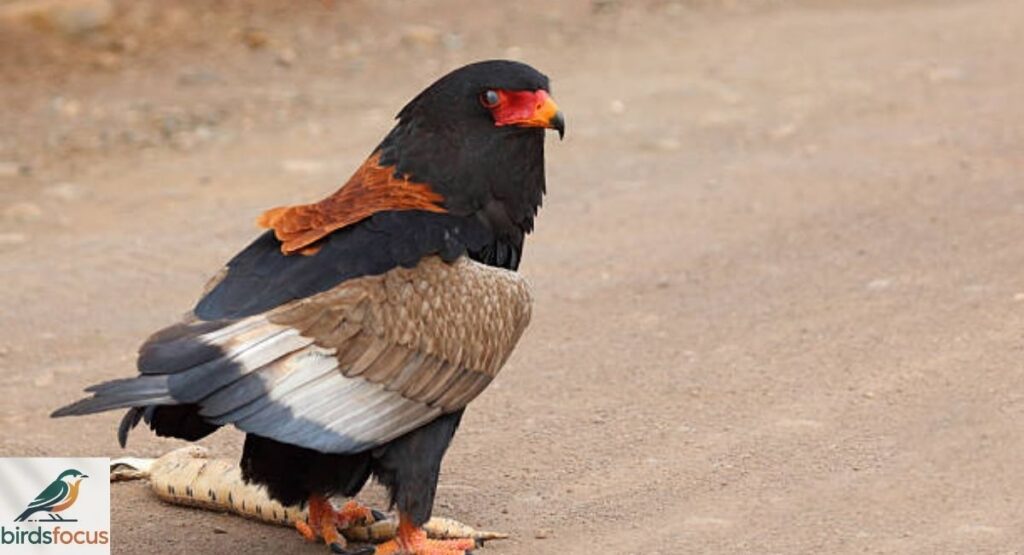
The Bateleur Eagle is famous for its colorful face, unusually short tail, and effortless soaring flight. Its French name means “tightrope walker,” describing the bird’s distinctive rocking motion while gliding through the sky. This striking eagle can spend most of the day airborne without appearing to tire, searching huge areas for food across Africa’s open landscapes.
Unlike many raptors, Bateleur Eagles readily feed on carrion as well as small mammals, reptiles, and birds. Their broad diet helps maintain healthy ecosystems by removing dead animals from the environment. Unfortunately, poisoning and habitat loss continue affecting their populations. Protecting these magnificent raptors also safeguards countless other species sharing the same African wilderness.
Martial Eagle
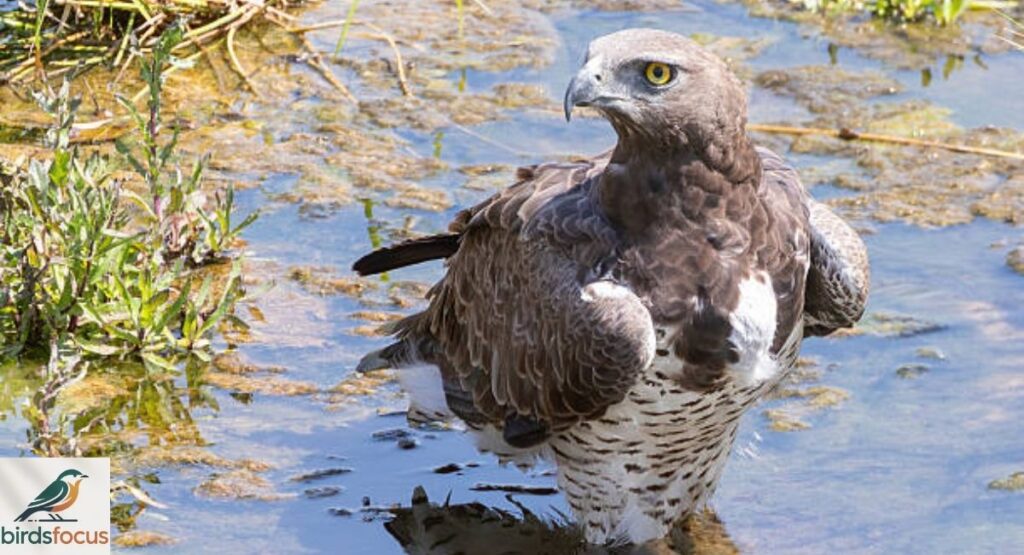
The Martial Eagle is Africa’s largest eagle and one of the continent’s most powerful aerial predators. Its broad wings, muscular body, and piercing yellow eyes allow it to dominate the skies above forests and savannas. Adult birds display dark upperparts with white underparts covered in bold black spots, creating a striking pattern visible even from great distances.
Martial Eagles hunt mammals, birds, reptiles, and occasionally monkeys using incredible speed and strength. They build massive nests high in tall trees where pairs may return year after year. Since these eagles require extensive hunting territories, expanding agriculture has reduced suitable habitat. Continued bird conservation remains essential for protecting this iconic symbol of Africa’s wild landscapes.
Tawny Eagle
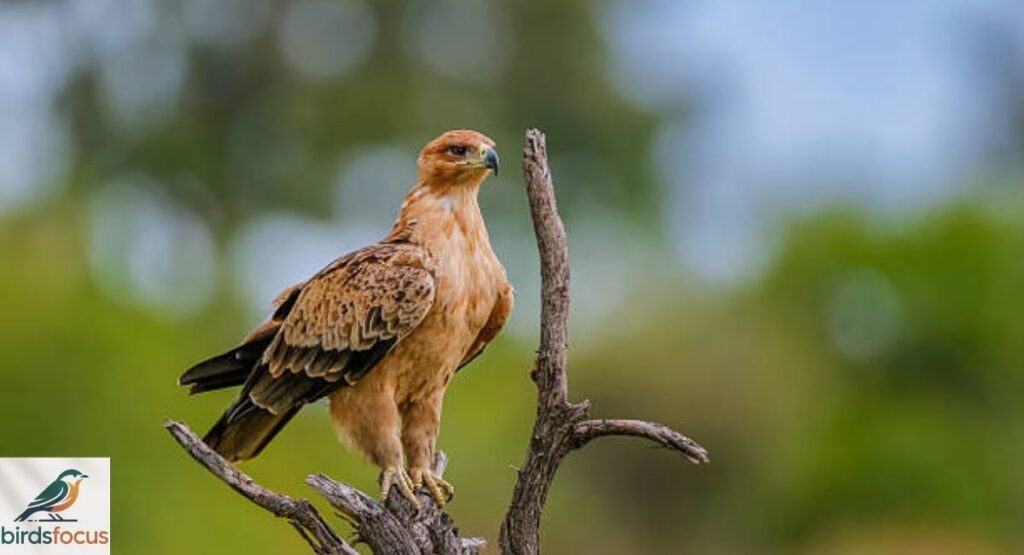
The Tawny Eagle is among the most adaptable African Birds, successfully living in deserts, savannas, woodlands, and open plains. Its rich brown plumage blends perfectly with dry landscapes, helping it approach prey unnoticed. Although its appearance may seem simple compared with colorful birds, its impressive hunting abilities have earned widespread respect among wildlife experts.
These eagles consume rodents, reptiles, birds, insects, and carrion, allowing them to survive in changing environments. Their flexibility makes them valuable predators that help regulate animal populations. However, poisoning, habitat destruction, and collisions with power lines continue threatening their future. Preserving healthy bird habitats ensures these remarkable hunters remain part of Africa’s natural heritage.
Brown Snake Eagle
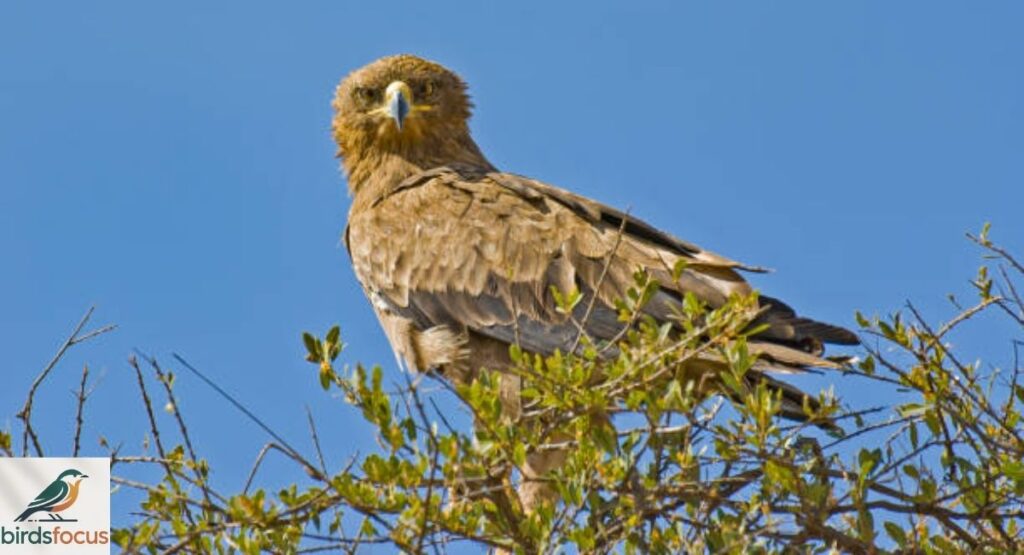
The Brown Snake Eagle specializes in hunting reptiles, making it one of Africa’s most fascinating birds of prey. Its broad head, bright yellow eyes, and sturdy legs provide the perfect combination for detecting and capturing snakes, including venomous species. Thick scales on its legs offer extra protection against bites during dangerous encounters.
This eagle prefers open woodlands, grasslands, and lightly forested regions where reptiles are abundant. Patient observation is its greatest hunting skill. It often waits silently from a high perch before launching a rapid attack. By controlling snake populations, the Brown Snake Eagle contributes to healthier ecosystems while demonstrating the incredible diversity found among African Birds.
Lilac-breasted Roller
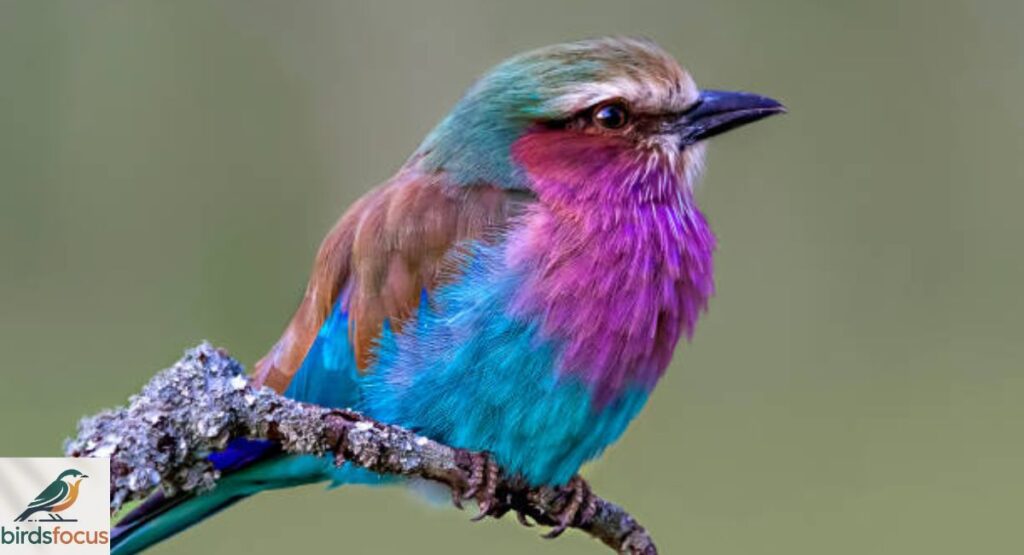
The Lilac-breasted Roller is often called the most beautiful of all African Birds because of its dazzling mix of lilac, turquoise, green, blue, and chestnut feathers. When sunlight catches its plumage, the bird almost seems to glow. During the breeding season, it performs breathtaking aerial displays with fast dives and graceful twists that attract a mate and impress birdwatchers alike.
This colorful species lives in open woodlands, savannas, and lightly wooded grasslands across eastern and southern Africa. It feeds mainly on insects, spiders, small reptiles, and tiny rodents that it spots from exposed branches. Farmers often welcome these birds because they naturally reduce insect populations. Their striking beauty has also made them one of the most photographed birds on African safaris.
Woodland Kingfisher
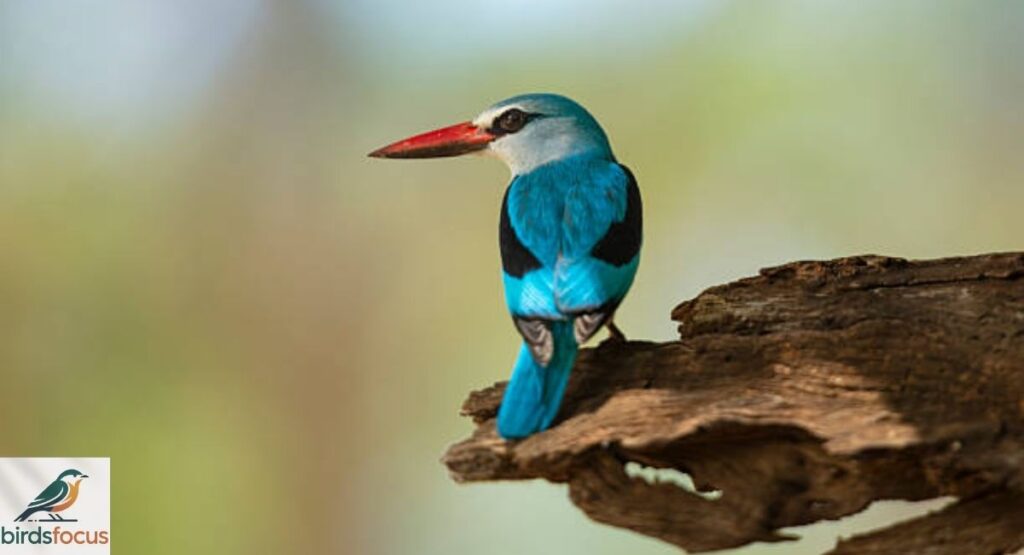
The Woodland Kingfisher brings brilliant shades of electric blue to forests and open countryside. Unlike many kingfishers that spend most of their lives near water, this species often hunts far from rivers. Its bright red bill and vivid blue wings make it one of the easiest African bird species to identify, even from a distance.
Woodland Kingfishers prefer forests, open woodland, and lightly wooded farmland where insects are plentiful. Grasshoppers, beetles, caterpillars, and small lizards make up most of their diet. During the rainy season, their loud calls echo through the trees, announcing the arrival of fresh rains in many African regions. Their presence often signals a healthy and balanced ecosystem.
Pied Kingfisher
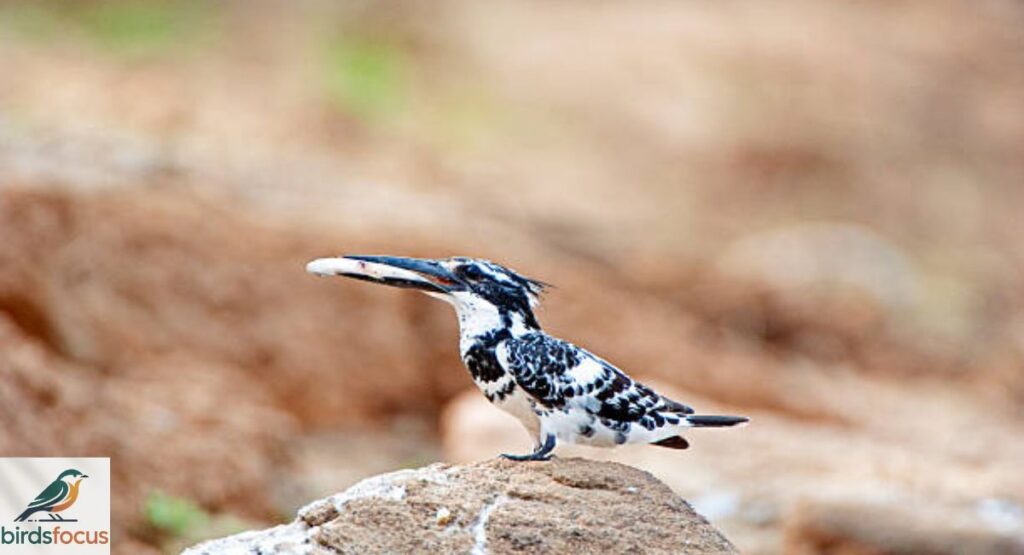
The Pied Kingfisher stands apart from other kingfishers because of its remarkable hovering ability. Instead of diving immediately, it pauses in midair while carefully watching the water below. Once it locates a fish, it folds its wings and plunges headfirst with astonishing precision. This hunting style makes it one of the most skilled fishing birds among African Birds.
Unlike many colorful relatives, the Pied Kingfisher wears elegant black-and-white plumage. It lives beside rivers, lakes, dams, and wetlands where fish remain abundant throughout the year. You can often see it perched quietly on reeds before launching another perfect dive. Its impressive fishing skills continue to fascinate birdwatchers and wildlife photographers alike.
Malachite Kingfisher
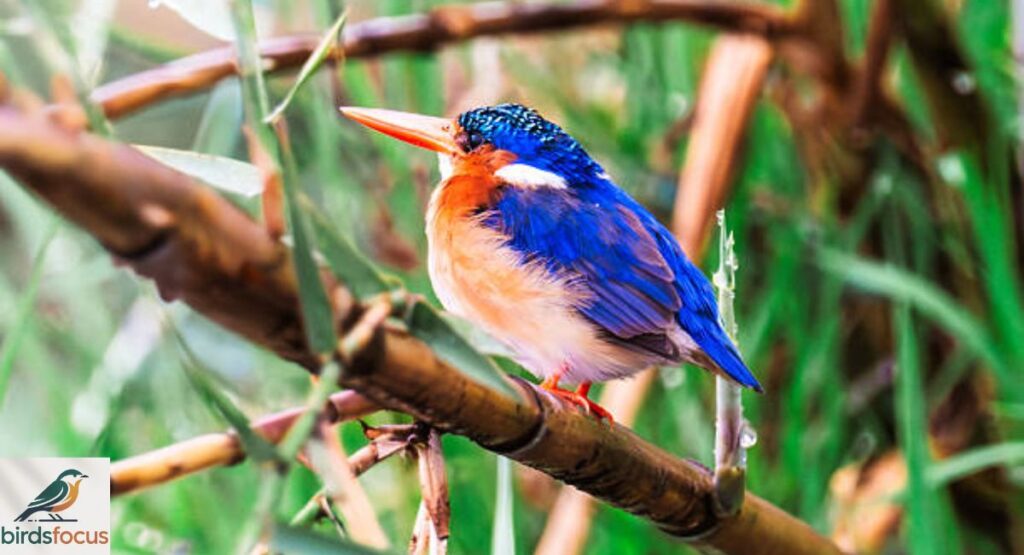
Although tiny in size, the Malachite Kingfisher shines like a precious gemstone. Brilliant turquoise feathers cover its back while its bright orange chest creates a stunning contrast. This little bird proves that some of the smallest African Birds can also be among the most spectacular.
Malachite Kingfishers inhabit quiet wetlands, marshes, streams, and lakes with plenty of overhanging vegetation. They feed on small fish, aquatic insects, tadpoles, and tiny frogs. Their lightning-fast dives happen so quickly that many visitors miss them entirely. Patient observers are often rewarded with unforgettable views of this colorful jewel.
African Paradise Flycatcher
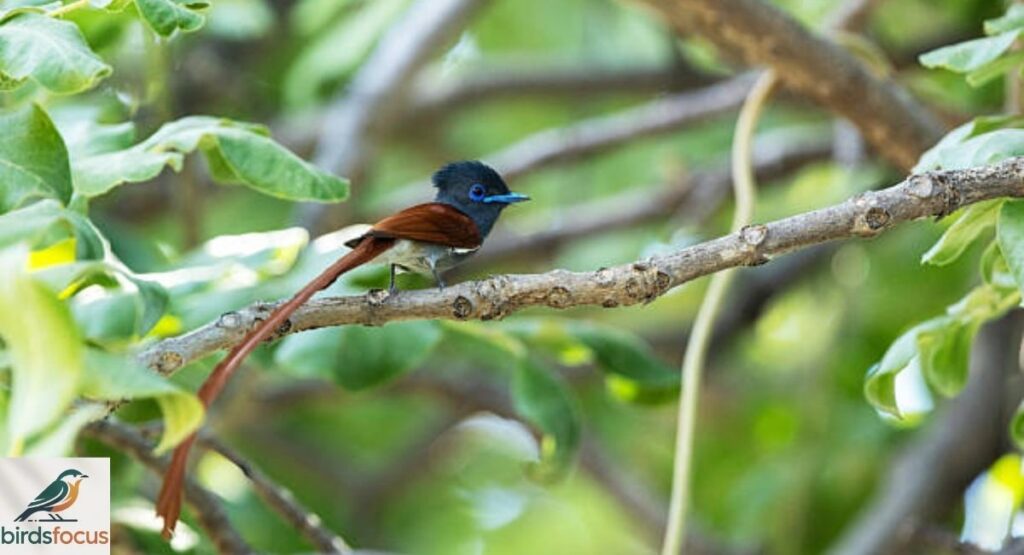
The African Paradise Flycatcher lives up to its magical name. Adult males grow elegant ribbon-like tail feathers that flow gracefully behind them during flight, creating one of the most beautiful sights in the African forest. Females have shorter tails but display equally graceful movements among the trees.
These birds inhabit woodlands, forests, gardens, and riverine vegetation throughout much of sub-Saharan Africa. Flying insects make up most of their diet, and they capture prey with quick aerial twists and turns. Their agility allows them to snatch insects directly from the air with remarkable precision. Watching one hunt feels like witnessing a perfectly choreographed dance.
Superb Starling
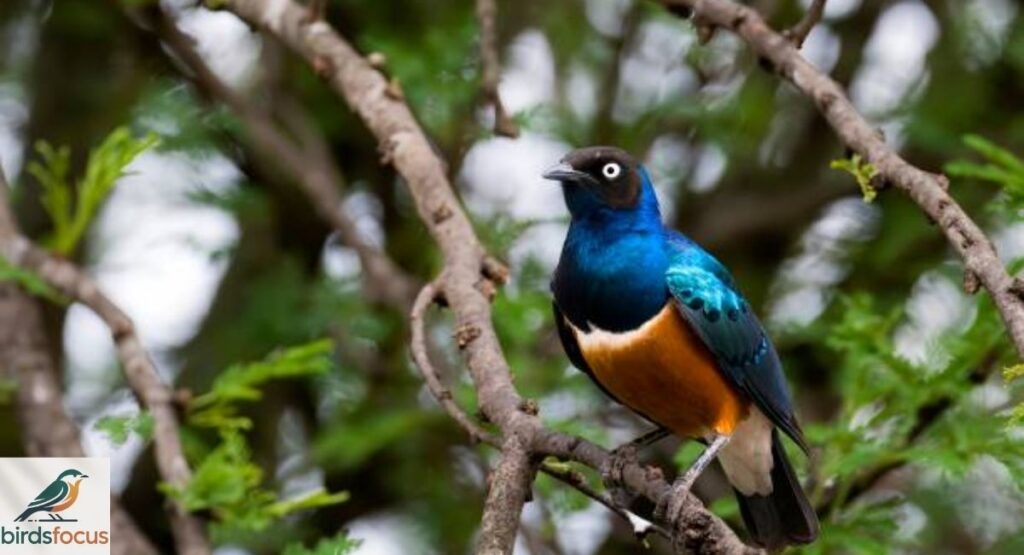
The Superb Starling truly earns its name. Its glossy feathers shimmer with metallic shades of blue, green, purple, and bronze that constantly change under different lighting conditions. Few African bird species display such dazzling natural colors. Bright white chest markings complete its unforgettable appearance.
These highly social birds form noisy groups across East African grasslands and open woodlands. They feed on insects, fruit, seeds, and small invertebrates while searching together for food. Living in cooperative family groups helps protect nests from predators and increases the survival of young birds. Scientists often study Superb Starlings because of their fascinating social behavior.
Crested Barbet
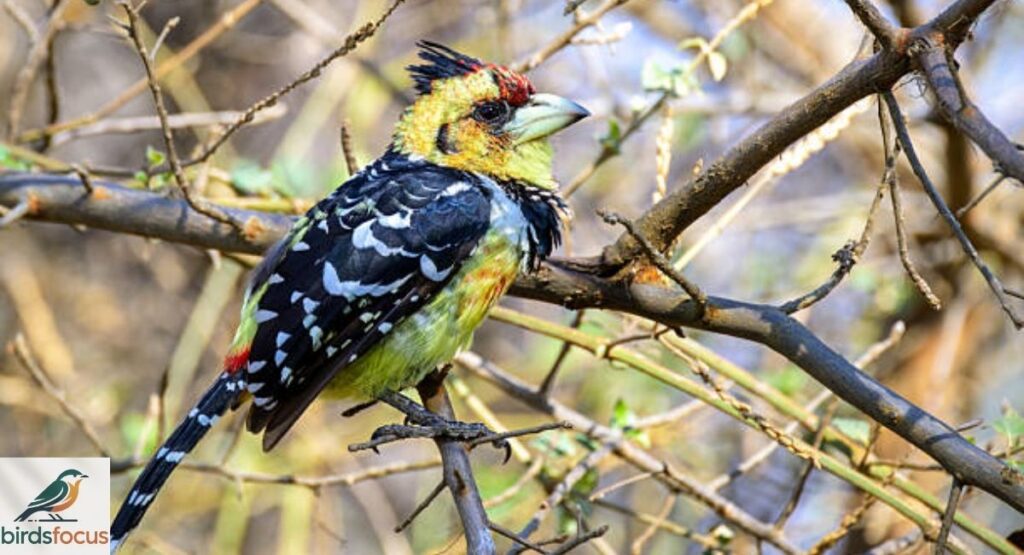
The Crested Barbet looks like a living painting. Its bright yellow belly, red face, black crest, and spotted wings combine to create one of the most colorful African Birds found in woodland habitats. Despite its cheerful appearance, this bird also produces surprisingly loud calls that echo through the trees.
Crested Barbets live in woodlands, parks, gardens, and forest edges where fruit and insects are plentiful. They also enjoy berries, seeds, nectar, and small reptiles when available. Their powerful beaks allow them to dig nest cavities into dead trees, providing safe places to raise their chicks while also creating future nesting sites for other wildlife.
Brown-headed Parrot
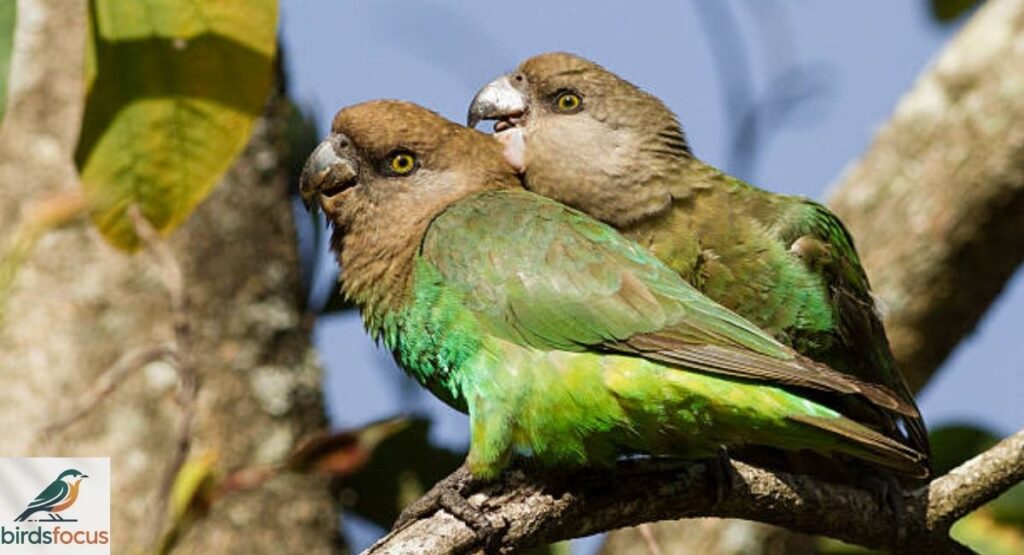
The Brown-headed Parrot may not have the brilliant colors of larger parrots, yet its charming personality makes it unforgettable. Its green body blends perfectly with leafy forests while its soft brown head gives the species its distinctive name. Strong curved beaks allow these intelligent African Birds to crack tough seeds and nuts with ease.
Brown-headed Parrots inhabit forests, riverine woodlands, and wooded savannas across southern Africa. They feed on fruits, seeds, flowers, and berries while moving through the treetops in small family groups. Their gentle whistles and quiet calls differ from the loud screeches many people expect from parrots. Protecting mature forests remains essential because these birds depend on old trees for nesting and shelter.
Black-headed Oriole
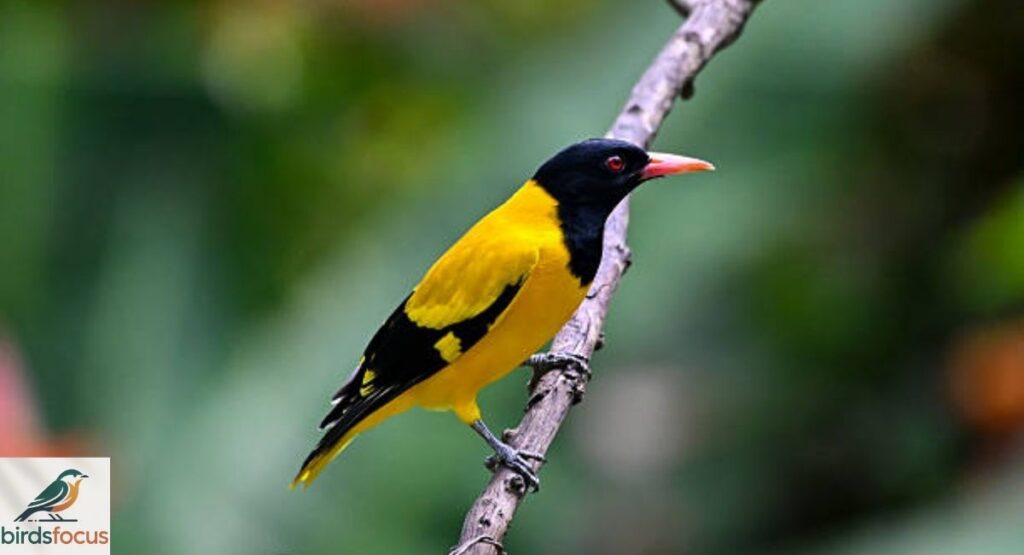
The Black-headed Oriole is one of the brightest African Birds, thanks to its vivid yellow body and glossy black head. Its rich, flute-like song drifts through forests long before the bird comes into view. While many birds rely on camouflage, this oriole stands out with confidence, creating a striking contrast against green leaves.
This beautiful bird lives in forests, riverine woodlands, and well-wooded gardens across sub-Saharan Africa. It feeds on insects, caterpillars, berries, nectar, and ripe fruit. As it searches for food, it also helps pollinate flowering plants and disperse seeds. Those natural roles make it an important contributor to healthy African ecosystems.
Cape Wagtail
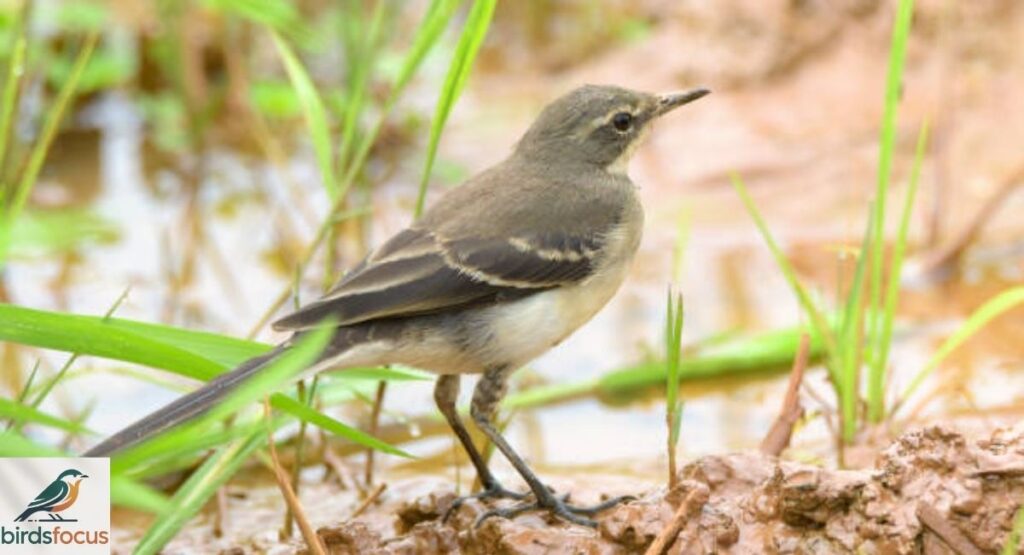
The Cape Wagtail may not display bright colors, yet its graceful movements quickly capture attention. Its constant tail wagging gives the species its common name. Soft gray-brown feathers blend perfectly with riverbanks, allowing this active bird to move unnoticed while searching for food.
Cape Wagtails thrive near freshwater habitats, including streams, rivers, lakes, and wetlands. They feed on insects, spiders, worms, and tiny aquatic creatures found along muddy edges. Their adaptability allows them to live in both wild landscapes and urban parks. Because they depend on clean water, healthy Cape Wagtail populations often indicate a well-balanced environment.
Kori Bustard
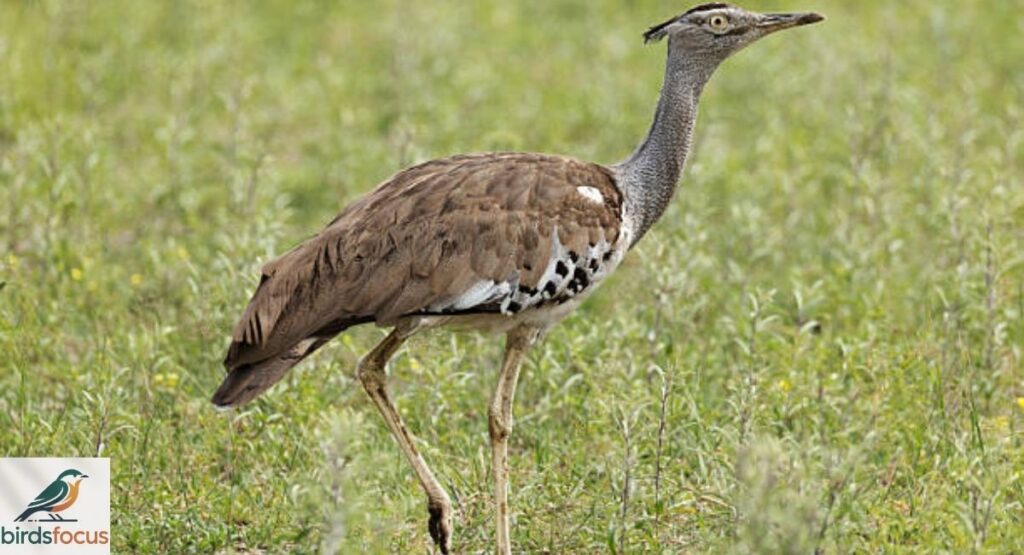
The Kori Bustard is the world’s heaviest flying bird and one of the most impressive African bird species. Adult males can weigh over 40 pounds, yet they still manage to take flight when necessary. Their large size, long necks, and beautifully patterned feathers provide excellent camouflage across dry grasslands.
These giant birds inhabit open savannas and semi-arid plains where visibility remains high. They feed on insects, seeds, reptiles, rodents, berries, and even small snakes. During the breeding season, males perform spectacular courtship displays by inflating their neck feathers and spreading their tails. These dramatic performances attract females while demonstrating the male’s strength and health.
Marabou Stork
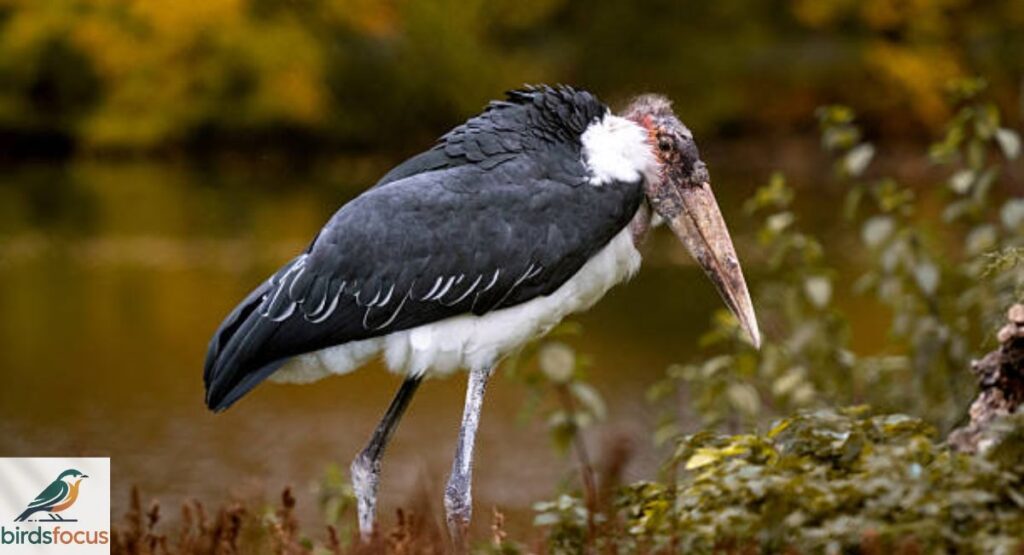
Few African Birds have an appearance as unusual as the Marabou Stork. Its bald head, enormous bill, and hanging throat pouch give it a prehistoric look. Although many people consider it unattractive, this giant bird performs an essential role by removing dead animals from the landscape before diseases can spread.
Marabou Storks inhabit wetlands, grasslands, riverbanks, and even city outskirts where food remains available. Besides feeding on carrion, they also hunt fish, frogs, insects, rodents, and small birds. Their ability to survive in different environments demonstrates remarkable adaptability. Nature depends on these efficient scavengers to help keep ecosystems clean and healthy.
Yellow-billed Stork
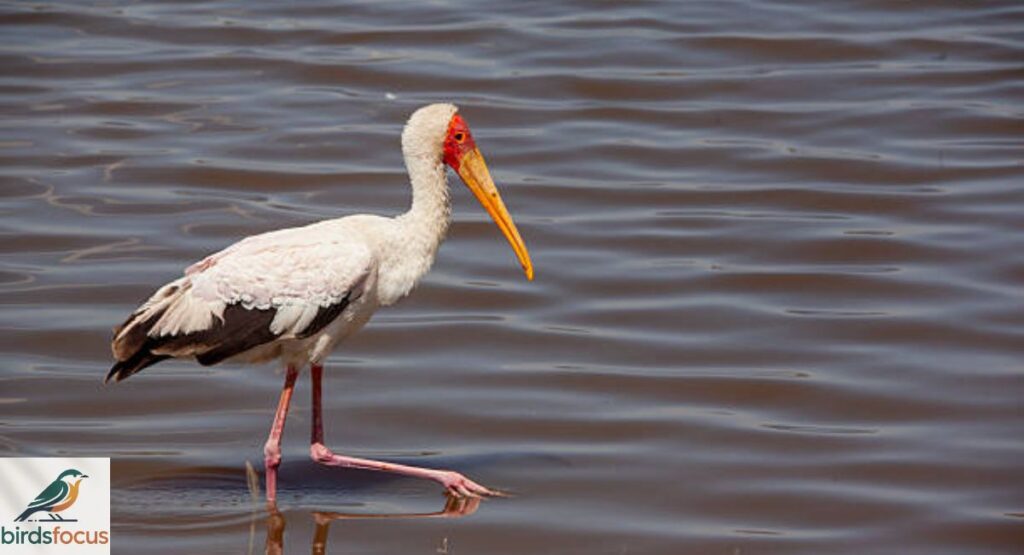
The Yellow-billed Stork is a graceful wading bird recognized by its long yellow bill and elegant pink-tinted feathers during the breeding season. Its slightly curved bill works like a natural sensor, snapping shut the moment it touches prey hidden beneath muddy water.
This species prefers wetlands, floodplains, marshes, and shallow lakes rich in aquatic life. Fish, frogs, insects, and crustaceans make up most of its diet. Yellow-billed Storks often feed together in small groups, slowly walking through shallow water with remarkable patience. Their presence highlights the importance of protecting Africa’s valuable freshwater ecosystems.
Flamingo
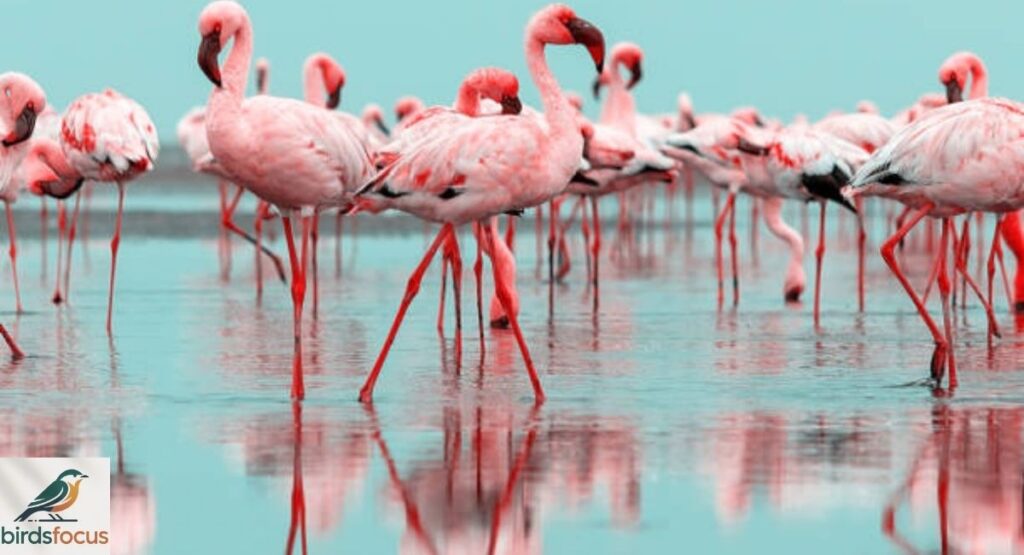
Flamingos rank among the most recognizable African Birds because of their brilliant pink feathers and elegant appearance. Their unusual color comes from pigments found in algae and tiny crustaceans they consume. Thousands of flamingos gathering around a single lake create one of Africa’s most breathtaking natural spectacles.
These iconic birds inhabit salty lakes, lagoons, and alkaline wetlands across eastern and southern Africa. Their specially designed bills filter microscopic food from the water while their long legs allow them to feed comfortably in shallow areas. Large breeding colonies provide extra protection against predators while creating unforgettable wildlife scenes admired around the world.
African Penguin
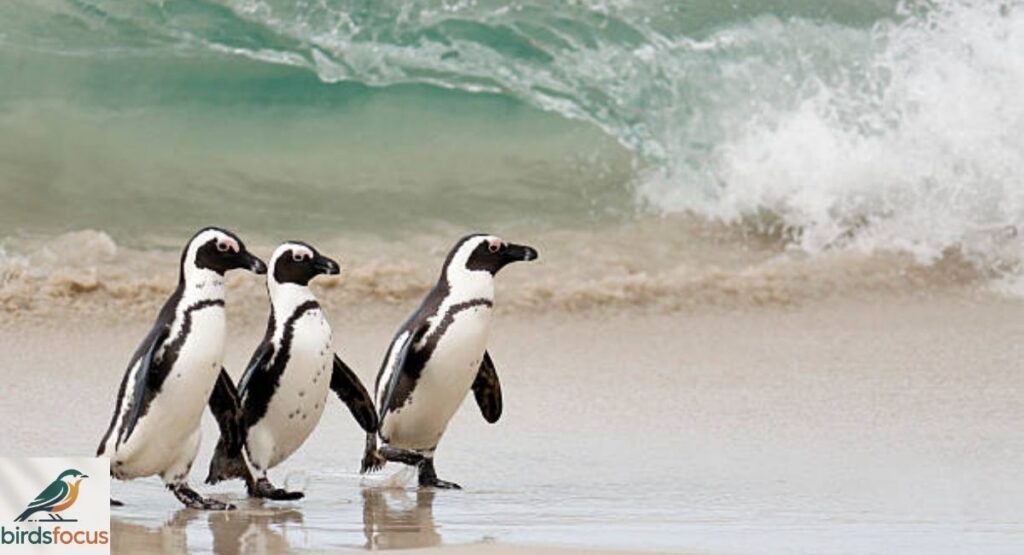
The African Penguin is the only penguin species naturally found on the African continent. Unlike penguins living in icy Antarctica, these remarkable birds thrive along the cool Atlantic coastline of South Africa and Namibia. Their black-and-white plumage resembles a formal tuxedo, making them instantly recognizable.
African Penguins feed mainly on sardines, anchovies, and other small fish caught during underwater dives. Unfortunately, overfishing, pollution, oil spills, and climate change have caused significant population declines. Today, conservation organizations work tirelessly to protect nesting colonies and restore healthy marine habitats. Saving these unique coastal birds remains a priority for wildlife conservation across southern Africa.
Southern Ground Hornbill
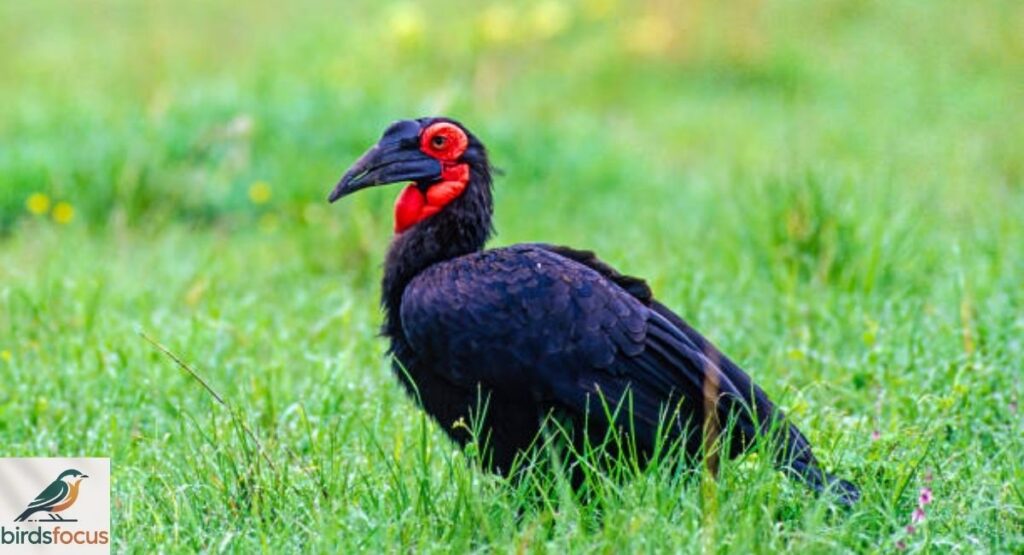
The Southern Ground Hornbill is one of the largest flying hornbills in the world and among the most fascinating African Birds. Its glossy black feathers contrast beautifully with the bright red skin around its face and throat. Unlike tree-dwelling hornbills, this species spends much of its day walking confidently across open grasslands in search of food.
Southern Ground Hornbills live in family groups that cooperate while raising young and defending their territory. They feed on insects, snakes, lizards, frogs, rodents, and even small birds. Because they reproduce slowly, habitat destruction has placed increasing pressure on their populations. Protecting open grasslands and mature nesting trees is essential to ensure this magnificent bird continues roaming Africa’s wild landscapes.
| Bird | Primary Habitat | Main Diet | Conservation Status |
| Black-headed Oriole | Forests & Woodlands | Insects, Fruit | Least Concern |
| Cape Wagtail | Rivers & Wetlands | Insects, Worms | Least Concern |
| Kori Bustard | Savannas | Omnivore | Near Threatened |
| Marabou Stork | Wetlands | Carrion, Fish | Least Concern |
| Yellow-billed Stork | Marshes & Lakes | Fish, Frogs | Least Concern |
| Flamingo | Saline Lakes | Algae, Crustaceans | Varies by Species |
| African Penguin | Coastal Areas | Fish | Endangered |
| Southern Ground Hornbill | Savannas | Small Animals | Vulnerable |
Where Can You See These African Birds?
Africa offers some of the finest birdwatching destinations on Earth. Whether you dream of spotting a majestic eagle soaring above the savanna or watching colorful kingfishers dive into a river, the continent has a destination for every nature lover. Many protected parks support thousands of African bird species because they preserve diverse bird habitats, including forests, wetlands, mountains, deserts, and coastal ecosystems.
The best places to observe African Birds include Kruger National Park in South Africa, Serengeti National Park in Tanzania, Maasai Mara National Reserve in Kenya, Okavango Delta in Botswana, Etosha National Park in Namibia, and Bwindi Impenetrable Forest in Uganda. Each destination protects unique ecosystems where visitors can enjoy unforgettable birdwatching in Africa while also seeing elephants, lions, giraffes, and countless other wildlife species.
| National Park | Country | Famous Birds |
| Kruger National Park | South Africa | Martial Eagle, Lilac-breasted Roller, Southern Ground Hornbill |
| Serengeti National Park | Tanzania | Secretary Bird, Kori Bustard, Bateleur Eagle |
| Maasai Mara National Reserve | Kenya | Grey Crowned Crane, African Fish Eagle |
| Okavango Delta | Botswana | African Fish Eagle, Yellow-billed Stork, Flamingo |
| Etosha National Park | Namibia | Ostrich, Marabou Stork, Tawny Eagle |
| Bwindi Impenetrable Forest | Uganda | African Paradise Flycatcher, Grey Crowned Crane |
Best Time to Watch African Birds
The ideal time to watch African Birds depends on your destination and the species you hope to see. In many regions, the dry season offers excellent visibility because vegetation becomes thinner and birds gather around permanent water sources. Wildlife photography is also easier during this period since animals remain concentrated near rivers and lakes.
The wet season brings a completely different experience. Migratory species arrive, breeding plumage becomes more colorful, and forests fill with birdsong. Many experienced birdwatchers actually prefer this season because it showcases incredible bird diversity, active nesting behavior, and spectacular courtship displays that rarely occur during the drier months.
Different Types of African Birds
Africa supports an astonishing variety of African Birds, each adapted to a specific environment. Powerful eagles dominate the skies while colorful rollers brighten open woodlands. Wetlands provide homes for storks, flamingos, and kingfishers. Dense forests shelter parrots, orioles, and flycatchers, whereas grasslands support bustards and secretary birds. Every habitat contributes to the continent’s remarkable biodiversity.
Scientists often classify African birds into several major groups based on their habitat and lifestyle. Birds of prey include eagles and hawks that hunt live animals. Water birds inhabit lakes, rivers, and marshes. Forest birds thrive beneath dense tree canopies, while grassland species prefer open plains. Coastal birds depend on oceans and shorelines, creating one of the richest collections of African wildlife found anywhere in the world.
| Bird Group | Examples |
| Birds of Prey | Martial Eagle, Bateleur Eagle, Brown Snake Eagle |
| Water Birds | Flamingo, Yellow-billed Stork, African Fish Eagle |
| Forest Birds | Brown-headed Parrot, Black-headed Oriole |
| Grassland Birds | Secretary Bird, Kori Bustard |
| Coastal Birds | African Penguin |
| Colorful Birds | Lilac-breasted Roller, Superb Starling |
How to Identify African Birds Like an Expert
Learning to identify African Birds becomes much easier once you know what details to observe. Begin by studying body size, feather colors, wing shape, bill length, leg color, and tail patterns. These physical features often provide the quickest clues. Listening carefully also helps because many species produce distinctive calls long before they appear in view.
Experienced birdwatchers rarely rely on appearance alone. They also consider habitat, behavior, feeding style, and flight pattern. A hovering kingfisher, a soaring eagle, or a slow-moving stork each behaves differently. Carrying binoculars and a reliable field guide will improve your identification skills while allowing you to appreciate the incredible richness of African bird identification and birdwatching in Africa.
Threats Facing African Birds
Although many African Birds remain widespread, numerous species face increasing pressure from human activities. Expanding agriculture, deforestation, pollution, illegal wildlife trade, and climate change continue reducing suitable habitats. Wetlands disappear, forests shrink, and nesting sites become harder to find, placing many bird populations at risk.
Fortunately, conservation organizations, national parks, and local communities are working together to protect bird habitats and preserve Africa’s extraordinary bird diversity. Sustainable tourism, habitat restoration, stronger wildlife laws, and public education all play important roles. Every responsible traveler who supports protected areas contributes to the long-term survival of these remarkable birds.
Conclusion
African Birds showcase the incredible beauty and diversity of nature, from colorful rollers and graceful cranes to powerful eagles and unique penguins. Each species plays an important role in keeping ecosystems healthy while offering unforgettable experiences for birdwatchers and wildlife lovers. Learning about these amazing birds helps you appreciate Africa’s rich natural heritage even more.
Whether you plan to visit Africa or simply enjoy discovering wildlife from home, these remarkable birds are worth exploring. By supporting conservation efforts and protecting bird habitats, you can help ensure future generations continue to enjoy the beauty of African wildlife and its extraordinary feathered residents.
FAQs
1. How many bird species are found in Africa?
Africa is home to more than 2,300 bird species, making it one of the richest continents for bird diversity and birdwatching.
2. What is the most famous African bird?
The African Fish Eagle is one of the most famous African Birds because of its striking appearance and iconic call heard near rivers and lakes.
3. Which is the largest bird in Africa?
The Common Ostrich is the largest bird in Africa and the world’s biggest living bird. It cannot fly but can run at incredible speeds.
4. When is the best time to watch African Birds?
The dry season is usually the best time because birds gather around water sources, making them easier to spot and photograph.
5. Why are African Birds important to the ecosystem?
African Birds help control pests, spread seeds, pollinate plants, and keep ecosystems balanced, making them essential for healthy wildlife habitats.

Welcome to birdsfocus! I’m Anam Sattar, an AI Powered SEO, and Content Writer with 4 years of experirnce.
I help websites rank higher,grow traffic, and look amazing. My goal is to make SEO and web design simple and effective for everyone.
Let’s achieve more together!