


From colorful parrots to majestic eagles, Zoo Birds introduce you to some of the most fascinating creatures on Earth. Modern zoos do much more than display birds for visitors. They protect endangered species, support bird conservation, and educate millions of people about wildlife every year. Walking through spacious aviaries allows you to observe birds behaving naturally while learning about their habitats, diets, and unique adaptations.
Whether you’re planning a family trip, searching for a bird zoo, or simply curious about birds at the zoo, this guide covers everything you need to know. You’ll discover remarkable bird species, famous bird collections, conservation efforts, and practical tips that make every zoo visit more enjoyable and meaningful.
What Are Zoo Birds?
Zoo Birds are birds that live in professionally managed zoological parks, wildlife centers, and bird parks. These facilities recreate natural environments where birds can fly, nest, feed, and display their normal behaviors. Unlike pets, these birds receive specialized care from trained keepers, veterinarians, and wildlife experts. Many belong to international breeding programs that aim to protect rare species from extinction. Visitors often see bird zoo exhibits featuring colorful parrots, majestic eagles, playful penguins, and elegant flamingos living in carefully designed habitats.
Modern zoos do much more than display birds for entertainment. They invest in bird conservation, scientific studies, and public education. Every enclosure is designed around a bird’s natural needs, including climate, food, and social behavior. Many birds living in zoos cannot safely return to the wild because of injury or habitat loss. Others become part of global breeding programs that increase their populations before conservationists release future generations into protected forests, wetlands, and grasslands.
Why Bird Zoos Matter
Bird populations continue to decline because forests disappear, wetlands shrink, pollution spreads, and climate patterns change. Modern bird zoos provide a safe refuge where vulnerable species can survive while experts develop conservation strategies. Accredited zoos cooperate with universities, wildlife organizations, and governments to study diseases, improve breeding success, and protect genetic diversity. Their work has already prevented several remarkable bird species from disappearing forever.
Bird zoos also inspire people to care about wildlife. A child who watches a scarlet macaw flying overhead often develops a lifelong appreciation for nature. Interactive exhibits, educational talks, and behind-the-scenes experiences help visitors understand why wildlife conservation matters. Many guests leave with a stronger commitment to protecting forests, reducing plastic waste, and supporting organizations that safeguard birds around the world. Every visit contributes to funding research, habitat restoration, and public awareness campaigns.
Types of Birds Found in Zoos
Bird collections represent nearly every major habitat on Earth. Visitors can admire soaring raptors, vibrant rainforest birds, graceful water birds, and unusual flightless species during a single visit. This remarkable diversity allows zoos to educate guests about ecosystems they may never experience firsthand. Carefully designed habitats encourage natural behaviors while helping scientists better understand bird health, reproduction, and social interactions.
Many zoos organize birds according to their native environments rather than their appearance. This approach helps visitors understand how birds adapt to different climates and landscapes. From tropical rainforests to frozen coastlines, each exhibit demonstrates how evolution has shaped birds to survive in unique conditions. These living displays make learning far more memorable than reading a textbook.
Birds of Prey
Birds of prey rank among the most impressive Zoo Birds because of their strength, sharp eyesight, and hunting skills. Eagles, hawks, falcons, vultures, and owls possess powerful talons and hooked beaks designed for catching prey. Many zoos rescue injured raptors that cannot return to the wild, allowing visitors to learn about their importance in controlling rodent populations and maintaining ecological balance. Educational demonstrations often reveal how these magnificent hunters fly silently, detect movement from great distances, and adapt to different environments.
Colorful Tropical Birds
Few exhibits attract larger crowds than collections of tropical birds. Brilliant macaws, intelligent parrots, cheerful cockatoos, toucans, and lorikeets create unforgettable displays of color and sound. These exotic birds depend heavily on healthy rainforests where they spread seeds and pollinate flowering plants. Modern zoos recreate humid environments filled with waterfalls, tall trees, and flowering vegetation so these birds can behave naturally while giving visitors an authentic rainforest experience.
Water Birds
Water birds thrive around lakes, rivers, marshes, and coastal regions. Flamingos, pelicans, ducks, swans, cranes, and herons display fascinating adaptations such as waterproof feathers, long legs, and specialized beaks for catching fish or filtering food. Large ponds and wetlands inside zoos encourage natural feeding and nesting behaviors. These exhibits also teach visitors why wetlands remain some of the world’s most valuable ecosystems despite facing increasing environmental threats.
Flightless Birds
Not every bird spends its life soaring through the sky. Penguins, ostriches, emus, cassowaries, and kiwis have evolved in ways that favor swimming or running instead of flying. Penguins use streamlined bodies to glide underwater with remarkable speed, while ostriches rely on powerful legs to escape predators across open grasslands. These unique adaptations show how evolution creates extraordinary survival strategies in different parts of the world.
Songbirds
Songbirds may appear small compared to eagles or flamingos, yet they produce some of nature’s most beautiful music. Finches, robins, thrushes, canaries, and starlings communicate through complex songs that attract mates and defend territory. Walk-through bird exhibits often allow visitors to hear dozens of melodies echoing through lush gardens. These charming birds remind us that even the smallest creatures contribute greatly to healthy ecosystems by spreading seeds and controlling insects.
Most Popular Birds in Zoo Around the World
Some birds become the stars of every zoo because of their striking colors, unique behaviors, or impressive size. Visitors often plan their trips around these famous species since they create unforgettable memories for both children and adults. While every bird plays an important role in nature, a few have become global ambassadors for Zoo Birds and wildlife conservation. Their popularity also helps zoos raise awareness about protecting natural habitats and supporting bird conservation projects.
Each of these birds tells a different story about survival and adaptation. Some thrive in tropical rainforests while others live in icy coastlines or open wetlands. Learning about these remarkable species helps you appreciate the incredible diversity found within the bird kingdom. Modern zoos recreate their native environments so visitors can observe natural behaviors instead of simply viewing birds behind barriers.
| Popular Zoo Bird | Native Habitat | Interesting Fact |
| Flamingo | Wetlands | Gets pink feathers from its diet |
| Peacock | Forests and grasslands | Males display colorful tail feathers |
| Macaw | Rainforests | Can live over 50 years |
| Parrot | Tropical forests | Excellent at mimicking sounds |
| Eagle | Mountains and forests | Exceptional eyesight |
| Owl | Woodlands | Silent flight helps hunting |
| Penguin | Coastal regions | Uses wings for swimming |
| Hornbill | Tropical forests | Large bill helps gather fruit |
| Toucan | Rainforests | Lightweight colorful beak |
| Crane | Marshes and wetlands | Famous for graceful courtship dances |
Flamingos
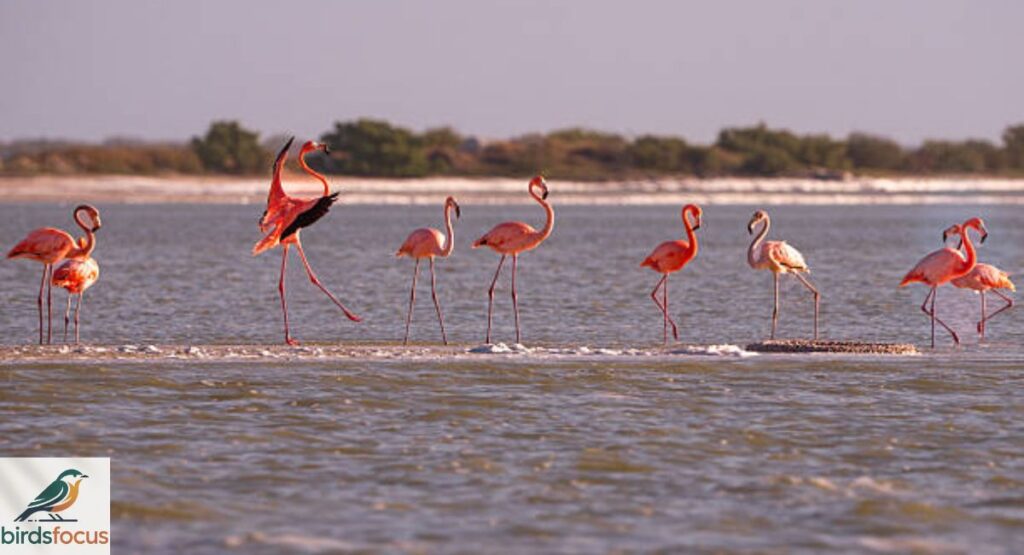
Flamingos are among the most photographed birds at the zoo because of their elegant appearance and bright pink feathers. Their unusual color comes from pigments found in algae and tiny crustaceans they eat in the wild. Zoos provide carefully balanced diets to maintain their vibrant feathers. Flamingos also live in large groups where synchronized movements create one of the most beautiful wildlife displays visitors can experience.
Peacocks
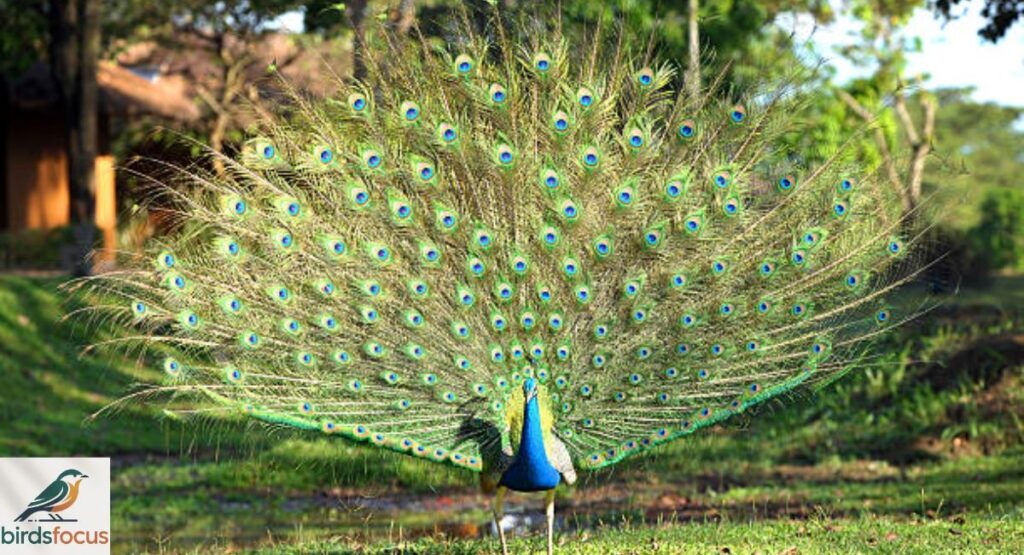
Peacocks amaze visitors with their spectacular tail feathers that shimmer in shades of blue and green. During the breeding season, males spread their colorful trains into giant fans to attract females. This natural performance remains one of the highlights of many bird zoo exhibits. Despite their graceful appearance, peacocks are strong runners and skilled flyers over short distances.
Macaws
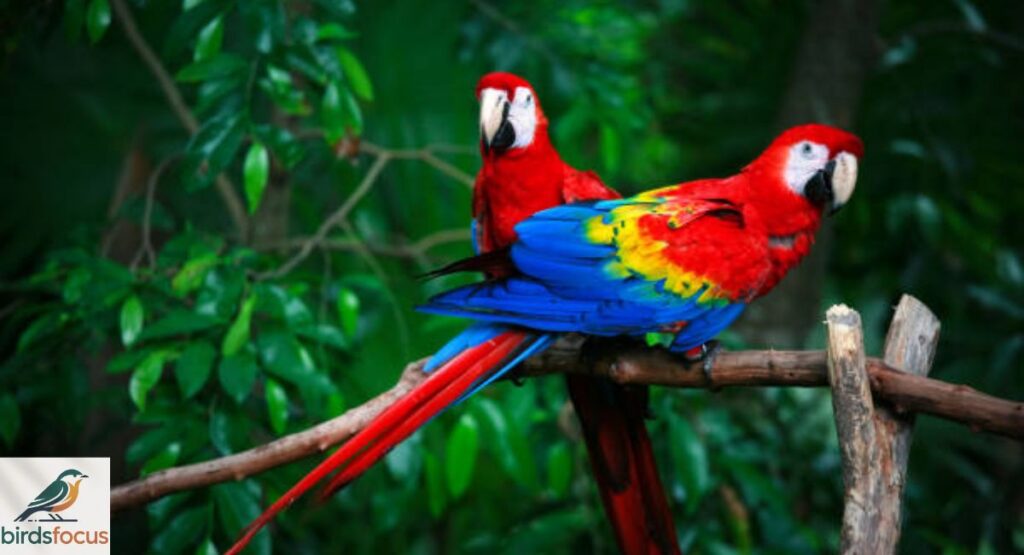
Macaws rank among the world’s most intelligent exotic birds. Their brilliant feathers, playful personalities, and remarkable problem-solving skills make them favorites in educational programs. In the wild, these birds help forests grow by spreading seeds across large areas. Many zoos participate in breeding programs that protect endangered macaw species from habitat destruction and illegal wildlife trade.
Parrots
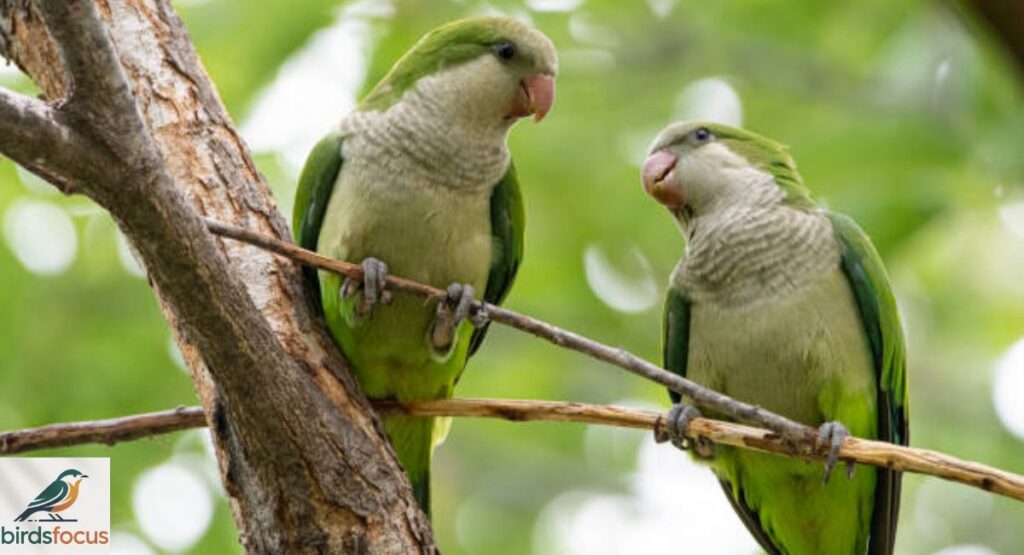
Parrots capture attention because they can imitate human speech and recognize familiar voices. However, their intelligence extends far beyond talking. They solve puzzles, remember routines, and build strong social relationships with other birds. Modern zoos provide enrichment activities that keep parrots mentally active while encouraging natural behaviors such as climbing, foraging, and exploring.
Eagles
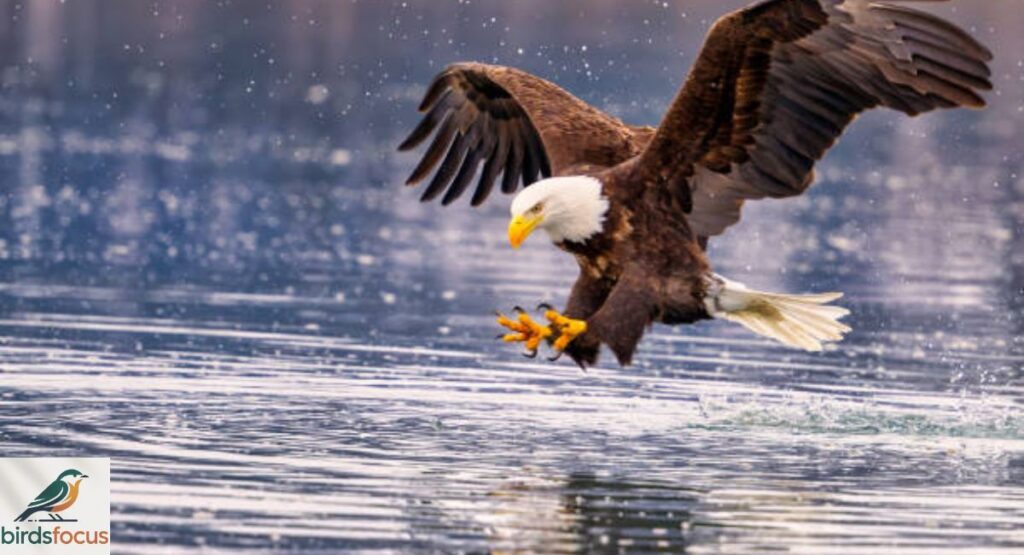
Eagles symbolize strength and freedom across many cultures. Their sharp eyesight allows them to spot prey from incredible distances, making them among the world’s most efficient hunters. Zoo educators often use eagle demonstrations to explain predator-prey relationships and the importance of protecting healthy ecosystems where these magnificent raptors can thrive.
Owls
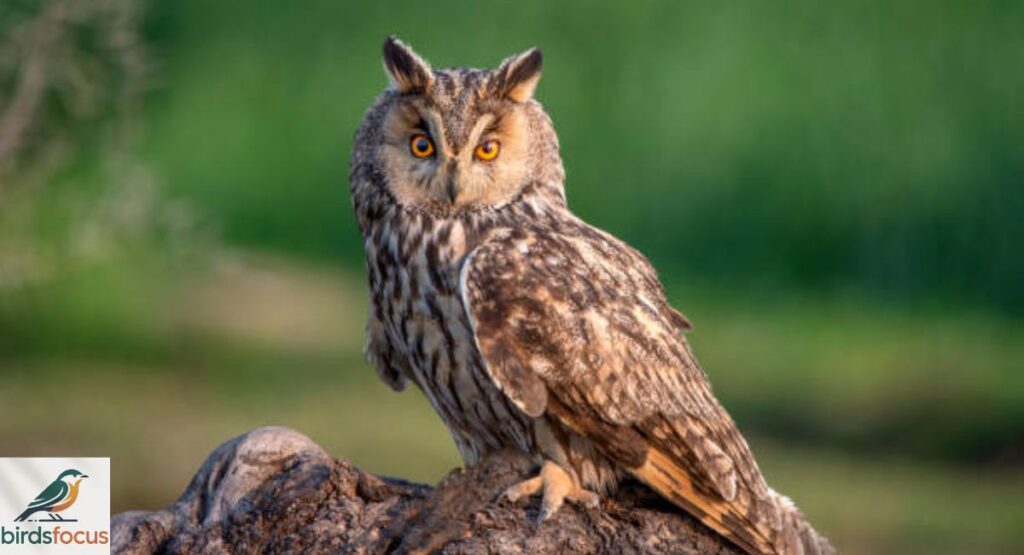
Owls fascinate visitors because of their mysterious nighttime lifestyle. Specialized feathers allow them to fly almost silently, giving prey little warning before an attack. Their forward-facing eyes provide excellent depth perception while flexible necks rotate up to 270 degrees. These remarkable adaptations make owls one of the most interesting groups within birds of prey.
Penguins
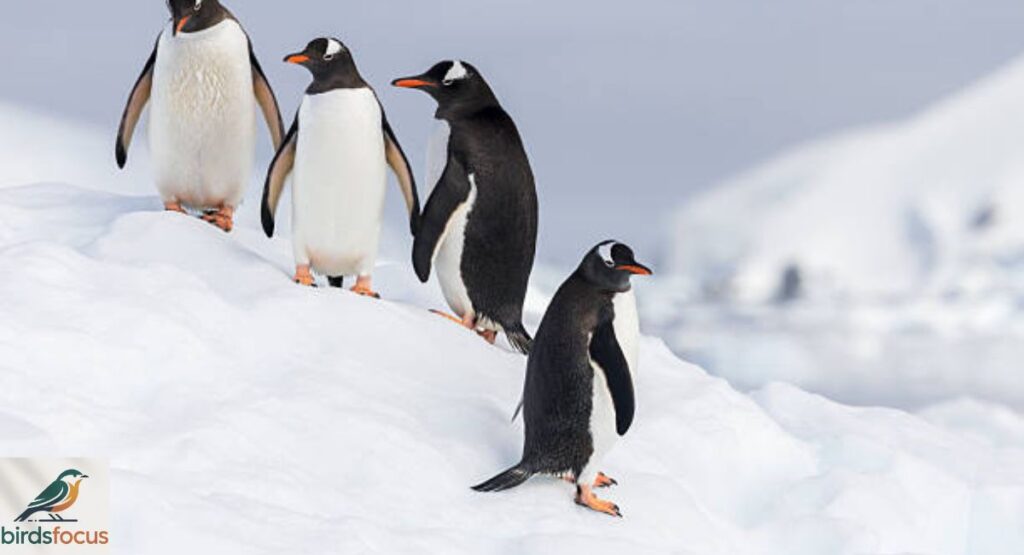
Penguins remain one of the biggest attractions in modern zoos. Although they cannot fly through the air, they move gracefully underwater using powerful flippers that act like wings. Climate-controlled habitats keep penguins comfortable while allowing visitors to observe swimming, diving, and playful social interactions throughout the day.
Hornbills
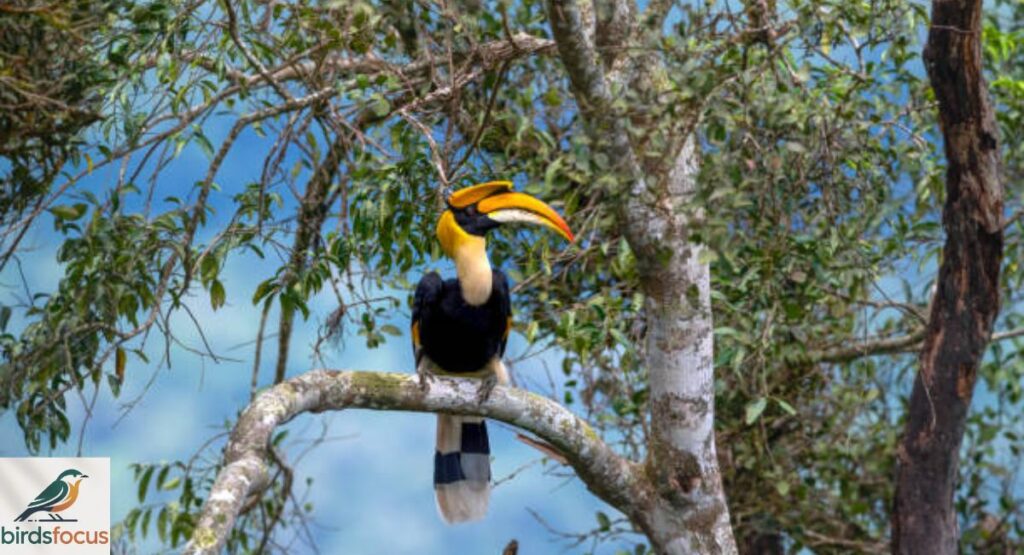
Hornbills stand out because of their enormous colorful bills topped with a casque, a hollow structure that varies among species. These birds play an essential role in tropical forests by spreading seeds over long distances. Their unique nesting habits, where females seal themselves inside tree cavities during breeding, continue to amaze scientists and visitors alike.
Toucans
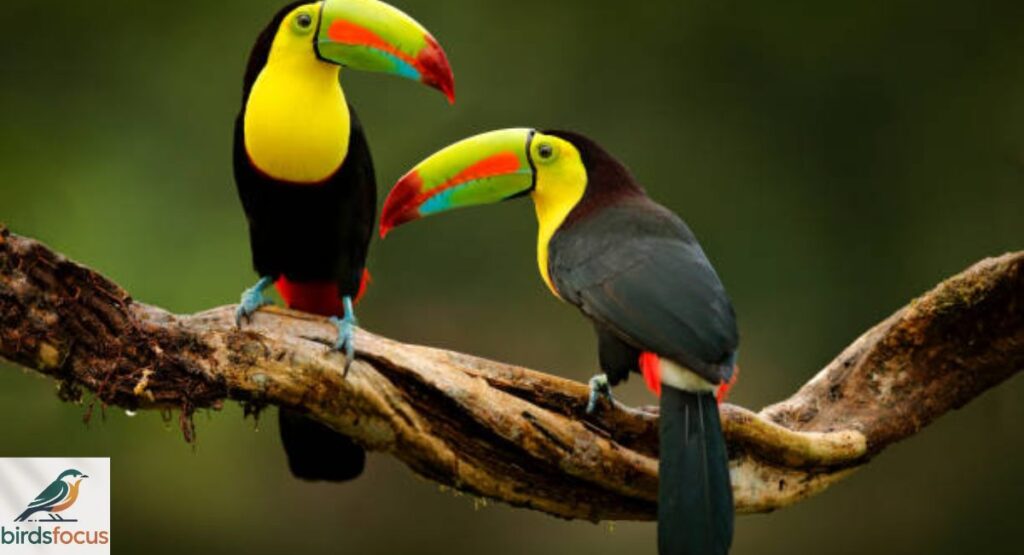
Toucans instantly capture attention with their oversized beaks, yet these impressive bills remain surprisingly lightweight. Blood vessels inside the beak also help regulate body temperature in warm rainforest climates. Zoos often house toucans inside lush aviaries filled with tropical plants that closely resemble their native environment.
Cranes
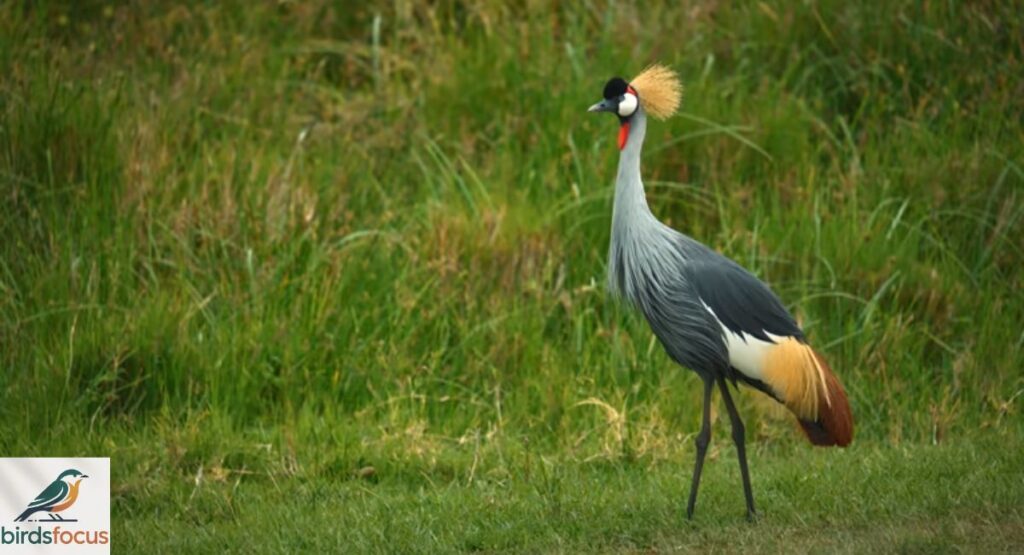
Cranes represent elegance and balance. Their graceful courtship dances involve jumping, wing spreading, and synchronized movements that strengthen pair bonds. Many crane species face declining populations because wetlands continue disappearing. Zoos contribute to international recovery efforts by supporting breeding programs and habitat restoration projects.
Rare and Endangered Birds Protected in Zoos
Many of today’s rarest birds survive because accredited zoos refused to let them disappear. Conservation teams work around the clock to breed endangered species, monitor their health, and preserve valuable genetic diversity. Without these coordinated efforts, several remarkable birds would likely exist only in history books. Every successful breeding season offers fresh hope for wildlife recovery and demonstrates how conservation programs can reverse population declines.
Protecting endangered birds requires far more than providing food and shelter. Scientists carefully match breeding pairs, study genetics, restore damaged habitats, and prepare suitable environments for future releases into the wild. These long-term projects often involve governments, universities, and international wildlife organizations working toward a common goal of saving species before it becomes too late.
| Endangered Bird | Conservation Status | Why It Matters |
| California Condor | Critically Endangered | North America’s largest flying bird |
| Philippine Eagle | Critically Endangered | National symbol of the Philippines |
| Bali Mynah | Critically Endangered | One of the rarest songbirds |
| Kakapo | Critically Endangered | World’s only flightless parrot |
| Whooping Crane | Endangered | Wetland conservation icon |
| Hyacinth Macaw | Vulnerable | Largest flying parrot |
California Condor
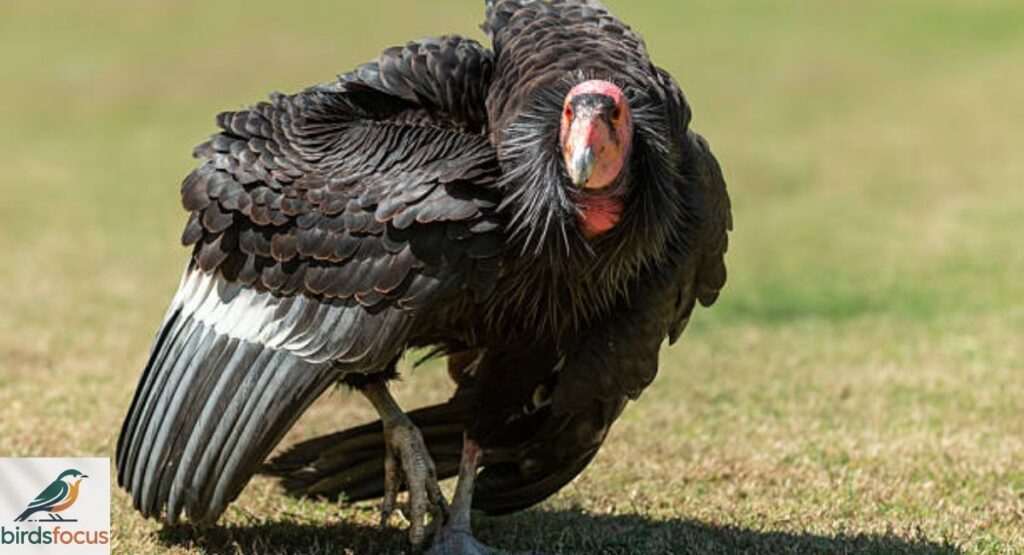
The California Condor represents one of conservation’s greatest success stories. During the 1980s, only a handful remained alive in the wild. Intensive breeding efforts by zoos and wildlife organizations gradually increased the population. Today, released condors once again soar above parts of the western United States, proving that dedicated conservation can rescue a species from the edge of extinction.
Philippine Eagle
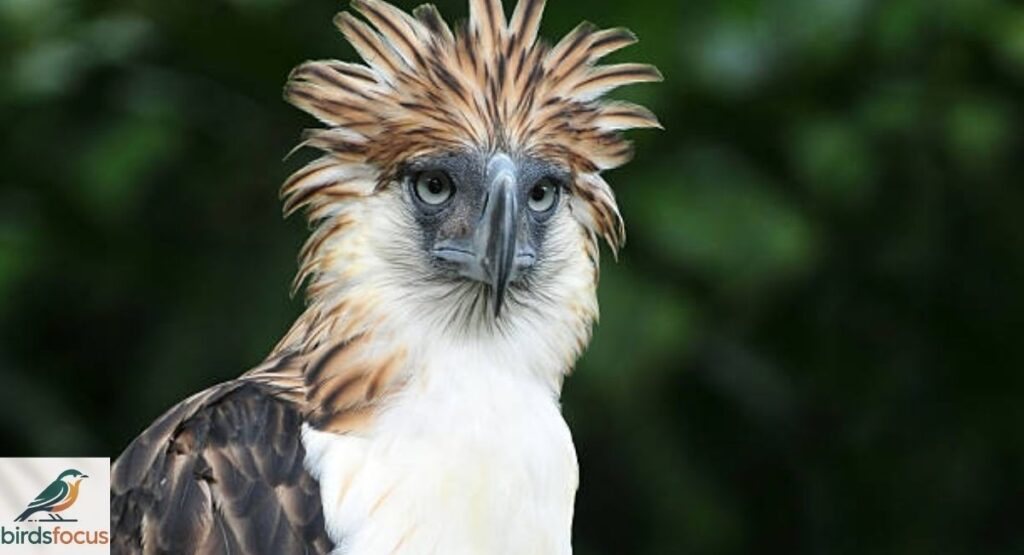
The Philippine Eagle ranks among the world’s largest and most powerful eagles. Rapid deforestation threatens its rainforest home, making captive breeding and habitat protection essential. Zoos help researchers understand breeding behavior while raising public awareness about preserving Southeast Asia’s remaining forests.
Bali Mynah
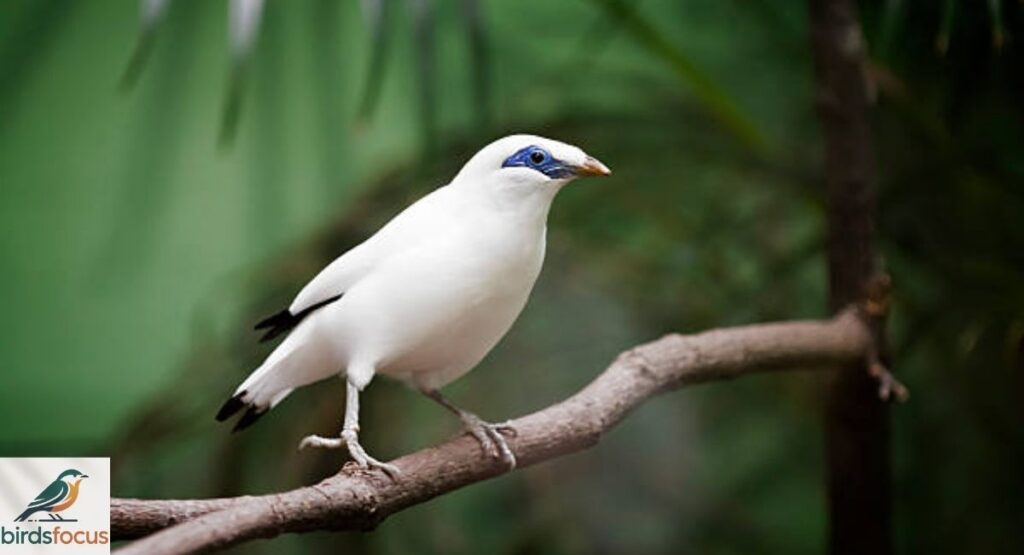
The Bali Mynah is famous for its brilliant white feathers and vivid blue markings around the eyes. Illegal pet trading and habitat loss pushed this beautiful bird close to extinction. Carefully managed breeding programs continue increasing its numbers while conservationists strengthen protection across its native range.
Kakapo
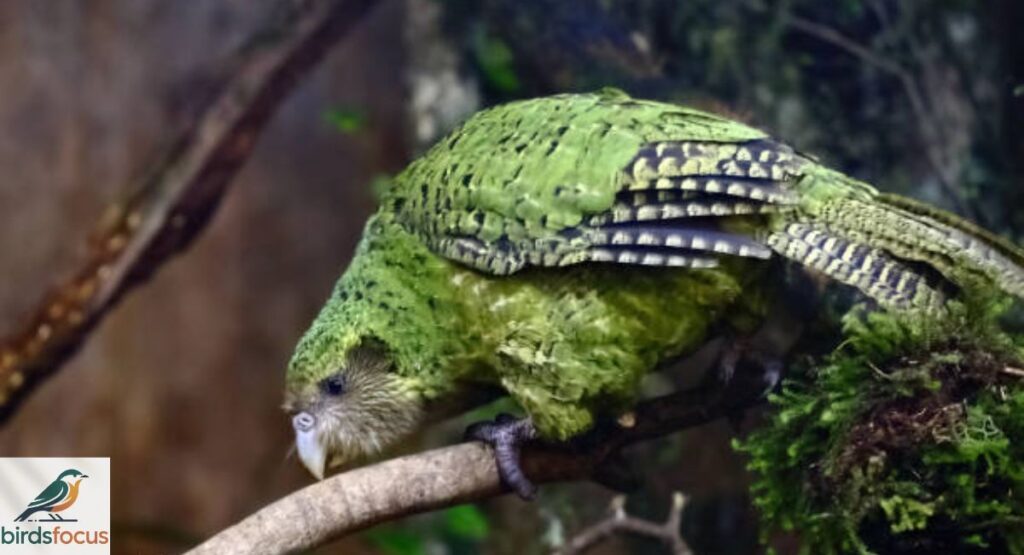
The Kakapo differs from almost every other parrot because it cannot fly. Native to New Zealand, this gentle bird survives thanks to intensive conservation management and close monitoring. Zoos and wildlife organizations support research that improves breeding success and safeguards future generations.
Whooping Crane
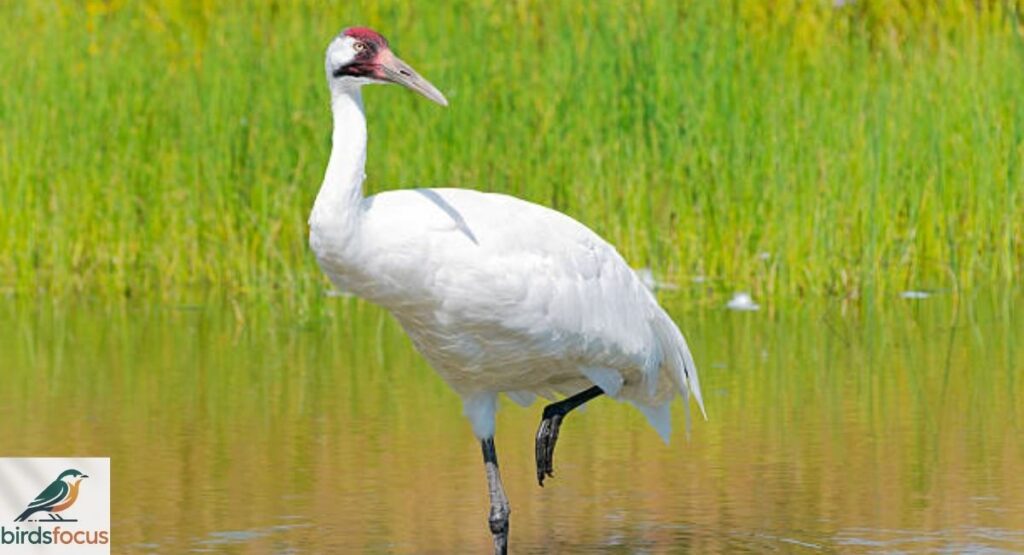
Whooping Cranes once nearly disappeared from North America because wetlands vanished across their migration routes. Conservation experts now use captive breeding, habitat restoration, and carefully planned releases to rebuild wild populations. Their recovery remains one of the most inspiring examples of international wildlife cooperation.
Hyacinth Macaw
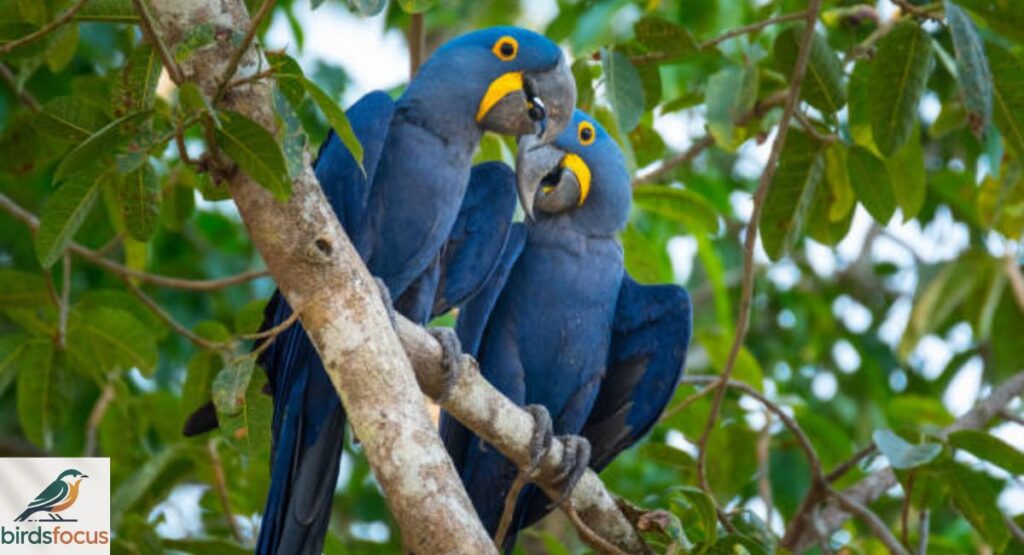
The Hyacinth Macaw impresses visitors with brilliant cobalt-blue feathers and a powerful curved beak capable of cracking hard palm nuts. Habitat destruction and illegal trade reduced wild populations for decades. Accredited zoos continue supporting breeding initiatives while educating visitors about responsible wildlife protection.
Famous Bird Zoos Around the World
Some bird collections have earned worldwide recognition because of their conservation work, impressive bird species, and visitor experiences. These facilities do much more than display birds. They protect endangered wildlife, support scientific discoveries, and educate millions of visitors every year. Every destination offers something unique, whether it is the world’s largest walk-through aviary, rare breeding programs, or interactive exhibits that bring people closer to nature.
Travelers often include these famous bird parks on their bucket lists because each one showcases birds from different ecosystems. From tropical rainforests to coastal habitats, these world-class attractions demonstrate how carefully designed environments improve animal welfare while giving visitors an unforgettable learning experience.
| Famous Bird Zoo | Country | Why It Is Famous |
| Jurong Bird Paradise | Singapore | Large walk-through aviaries and conservation programs |
| San Diego Zoo Bird Collection | United States | Diverse bird collection and global research |
| Walsrode Bird Park | Germany | One of the world’s largest bird parks |
| Birdworld | United Kingdom | Family-friendly education and bird encounters |
| Loro Parque | Spain | Outstanding parrot conservation efforts |
Jurong Bird Paradise (Singapore)

Jurong Bird Paradise has become one of the world’s leading destinations for bird lovers. The park features beautifully designed habitats where visitors can walk among free-flying tropical birds, colorful parrots, hornbills, and flamingos. Conservation remains the park’s highest priority, with breeding programs helping protect several endangered bird species that face habitat loss in the wild.
San Diego Zoo Bird Collection
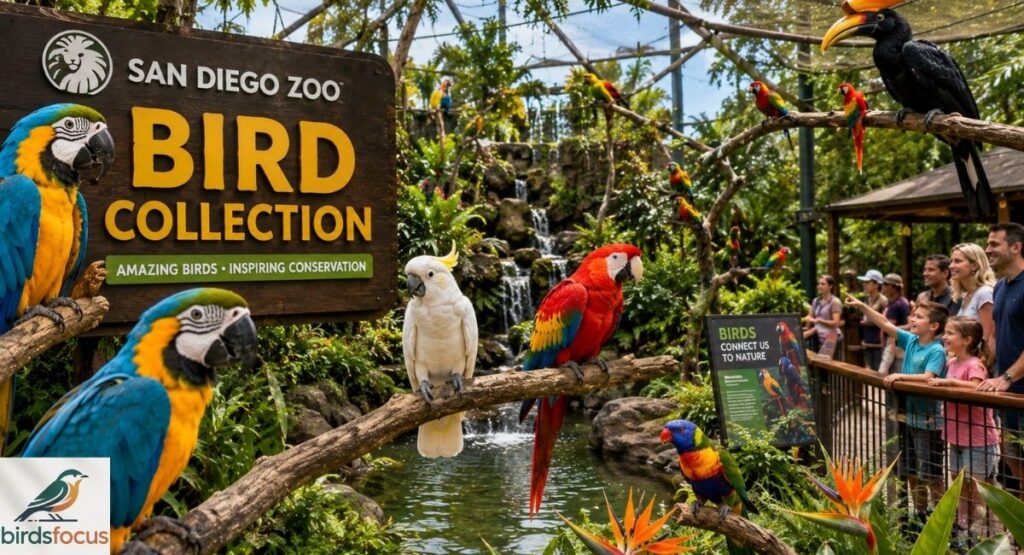
The San Diego Zoo birds collection is considered one of the finest in North America. The zoo houses hundreds of bird species representing nearly every continent. Visitors can explore expansive aviaries filled with rare birds, hummingbirds, cranes, owls, and waterfowl while learning about global conservation projects supported by the zoo’s wildlife alliance.
Walsrode Bird Park (Germany)
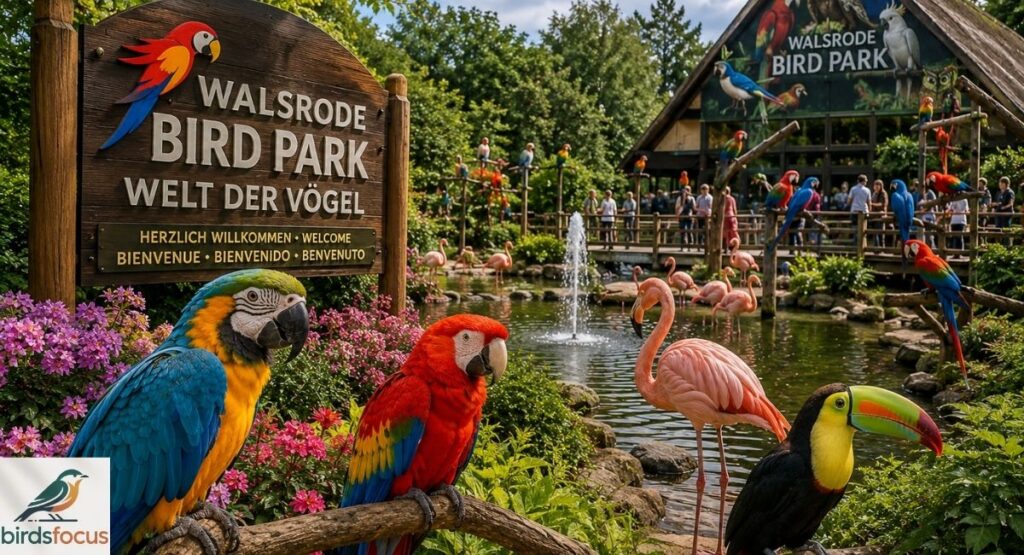
Walsrode Bird Park is famous for housing one of the largest collections of birds anywhere in the world. Its beautifully landscaped gardens create peaceful surroundings where birds live in spacious habitats. Daily educational presentations help visitors understand bird behavior, migration, and the importance of protecting natural ecosystems.
Birdworld (United Kingdom)
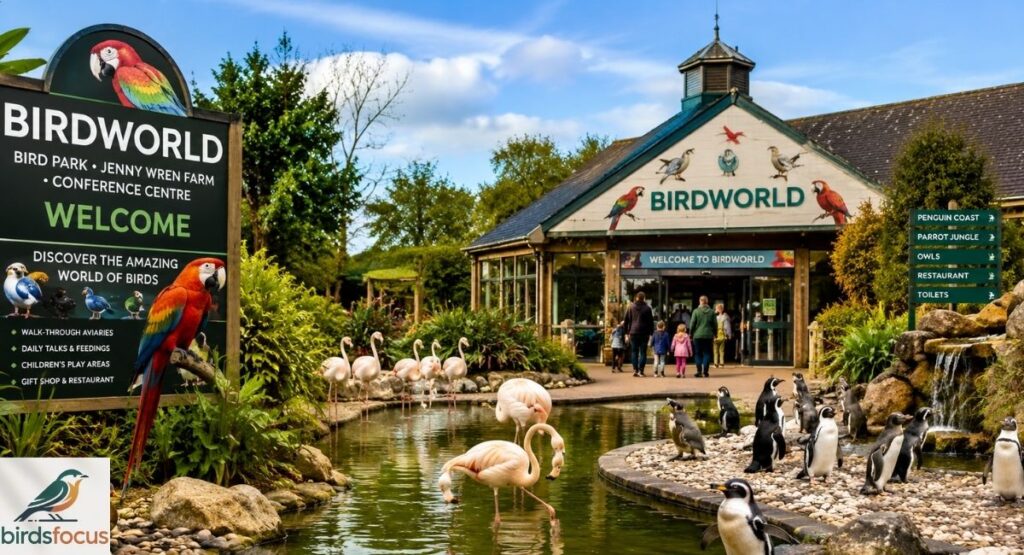
Birdworld combines education with family entertainment. Children and adults enjoy close encounters with penguins, parrots, flamingos, and owls while participating in interactive learning activities. The park encourages visitors to appreciate biodiversity and teaches practical ways everyone can help protect local bird populations.
Loro Parque (Spain)
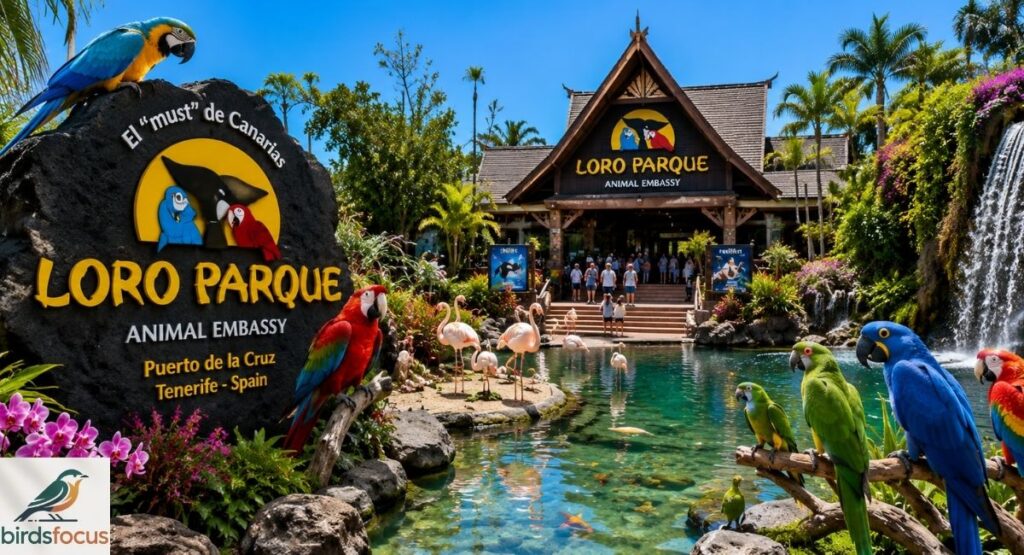
Loro Parque is internationally respected for its outstanding work with parrots. Its conservation foundation supports projects across multiple continents, protecting endangered parrots and restoring damaged habitats. Visitors experience spectacular aviaries filled with colorful macaws, cockatoos, and many other rare exotic birds living in natural surroundings.
Birds at the San Diego Zoo
The San Diego Zoo remains one of America’s most celebrated wildlife attractions because of its extraordinary bird collection. Visitors discover everything from tiny hummingbirds to massive eagles inside carefully designed habitats that closely resemble natural environments. Every exhibit reflects years of scientific planning to ensure birds receive proper nutrition, enrichment, and veterinary care while encouraging natural behaviors.
Signature Bird Species
The San Diego Zoo showcases remarkable birds including California Condors, flamingos, cassowaries, hornbills, toucans, shoebills, parrots, cranes, and numerous species of birds of prey. Many of these animals participate in international conservation efforts that help strengthen wild populations.
Aviary Highlights
The zoo’s walk-through aviaries recreate tropical forests, wetlands, and desert landscapes. Visitors experience colorful birds flying naturally among trees, waterfalls, and flowering plants while observing nesting, feeding, and courtship behaviors rarely seen elsewhere.
Conservation Efforts
Scientists and wildlife experts collaborate with conservation organizations across the globe to breed endangered birds, monitor genetic diversity, restore habitats, and support field research. These initiatives have contributed to the recovery of several threatened species.
Visitor Experiences
Guests enjoy bird presentations, interactive educational programs, photography opportunities, and peaceful walking trails surrounded by beautiful bird exhibits. Families often consider these experiences among the highlights of their visit because they combine entertainment with meaningful learning.
Zoo Birds by Habitat
Birds have evolved to survive in nearly every environment on Earth. Modern zoos recreate these ecosystems so visitors can understand how climate, food sources, and geography influence each species. These naturalistic habitats encourage birds to behave as they would in the wild while improving their physical and mental well-being.
Exploring birds by habitat also helps visitors appreciate the incredible adaptability of wildlife. A flamingo’s long legs suit wetlands, while an eagle’s broad wings make mountain soaring effortless. Every habitat tells a unique story about evolution and survival.
Rainforest Birds
Rainforests contain the greatest diversity of bird species on Earth. Macaws, toucans, parrots, hornbills, and lorikeets thrive among towering trees where they feed on fruit, nectar, insects, and seeds. Zoo rainforest exhibits recreate warm temperatures, dense vegetation, and high humidity to support these colorful birds while educating visitors about tropical deforestation.
Desert Birds
Desert birds survive extreme temperatures through remarkable adaptations. Roadrunners, ostriches, secretary birds, and sandgrouse conserve water efficiently while finding food in harsh conditions. Zoo habitats demonstrate how these resilient birds flourish despite limited rainfall and intense heat.
Wetland Birds
Wetlands support birds that depend on rivers, marshes, lakes, and coastal environments. Flamingos, pelicans, herons, ibises, ducks, swans, and cranes rely on shallow water to feed and nest. These exhibits also highlight why wetland conservation benefits both wildlife and human communities.
Mountain Birds
Mountain birds face cold temperatures, powerful winds, and steep landscapes every day. Golden eagles, California Condors, snow finches, and alpine choughs possess powerful wings and exceptional eyesight that allow them to navigate rugged environments with ease. Their exhibits often feature rocky cliffs and elevated nesting areas.
Arctic Birds
Arctic birds survive freezing temperatures through thick feathers, stored body fat, and specialized hunting skills. Puffins, snowy owls, and several penguin species demonstrate extraordinary resilience in cold environments. Climate-controlled habitats ensure these birds remain healthy while teaching visitors about the growing effects of climate change on polar ecosystems.
How Bird Zoos Care for Their Birds
Caring for Zoo Birds requires knowledge, patience, and constant attention. Every bird has different needs based on its natural habitat, age, and behavior. Professional zookeepers work closely with veterinarians, nutritionists, and wildlife biologists to create personalized care plans. Their goal is to help birds stay healthy while encouraging natural activities such as flying, nesting, climbing, and socializing.
Modern zoos invest heavily in avian care because healthy birds are essential for successful conservation programs. Daily routines include preparing fresh meals, cleaning habitats, monitoring behavior, and providing enrichment activities. These efforts reduce stress and improve the quality of life for every bird living in the zoo.
| Care Area | Purpose |
| Nutrition | Balanced diets for each species |
| Veterinary Care | Routine health checks and treatment |
| Habitat Design | Safe and natural environments |
| Enrichment | Encourages natural behaviors |
| Daily Monitoring | Detects health issues early |
Nutrition
Birds receive carefully planned meals that match their natural diets. Flamingos eat food rich in carotenoids to maintain their pink feathers, while parrots enjoy fruits, vegetables, nuts, and specially prepared pellets. Birds of prey receive protein-rich meals that resemble what they would hunt in the wild.
Veterinary Care
Zoo veterinarians perform regular health examinations, vaccinations, and diagnostic testing. Early treatment helps prevent diseases from spreading among bird populations. Medical teams also care for rescued birds that arrive with injuries or illnesses before deciding whether they can return to the wild.
Enclosure Design
Modern bird exhibits resemble natural ecosystems rather than traditional cages. Large aviaries include trees, ponds, rocks, waterfalls, and climbing structures. These features encourage birds to fly, forage, build nests, and interact naturally with their surroundings.
Environmental Enrichment
Enrichment keeps birds physically active and mentally stimulated. Keepers hide food, introduce puzzle feeders, rotate toys, and redesign habitats to encourage exploration. These activities reduce boredom and help birds display natural behaviors every day.
Daily Routines
Every morning begins with health observations, habitat inspections, and meal preparation. Throughout the day, keepers monitor each bird’s appetite, movement, and social interactions. Evening routines include cleaning, enrichment changes, and final health checks before birds settle for the night.
Bird Conservation Programs in Zoos
Modern zoos have become global leaders in bird conservation. Many endangered birds survive today because zoos invested decades in captive breeding, scientific research, and habitat restoration. Conservation programs also educate visitors about the environmental challenges facing birds across the world.
Successful conservation depends on international cooperation. Zoos share genetic information, exchange breeding pairs, and support field researchers working in forests, wetlands, and grasslands. These partnerships strengthen wild populations while preserving biodiversity for future generations.
Captive Breeding
Breeding programs carefully pair compatible birds to maintain healthy genetic diversity. These programs have helped recover species such as the California Condor and Whooping Crane.
Habitat Restoration
Conservation organizations restore forests, wetlands, and coastal habitats so birds have safe places to live after reintroduction.
Reintroduction into the Wild
Young birds raised through conservation programs are gradually released into protected environments where wildlife experts continue monitoring their survival.
Global Conservation Partnerships
Zoos work alongside universities, governments, and international conservation organizations to protect threatened bird populations worldwide.
Educational Experiences at Bird Zoos
Bird zoos transform learning into memorable experiences. Visitors see birds flying overhead, hear fascinating stories from wildlife experts, and observe behaviors rarely seen in nature documentaries. These activities encourage children and adults to develop lasting respect for wildlife.
Education remains one of the strongest tools for conservation. When visitors understand how birds contribute to healthy ecosystems, they become more likely to support environmental protection and sustainable living.
Bird Shows
Professional trainers demonstrate natural flying behaviors while explaining how birds survive in different habitats.
Feeding Demonstrations
Guests observe feeding routines and discover how specialized diets keep different bird species healthy.
Interactive Exhibits
Walk-through aviaries and educational displays allow visitors to experience birds from remarkably close distances.
Educational Workshops
Schools, families, and wildlife enthusiasts participate in workshops covering bird biology, conservation, and environmental responsibility.
Best Time to Visit a Bird Zoo
Timing can greatly improve your zoo experience. Most birds remain active during the cooler morning hours when they feed, sing, and explore their habitats. Visiting early also helps you avoid large crowds while enjoying better lighting for photography.
Spring and fall usually offer the most comfortable weather across many parts of the United States. Seasonal changes also influence breeding displays, nesting activities, and migration patterns, creating exciting opportunities to observe unique bird behaviors.
Tips for Visiting a Bird Zoo
Planning ahead makes your visit more enjoyable. Comfortable shoes, reusable water bottles, sunscreen, binoculars, and cameras help you spend more time exploring without unnecessary interruptions. Checking feeding schedules before arriving allows you to watch birds during their most active periods.
Respecting wildlife remains equally important. Stay on designated paths, avoid tapping on exhibit glass, never feed birds without permission, and maintain quiet voices around sensitive species. Responsible behavior creates a better experience for both visitors and animals.
Bird Zoo Near Me: How to Find the Best One
Finding an excellent bird zoo near me has become easier than ever. Google Maps, zoo association websites, and travel review platforms provide detailed information about exhibits, ticket prices, accessibility, and conservation efforts. Reading recent visitor reviews helps you choose facilities that prioritize animal welfare and educational experiences.
Whenever possible, select zoos accredited by the Association of Zoos and Aquariums (AZA). Accreditation indicates that the facility follows high standards for animal care, conservation, education, and veterinary services. Supporting accredited institutions directly benefits wildlife protection around the world.
Bird Photography at the Zoo
Zoos provide outstanding opportunities for wildlife photography because birds often remain visible in carefully designed habitats. Morning sunlight creates softer lighting while birds tend to be more active during cooler hours. Patience often produces the best photographs because natural behaviors happen unexpectedly.
Respect wildlife while taking pictures. Avoid flash photography around sensitive species and never disturb birds simply to capture a better image. Ethical photography protects animal welfare while producing authentic and meaningful wildlife photographs.
Fun Facts About Zoo Birds
Birds continue to surprise scientists with remarkable abilities. Some parrots solve complex puzzles, while owls fly almost silently through darkness. Ostriches can outrun many mammals, and flamingos comfortably balance on one leg for extended periods. These incredible adaptations make birds some of the most fascinating animals on Earth.
The diversity found among Zoo Birds highlights millions of years of evolution. Tiny hummingbirds weigh less than a coin, yet they flap their wings dozens of times each second. At the opposite extreme, giant ostriches stand taller than most adults and produce some of the largest eggs in the animal kingdom.
| Amazing Bird Fact | Example |
| Largest bird | Ostrich |
| Largest flying parrot | Hyacinth Macaw |
| Fastest diving bird | Peregrine Falcon |
| Longest-living parrots | Macaws and Cockatoos |
| Smartest birds | African Grey Parrots and Crows |
Challenges Faced by Modern Bird Zoos
Despite remarkable progress, bird zoos continue facing significant challenges. Habitat destruction, climate change, pollution, illegal wildlife trade, and emerging diseases threaten bird populations across every continent. Zoos must constantly adapt their conservation strategies to address these growing environmental pressures.
Funding also plays an essential role in conservation success. Scientific research, veterinary care, habitat improvements, and international breeding programs require substantial investment. Visitor support, memberships, donations, and partnerships help accredited zoos continue protecting endangered birds for future generations.
How You Can Help Protect Birds
Every person can contribute to protecting birds. Visiting accredited zoos, supporting wildlife conservation organizations, planting native flowers, reducing plastic waste, and creating bird-friendly gardens all make a meaningful difference. Even simple actions such as installing bird feeders or keeping cats indoors can save countless wild birds each year.
Conservation begins with awareness. Sharing knowledge with friends and family encourages more people to value birds and their habitats. When communities work together, they help ensure that future generations will continue enjoying the beauty and diversity of birds across the world.
Conclusion
Zoo Birds offer much more than an exciting day out. They help protect endangered species, support bird conservation, and inspire people to care about nature. By visiting accredited zoos, you learn about amazing birds from around the world while helping fund important conservation and research programs that protect wildlife for future generations.
Every visit gives you a chance to appreciate the beauty and importance of birds in our ecosystem. Whether you enjoy watching colorful parrots, graceful flamingos, or powerful eagles, your support makes a real difference. Explore a trusted bird zoo, respect wildlife, and encourage others to protect birds so these incredible creatures continue to thrive for years to come.
FAQs
1. What are Zoo Birds?
Zoo Birds are bird species kept in accredited zoos and wildlife parks for conservation, education, research, and public awareness. They live in habitats designed to closely match their natural environments.
2. Why are bird zoos important?
Bird zoos help protect endangered species through breeding programs, wildlife research, and conservation projects. They also teach visitors about the importance of protecting birds and their habitats.
3. What types of birds can you see in a zoo?
Most zoos feature a wide variety of birds, including parrots, flamingos, penguins, eagles, owls, cranes, toucans, hornbills, and many other native and exotic species.
4. Are Zoo Birds well cared for?
Yes. Accredited zoos provide Zoo Birds with balanced nutrition, regular veterinary care, spacious habitats, and enrichment activities to support their physical and mental well-being.
5. How can I support bird conservation?
You can support bird conservation by visiting accredited zoos, donating to conservation organizations, reducing plastic waste, creating bird-friendly gardens, and protecting natural habitats.

Welcome to birdsfocus! I’m Anam Sattar, an AI Powered SEO, and Content Writer with 4 years of experirnce.
I help websites rank higher,grow traffic, and look amazing. My goal is to make SEO and web design simple and effective for everyone.
Let’s achieve more together!