


The House Finch is one of the most common and cheerful backyard birds found across the United States. It is small, active, and full of life, often seen visiting feeders and gardens. The male shows bright red or orange feathers while the female has soft brown streaks. Many people love watching this bird because it sings sweetly and adapts easily to cities and rural areas.
The House Finch identification is simple once you notice its body shape and color patterns. Its wide spread across the country shows strong urban adaptation and natural survival skills. Bird lovers also enjoy its role in backyard birdwatching and seasonal bird behavior, making it a favorite among beginners and experts alike.
| Quick House Finch Facts | Information |
| Scientific Name | Haemorhous mexicanus |
| Bird Family | Finch |
| Size | 5 to 6 inches |
| Main Diet | Seeds and berries |
| Lifespan | 5 to 10 years |
| Habitat | Urban and suburban areas |
| Nesting Season | Spring and summer |
House Finch Spiritual Meaning
The House Finch spiritual meaning often relates to joy, positivity, and emotional renewal. Their bright colors and cheerful songs create strong symbolic connections with happiness and hope.
Many cultures associate red birds with love, passion, and fresh beginnings. Seeing a house finch near your home may feel comforting during stressful times.
Symbolism of the House Finch
The House Finch symbolizes resilience because it survives successfully in busy cities and changing environments. Its adaptability inspires people facing difficult life transitions.
The bright red feathers of males also represent warmth, vitality, and emotional strength in many spiritual traditions.
What It Means When You See a House Finch
Repeated house finch sightings may remind you to appreciate simple joys in everyday life. Their playful behavior encourages curiosity and optimism.
Some people also connect house finches with loyalty because many pairs remain bonded during multiple breeding seasons.
How to Identify a House Finch
Recognizing a House Finch becomes easier once you notice its shape and behavior. These birds have small bodies, rounded heads, and thick conical beaks made for cracking seeds. They move quickly between feeders and branches while constantly chirping and singing.
The easiest way to identify them involves feather color. A male house finch usually shows red, orange, or pink around the face and chest. Meanwhile, the female house finch appears gray-brown with dark vertical streaks. Young birds often resemble females before adult feathers develop.
Male House Finch Identification
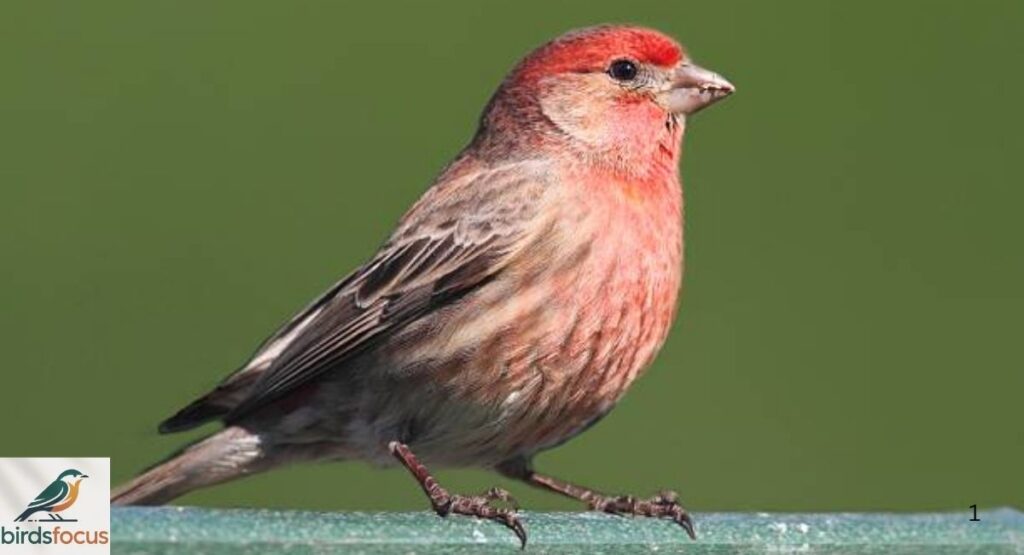
The bright coloring of the male house finch helps it attract mates during breeding season. Most males display red feathers around the head, throat, and chest. Some birds show orange or yellow shades instead of deep red. Scientists believe feather color depends heavily on diet and natural pigments found in food.
Male house finches also appear slim compared to similar birds. Their tails look slightly longer than sparrows, and their bodies carry softer streaking underneath. When singing, males often perch in open spaces where their songs can travel farther.
Female House Finch Identification
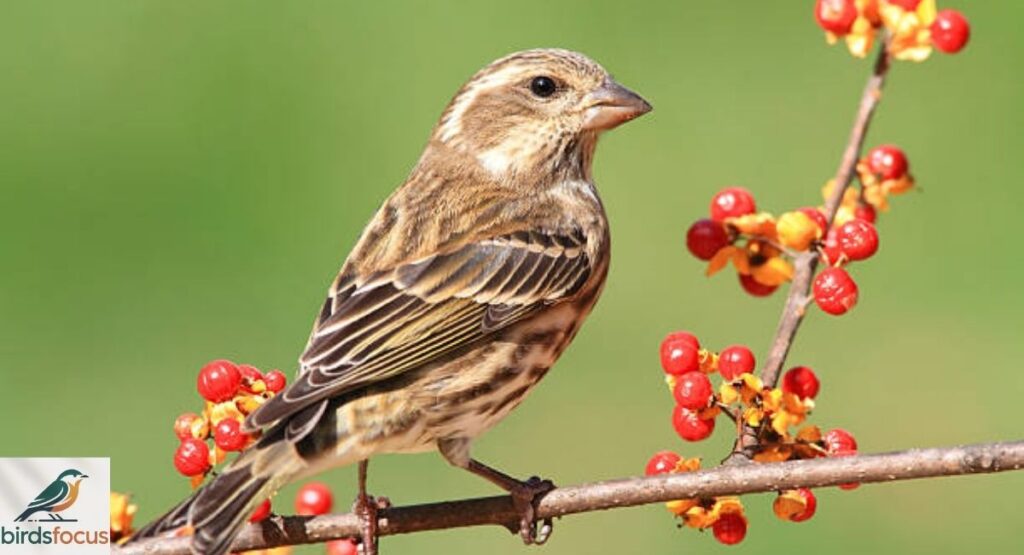
The female house finch lacks the red coloring seen on males. Instead, she carries streaked brown and gray feathers that provide excellent camouflage. This protective coloring helps her stay hidden while incubating eggs.
Many people confuse females with sparrows. However, female house finches have finer streaks and smoother facial patterns. Their calm behavior and slightly curved beaks also help separate them from other small backyard birds.
Baby House Finch and Fledgling Stages
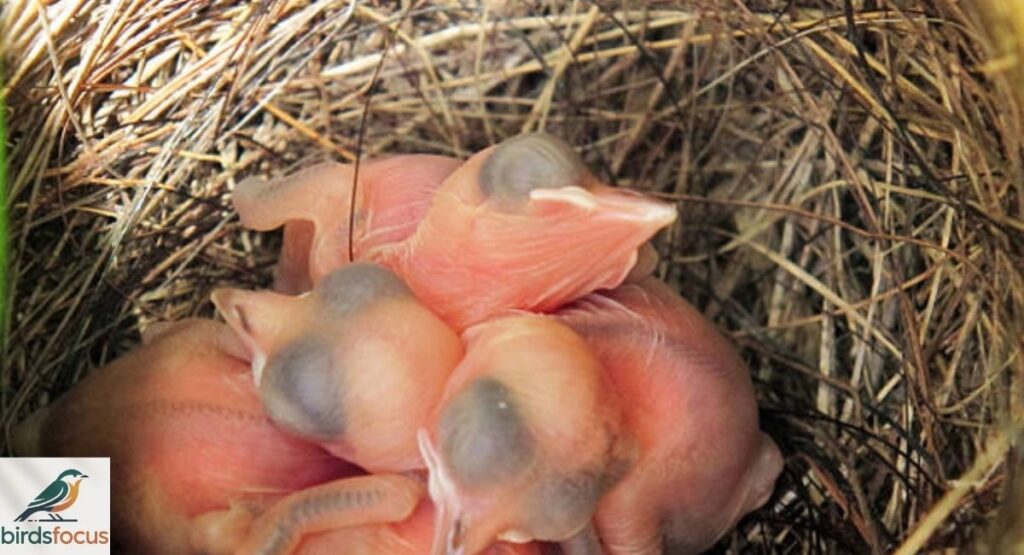
A baby house finch begins life nearly featherless with closed eyes. Parent birds work constantly to feed and protect the chicks. Within several days, tiny feathers start appearing across the body.
As they mature, the chicks become house finch fledglings. Young birds leave the nest before mastering flight completely. You may see them hopping awkwardly across lawns while calling loudly for food. This stage can last several weeks before they become fully independent.
House Finch Range & Habitat
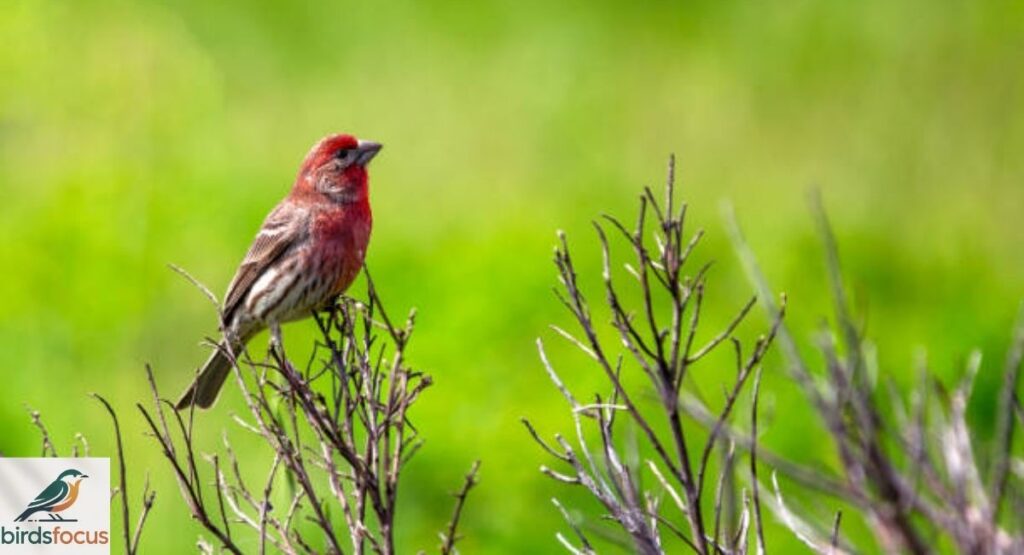
The modern range of the House Finch covers nearly all of the United States. Although the species originally lived mainly in western regions, escaped pet birds helped establish eastern populations during the twentieth century. Since then, house finches have spread rapidly across North America.
These birds survive in many environments because they adapt well to human activity. You can find them in forests, farms, deserts, suburban neighborhoods, and large cities. Their flexible nesting habits make them one of the most successful urban birds in America.
| Common House Finch Habitats | Description |
| Residential Areas | Feeders and gardens |
| Farms | Open feeding grounds |
| Parks | Trees and water access |
| Deserts | Native western habitat |
| Urban Areas | Buildings and ledges |
Where House Finches Live in the USA
Birdwatchers can spot the House Finch throughout the United States, including Hawaii. They remain year-round residents in many states because they rarely migrate long distances. Their ability to tolerate both hot and cold climates helps them thrive almost everywhere.
Large populations exist in California, Texas, Arizona, Florida, and New York. They especially enjoy suburban areas where food, water, and nesting sites remain easy to find. Backyard feeders often attract them daily.
Favorite House Finch Habitats
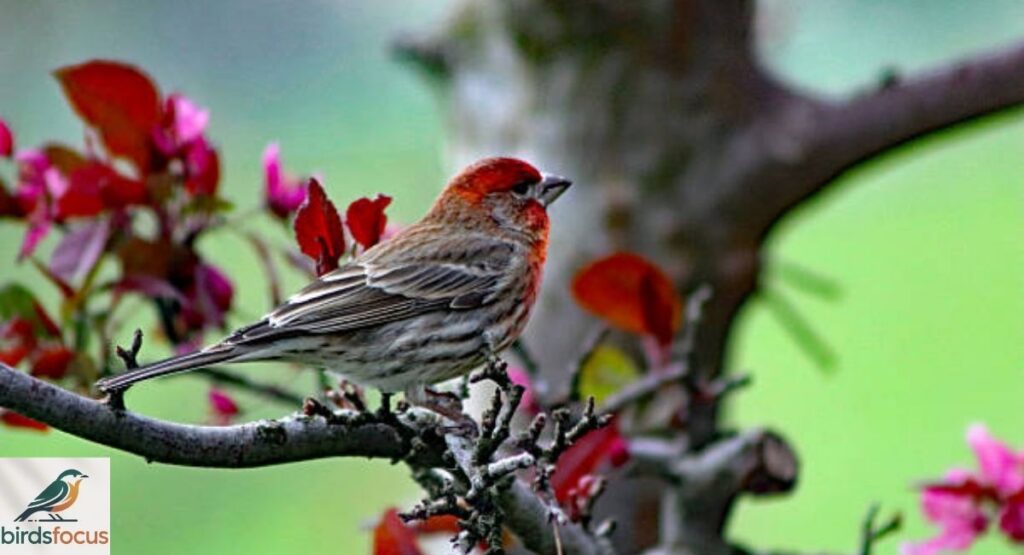
The House Finch prefers open spaces with scattered trees and shrubs. Unlike deep forest birds, house finches enjoy living close to people. They often nest near homes, shopping centers, barns, and apartment buildings.
Urban environments provide safety and easy access to food. Hanging flowerpots, porch lights, gutters, and building ledges all serve as nesting sites. Their adaptability explains why the species continues expanding successfully.
What Does a House Finch Look Like?
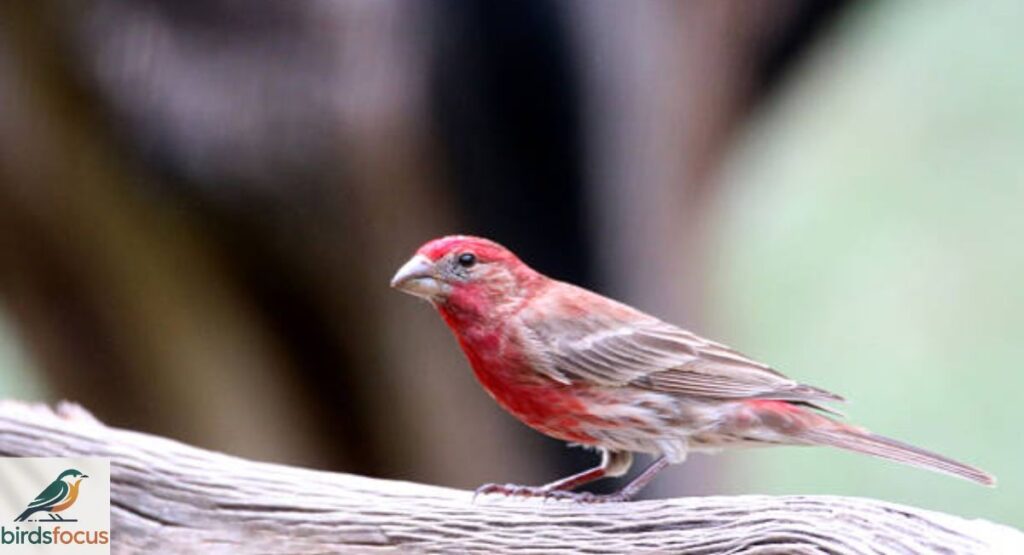
At first glance, the House Finch appears simple and small. Yet closer observation reveals many unique features. Their compact bodies and strong beaks make them perfectly designed for eating seeds and surviving in busy environments.
Another noticeable feature involves movement. House finches fly in bouncing waves while making constant musical calls. They also gather in social groups during winter, which makes them easier to spot around feeders.
House Finch Size, Shape, and Features
Most house finches measure between five and six inches long. Their bodies appear slim with rounded heads and sturdy beaks. The beak may look small, but it is powerful enough to crack tough seeds.
Their tails remain slightly notched at the tip. Wings appear broad and rounded, helping the birds move quickly through gardens and trees. These details help birdwatchers separate them from sparrows and other finches.
House Finch Plumage Color Variations
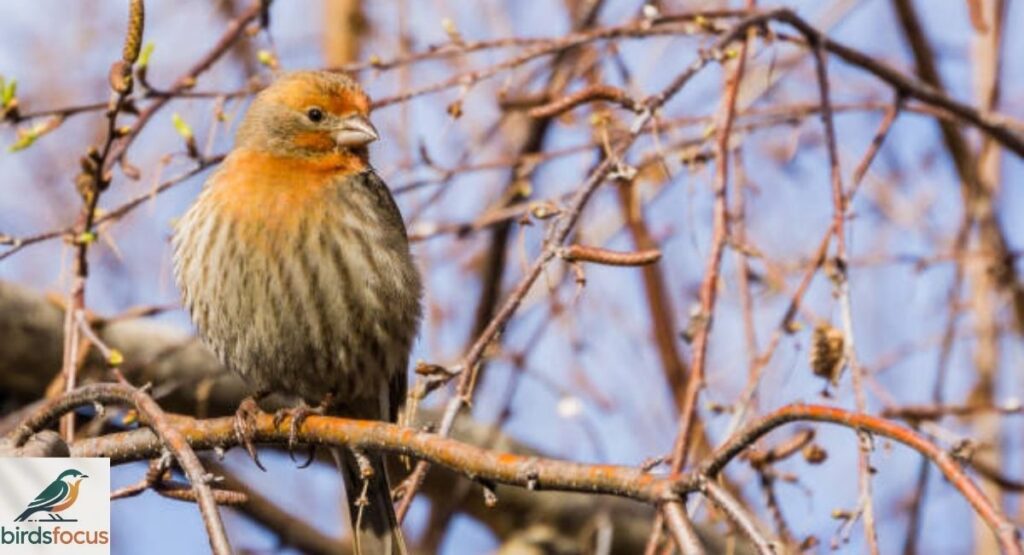
The most common male house finch displays rosy red feathers. However, some birds appear orange or even yellow. These unusual colors happen because feather pigments depend on diet during molting season.
A yellow house finch often surprises bird lovers. Many assume they discovered a different species. In reality, the bird simply lacked enough red pigment while growing new feathers.
| House Finch Colors | Meaning |
| Red | Typical adult male |
| Orange | Diet-related variation |
| Yellow | Low carotenoid pigments |
| Brown | Female or juvenile |
What Do House Finches Eat?
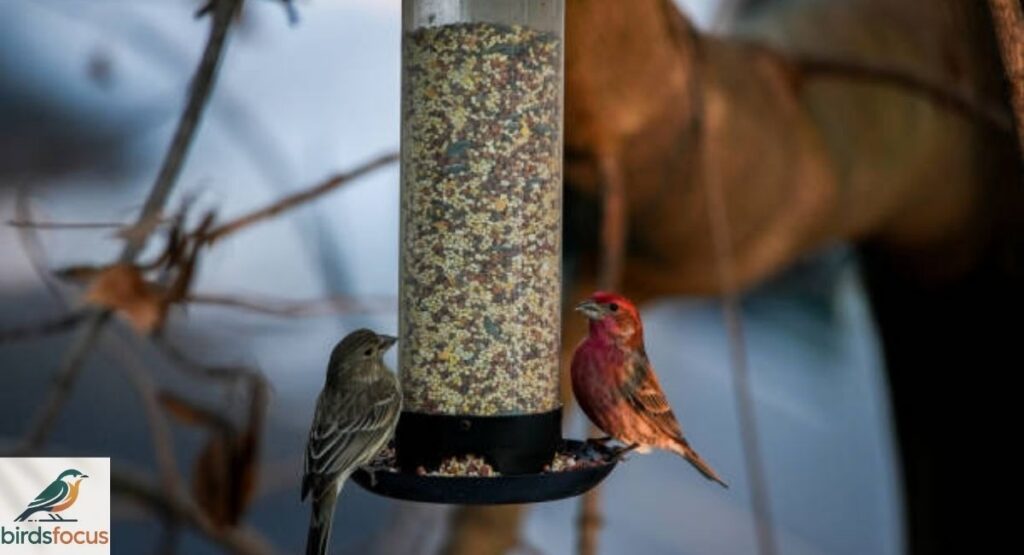
The House Finch mainly survives on seeds, fruits, and plant material. Their thick conical beaks help them crush seeds quickly and efficiently. Unlike many birds, house finches even feed seeds to their babies.
During winter, house finches gather around feeders searching for sunflower seeds and nyjer seeds. In warmer months, they also eat berries, buds, and soft fruits from trees and gardens.
Natural House Finch Diet
Wild house finches consume thistle seeds, weeds, berries, and flower buds. They especially enjoy sunflower seeds because they provide high energy. Their plant-based diet helps them survive in dry western environments.
Sometimes, large groups visit orchards and farms to eat fruit. Although farmers occasionally consider them pests, house finches also help spread seeds naturally throughout ecosystems.
Feeding House Finches in Your Backyard
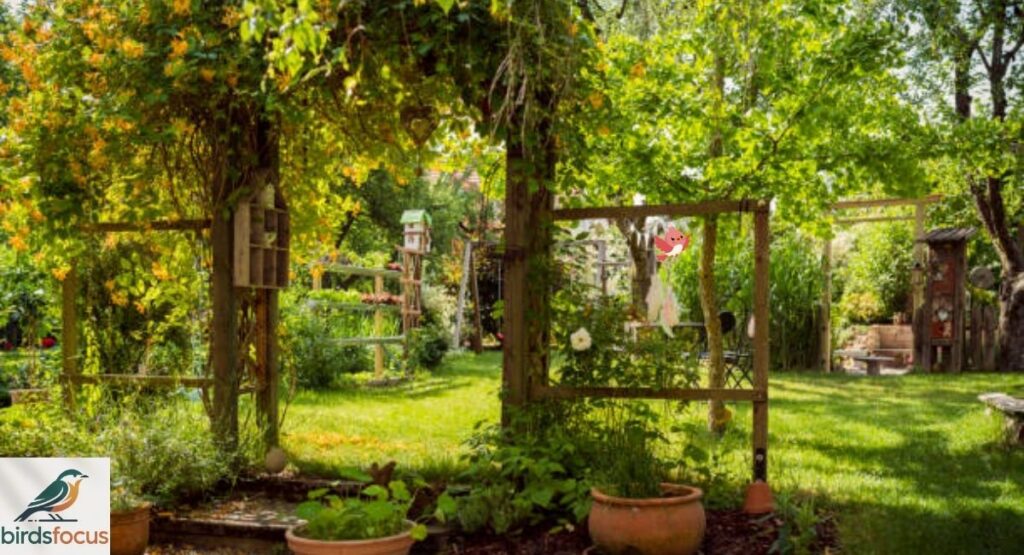
Creating a backyard habitat for the House Finch remains surprisingly easy. Black oil sunflower seeds attract them quickly because the shells crack easily. Nyjer seed feeders also work exceptionally well.
Bird baths provide another strong attraction. Fresh water allows birds to drink and clean feathers daily. Native plants like asters, coneflowers, and sunflowers create natural feeding areas while improving backyard biodiversity.
Similar Species
Many people confuse the House Finch with other small birds because of similar size and coloring. Purple finches and house sparrows create the most confusion among beginners.
Careful observation helps birdwatchers notice subtle differences in shape, color, and behavior. Over time, these clues become easier to recognize.
House Finch vs Purple Finch
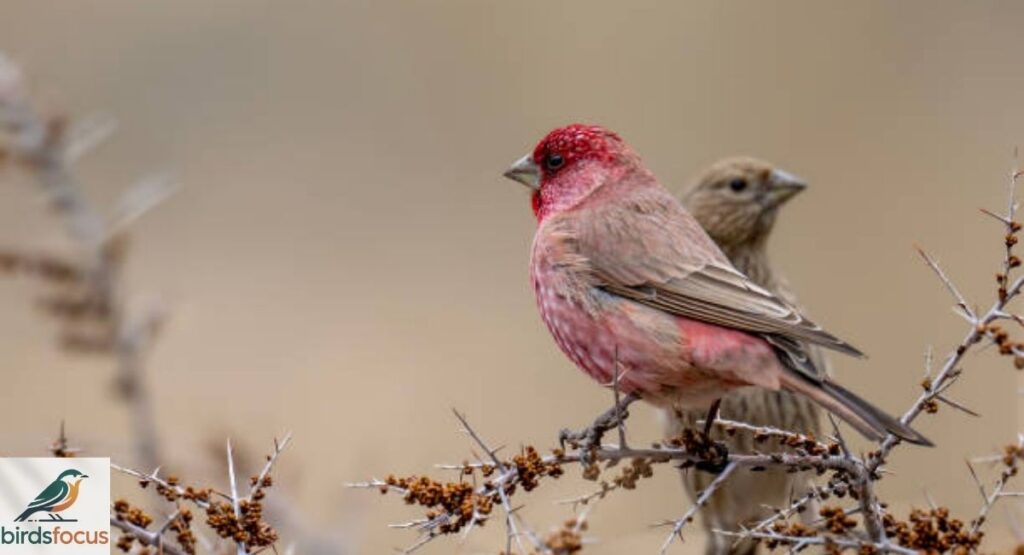
The comparison between house finch vs purple finch appears frequently in birdwatching discussions. Purple finches look chunkier with deeper raspberry coloring across the body. Their red shades spread farther down the back and sides.
Meanwhile, the House Finch appears slimmer with streaked underparts. Female purple finches also display stronger facial markings than female house finches. These small differences help experienced birders identify them correctly.
House Finch vs House Sparrow
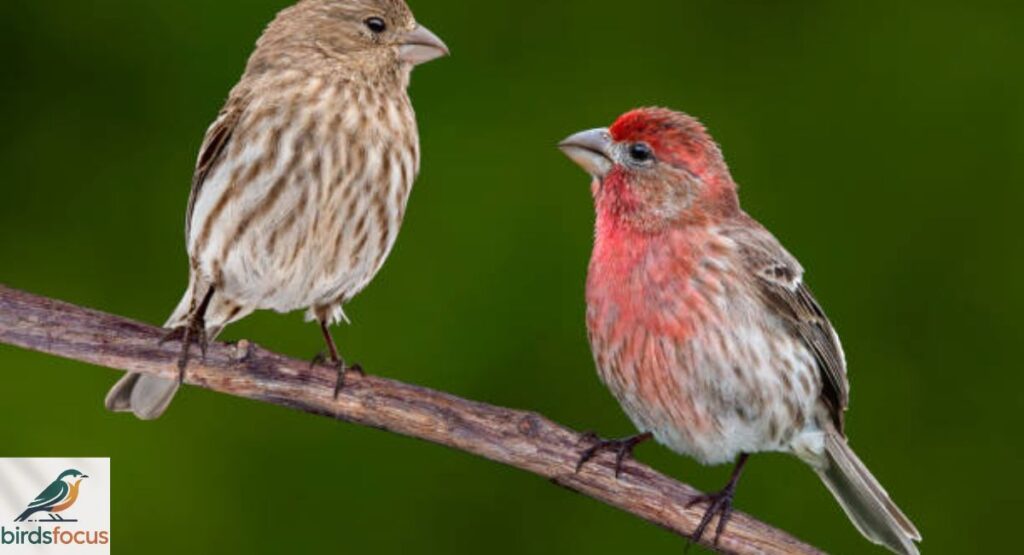
The debate around house finch vs house sparrow also remains common. House sparrows possess thicker bodies and larger heads. Male sparrows show black bibs and gray crowns instead of red feathers.
Behavior provides another clue. Sparrows often behave aggressively around feeders while house finches appear calmer and more social.
Nest and Eggs
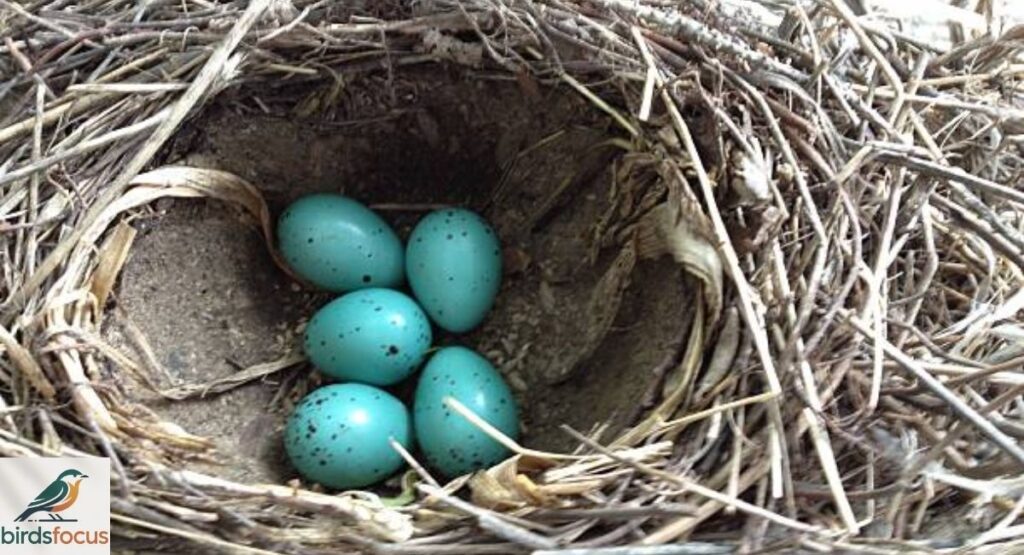
The nesting behavior of the House Finch shows just how adaptable these birds truly are. They build nests almost anywhere, including trees, hanging baskets, gutters, and building ledges.
Female birds handle most of the nest construction while males guard nearby territory. Once the eggs hatch, both parents cooperate to raise the chicks.
House Finch Nesting Habits
A typical house finch nest looks compact and cup-shaped. Females use grass, leaves, feathers, and twigs to build a soft structure strong enough to protect eggs and chicks.
Urban environments provide endless nesting opportunities. Porch lights, flowerpots, and roof ledges often become safe nesting sites away from predators.
House Finch Eggs
The delicate house finch eggs appear pale blue or bluish white with tiny speckles. Females usually lay between two and six eggs during each nesting cycle.
Incubation lasts roughly two weeks. After hatching, chicks grow rapidly because parents feed them constantly throughout the day.
| House Finch Egg Facts | Information |
| Egg Color | Bluish white |
| Average Clutch Size | 2–6 eggs |
| Incubation Time | 13–14 days |
| Fledging Time | 12–19 days |
Do House Finches Mate for Life?
Many bird lovers ask whether house finches mate for life. Research suggests many pairs remain together through several breeding seasons. Strong pair bonds improve nesting success and chick survival.
Courtship often includes singing, food sharing, and gentle displays. Male birds sometimes feed females before nesting begins, strengthening their connection.
House Finch Song & Calls
The musical voice of the House Finch fills neighborhoods with cheerful energy. Their songs sound bubbly, soft, and lively. Many people recognize house finches by sound before spotting them visually.
Male birds sing most actively during breeding season. However, both males and females produce calls year-round to communicate with flock members.
Common House Finch Sounds
A typical house finch call contains chirps, whistles, and rapid musical notes. Birdwatchers often describe the song as pleasant and flowing.
Alarm calls sound shorter and sharper. These warning sounds help nearby birds react quickly when predators appear.
Why House Finches Sing
Male house finches sing mainly to attract mates and defend territory. Strong singing often signals good health and confidence.
Songs also help flocks stay connected while feeding or flying together. In noisy urban environments, constant communication improves survival.
Amazing House Finch Facts
The House Finch may look small and ordinary, yet this bird carries several fascinating traits that surprise many birdwatchers. One remarkable fact involves its incredible adaptability. While many native birds struggle in crowded cities, the house finch thrives around humans. It nests on buildings, feeds in parking lots, and comfortably visits backyard feeders every day.
Another interesting fact involves feather color. The bright red shades seen on the male house finch depend heavily on diet. Birds that consume foods rich in natural pigments develop deeper red feathers. If the diet lacks carotenoids, males may appear orange or yellow instead of crimson red.
| Interesting House Finch Facts | Details |
| Scientific Name | Haemorhous mexicanus |
| Average Lifespan | 5–10 years |
| Main Food Source | Seeds and berries |
| Nesting Style | Cup-shaped nests |
| Egg Color | Bluish white |
| Common Habitat | Urban and suburban areas |
| Social Behavior | Travels in flocks |
| Unique Trait | Males change color from diet |
House Finches Can Recognize Humans
Researchers and birdwatchers have noticed that some House Finch populations recognize people who regularly refill feeders. Birds often return to the same yard daily because they associate humans with safety and food sources.
This intelligence helps house finches survive successfully in busy neighborhoods. Their comfort around humans explains why they remain one of the most common backyard birds across the United States.
House Finches Rarely Migrate Long Distances
Unlike many songbirds, the House Finch usually stays close to home throughout the year. Most populations remain in the same region during winter instead of traveling thousands of miles south.
Because of this behavior, birdwatchers can enjoy house finches during every season. Their constant presence makes them familiar and comforting backyard visitors.
House Finch Babies Grow Very Quickly
A baby house finch develops at an impressive speed. Newly hatched chicks depend completely on their parents for warmth and food. Within two weeks, young birds often leave the nest and begin exploring nearby branches.
Although fledglings leave the nest early, parent birds continue feeding them until they master flight and independent feeding skills. This teamwork greatly improves survival rates.
Conclusion
The House Finch is a small but lively backyard bird that brings color, sound, and energy to everyday spaces across the United States. From bright red males to soft brown females and fast-growing fledglings, every stage of this bird’s life is fascinating. You also learned about house finch eggs, nesting habits, diet, and how to tell it apart from the purple finch and house sparrow.
Overall, the House Finch is easy to spot, easy to attract, and full of charm. Its cheerful song, adaptability, and strong survival skills make it one of America’s favorite birds.
FAQs
What is the difference between a House Finch and a Purple Finch?
A House Finch has a slimmer body and red coloring mostly on the head and chest, while a purple finch appears chunkier with deeper raspberry shades across the body.
What do House Finches eat?
The House Finch mainly eats seeds, berries, buds, and small fruits. They especially love sunflower seeds and nyjer seeds at backyard feeders.
Where do House Finches build nests?
House finches build nests in trees, hanging baskets, building ledges, gutters, and shrubs. They prefer safe locations close to food and shelter.
Do House Finches stay in the same area all year?
Yes, most House Finch populations remain in the same region year-round and rarely migrate long distances.
Why are some House Finches yellow instead of red?
A yellow house finch usually develops unusual coloring because of diet differences during feather growth and molting season.

Welcome to birdsfocus! I’m Anam Sattar, an AI Powered SEO, and Content Writer with 4 years of experirnce.
I help websites rank higher,grow traffic, and look amazing. My goal is to make SEO and web design simple and effective for everyone.
Let’s achieve more together!