
If you want to learn How to Attract Birds to Your Garden, you need more than a feeder and a few seeds. Birds look for places that feel safe, natural, and full of life. When you build the right environment, your yard can support wild birds habitat creation and improve bird biodiversity in gardens all year.
Native plants, clean water, and shelter work together to create strong native plant ecosystems that birds trust. Over time, this simple approach turns your space into a peaceful retreat filled with movement and sound, making How to Attract Birds to Your Garden both easy and rewarding.
Understanding Bird Behavior for How to Attract Birds to Your Garden
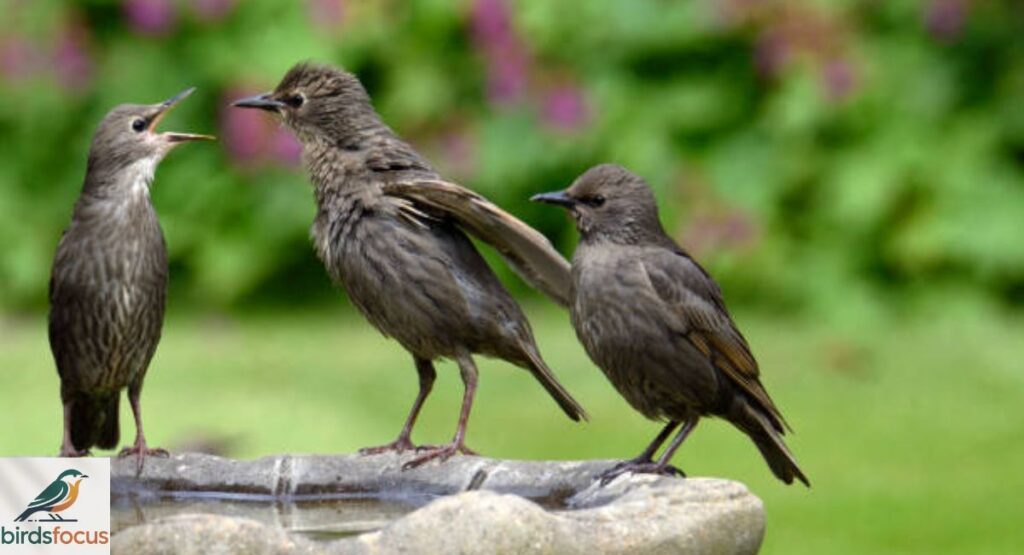
Birds are not random visitors. They follow survival rules shaped by millions of years of evolution. When you understand this, How to Attract Birds to Your Garden becomes much easier and more predictable.
Birds mainly search for three things: food, water, and safety. However, timing matters too. In spring, birds chase protein-rich insects. In summer, they need nectar and hydration. In fall, they prepare for migration by eating seeds. In winter, they survive on berries and stored energy sources.
| Season | Bird Priority | Natural Food Source |
| Spring | Nesting energy | Caterpillars, insects |
| Summer | Growth & feeding | Nectar, soft fruits |
| Fall | Migration fuel | Seeds, berries |
| Winter | Survival | Dry fruits, suet |
This seasonal behavior explains why ecological gardening works better than artificial feeding alone.
Attracting Wild Birds to Your Garden Naturally
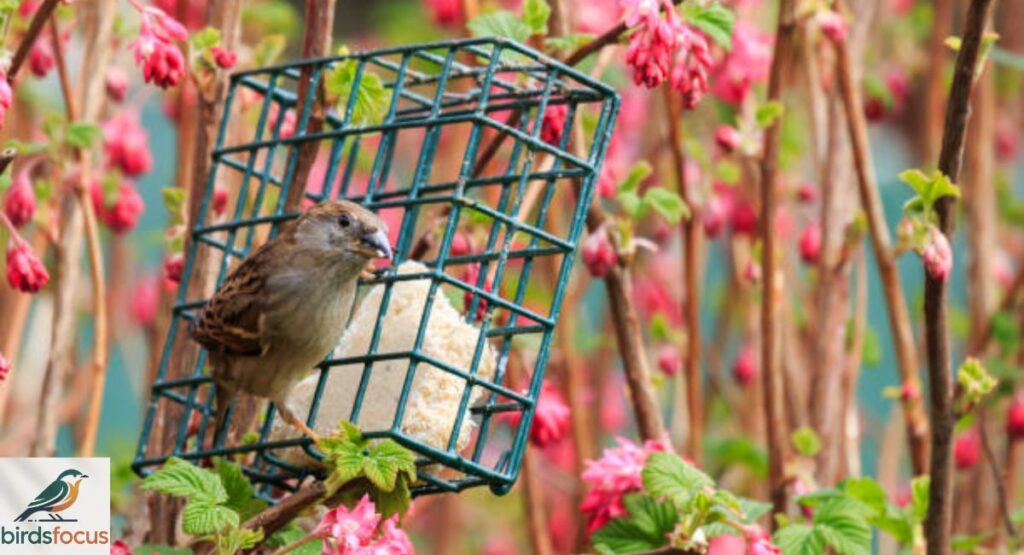
To succeed in How to Attract Birds to Your Garden, you must stop thinking in terms of “feeding birds only.” Instead, think in terms of “building habitat.”
Wild birds respond strongly to native environments. Native plants support insects, and insects support birds. This creates a full native plant ecosystems cycle. Without insects, even feeders lose long-term effectiveness.
For example, oak trees can support hundreds of insect species. Those insects become food for nesting birds. That is why ecologists say native plants are the “engine” of bird life.
A simple truth from Cornell Lab experts says it best: native plants do not just attract birds, they rebuild the food web birds depend on.
Providing the Right Food for Different Bird Species
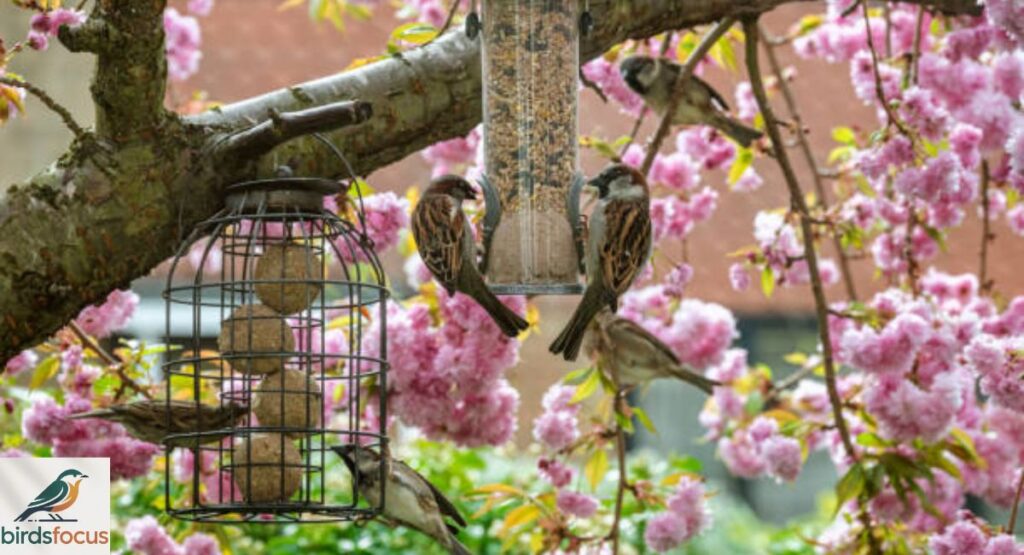
Food is one of the fastest ways to improve How to Attract Birds to Your Garden, but only if you do it correctly. Different birds eat different foods based on their biology and beak shape.
Seed eaters prefer sunflower and millet. Fruit eaters look for berries and soft fruits. Nectar feeders go straight to flowers. Insect eaters hunt caterpillars and small bugs.
| Bird Type | Food Type | Example Birds |
| Seed eaters | Sunflower seeds | Finches, Sparrows |
| Fruit eaters | Berries | Robins, Catbirds |
| Nectar feeders | Flower nectar | Hummingbirds |
| Insect eaters | Live insects | Warblers, Vireos |
When you mix food sources, you create strong bird biodiversity in gardens and keep your yard active all year.
One mistake many people make is relying only on dry seed feeders. That limits species. Real success comes from diversity.
Supplying Fresh Water Sources for Birds
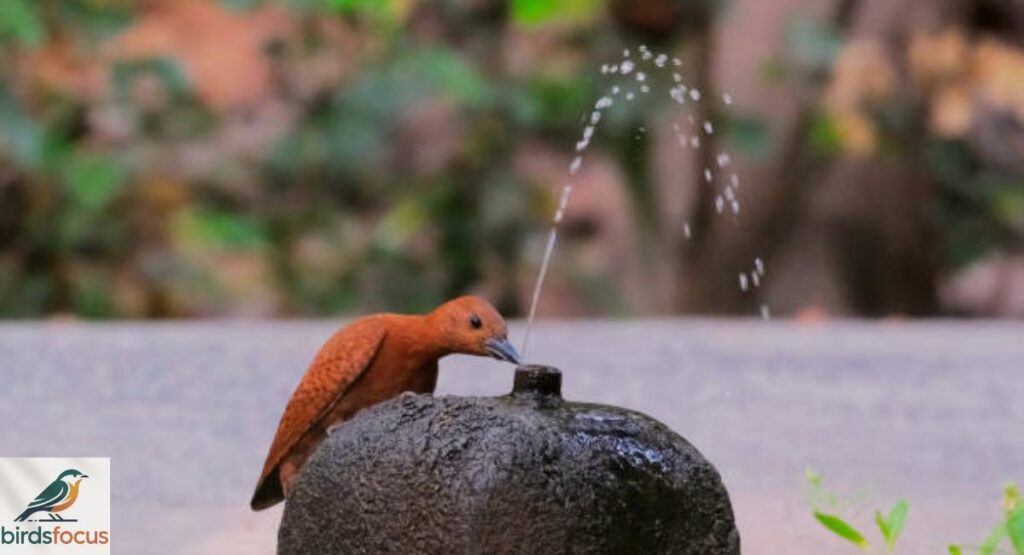
Water is often underestimated in How to Attract Birds to Your Garden, but it is just as important as food. Birds need water for drinking, cooling, and feather maintenance.
A shallow bird bath works best. Birds avoid deep or unstable water sources because they feel unsafe. Moving water is even more powerful. It catches attention and signals freshness.
You can also add small fountains or drippers. Birds hear moving water from a distance, which increases visits.
Keep water clean. Dirty water spreads disease fast and can harm local bird populations. Clean water builds trust in your garden over time.
Creating Shelter and Safe Spaces
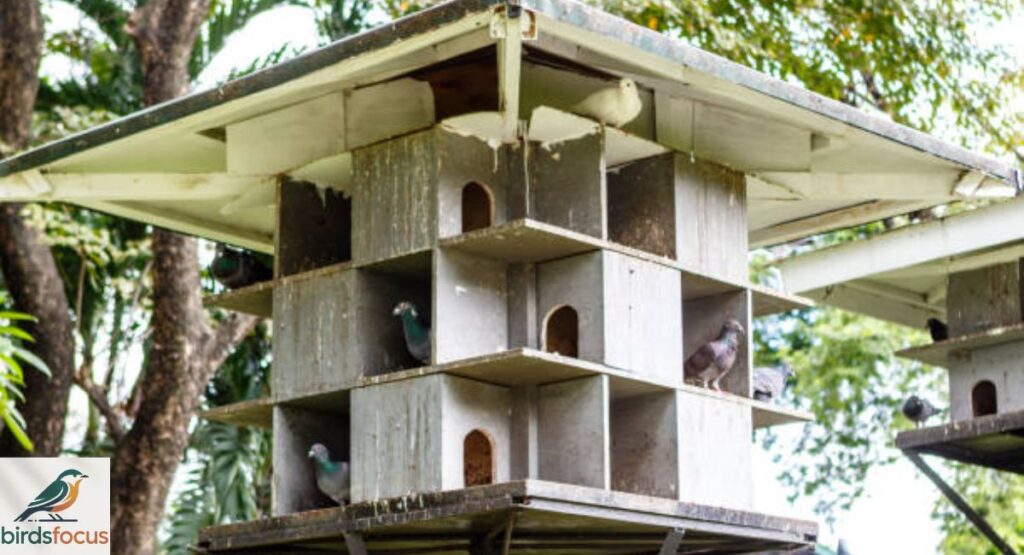
Birds will not stay in open, exposed areas. Shelter is a core part of How to Attract Birds to Your Garden because it directly affects survival.
Dense shrubs, trees, and layered planting systems give birds protection from predators like cats and hawks. They also provide resting areas during storms or migration stops.
A good garden has layers:
- Ground layer for insects and ground birds
- Shrub layer for hiding and nesting
- Tree layer for roosting and safety
This structure builds a natural wild birds habitat creation system inside your yard.
Think of shelter like insurance for birds. Without it, food and water are not enough.
Attracting Different Types of Birds
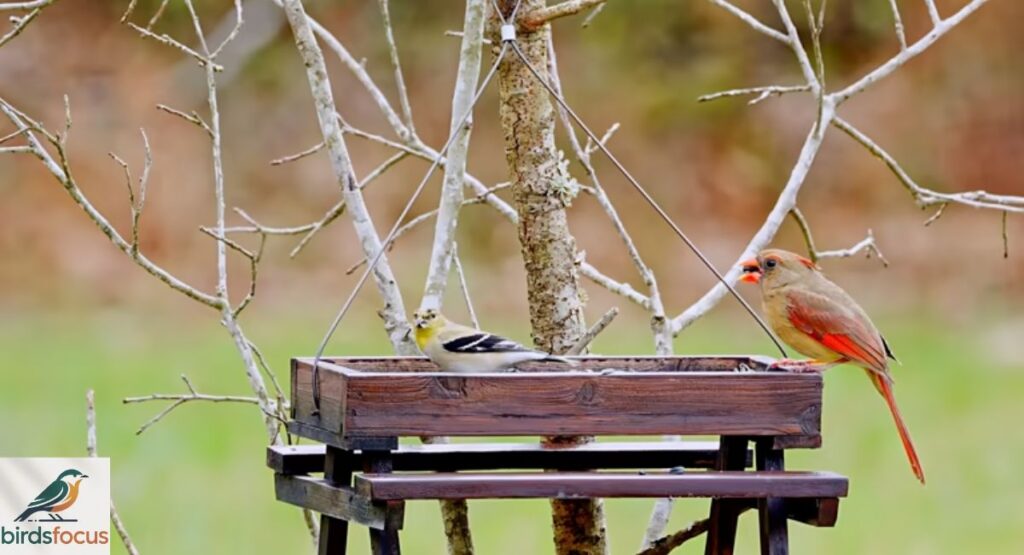
A strong garden supports multiple bird groups at the same time. That is the real success of How to Attract Birds to Your Garden.
Songbirds like finches and sparrows prefer seeds. Migratory birds depend on stopover food sources. Native species rely on local plants and insects. Each group adds life and movement to your yard.
When you combine feeders, native plants, and water sources, your garden becomes a small ecosystem that supports year-round activity and stronger bird biodiversity in gardens.
How to Attract Rare Birds
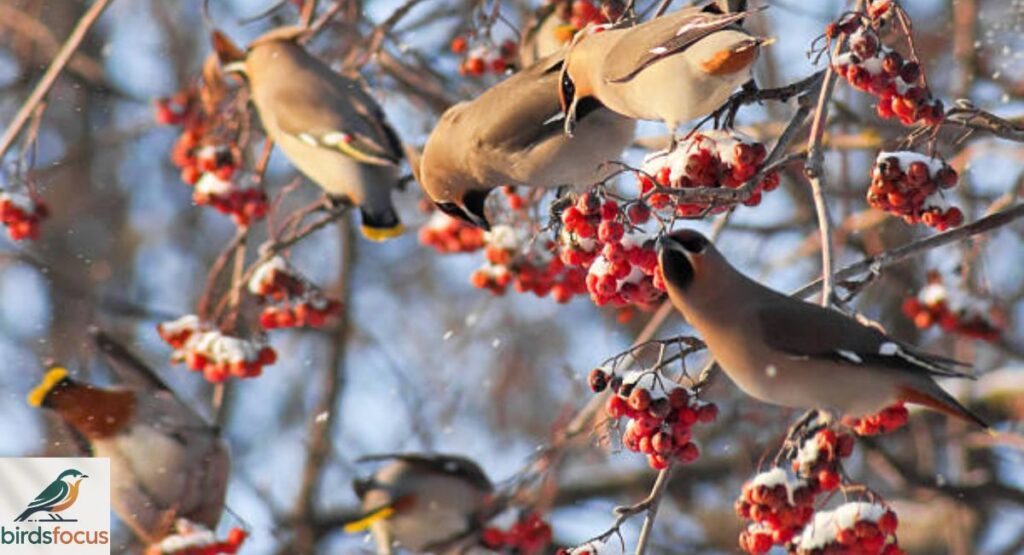
Rare birds are not attracted by luck. They are attracted by habitat quality. If your garden supports insects, berries, and shelter, rare species will eventually appear.
To improve chances, reduce noise and disturbance. Avoid heavy pruning during breeding seasons. Focus on native plants that match your USA region. This supports native plant ecosystems and increases ecological balance.
Rare birds often follow food webs. If the base of the food chain is strong, rare visitors naturally appear over time.
Patience matters here. Rare birds reward consistency, not shortcuts.
Attracting Birds of Prey to Your Garden
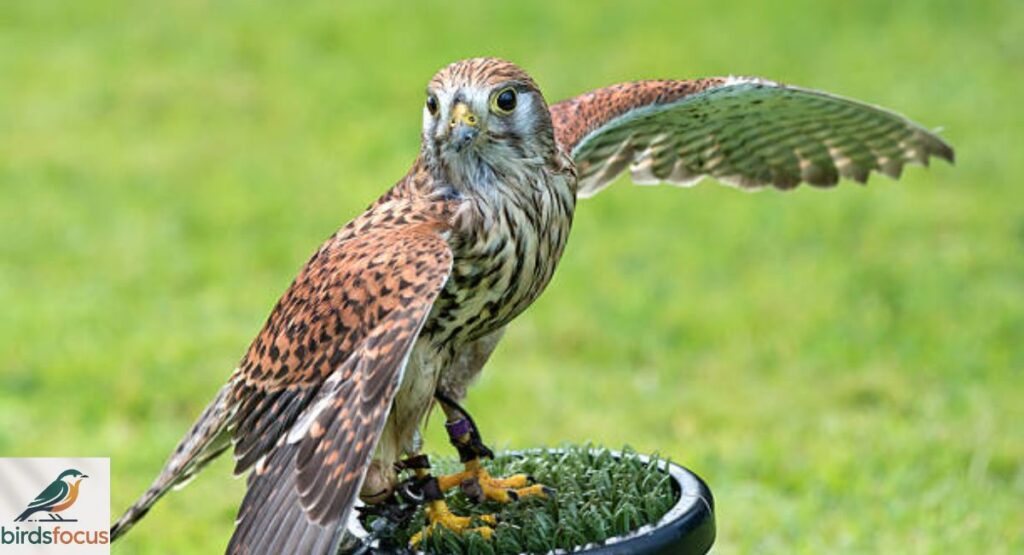
Birds of prey like hawks and owls play an important ecological role in How to Attract Birds to Your Garden. They appear when smaller birds and rodents are present.
They need tall perches, open hunting space, and quiet zones. Dead trees or high branches work well as natural lookout points.
| Predator Bird | Attraction Need | Garden Feature |
| Hawk | Open hunting | Wide lawn space |
| Owl | Night hunting | Quiet trees |
| Falcon | High-speed hunting | Tall perches |
You must balance safety too. Too many predators can reduce small bird populations. A healthy ecosystem keeps both in balance.
Nesting Opportunities for Birds
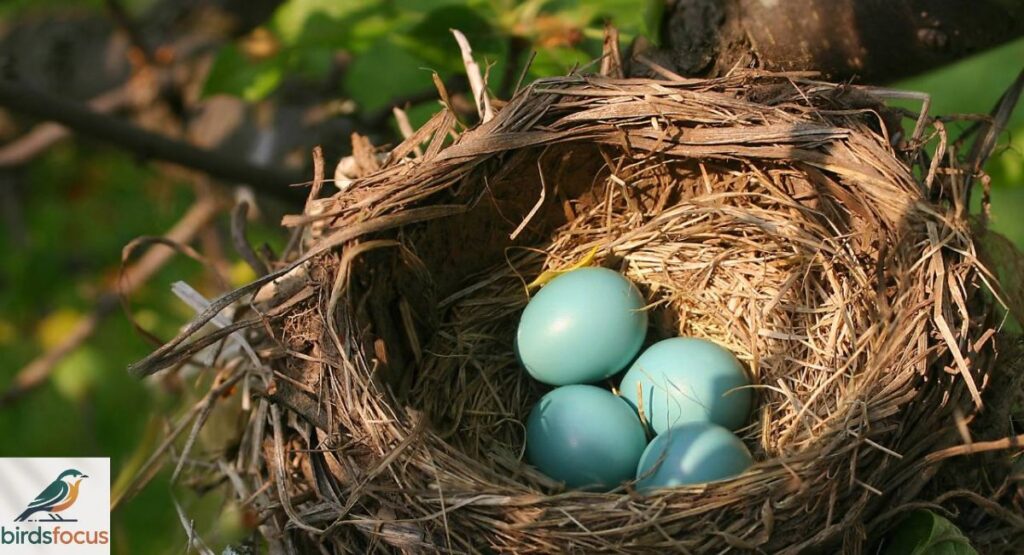
Nesting is where long-term success in How to Attract Birds to Your Garden becomes real. Birds that nest in your yard are more likely to stay and return every year.
Nest boxes help species like bluebirds and chickadees. Dense shrubs support wrens and sparrows. Trees provide natural cavities for woodpeckers and owls.
Placement matters a lot. Birds prefer quiet areas away from heavy human activity. Height, direction, and safety from predators all influence nesting success.
Without nesting options, your garden stays a stopover, not a home.
Garden Maintenance for Bird Attraction
Maintenance decides whether birds stay long term. A slightly wild garden often works better than a perfectly clean one for How to Attract Birds to Your Garden.
Avoid pesticides because they destroy insect populations. Insects are the foundation of bird diets. Leave leaf litter in some areas because it supports worms and bugs.
Do not over-trim plants. Some dead stems and seed heads provide winter food and shelter.
A balanced garden is not messy. It is alive and functional.
Common Mistakes to Avoid When Learning How to Attract Birds to Your Garden
Many people try How to Attract Birds to Your Garden but unknowingly make simple mistakes that keep birds away. Using only one type of food, placing feeders in open unsafe areas, or ignoring shelter can limit results and reduce bird biodiversity in gardens.
Another common issue is over-cleaning the garden. Birds actually prefer slightly natural spaces. Avoid pesticides, keep water clean, and support native plant ecosystems to create a safe and welcoming environment where birds feel comfortable staying long term.
2 or likh do jo previous na hon
Best Garden Layout Ideas for How to Attract Birds to Your Garden
The layout of your yard plays a big role in How to Attract Birds to Your Garden. Birds prefer layered spaces with trees, shrubs, and open areas. This setup improves wild birds habitat creation and gives birds places to feed, hide, and rest.
Try placing water in the center, plants around it, and feeders near shelter. This simple design feels natural and supports strong bird biodiversity in gardens without making birds feel exposed or unsafe.
Seasonal Tips for How to Attract Birds to Your Garden Year-Round
Bird needs change with seasons, so your approach to How to Attract Birds to Your Garden should also change. In spring, focus on insects and nesting. In summer, provide water and shade. In winter, add seeds and berries.
By adjusting your garden through the year, you support ecological gardening and maintain steady activity. This seasonal care helps birds stay longer and keeps your garden full of life all year.
Conclusion
Creating a bird-friendly yard is not about quick fixes. It is about building a space where birds feel safe every day. When you focus on food, water, shelter, and nesting, you naturally improve bird biodiversity in gardens and support a healthy environment around your home.
If you stay consistent and patient, results will come. Your efforts in How to Attract Birds to Your Garden will turn your space into a lively habitat. Over time, you will see more species, hear more songs, and enjoy a peaceful connection with nature right outside your door.
FAQs
1. How long does it take to attract birds to your garden?
It usually takes a few days to a few weeks. Consistency with food, water, and shelter speeds up results.
2. What is the best food to attract birds?
Sunflower seeds, berries, and insects work best because they support natural bird biodiversity in gardens.
3. Do birds need water more than food?
Yes, fresh water is often more important, especially in hot weather when birds need hydration daily.
4. Can I attract rare birds to my garden?
Yes, using native plants and reducing disturbance helps support wild birds habitat creation that attracts rare species.
5. Is it safe to attract birds of prey to my garden?
Yes, but balance is important. A healthy ecosystem naturally supports both small birds and predators.

Welcome to birdsfocus! I’m Anam Sattar, an AI Powered SEO, and Content Writer with 4 years of experirnce.
I help websites rank higher,grow traffic, and look amazing. My goal is to make SEO and web design simple and effective for everyone.
Let’s achieve more together!