

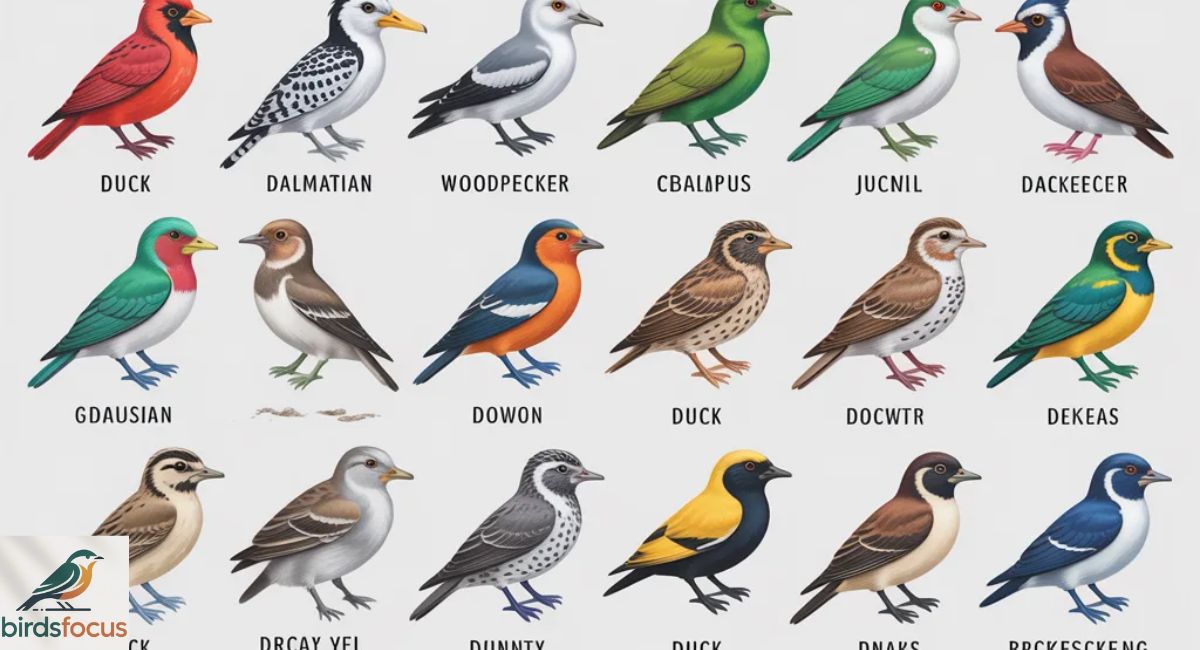
If you are searching for birds that start with D, you are about to discover a surprisingly diverse group of species. From backyard favorites to hardy Arctic survivors, these birds live in forests, wetlands, grasslands, and frozen tundra. In this guide, we explore 30 fascinating examples, including several Arctic birds beginning with the letter D that breed in Alaska and northern Canada.
You will learn about their habitats, behaviors, migration routes, and unique traits. Whether you are a student, a birder, or simply curious about bird names that start with D, this complete overview of North American birds and global species will give you clear, useful insights.
Quick List of 30 Birds That Start With D
Below is a complete reference table of birds that start with D. This quick overview helps with research, school work, and field identification across the USA and other regions.
Dove
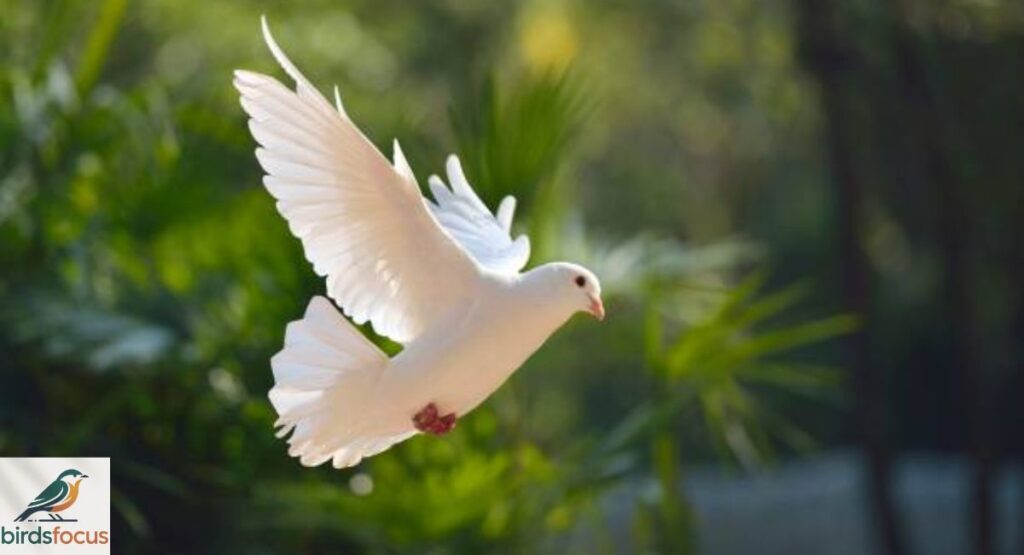
Doves are gentle birds that start with D and live in cities, forests, and farms across the USA. They eat mostly seeds and grains. You’ll often hear their soft cooing in the morning. Many species adapt well to human neighborhoods and nest close to homes.
Duck
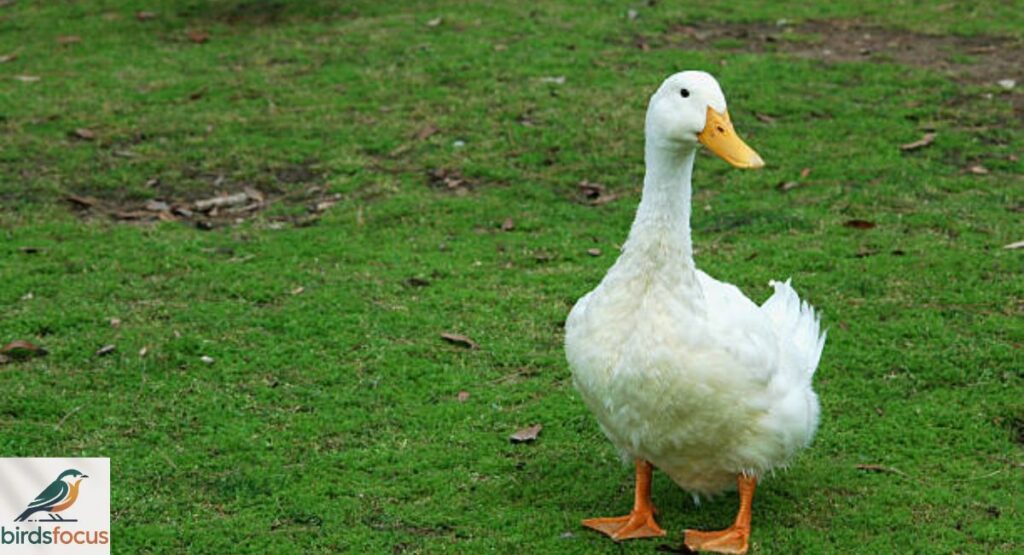
Ducks are water-loving bird species found in lakes, rivers, and wetlands. They have waterproof feathers and webbed feet for swimming. Some migrate long distances across North America. Others stay year-round if water remains unfrozen. Their diet includes plants, insects, and small fish.
Dunnock
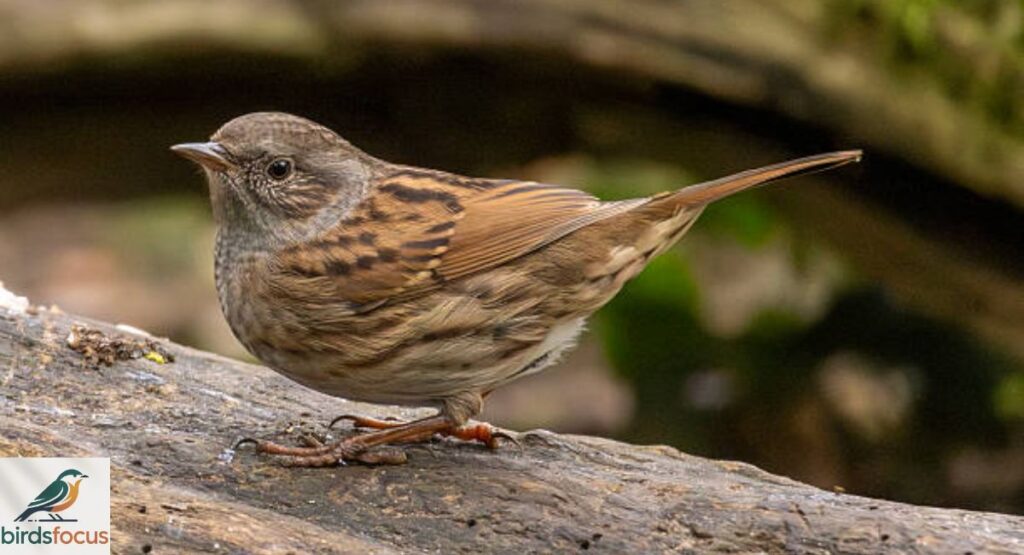
The Dunnock is a small brown bird common in Europe. It prefers hedges and gardens. Although it looks plain, it has complex mating behavior. Birdwatchers admire its quiet but persistent song during spring.
Dickcissel
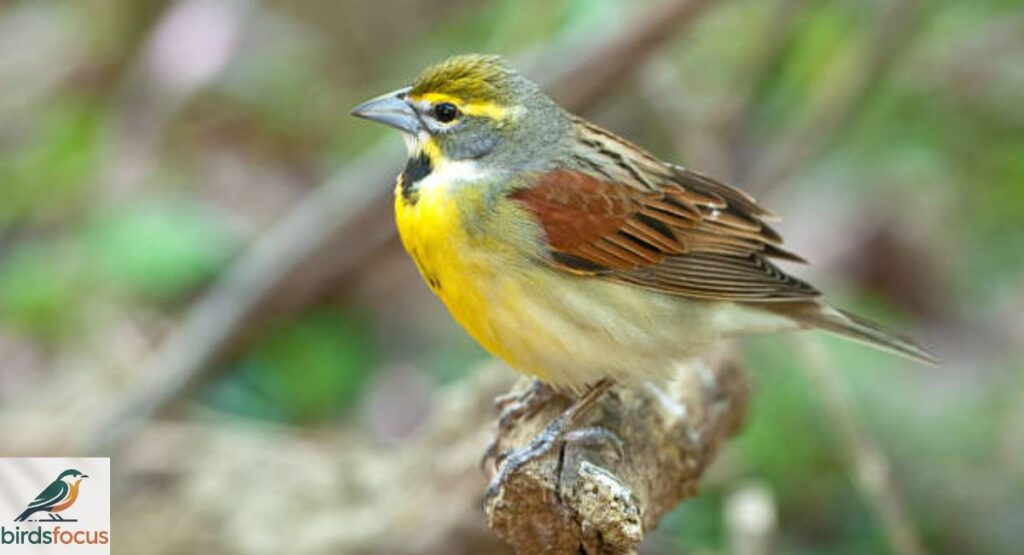
Dickcissels breed in Midwestern grasslands. They sing from fence posts and tall grasses. Farmers often notice them in open fields. These migratory birds travel to South America during winter.
Darter
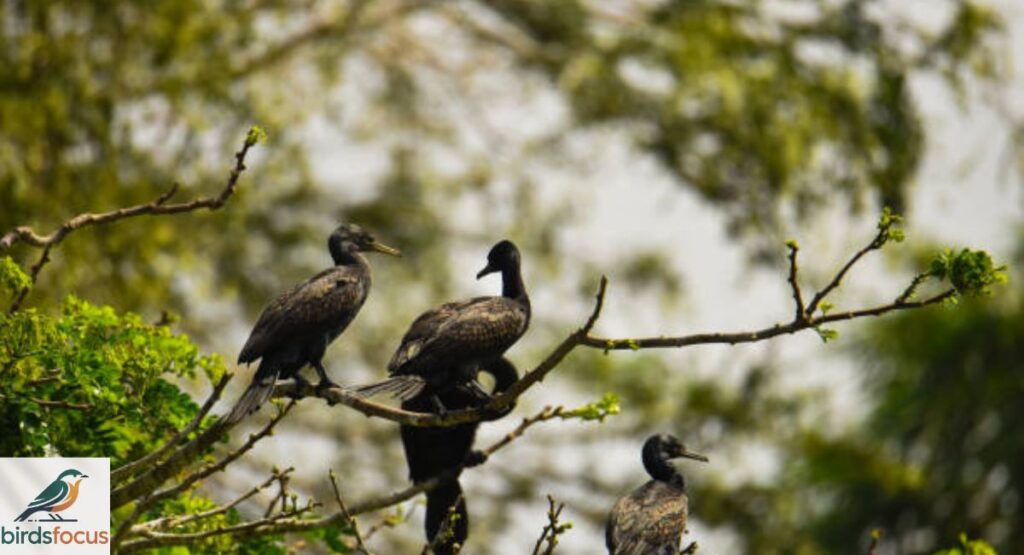
Darthers live near freshwater rivers in Africa and Asia. They swim with only their neck visible above water. After diving for fish, they spread their wings to dry. This posture makes them easy to recognize.
Dusky Flycatcher
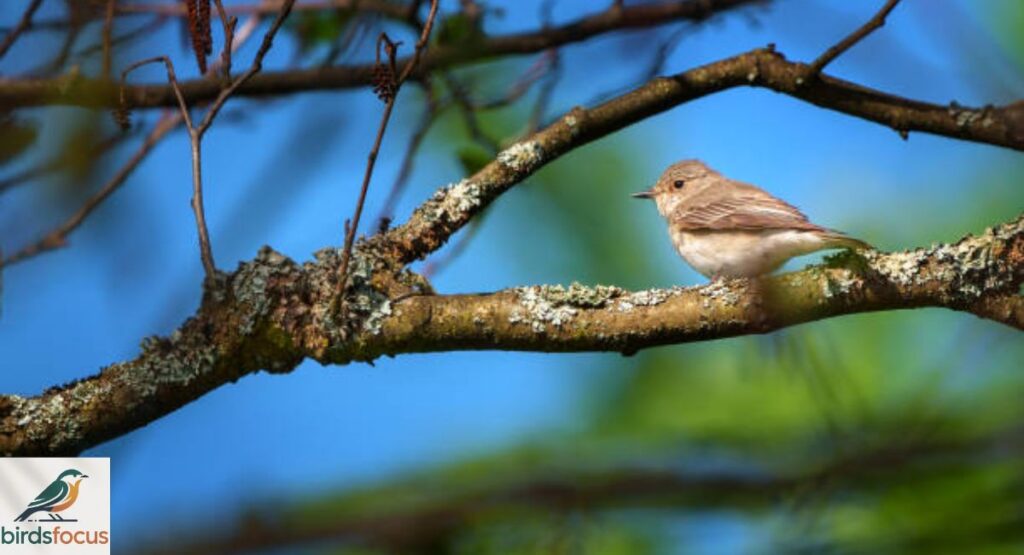
The Dusky Flycatcher breeds in western North America. It catches insects in midair with quick movements. Its soft calls blend into forest sounds. During winter, it migrates south to warmer regions.
Drongo
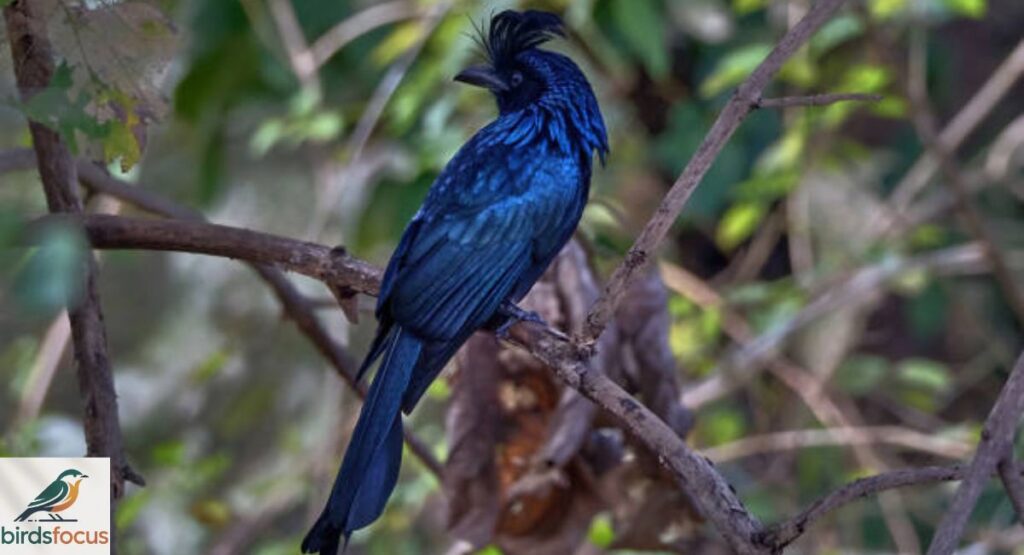
Drongos are known for clever mimicry. They copy other birds’ alarm calls to scare them away from food. This smart trick helps them steal insects. They thrive in open woodland areas.
Dowitcher
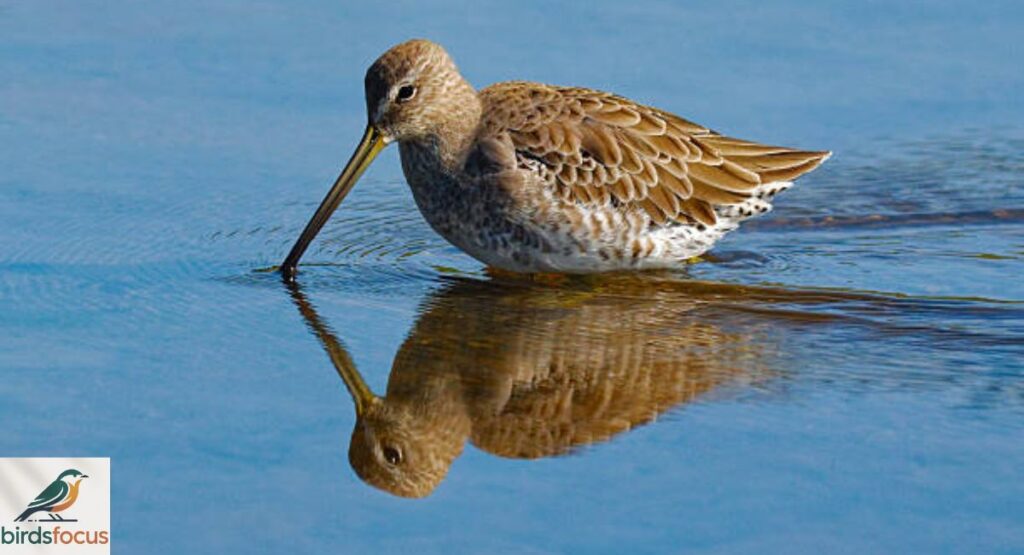
Dowitchers feed along muddy shorelines. They probe sand with long bills in rapid motion. Many species migrate between Arctic breeding grounds and southern coasts. Their feeding style looks almost like sewing.
Dipper
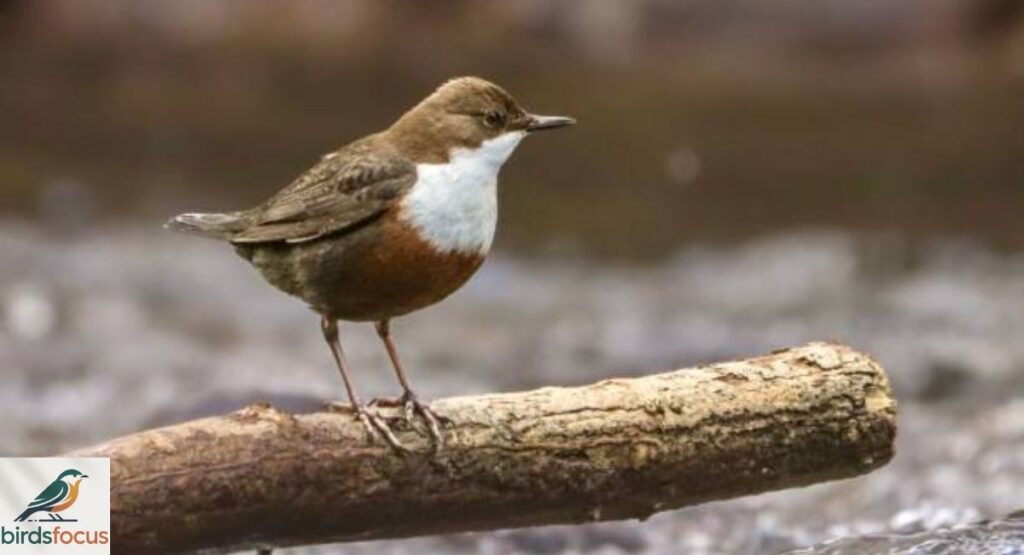
The American Dipper lives near fast mountain streams. It dives underwater to hunt insects and small fish. Unlike most songbirds, it swims against strong currents. Its thick feathers keep it warm in icy water.
Desert Cardinal
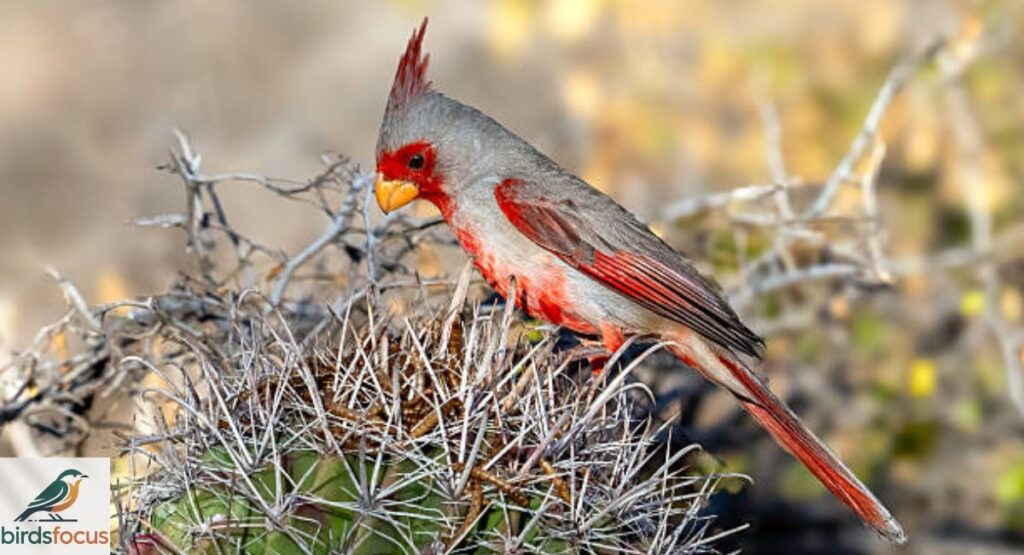
The Desert Cardinal inhabits dry scrublands in South America. Males display bright red coloring. They survive in harsh heat by staying active during cooler hours. Seeds form most of their diet.
Dollarbird
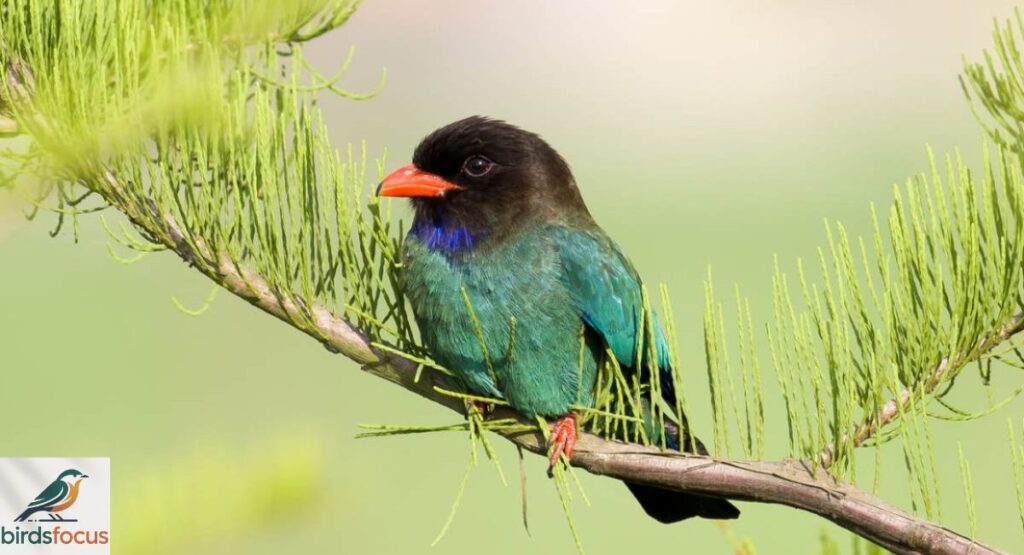
The Dollarbird gets its name from pale round spots on its wings. It hunts insects from tree perches. During breeding season, it nests in tree cavities. Many migrate seasonally.
Dunlin
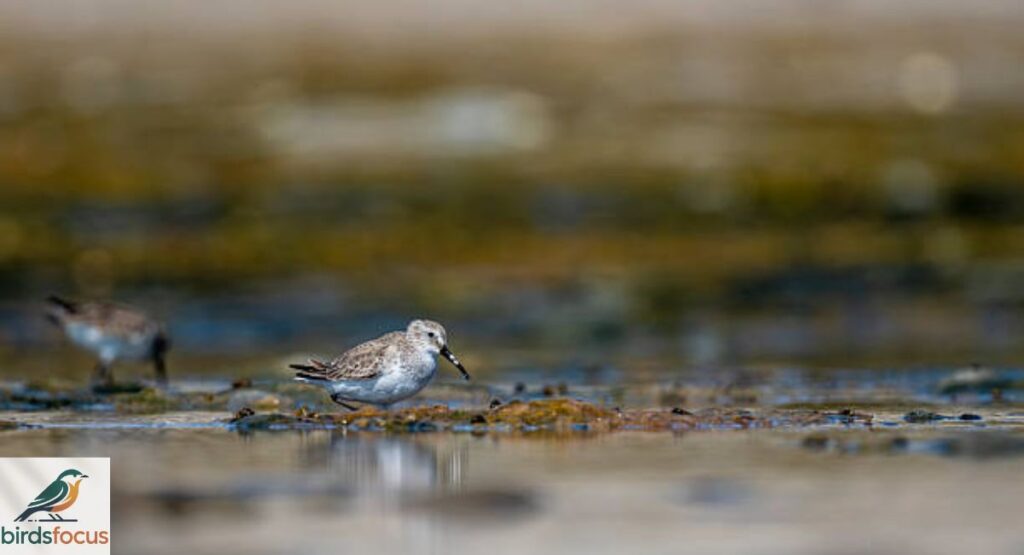
Dunlins are small shorebirds that breed in Arctic tundra. In winter, they gather along coastal beaches in large flocks. Their curved bills help them dig for tiny invertebrates.
Diamond Dove
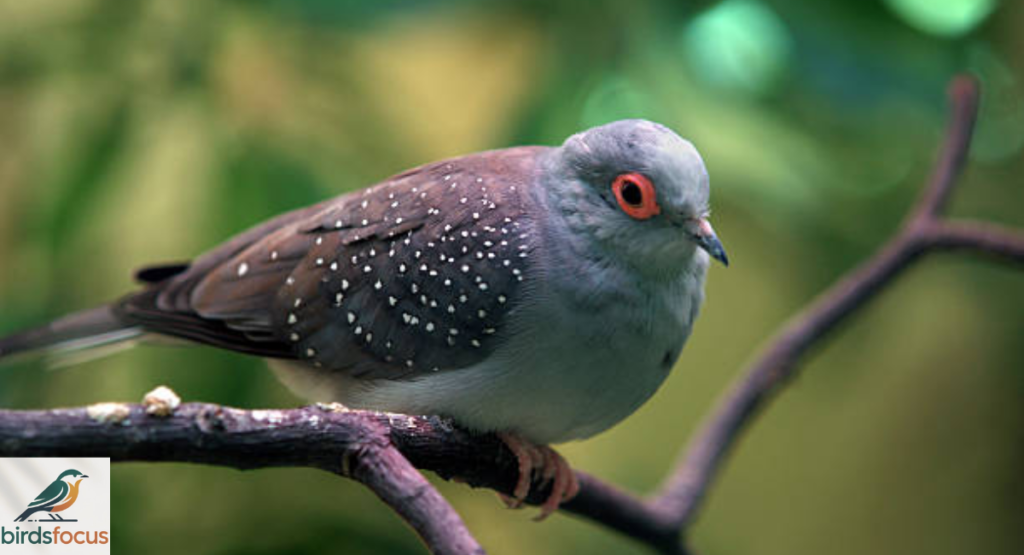
Diamond Doves are tiny and beautifully patterned. They live mainly in Australia. Their soft coos sound almost musical. Many people keep them in aviaries due to their calm nature.
Double-Crested Cormorant
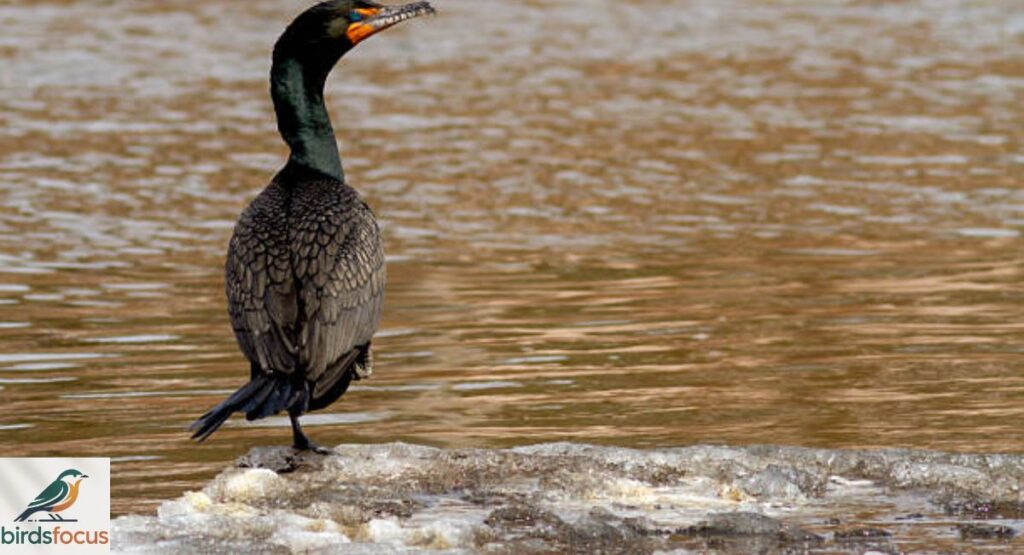
This North American waterbird dives deeply for fish. You often see it perched with wings spread wide. That posture helps dry its feathers. It nests in colonies near lakes and coasts.
Dusky Lark
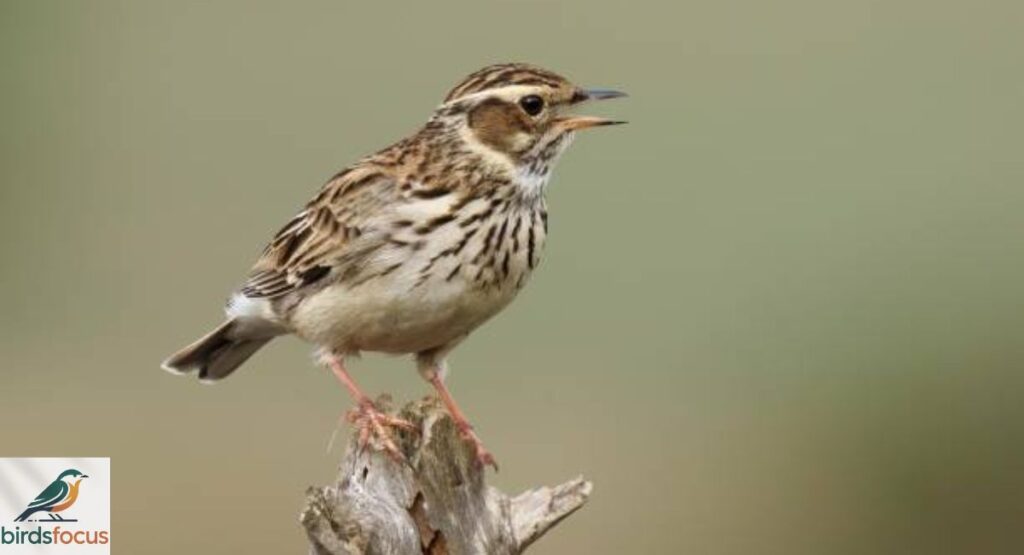
The Dusky Lark thrives in dry African plains. Its brown feathers blend with soil and grass. This camouflage protects it from predators. It feeds mainly on seeds and insects.
Divine Starling
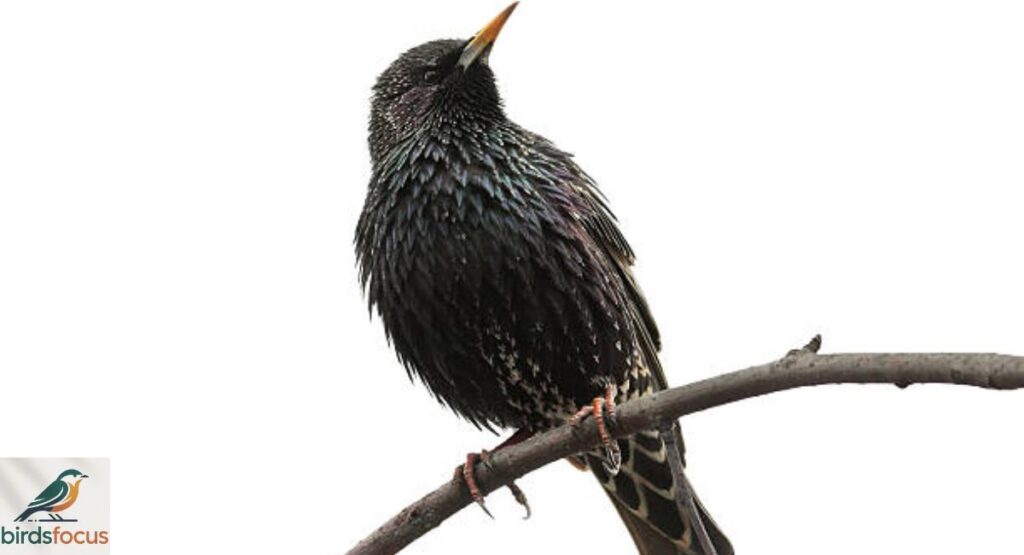
The Divine Starling shines with metallic blue and green feathers. It lives in East African woodlands. Its bright plumage stands out in sunlight. Flocks often forage together on the ground.
Dovekie
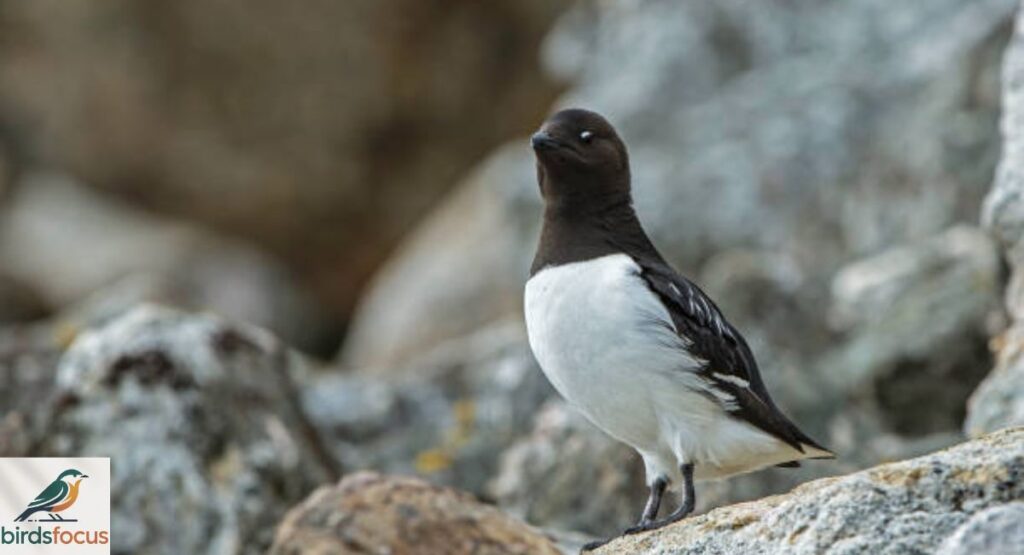
The Dovekie breeds on Arctic cliffs. It dives into icy seas for crustaceans. Though small, it survives extreme cold with dense plumage. In winter, it moves farther south over open ocean.
Downy Woodpecker
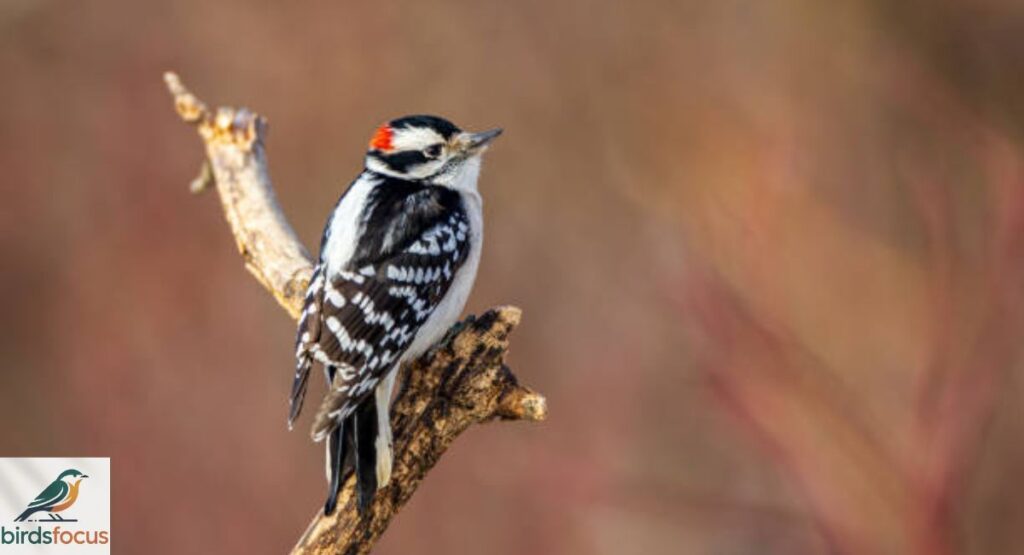
The Downy Woodpecker is one of the smallest North American woodpeckers. It taps tree bark to find insects. Many visit backyard feeders for suet. Its black and white pattern is easy to spot.
Demoiselle Crane
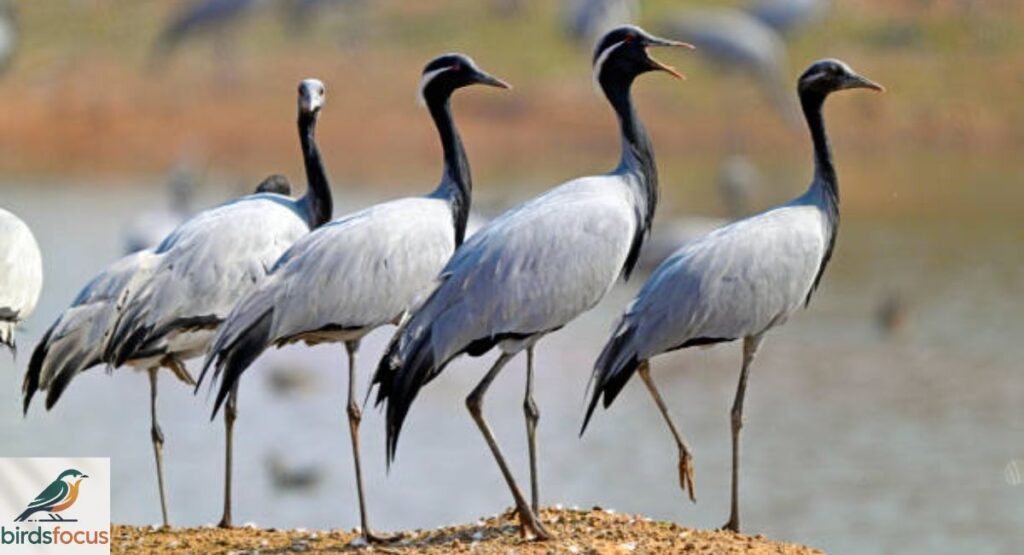
The Demoiselle Crane migrates across Europe and Asia. It prefers open grasslands. These elegant birds form strong family bonds. Their synchronized flight looks graceful.
Dark-Eyed Junco
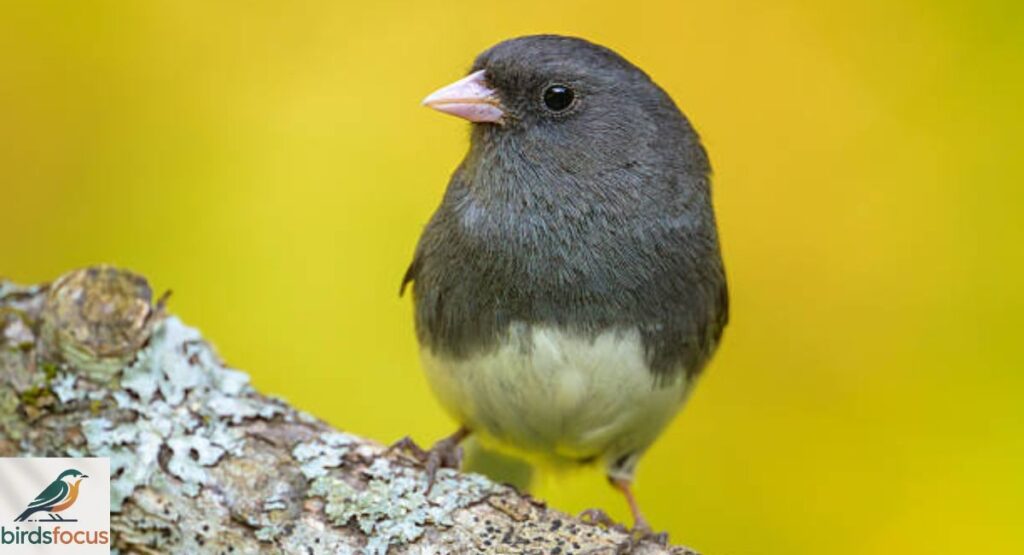
Dark-eyed Juncos appear across the USA in winter. Birders call them snowbirds. They hop along the ground searching for seeds. Their contrasting plumage makes them easy to identify.
Desert Lark
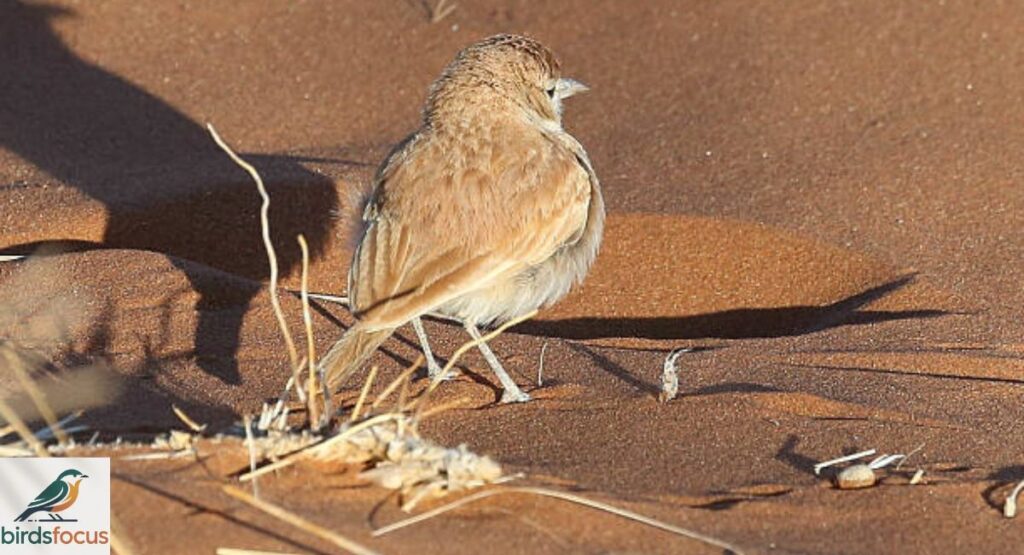
Desert Larks survive in arid regions of Africa and Asia. They tolerate high heat and limited water. Their sandy coloring blends into desert landscapes.
Dwarf Kingfisher
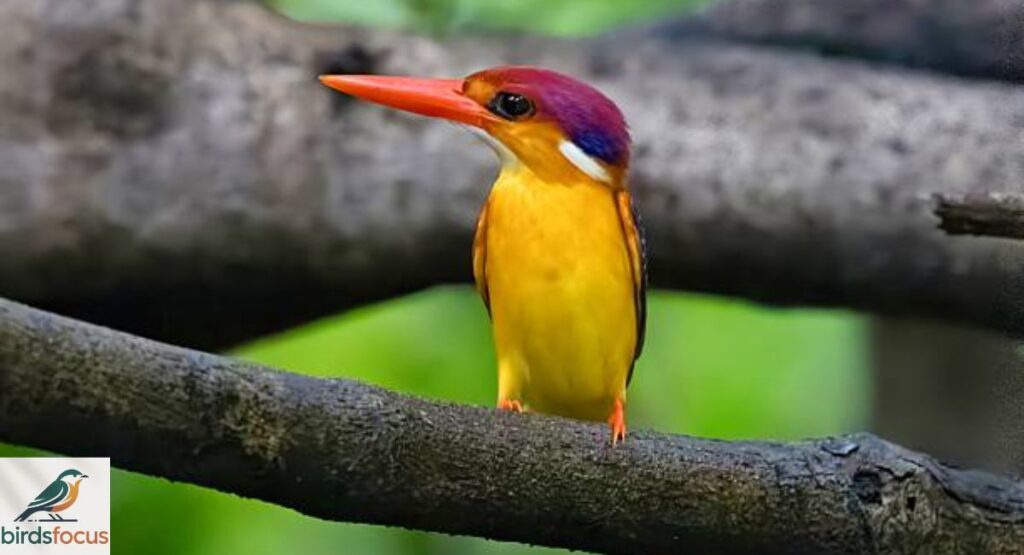
The Dwarf Kingfisher lives near forest streams in Asia. It flashes bright orange and blue feathers. Despite its size, it catches insects with precision.
Dusky Thrush
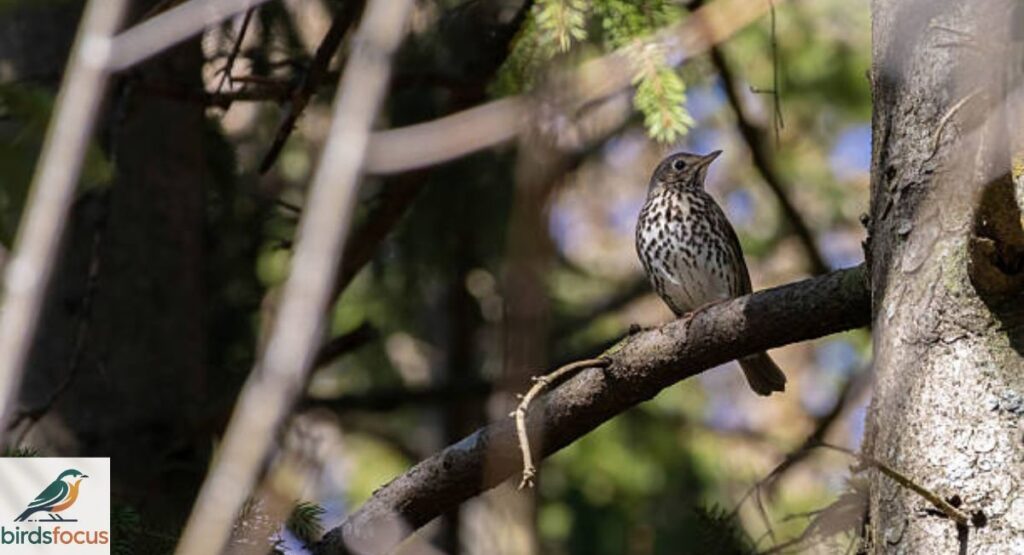
Dusky Thrushes breed in northern Asia. During migration, they gather in flocks. They feed on berries and insects in woodland habitats.
Dusky Warbler
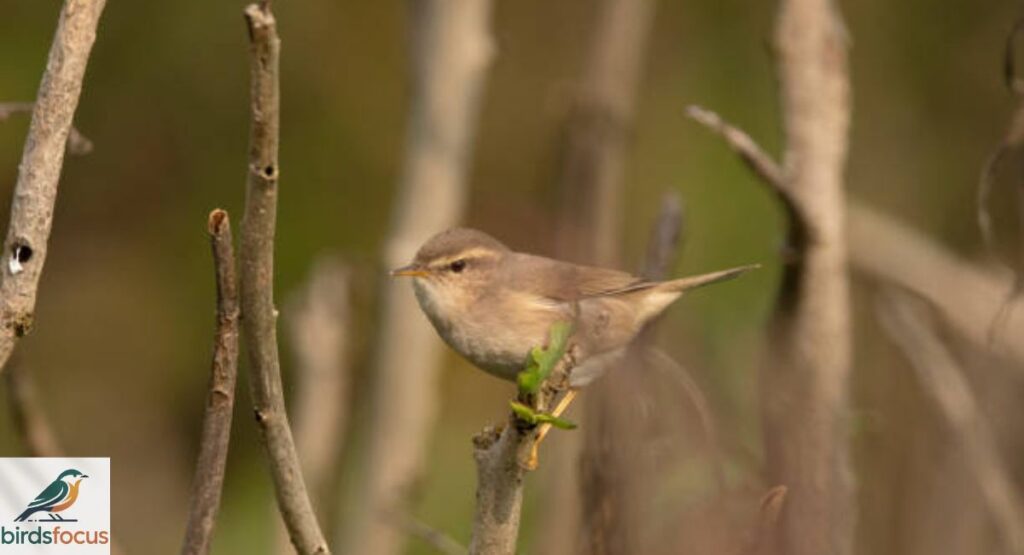
The Dusky Warbler nests in forests across Asia. It remains small and well-camouflaged. Its soft song carries through dense vegetation.
Drab Seedeater
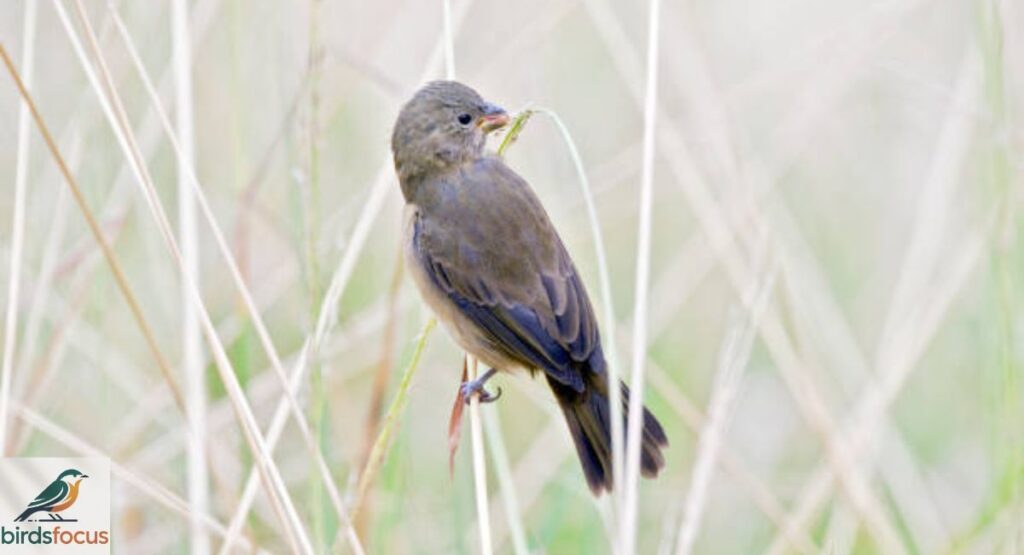
This South American bird feeds mainly on grass seeds. It prefers open habitats. Males often sing from low shrubs during breeding season.
Dapple-Throat
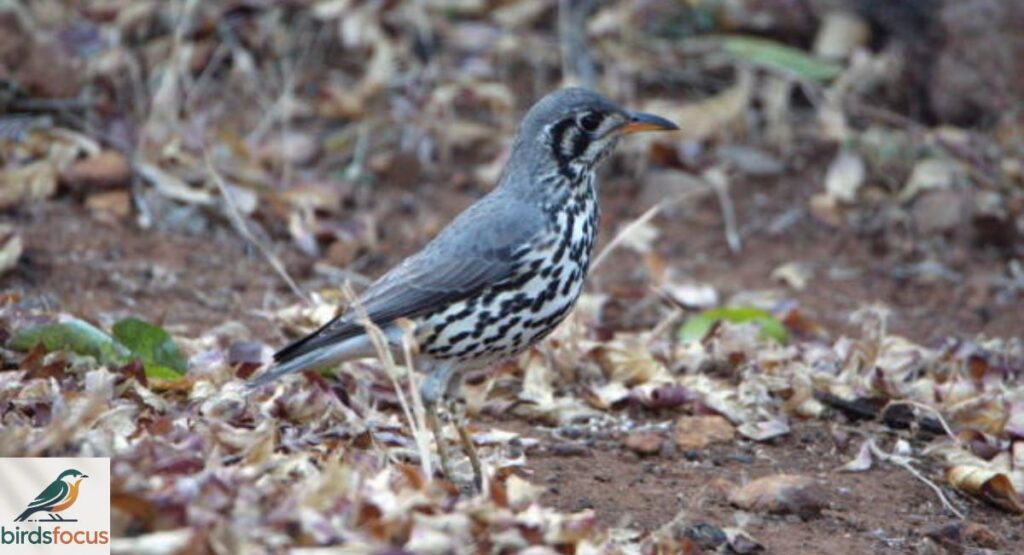
The Dapple-throat inhabits mountain forests in East Africa. It stays hidden in thick vegetation. Birders consider it difficult to observe in the wild.
Dune Lark
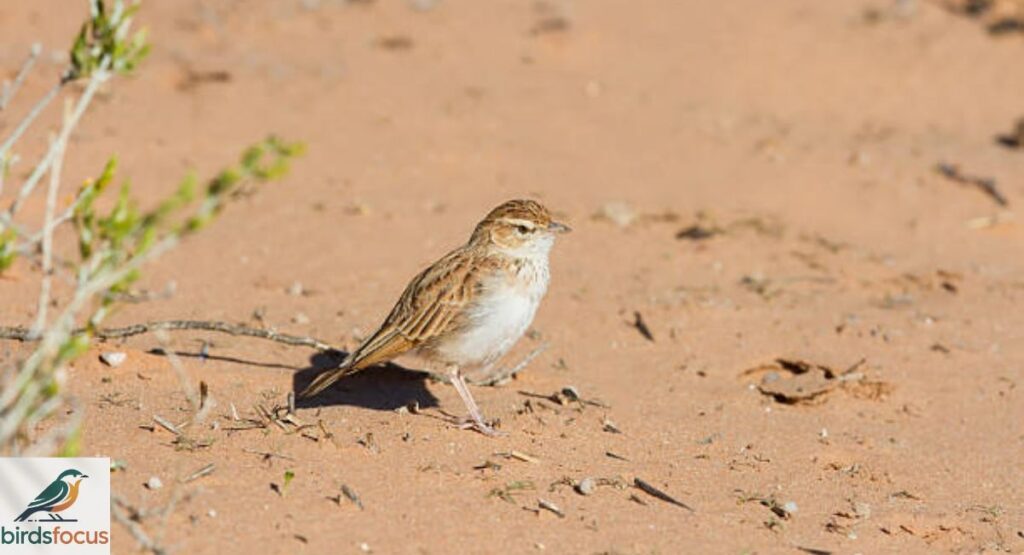
The Dune Lark lives along coastal deserts. Its plumage matches pale sand dunes. It forages quietly for insects.
Dusky Eagle-Owl
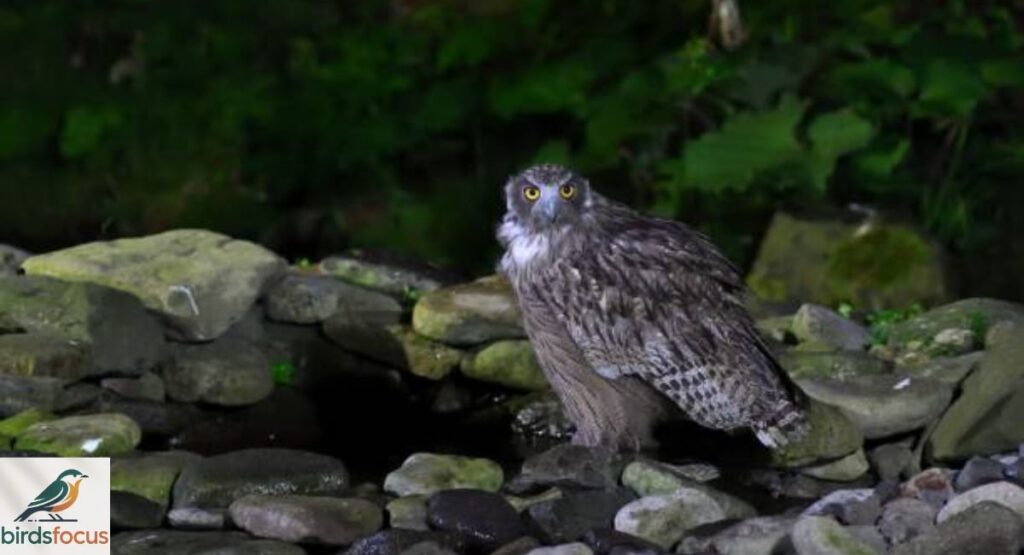
The Dusky Eagle-Owl hunts at night in rocky terrain. Its strong talons capture small mammals. Large eyes improve night vision.
Dwarf Bittern
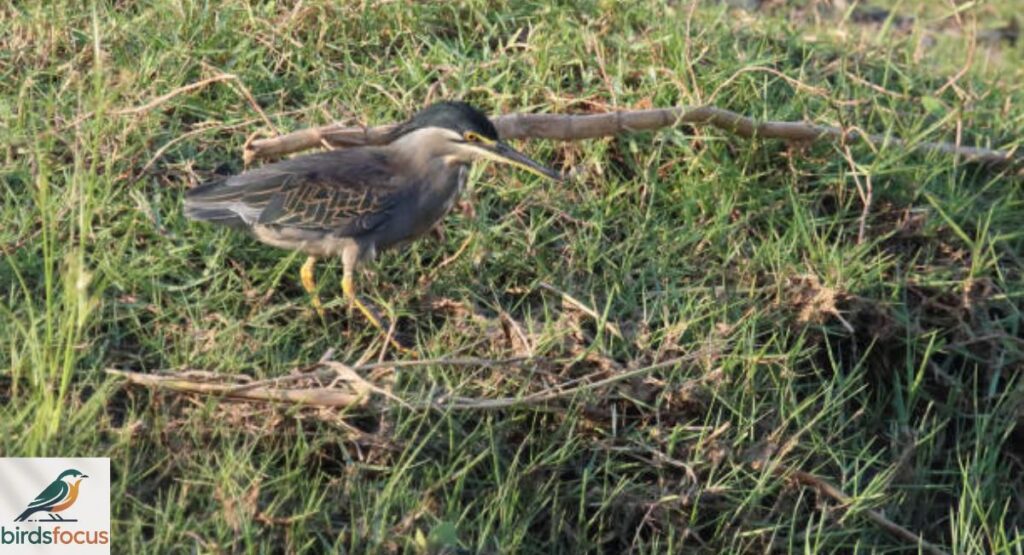
The Dwarf Bittern lives in South American marshes. It hides among reeds during the day. At dusk, it hunts fish and amphibians.
Dalmatian Pelican
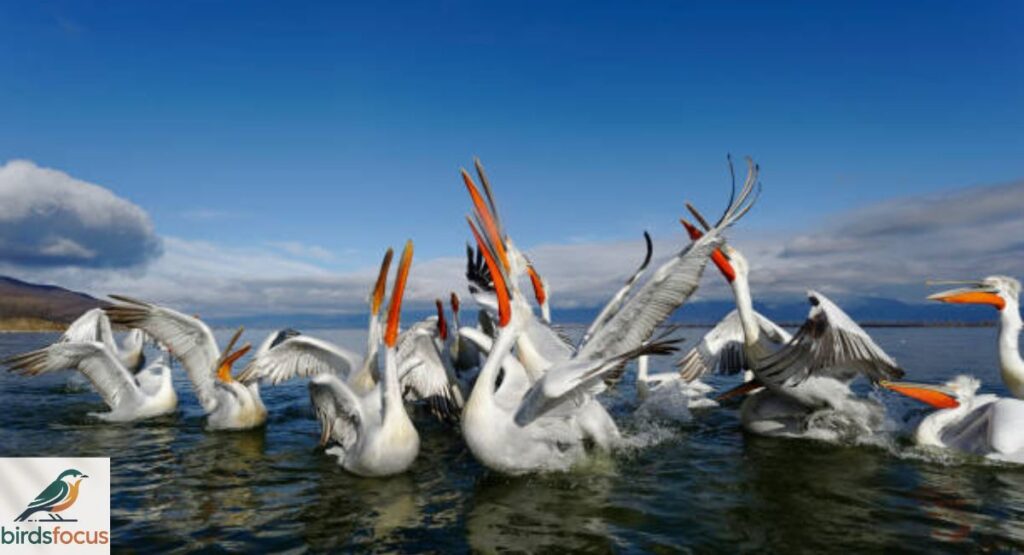
The Dalmatian Pelican ranks among the largest freshwater birds. It has a massive bill for scooping fish. Colonies gather near lakes in Europe and Asia.
| Bird Name | Region | Habitat Type | Migration |
| Dove | Worldwide | Forests, suburbs | Partial |
| Duck | Worldwide | Wetlands | Many migrate |
| Dunnock | Europe | Gardens | Resident |
| Dickcissel | USA | Grasslands | Migratory |
| Darter | Africa/Asia | Rivers | Resident |
| Dusky Flycatcher | Western USA | Forests | Migratory |
| Drongo | Africa/Asia | Open woodland | Resident |
| Dowitcher | North America | Shorelines | Migratory |
| Dipper | North America/Europe | Mountain streams | Partial |
| Desert Cardinal | South America | Desert scrub | Resident |
| Dollarbird | Australia/Asia | Forest edges | Migratory |
| Dunlin | Arctic | Tundra | Long-distance |
| Diamond Dove | Australia | Dry grassland | Resident |
| Double-crested Cormorant | North America | Lakes, coasts | Migratory |
| Dusky Lark | Africa | Dry plains | Resident |
| Divine Starling | Africa | Woodland | Resident |
| Dovekie | Arctic | Sea cliffs | Migratory |
| Downy Woodpecker | North America | Forests | Resident |
| Demoiselle Crane | Europe/Asia | Grasslands | Migratory |
| Dark-eyed Junco | North America | Forests | Seasonal |
| Desert Lark | Africa/Asia | Desert | Resident |
| Dwarf Kingfisher | Asia | Forest streams | Resident |
| Dusky Thrush | Asia | Woodlands | Migratory |
| Dusky Warbler | Asia | Forests | Migratory |
| Drab Seedeater | South America | Grasslands | Resident |
| Dapple-throat | Africa | Montane forest | Resident |
| Dune Lark | Africa | Coastal dunes | Resident |
| Dusky Eagle-Owl | Africa | Rocky hills | Resident |
| Dwarf Bittern | South America | Marshes | Resident |
| Dalmatian Pelican | Europe/Asia | Lakes | Migratory |
This table shows how diverse bird names that start with D truly are. Some live in freezing Arctic zones. Others survive in hot deserts.
Arctic Birds That Start With D
When people think about Arctic birds that start with D, two stand out immediately. The Dovekie breeds on icy cliffs in Greenland and Arctic Canada. It dives into cold ocean waters to catch fish and crustaceans. Thick feathers trap air close to its body, which keeps it warm even in freezing winds. Survival here is no accident. It is smart design.
The Dunlin also nests in Arctic tundra during summer. You can see them in Alaska before they migrate thousands of miles south. The Double-crested Cormorant breeds in northern lakes, including parts of Canada and the northern United States. These cold-climate birds depend on wetlands, sea ice edges, and coastal ecosystems. As climate change alters these regions, their migration timing shifts. Scientists track this closely through organizations
Detailed List of Common Birds That Start With D
Many common birds that start with D live right in American neighborhoods. The Dove symbolizes peace and adapts well to cities. Ducks thrive in ponds and lakes from Florida to Minnesota. The Downy Woodpecker pecks at tree bark in search of insects and often visits backyard feeders. These birds help control insects and spread plant seeds.
The Dark-eyed Junco arrives in winter across much of the United States. Birders call it the “snowbird.” The Dickcissel sings loudly in Midwest grasslands during breeding season. The Dowitcher probes mudflats along coasts for worms and small shellfish. These North American birds show how different habitats support different lifestyles. Streams support Dippers. Wetlands support Ducks. Forests support Woodpeckers.
A short comparison helps explain their ecological roles.
| Bird | Main Food | Habitat Role |
| Downy Woodpecker | Insects | Controls pests |
| Duck | Plants, insects | Spreads seeds |
| Dove | Seeds | Maintains plant cycles |
| Dowitcher | Invertebrates | Balances shoreline life |
These species shape ecosystems in quiet but powerful ways.
Rare & Unique Birds Beginning With D
Some rare birds beginning with D live far from North America. The Divine Starling shines with metallic blue feathers in East Africa. The Dune Lark blends perfectly with desert sand, which protects it from predators. The Dapple-throat sings in mountain forests where few humans travel. Spotting one feels like finding treasure.
The Dusky Eagle-Owl hunts at night in rocky landscapes. The Drongo, known for mimicry, copies alarm calls of other birds to steal food. Ornithologists describe this behavior as clever opportunism. These unusual traits make birds that start with D more than just names on a list. They show evolution in action.
Fun Facts About Birds That Start With D
Nature always surprises us. The American Dipper can walk underwater against strong currents. It blinks a clear eyelid called a nictitating membrane for protection. The Drongo uses trickery to survive. The Dovekie can dive deep despite its small body size.
Migration patterns add another layer of wonder. The Dunlin travels from Arctic tundra to southern coasts in one season. The Double-crested Cormorant dries its wings in sunlight because its feathers are less waterproof than ducks. These details make birds that start with D fascinating study subjects for both beginners and experts.
Conclusion
Exploring birds that start with D shows just how diverse the bird world really is. From common backyard visitors like doves and ducks to hardy Arctic birds beginning with the letter D such as the Dovekie and Dunlin, each species plays an important role in nature. Some migrate thousands of miles. Others stay close to home year-round.
When you understand these bird names that start with D, birdwatching becomes more exciting and meaningful. You begin to notice patterns, habitats, and behaviors. Keep observing, stay curious, and let nature surprise you.
FAQs
1. How many birds that start with D are there worldwide?
There are dozens of birds that start with D across different continents, including both common and rare species.
2. What is the most common bird that starts with D in the USA?
Ducks and Doves are the most common bird names that start with D in North America.
3. Are there Arctic birds beginning with the letter D?
Yes, species like the Dovekie and Dunlin are well-known Arctic birds beginning with the letter D.
4. Which D bird can swim underwater?
The American Dipper can dive and walk underwater to catch insects and small fish.
5. Do all birds that start with D migrate?
No, some migrate long distances, while others like the Downy Woodpecker stay year-round.

Welcome to birdsfocus! I’m Anam Sattar, an AI Powered SEO, and Content Writer with 4 years of experirnce.
I help websites rank higher,grow traffic, and look amazing. My goal is to make SEO and web design simple and effective for everyone.
Let’s achieve more together!