

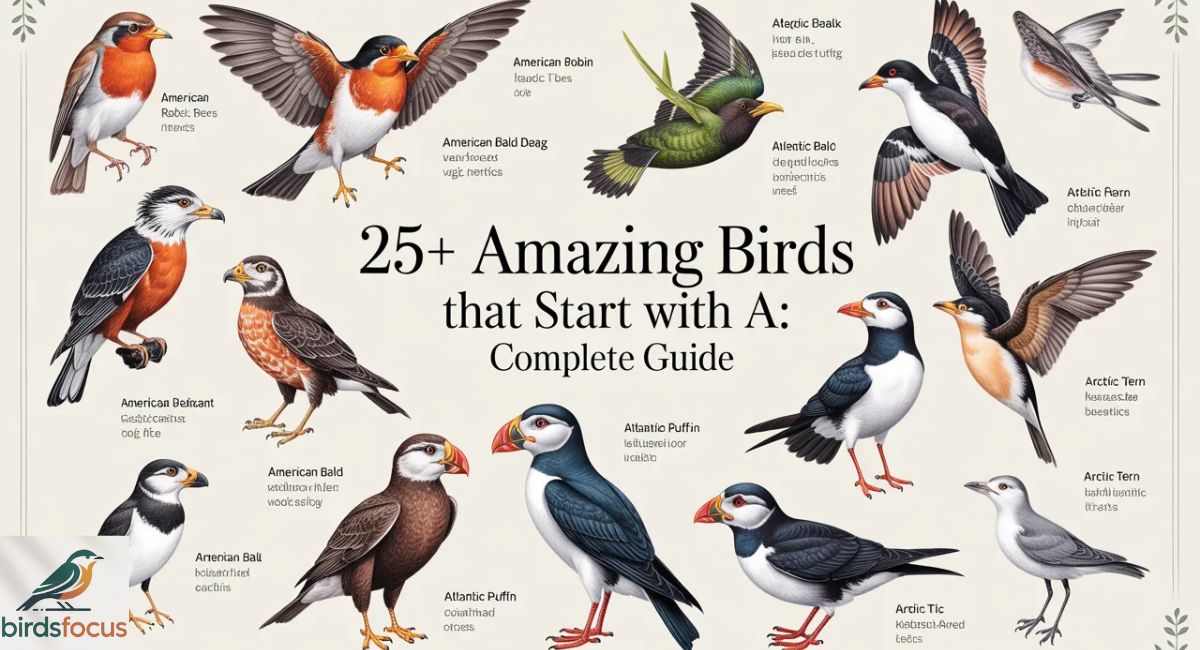
Discover the fascinating world of 25+ Amazing Birds That Start With A and uncover how these remarkable species add color and life to landscapes across the United States and beyond. From backyard favorites to rare sightings, learning about birds that start with A helps you notice details you might otherwise miss. This guide introduces you to unique behaviors, habitats, and fun facts while making birdwatching feel simple and rewarding. Whether you’re curious about migration or just want to recognize new species, exploring a bird identification guide, understanding bird species starting with A, and observing types of birds starting with A will deepen your appreciation for nature and inspire you to keep looking up.
List of 30 Birds That Start With A
Exploring 25+ Amazing Birds That Start With A through real examples allows you to connect names with living creatures you might see in parks, wetlands, forests, or coastlines. Each species carries unique traits shaped by evolution and environment. Understanding common birds with letter A alongside lesser known species builds a richer picture of global bird diversity. As you read about these birds, imagine their habitats and behaviors unfolding in real life. Knowledge of alphabetical bird names and bird species examples strengthens observation skills and makes every outdoor walk more engaging.
American Robin
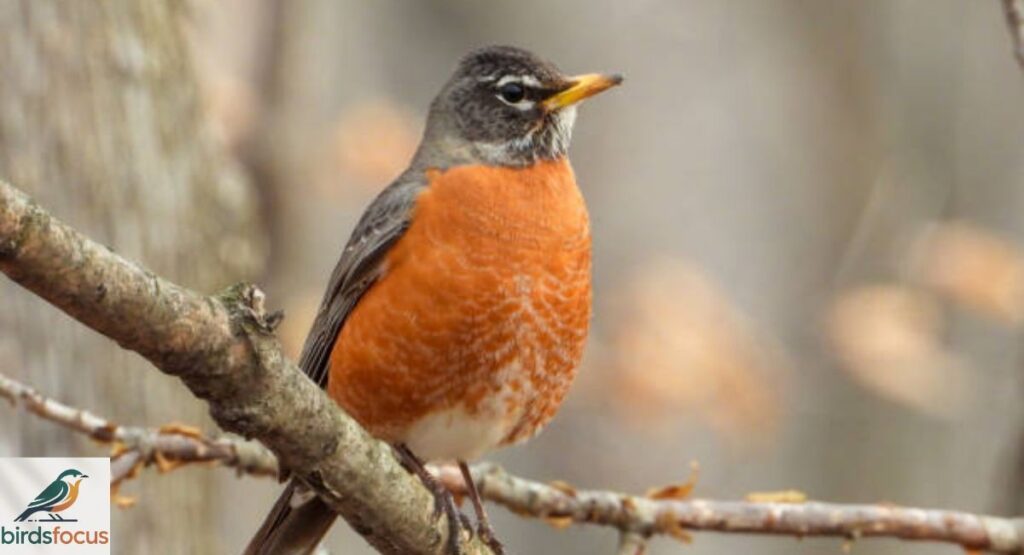
The American Robin is one of the most familiar birds in North America. You often see it hopping across lawns searching for worms. Its orange chest and cheerful song signal the arrival of spring. Robins adapt well to suburban environments and nest in trees or shrubs.
American Goldfinch
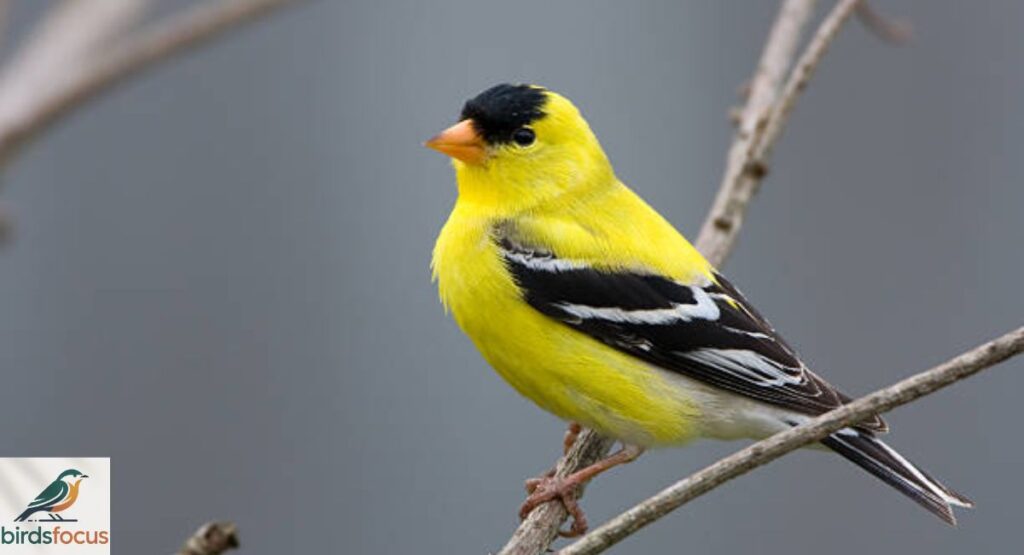
The American Goldfinch stands out with its bright yellow feathers during summer. It feeds mainly on seeds, especially from thistles and sunflowers. This bird has a bouncy flight pattern that makes it easy to recognize. In winter, its colors become duller for camouflage.
American Kestrel
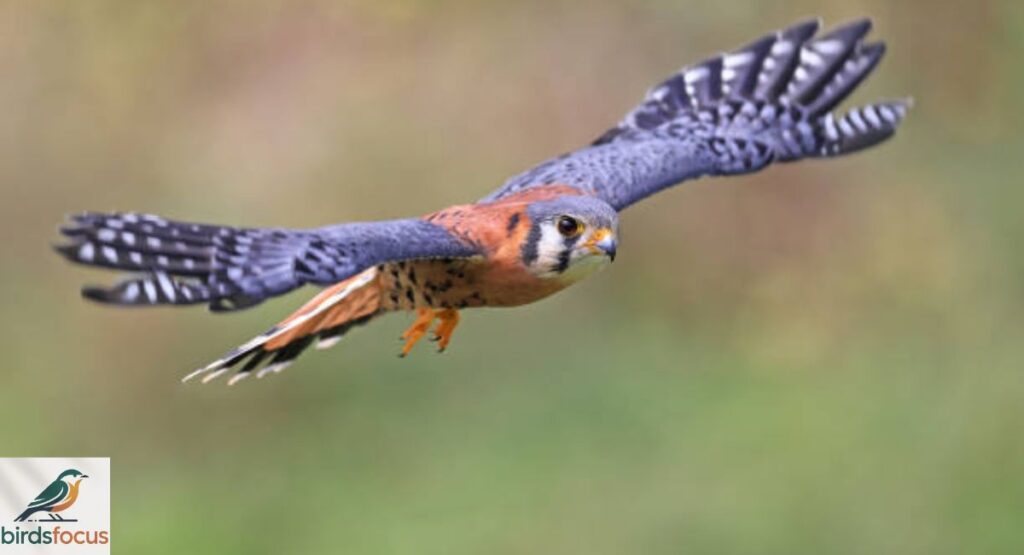
The American Kestrel is the smallest falcon in North America. It often perches on wires or poles while scanning for insects and small prey. Its hovering ability allows precise hunting. The bird’s striking face markings make
it easy to identify.
Anna’s Hummingbird
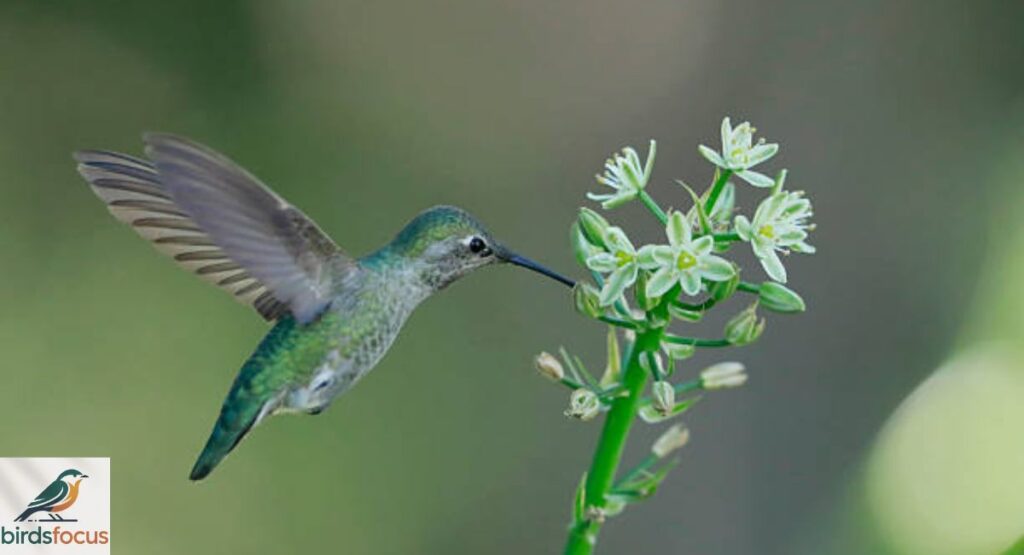
Anna’s Hummingbird is famous for its shimmering pink throat and incredible hovering skills. It feeds on nectar and tiny insects. Unlike many hummingbirds, it stays year round in some regions. Males perform dramatic diving displays during courtship.
Arctic Tern
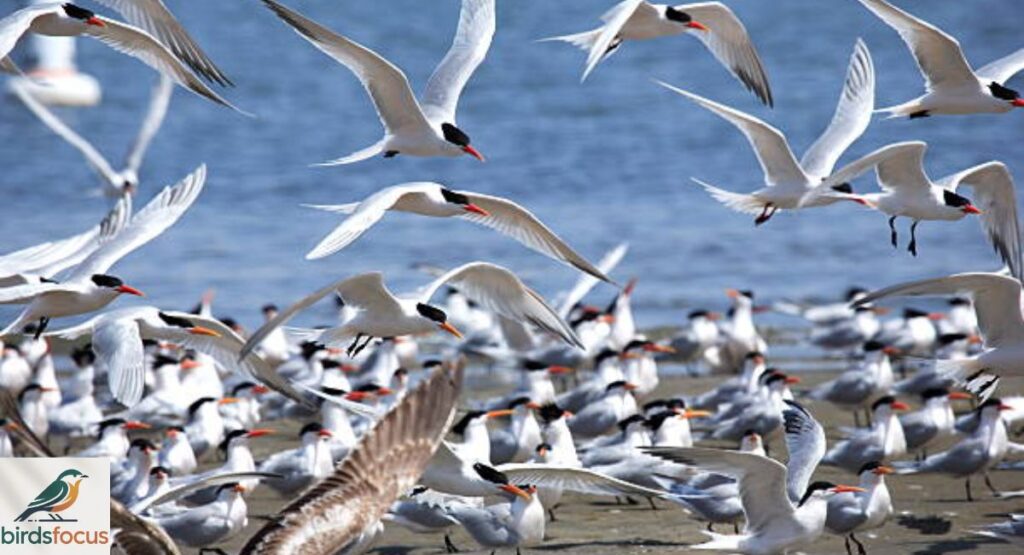
The Arctic Tern holds the record for the longest migration of any bird. It travels from the Arctic to the Antarctic each year. This journey lets it experience more daylight than any other creature. Its graceful flight over oceans is remarkable.
Albatross
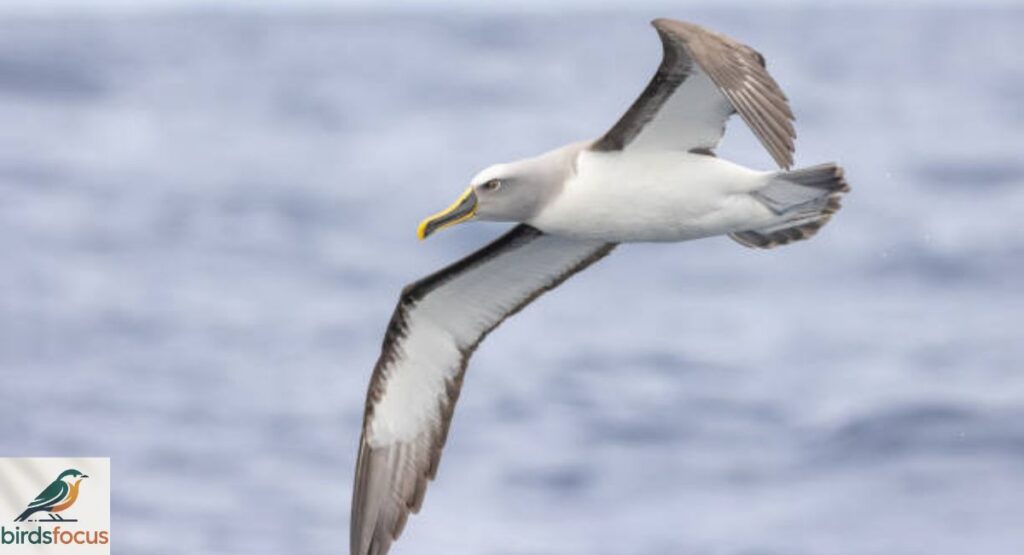
Albatrosses are ocean giants known for their enormous wingspans. They glide effortlessly for hours using wind currents. These birds spend most of their lives at sea and return to land only to breed. Their long lifespan is also impressive.
Atlantic Puffin
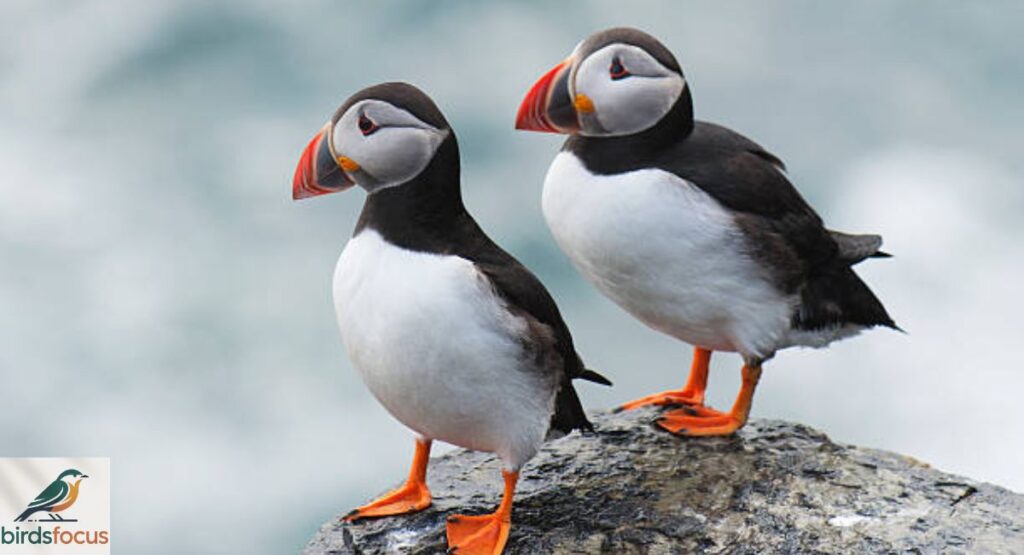
The Atlantic Puffin is often called the “clown of the sea” because of its colorful beak. It nests on rocky cliffs and dives underwater to catch fish. Puffins are excellent swimmers using their wings like flippers. They form strong breeding colonies.
African Grey Parrot
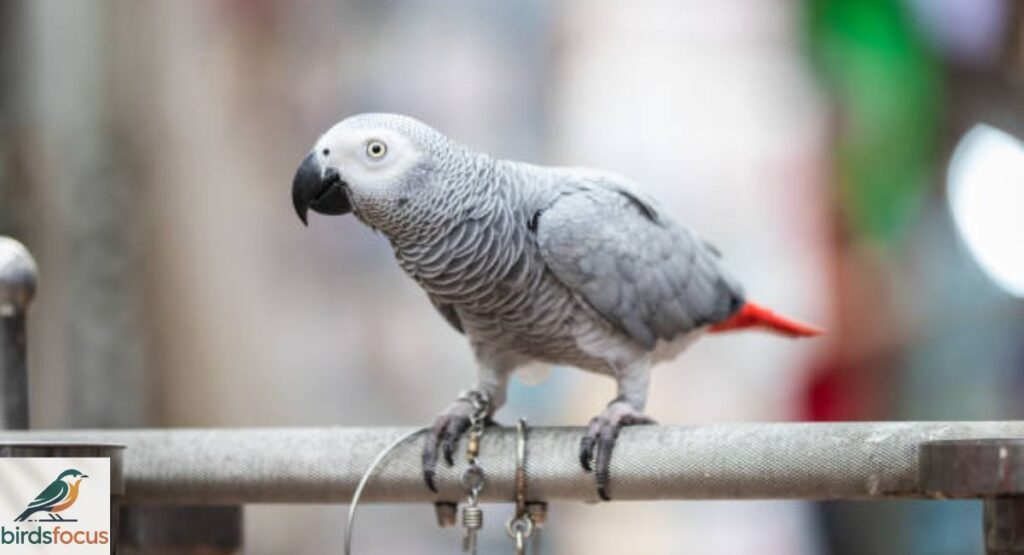
The African Grey Parrot is widely known for its intelligence and ability to mimic human speech. It lives in tropical forests and feeds on fruits and nuts. This parrot forms strong social bonds. Many consider it one of the smartest birds.
Andean Condor
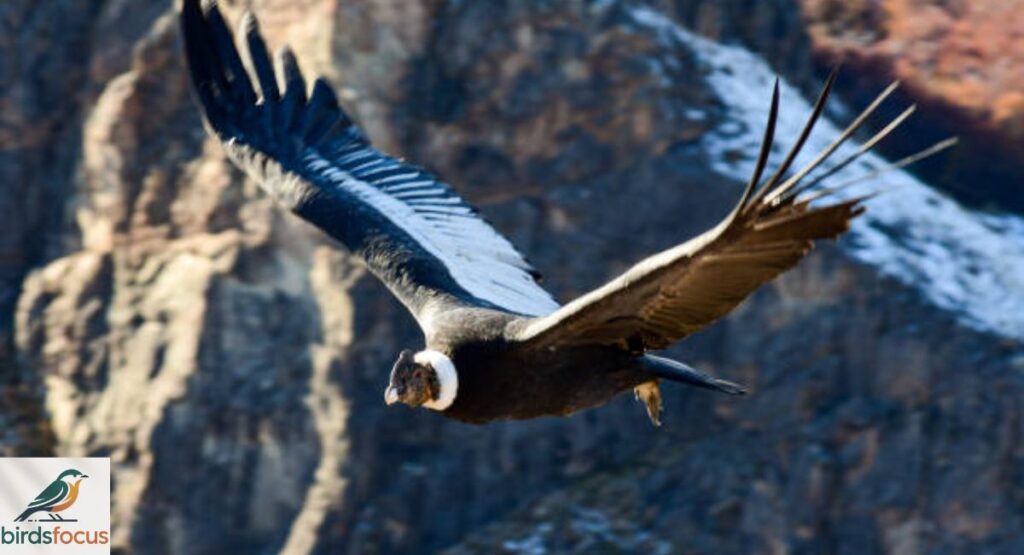
The Andean Condor is among the largest flying birds in the world. It soars high over mountain ranges using thermal currents. This scavenger plays an important role by cleaning up carrion. Its wingspan can exceed ten feet.
Amur Falcon
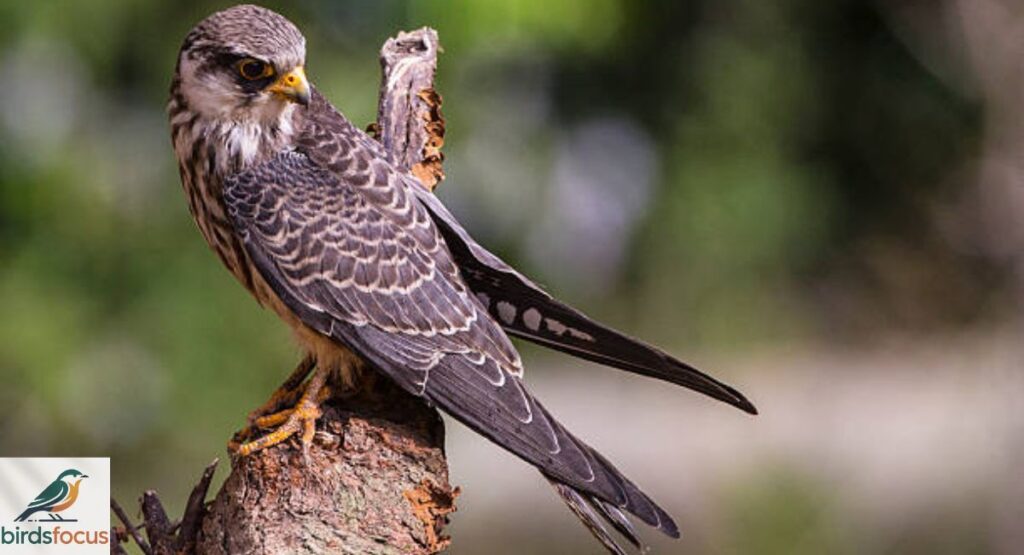
The Amur Falcon is a small but powerful migratory bird. It travels thousands of miles between Asia and Africa. These falcons feed heavily on insects during migration. Large flocks create an impressive sight in the sky.
American Bittern
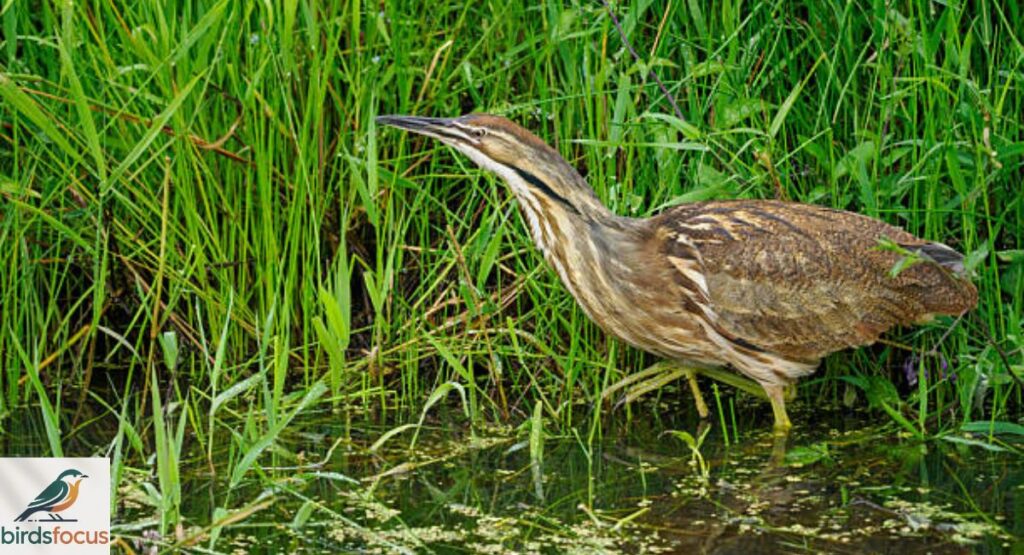
The American Bittern lives in marshes where it blends perfectly with reeds. When threatened, it points its bill upward to mimic surrounding plants. This camouflage makes it hard to spot. Its booming call echoes across wetlands.
American Coot
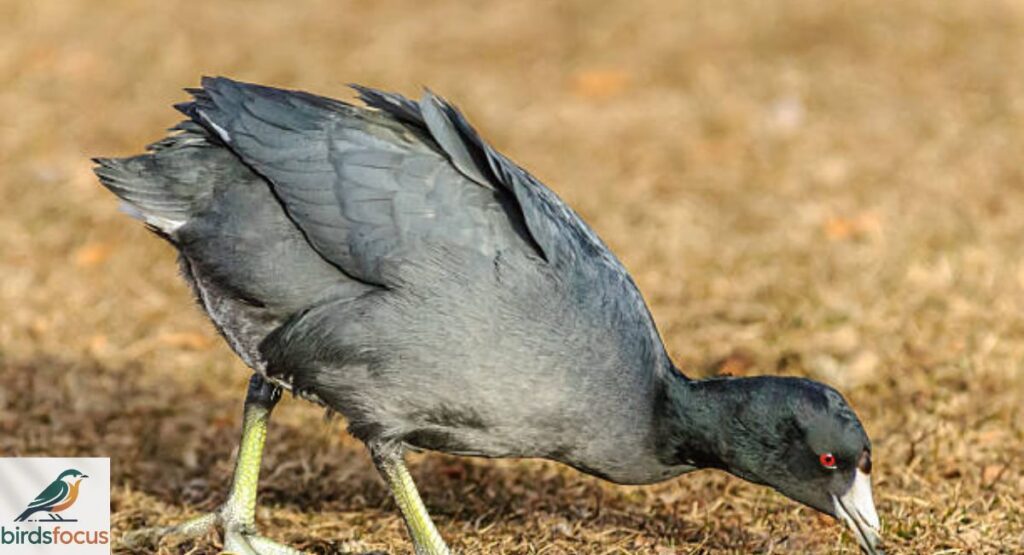
The American Coot is a common waterbird with a distinctive white bill. It swims gracefully across ponds and lakes. Lobed toes help it move easily through water. Coots often gather in large groups.
American Wigeon
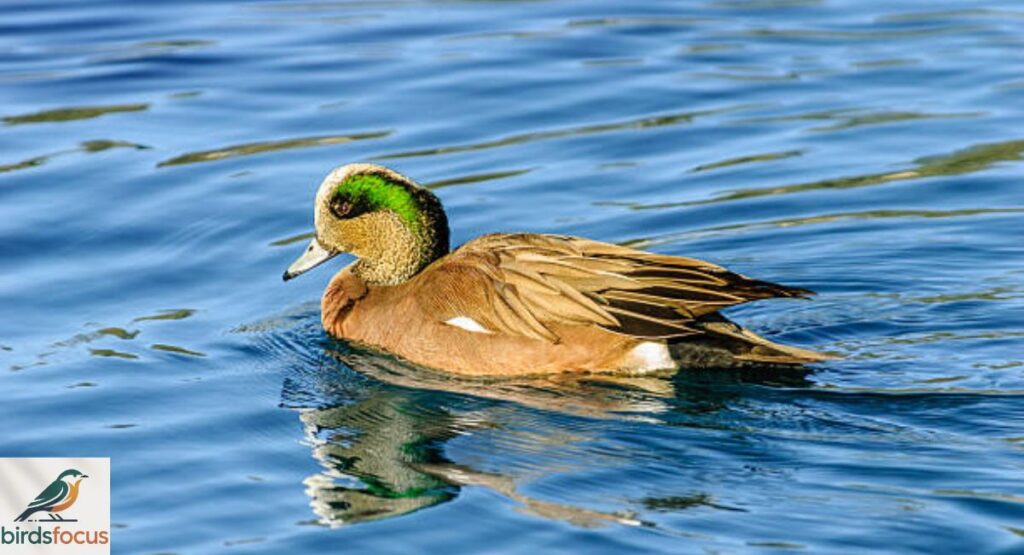
The American Wigeon is a dabbling duck recognized by its whistling call. It feeds on aquatic plants near the water’s surface. Males display a green eye patch and pale forehead. These ducks migrate seasonally.
American White Pelican
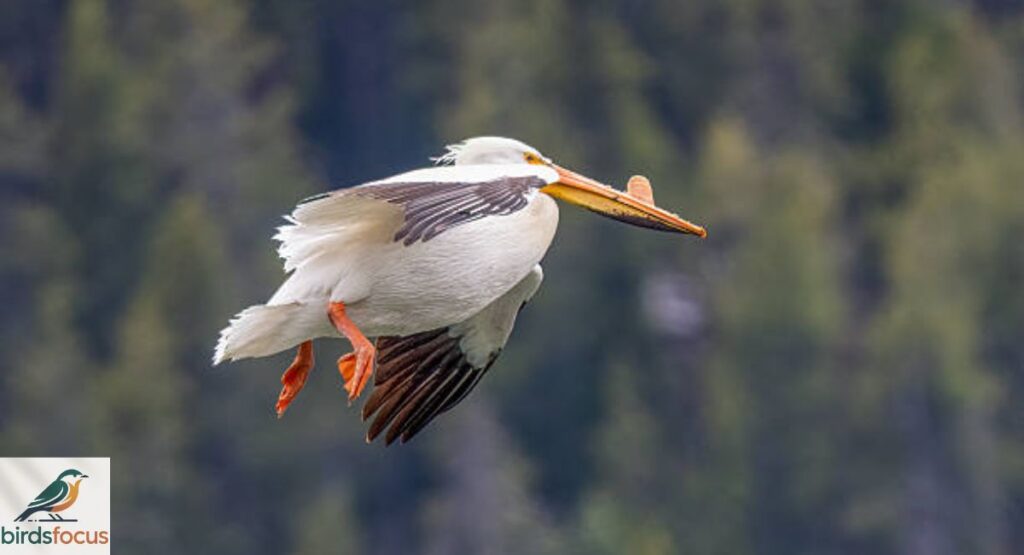
The American White Pelican is known for cooperative fishing behavior. Groups work together to herd fish into shallow water. Its large wings allow smooth soaring. During breeding season, it develops a horn like bump on its bill.
American Redstart
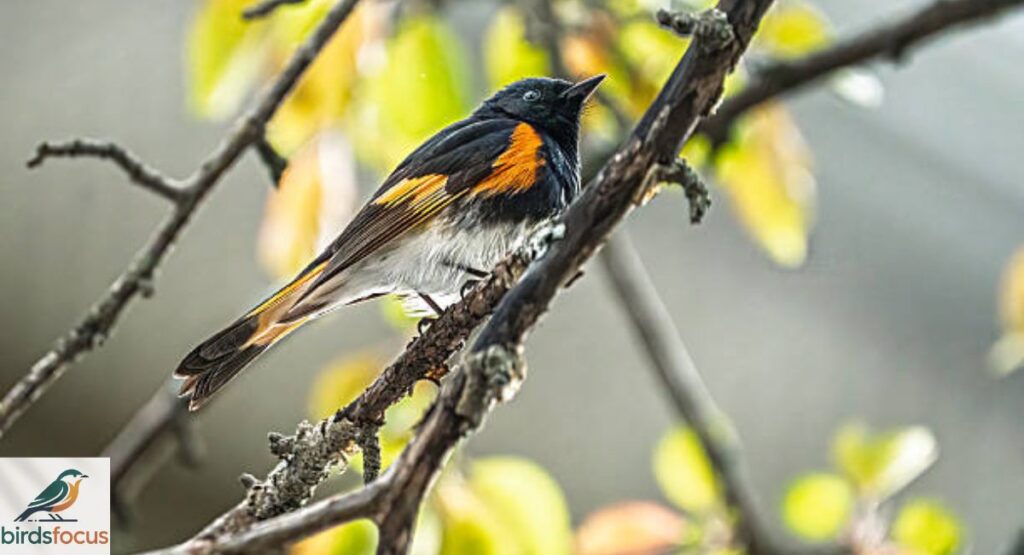
The American Redstart is a lively songbird often seen flashing its tail. It uses this movement to flush insects from hiding. Bright orange patches make males especially striking. It prefers wooded habitats.
American Woodcock
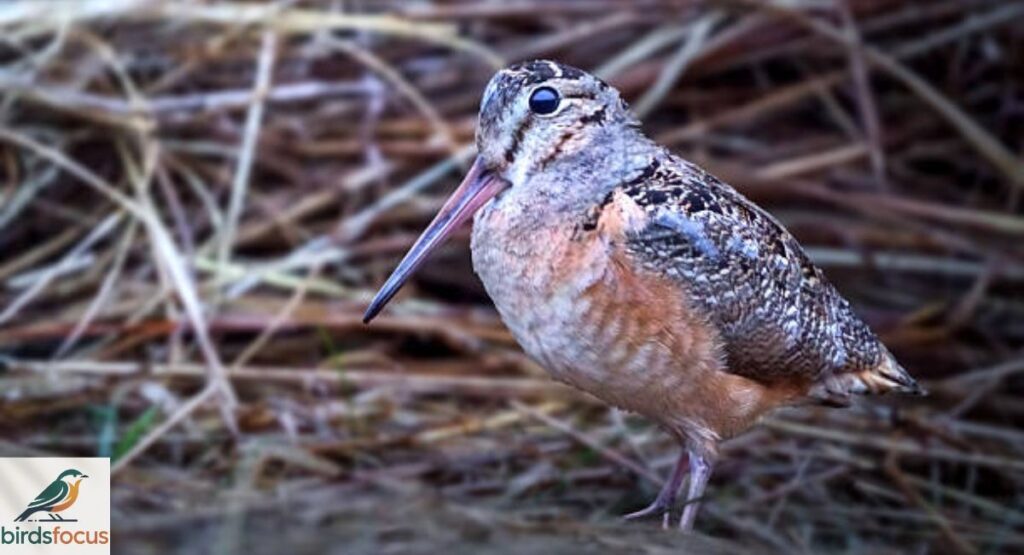
The American Woodcock is famous for its unusual courtship display. Males perform spiral flights at dusk while making musical sounds. This bird feeds by probing soil for earthworms. Its mottled feathers provide excellent camouflage.
American Tree Sparrow
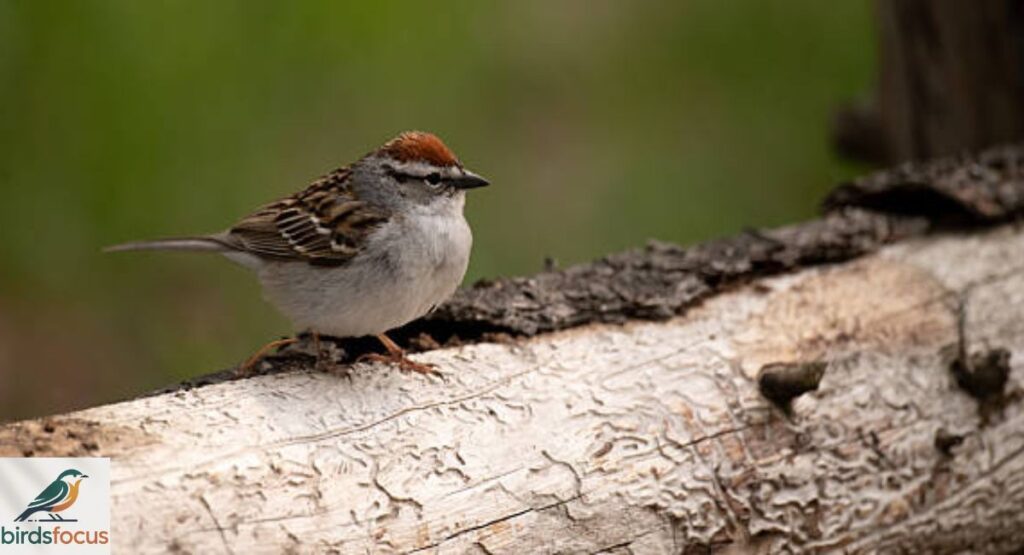
The American Tree Sparrow visits many parts of the United States during winter. It feeds on seeds in open fields and backyards. A small dark spot on its chest helps identification. Its soft calls are pleasant to hear.
American Dipper
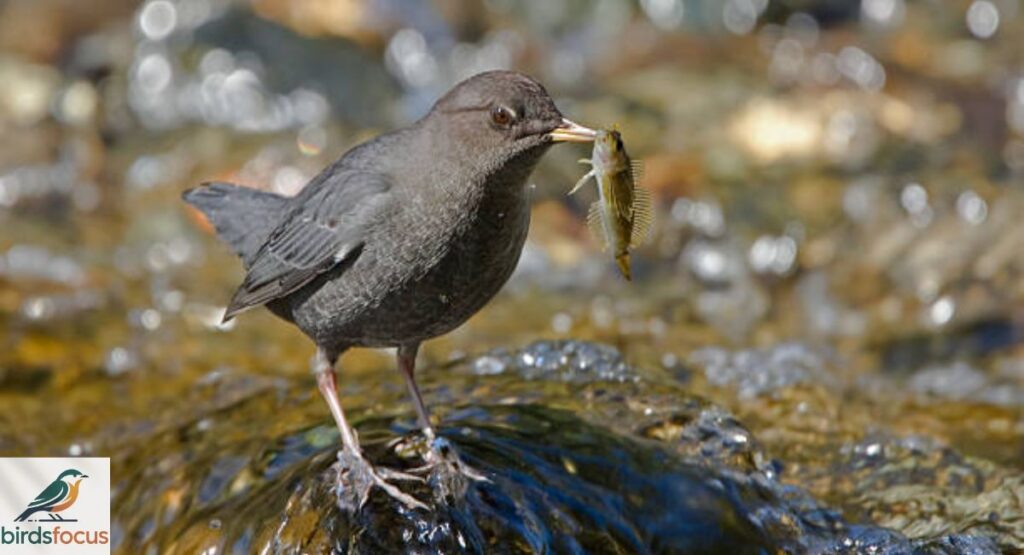
The American Dipper is unique because it walks underwater in fast streams. It searches for aquatic insects beneath the surface. This bird has a stocky body and constant bobbing motion. It thrives in clean mountain waters.
American Crow
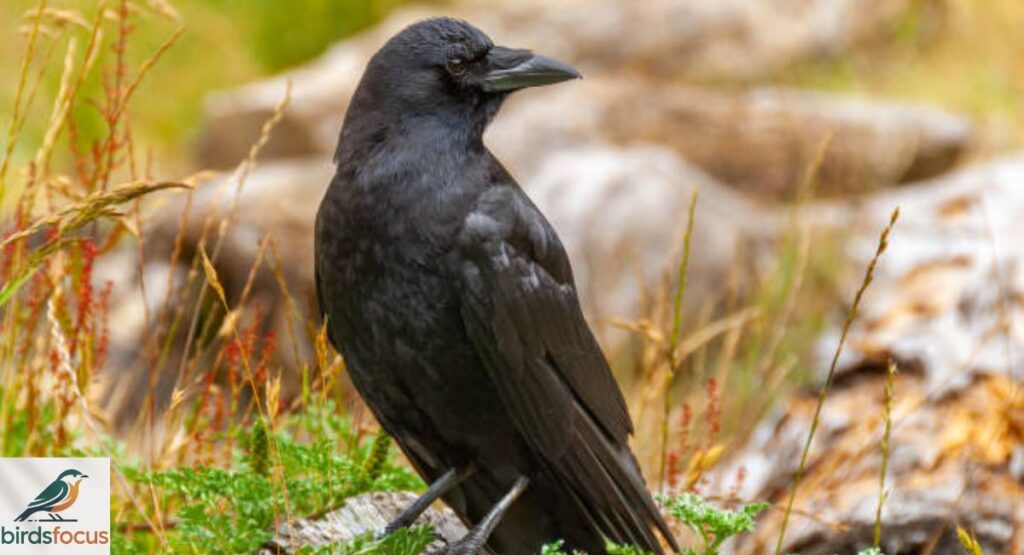
The American Crow is highly adaptable and extremely intelligent. It uses tools and solves problems with ease. Crows communicate through a variety of calls. They live comfortably in both rural and urban areas.
Asian Koel
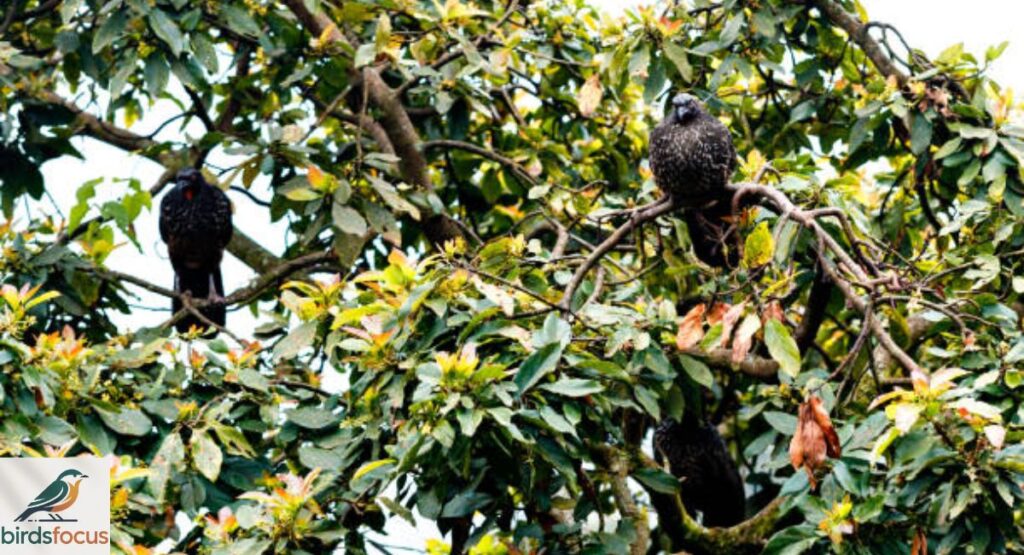
The Asian Koel is known for its loud and melodic call. It often lives near forests and gardens. This bird lays eggs in other birds’ nests, a behavior called brood parasitism. Its call is heard especially during breeding season.
Australian Magpie
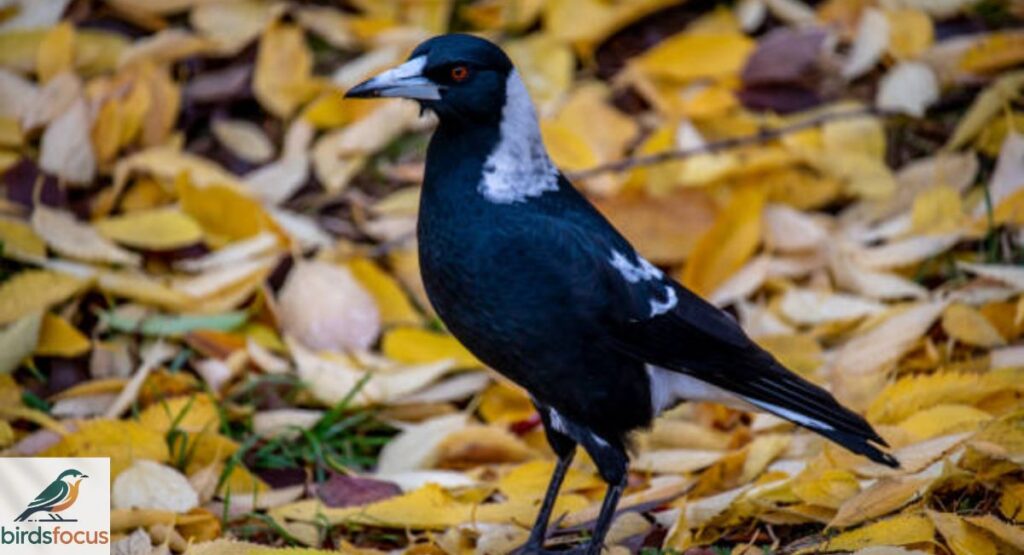
The Australian Magpie is famous for its rich, flute like song. It forms strong family groups and defends territory actively. These birds are curious and recognize people. Their black and white plumage is distinctive.
Azure Kingfisher
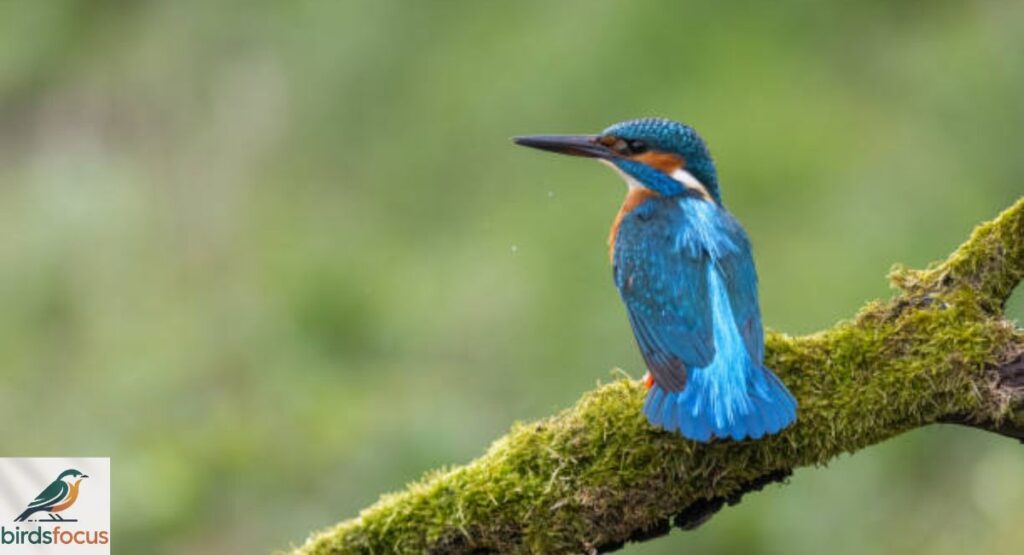
The Azure Kingfisher dazzles with bright blue feathers and a swift flight. It hunts by diving into water for small fish. You’ll usually find it near rivers or streams. Its sharp call echoes along waterways.
African Fish Eagle
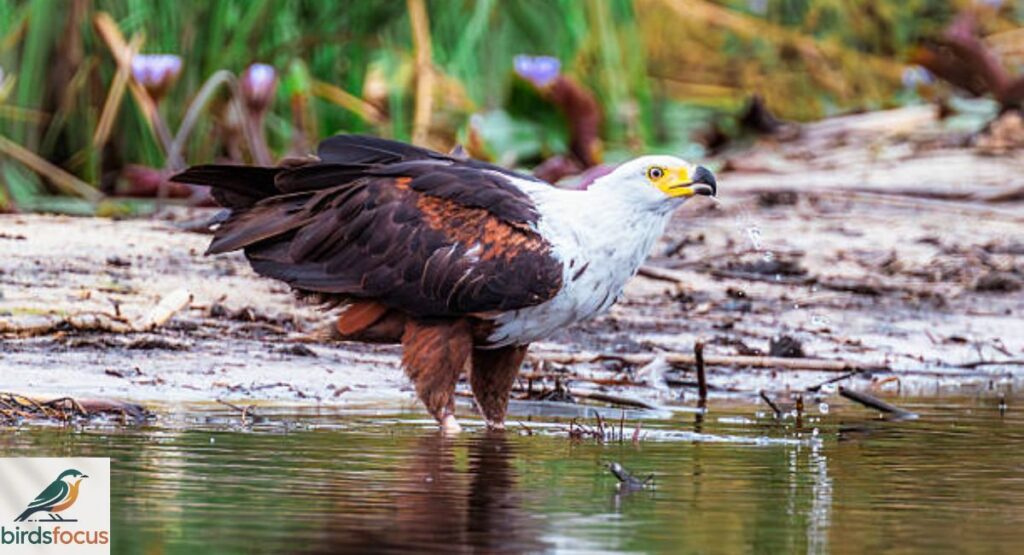
The African Fish Eagle is a powerful raptor often seen near lakes. Its iconic call is sometimes called the sound of Africa. It swoops down to catch fish with sharp talons. The bird’s white head stands out clearly.
African Penguin
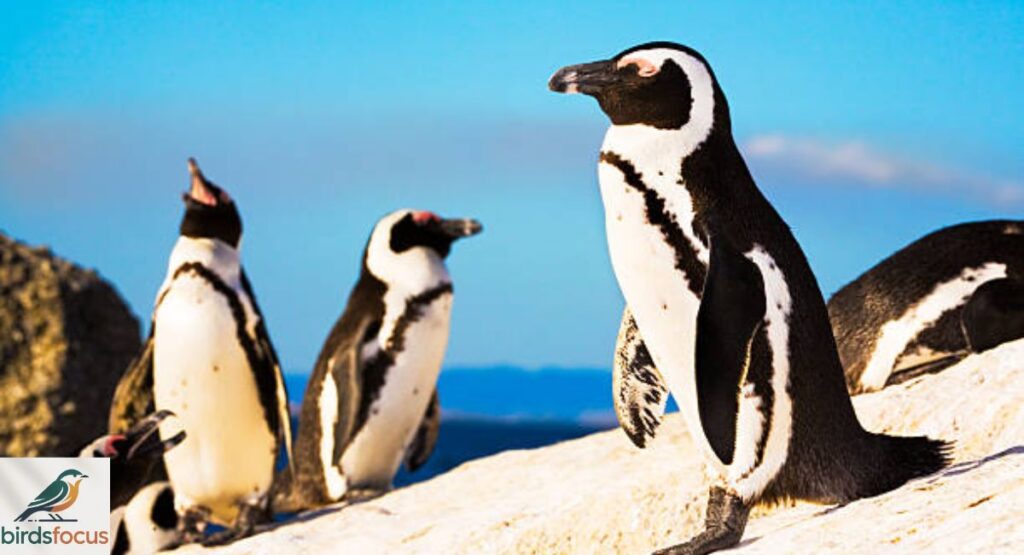
The African Penguin lives along southern African coasts. It nests in colonies and communicates with braying calls. These penguins are excellent swimmers. Their social behavior makes them fascinating to observe.
Arabian Bustard
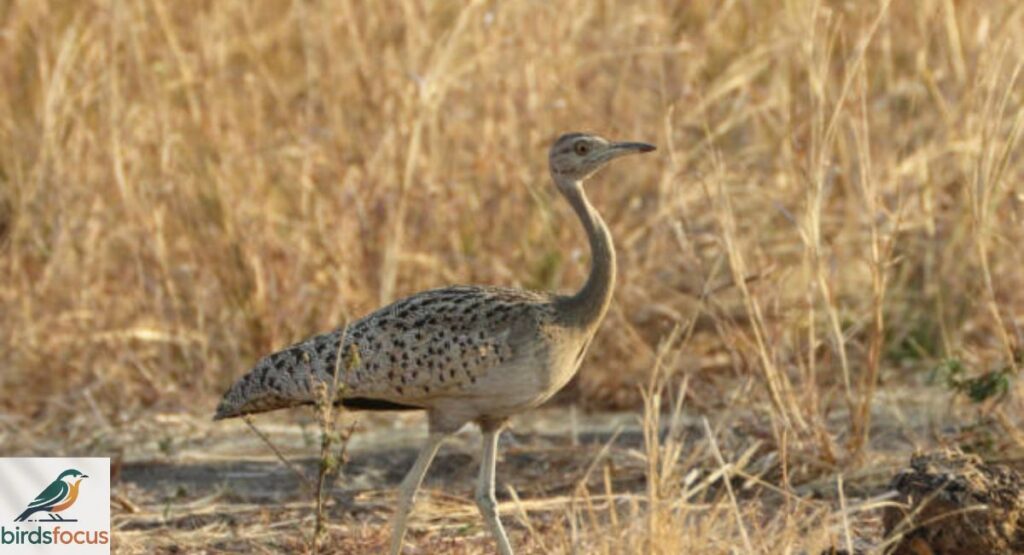
The Arabian Bustard is a ground dwelling bird adapted to desert life. It feeds on insects and plants. Its camouflaged feathers blend with sandy environments. Conservation efforts aim to protect its declining population.
Ashy Drongo
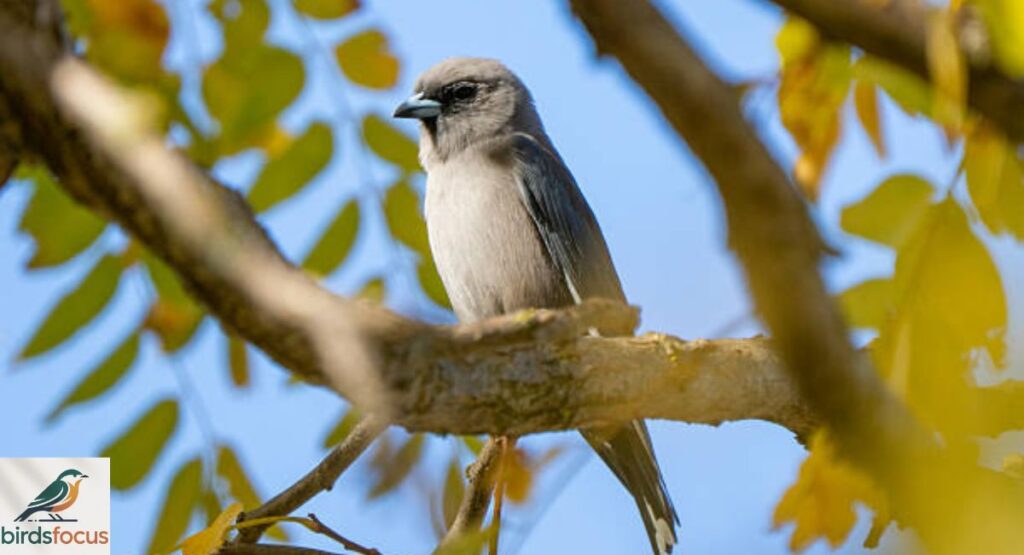
The Ashy Drongo is a sleek bird known for catching insects mid air. It often perches high before darting out to hunt. This species shows impressive agility. Its gray coloring gives it a subtle appearance.
Alpine Swift
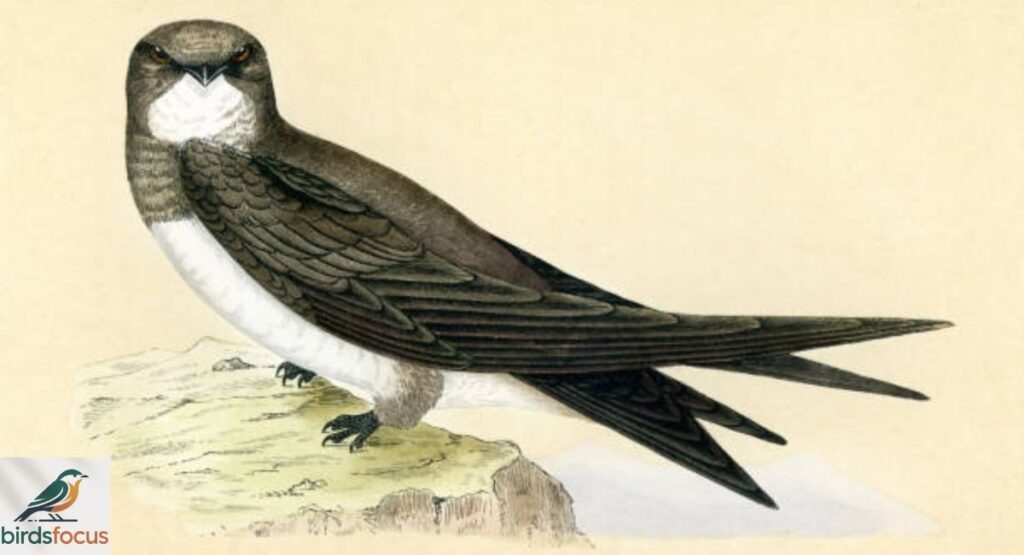
The Alpine Swift spends much of its life in flight. It nests on cliffs and feeds on airborne insects. These birds can remain airborne for long periods. Their swift flight is thrilling to watch.
Andean Flamingo
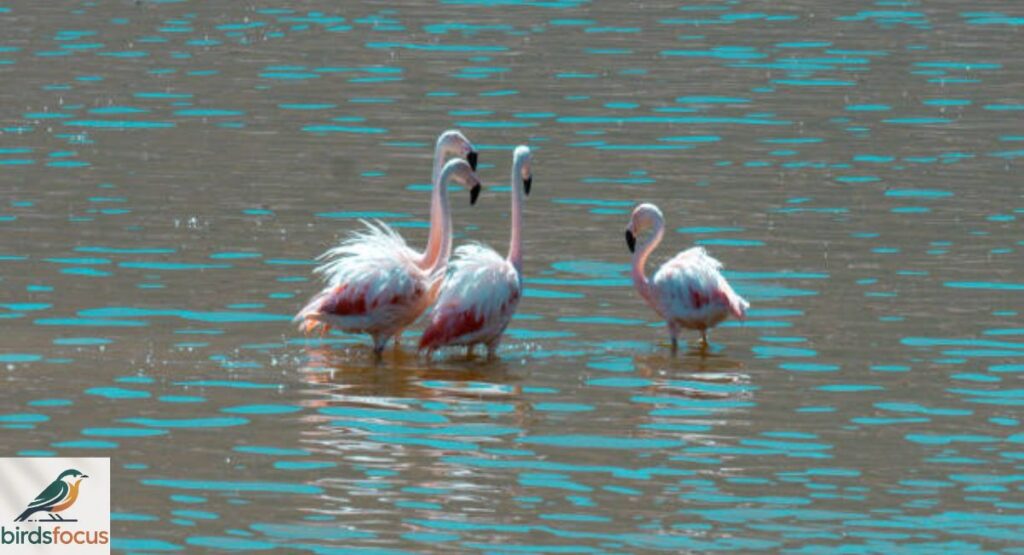
The Andean Flamingo lives in high altitude salt lakes. Its pink color comes from pigments in its diet. Long legs help it wade through shallow water. It feeds by filtering tiny organisms.
Andean Goose
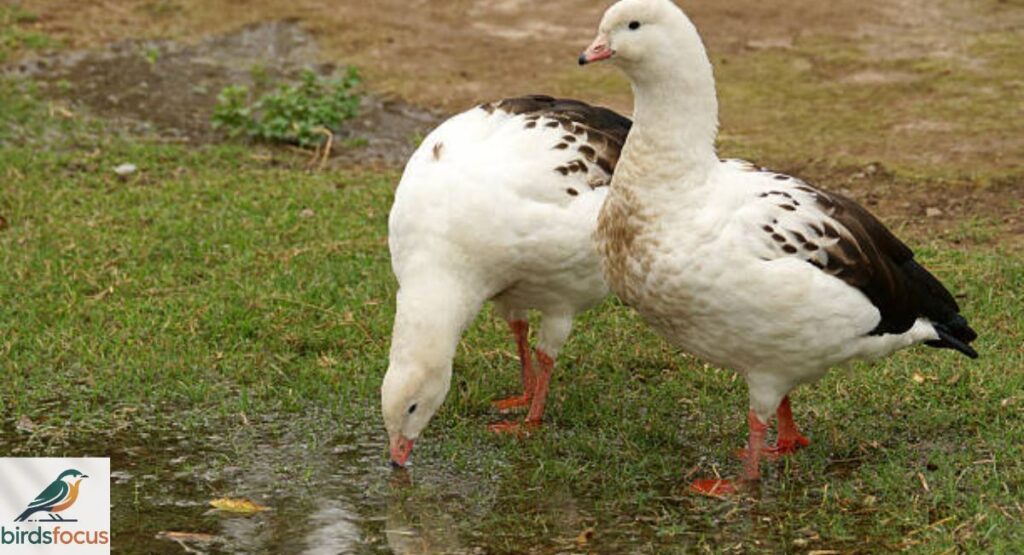
The Andean Goose thrives in mountainous regions with cold climates. Pairs often stay together for life. Thick feathers protect against harsh conditions. It grazes on grasses near lakes.
American Avocet
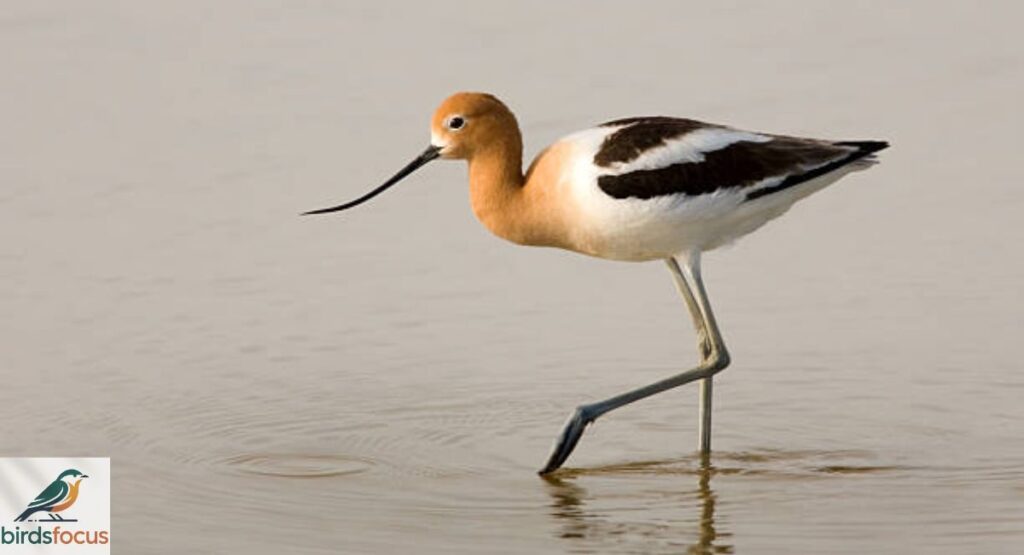
The American Avocet is elegant with long legs and a gently upturned bill. It sweeps its bill through water to catch small prey. During breeding season, its head turns a warm cinnamon color. It frequents wetlands and shallow lakes.
The following table highlights key details that help you quickly understand how each species lives and what makes it memorable. Seeing their habitats and traits side by side reveals patterns in adaptation and survival. From ocean wanderers like the albatross to backyard visitors like the American Robin, these birds show how varied and remarkable the avian world can be. Studying them also introduces ideas connected to a wildlife birds list and helps you recognize both familiar and rare species in different environments.
| Bird | Habitat | Key Trait |
| American Robin | Gardens and forests | Cheerful song |
| American Goldfinch | Fields and suburbs | Bright yellow color |
| American Kestrel | Open countryside | Small falcon |
| Anna’s Hummingbird | Western US | Hovering flight |
| Arctic Tern | Coastal regions | Long migration |
| Albatross | Open oceans | Huge wingspan |
| Atlantic Puffin | Cliffs | Colorful beak |
| African Grey Parrot | Forests | Intelligent mimic |
| Andean Condor | Mountains | Massive size |
| Amur Falcon | Grasslands | Long distance traveler |
| American Bittern | Marshes | Excellent camouflage |
| American Coot | Lakes | Strong swimmer |
| American Wigeon | Wetlands | Whistling call |
| American White Pelican | Lakes and coasts | Cooperative fishing |
| American Redstart | Woodlands | Active tail display |
| American Woodcock | Forest floors | Unique courtship flight |
| American Tree Sparrow | Fields | Winter visitor |
| American Dipper | Streams | Underwater feeding |
| American Crow | Cities and farms | High intelligence |
| Asian Koel | Forest edges | Melodious call |
| Australian Magpie | Open lands | Complex songs |
| Azure Kingfisher | Rivers | Bright blue plumage |
| African Fish Eagle | Lakes | Powerful call |
| African Penguin | Coasts | Social behavior |
| Arabian Bustard | Deserts | Ground dweller |
| Ashy Drongo | Forests | Agile hunter |
| Alpine Swift | Mountains | Long flight endurance |
| Andean Flamingo | Salt lakes | Pink feathers |
| Andean Goose | Highlands | Strong pair bonds |
| American Avocet | Wetlands | Upturned bill |
How to Identify Birds That Start With A
Identifying Birds That Start With A becomes easier when you focus on shape, size, color patterns, and behavior. Notice how a bird moves through its environment. Some glide, others hop, and some dive. Listening to calls also provides clues. Applying knowledge from a bird identification guide, observing migration patterns, and noting habitat features builds confidence. Keeping a journal helps track sightings and strengthens memory through practice.
Seasonal awareness improves accuracy because certain species appear only during migration or breeding periods. Pay attention to feeding habits, nesting locations, and social behavior. Understanding physical characteristics, geographic distribution, and nesting habits allows you to distinguish similar species. Over time, recognizing birds that start with A feels intuitive. Each observation sharpens your awareness and deepens your connection with nature.
Why Birds Are Important to Ecosystems
Learning about Birds That Start With A reveals their essential roles in maintaining ecological balance. Many birds spread seeds which helps forests regenerate. Others control insect populations that might harm crops. This connection highlights the importance of ecosystem role, biodiversity, and wildlife conservation. Healthy bird populations reflect stable environments that support diverse life forms.
Birds also act as early indicators of environmental change. Declines in numbers can signal habitat loss or pollution. Protecting wetlands, forests, and grasslands supports both birds and human communities. Studying avian species, respecting natural habitats, and promoting species diversity encourages sustainable living. Every effort to conserve birds contributes to a healthier planet.
Conclusion
Exploring 25+ Amazing Birds That Start With A offers a deeper appreciation for the richness of the natural world. Each species tells a story about adaptation, survival, and connection to the environment. By learning about birds that start with A, you sharpen observation skills and discover new details in familiar places. Insights from ornithology, awareness of bird ecosystems, and respect for the natural environment inspire meaningful connections with wildlife. Whether you watch birds from your backyard or travel to distant landscapes, every sighting becomes an opportunity to learn and feel closer to nature’s rhythm.
FAQs
1. What are some common birds that start with A in the United States?
American Robin, American Goldfinch, and American Crow are among the most commonly seen birds that start with A in backyards and parks.
2. Why should I learn about birds that start with A?
Learning helps improve birdwatching skills and builds a deeper appreciation for wildlife and local ecosystems.
3. Where can I spot birds that start with A?
You can find them in forests, wetlands, coastal areas, and even urban neighborhoods depending on the species.
4. Are any birds that start with A migratory?
Yes, many species like the Arctic Tern and Amur Falcon travel long distances during seasonal migrations.
5. How can I attract birds that start with A to my yard?
Provide fresh water, native plants, and feeders to create a welcoming habitat for local birds.

Welcome to birdsfocus! I’m Anam Sattar, an AI Powered SEO, and Content Writer with 4 years of experirnce.
I help websites rank higher,grow traffic, and look amazing. My goal is to make SEO and web design simple and effective for everyone.
Let’s achieve more together!