


Have you ever wondered How Do Birds Mate and why their reproduction is so different from mammals? Birds follow a fascinating process that begins with courtship and ends with raising healthy chicks. Instead of traditional mating, most species use a unique method called the cloacal kiss to achieve internal fertilization. Along the way, they perform impressive dances, sing beautiful songs, build secure nests, and provide excellent parental care for their young.
Understanding bird reproduction helps you appreciate the incredible adaptations that allow birds to thrive in almost every habitat on Earth. In this guide, you’ll discover exactly How Do Birds Mate, explore a simple mating diagram, and learn surprising facts that many people never knew.
How Do Birds Mate?
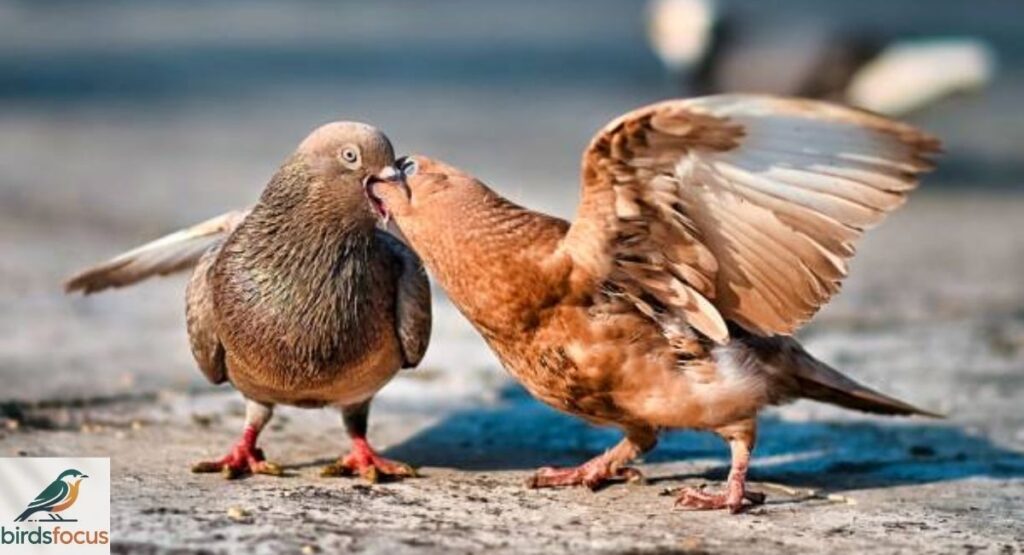
Bird mating may look simple from the outside, yet it is one of nature’s most efficient reproductive systems. Unlike mammals, nearly all birds rely on a specialized opening called the cloaca to reproduce. Before mating takes place, both male and female birds spend days or even weeks finding the right partner through songs, colorful feathers, dances, and other courtship behaviors. These displays help each bird choose a healthy mate capable of producing strong offspring.
Once courtship is complete, the actual mating process lasts only a few seconds. During this brief moment, sperm passes from the male to the female through a process known as the cloacal kiss. Fertilization then occurs inside the female’s body before eggs develop. Although the physical act is short, the complete bird reproduction process includes many carefully timed stages that ensure chicks have the best chance of survival.
How Bird Reproduction Works
Birds reproduce through internal fertilization, meaning the egg is fertilized inside the female before it is laid. During the breeding season, hormones cause both males and females to become reproductively active. Male birds produce sperm inside enlarged testes, while females develop mature eggs within the ovary. After successful mating, sperm travels into the female’s reproductive tract where it can remain alive for several days or even weeks inside specialized sperm storage tubules until an egg is ready for fertilization. This remarkable adaptation increases breeding success and allows females to lay several fertile eggs after only one or a few mating events.
What Is the Cloaca?
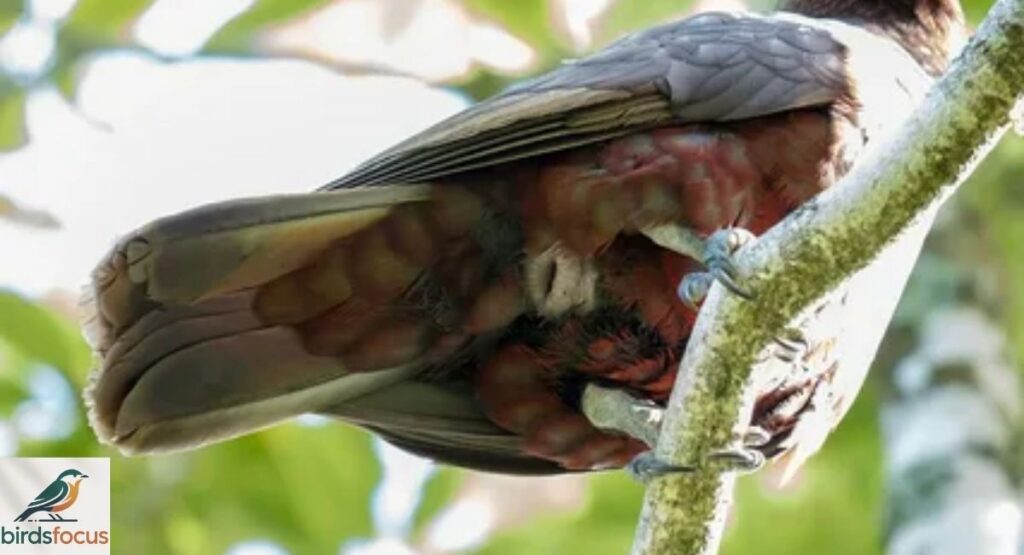
The cloaca is a single opening located beneath a bird’s tail. Unlike mammals, birds use this one structure for reproduction, digestion, and waste removal. During most of the year, the cloaca remains small and unnoticeable. However, breeding hormones cause it to swell slightly during nesting season, making reproduction easier.
This simple design has helped birds remain lightweight for millions of years. A lighter body supports efficient flight while still allowing successful reproduction. More than 97 percent of bird species use the cloaca for mating, making it one of the defining features of avian reproduction.
Bird Mating Diagram (Explain with Illustration)
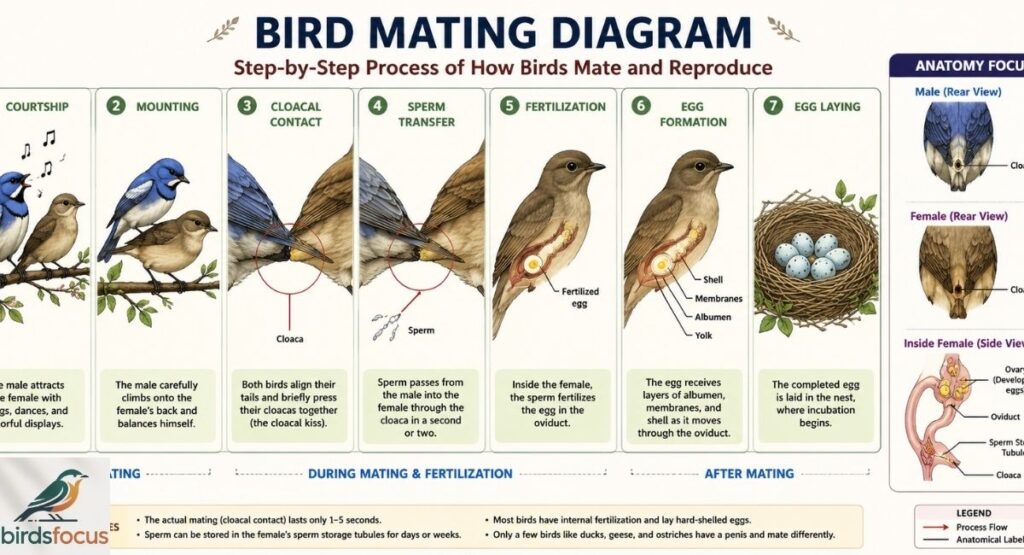
| Step | What Happens |
| Courtship | Male attracts the female using songs, dances, or colorful feathers. |
| Mounting | The male balances carefully on the female’s back. |
| Cloacal Contact | Both birds briefly press their cloaca together. |
| Sperm Transfer | Sperm moves into the female’s reproductive tract. |
| Fertilization | The egg becomes fertilized inside the female. |
| Egg Formation | Layers of albumen, membranes, and shell develop. |
| Egg Laying | The completed egg is laid inside a prepared nest. |
A simple labeled diagram should identify the male bird, female bird, cloaca, sperm transfer, fertilized egg, and developing egg. Readers often understand the process much faster through a visual explanation than through text alone.
The Cloacal Kiss Explained
The famous cloacal kiss is the brief reproductive contact between most male and female birds. The male carefully balances on the female while both twist their tails to align the cloaca. For only one or two seconds, their cloacas touch, allowing sperm to transfer into the female. Although the moment is incredibly short, it is usually enough for successful fertilization. Afterward, the female stores sperm until ovulation occurs, ensuring eggs are fertilized at exactly the right time.
Why Do Birds Mate Without Touching?
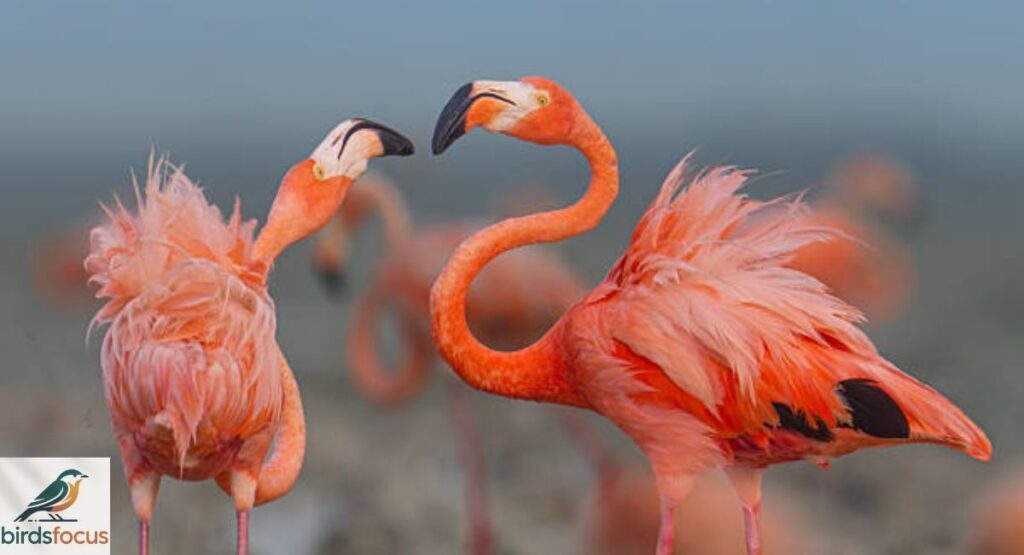
Many people search online because they believe birds never touch while mating. In reality, birds do make physical contact. The difference is that they don’t mate the same way mammals do. Since most species lack external reproductive organs, they only need brief cloacal contact to transfer sperm. The entire event often lasts just a few seconds, making it easy to miss even if you’re watching nearby.
This efficient reproductive method reduces body weight and supports flight. Evolution favored birds with lighter bodies, and over millions of years, most species lost external mating organs. Today, the bird mating process remains one of the fastest and most effective reproductive strategies found in the animal kingdom.
Do Birds Actually Touch During Mating?
Yes, they do. Birds must touch briefly for fertilization to occur. During mating, the male climbs onto the female’s back while both birds position their tails so their cloacas meet. This short contact allows sperm transfer before the birds separate almost immediately. Because the movement happens so quickly, many observers assume birds never touch at all.
Why Most Birds Don’t Need Penises
Nearly all birds reproduce successfully without external reproductive organs because the cloacal kiss transfers sperm directly into the female. Scientists believe birds gradually lost penises during evolution because this adaptation reduced body weight and may have allowed females greater control over mate selection. Today, around 97 percent of bird species reproduce using only the cloaca.
Which Birds Mate Differently?
Not every bird follows the same reproductive pattern. Ducks, geese, swans, and several other waterfowl possess a penis instead of relying entirely on cloacal contact. These species often mate in water, where a reproductive organ improves fertilization success. Ducks have some of the most unusual reproductive anatomy in the animal world, with spiral-shaped organs that evolved through millions of years of reproductive competition. Ostriches and emus also have reproductive structures that differ from those of most flying birds, showing how bird evolution has produced several successful mating strategies.
| Bird Group | Mating Method | External Reproductive Organ |
| Songbirds | Cloacal kiss | No |
| Eagles | Cloacal kiss | No |
| Parrots | Cloacal kiss | No |
| Pigeons | Cloacal kiss | No |
| Ducks | Internal copulation | Yes |
| Geese | Internal copulation | Yes |
| Swans | Internal copulation | Yes |
| Ostriches | Internal copulation | Yes |
How Do Birds Choose Their Mates?
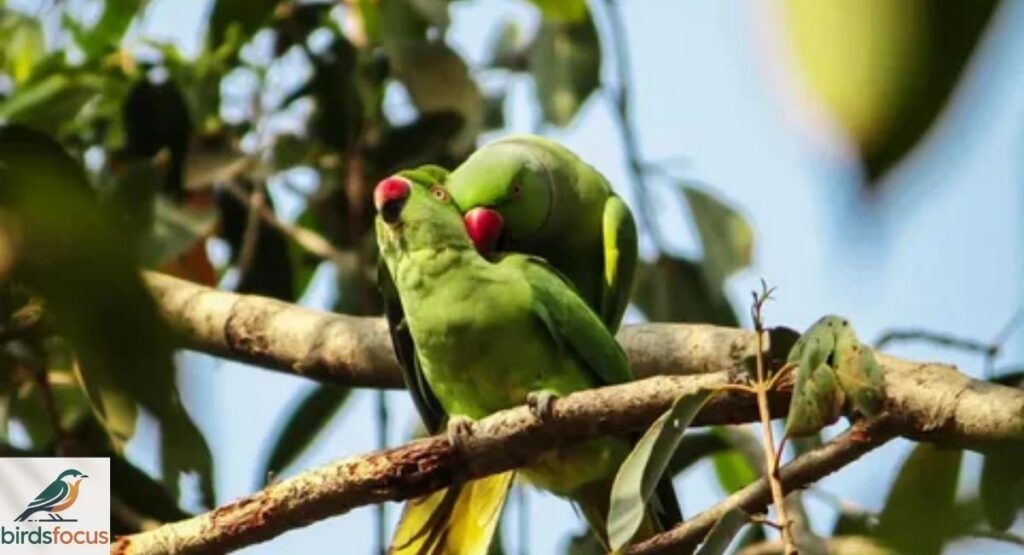
Choosing a mate is one of the most important parts of How Do Birds Mate because it determines whether future chicks have the best chance of survival. Birds don’t simply find the nearest partner. Instead, they spend days or even weeks proving their health, strength, and ability to raise young. Every song, dance, feather display, and gift sends a message that helps the opposite sex decide if a bird is a suitable mate.
Scientists call this process sexual selection, and it has shaped bird behavior for millions of years. Some species rely on beautiful plumage, while others depend on impressive songs or acrobatic flights. Together, these courtship displays help birds recognize members of the same species, reduce conflict, and strengthen pair bonds before reproduction begins.
Courtship Displays
Courtship displays are carefully planned performances that show fitness and confidence. A male may spread his wings, puff out colorful feathers, bow repeatedly, or perform graceful aerial movements to impress a female. These displays require energy and precision, proving that the bird is healthy enough to survive despite attracting predators. In species such as cranes and grebes, both partners dance together, reinforcing trust before mating.
Bird Songs and Calls
Bird songs are much more than pleasant sounds. They advertise territory, attract mates, and help females judge the quality of a potential partner. A loud, complex song often signals excellent health and strong bird communication skills. Some species even develop unique local songs, allowing females to recognize experienced males from their own population.
Colorful Feathers and Dancing
Brilliant feathers are not just beautiful. They act as honest advertisements of good health. Bright reds, blues, and greens often indicate a nutritious diet and strong immune system. The peacock remains one of the world’s best-known examples. His enormous tail appears difficult to carry, yet surviving with such extravagant feathers proves remarkable fitness, making females more likely to choose him.
Gifts, Food, and Other Courtship Behaviors
Many birds go beyond singing and dancing by offering food to potential mates. Kingfishers present freshly caught fish, while terns deliver small prey before breeding. This behavior, known as courtship feeding, demonstrates that the male can provide enough food for future chicks. Other species exchange nesting materials or gently groom each other’s feathers, strengthening trust before reproduction begins.
Do Birds Mate for Life?
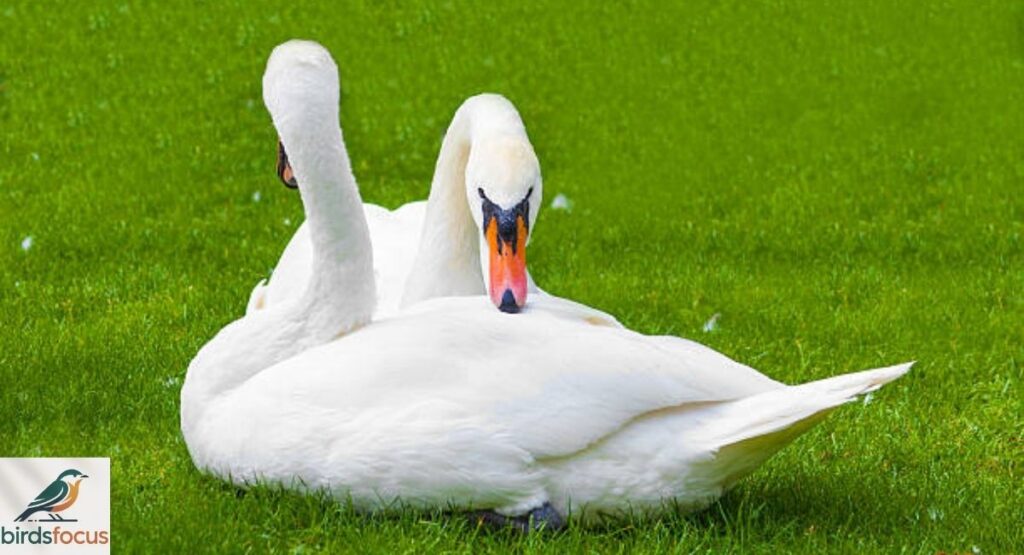
Many people believe every bird stays with one partner forever, yet the truth is far more interesting. While some birds form lifelong partnerships, many others remain together only during one breeding season. The type of relationship depends on food availability, habitat, lifespan, and the amount of parental care required to raise chicks successfully.
Biologists describe these relationships using different bird mating systems. Some species are monogamous, others practice polygyny or polyandry, and a few gather in breeding arenas called leks. Each strategy evolved because it improves reproductive success under different environmental conditions.
Monogamous Bird Species
Several bird species build remarkably strong pair bonds. Swans, bald eagles, albatrosses, and many parrots often stay together for many years, sometimes for life. These long-term partnerships allow both parents to share nesting duties, defend territory, incubate eggs, and raise young more efficiently. Even lifelong pairs continue performing courtship rituals each breeding season to strengthen their relationship.
Birds with Multiple Partners
Not every bird remains faithful to one mate. In polygyny, one male breeds with several females, which commonly occurs when males control rich feeding territories. In polyandry, one female mates with several males, each caring for different eggs. Birds such as jacanas follow this unusual system, where females defend territories while males handle most parental responsibilities.
Why Some Birds Change Mates
Birds may choose new partners for several reasons. A mate may die, fail to produce healthy chicks, or lose valuable territory. Environmental changes such as drought or food shortages can also affect breeding success. By selecting a stronger partner during the next breeding season, birds increase the survival chances of future offspring and improve overall reproductive success.
How Do Birds Reproduce After Mating?
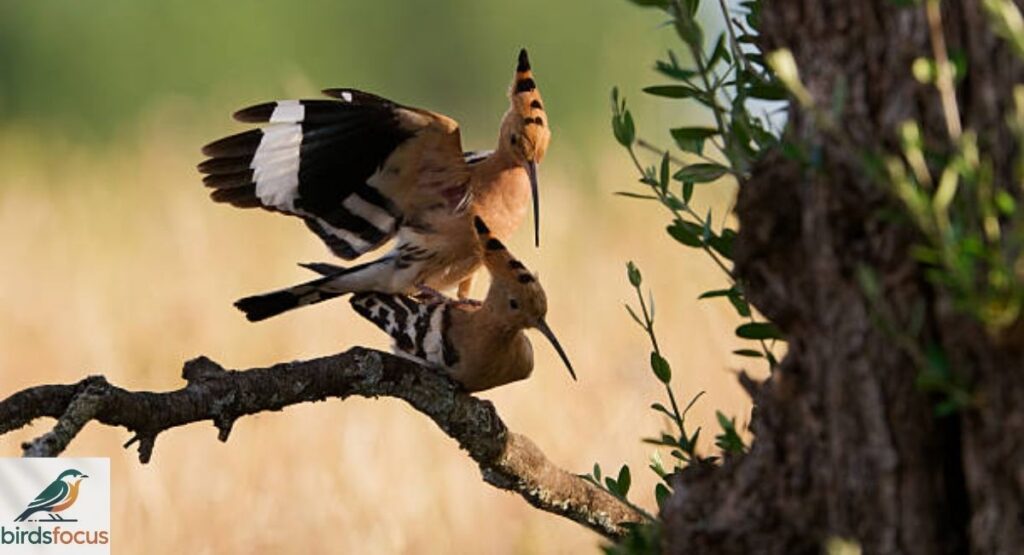
Once mating is complete, the visible part of reproduction ends, yet the most remarkable biological changes are only beginning. Inside the female’s body, sperm travels through the reproductive tract until it meets a mature egg. Fertilization usually occurs high inside the oviduct, where the first stage of a new life begins. The embryo starts developing before the egg is even laid.
Over the next twenty-four hours, the fertilized egg receives layers of nutrients, protective membranes, and finally a hard shell rich in calcium. This carefully organized process protects the growing embryo until incubation begins. Every step demonstrates the incredible efficiency of avian reproduction, allowing birds to reproduce successfully in habitats ranging from deserts to rainforests.
Fertilization Process
After the cloacal kiss, sperm swims through the female’s reproductive tract toward the ovary. Female birds possess tiny sperm storage tubules that keep sperm alive until ovulation. When a mature egg is released, fertilization occurs almost immediately. This adaptation allows one successful mating to fertilize several eggs laid over multiple days, increasing breeding efficiency.
Egg Development
Following fertilization, the developing egg travels slowly through the oviduct. As it moves, layers of albumen surround the yolk, providing water and nutrients for the growing embryo. Protective membranes form next, followed by the hard calcium shell. Tiny pores within the shell allow oxygen to enter while carbon dioxide escapes, supporting healthy embryonic development until hatching.
How Long After Mating Do Birds Lay Eggs?
The time between mating and egg laying varies among species, although many birds lay their first egg within one or two days after fertilization. Small songbirds often produce one egg each day until the clutch is complete. Larger birds, including eagles and owls, may wait several days between eggs. Temperature, nutrition, daylight length, and overall health all influence this timeline, making the bird breeding season one of the busiest periods in a bird’s annual life cycle.
| Stage | What Happens | Typical Time |
| Courtship | Singing, dancing, displays, feeding | Days to weeks |
| Mating | Cloacal kiss or internal copulation | 1–5 seconds |
| Fertilization | Sperm fertilizes the egg | Within hours |
| Egg Formation | Shell and membranes develop | About 24 hours |
| Egg Laying | Female lays one egg | Every 1–2 days in many species |
| Incubation | Parents keep eggs warm | 10–80 days depending on species |
| Hatching | Chick breaks through shell | End of incubation |
| Fledging | Young bird leaves nest | 2–12 weeks depending on species |
How Do Birds Build Nests and Lay Eggs?
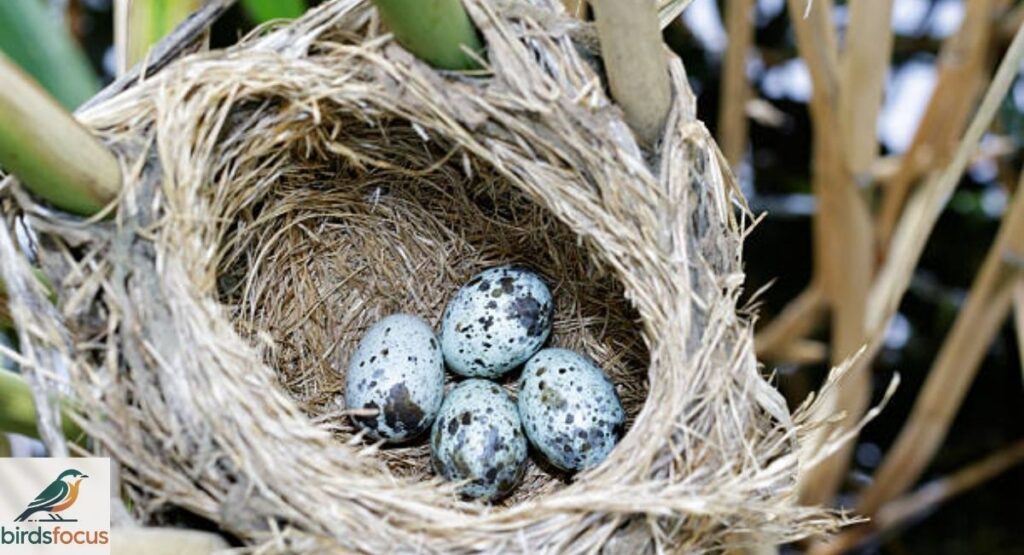
Building a nest is one of the most impressive parts of How Do Birds Mate because it protects the next generation before the first chick even hatches. Once fertilization is complete, the female prepares to lay eggs in a safe location. Many bird species work together to build a nest, while others rely on the female alone. Every nest is designed to keep eggs warm, hidden, and protected from predators and harsh weather.
Birds don’t build nests randomly. They carefully choose locations that offer shelter, nearby food, and the lowest possible risk. Some species return to the same nesting area every year, while others build a brand-new home each breeding season. This remarkable planning increases offspring survival and gives chicks the strongest possible start in life.
Choosing the Perfect Nesting Site
A suitable nesting site can determine whether chicks survive or perish. Small songbirds often hide their nests deep inside shrubs, while woodpeckers carve cavities into tree trunks for added protection. Birds living near lakes or rivers may choose reeds or low branches above the water to reduce predator attacks. Every choice balances safety, food availability, and shelter from changing weather.
How Birds Build Different Types of Nests
Birds are extraordinary architects. They gather grass, twigs, moss, feathers, mud, spider silk, animal fur, and even human-made materials to create durable homes. Different species build nests suited to their environment and lifestyle.
| Nest Type | Common Bird Species | Main Materials |
| Cup Nest | Robins, Finches | Grass, moss, feathers |
| Platform Nest | Eagles, Ospreys | Large sticks and branches |
| Cavity Nest | Woodpeckers, Bluebirds | Hollow tree trunks |
| Hanging Nest | Orioles, Weaver Birds | Plant fibers and grass |
| Ground Nest | Quail, Plovers | Leaves, grass, pebbles |
| Burrow Nest | Kingfishers, Puffins | Soil and sand tunnels |
These different nest designs show how bird breeding has adapted to forests, deserts, wetlands, mountains, and coastal environments over millions of years.
Can Birds Lay Eggs Without Mating?
Yes, female birds can lay eggs without mating, although those eggs are infertile. This happens regularly in pet parrots, chickens, canaries, and some captive birds kept without males. An unfertilized egg looks almost identical to a fertile one from the outside, yet it contains no developing embryo and will never hatch. Fertile eggs require successful internal fertilization before the shell forms.
How Do Birds Incubate Eggs and Raise Their Chicks?
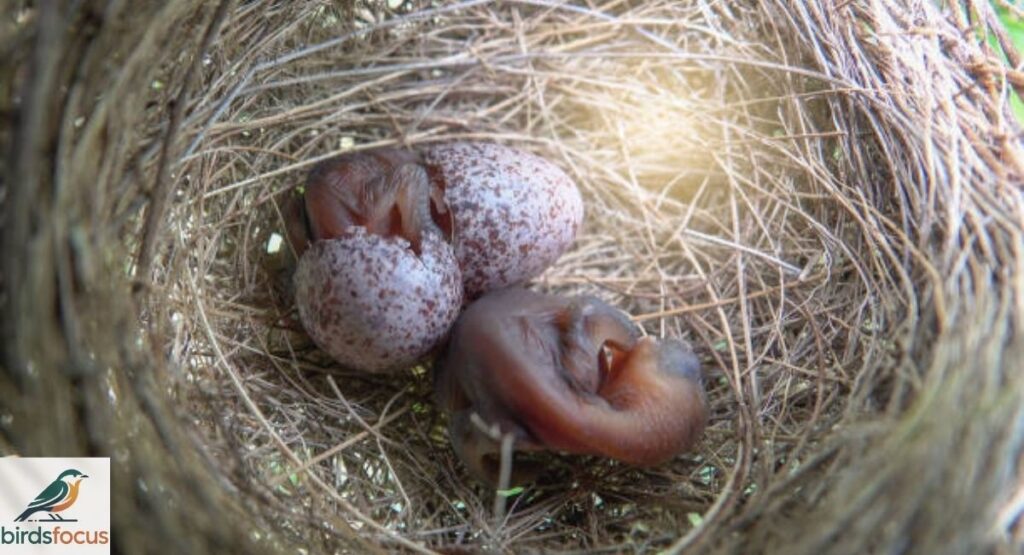
Laying eggs marks the beginning of another demanding stage in bird reproduction. Eggs cannot develop without warmth, so one or both parents begin incubating them almost immediately or after the full clutch has been laid. During incubation, birds carefully regulate temperature by covering the eggs with a featherless patch of skin called the brood patch. This area transfers body heat directly to the developing embryos.
After hatching, the parents enter one of the busiest periods of their lives. Baby birds require frequent feeding, protection from predators, and constant warmth during their first days. Some parent birds make hundreds of feeding trips every day, demonstrating an extraordinary level of parental care that greatly improves chick survival.
Egg Incubation
Incubation begins once the eggs are laid and continues until the chicks hatch. Most birds maintain egg temperatures between 97°F and 102°F (36°C to 39°C), creating ideal conditions for embryo growth. Parents regularly turn the eggs to prevent the embryo from sticking to the shell and to ensure even heat distribution. Depending on the species, incubation may last from just 10 days to nearly 80 days.
Do Male Birds Sit on Eggs?
Many people assume only females incubate eggs, but this isn’t always true. In species such as emperor penguins, the male performs nearly all incubation duties while the female searches for food. Bald eagles, swans, hawks, and many songbirds share incubation responsibilities, allowing each parent to rest and feed. This teamwork increases the likelihood that healthy chicks will hatch successfully.
Feeding and Protecting Baby Birds
Once chicks hatch, their growth depends entirely on regular feeding. Parents collect insects, worms, seeds, fish, nectar, or fruit depending on the species. Pigeons and flamingos produce a nutritious substance called crop milk, which is rich in fat and protein and helps chicks grow quickly during their first days of life. Adults also defend the nest aggressively by calling loudly, pretending to have broken wings, or attacking predators that come too close.
When Do Chicks Leave the Nest?
Young birds leave the nest only after their feathers develop and their muscles become strong enough for flight. However, not all chicks grow in the same way. Scientists divide baby birds into two main developmental groups.
| Chick Type | Characteristics | Examples |
| Altricial Chicks | Blind, featherless, completely dependent on parents | Robins, Sparrows, Blue Jays |
| Precocial Chicks | Covered with down, eyes open, able to walk soon after hatching | Ducks, Geese, Chickens |
Altricial chicks remain in the nest for several weeks because they need constant feeding and warmth. In contrast, precocial chicks often leave the nest within hours of hatching and begin following their parents while learning to find food. Even after fledging, young birds continue practicing flight, recognizing predators, and developing survival skills before becoming fully independent.
Bird Reproduction Timeline After Egg Laying
| Stage | What Happens |
| Egg Laying | Female deposits eggs into the nest. |
| Incubation | Parents keep eggs warm until embryos develop. |
| Hatching | Chicks use an egg tooth to break the shell. |
| Brooding | Parents provide warmth and protection. |
| Rapid Growth | Feathers develop and body size increases. |
| Fledging | Young birds leave the nest and begin flying. |
| Independence | Juveniles learn to survive without parental care. |
Amazing Bird Parenting Facts
| Fact | Why It Matters |
| Emperor penguin fathers incubate eggs for about two months. | Demonstrates exceptional paternal care. |
| Some songbird parents feed chicks more than 500 times each day. | Supports rapid growth before fledging. |
| Flamingos and pigeons produce crop milk. | Provides highly nutritious food for hatchlings. |
| Many birds remove eggshell fragments after hatching. | Helps keep nests clean and hidden from predators. |
| Some birds fake injuries to lure predators away. | Protects vulnerable chicks from danger. |
Bird Mating Facts Most People Don’t Know
Bird reproduction is full of surprising discoveries that many people never learn. While most articles explain only the cloacal kiss, scientists have uncovered many fascinating adaptations that help birds reproduce successfully in different habitats. These special features evolved over millions of years and allow birds to survive in forests, deserts, wetlands, mountains, and oceans.
Many of these facts also explain why How Do Birds Mate differs so much from mammal reproduction. From unique reproductive anatomy to seasonal breeding cycles, birds continue to amaze researchers with their incredible ability to adapt to changing environments.
Why Some Birds Have Penises
Although most birds reproduce through the cloaca, a small percentage have a reproductive organ called a phallus. Ducks, geese, swans, and ostriches belong to this group. These birds usually mate in water, where maintaining cloacal contact can be difficult. Their reproductive anatomy increases the chance of successful internal fertilization despite challenging conditions.
Why Most Birds Lost Their Penises
Scientists believe most birds gradually lost external reproductive organs during evolution. One theory suggests this reduced body weight, making flight more efficient. Another proposes that females gained greater control over fertilization because sperm transfer only occurs during successful cloacal contact. This evolutionary change became one of the defining characteristics of modern avian reproduction.
Can Different Bird Species Mate?
Closely related bird species sometimes produce hybrids when they breed together. Mallards frequently hybridize with other duck species, and some finches, gulls, and hummingbirds have also produced hybrid offspring. However, most birds recognize members of their own species through songs, plumage, courtship displays, and behavior. These natural recognition systems prevent unsuccessful breeding and help preserve healthy populations.
Do Birds Mate All Year Round?
Most birds breed only during specific seasons when food is plentiful and weather conditions favor chick survival. In North America, spring and early summer are the busiest months because insects, seeds, and fruits become widely available. Tropical birds may breed more than once each year if rainfall and food supplies remain stable. Day length, temperature, and rainfall all influence the bird breeding season.
How Often Do Birds Mate During a Breeding Season?
Birds often mate several times during one breeding cycle, even after fertilization has already occurred. Repeated mating improves the chances that every egg will be fertile. Species raising multiple broods during one season repeat the entire process several times, beginning with fresh courtship displays before producing another clutch of eggs.
Table: Amazing Bird Reproduction Facts
| Bird Fact | Interesting Detail |
| Smallest egg | Bee hummingbird eggs measure less than 0.5 inches. |
| Largest egg | Ostrich eggs can weigh more than 3 pounds. |
| Longest incubation | Wandering albatross eggs incubate for about 80 days. |
| Fastest chick growth | Some songbirds double their weight within days. |
| Most eggs in one clutch | Gray partridge may lay over 20 eggs. |
| Longest pair bond | Some albatrosses remain together for decades. |
Common Myths About Bird Mating
Many online myths create confusion about How Do Birds Mate. Social media often spreads incorrect information because bird reproduction happens so quickly that people rarely witness the entire process. Understanding the science behind bird mating helps separate fascinating facts from common misconceptions.
Learning the truth also helps birdwatchers appreciate behaviors they observe in gardens, parks, forests, and wetlands. Once you understand how reproduction works, every song, display, and nesting activity becomes much more meaningful.
Do Birds Get Pregnant?
No. Birds never become pregnant because they are oviparous, meaning they reproduce by laying eggs rather than carrying developing babies inside the body. After fertilization, the embryo develops within the egg, where the yolk provides nutrition until hatching.
Do Birds Give Birth?
Birds do not give birth like mammals. Instead, females lay eggs protected by a strong calcium shell. Parents incubate these eggs until the chicks are fully developed and ready to hatch. This strategy allows birds to remain lightweight while flying and reduces the physical demands of carrying developing young.
Do Birds Mate Through Their Mouths?
No. This is one of the internet’s most common myths. Birds never transfer sperm through their beaks or mouths. Fertilization occurs only through the cloaca or, in a few species, through specialized reproductive organs. Courtship feeding may look unusual, but it has nothing to do with reproduction itself.
Can Female Birds Lay Eggs Without a Male?
Yes. Female birds can lay unfertilized eggs even if they have never mated. This commonly happens in pet parrots, chickens, cockatiels, and canaries. These eggs cannot hatch because no fertilization has taken place. Only fertilized eggs contain a developing embryo capable of becoming a chick.
Conclusion
Understanding How Do Birds Mate helps you appreciate the amazing ways birds reproduce and care for their young. From colorful courtship displays and the cloacal kiss to egg laying, nesting, and raising chicks, every step is carefully designed to improve survival. Each species follows unique behaviors that make bird reproduction both efficient and fascinating.
Whether you’re a bird lover or simply curious about nature, knowing how birds mate gives you a deeper respect for their remarkable lives. The next time you spot birds singing or building a nest, you’ll understand the incredible journey happening right before your eyes.
FAQs
1. How do birds mate without touching?
Most birds briefly touch their cloacas in a process called the cloacal kiss, allowing sperm transfer for fertilization.
2. Do all birds mate the same way?
No. Most birds use the cloacal kiss, while ducks, geese, ostriches, and a few other species have reproductive organs for mating.
3. Can birds lay eggs without mating?
Yes. Female birds can lay infertile eggs without mating, but those eggs will not hatch because they are not fertilized.
4. Do birds mate for life?
Some birds, such as swans and albatrosses, often form lifelong pair bonds, while many others choose a new mate each breeding season.
5. How long does bird mating take?
The actual mating process usually lasts only a few seconds, although courtship and pair bonding may continue for days or even weeks.

Welcome to birdsfocus! I’m Anam Sattar, an AI Powered SEO, and Content Writer with 4 years of experirnce.
I help websites rank higher,grow traffic, and look amazing. My goal is to make SEO and web design simple and effective for everyone.
Let’s achieve more together!