


The Northern Cardinal Bird is one of the most beloved songbirds in the United States. Its brilliant colors and cheerful melodies make it a favorite among birdwatchers and backyard enthusiasts. Found in forests, parks, and suburban gardens, this striking species remains active throughout the year. The bright red male and the graceful female both display unique traits that set them apart from other birds.
In this guide, you’ll discover fascinating details about male northern cardinal, female northern cardinal, northern cardinal call, northern cardinal nest, and northern cardinal eggs. From appearance and sounds to nesting habits and life cycle, these remarkable birds continue to captivate nature lovers across America.
1. What Is a Northern Cardinal?

The Northern Cardinal Bird belongs to the Cardinalidae family and carries the scientific name Cardinalis cardinalis. Early settlers gave it this name because the brilliant red feathers reminded them of the robes worn by Catholic cardinals. Today, this bird stands among the most recognizable species in North America.
Across the eastern and central United States, the Northern Cardinal thrives in forests, parks, suburbs, and backyard landscapes. Unlike many songbirds, it doesn’t migrate. Instead, it remains close to home throughout the year. This behavior makes the species a favorite among birdwatchers and photographers.
Northern Cardinal Bird Classification
| Feature | Details |
| Scientific Name | Cardinalis cardinalis |
| Family | Cardinalidae |
| Average Length | 8–9 inches |
| Wingspan | 10–12 inches |
| Lifespan | 3–15 years |
| Migration | Non-migratory |
Fascinating Northern Cardinal Facts
| Fact | Description |
| State Bird | Represents seven U.S. states |
| Singing Ability | Both sexes sing |
| Crest | Raised according to mood |
| Favorite Foods | Seeds, berries, insects |
| Nesting Season | Spring through summer |
2. Northern Cardinal Colors and Appearance

One glance at the Northern Cardinal Bird explains why it attracts so much attention. Adult males display vivid scarlet feathers paired with a black facial mask. Their bright orange-red beaks create an eye-catching contrast. During sunlight, the bird almost seems to glow among green branches.
Meanwhile, the female northern cardinal wears softer shades. Warm brown feathers blend with delicate red accents along the wings and tail. Juveniles appear duller and possess dark beaks before maturing. Occasionally, genetics produce an extremely rare yellow cardinal. Such unusual birds astonish bird enthusiasts because sightings remain exceptionally uncommon.
Northern Cardinal Appearance Comparison
| Characteristic | Male | Female |
| Main Color | Bright Red | Brownish Tan |
| Facial Mask | Black | Gray-Black |
| Crest | Prominent | Prominent |
| Beak Color | Orange-Red | Orange-Red |
| Tail | Long | Long |
3. Male vs Female Northern Cardinal
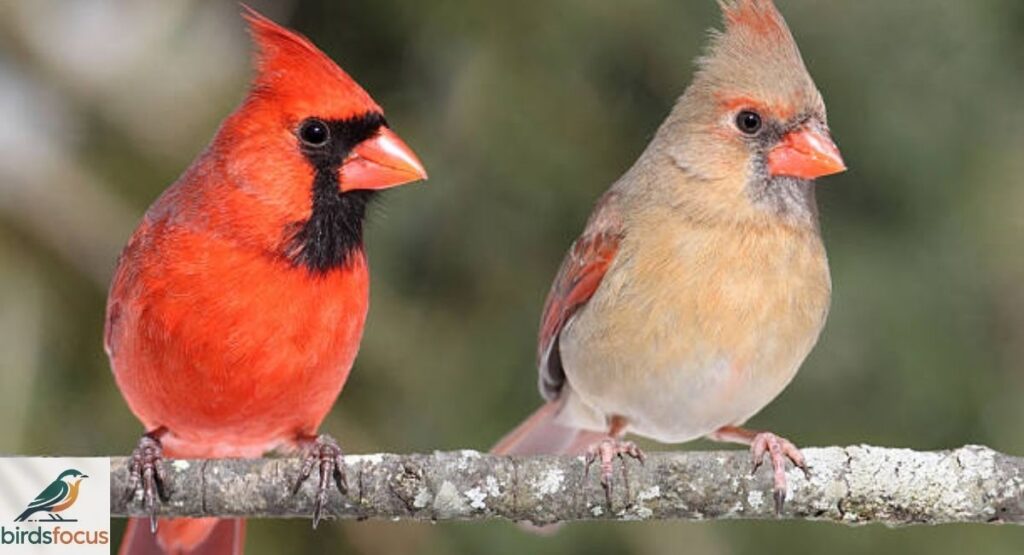
Nature offers a remarkable contrast between the sexes. The male northern cardinal uses vibrant colors to attract mates and defend territory. During spring, males often become highly territorial. Their songs echo through neighborhoods as they announce ownership of nesting areas.
In contrast, the female northern cardinal displays more subdued colors. However, her quieter appearance doesn’t mean she stays silent. Female cardinals sing to communicate with their partners. Scientists consider this ability unusual because females of many bird species rarely sing. Together, both parents share responsibilities and form strong pair bonds.
Male vs Female Northern Cardinal Table
| Feature | Male Northern Cardinal | Female Northern Cardinal |
| Color | Bright Red | Brown with Red Highlights |
| Singing | Frequent | Frequent |
| Nest Building | Helps Occasionally | Main Builder |
| Feeding Young | Yes | Yes |
| Territorial Defense | Strong | Moderate |
4. Northern Cardinal Calls and Sounds
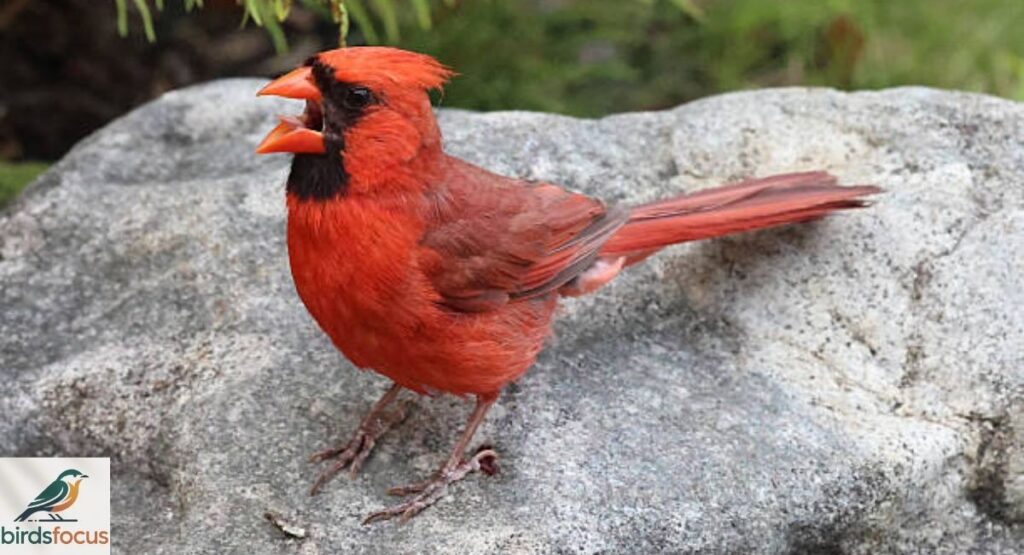
Listen carefully during early morning hours and you’ll likely hear the unmistakable northern cardinal call. Their whistles sound clear and musical. Common patterns resemble phrases such as “cheer-cheer-cheer” or “birdie-birdie-birdie.” These melodies vary across regions, which creates local dialects among populations.
Researchers have discovered that cardinals possess an impressive vocal range. The northern cardinal sound serves several purposes. Songs attract mates, establish territory, and warn family members about danger. Even females sing while nesting. This behavior helps strengthen communication between partners and improves nesting success.
“The Northern Cardinal is among the few North American songbirds in which both sexes sing.”
Common Northern Cardinal Calls
| Type of Call | Purpose |
| Territorial Song | Defends territory |
| Courtship Song | Attracts mates |
| Alarm Call | Warns against predators |
| Contact Call | Communicates with mate |
| Juvenile Call | Requests food |
5. Northern Cardinal Nesting Habits
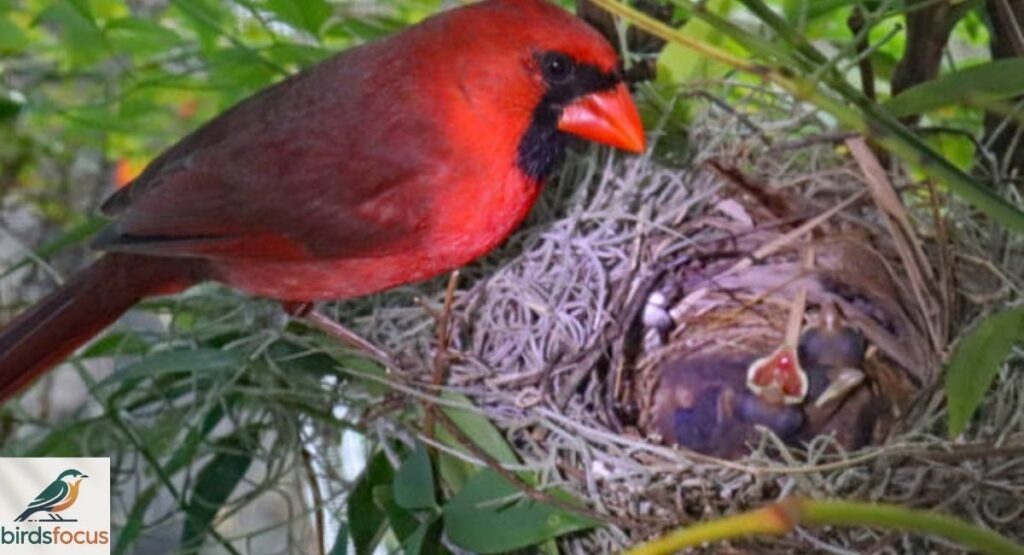
Spring awakens a busy season for the Northern Cardinal Bird. Courtship begins as males feed seeds to females. This charming ritual strengthens pair bonds before nesting starts. Once paired, the female usually selects a hidden location among shrubs, vines, or low trees.
The northern cardinal nest resembles a neat cup woven from twigs, grasses, and bark strips. Females perform most of the construction while males guard nearby. Cardinals often raise multiple broods each year. Their devotion to parenting makes them one of the most attentive backyard birds in America.
Nest Structure Diagram
Twigs
↓
Leaves
↓
Grass Fibers
↓
Soft Lining
↓
Eggs
6. Northern Cardinal Eggs

Inside the carefully crafted nest, females lay beautiful northern cardinal eggs. These eggs usually appear white, grayish, or pale green. Brown and purple speckles decorate their surfaces, creating natural camouflage against predators.
Typically, a female lays two to five eggs. Incubation lasts around twelve days. During this period, the male provides food and protection. Once hatched, chicks grow rapidly. Young birds usually leave the nest after about ten days, although parents continue feeding them for several weeks.
Northern Cardinal Egg Facts
| Characteristic | Information |
| Clutch Size | 2–5 Eggs |
| Egg Color | White, Gray, Greenish |
| Incubation Period | 11–13 Days |
| Nestling Period | 9–11 Days |
| Broods Per Year | 2–3 |
7. Northern Cardinal Behavior and Life Cycle
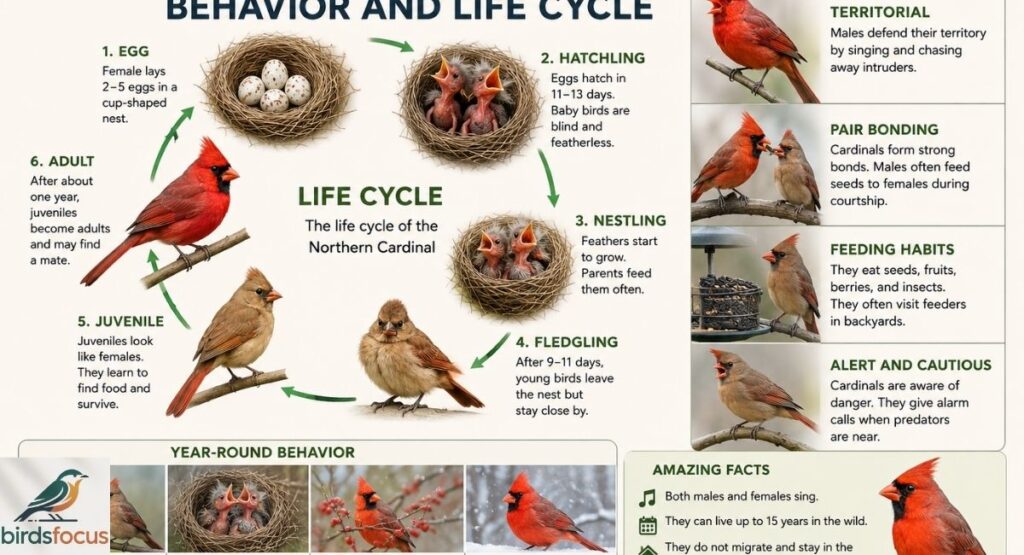
Survival in the wild requires adaptability. Fortunately, the Northern Cardinal Bird excels at finding food and avoiding predators. Seeds make up most of its diet, although insects become important during breeding season. Cardinals also enjoy berries, sunflower seeds, and cracked corn.
Throughout their lives, cardinals pass through several stages. Eggs become hatchlings, then nestlings, followed by fledglings and adults. Some individuals survive more than fifteen years. Their loyalty, colorful appearance, and beautiful songs explain why millions of Americans consider them treasured backyard companions.
Northern Cardinal Life Cycle
Egg
↓
Hatchling
↓
Nestling
↓
Fledgling
↓
Juvenile
↓
Adult
Northern Cardinal Bird Facts You May Not Know
One of the most interesting northern cardinal facts involves their romantic behavior. Many pairs remain together for several breeding seasons. During courtship, the male often feeds seeds directly to the female. Bird enthusiasts call this behavior “mate feeding.” It strengthens the bond between partners before nesting begins.
Another surprising fact concerns their voices. The northern cardinal call varies across regions. Cardinals from different areas develop slightly different songs. Scientists compare these differences to accents found among people. Young birds learn melodies by listening to adults nearby.
Rare and Unique Facts About Northern Cardinals
Nature occasionally creates extraordinary surprises. Some cardinals develop yellow feathers instead of red ones because of a rare genetic condition called xanthochroism. These unusual birds attract enormous attention whenever they appear. Photographers and bird lovers often travel long distances hoping to catch a glimpse.
Even more fascinating, cardinals sometimes mistake their reflection for a rival. During breeding season, males may attack mirrors, windows, or shiny car surfaces. Their strong territorial instincts drive this unusual behavior. Although amusing to watch, it shows how seriously they protect their families.
A Northern Cardinal can sing more than two dozen different songs. This ability makes it one of North America’s most gifted songbirds.
These fascinating Northern Cardinal Bird facts reveal why this species remains one of America’s most beloved feathered visitors. Its beauty, intelligence, and remarkable family life continue to delight birdwatchers throughout every season.
Conclusion
In the end, the Northern Cardinal Bird stands out for its brilliant colors, beautiful songs, and strong family bonds. From the differences between the male northern cardinal and female to their nests and eggs, every detail makes this species truly fascinating. Their presence adds charm and life to backyards across the United States.
Whether you enjoy birdwatching or simply love nature, learning about northern cardinal calls, nesting habits, and behavior helps you appreciate these remarkable birds even more. With their year-round beauty and cheerful melodies, Northern Cardinals continue to be one of America’s most treasured songbirds.
FAQs
1. What is the difference between a male and female Northern Cardinal?
Male Northern Cardinals are bright red, while females have light brown feathers with reddish highlights. Both birds have distinctive crests and orange-red beaks.
2. Do female Northern Cardinals sing?
Yes, female cardinals can sing. In fact, they are among the few female songbirds that regularly sing to communicate with their mates.
3. What do Northern Cardinal eggs look like?
Northern Cardinal eggs are usually white, pale green, or grayish with brown or purple speckles. A female typically lays two to five eggs.
4. Do Northern Cardinals migrate?
No, the Northern Cardinal Bird is a non-migratory species. It stays in the same area throughout the year, even during winter.
5. What do Northern Cardinals eat?
Northern Cardinals mainly eat seeds, berries, fruits, and insects. Black oil sunflower seeds are among their favorite foods.

Welcome to birdsfocus! I’m Anam Sattar, an AI Powered SEO, and Content Writer with 4 years of experirnce.
I help websites rank higher,grow traffic, and look amazing. My goal is to make SEO and web design simple and effective for everyone.
Let’s achieve more together!