


Birds often surprise people with their strong sense of hearing, especially when they respond to distant calls or sudden sounds. When we ask Can Birds Hear?, we are exploring a powerful avian auditory system that helps them survive in nature. Birds rely on sound for warning signals, communication, and finding food in their environment.
Their hidden ear openings support advanced sound perception, even though they don’t have visible ears like humans. In fact, their hearing is closely linked to behavior, making the question Can Birds Hear? more fascinating than it seems at first glance.
Can Birds Hear?

Birds absolutely can hear, and they rely on sound more than most animals in daily life. When we ask Can Birds Hear?, we are really asking how their sensory system works in nature. Birds use hearing for danger alerts, mating calls, and territory control.
Unlike humans, birds do not have visible outer ears. Instead, they have small ear openings hidden under feathers. These openings connect to a strong internal system known as the avian auditory system, which processes sound waves with high precision.
The answer to Can Birds Hear? becomes even clearer when we observe their behavior. Birds react instantly to predators, human voices, and even subtle environmental vibrations.
| Feature | Birds | Humans |
| Outer ear | Hidden openings | Visible ear structure |
| Frequency range | Medium to high sensitivity | Wider general range |
| Sound use | Survival based | Communication based |
How Well Can Birds Hear?

Birds hear extremely well, especially in natural environments where survival depends on early sound detection. When we explore Can Birds Hear? in detail, we find that many species detect sounds from long distances, even through wind or foliage.
Their hearing system supports sound localization and directional hearing, which helps them identify where a sound comes from. Owls are the best example because they can locate prey under snow using sound alone.
The question Can Birds Hear? also connects to frequency sensitivity. Birds hear best in the range of 1,000 to 8,000 Hz, which matches their vocal communication patterns.
| Ability | Description |
| Directional hearing | Detect sound direction accurately |
| Frequency detection | Sensitive to mid and high ranges |
| Distance hearing | Can detect distant calls |
Do Birds Have Ears?
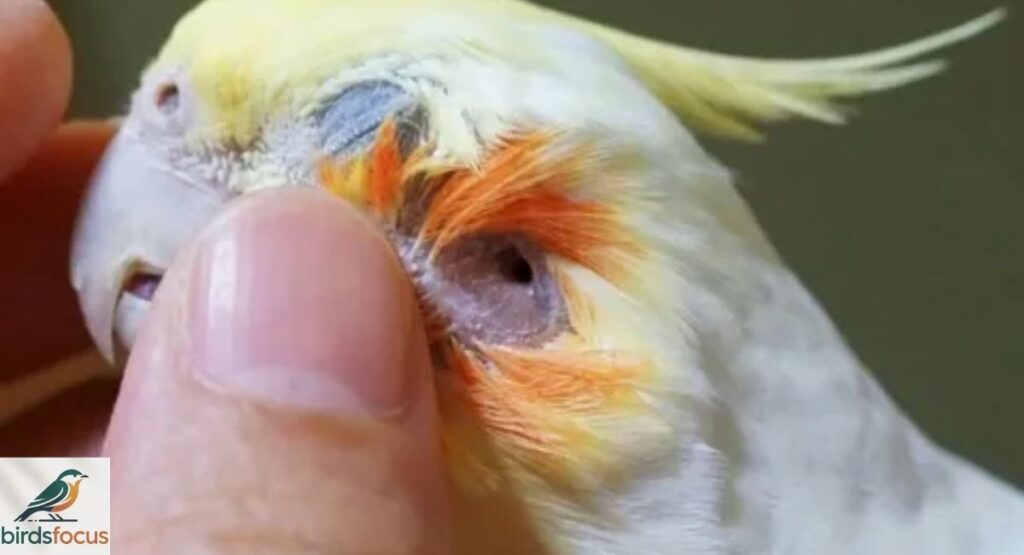
Yes, birds do have ears, even if they are not visible. This is one of the most misunderstood facts when people ask Can Birds Hear? Their ears are located behind the eyes and covered by soft feathers called auricular feathers.
Bird ears work like compact biological receivers. They include outer openings, a middle section, and an inner structure similar to reptiles. These parts work together to process sound waves efficiently.
So when someone wonders Can Birds Hear?, the real answer is hidden anatomy. Birds hear through small openings, not external ear shapes like humans.
Can Birds Hear Human Voices?

Birds can hear human voices very clearly. In fact, they often learn to recognize tone, rhythm, and repeated sound patterns. This is a key part of acoustic communication between humans and pet birds.
Wild birds also respond to human voices, especially if they associate them with food or danger. This shows that Can Birds Hear? is not just a biological question but also a behavioral one.
Some birds like parrots even mimic human speech, showing strong auditory learning ability.
Can Birds Hear High-Frequency Sounds?
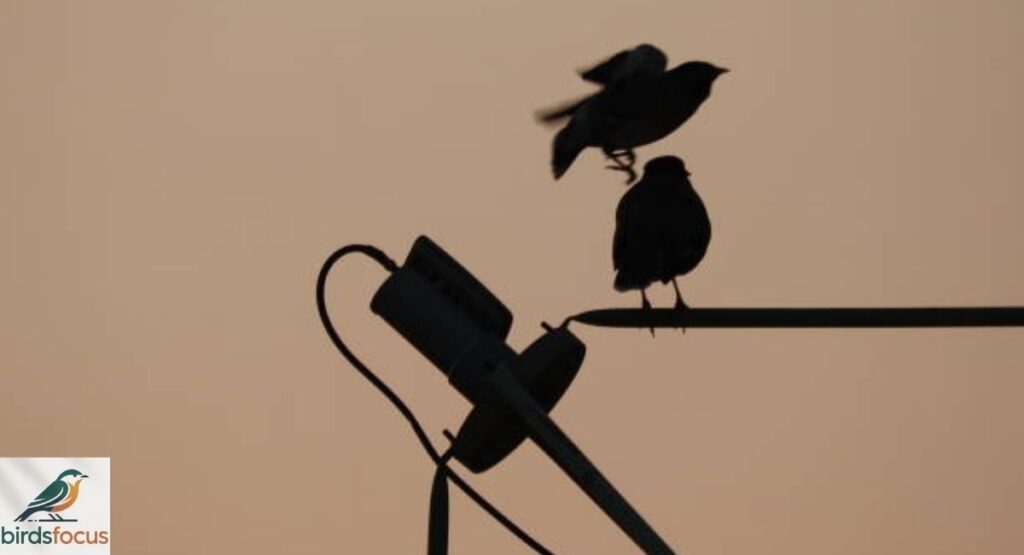
Birds are highly sensitive to high-frequency sounds. These sounds play a major role in their communication systems. Many bird songs fall within a narrow frequency range that humans sometimes struggle to detect.
When asking Can Birds Hear?, frequency response is important. Birds can detect sounds that are sharper and faster than human speech patterns.
This helps them communicate in noisy environments like forests or cities.
Can Birds Hear Ultrasonic Sound?
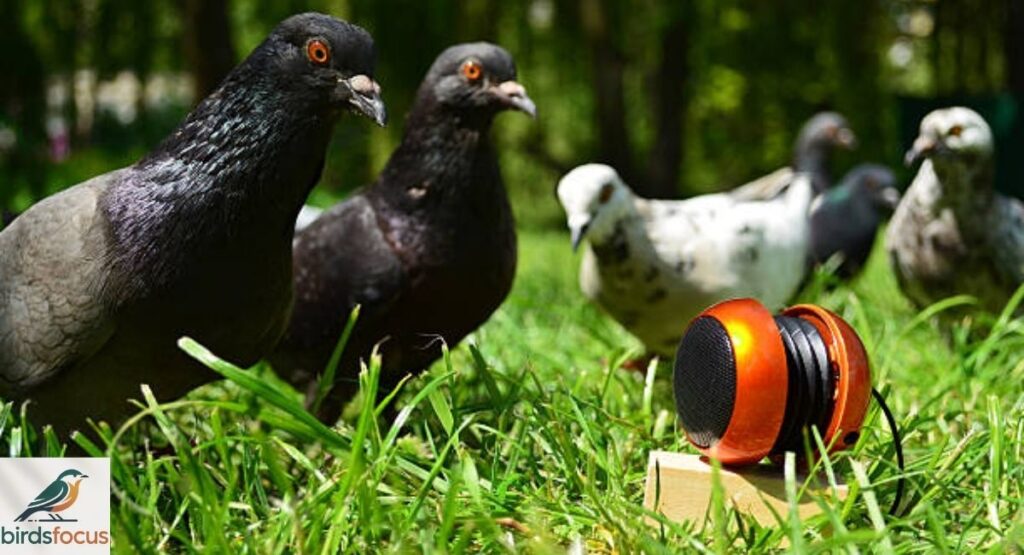
Most birds cannot hear ultrasonic sounds, which are frequencies above human hearing range. However, they are sensitive to higher mid-range frequencies that humans often miss.
So when we ask Can Birds Hear?, ultrasound is not their main strength. Instead, they focus on natural environmental sounds.
Ultrasonic hearing is more common in bats, not birds.
Can Birds Hear Dog Whistles?

Dog whistles produce very high-pitched sounds. Some birds may detect parts of these frequencies, but they do not react the same way dogs do.
When exploring Can Birds Hear?, dog whistles show that birds are not specialized for extreme ultrasonic detection.
Bird reaction depends on species, environment, and prior exposure.
Can Birds Hear Worms?
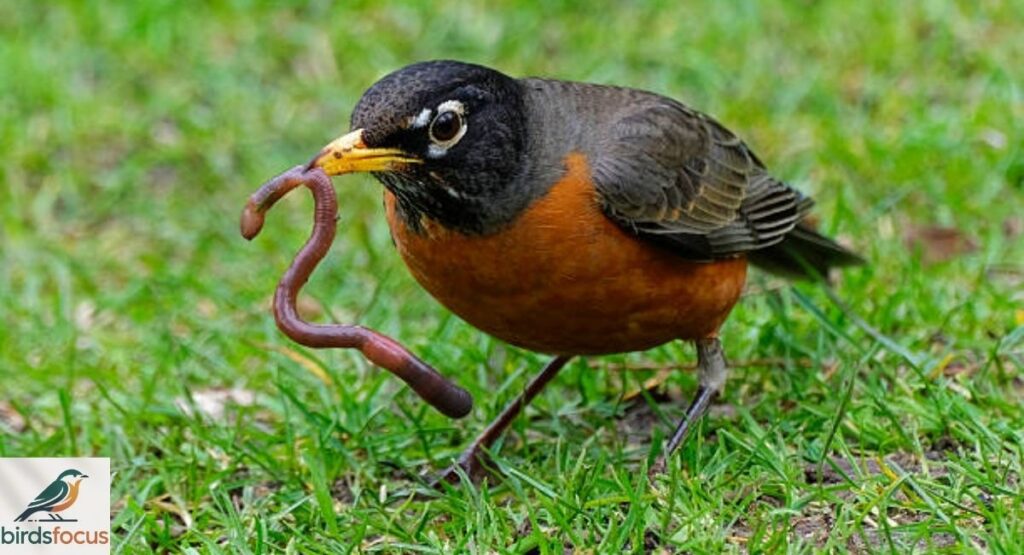
Yes, some birds can detect worms, but not always through sound alone. They often use ground vibration detection and visual cues.
Robins are a great example. They tilt their heads and listen for movement under soil.
So Can Birds Hear? worms directly is partially true, but vibration sensing plays a bigger role.
Can Birds Hear Bats at Night?

Birds and bats share nighttime environments, but birds do not strongly detect bat echolocation. Most bat sounds are ultrasonic, which fall outside bird hearing range.
Still, when we ask Can Birds Hear?, nocturnal awareness helps birds avoid predators using other cues like movement and shadow detection.
Can Birds Hear Better Than Humans?
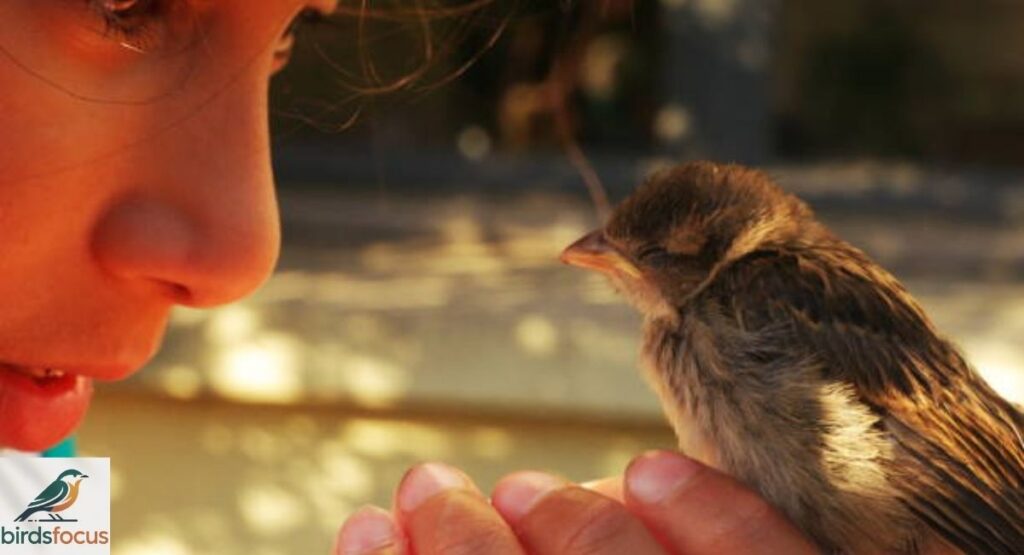
In many cases, yes. Birds can hear better than humans in directional
accuracy and frequency matching. However, humans have a wider general range.
So the answer to Can Birds Hear? better than humans depends on context.
Owls are especially superior in low-light sound detection.
Why Can You Hear Birds at Night?
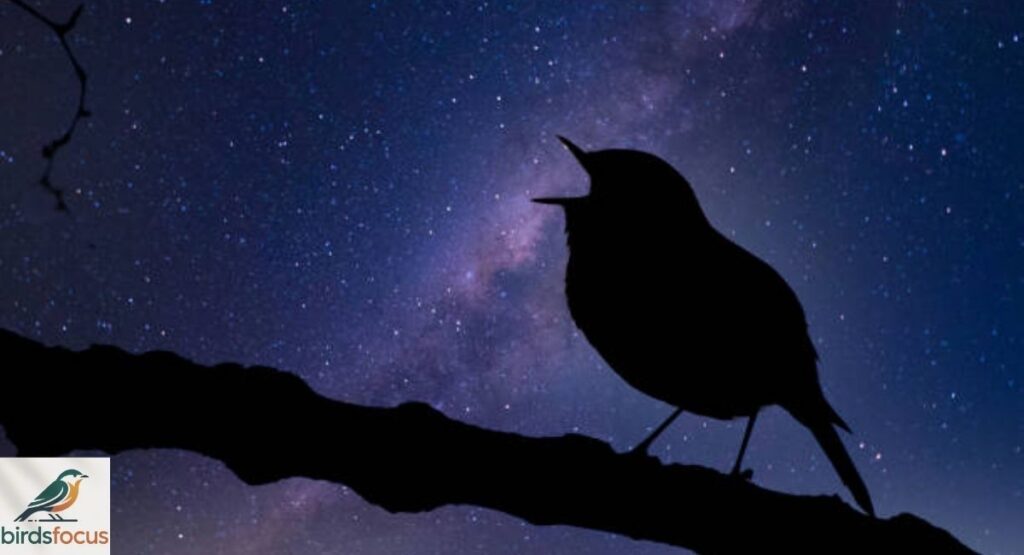
Birds sing at night due to environmental changes, artificial lighting, and seasonal behavior. Urban lights often confuse natural biological rhythms.
When people ask Can Birds Hear? at night, it connects with communication timing rather than hearing ability.
Night singing is often linked to territory defense.
Why Can I Hear Birds Chirping at Night?
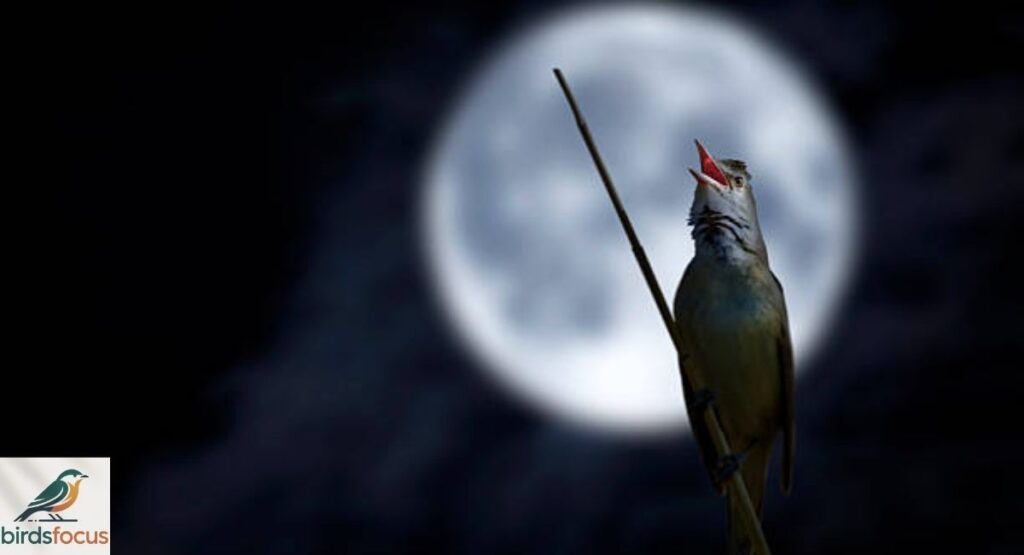
Night chirping often comes from species like mockingbirds or urban birds adapting to noise pollution. These birds extend their vocal activity into nighttime hours.
So Can Birds Hear? is not the issue here. It is about why they choose to sing.
Artificial lighting is a major factor.
What Birds Can You Hear at Night?

Owls dominate nighttime soundscapes, but other birds also sing. Nightingales, nightjars, and mockingbirds are common examples.
| Bird Type | Sound Pattern |
| Owls | Low hoots |
| Nightjars | Repetitive calls |
| Mockingbirds | Mixed songs |
This shows that Can Birds Hear? is linked to species behavior.
Can You Hear Birds Migrating at Night?

Yes, migratory birds produce flight calls during night travel. These calls help maintain flock coordination.
So when asking Can Birds Hear?, migration shows how sound supports long-distance movement.
Many species migrate at night to avoid predators.
Can You Hear Birds on the Roof at Night?
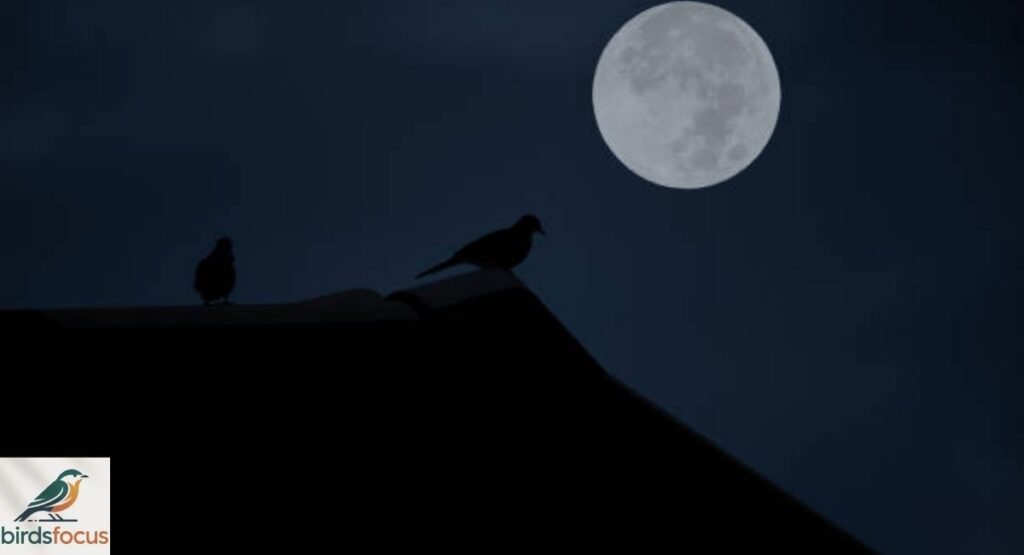
Birds often rest on rooftops for safety. Their movement and soft calls can be heard easily at night due to silence.
This connects again to Can Birds Hear?, as sound sensitivity increases in quiet environments.
I Can Hear a Bird in My Chimney What Does It Mean?
A bird in a chimney usually means it is trapped or nesting. Chimneys provide warmth and shelter, especially in urban areas.
So Can Birds Hear? is not the issue here. It is about habitat confusion.
Wildlife experts often recommend safe removal techniques.
Can You Hear the Night Bird Call?
Yes, night bird calls are common in both rural and urban areas. These calls help birds communicate in low-light conditions.
Understanding Can Birds Hear? helps explain why these calls travel far at night.
Interesting Facts About Bird Hearing
Bird hearing is more powerful than most people imagine. Many species rely on avian auditory system skills to survive in the wild. For example, owls can locate prey in complete darkness using only sound. Their facial disk works like a sound collector, helping them detect tiny movements under snow or leaves.
Another fascinating fact is that birds can adjust their hearing focus. When they tilt or move their heads, they improve sound localization and detect direction more accurately. This is why you often see birds “listening” with quick head movements before reacting.
Some birds can even hear frequencies that humans cannot detect clearly. Their sound perception is tuned to natural environments, helping them communicate through dense forests or noisy cities.
In urban areas, birds have adapted to loud environments. Many now sing louder or at different times of the day to avoid noise pollution and still stay connected with their flock.
Conclusion
Birds have a highly developed hearing system based on survival, communication, and environmental awareness. The question Can Birds Hear? reveals a complex biological system that includes frequency detection, vibration sensing, and directional awareness.
From human voices to worms and night calls, bird hearing plays a key role in their daily life. While they may not hear everything like humans, they are perfectly adapted to their natural world.
FAQs
1. Can Birds Hear?
Yes, birds can hear very well. They use sound for communication, danger alerts, and finding food in their environment.
2. Do birds have ears like humans?
No, birds don’t have visible ears. Their ear openings are hidden under feathers on the sides of their heads.
3. Can birds hear human voices?
Yes, many birds can hear and even recognize human voices, especially pet birds like parrots.
4. Can birds hear high-frequency sounds?
Yes, birds are sensitive to high-frequency sounds and use them for communication and survival signals.
5. Why do I hear birds at night?
You may hear birds at night due to species like mockingbirds, migration calls, or city lights affecting their natural behavior.

Welcome to birdsfocus! I’m Anam Sattar, an AI Powered SEO, and Content Writer with 4 years of experirnce.
I help websites rank higher,grow traffic, and look amazing. My goal is to make SEO and web design simple and effective for everyone.
Let’s achieve more together!