

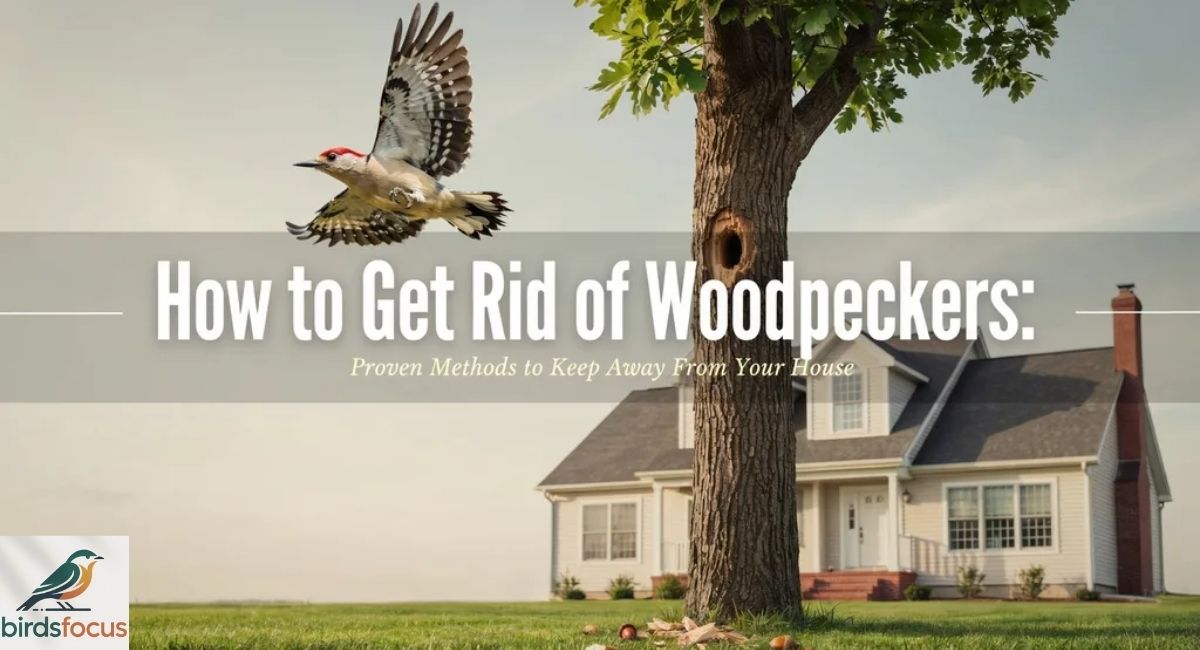
If you are struggling with how to get rid of woodpeckers, you are dealing with a common problem in many U.S. homes. These birds often cause visible damage while searching for food, nesting spots, or reacting to territory pressure. Most of the time, hidden woodpecker damage, carpenter ants, and wood-boring insects attract them.
Their repeated pecking can weaken siding and trim over time. However, with the right humane methods, you can stop them without harm. Understanding their behavior helps you protect your home effectively and avoid costly repairs later.
Why Are Woodpeckers Pecking Your House?
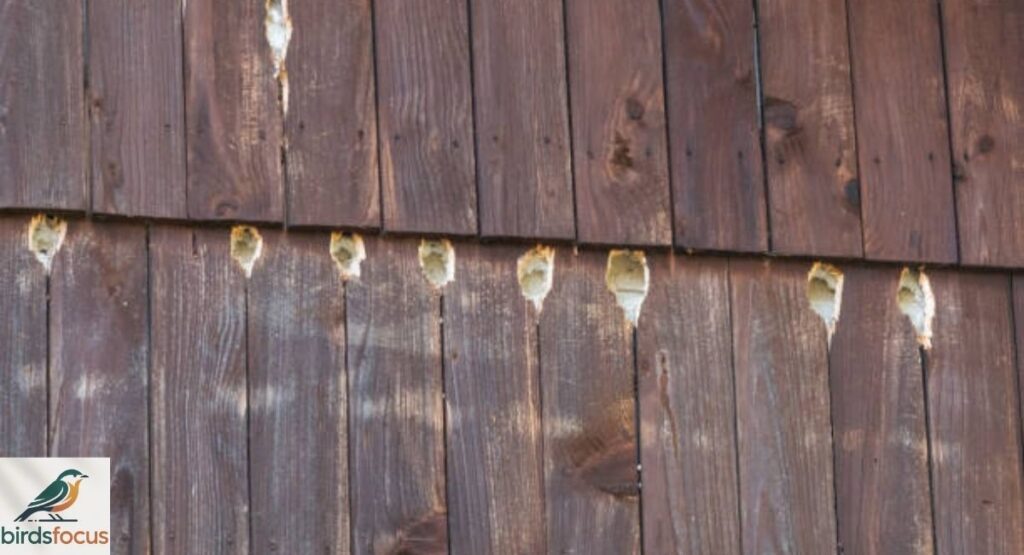
Woodpeckers do not randomly attack buildings. In many cases, they are searching for insects hiding beneath wood surfaces. A house with carpenter bees, beetle larvae, or insect infestations can become a buffet for these birds. Rotten wood and untreated siding also increase the risk. In some situations, the pecking sound itself reveals an underlying pest problem that homeowners may not even know exists.
Another reason involves communication. Birds use a behavior called woodpecker drumming to establish territory and attract mates. Spring usually brings increased activity because this is the breeding season. Species such as the Downy woodpecker, Pileated woodpecker, and Northern flicker often drum on gutters, metal flashing, and downspouts because these surfaces amplify sound. Nest excavation can also explain repeated pecking around quiet areas of a home.
| Reason | Explanation |
| Food Search | Looking for insects under wood |
| Territory | Creating loud drumming sounds |
| Nesting | Excavating cavities for raising young |
| Mating Season | Increased activity during spring |
| Habit Formation | Returning to familiar spots |
Signs of Woodpecker Damage to Your Home
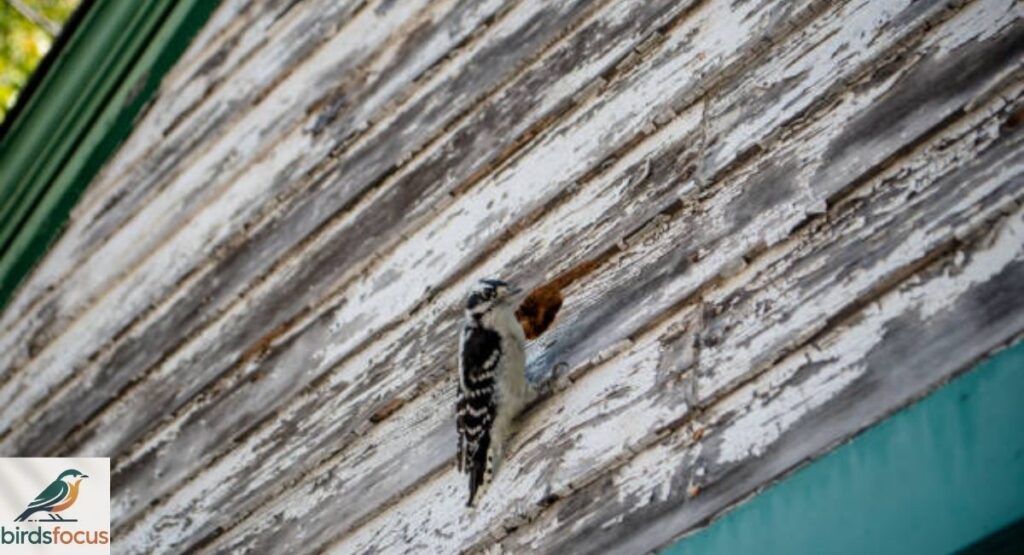
One of the easiest ways to identify a problem is by inspecting exterior surfaces. Small round holes, vertical gouges, and scattered wood chips often indicate woodpecker damage. You may hear repetitive tapping during early morning hours. Areas near eaves, soffits, and trim tend to suffer the most damage because they provide shelter and easy access.
Large species such as the Red-headed woodpecker and Yellow-bellied sapsucker can cause significant structural damage in a short period. Their activity sometimes exposes hidden colonies of carpenter ants or termites. Damage may appear on cedar siding, deck posts, fascia boards, and even gutters. Ignoring these warning signs can turn a minor issue into a costly repair project.
Areas Most Commonly Damaged
| Exterior Area | Risk Level |
| Siding | High |
| Fascia Boards | High |
| Eaves | Moderate |
| Gutters | Moderate |
| Deck Posts | High |
| Trim Boards | Moderate |
What Attracts Woodpeckers to Your House?
Woodpeckers are highly selective. Homes with cedar shakes, board and batten siding, or natural wood exteriors attract more activity because these materials resemble tree bark. Dark earth-tone colors can also increase pecking behavior. Studies have shown that lighter colors such as cream and white may experience fewer problems. Nearby trees and wooded lots create an environment that woodpeckers naturally prefer.
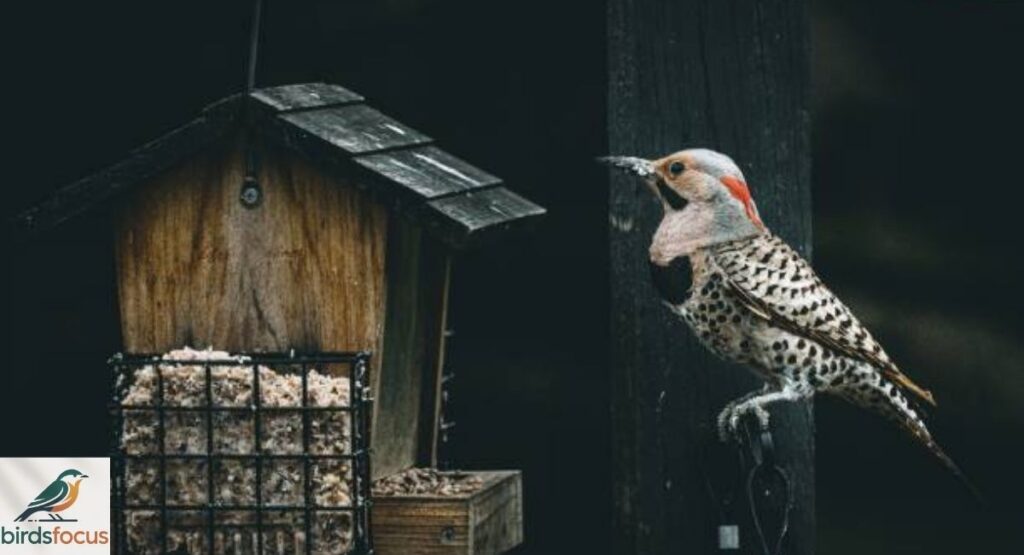
Food availability plays an equally important role. Hidden colonies of carpenter bees, ants, and insect larvae make houses especially attractive. Even bird feeders can contribute to increased activity. Some homeowners unintentionally encourage visits by placing suet feeders too close to the house. Quiet locations with little disturbance may also become ideal nesting sites for year-round resident species.
Factors That Increase Woodpecker Activity
| Attraction Source | Impact |
| Wood siding | High |
| Insect infestations | Very High |
| Nearby trees | Moderate |
| Dark-colored homes | Moderate |
| Suet feeders near the house | Moderate |
| Quiet nesting locations | High |
How to Get Rid of Woodpeckers Without Harming Them
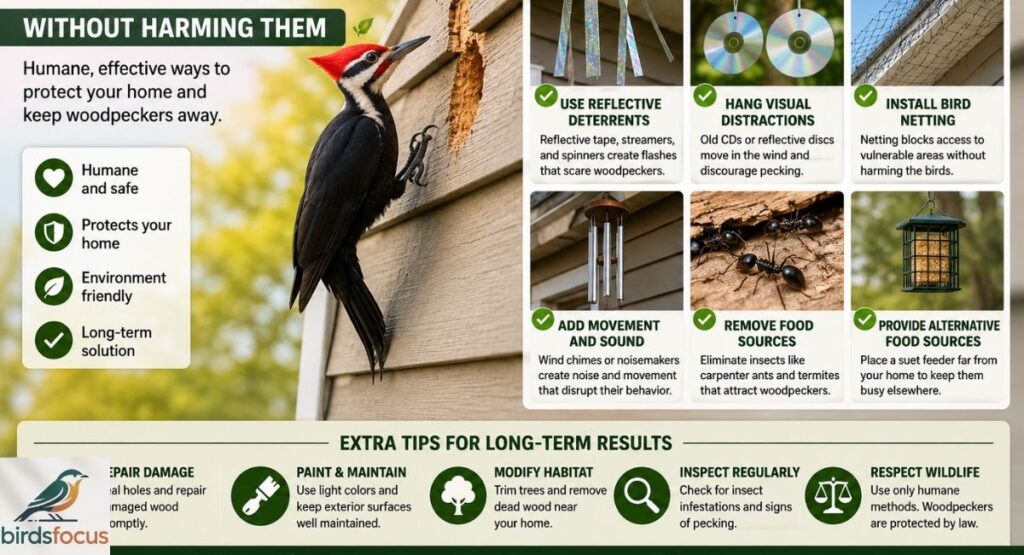
Stopping woodpeckers does not require harmful methods. In fact, humane solutions work better over time because they interrupt the bird’s behavior instead of injuring it. If you are wondering how to get rid of woodpeckers, begin by identifying the exact location of the activity. Acting early prevents birds from turning your home into a permanent drumming site. Since many species are protected, non-lethal approaches remain the safest option for homeowners.
Experts often recommend combining several deterrents instead of relying on a single method. Motion and reflection usually create the strongest response because birds dislike unpredictable environments. At the same time, removing hidden food sources reduces the reason they visit in the first place. A layered approach provides more reliable results and helps keep woodpeckers away from your house for good.
Install Reflective Deterrents
Moving reflective objects create flashes that make birds uncomfortable. Products such as mylar tape streamers, reflective discs, and aluminum strips work because they constantly change direction in the wind. Unlike stationary decorations, these deterrents introduce movement that disrupts normal bird behavior. Hanging them near damaged siding or around favorite drumming areas often reduces activity.
Use Motion-Based Scare Devices
Woodpeckers quickly become accustomed to objects that never move. That is why motion-based tools perform much better. Spinning wind devices, bobbing balloons, and flashing materials create visual disturbances that prevent birds from feeling secure. This approach is far more effective than relying on plastic owls or fake predators that remain in the same position day after day.
Hang Protective Bird Netting
One of the most successful exclusion techniques involves bird netting. Properly installed netting creates a barrier between birds and vulnerable surfaces. Homeowners often place it around eaves, fascia boards, and deck posts where damage repeatedly occurs. When installed correctly, the netting prevents access without harming the birds or affecting the appearance of the property.
Remove Food Sources and Treat Pest Problems
A hidden infestation often explains persistent pecking. Colonies of carpenter ants, wood-boring insects, and beetle larvae attract birds because they provide an easy meal. Treating the underlying pest issue removes the source of attraction. Regular inspections help detect problems before they become severe. In many cases, solving the insect problem also solves the woodpecker problem.
Provide Alternative Feeding Areas
Some wildlife specialists suggest using suet feeders away from the home. This strategy redirects birds toward a safer area and reduces activity around siding and gutters. However, feeders should remain far from the house. Placing them too close may increase bird traffic and attract even more species to the property.
Why Essential Oils and Sonic Devices Usually Fail
Many products promise quick results, yet research offers little support for these claims. Essential oils, ultrasonic repellents, and taste sprays rarely deliver consistent success. Birds rely more on sight and behavior patterns than smell. For that reason, physical barriers and moving deterrents generally outperform chemical or electronic devices.
How to Stop Woodpeckers From Pecking Your House Permanently
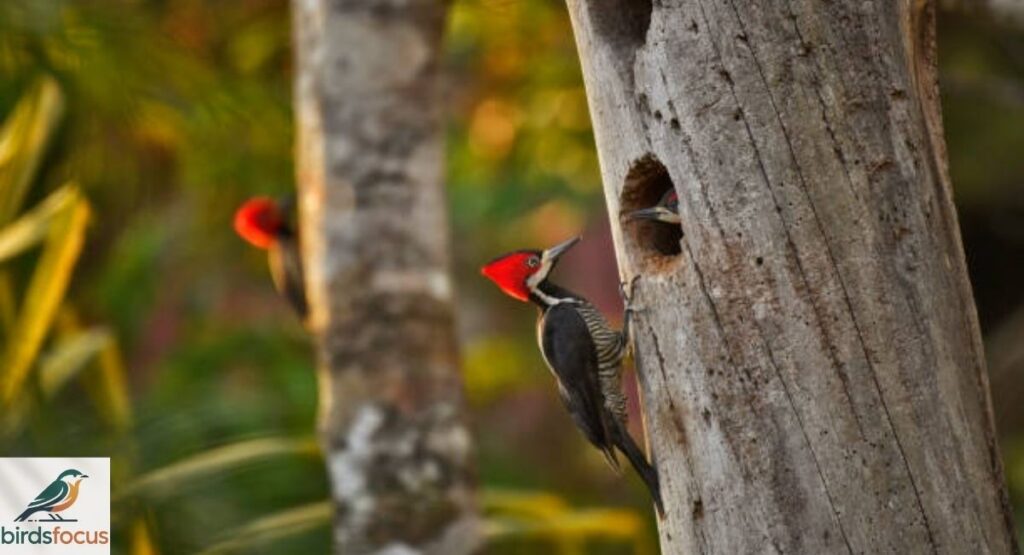
Long-term prevention focuses on removing the conditions that attract birds in the first place. Homeowners who repair damage quickly and maintain their exterior surfaces experience fewer problems. Once a bird establishes a territory, breaking the habit becomes difficult. That is why early intervention remains one of the most effective strategies. If you want lasting results, you must address both the birds and the reasons behind their behavior.
Creating an environment that feels unsuitable to woodpeckers produces better results than chasing them away repeatedly. Routine inspections, proper maintenance, and habitat modification discourage future visits. Preventing birds from returning to familiar spots is often easier than dealing with established patterns. A few proactive measures can save homeowners thousands of dollars in repair costs.
Seal Existing Holes Quickly
Open holes invite further excavation. Birds often return to previously damaged areas because they recognize them as suitable nesting sites. Repairing these openings with wood filler and repainting the surface removes visual cues that attract future activity. Fast repairs reduce the likelihood of repeat visits.
Schedule Regular Pest Inspections
Since carpenter ants, termites, and hidden insect colonies attract birds, annual inspections provide an extra layer of protection. Detecting infestations early helps homeowners avoid both structural damage and recurring woodpecker problems. Professional pest services can identify trouble areas before they become obvious.
Replace Damaged Wood Materials
Old siding and decaying wood make homes more vulnerable. Replacing heavily damaged boards with durable materials reduces nesting opportunities. Modern products offer improved resistance while maintaining curb appeal. Strong exterior surfaces discourage birds from digging and drumming.
Paint and Maintain Exterior Surfaces
Research suggests that darker homes experience greater woodpecker activity. Bright colors and regular maintenance may reduce the appeal of the structure. Fresh paint and sealed wood surfaces also help prevent moisture damage and insect infestations, which further lowers the risk.
Modify Habitat Around Your Home
Nearby dead trees, overgrown vegetation, and quiet nesting areas encourage birds to remain close to the property. Pruning trees and reducing potential shelter areas changes the environment. Habitat modification creates conditions that are less attractive to species such as the Hairy woodpecker and Red-bellied woodpecker.
Prevent Woodpeckers From Returning to the Same Spot
Woodpeckers remember successful feeding and nesting sites. Once they establish a pattern, they often revisit the same location every season. Combining repairs with deterrents and pest control interrupts this cycle. Consistency plays a major role in preventing repeat damage.
Long-Term Prevention Methods
| Prevention Method | Benefit |
| Pest inspections | Eliminates hidden food sources |
| Hole repairs | Prevents repeat nesting |
| Exterior painting | Reduces attraction |
| Habitat modification | Makes surroundings less appealing |
| Durable siding materials | Resists damage |
| Reflective deterrents | Discourages drumming |
| Bird netting | Blocks physical access |
The Best Woodpecker Deterrents for Homes
Finding the right deterrent often makes the difference between a temporary fix and a long-term solution. Homeowners searching for how to get rid of woodpeckers should understand that birds respond best to movement and physical barriers. Static objects lose their effectiveness because woodpeckers quickly recognize that they pose no threat. Combining several deterrents usually produces better results than relying on a single method.
Woodpecker Deterrent Comparison
| Deterrent | Effectiveness | Cost | Long-Term Value |
| Bird netting | Excellent | Moderate | High |
| Reflective tape | Good | Low | Moderate |
| Motion devices | Good | Moderate | Moderate |
| Flash streamers | Good | Low | Moderate |
| Plastic owl decoys | Low | Low | Poor |
| Ultrasonic devices | Poor | High | Low |
How to Repair Woodpecker Damage
Repairing damage quickly prevents birds from returning to the same location. Holes left untreated often encourage further excavation because they resemble natural nesting cavities. Homeowners who address problems immediately reduce the chances of repeated attacks. Early repairs also prevent moisture from entering walls and causing hidden structural problems.
Filling Small Holes and Surface Damage
Minor damage can often be repaired with exterior wood filler. After filling the holes, sanding and repainting the area helps restore the original appearance. Matching the surrounding color prevents repaired sections from standing out. Sealing exposed wood also discourages insects that may attract birds again.
Replacing Severely Damaged Boards
Large species such as the Pileated woodpecker can create extensive holes that weaken structural components. In these situations, replacing damaged boards provides the safest solution. New siding materials offer better resistance against moisture and future attacks. Stronger surfaces reduce maintenance over time.
Repairing Siding, Trim, and Fascia Boards
Areas such as fascia boards, trim, and soffits often experience repeated damage. Repairing these sections promptly prevents water infiltration and insect infestations. Reinforcing vulnerable spots improves durability. Some homeowners choose synthetic materials because they require less maintenance than natural wood.
Painting and Sealing Repaired Areas
Fresh paint serves more than a cosmetic purpose. Protective coatings shield wood from moisture and insects. Proper sealing extends the life of exterior surfaces and lowers the chance of future problems. Regular maintenance keeps homes attractive while reducing risks associated with woodpecker damage.
Choosing Woodpecker-Resistant Materials
Modern building products provide greater resistance than traditional wood siding. Fiber cement and composite materials withstand weather and discourage excavation. Although these materials require a higher initial investment, they often reduce long-term repair expenses and improve overall durability.
Common Repair Solutions
| Damage Type | Recommended Repair |
| Small holes | Wood filler and paint |
| Deep cavities | Epoxy filler |
| Large damage | Board replacement |
| Damaged fascia boards | Structural repair |
| Weathered siding | New protective coating |
| Extensive deterioration | Complete replacement |
What Not to Do When Dealing With Woodpeckers
Many homeowners make mistakes that accidentally encourage birds to stay longer. Some rely on ineffective products while others ignore the early signs of damage. Delayed action often allows birds to establish territories, making the problem more difficult to solve. Understanding what not to do can save time and money.
Because woodpeckers are beneficial birds, harmful methods are unnecessary and often illegal. Humane strategies provide better long-term results. Avoiding common mistakes helps protect both your property and local wildlife populations.
Avoid Harmful Chemicals
Chemical repellents rarely deliver consistent results. Most products fail because birds rely more on visual cues than smell. Sprays and strong scents may also affect pets and surrounding wildlife. Safe exclusion methods remain a better choice.
Never Remove Active Nests
Removing nests without proper authorization can violate wildlife regulations. Nesting birds play an important role in ecosystems by controlling insect populations. Waiting until nesting season ends prevents unnecessary harm and avoids legal issues.
Do Not Ignore Pest Infestations
Hidden colonies of carpenter ants, carpenter bees, and termites attract birds. Ignoring these pests allows the problem to worsen. Eliminating the food source often reduces bird activity naturally. Regular inspections protect the home from multiple threats.
Why Fake Owls Alone Are Ineffective
Stationary decoys provide limited success because birds soon recognize that they pose no danger. Without movement, these devices lose their impact. Combining visual deterrents with exclusion techniques creates better protection.
Common Mistakes Homeowners Make
Waiting too long to act represents one of the biggest mistakes. Delaying repairs, ignoring insect activity, and relying on ineffective products allow birds to establish permanent habits. Quick action and consistent prevention produce far better outcomes.
Mistakes to Avoid
| Mistake | Possible Result |
| Ignoring damage | Higher repair costs |
| Using harmful chemicals | Safety concerns |
| Depending on fake owls | Poor results |
| Delaying pest control | Increased bird activity |
| Leaving holes unrepaired | Repeat damage |
| Removing active nests | Legal issues |
Are Woodpeckers Protected by Law?
Understanding the legal side is important when learning how to get rid of woodpeckers. In the United States, many woodpecker species are protected under federal and state wildlife laws. These rules exist because birds like the Northern flicker and Red-bellied woodpecker help control insect populations. As a result, homeowners cannot use lethal methods or disturb active nests without permission.
The most important law is the Migratory Bird Treaty Act (MBTA). This law makes it illegal to harm, capture, or kill protected birds. It also restricts removal of active nests during breeding seasons. However, homeowners are still allowed to use humane deterrents. That includes exclusion tools, habitat changes, and pest control methods that do not directly harm wildlife.
What Homeowners Can Legally Do
Homeowners can still protect their property using approved methods. You can install bird netting, reflective tape, and motion-based devices. You can also repair damaged areas and remove insect infestations. These actions are fully legal because they do not harm birds directly. Many wildlife experts recommend combining these strategies for long-term success.
Legal Protection Summary Table
| Action | Legal Status |
| Installing deterrents | Allowed |
| Repairing siding | Allowed |
| Removing active nests | Restricted |
| Killing woodpeckers | Illegal |
| Pest control treatment | Allowed |
| Netting installation | Allowed |
When to Call a Professional Wildlife Removal Service
Sometimes woodpecker problems become too persistent for DIY solutions. If you are repeatedly searching for how to get rid of woodpeckers, it may be time to call a professional. Wildlife experts can identify hidden causes such as insect infestations or structural weaknesses. They also understand safe, legal control methods approved under U.S. wildlife regulations.
Professional help becomes especially important when damage spreads quickly or returns after repeated attempts to stop it. Large species like the Pileated woodpecker can create deep cavities in siding and fascia boards. In such cases, expert intervention ensures proper repair and long-term prevention instead of temporary fixes.
Situations That Require Expert Help
Severe structural damage often signals a deeper problem. If woodpeckers keep returning to the same area, it usually means food sources like carpenter ants or wood-boring beetles are still present. Professionals use inspection tools to locate hidden infestations and recommend targeted treatment plans that solve the root issue.
Wildlife Control vs Pest Control
Wildlife control focuses on exclusion and behavior management. Pest control targets insects that attract birds. Both services often work together. For example, removing termites reduces food sources, while installing netting prevents access. This combined approach offers the strongest long-term protection for homeowners.
Benefits of Hiring Professionals
| Service Benefit | Description |
| Expert inspection | Finds hidden infestations |
| Legal compliance | Follows wildlife laws |
| Long-term solutions | Prevents repeat damage |
| Safe deterrents | Humane control methods |
| Structural repair advice | Improves home durability |
Conclusion
In conclusion, learning how to get rid of woodpeckers is really about understanding their behavior and fixing the real cause behind the problem. These birds often arrive because of hidden woodpecker damage, carpenter ants, or other wood-boring insects inside your home. Once you remove food sources and protect weak areas, their activity naturally drops. Simple actions like repairs and deterrents can make a big difference over time.
Most importantly, use humane methods and act early to prevent long-term damage. With the right approach, you can protect your house while respecting wildlife protection laws and keeping your home safe.
FAQs
1. How to get rid of woodpeckers quickly?
You can reduce activity fast by using reflective deterrents and removing insect infestations that attract them to your home.
2. What attracts woodpeckers to a house?
They are mainly attracted by carpenter ants, termites, and soft or damaged wood where insects are hiding.
3. Will fake owls keep woodpeckers away?
Fake owls usually don’t work for long because woodpeckers quickly realize they are not a real threat.
4. Can woodpeckers damage my house?
Yes, they can create holes in siding, trim, and fascia boards, sometimes exposing deeper structural issues.
5. What is the most effective woodpecker deterrent?
The best results come from bird netting, reflective tape, and removing the insect food source together.

Welcome to birdsfocus! I’m Anam Sattar, an AI Powered SEO, and Content Writer with 4 years of experirnce.
I help websites rank higher,grow traffic, and look amazing. My goal is to make SEO and web design simple and effective for everyone.
Let’s achieve more together!