


The Red-Bellied Woodpecker is one of the most fascinating birds found across the United States, known for its striking red crown and energetic behavior. Many birdwatchers first notice its loud call echoing through wooded areas before they ever see it climbing tree trunks with ease. This Red-Bellied Woodpecker is often misunderstood because its name suggests a bright red belly, yet the color is faint and usually hidden.
Instead, its bold personality, black-and-white barring, and sharp drumming sound make it easy to recognize. In forests and suburban yards alike, the Red-Bellied Woodpecker plays an important ecological role by controlling insects and creating nesting cavities for other wildlife.
What Is a Red-Bellied Woodpecker?
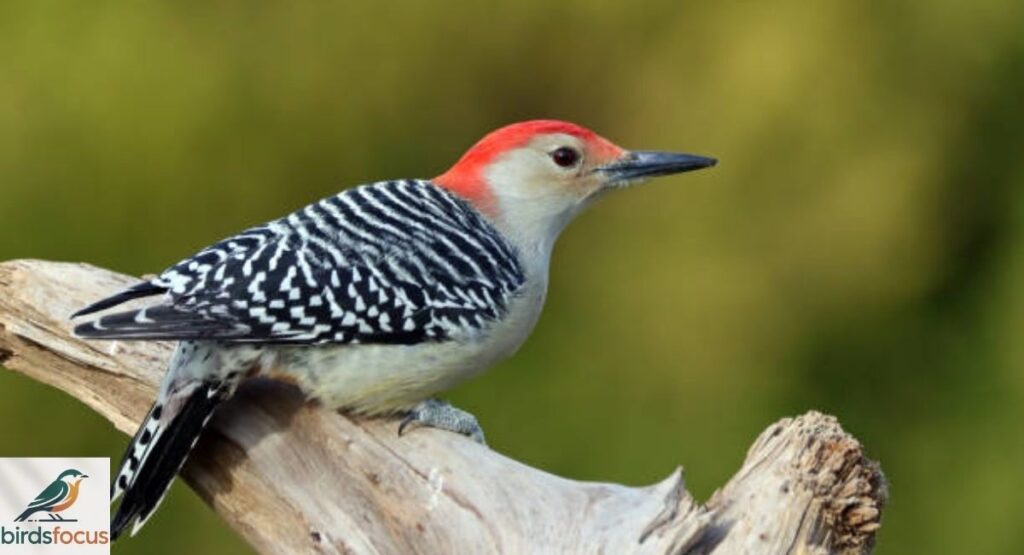
The Red-Bellied Woodpecker (Melanerpes carolinus) belongs to the woodpecker family and is native to North America. It lives mainly in the eastern and southeastern United States. Despite its name, the bird’s pale red belly is often difficult to see. Most people identify it by the bright red feathers running from the bill to the neck and the striking black-and-white barring on its back.
These birds are highly adaptable. They thrive in mature forests, wooded suburbs, and city parks. Their strong bills, stiff tails, and specialized feet help them cling to tree trunks with ease. Scientists classify them as omnivorous birds because they consume both plant material and animal prey.
Scientific Classification
| Classification | Details |
| Scientific Name | Melanerpes carolinus |
| Family | Picidae |
| Order | Piciformes |
| Average Length | 9 to 10.5 inches |
| Wingspan | 13 to 17 inches |
| Conservation Status | Least Concern |
Why Is It Called a Red-Bellied Woodpecker?
At first glance, the name seems confusing. Most bird enthusiasts expect a bright scarlet belly. However, the reddish tint on the underside appears only under certain lighting conditions. Early naturalists noticed this subtle feature and named the species accordingly. Today, many beginners still mistake this bird for the Red-Headed Woodpecker, which displays a completely red head.
What Does a Red-Bellied Woodpecker Look Like?
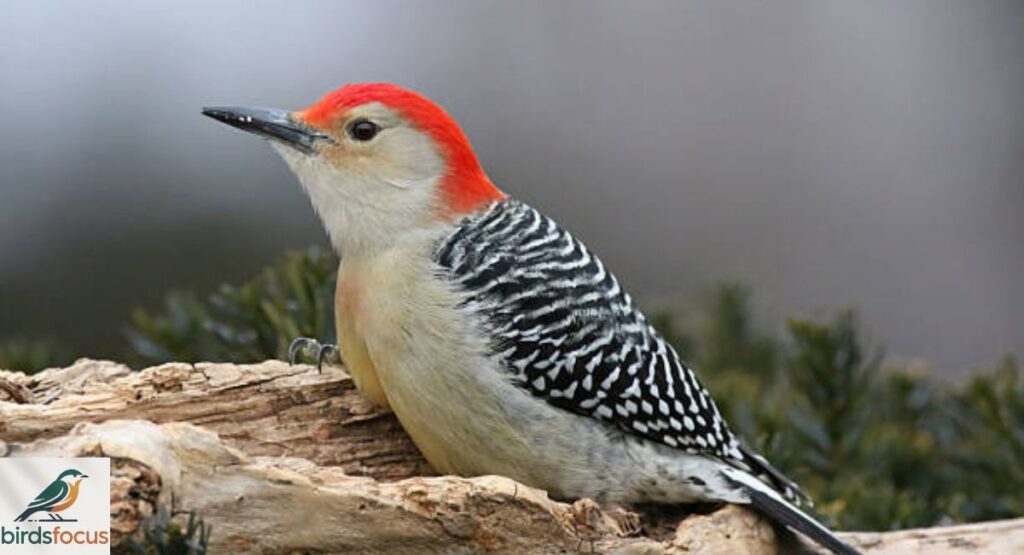
One glance at a Red-Bellied Woodpecker reveals why it attracts so much attention. Its back features striking zebra-like stripes, while the head carries vivid red plumage. The combination creates a bold pattern that separates it from many other backyard birds. Adults measure roughly nine inches long and possess a wingspan reaching up to sixteen inches. Their sturdy bodies and pointed bills allow them to excavate bark and dead wood with surprising strength.
Another remarkable feature is the bird’s zygodactyl feet. Two toes point forward and two point backward. This unusual arrangement gives the bird a firm grip on tree trunks. Combined with a stiff tail, the structure allows effortless climbing and helps the bird search for hidden insects beneath bark.
Distinctive Physical Features
| Feature | Description |
| Head Color | Bright red crown and nape |
| Back Pattern | Black-and-white barring |
| Belly Color | Pale reddish tint |
| Bill | Long and chisel-shaped |
| Feet | Zygodactyl feet with four toes |
| Tail | Strong and stiff for support |
Red-Bellied Woodpecker vs Red-Headed Woodpecker
Many people confuse these two species. However, several differences make identification easier.
| Characteristic | Red-Bellied Woodpecker | Red-Headed Woodpecker |
| Head Color | Partial red crown | Entire head red |
| Back Pattern | Black and white stripes | Large white patches |
| Belly | Slight reddish wash | Plain white |
| Habitat | Woodlands and suburbs | Open forests and grasslands |
| Population | Common | Less common |
The Red-Bellied Woodpecker appears much more frequently at backyard feeders. Meanwhile, the Red-Headed Woodpecker prefers open habitats with scattered trees. Learning these differences helps birdwatchers avoid one of the most common identification mistakes.
Female vs Male Red-Bellied Woodpecker
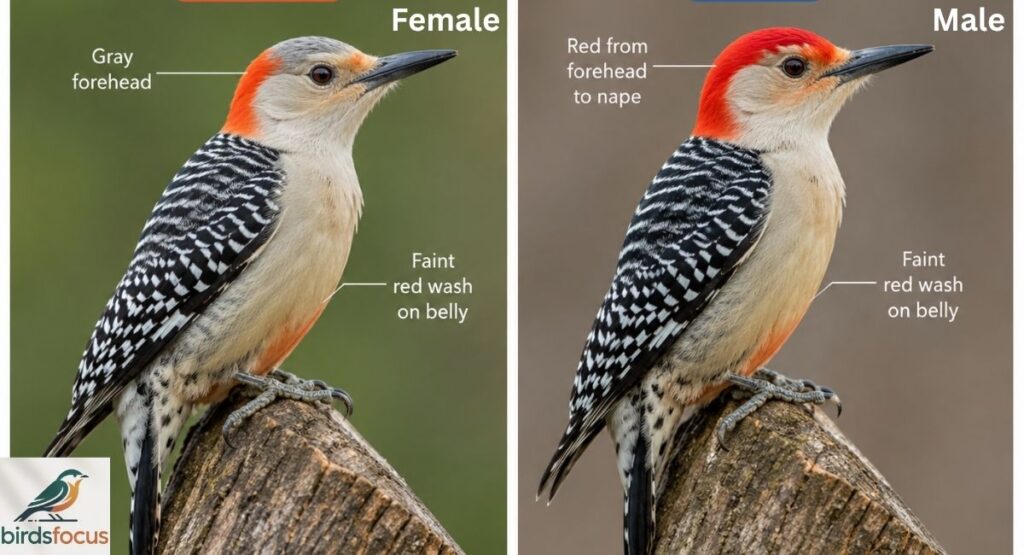
Telling male and female birds apart becomes easier once you know where to look. Male Red-Bellied Woodpeckers display red feathers extending from the forehead all the way to the neck. Females also possess red coloring, but the gray area between the forehead and crown breaks the pattern. This subtle difference provides the quickest way to distinguish the sexes.
Both males and females share the same striped back and pale belly. They also participate in raising young and defending nesting territories. Unlike some bird species, neither sex has brighter body colors than the other. Their similar appearance often surprises new birdwatchers.
Male vs Female Comparison
| Feature | Male | Female |
| Forehead | Red | Gray |
| Crown | Bright red | Gray and red |
| Nape | Red | Red |
| Body Pattern | Same | Same |
| Size | Similar | Similar |
How to Identify Males and Females
When observing birds at a feeder, focus on the top of the head. If the red stretches continuously from the bill to the neck, you are likely seeing a male. If gray separates the forehead from the red crown, you are looking at a female. Good lighting makes these differences easier to notice.
Juvenile Red-Bellied Woodpecker Identification
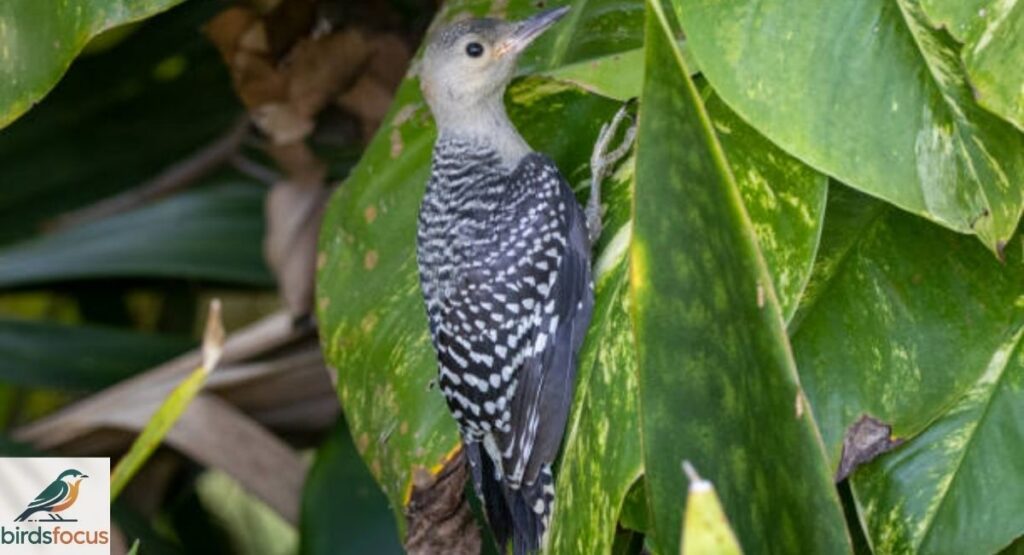
Young Red-Bellied Woodpeckers look very different from adults. Their heads appear mostly gray, and the famous red feathers have not fully developed. Even so, the distinctive striped pattern on the back remains visible. This characteristic helps birders identify juveniles during late summer and early autumn.
As juvenile birds mature, the red plumage gradually becomes brighter. Within several months, they begin to resemble adults. Young birds often visit feeders with their parents while learning how to locate insects and store food. Watching this stage offers fascinating insight into the species’ development.
Juvenile vs Adult Characteristics
| Characteristic | Juvenile | Adult |
| Head Color | Grayish | Bright red |
| Back Pattern | Striped | Striped |
| Bill | Smaller appearance | Fully developed |
| Behavior | Dependent on parents | Independent |
| Plumage | Duller | More vibrant |
Young birds usually gain their adult colors during the first year of life. Even before then, their energetic behavior and climbing ability make them easy to recognize among other backyard species.
Red-Bellied Woodpecker Call and Sound
Hearing a Red-Bellied Woodpecker before seeing one is quite common. These birds produce a loud rolling call often described as “churr-churr” or “quirr-quirr.” Both males and females vocalize throughout the year, which makes them different from many songbirds. Their calls help establish territories, attract mates, and maintain communication between family members.
Besides vocal sounds, these birds also communicate through drumming behavior. They rapidly strike tree trunks, utility poles, and even metal surfaces to create vibrations. This rhythmic tapping serves as a signal to rivals and potential mates. Experienced birdwatchers often identify a Red-Bellied Woodpecker sound long before spotting the bird itself.
What Does a Red-Bellied Woodpecker Sound Like?
The voice of a Red-Bellied Woodpecker varies depending on the situation. Alarm calls sound sharp and urgent, while contact calls appear softer. Their drumming pattern remains one of the easiest ways to identify them in wooded habitats.
| Sound Type | Purpose |
| Churr Call | Communication |
| Quirr Sound | Territory defense |
| Drumming | Mating and signaling |
| Alarm Call | Warning against danger |
| Contact Call | Family interaction |
Why Do Red-Bellied Woodpeckers Drum on Trees?
Drumming works much like singing does for other birds. Instead of producing melodies, these woodpeckers use sound vibrations to announce their presence. Their powerful neck muscles and strong bills allow them to drum repeatedly without injury. This remarkable adaptation helps them defend nesting sites and strengthen pair bonds.
Range Map and Habitat
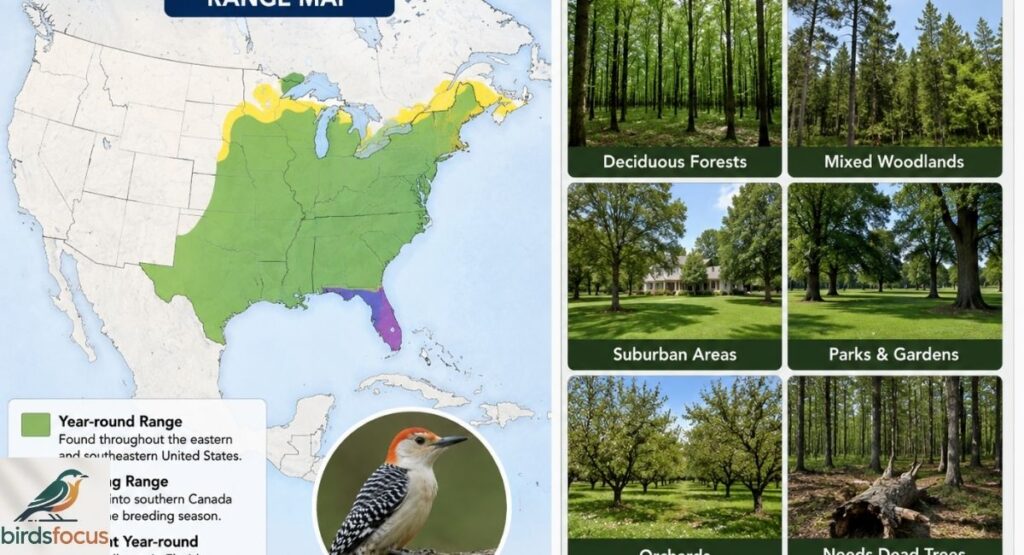
The Red-Bellied Woodpecker occupies a vast range across the eastern half of the United States. It thrives from Florida and Texas to New York and parts of southern Canada. During the last century, the species gradually expanded northward. Scientists believe warmer temperatures and increasing woodland habitats contributed to this movement.
These birds favor mature forests with plenty of trees, though they adapt surprisingly well to suburban neighborhoods. Parks, orchards, and residential yards with large shade trees often attract them. Their flexibility explains why many Americans encounter them regularly at backyard feeding stations.
Where Do Red-Bellied Woodpeckers Live?
A healthy population exists throughout deciduous forests and mixed woodlands. Areas containing dead trees provide ideal nesting sites because soft wood allows easy cavity excavation. Even urban settings with mature trees can support thriving populations.
| Habitat Type | Suitability |
| Deciduous Forests | Excellent |
| Mixed Woodlands | Excellent |
| Suburban Areas | Very Good |
| Parks and Gardens | Good |
| Grasslands | Poor |
Are Red-Bellied Woodpeckers Migratory?
Unlike many bird species, the Red-Bellied Woodpecker remains a year-round resident. Most individuals stay close to their territories throughout the seasons. However, some northern birds may move short distances when food becomes scarce. Their tendency to remain in one area allows bird enthusiasts to enjoy them all year.
Diet and Feeding Habits
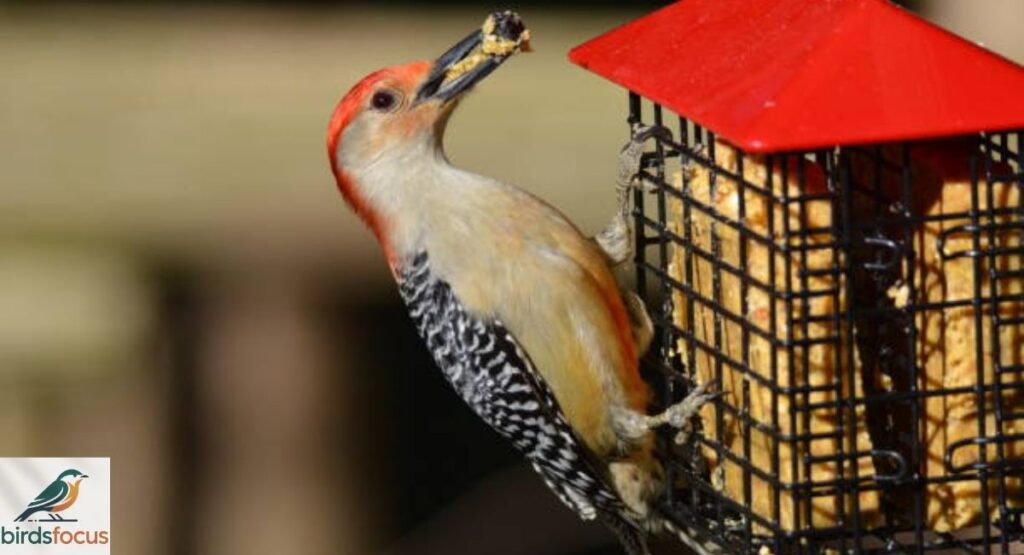
The Red-Bellied Woodpecker follows an omnivorous diet, which gives it impressive flexibility. Insects form a large part of its menu, especially beetles, ants, spiders, and larvae hidden beneath bark. The bird’s long barb-fringed tongue and sticky saliva help extract prey from deep crevices. During autumn and winter, seeds, nuts, and fruits become increasingly important.
Backyard birders often attract these energetic visitors with suet feeders, sunflower seeds, peanuts, and grape jelly. They also enjoy berries from native trees. One fascinating behavior involves food caching, where birds hide acorns and seeds inside bark cracks for later use. This habit helps them survive harsh winter conditions.
Favorite Foods of the Red-Bellied Woodpecker
The species adapts its diet according to seasonal availability. This versatility contributes greatly to its success across North America.
| Food Source | Season |
| Insects | Spring and Summer |
| Acorns | Fall |
| Berries | Fall and Winter |
| Sunflower Seeds | Year-round |
| Peanuts | Year-round |
| Suet | Winter |
| Fruit and Jelly | Spring and Summer |
How to Attract Red-Bellied Woodpeckers to Your Yard
Providing food and shelter greatly increases the chances of attracting these birds. Native trees such as oak, hawthorn, and mountain ash offer both nesting sites and natural food. Adding a suet feeder often produces quick results. Water sources and dead tree snags also create a welcoming environment for these colorful visitors.
Behavior and Interesting Adaptations
Watching a Red-Bellied Woodpecker reveals how perfectly designed it is for life on trees. Its zygodactyl feet provide a secure grip, while stiff tail feathers act like a support brace. Together, these features allow the bird to climb vertically with remarkable ease. Their movements appear almost effortless as they search bark for hidden insects.
Another extraordinary adaptation involves the tongue. The sticky tongue can extend nearly two inches beyond the bill. Tiny barbs and adhesive saliva trap insects hidden deep within cracks. Few birds possess such specialized tools. Combined with impressive intelligence and memory, these traits make the species one of the most successful members of the woodpecker family.
Unique Adaptations of the Red-Bellied Woodpecker
Nature equipped this bird with several features that improve survival and feeding efficiency.
| Adaptation | Function |
| Zygodactyl Feet | Climbing trees |
| Stiff Tail Feathers | Balance and support |
| Sticky Tongue | Catching insects |
| Powerful Bill | Drilling wood |
| Strong Neck Muscles | Drumming |
| Food Caching Ability | Winter survival |
Territorial and Social Behavior
Despite their striking appearance, these birds can become highly territorial. They often chase rivals away from feeding areas and nesting cavities. During breeding season, males and females cooperate closely. Outside this period, however, individuals usually prefer independence. Their spirited personality explains why they dominate many backyard feeders.
Nesting and Reproduction
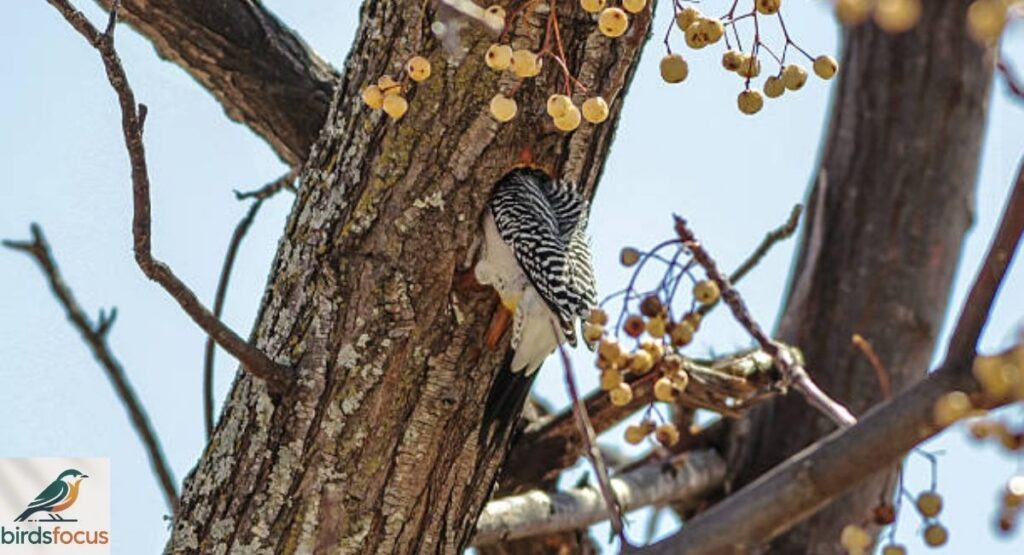
As spring arrives, the Red-Bellied Woodpecker begins one of the busiest periods of its life. Mated pairs work together to excavate nesting cavities inside dead trees, rotting branches, or old stumps. These cavities provide protection from weather and predators. Courtship often includes calling, drumming, and food sharing. Such behavior helps strengthen pair bonds before egg laying begins.
The female usually lays four to six white eggs. Both parents share incubation duties, though males often take responsibility during the night. After hatching, the chicks depend entirely on their parents for food and warmth. Young birds remain in the nest for several weeks before taking their first flights. Even after leaving the cavity, fledglings continue receiving care while learning important survival skills.
Breeding and Nesting Facts
The breeding season generally begins in late spring and continues into early summer. Favorable weather and abundant food often improve nesting success.
| Reproductive Trait | Details |
| Nest Type | Tree cavity |
| Clutch Size | 4–6 eggs |
| Egg Color | White |
| Incubation Duties | Shared by both parents |
| Fledging Period | About 3–4 weeks |
| Nest Location | Dead trees and stumps |
Do Red-Bellied Woodpeckers Mate for Life?
Many pairs stay together for several breeding seasons. Although lifelong partnerships are possible, some birds choose new mates after losing a partner or changing territories. Strong cooperation between males and females increases the survival chances of their offspring.
Predators, Threats and Lifespan
Life in the wild brings many challenges for the Red-Bellied Woodpecker. Several predators hunt adults, eggs, and nestlings. Snakes, raccoons, squirrels, hawks, and domestic cats all pose risks. Competition from European starlings creates another problem because these invasive birds often take over nesting cavities before woodpeckers can use them.
Despite these threats, healthy adults can survive for many years. Habitat loss, severe storms, and collisions with buildings represent additional dangers. Fortunately, the species adapts well to human landscapes, which helps maintain stable populations throughout much of its range.
Common Predators and Threats
Natural enemies target different stages of the bird’s life cycle. Nestlings remain especially vulnerable because they cannot escape danger.
| Threat | Impact |
| Snakes | Egg predation |
| Hawks | Adult predation |
| Raccoons | Nest raids |
| European Starlings | Nest competition |
| Habitat Loss | Reduced nesting sites |
| Domestic Cats | Predation |
| Storms | Nest destruction |
How Long Do Red-Bellied Woodpeckers Live?
The average lifespan in the wild ranges between eight and twelve years. Some individuals live considerably longer when food remains plentiful and predators stay scarce. Their ability to store food and adapt to changing habitats contributes greatly to their longevity.
Conservation Status and Ecological Importance
Unlike many declining bird species, the Red-Bellied Woodpecker currently enjoys a healthy population. According to conservation organizations, the species holds a status of Least Concern. Expanding forests and increasing suburban tree cover have allowed populations to remain stable. In several northern regions, breeding ranges have even expanded during the past century.
These birds contribute much more than beauty to the environment. Their feeding habits help control insects that damage trees. In addition, abandoned nesting cavities later provide shelter for bluebirds, owls, squirrels, and other wildlife. Because of this, scientists consider them important contributors to biodiversity and healthy forest ecosystems.
Ecological Contributions
The activities of the Red-Bellied Woodpecker support many species beyond its own population.
| Ecological Role | Benefit |
| Insect Control | Protects trees |
| Cavity Excavation | Provides shelter for wildlife |
| Seed Dispersal | Supports plant growth |
| Ecosystem Balance | Maintains biodiversity |
| Food Source | Supports predators |
Are Red-Bellied Woodpeckers Endangered?
No. The species remains widespread across North America. Conservation experts classify it as secure. Maintaining mature forests and preserving dead trees will continue supporting healthy populations for generations to come.
Similar Species
At first glance, several woodpeckers resemble the Red-Bellied Woodpecker. Beginners frequently confuse it with the Red-Headed Woodpecker, Downy Woodpecker, Hairy Woodpecker, and Pileated Woodpecker. However, careful observation reveals clear differences in size, markings, and behavior. Learning these distinctions makes bird identification much easier.
Red-Bellied Woodpecker vs Red-Headed Woodpecker
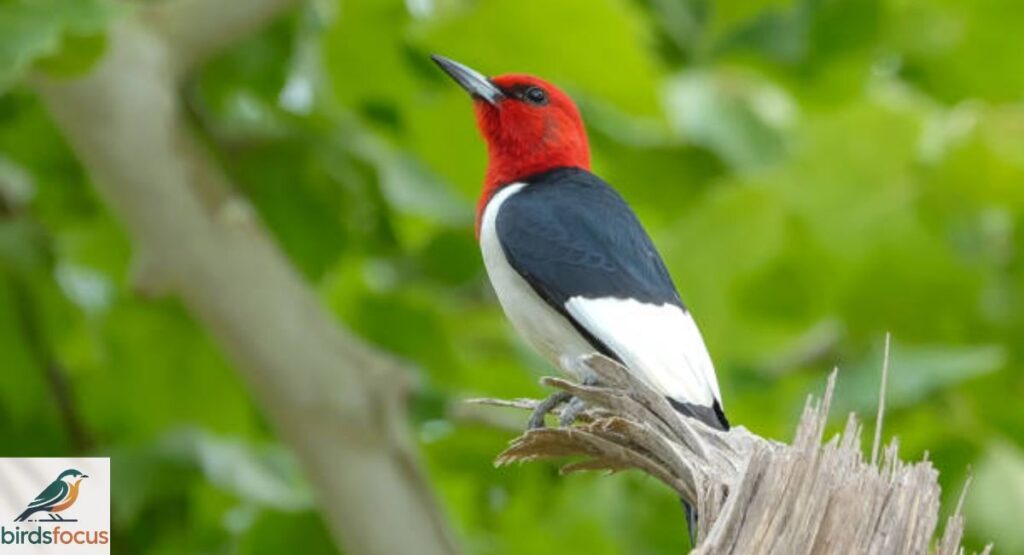
The Red-Headed Woodpecker is often confused with the Red-Bellied Woodpecker because both have red plumage. However, the red-headed species has an entirely red head and large white wing patches. In contrast, the Red-Bellied Woodpecker has a striped back and only a red crown and nape.
Red-Bellied Woodpecker vs Downy Woodpecker
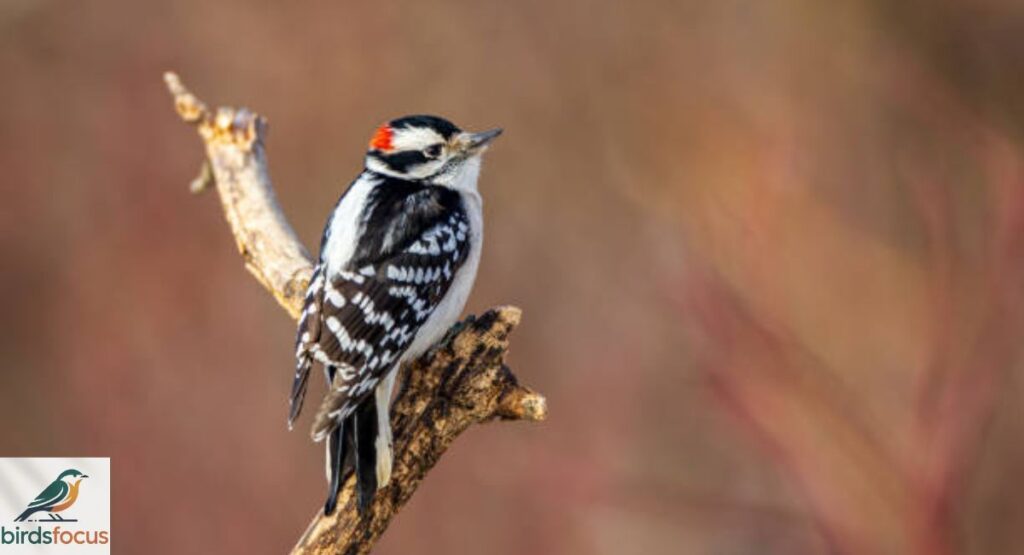
The Downy Woodpecker is much smaller and has a shorter bill than the Red-Bellied Woodpecker. It also lacks the distinctive zebra-like barring found on the back of red-bellieds. Downy Woodpeckers are common backyard visitors and frequently share feeders with larger species.
Red-Bellied Woodpecker vs Hairy Woodpecker
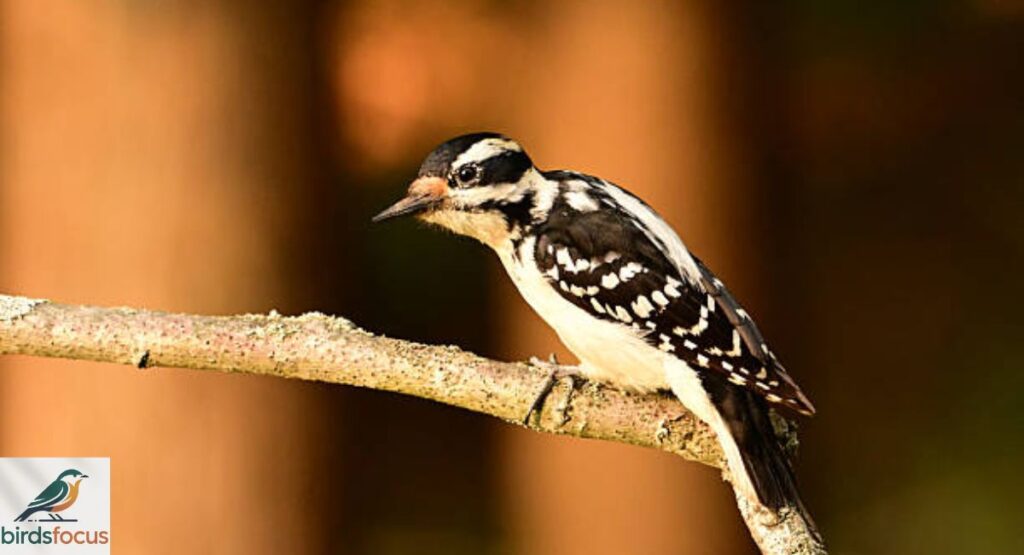
The Hairy Woodpecker resembles the Downy Woodpecker but features a longer, stronger bill. Unlike the Red-Bellied Woodpecker, it has a plain black-and-white back instead of bold horizontal stripes. Hairy Woodpeckers are usually found in mature forests and wooded parks.
Red-Bellied Woodpecker vs Pileated Woodpecker
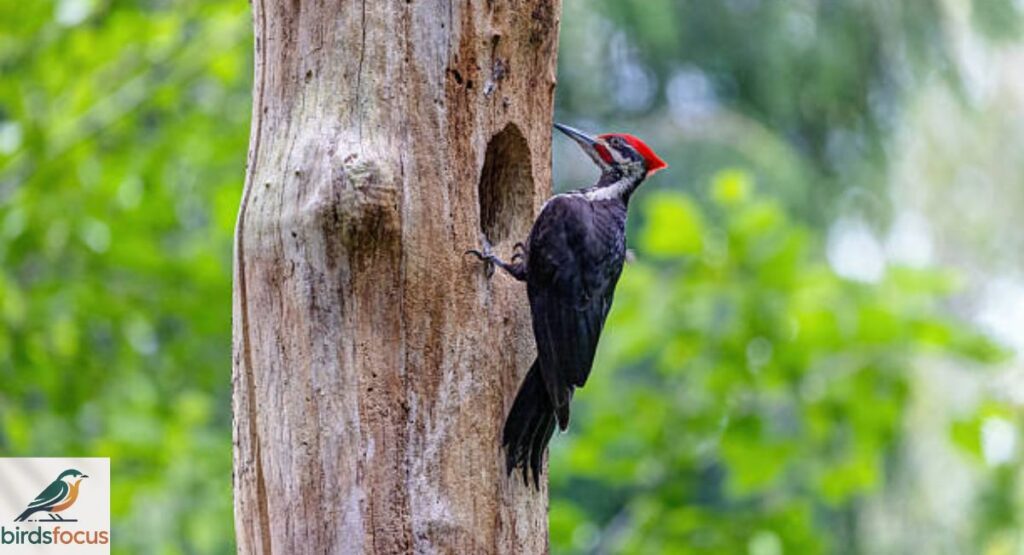
The Pileated Woodpecker is significantly larger than the Red-Bellied Woodpecker and sports a dramatic red crest. Its loud calls and rectangular holes in trees make it easy to identify. Despite belonging to the same family, the two species differ greatly in size and appearance.
Red-Bellied Woodpecker vs Northern Flicker
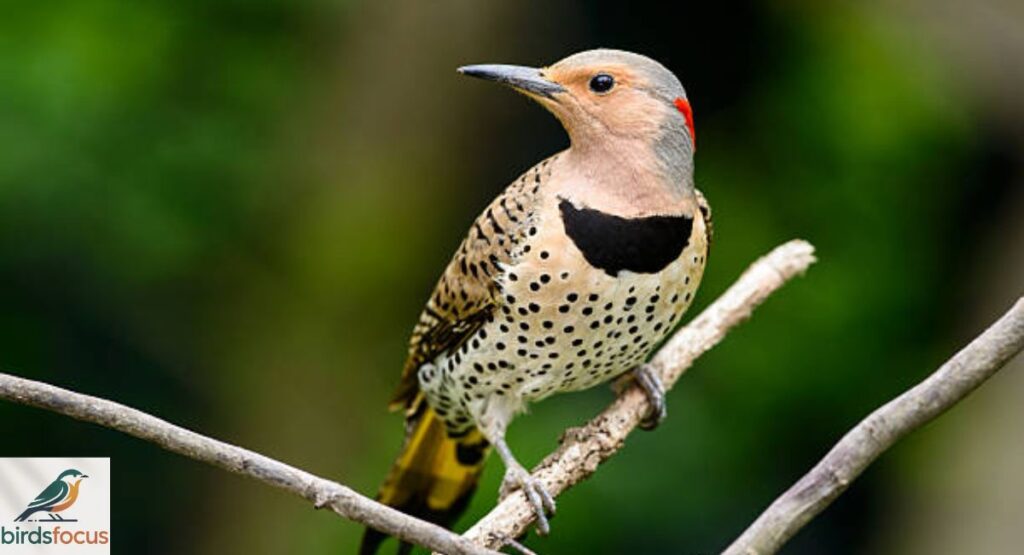
The Northern Flicker stands out with its spotted underparts and brownish body coloration. Unlike the Red-Bellied Woodpecker, it spends considerable time foraging on the ground for ants and beetles. Its flight pattern and flashing wing colors also make it easy to distinguish from other woodpeckers.
Comparison With Similar Species
| Species | Main Difference |
| Red-Headed Woodpecker | Entire head is red |
| Downy Woodpecker | Smaller size |
| Hairy Woodpecker | Longer bill |
| Pileated Woodpecker | Much larger body |
| Northern Flicker | Spotted underside |
Avoiding Identification Mistakes
Pay close attention to the striped back and partial red head. These features quickly separate the Red-Bellied Woodpecker from other North American species. Experience and repeated observations make identification easier with time.
Fascinating Facts About Red-Bellied Woodpeckers
The Red-Bellied Woodpecker hides many surprises that even regular birdwatchers miss. At first glance, it looks simple with its striped back and red head, but its behavior tells a deeper story. For example, this bird can remember hundreds of food hiding spots during winter. That mental map helps it survive when insects become scarce.
Another interesting point is how both males and females stay vocal all year. Most birds become quiet outside breeding season, but this species keeps talking, drumming, and calling. That constant communication makes it one of the most noticeable backyard birds in the United States.
Surprising Traits of the Red-Bellied Woodpecker
These facts show why bird lovers find this species so fascinating.
| Fact | Detail |
| Memory Skills | Remembers food storage spots |
| Tongue Length | Can extend up to 2 inches |
| Vocal Behavior | Calls throughout the year |
| Feeding Style | Uses sticky saliva to catch insects |
| Drumming Power | Strong enough to echo across forests |
The Red-Bellied Woodpecker also shows strong problem-solving ability. It adjusts feeding behavior based on seasons and even learns feeder locations quickly. Because of this adaptability, it thrives in both wild forests and suburban gardens.
Why Birdwatchers Love This Species
Bird enthusiasts enjoy watching this woodpecker because it is active, noisy, and easy to spot. Unlike shy species, it often stays in open branches and feeder areas. Its bold personality makes every sighting memorable, especially when it arrives with loud drumming sounds or sudden calls.
Conclusion
The Red-Bellied Woodpecker is truly a remarkable bird that stands out across U.S. forests and backyards. From its loud call and sound to its unique male, female, and juvenile identification, every detail makes it easier to recognize and appreciate. Its striped body, strong drumming, and smart feeding habits show how well it adapts to different environments. Whether you see it on a tree or hear it first, this bird always leaves a lasting impression on bird lovers everywhere.
Understanding the Red-Bellied Woodpecker helps you connect more deeply with nature. You can now identify its behavior, sounds, and life stages with ease. It also plays an important role in keeping ecosystems balanced by controlling insects and supporting other species. Once you learn its features, you will never confuse it with other woodpeckers again.
FAQs
1. What does a Red-Bellied Woodpecker sound like?
It makes loud “churr” or “quirr” calls along with fast drumming on trees for communication and territory marking.
2. How can you tell male and female Red-Bellied Woodpeckers apart?
Males have red from forehead to neck, while females have a gray area on the forehead with red only on the back of the head.
3. What does a juvenile Red-Bellied Woodpecker look like?
Juveniles have a dull gray head and less visible red color, but they still show the striped back pattern.
4. Where do Red-Bellied Woodpeckers live in the USA?
They are commonly found in eastern and southeastern United States forests, parks, and suburban areas with trees.
5. What do Red-Bellied Woodpeckers eat?
They eat insects, seeds, nuts, fruits, and also enjoy suet and sunflower seeds from backyard feeders.

Welcome to birdsfocus! I’m Anam Sattar, an AI Powered SEO, and Content Writer with 4 years of experirnce.
I help websites rank higher,grow traffic, and look amazing. My goal is to make SEO and web design simple and effective for everyone.
Let’s achieve more together!