


Hummingbirds are tiny yet powerful creatures found across the USA, known for their fast wings and glowing colors. In Everything About Hummingbirds, you will explore how these birds survive with extreme energy needs and unique flying skills. They hover like helicopters and visit flowers constantly for nectar.
Their role in nature is very important because they help in pollination process, support bird migration behavior, and maintain ecosystem balance. Many people also attract them using hummingbird feeders in gardens. This guide helps you understand their life, habits, and survival secrets in simple English.
What Is a Hummingbird?
A hummingbird is a very small bird known for its fast wing movement and ability to hover. Unlike most birds, it can fly backward, sideways, and even remain completely still in the air. This unique ability comes from its highly specialized wing structure.
Their metabolism is extremely fast, meaning they must eat constantly to survive. They feed mainly on nectar from flowers and also consume small insects for protein. Without frequent feeding, they can quickly lose energy. This makes them one of the most active birds in nature.
Ruby-Throated Hummingbird
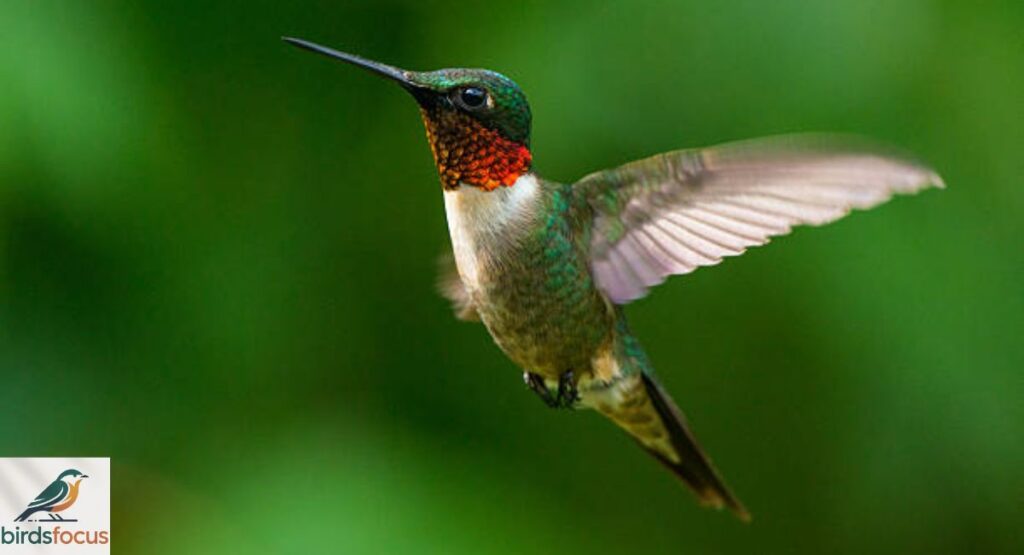
The Ruby-Throated Hummingbird is one of the most recognized species across the eastern United States. It has a bright metallic green body and a glowing red throat that shines in sunlight. You often see it hovering around flowers and backyard feeders during warm months. Its wing speed is so fast that it creates a humming sound in the air. In Everything About Hummingbirds, it represents beauty, energy, and garden attraction.
Bee Hummingbird
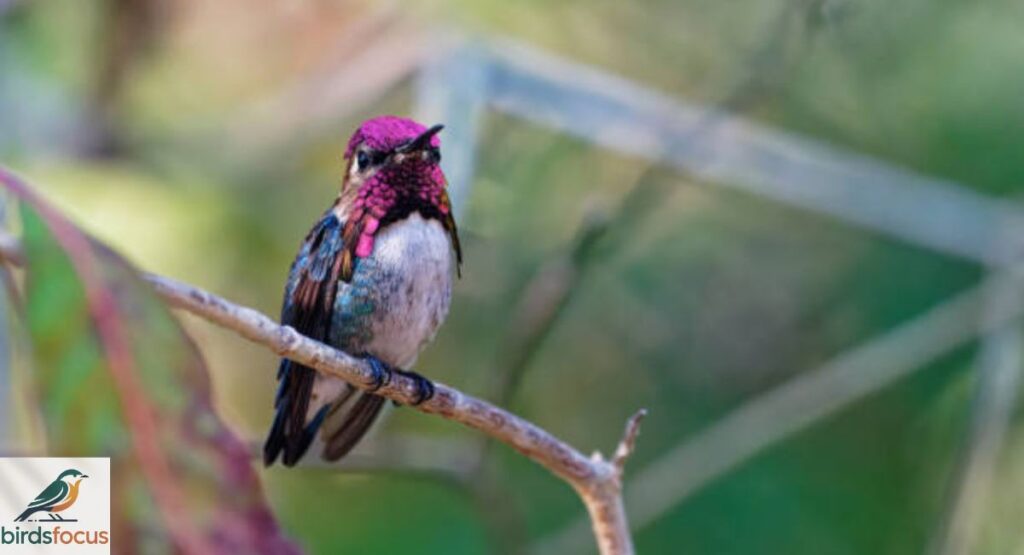
The Bee Hummingbird is the smallest bird in the world, even smaller than many insects. It lives mainly in Cuba but fascinates bird watchers across the globe. Despite its tiny size, it flies with incredible speed and precision. Its rapid wing movement makes it almost invisible during motion. In Everything About Hummingbirds, it symbolizes extreme miniaturization and natural perfection.
Anna’s Hummingbird
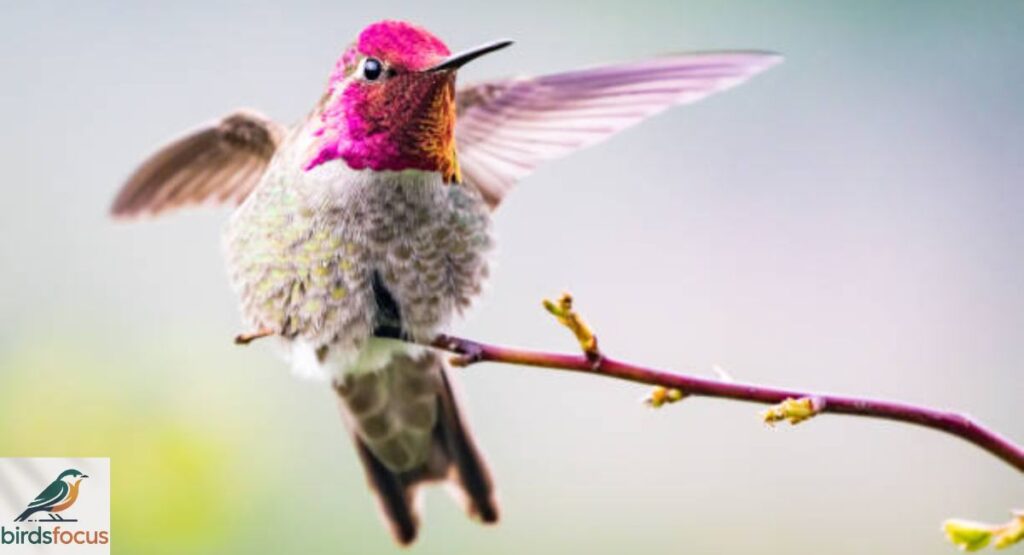
Anna’s Hummingbird is a permanent resident of the western United States. The male has a shimmering pinkish-red head that glows under sunlight. Unlike many hummingbirds, it can survive colder weather conditions. It often stays active in gardens even during winter months. In Everything About Hummingbirds, it represents adaptability and year-round survival strength.
Rufous Hummingbird
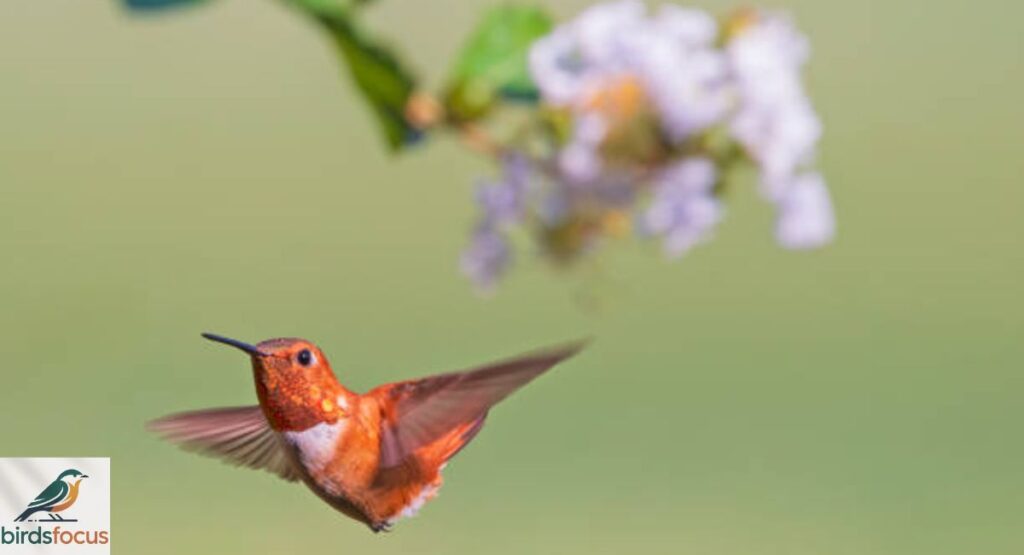
The Rufous Hummingbird is known for its extremely long migration journey across North America. It travels thousands of miles with remarkable endurance and determination. Its fiery orange color makes it stand out in natural landscapes. This species is also highly territorial around feeding areas. In Everything About Hummingbirds, it reflects power, aggression, and migration strength.
Black-Chinned Hummingbird
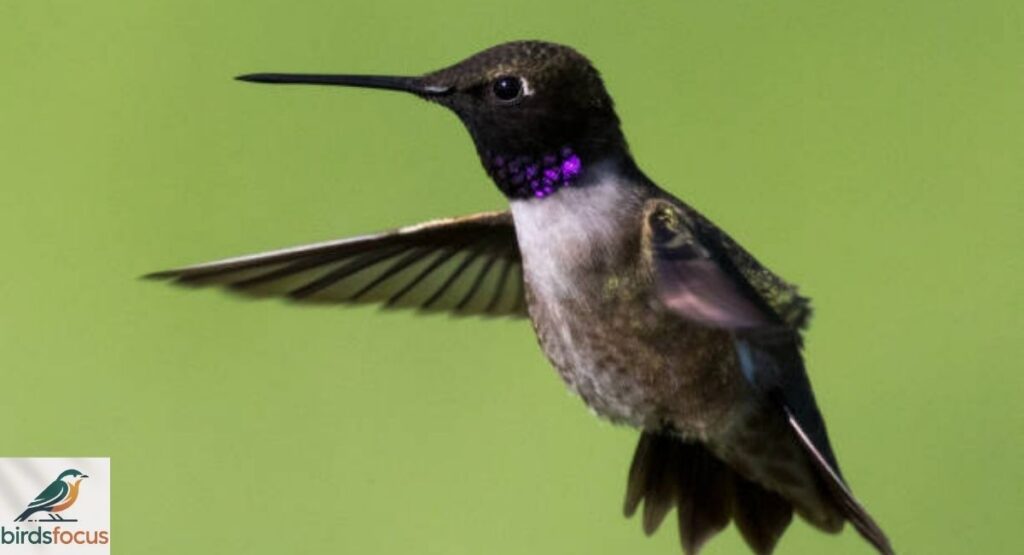
The Black-Chinned Hummingbird is commonly found in western USA deserts and valleys. It has a dark throat with a faint purple band below it. This species prefers dry climates but still visits feeders frequently. It is calmer compared to many aggressive hummingbird species. In Everything About Hummingbirds, it shows adaptability across harsh environments.
| Feature | Description |
| Size | 3–5 inches average |
| Flight style | Hovering, backward flight |
| Diet | Nectar and insects |
| Energy use | Extremely high metabolism |
Hummingbird Meaning and Symbolism
Hummingbirds are not just biological wonders; they also hold deep symbolic meaning. In many cultures across the USA, they represent joy, positivity, and resilience. Their fast movement is often linked with living life fully in the present moment.
Native American traditions view hummingbirds as healers and messengers of peace. Many people also believe seeing a hummingbird brings good luck or emotional healing. Because of their beauty and energy, they are often used in tattoos and art.
| Symbol | Meaning |
| Joy | Happiness and light energy |
| Strength | Survival under pressure |
| Love | Emotional connection |
| Freedom | Independent movement |
Hummingbird Life Cycle
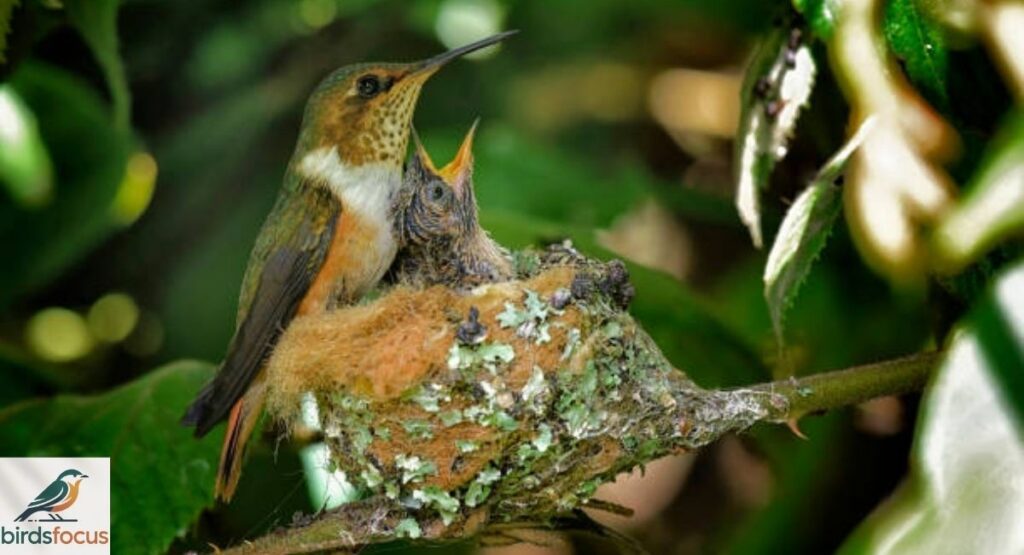
Mating and Courtship
Hummingbird courtship involves fast aerial dives performed by males. These movements create buzzing sounds in the air. Females choose mates based on strength and flight performance. Mating happens quickly in mid-air. In Everything About Hummingbirds, it shows rapid natural reproduction behavior.
Nest Building
Female hummingbirds build nests using spider silk, moss, and plant fibers. These nests are tiny but flexible and strong. They are placed on safe tree branches for protection. The structure expands as chicks grow. In Everything About Hummingbirds, nest building shows natural engineering skill.
Egg Laying Stage
After nest completion, the female lays one or two small white eggs. She protects them carefully and rarely leaves them alone. Incubation begins immediately after laying. Warmth and protection are essential. In Everything About Hummingbirds, this stage begins new life.
Chick Development
Baby hummingbirds hatch blind, featherless, and fully dependent on their mother. Feeding happens many times per day. Growth is extremely fast compared to other birds. Within weeks, they prepare for flight. In Everything About Hummingbirds, it shows rapid biological development.
| Stage | Duration |
| Mating | Spring season |
| Egg incubation | 14–18 days |
| Chick growth | 3–4 weeks |
| Full maturity | 6–12 months |
Hummingbird Nests
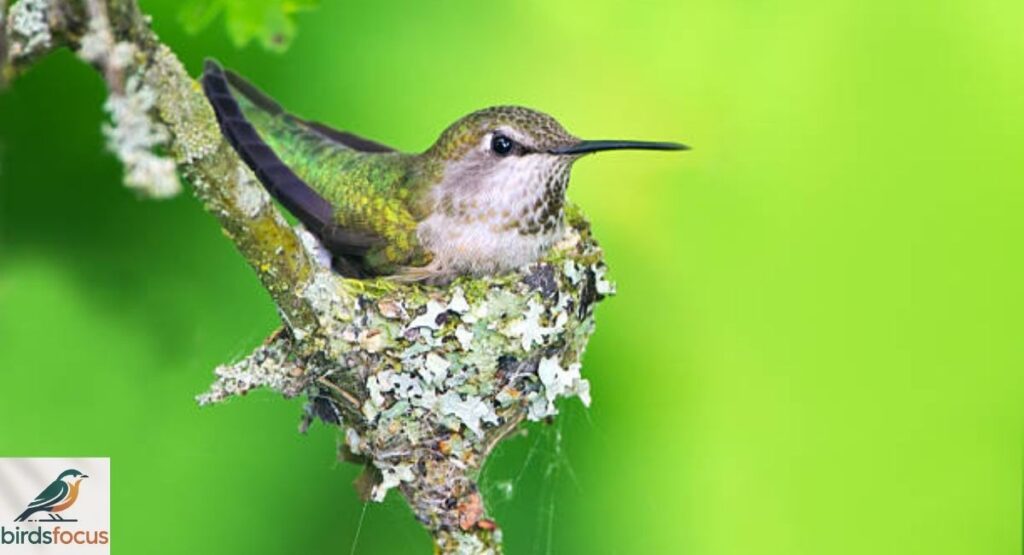
Hummingbird nests are among the most delicate structures in nature.
Nest Structure
Hummingbird nests are tiny cup-shaped structures made from natural materials. Spider silk gives them flexibility and strength. Moss and fibers make them soft and safe. They are surprisingly strong for their size. In Everything About Hummingbirds, nests show intelligent natural design.
Nest Location
Nests are placed on tree branches or hidden shrubs. Height protects them from predators and danger. Females carefully choose safe and quiet locations. Human disturbance is avoided. In Everything About Hummingbirds, placement ensures survival.
Nest Expansion Ability
Hummingbird nests can stretch as chicks grow inside. Spider silk allows natural elasticity. The nest does not break under pressure. It adapts perfectly to growing life. In Everything About Hummingbirds, expansion shows biological innovation.
| Nest Feature | Description |
| Size | Coin-sized |
| Material | Spider silk, moss |
| Shape | Cup-like |
| Location | Tree branches |
Hummingbird Eggs
Egg Appearance
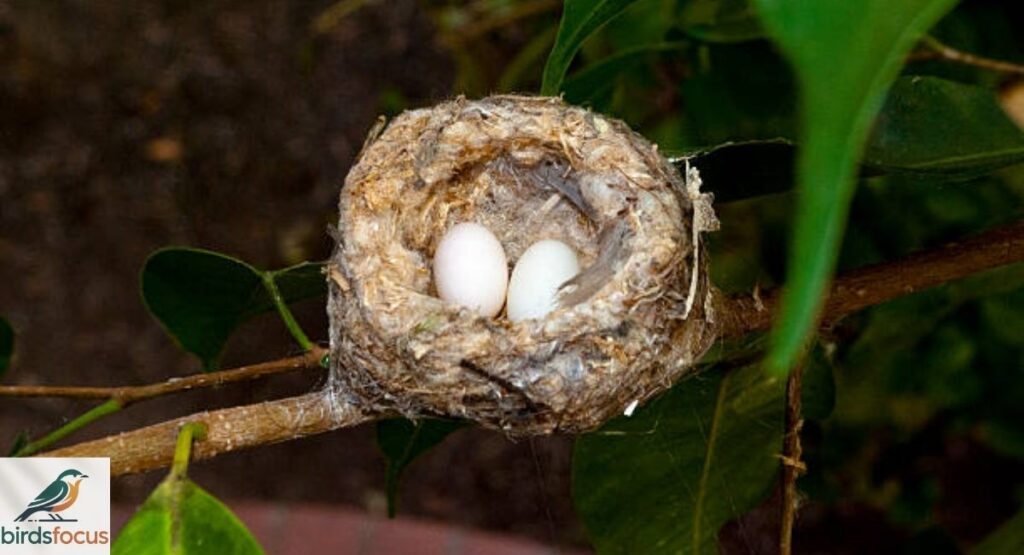
Hummingbird eggs are very small and pure white in color. They are about the size of tiny beans. Their simple appearance helps them stay hidden. Despite their size, they contain life. In Everything About Hummingbirds, simplicity hides complexity.
Clutch Size
Most hummingbirds lay only one or two eggs per cycle. This ensures better care and attention. Survival chances increase due to focused parenting. Quantity is less important than survival. In Everything About Hummingbirds, fewer eggs mean better survival.
Incubation Period
The incubation period lasts about two weeks. The mother keeps eggs warm continuously. Short absences are carefully managed. Temperature stability is essential. In Everything About Hummingbirds, incubation is delicate.
| Egg Feature | Detail |
| Color | White |
| Count | 1–2 eggs |
| Size | Very small |
| Hatch time | 14–18 days |
How Long Do Hummingbirds Live?
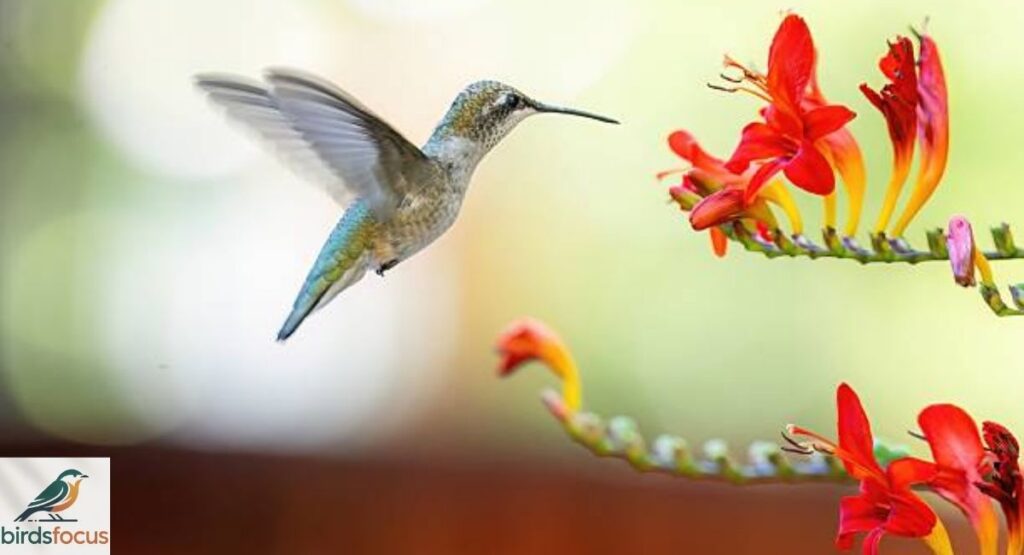
Hummingbirds have a short but intense lifespan. Most live between 3 to 5 years in the wild. Some may survive longer in safe environments with enough food and protection.
Their survival depends on food availability, weather conditions, and predators. Migration is one of the most dangerous parts of their life cycle.
| Factor | Impact |
| Food | High |
| Weather | Medium |
| Predators | High |
| Human feeders | Positive |
Do Hummingbirds Sleep?
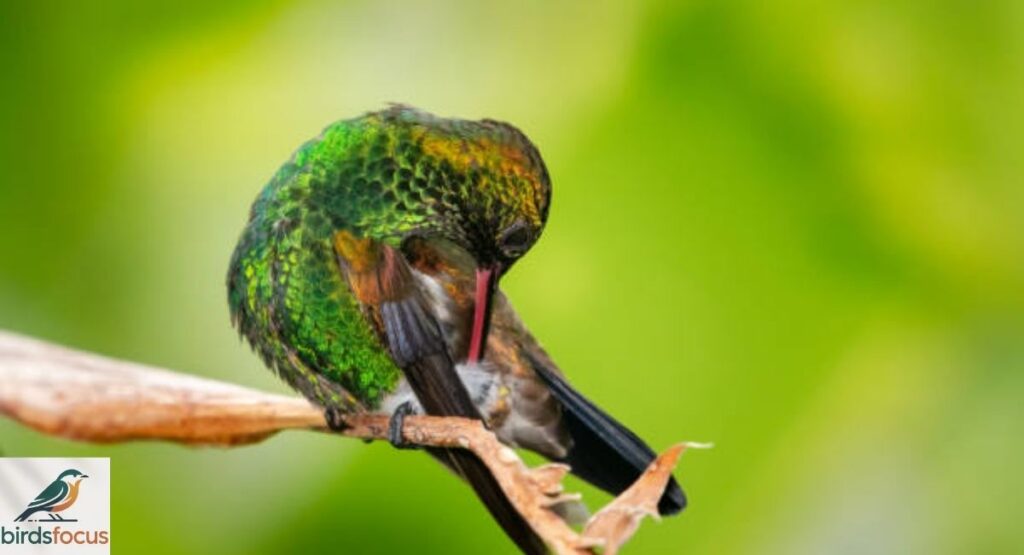
Yes, hummingbirds do sleep, but in a unique way.
Torpor State
Hummingbirds enter a deep energy-saving state called torpor. Their heart rate slows dramatically. This helps them survive cold nights. It works like temporary hibernation. In Everything About Hummingbirds, torpor ensures survival.
Night Rest Behavior
They sleep on branches or hidden safe spots. Their body remains still to save energy. Stored energy supports them overnight. Morning restores full activity. In Everything About Hummingbirds, rest is essential.
| Sleep Type | Torpor |
| Heart rate | Very low |
| Purpose | Energy saving |
| Duration | Nighttime |
Hummingbird Migration
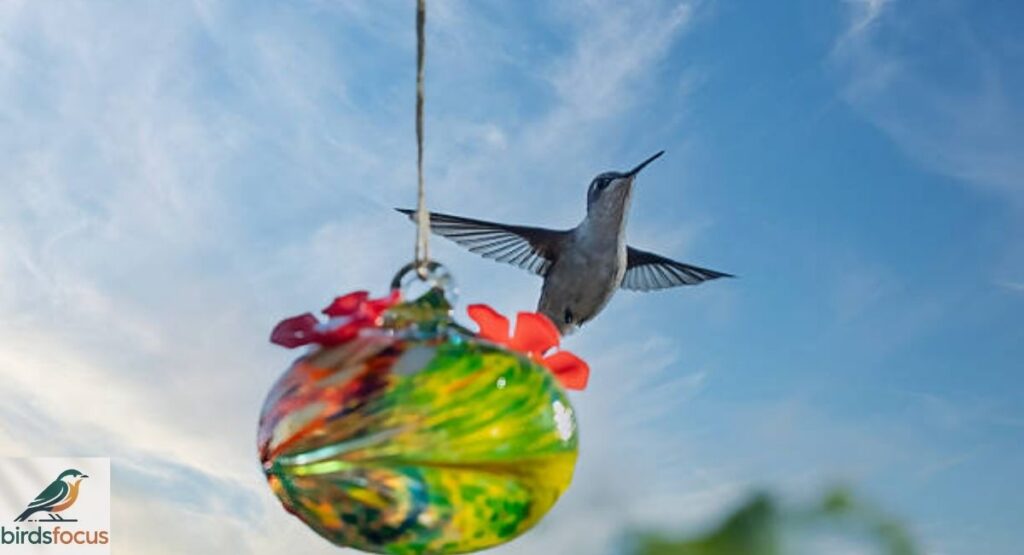
Migration Routes
Hummingbirds travel thousands of miles between continents. Some cross large oceans without stopping. This journey is highly dangerous. It requires strong energy preparation. In Everything About Hummingbirds, migration shows endurance.
Seasonal Timing
Migration happens in spring and fall seasons. Birds move north for breeding. They move south for survival. Timing depends on food availability. In Everything About Hummingbirds, seasons control movement.
| Route | North to South America |
| Season | Spring & Fall |
| Distance | Thousands of miles |
| Risk | Very high |
What Do Hummingbirds Eat?
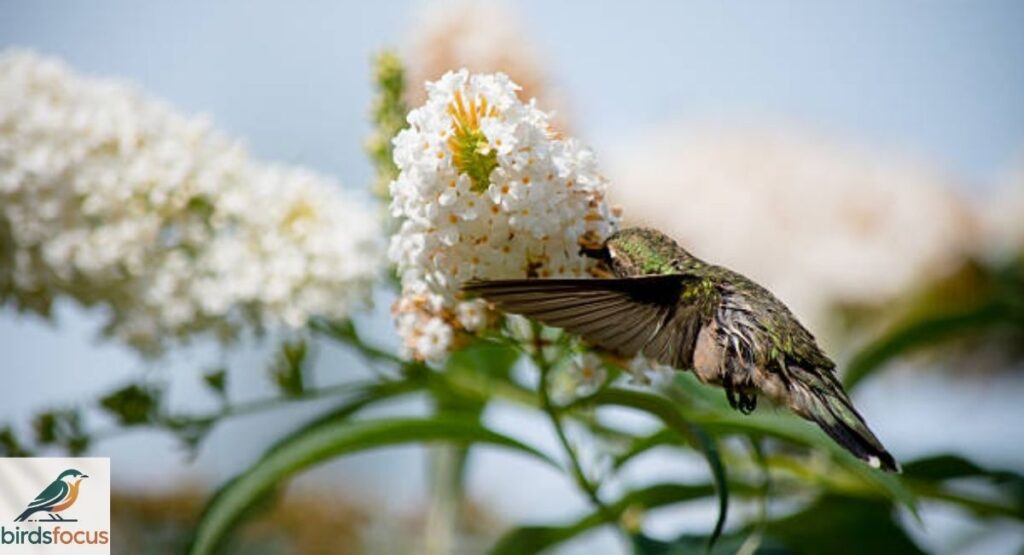
Hummingbirds mainly feed on nectar, which provides quick energy. They also eat insects and spiders for protein, which helps muscle growth and health.
Without this combination, they cannot survive their high-energy lifestyle.
| Food | Purpose |
| Nectar | Energy |
| Insects | Protein |
| Spiders | Nutrition |
Hummingbird Feeders
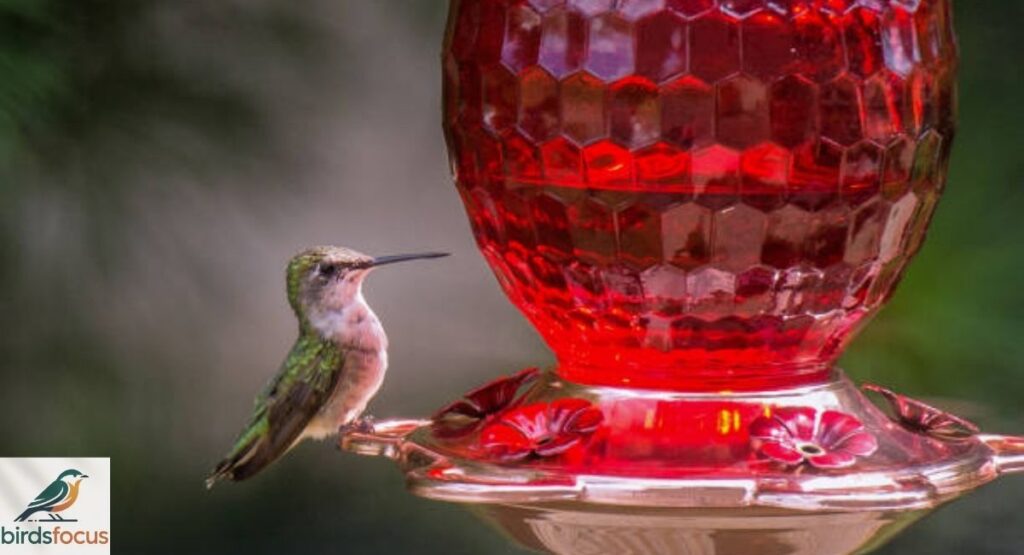
Hummingbird feeders are artificial nectar sources used in gardens. They are very popular in the USA, especially during migration seasons.
Feeders must be cleaned regularly to prevent bacteria growth. Proper placement in shaded areas increases visits.
| Factor | Recommendation |
| Cleaning | Weekly |
| Placement | Shade |
| Liquid | Sugar water |
Homemade Hummingbird Food
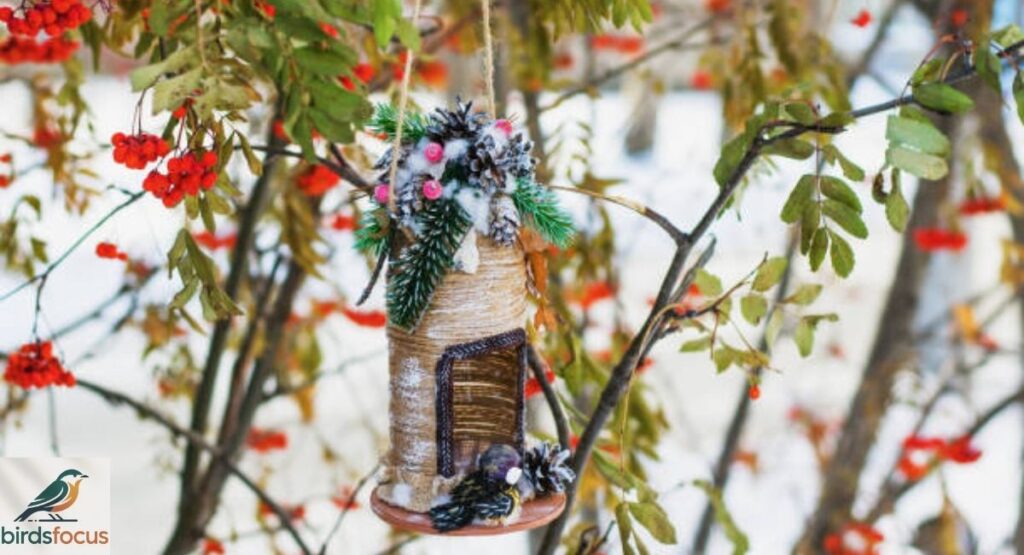
Homemade nectar is very simple to prepare. It uses only sugar and water, closely matching natural flower nectar.
It is important not to add dyes or chemicals, as they can harm birds.
| Ingredient | Role |
| Sugar | Energy |
| Water | Base |
DIY Hummingbird Feeders
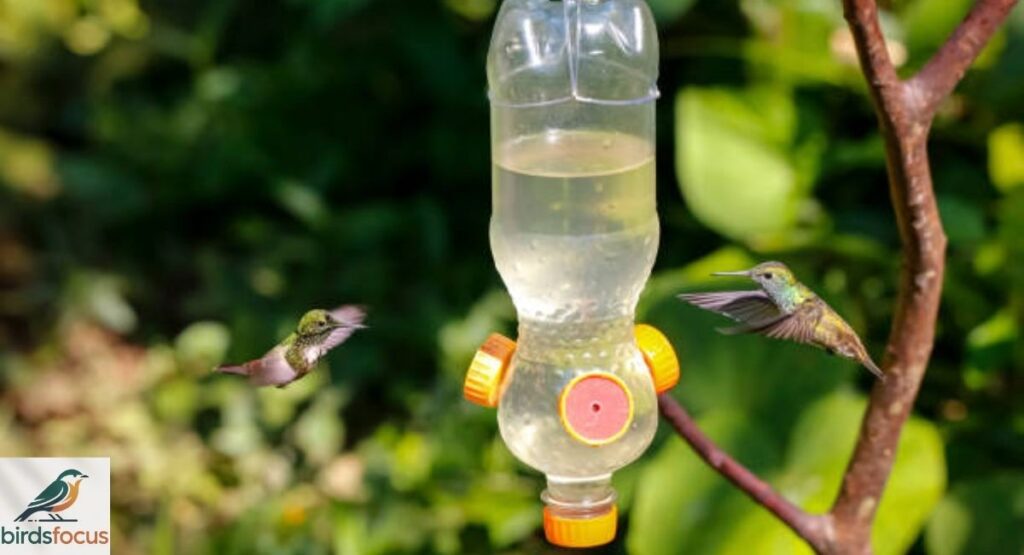
Simple DIY Designs
DIY feeders use bottles or jars. Small holes allow nectar access. Red color attracts hummingbirds. Designs are simple and effective. In Everything About Hummingbirds, creativity helps nature.
Eco-Friendly Approaches
Recycled materials reduce waste. Homemade feeders are reusable. They support eco-friendly feeding. Nature benefits from sustainability. In Everything About Hummingbirds, eco care matters.
| Material | Use |
| Bottle | Container |
| String | Hanging |
| Red paint | Attraction |
Hummingbird Moth vs Hummingbird
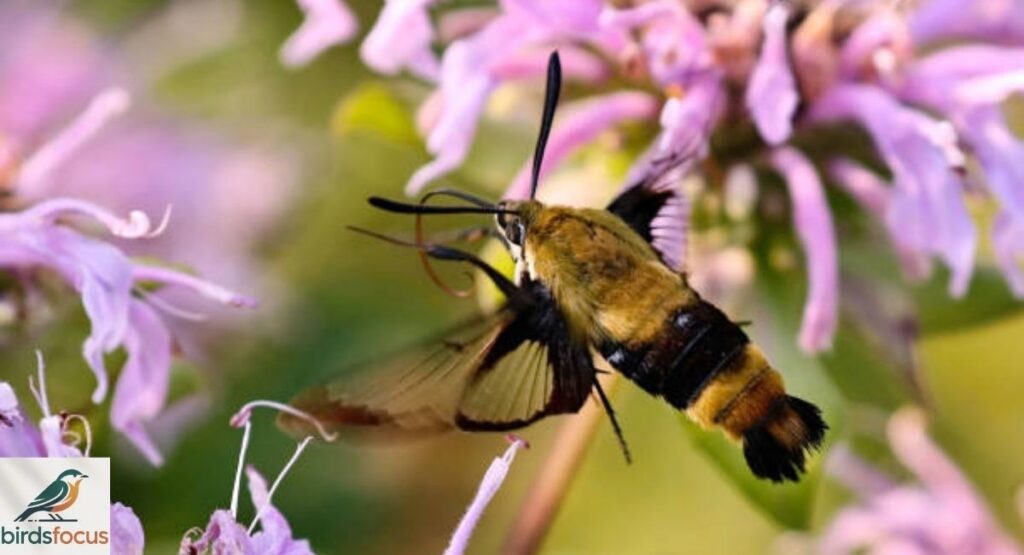
Hummingbird moths look similar to hummingbirds due to their hovering flight. However, they are insects, not birds.
Moths have antennae and different feeding structures, which makes them biologically different.
| Feature | Bird | Moth |
| Type | Bird | Insect |
| Wings | Feathers | Thin |
| Feeding | Beak | Proboscis |
Conclusion
Hummingbirds are tiny yet powerful creatures found across the USA, known for their fast wings and glowing colors. In Everything About Hummingbirds, we learned how they survive through fast flight, constant feeding, and long migrations. From nesting in soft spider-silk homes to raising fragile eggs, every stage of their life shows amazing natural design. Their ability to adapt to seasons, weather, and food sources makes them truly remarkable creatures.
Overall, hummingbirds remind us how powerful small life can be. By using feeders, protecting flowers, and understanding their behavior, we can help support their survival and enjoy their beauty every day.
FAQs
1. Are turtles reptiles or amphibians?
Turtles are reptiles. They have dry, scaly skin, breathe through lungs, and lay eggs with protective shells.
2. Why are turtles not considered amphibians?
Turtles do not undergo metamorphosis and do not breathe through moist skin, which are key traits of amphibians.
3. Do baby turtles have gills?
No, baby turtles hatch with fully functioning lungs and never develop gills at any stage of life.
4. Are sea turtles reptiles?
Yes, sea turtles are reptiles. Even though they live in the ocean, they must come to the surface to breathe air.
5. What is the difference between a turtle and a tortoise?
Turtles usually spend time in water and have webbed feet or flippers, while tortoises live on land and have sturdy, elephant-like legs.

Welcome to birdsfocus! I’m Anam Sattar, an AI Powered SEO, and Content Writer with 4 years of experirnce.
I help websites rank higher,grow traffic, and look amazing. My goal is to make SEO and web design simple and effective for everyone.
Let’s achieve more together!