


Most people are surprised when they first see the inside of a penguin’s mouth. Those sharp, tooth-like structures look intimidating and often lead to one common question: Do Penguins Have Teeth? While they may appear to have rows of tiny teeth, the truth is quite different. Penguins do not have real teeth. Instead, they possess specialized papillae, which are backward-facing spikes that help them grip slippery prey.
These unique structures are an important part of penguin anatomy and play a key role in feeding. As you explore the fascinating world of the penguin mouth, you’ll discover how these remarkable birds use their keratinized papillae and feeding adaptations to survive in harsh ocean environments.
What Does the Inside of a Penguin’s Mouth Look Like?
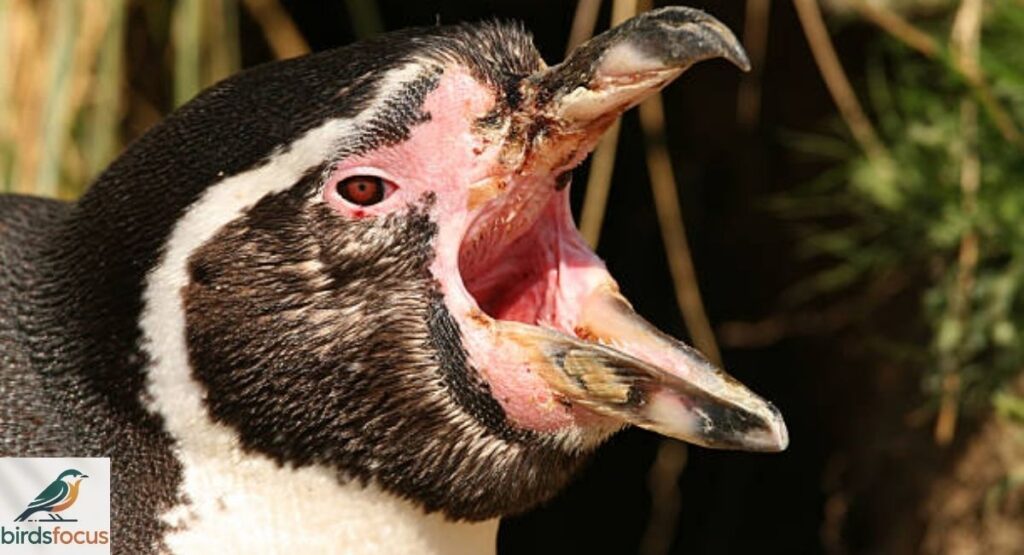
At first glance, the inside of a penguin’s mouth looks almost frightening. The tongue, roof of the mouth, and throat are covered with backward-facing papillae that resemble sharp spikes. Many people mistake these structures for teeth because they are pointed and arranged in rows.
However, these spikes are made from keratin, the same material found in human fingernails and bird feathers. They are part of the bird’s oral cavity and help prevent fish from escaping once caught. Since most penguins swallow prey whole, these structures act like natural hooks that guide food toward the stomach.
Do Penguins Have Teeth?

The simple answer is no. Do Penguins Have Teeth? No living penguin species has true teeth. Real teeth contain enamel and dentin and grow from the jawbone. Penguins lack these features completely.
The confusion comes from the appearance of their mouth spines and keratinized papillae. These structures look similar to teeth but serve a different purpose. Instead of chewing food, they help grip fish, squid, and krill. This adaptation allows penguins to hunt efficiently without needing actual teeth.
What Are the Spines Inside a Penguin’s Mouth?
If penguins do not have teeth, what are the sharp structures inside their mouths? These spikes are called papillae. They are small, pointed projections made of keratin that cover parts of the tongue and throat. Although they look intimidating, they are not designed for biting or chewing.
These oral papillae point backward toward the stomach. That direction is important because it helps keep prey from escaping. Imagine trying to pull a fish backward through a row of tiny hooks. It becomes extremely difficult. This clever prey retention mechanism allows penguins to hold onto slippery meals even while swimming underwater.
Why Do Penguins Have Spiny Mouths?
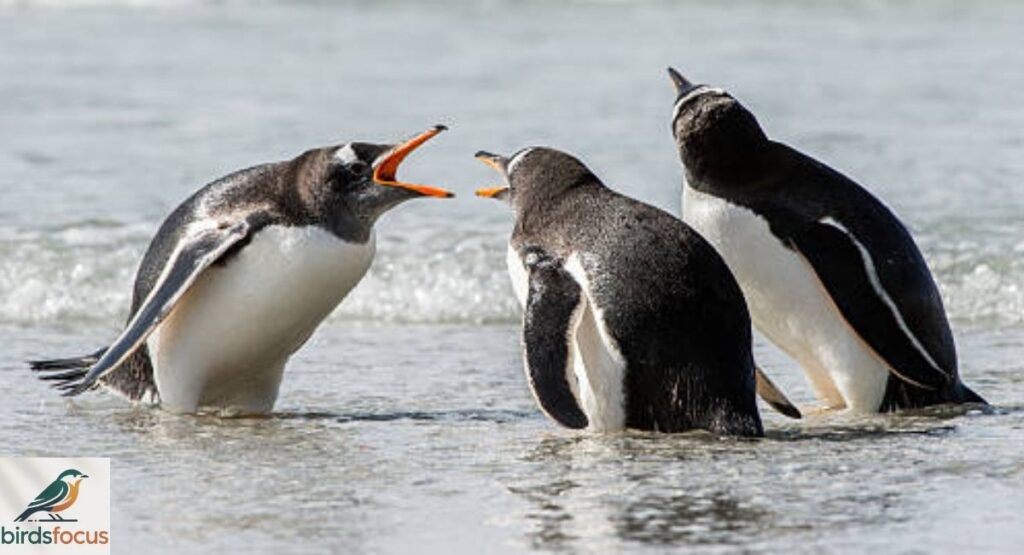
Nature gave penguins these spines for one simple reason: survival. Penguins spend much of their lives hunting fish and other fast-moving marine animals. Since their prey is often wet and slippery, they need a reliable way to keep it from escaping.
The backward-facing mouth spines work like a one-way system. Once a fish enters the mouth, the fish-gripping structures guide it deeper into the throat. This remarkable evolutionary adaptation helps penguins feed efficiently in cold oceans where every successful hunt matters.
Truth Behind Their Spiny Beaks
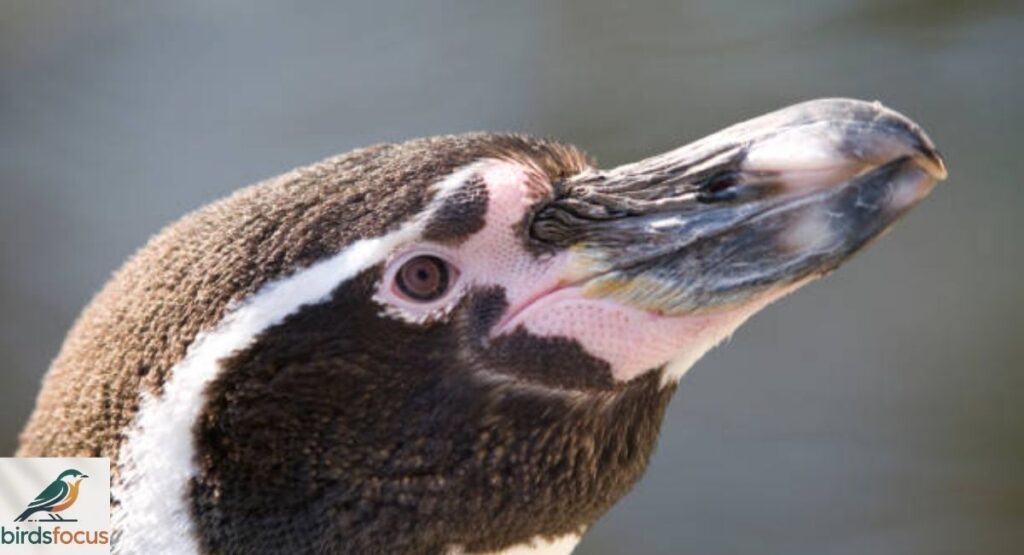
At first glance, many people think penguins have spiny beaks because the inside of their mouths appears covered with sharp, tooth-like structures. However, the truth is that these spikes are not part of the beak itself. They are specialized papillae made of keratin, the same material found in feathers and human fingernails.
These unique structures play a vital role in a penguin’s survival. Instead of chewing food, penguins use their mouth spines to grip slippery fish, squid, and krill while swallowing them whole. The papillae act like tiny hooks that prevent prey from escaping, making feeding far more efficient.
How Do Penguins Eat Without Teeth?
Unlike mammals, penguins do not chew their food. Instead, they catch prey with their beaks and swallow it whole. Their specialized tongue and rows of keratinized papillae help move food toward the stomach.
This method of whole-prey feeding saves time and energy. While underwater, a penguin can quickly catch several fish without stopping to chew. The combination of a strong beak, muscular tongue, and backward-facing papillae makes penguins highly effective hunters.
What Do Penguins Eat?
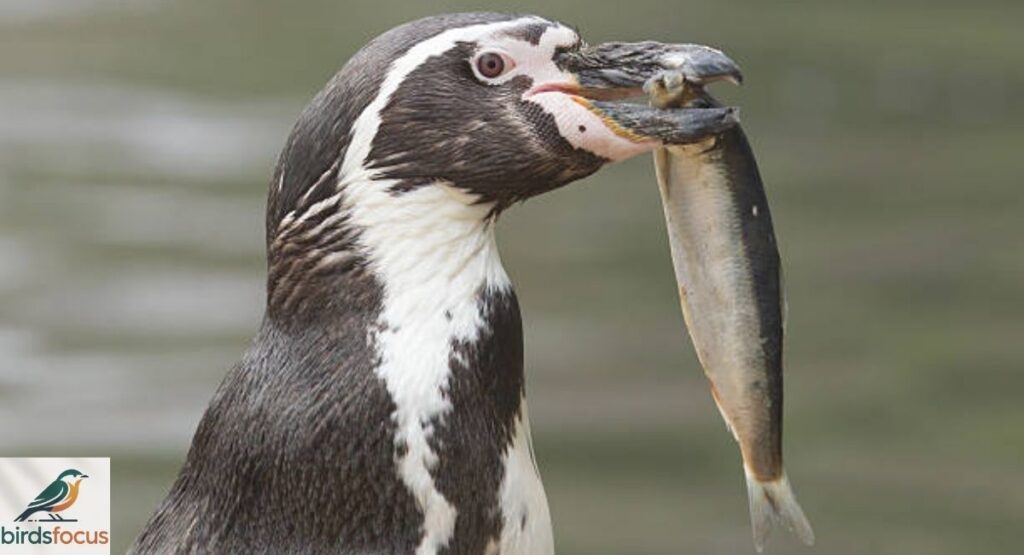
All penguins are carnivorous seabirds. Their diet mainly consists of fish, squid, and crustaceans. However, what a penguin eats often depends on its species and habitat. Smaller species frequently consume krill and tiny fish, while larger species target bigger prey.
The Emperor Penguin and King Penguin often hunt fish and squid in deeper waters. In contrast, species such as the Little Blue Penguin usually feed closer to the surface. These feeding patterns form part of each species’ unique foraging ecology and hunting strategy.
| Penguin Species | Common Diet |
| Emperor Penguin | Fish, squid, krill |
| King Penguin | Fish and squid |
| Adelie Penguin | Krill and small fish |
| Gentoo Penguin | Fish, squid, crustaceans |
| Little Blue Penguin | Small fish and squid |
Can Penguins Bite?
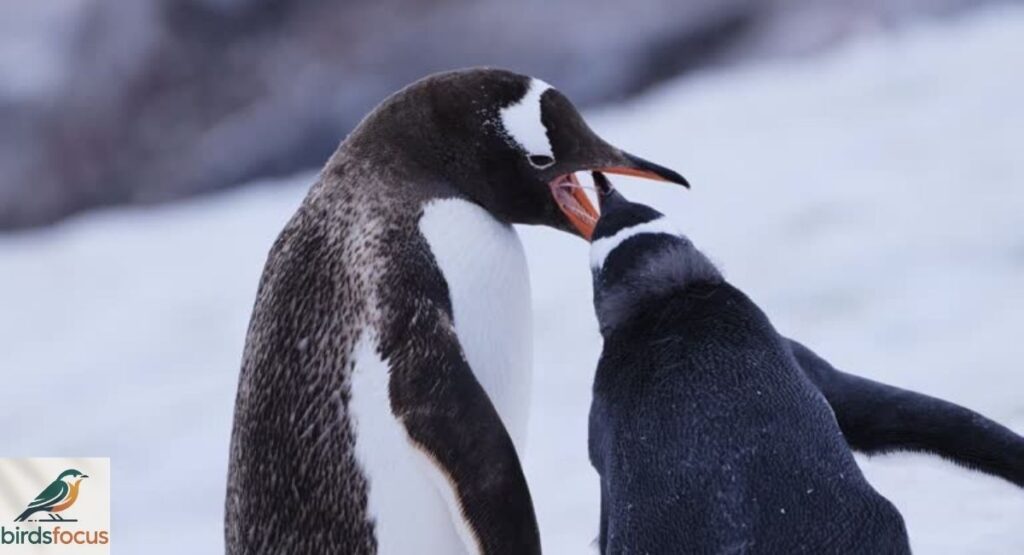
Although penguins are not usually aggressive toward humans, they can bite when they feel threatened. Their beaks are sharp and designed for catching prey. A defensive bite can be painful and may break the skin.
What often surprises people is that the real discomfort comes from the papillae inside the mouth. If a penguin grabs something, the rough structures can create an abrasive sensation. Fortunately, serious injuries are rare because penguins generally prefer to avoid conflict.
Do Penguins Have a Sense of Taste?
Scientists believe penguins have a much weaker sense of taste than humans. Research suggests they lost several important taste receptor genes during their evolution. As a result, they likely cannot detect sweetness and some other flavors.
Many experts think this change occurred because of life in extremely cold environments. Since penguins usually swallow prey whole, detailed flavor detection offers little advantage. Their survival depends more on vision, hunting skills, and sensory adaptation than on taste.
Are All Penguin Species’ Mouths the Same?
All penguins share the same basic mouth design. Every species has a beak, tongue, and rows of oral papillae that help capture and swallow prey. This common structure reflects their shared evolutionary history.
However, there are small differences between species. Larger penguins often have more pronounced papillae because they target larger prey. Species living in different habitats may also show slight variations in beak morphology and feeding adaptations.
How Do Baby Penguins Feed and Survive Without Teeth?
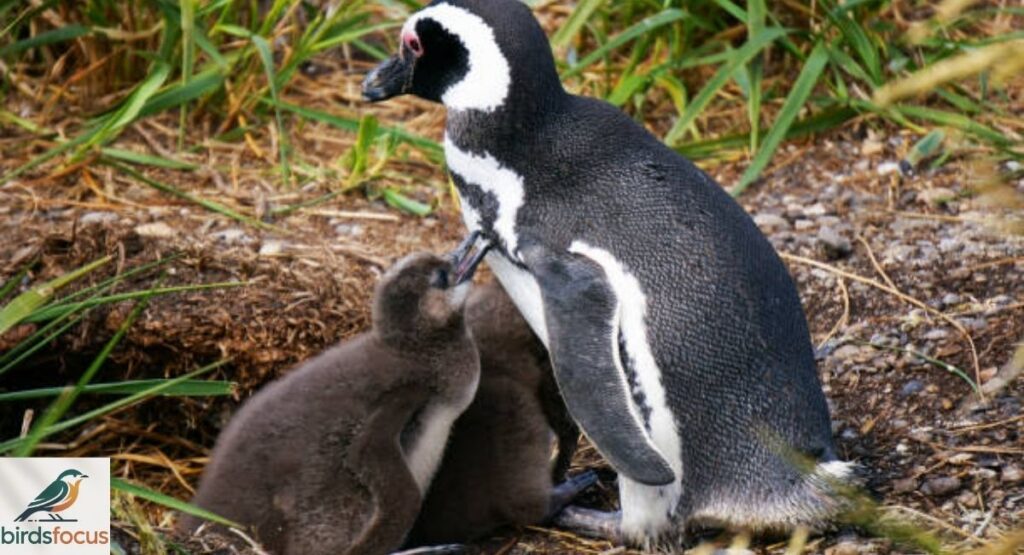
Baby penguins face a unique challenge because they cannot hunt immediately after hatching. Instead, they rely entirely on their parents for nourishment. Adult penguins swallow food and later regurgitate it for their chicks.
As the chicks grow, their feeding structures gradually develop. Young penguins begin building the same specialized mouth features found in adults. These adaptations prepare them for independent hunting once they leave the nest.
Fascinating Facts About Penguin Mouths
Many people never realize how specialized a penguin mouth truly is. The spines inside the mouth are made from the same material as feathers and claws. Penguins also swallow most prey whole, making their feeding system very different from that of mammals.
Some species can dive more than 1,500 feet while searching for food. Others hunt at night using excellent underwater vision. Penguins even swallow small stones, which may help with digestion and buoyancy control. These unusual traits highlight the incredible marine survival strategies that have allowed penguins to thrive for millions of years.
Penguin Mouth vs. Teeth: Key Differences at a Glance
| Feature | Penguin Papillae | True Teeth |
| Material | Keratin | Enamel and dentin |
| Purpose | Grip prey | Bite and chew food |
| Location | Tongue and throat | Jawbone |
| Growth | Continuously renewed | Fixed structures |
| Function | Guide food inward | Break down food |
Penguin papillae may look like teeth, but they perform a completely different job. Rather than crushing food, they act as specialized tools for capturing and swallowing prey. This adaptation perfectly suits the penguin lifestyle.
Conclusion
So, Do Penguins Have Teeth? The answer is no. Penguins do not possess real teeth like mammals, reptiles, or many fish. Instead, they rely on keratinized papillae, specialized tongues, and powerful beaks to catch and swallow prey.
When you look inside a penguin mouth, those frightening spikes are actually one of nature’s smartest feeding adaptations. They help penguins survive in challenging marine environments where slippery prey and icy waters demand highly specialized hunting tools. Far from being teeth, these structures are a remarkable example of evolution at work.
FAQs
Do penguins have teeth?
No, penguins do not have real teeth. They have papillae, which are sharp, backward-facing spines that help them hold onto prey.
Why does a penguin’s mouth look scary?
A penguin’s mouth contains rows of keratinized papillae on its tongue and throat, giving it a tooth-like appearance that can look intimidating.
Can penguins chew their food?
No, penguins cannot chew because they do not have teeth. They swallow fish, squid, and other prey whole.
Do penguin bites hurt?
Yes, a penguin bite can be painful due to its sharp beak and rough mouth structures, although serious injuries are uncommon.
What do the spikes inside a penguin’s mouth do?
The spikes help grip slippery prey and guide it toward the stomach, preventing fish or squid from escaping once caught.

Welcome to birdsfocus! I’m Anam Sattar, an AI Powered SEO, and Content Writer with 4 years of experirnce.
I help websites rank higher,grow traffic, and look amazing. My goal is to make SEO and web design simple and effective for everyone.
Let’s achieve more together!