

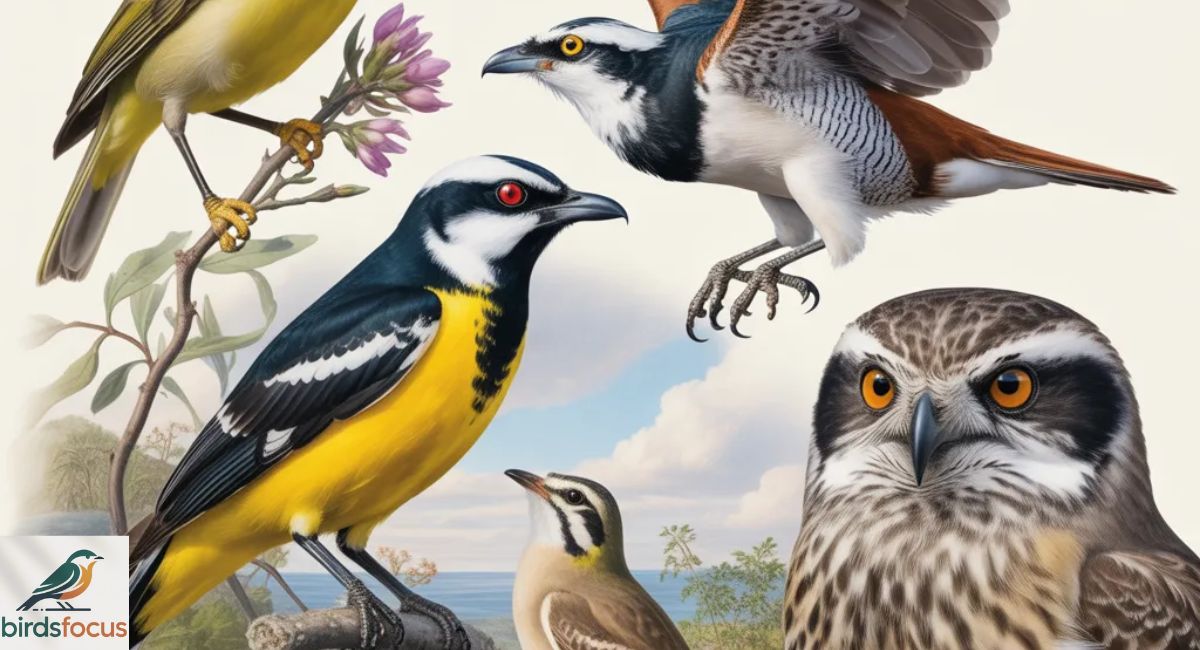
Birdwatching is a fascinating hobby, and exploring birds that start with O adds an extra layer of excitement. From the colorful Orioles to the majestic Ospreys, these birds showcase incredible diversity in avian species. Learning about O letter birds can help beginners, kids, and experienced birdwatchers expand their knowledge while connecting with nature.
Some O birds are nocturnal like Owls, while others like the Oilbird use echolocation to navigate caves. This complete guide introduces over 20 species, detailing their habitats, behaviors, and unique traits. Whether you’re spotting them in your backyard or traveling to wetlands and forests, these O birds never fail to amaze.
Why Birds Starting With ‘O’ Are Special
O birds are unique because of their unusual behaviors and striking appearances. For example, the Osprey, a large raptor, dives into water to catch fish with precision. Meanwhile, the Oilbird uses echolocation, much like bats, to navigate dark caves. These traits make O letter birds fascinating for both ornithologists and hobbyist birdwatchers.
Many O birds also show remarkable nesting behaviors. Orioles, for example, weave hanging pouch-like nests that sway gently in the wind. The Ovenbird builds dome-shaped nests resembling a Dutch oven. Such adaptations highlight their survival skills and make observing them rewarding. Watching these birds teaches us about nature’s clever designs and the ecological importance of each species.
20+ Birds That Start With O
Oriole
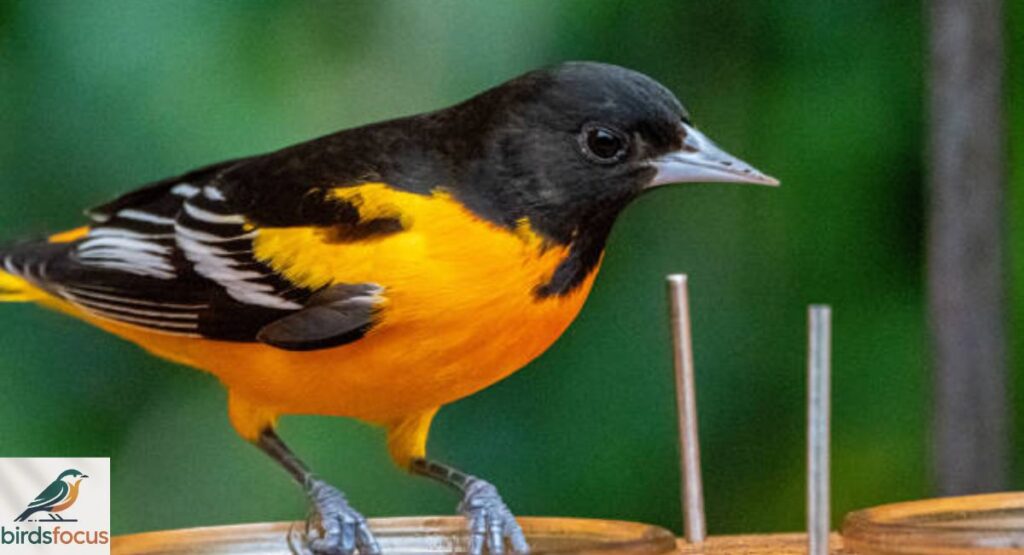
The Oriole is a medium-sized songbird famous for its vibrant orange and black plumage. It loves nectar, fruits, and insects, often visiting backyard feeders. Orioles are skilled weavers, building hanging pouch-like nests in trees. Their melodic songs are easy to recognize during summer mornings. These O birds brighten forests and gardens with color and music.
Osprey
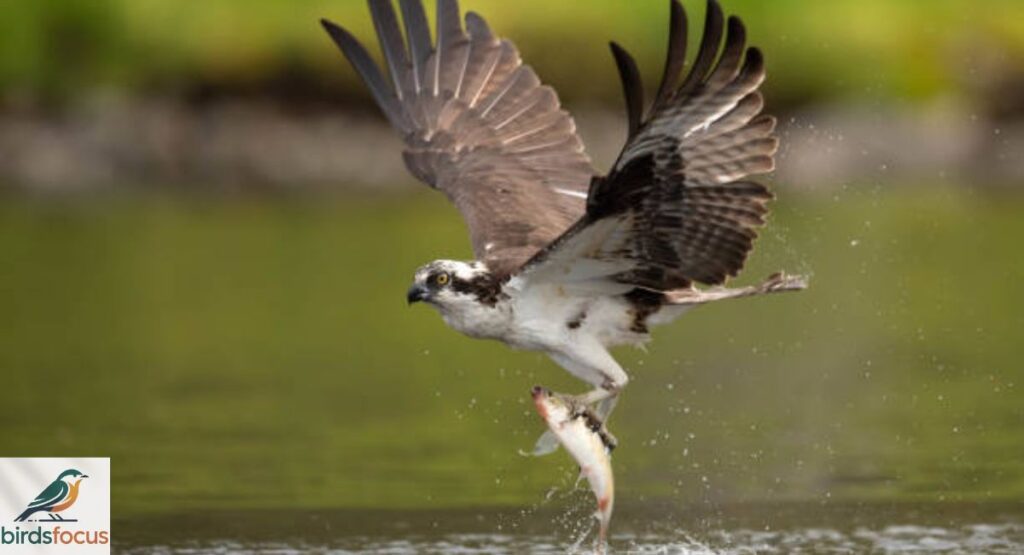
The Osprey is a large raptor that hunts fish with exceptional precision. It has sharp talons and reversible outer toes to hold slippery prey. Ospreys are found near rivers, lakes, and coasts worldwide. Their white belly and brown wings make them easy to spot in flight. Watching an Osprey dive is a thrilling experience for bird enthusiasts.
Oystercatcher
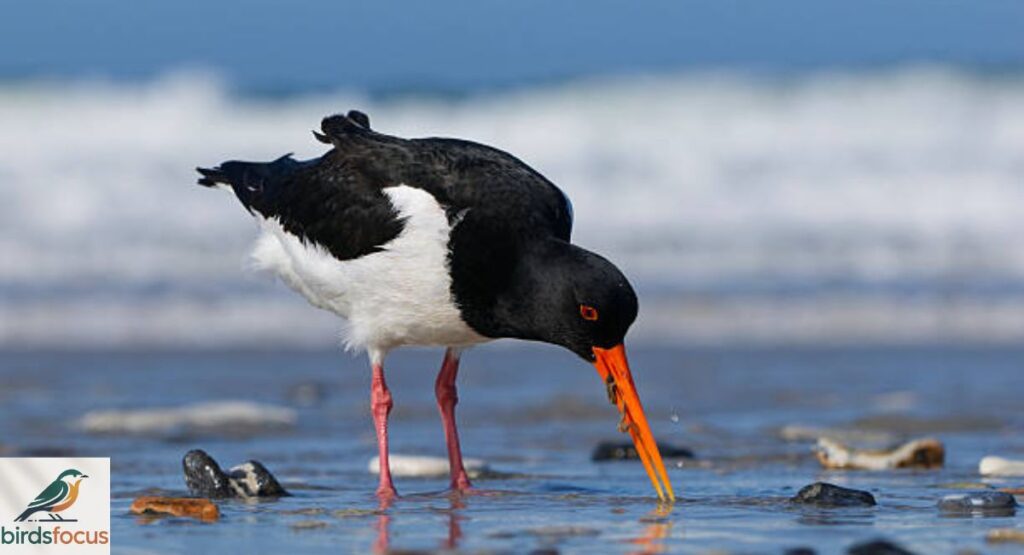
Oystercatchers are coastal shorebirds recognized by their bright red-orange bills. They use these strong bills to pry open mollusks like clams and oysters. Their black-and-white bodies contrast beautifully against sandy shores. Oystercatchers are often found in pairs or small flocks. Their loud calls help them stay connected along rocky coasts.
Owl
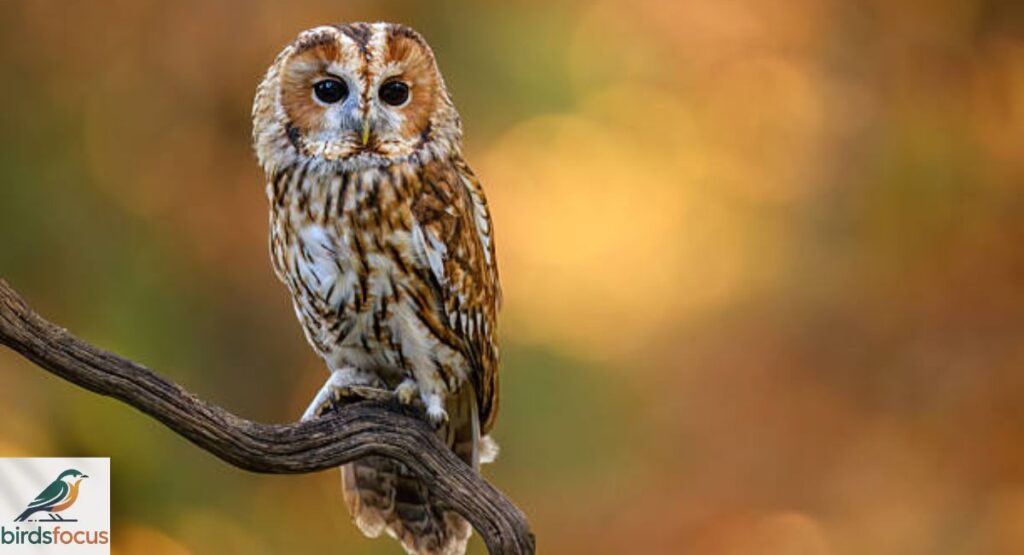
Owls are nocturnal birds with silent flight and exceptional hearing. They have large eyes and flexible necks, allowing them to turn their heads almost fully around. Owls hunt insects, small mammals, and birds. Their camouflaged feathers let them blend into tree bark. These mysterious O birds symbolize wisdom in many cultures.
Ouzel (Dipper)
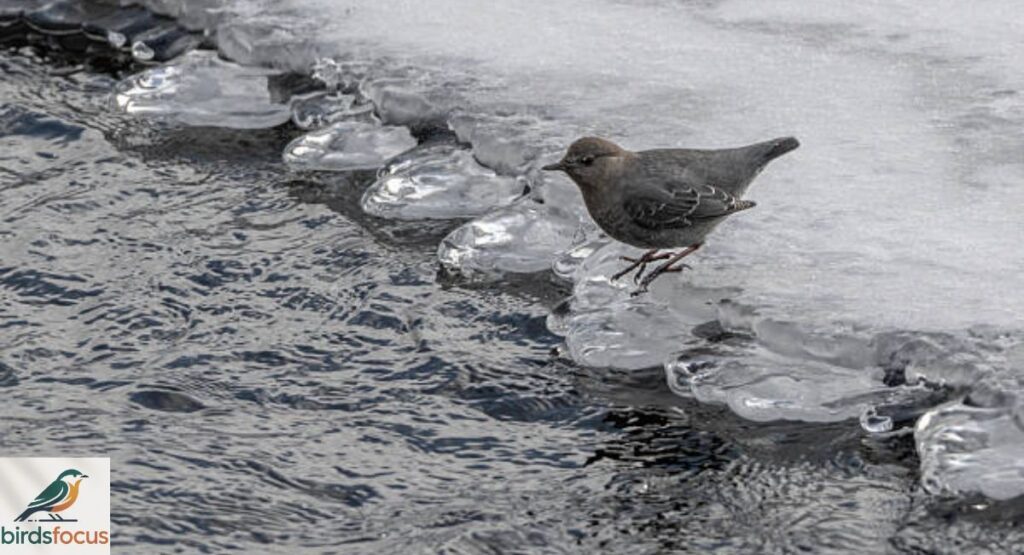
The Ouzel, also called Dipper, is a unique songbird that can walk underwater on riverbeds. It has dark plumage with occasional white markings and rapid wing beats. Dippers bob constantly on rocks, making them easy to identify. They thrive in fast-moving streams across Europe, Asia, and the Americas. Their adaptations make them fascinating for birdwatchers.
Ovenbird
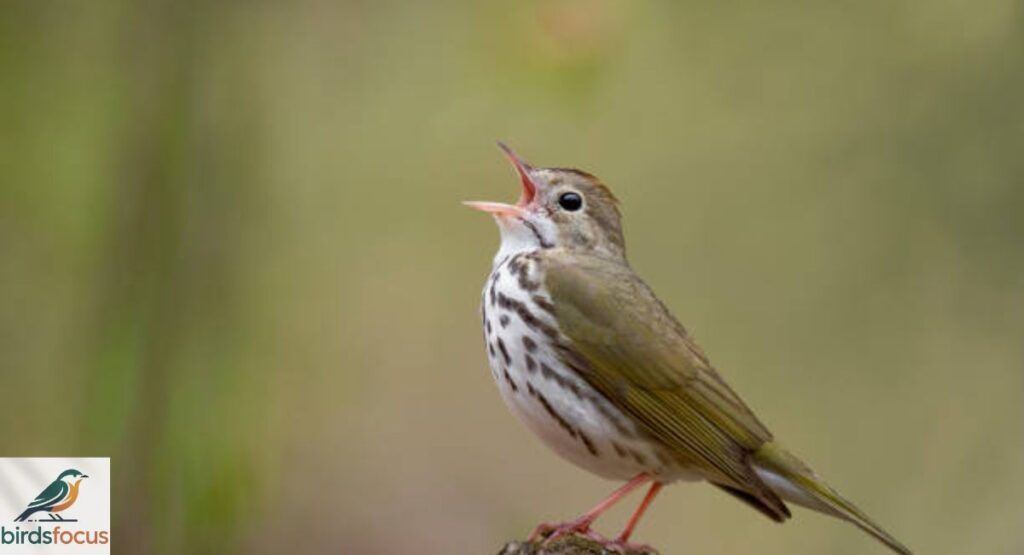
The Ovenbird is a small North American warbler with olive-brown feathers and a streaked breast. Its dome-shaped nest resembles a Dutch oven, giving the bird its name. Males sing loudly, with songs that sound like “teacher, teacher, teacher.” Ovenbirds forage on the forest floor for insects and small invertebrates. They are one of the most iconic O letter birds in eastern forests.
Old World Flycatcher
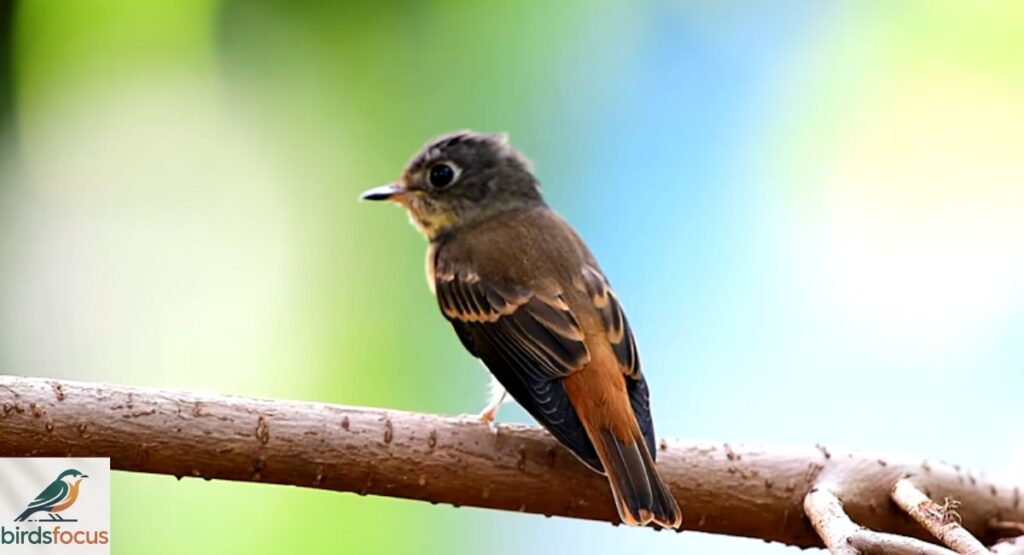
The Old World Flycatcher refers to a family of over 300 species. These small insectivorous birds have short, strong bills and often intricate feather patterns. They inhabit forests, gardens, and open fields across Europe, Asia, and Africa. Despite their name, they are not closely related to New World flycatchers. Their agility makes them excellent hunters of flying insects.
Oilbird
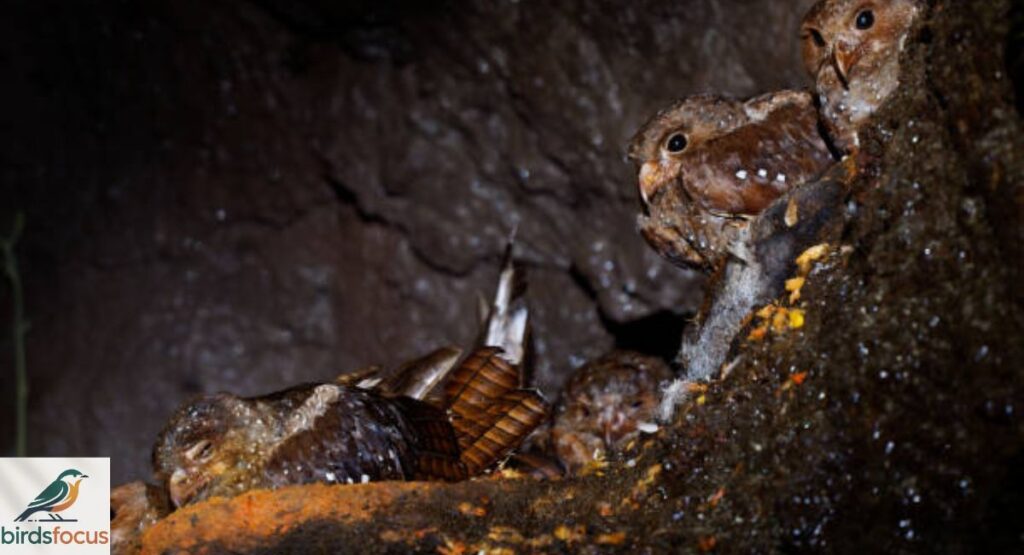
The Oilbird is a nocturnal bird from South American caves. Unlike most birds, it uses echolocation to navigate in complete darkness. Its reddish-brown plumage is spotted with white, and it has a strong hooked beak. Oilbirds feed mainly on fruit, and historically, their chicks were rendered for oil by indigenous peoples. These unusual O birds show remarkable adaptations.
Olive Warbler
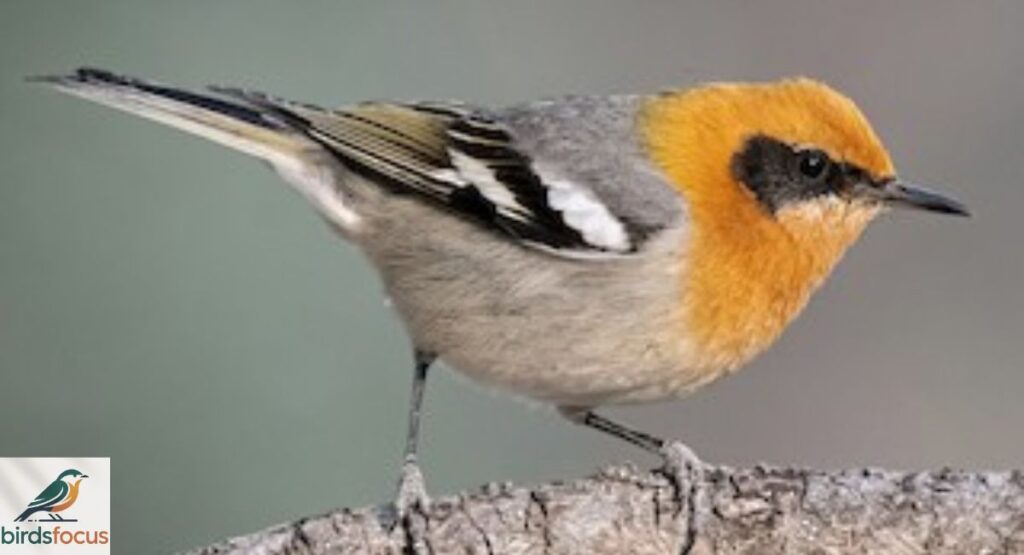
The Olive Warbler inhabits mountain forests from the southwestern United States to Central America. Males have bright orange heads, while females are more subdued. This small bird is the only species in its family, making it unique among O letter birds. Olive Warblers feed on insects and are often found in the canopy of pine and oak forests.
Oriental Magpie-Robin
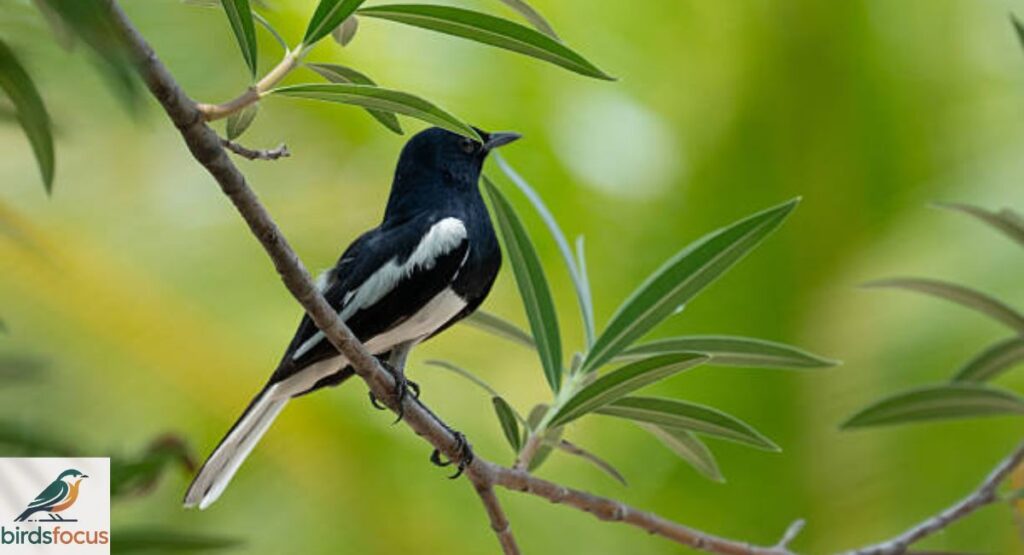
The Oriental Magpie-Robin is a famous songbird in the Indian subcontinent and Southeast Asia. Males have black upperparts and white underparts, while females are grayish. Known for their melodious songs, they are popular cage birds and often mimic sounds. These O birds communicate vigorously during breeding seasons.
Oriental Stork
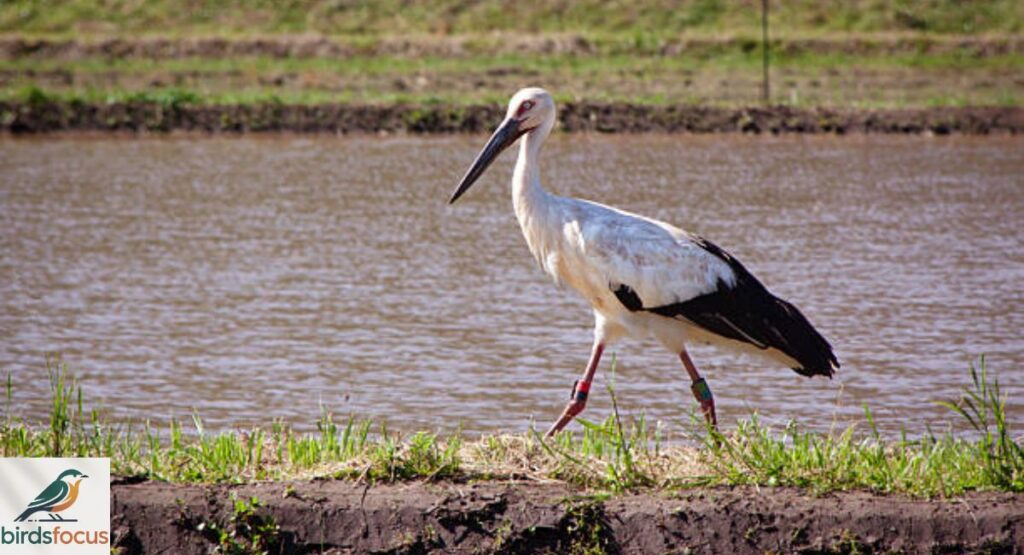
The Oriental Stork is a large wetland bird found in East Asia. Its white plumage contrasts with black wings and red facial skin. Unlike other storks, it lacks vocal cords and communicates mainly through bill-clattering. Oriental Storks forage in shallow waters for fish and insects. They are considered an endangered species and a symbol of conservation in Japan and China.
Ocellated Antbird
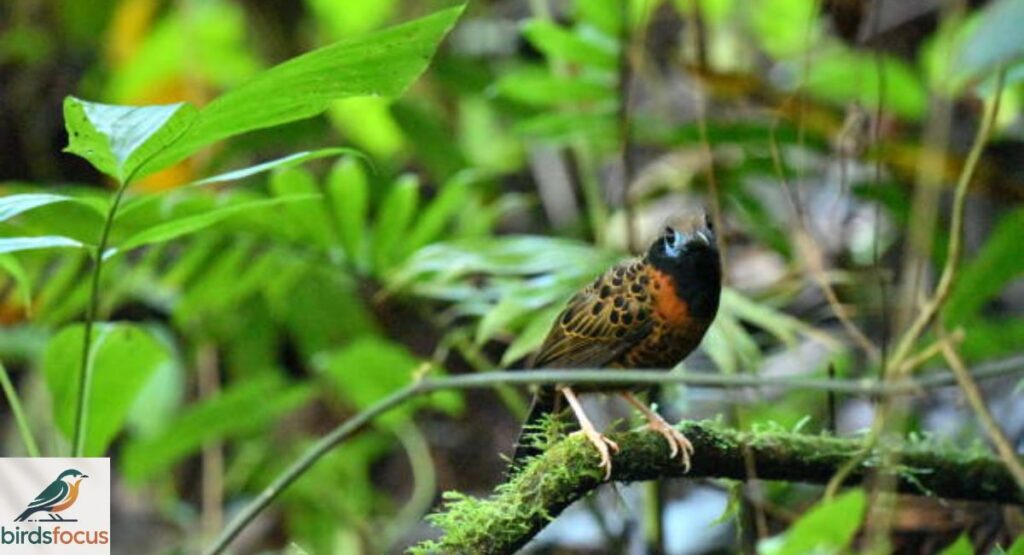
The Ocellated Antbird inhabits tropical rainforests of Central America. It follows army ants, feeding on insects flushed out by the swarm. Medium-sized and patterned in black and white, it often joins mixed-species flocks. Observing this bird requires patience, as it is shy and secretive. Ocellated Antbirds demonstrate fascinating cooperative behavior in the wild.
Orange-breasted Sunbird
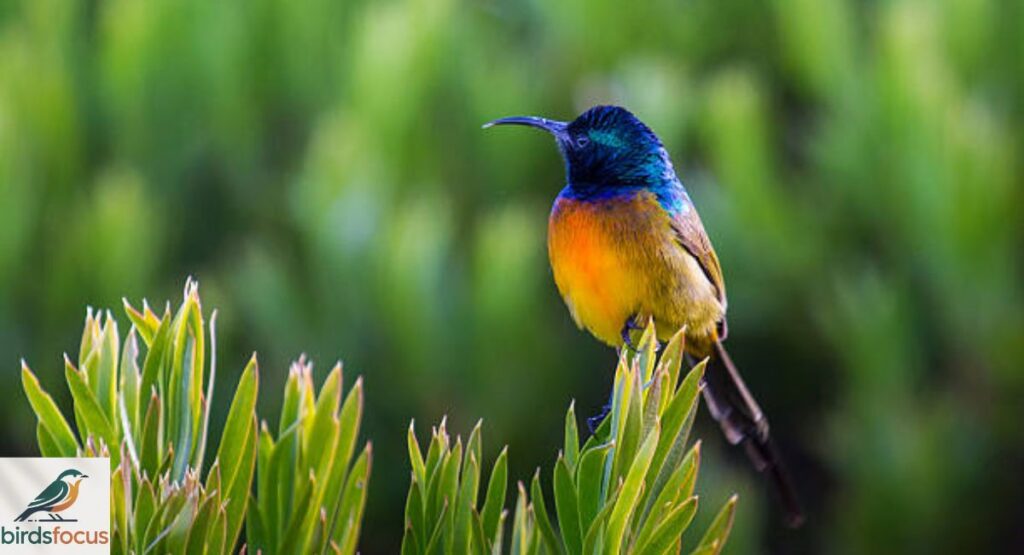
The Orange-breasted Sunbird lives in South Africa’s Fynbos region. Males have iridescent green heads, orange breasts, and blue bellies. They feed primarily on nectar using their long, curved bills. These tiny birds are vital pollinators in their unique shrubland habitats. Watching their vibrant colors flash in sunlight is a true delight.
Olive-backed Pipit
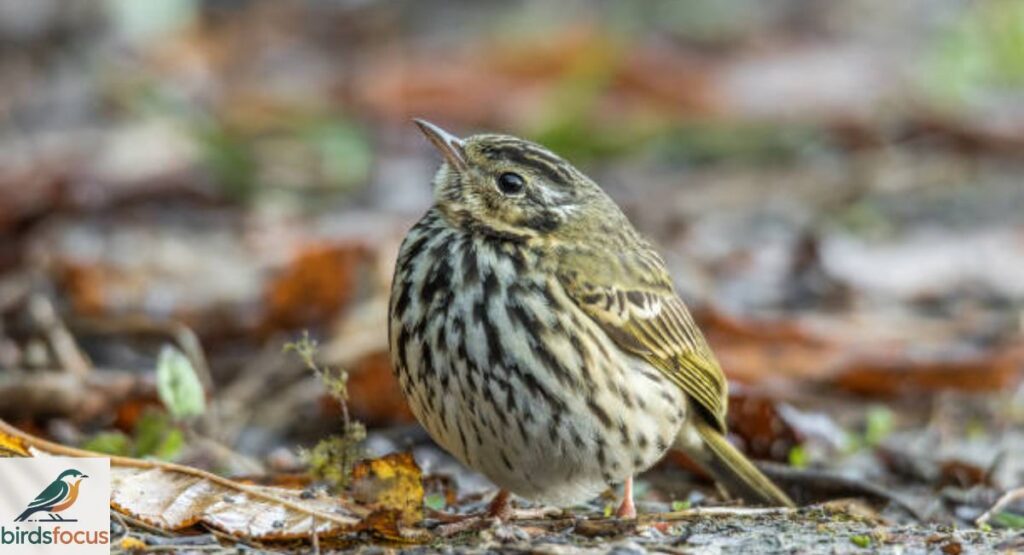
The Olive-backed Pipit migrates across Asia to Southeast Asia and the Indian subcontinent. It has an olive-green back and streaked underparts, often singing before it is seen. Pipits prefer grasslands or low shrubs, blending seamlessly with vegetation. Their high-pitched songs vary regionally, showing fascinating local dialects.
Olive-throated Parakeet
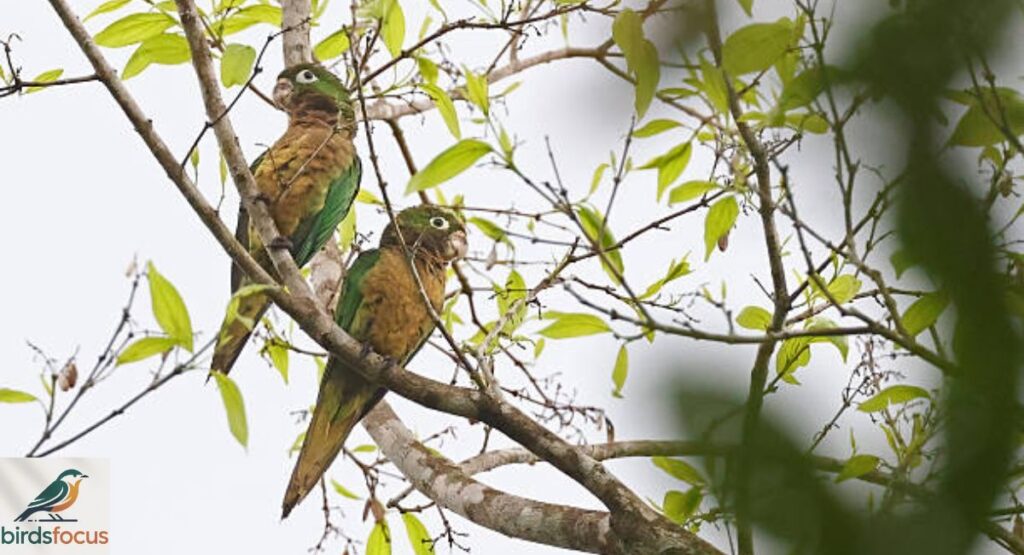
The Olive-throated Parakeet is a small parrot from Mexico to Panama. It has green plumage and an olive-colored throat, often seen flying in fast, direct flocks. These birds eat fruits, berries, and insects. They are social and energetic, making them easy to spot in their habitats.
Olive Sparrow
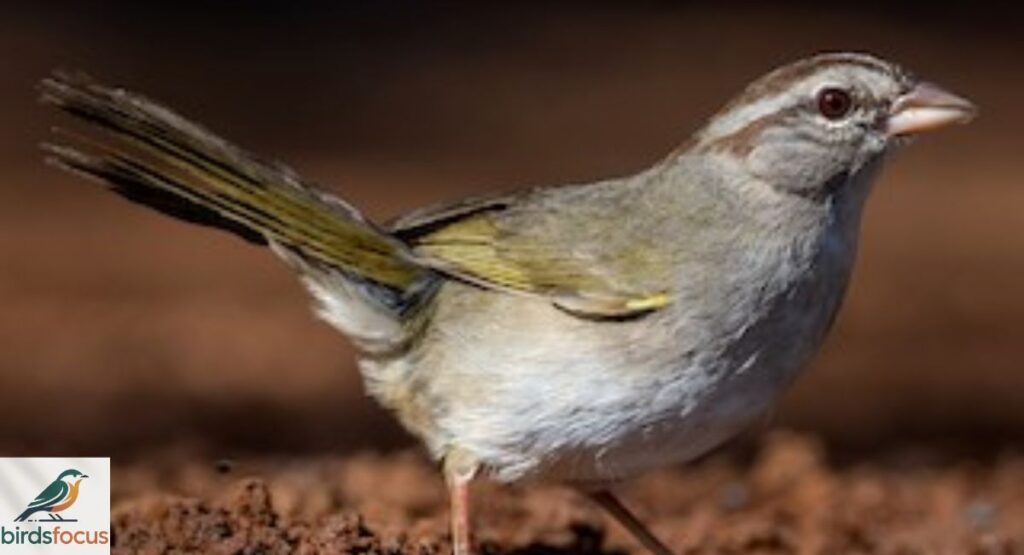
The Olive Sparrow ranges from southern Texas to Central America. It has an olive-brown body, a rufous crown, and a white eyebrow stripe. Its song consists of melodic chirps, making it a delightful presence in brushy areas. Although called a sparrow, it is closely related to towhees, not North American sparrows.
Ochre-breasted Antpitta
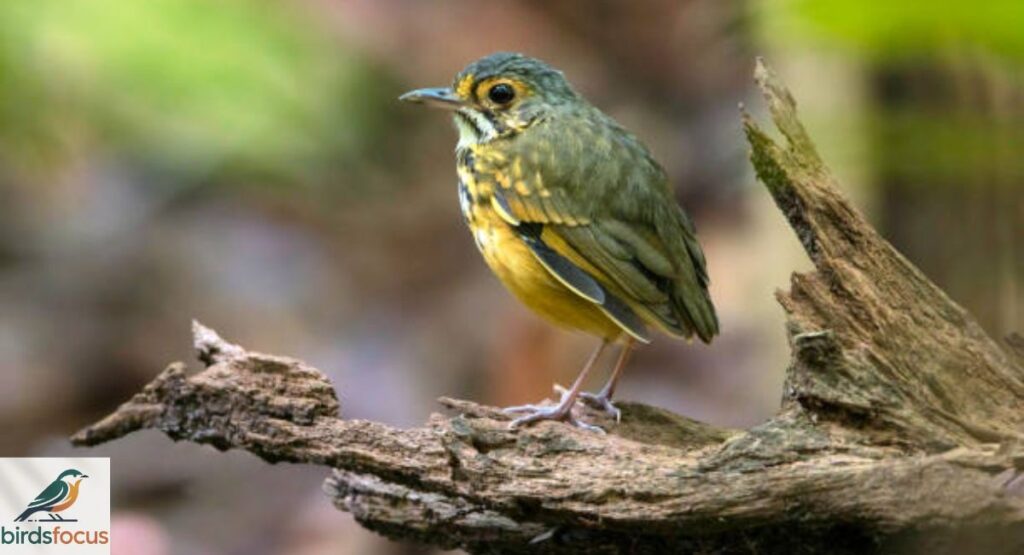
Found in the Andes, the Ochre-breasted Antpitta is secretive and plump, with a striking ochre breast. It scurries on the forest floor searching for insects. Birdwatchers prize spotting this rare O bird, which is elusive and shy. Its soft calls are usually the first hint of its presence.
Orange-fronted Barbet
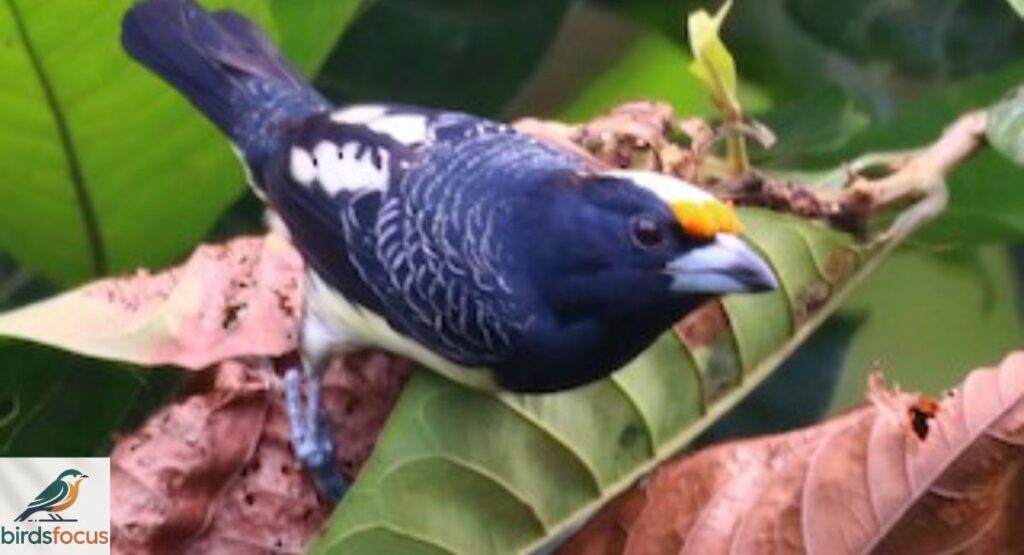
The Orange-fronted Barbet inhabits the Pacific lowlands of Nicaragua and Costa Rica. Males have bright orange foreheads, black, white, and yellow feathers. Their diet mainly consists of fruit, making them vital seed dispersers. These colorful O birds bring life to tropical forests with their plumage and calls.
Osprey Kingfisher
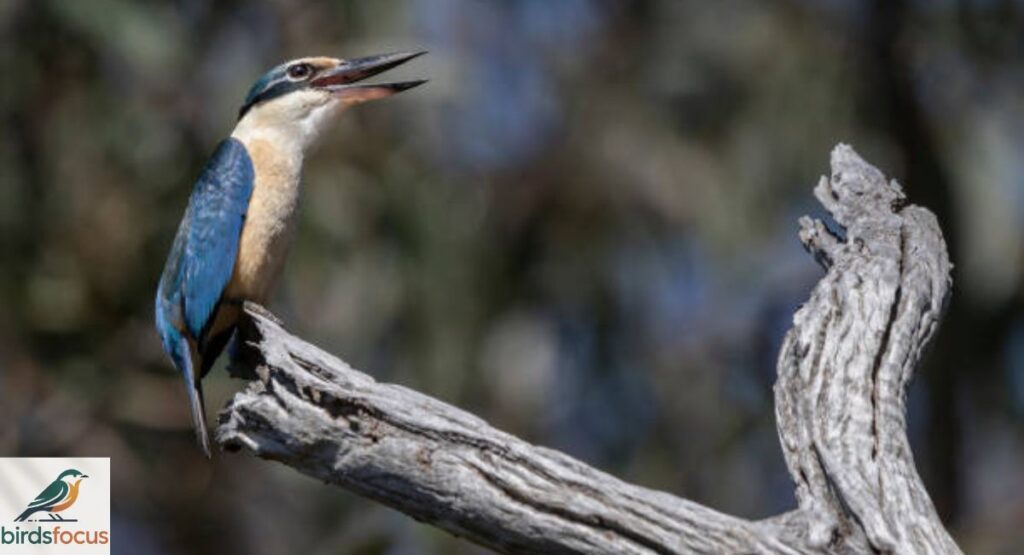
The Osprey Kingfisher lives along coastal islands of northern Australia and New Guinea. Despite its name, it is unrelated to Ospreys. It has vivid blue and white plumage and a stout bill. Its call resembles a dog barking, earning it the nickname “Barking Kingfisher.”
Olive-crowned Yellowthroat
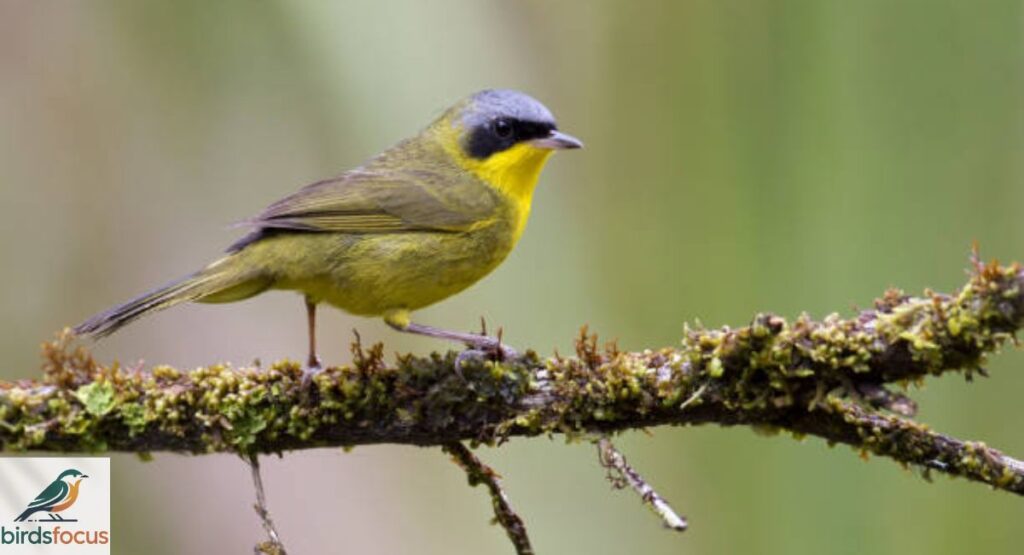
The Olive-crowned Yellowthroat is a tiny bird from highland wetlands in Guatemala and northern Nicaragua. Males have an olive-green crown and yellow underparts with a black mask. They build dome-shaped nests near the ground or water. These O birds are delightful to watch in wetland habitats.
Okinawa Rail
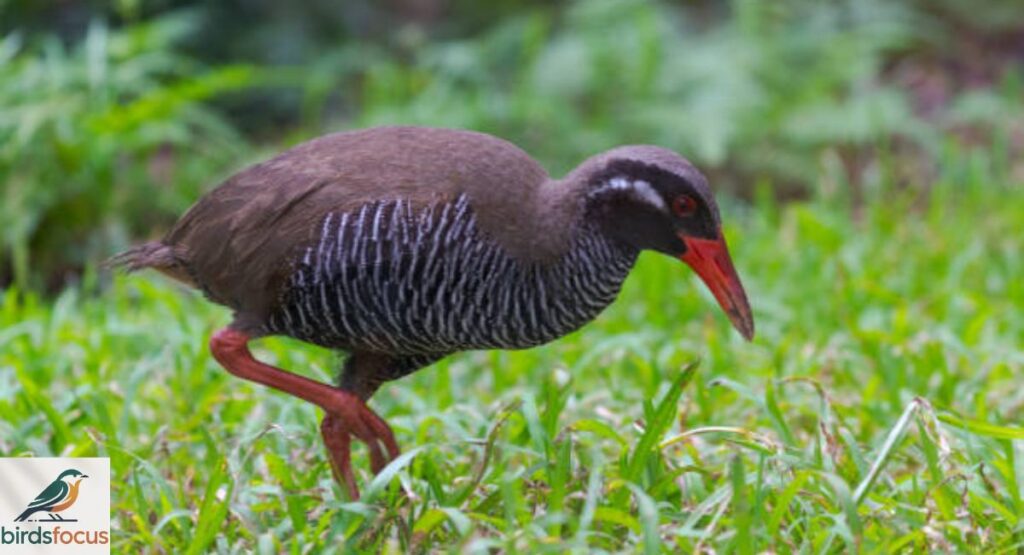
The Okinawa Rail is a rare, flightless bird found in dense forests of Okinawa, Japan. It has dark brown plumage and is elusive. Okinawa Rails prefer thick undergrowth and wet forests. Their rarity makes them highly valued for conservation and observation.
Olrog’s Gull
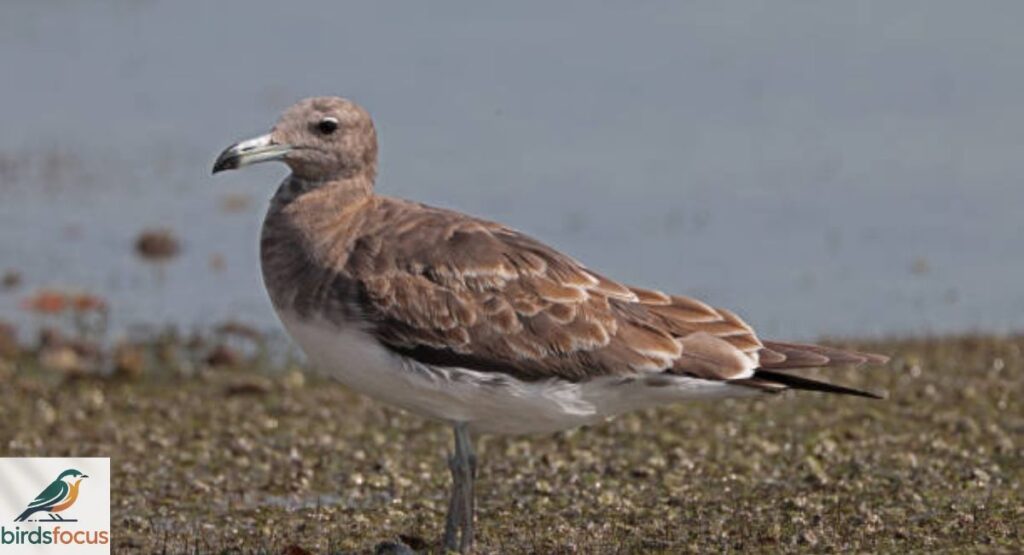
The Olrog’s Gull is a large, rare gull along coastal Argentina and Uruguay. It has white and grey plumage and is endangered due to habitat loss. These O birds feed on fish and crustaceans. Observing them offers insight into the fragile balance of coastal ecosystems.
| Bird Name | Scientific Name | Habitat | Unique Feature |
| Oriole | Icterus spp. | North & Central America | Bright orange/yellow plumage, melodic songs |
| Osprey | Pandion haliaetus | Worldwide near lakes/rivers | Fish-catching raptor with strong talons |
| Oystercatcher | Haematopus spp. | Coastal regions worldwide | Long red/orange bill for opening shellfish |
| Owl | Strigidae/Tytonidae | Forests, urban areas | Nocturnal, silent flight, flexible neck |
| Ouzel (Dipper) | Cinclus spp. | Streams in Europe, Asia, Americas | Walks underwater, bobbing on rocks |
| Ovenbird | Seiurus aurocapilla | North American forests | Dome-shaped nests, loud “teacher” song |
| Old World Flycatcher | Muscicapidae | Europe, Asia, Africa | Small, patterned insect-eating birds |
| Oilbird | Steatornis caripensis | Caves in South America | Echolocation for navigating dark caves |
| Olive Warbler | Peucedramus taeniatus | SW US to Central America | Orange head in males, unique family |
| Oriental Magpie-Robin | Copsychus saularis | India, SE Asia | Melodic songs, black-and-white plumage |
| Oriental Stork | Ciconia boyciana | East Asia wetlands | Large white body, communicates by bill-clattering |
| Ocellated Antbird | Phaenostictus mcleannani | Central American rainforests | Follows army ants to hunt insects |
| Orange-breasted Sunbird | Anthobaphes violacea | South Africa, Fynbos | Bright orange breast, nectar-sipping curved bill |
| Olive-backed Pipit | Anthus hodgsoni | Asia & Indian subcontinent | Olive-green back, streaked underparts, high-pitched song |
| Olive-throated Parakeet | Eupsittula nana | Mexico to Panama | Green plumage, olive-colored throat, social flocks |
| Olive Sparrow | Arremonops rufivirgatus | Texas to Central America | Olive-brown body, rufous crown, melodic chirps |
| Ochre-breasted Antpitta | Grallaricula flavirostris | Andes forests | Secretive, plump, scurries forest floor for insects |
| Orange-fronted Barbet | Capito squamatus | Nicaragua & Costa Rica | Orange forehead, fruit-eating, seed disperser |
| Osprey Kingfisher | Todiramphus sanctus | Northern Australia & New Guinea | Compact, blue-white plumage, dog-like bark call |
| Olive-crowned Yellowthroat | Geothlypis semiflava | Guatemala & Nicaragua wetlands | Olive-green crown, yellow underparts, dome-shaped nest |
| Okinawa Rail | Gallirallus okinawae | Forests in Okinawa, Japan | Rare, flightless, prefers dense forest floor |
| Olrog’s Gull | Leucophaeus atlanticus | Coastal Argentina & Uruguay | Large gull, white-grey plumage, rare and endangered |
Fun Facts About Birds Starting With O
Birds that start with O often have strange and amazing habits. Dippers can walk underwater, while Owls can turn their heads up to 270 degrees. The Oilbird’s echolocation helps it navigate pitch-black caves with ease. Some O birds sing distinctive songs to mark territories or attract mates, like the Ovenbird, whose song sounds like “teacher, teacher, teacher.”
Many O birds are social, forming flocks or mixed-species groups. Ocellated Antbirds, for example, follow army ants to feed on insects they flush out. The Oriental Magpie-Robin is famous for singing melodious tunes and is even a national symbol in Bangladesh. Observing these behaviors offers a glimpse into the fascinating lives of avian species and their ecological roles.
Birds Starting With O in Different Regions
North America hosts Orioles, Ovenbirds, and Ospreys that thrive in forests and near freshwater lakes. South America is home to the Oilbird and Ochre-breasted Antpitta, often found in rainforests and mountainous streams. In Asia, species like the Oriental Magpie-Robin and Oriental Stork inhabit wetlands, gardens, and forests. Africa features the Orange-breasted Sunbird, which feeds on nectar in the unique fynbos ecosystem.
The distribution of these O birds highlights their adaptability. Migratory patterns allow birds like Ospreys to travel thousands of miles, while others remain in their native habitats year-round. Understanding where each species lives and migrates is crucial for birdwatchers and helps in conservation efforts.
How to Attract O Birds to Your Backyard
Attracting O birds to your backyard is easier than you might think. Plant native trees and flowers to provide food and shelter. Freshwater sources, such as birdbaths or small ponds, can entice species like Orioles and Ovenbirds. You can also use feeders with seeds, fruits, or nectar, depending on the birds you hope to attract.
Create safe nesting spaces by leaving brush piles or installing hanging baskets. Some O birds, like the Olive-throated Parakeet, enjoy social interaction and may visit in small flocks. Observing them up close not only boosts your birdwatching experience but also helps local ecosystems thrive.
Rare and Toxic Birds That Start With O
Not all O birds are common. Some, like the Okinawa Rail or Olrog’s Gull, are rare and hard to spot. The Oilbird, while fascinating, produces oil-rich chicks historically used by indigenous peoples for lighting, which makes them unique but also requires caution. Certain species may carry toxins in their diet, such as insects or berries, which makes it essential for birdwatchers to observe safely without handling them.
Conservation efforts are crucial for these rare species. Protecting habitats and avoiding disturbance ensures that O birds continue to thrive. Learning about rare and toxic birds adds depth to your birdwatching knowledge and highlights the diversity and fragility of the avian world.
5-Letter Birds That Start With O
Some birds that start with O have exactly five letters in their names. These O letter birds are easy to remember and fun for kids or beginners in birdwatching. Examples include Ouzel, which is also called a Dipper and walks underwater, and Oriel, a colorful songbird common in North America. These short names make learning bird species simple and enjoyable. Observing them teaches you about their habitats, diets, and behaviors, while also expanding your avian knowledge.
Big Birds That Start With O
Not all O birds are small. Some are large and impressive, making them a favorite among birdwatchers. For example, the Osprey has a wingspan over six feet and catches fish with incredible skill. The Oriental Stork is another giant, with snow-white feathers and long legs for foraging in wetlands. Watching these big O birds in their natural habitats is a thrilling experience. They show how avian species vary in size and adapt to diverse ecosystems.
Conclusion
The world of birds that start with O is fascinating, diverse, and full of surprises. From the colorful Orioles to the nocturnal Oilbirds, each species plays a vital role in nature. Watching, learning, and even attracting these birds to your backyard can enrich your connection with avian wildlife.
Next time you visit a park, forest, or wetland, see how many O birds you can spot. Their unique songs, colors, and behaviors make them memorable companions in the sky. Whether you are a beginner or an experienced birdwatcher, this guide to 20+ Birds That Start With O will help you enjoy the beauty and diversity of nature like never before.
FAQs
1. What are some common birds that start with O?
Common O letter birds include Oriole, Osprey, Owl, Ovenbird, and Oilbird, each with unique colors and habits.
2. Where can I spot birds that start with O in the USA?
You can see many O birds in forests, wetlands, rivers, and backyards across North America.
3. Are any O birds endangered or rare?
Yes, species like the Olrog’s Gull and Okinawa Rail are rare and need habitat protection.
4. Can I attract O birds to my backyard?
Yes, planting native trees, providing water, and offering fruits or nectar can attract them.
5. Do all O birds migrate?
Not all; some like Ospreys migrate long distances, while others, like Owls, stay in their local habitats.

Welcome to birdsfocus! I’m Anam Sattar, an AI Powered SEO, and Content Writer with 4 years of experirnce.
I help websites rank higher,grow traffic, and look amazing. My goal is to make SEO and web design simple and effective for everyone.
Let’s achieve more together!