

If you’re curious about birds that start with H, you’re about to discover an impressive mix of color, size, and behavior. From tiny hummingbirds that hover like living jewels to powerful hawks that rule open skies, these species show just how diverse bird life can be. Across North America, many H bird species thrive in forests, wetlands, deserts, and coastal areas. Some migrate thousands of miles each year, while others stay close to home. In this guide, you’ll explore fascinating bird names that start with H, learn surprising H bird facts, and better understand unique bird species that start with H found in different habitats.
Complete List of 30 Birds That Start With H
Below is a complete reference table of 30 birds that start with H. It includes habitat type and key traits so you can quickly compare them. Many of these bird species that start with H appear in North America. Others live abroad but often interest U.S. readers and researchers.
Harpy Eagle
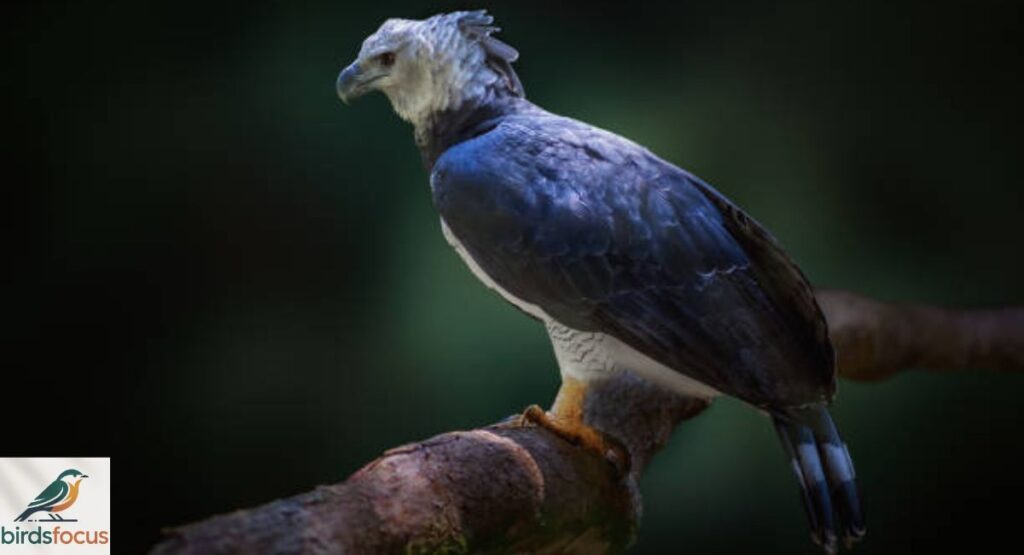
The Harpy Eagle ranks among the most powerful birds of prey in the world. It lives in tropical rainforests and uses massive talons to grab monkeys and sloths. Its wings are broad yet built for short forest flights. Many wildlife experts consider it a symbol of strength.
Hummingbird
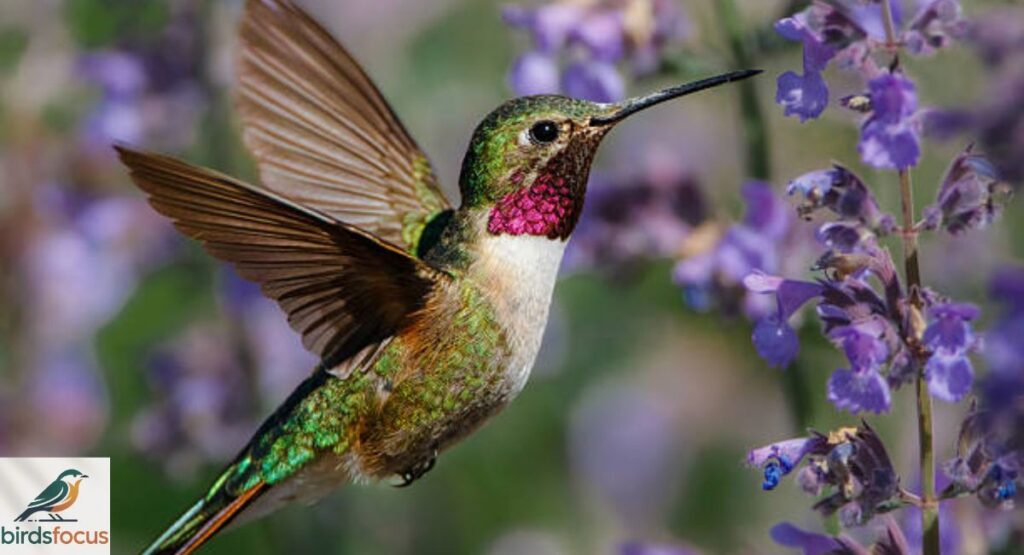
Hummingbirds are tiny birds known for their fast wingbeats and bright colors. You can often spot them hovering near flowers in American gardens. They feed on nectar and small insects. Their ability to fly backward makes them truly unique.
Hawk
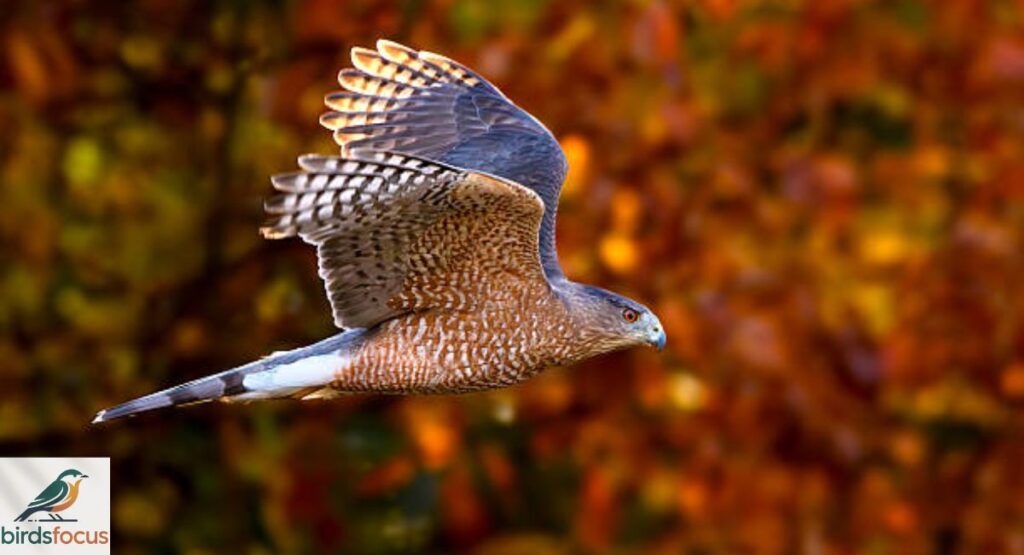
Hawks are sharp-eyed hunters found across the United States. They soar high above open fields and forests. With curved beaks and strong talons, they easily catch small mammals and birds. Farmers often appreciate hawks for controlling rodent populations.
Heron
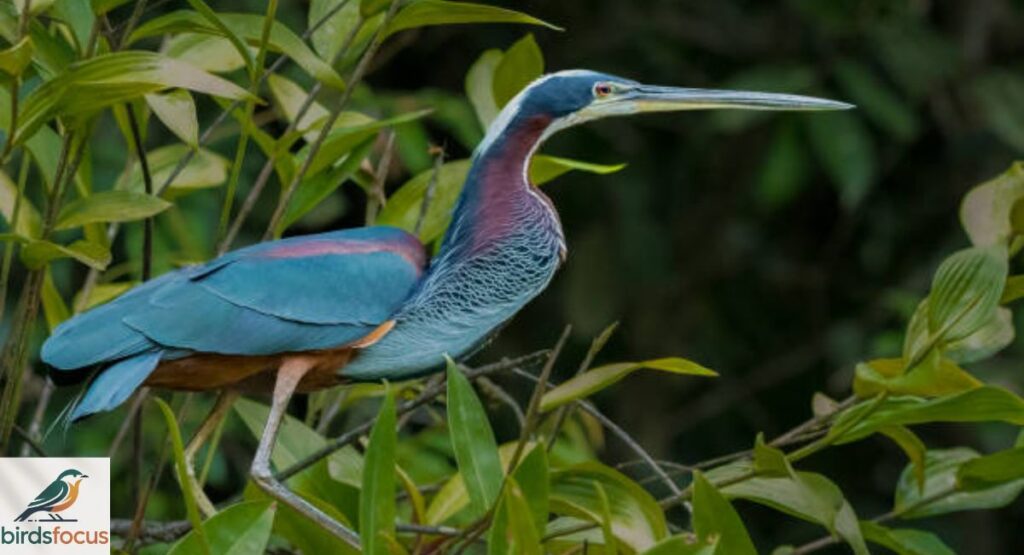
Herons are tall wading birds commonly seen in wetlands. They stand still for long moments before striking fish with lightning speed. Their long legs help them walk through shallow water. Great Blue Herons are especially common in North America.
Hornbill
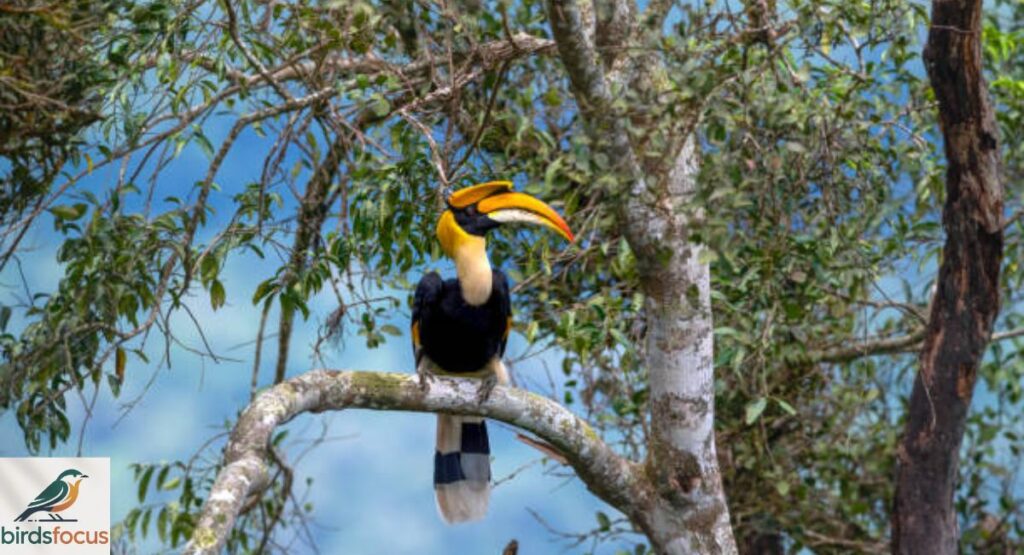
Hornbills live mostly in Africa and Asia. They have large curved bills, sometimes topped with a casque. These birds often nest in tree cavities. The female seals herself inside while raising chicks for protection.
Hoopoe
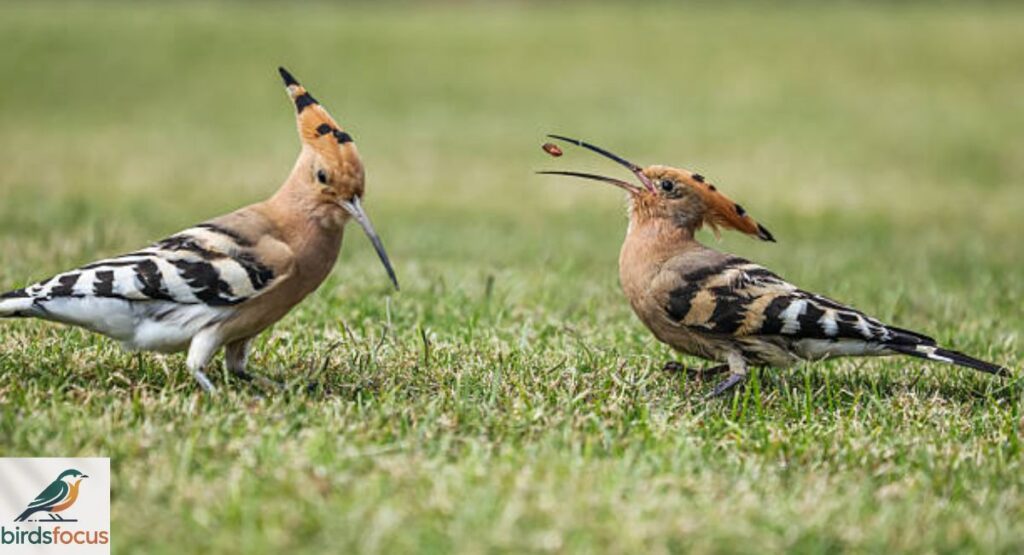
The Hoopoe stands out with its fan-shaped crest. It lives in open grasslands and feeds on insects. When threatened, it spreads its crest like a crown. Its call sounds like a soft “hoo-poo,” which inspired its name.
House Sparrow
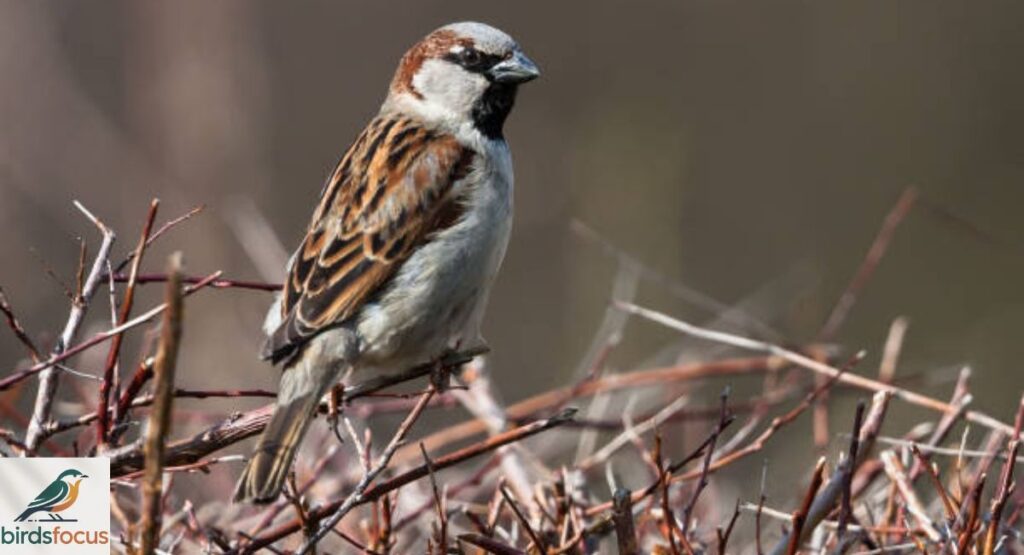
The House Sparrow thrives in cities and suburbs. It nests in buildings and feeds on grains and scraps. Originally from Europe, it now lives widely across the U.S. It adapts quickly to human environments.
House Finch
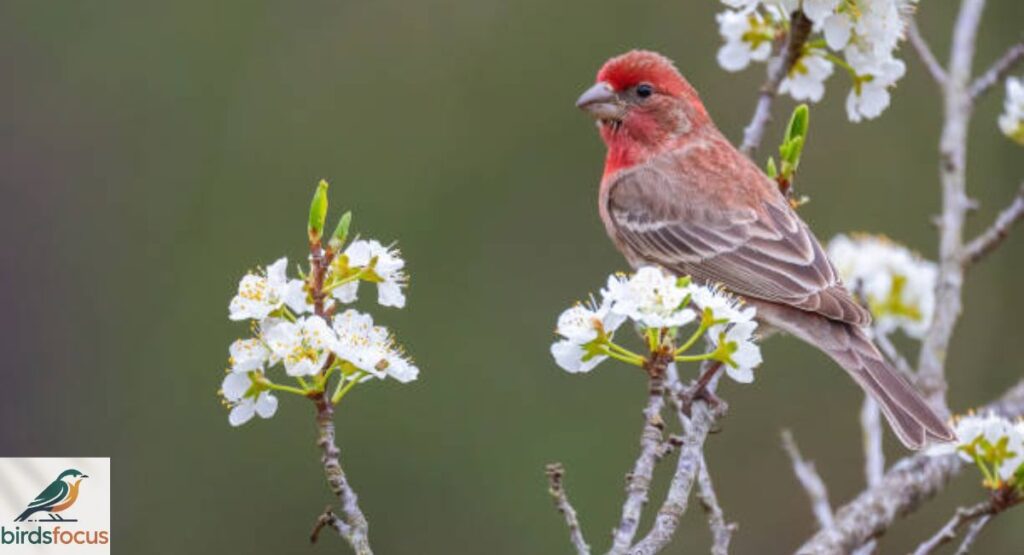
House Finches bring color to backyard feeders. Males display bright red faces and chests. They sing cheerful songs during breeding season. These birds prefer urban areas and open woodlands.
Hooded Oriole
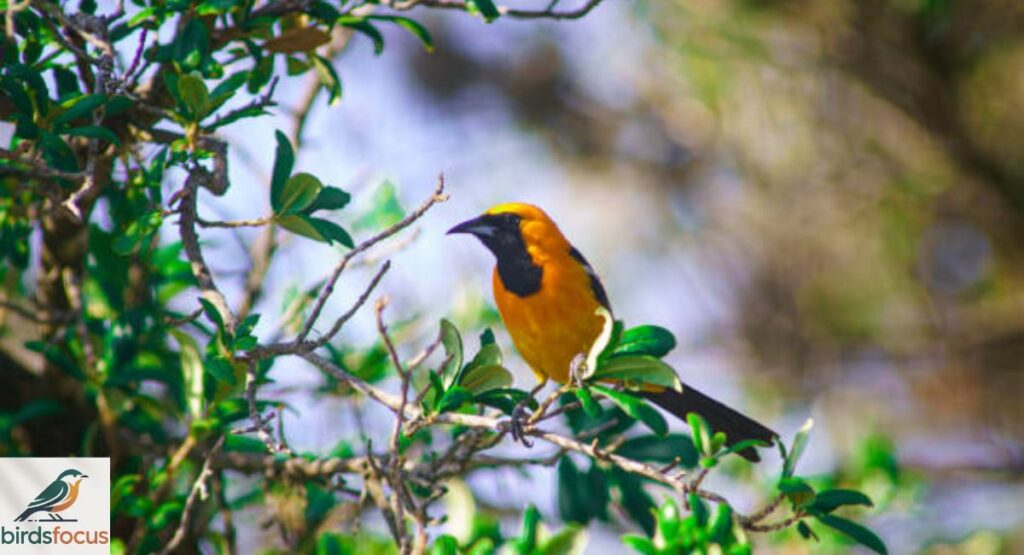
The Hooded Oriole lives mainly in the southwestern United States. Males glow with bright orange feathers and a black throat. They often build hanging nests in palm trees. Their whistles add music to warm summer mornings.
Harris’s Hawk
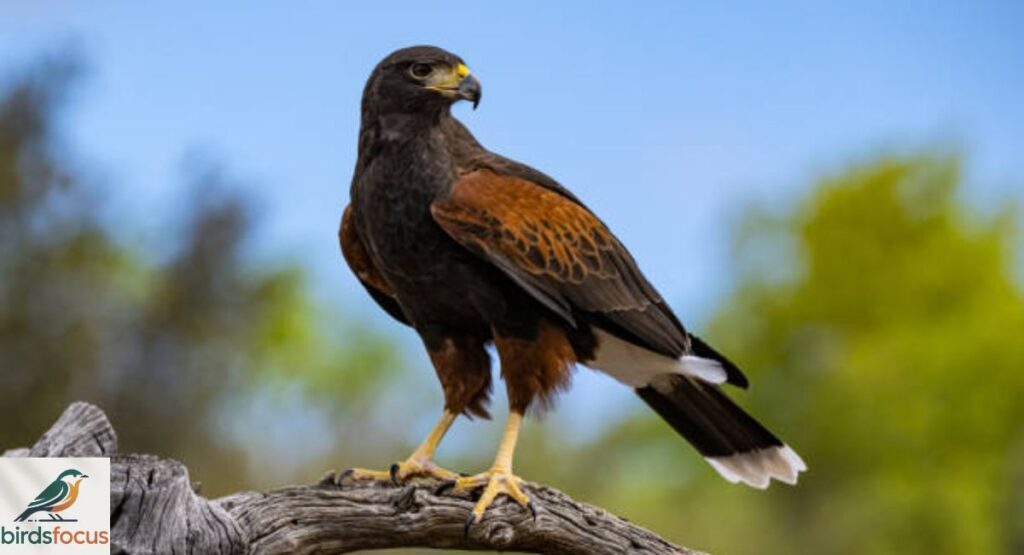
Harris’s Hawks are known for hunting in groups. This behavior is rare among birds of prey. They live in desert regions of the Southwest. Their teamwork increases hunting success.
Hawaiian Goose (Nene)
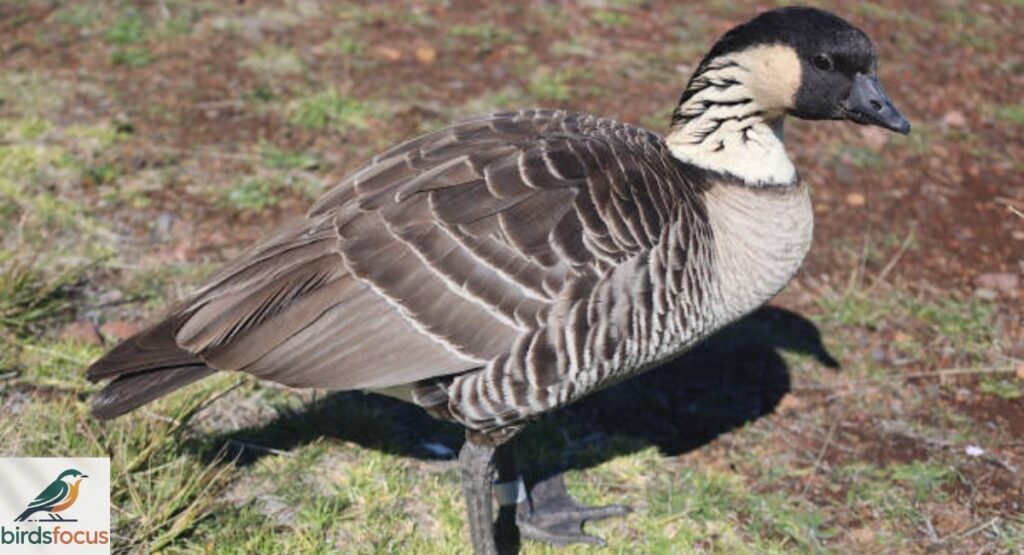
The Hawaiian Goose, also called Nene, is Hawaii’s state bird. It evolved from the Canada Goose long ago. Conservation efforts helped save it from near extinction. Today, small populations survive on the islands.
Hawaiian Hawk
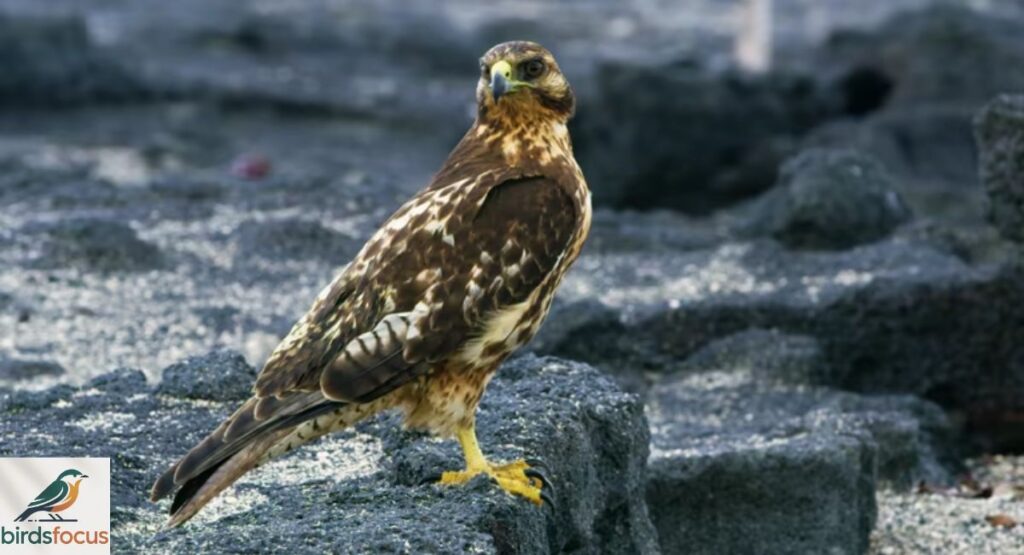
The Hawaiian Hawk is native only to Hawaii. Locals call it “ʻIo.” It hunts small birds and mammals in forested areas. Habitat loss has made it vulnerable.
Herring Gull
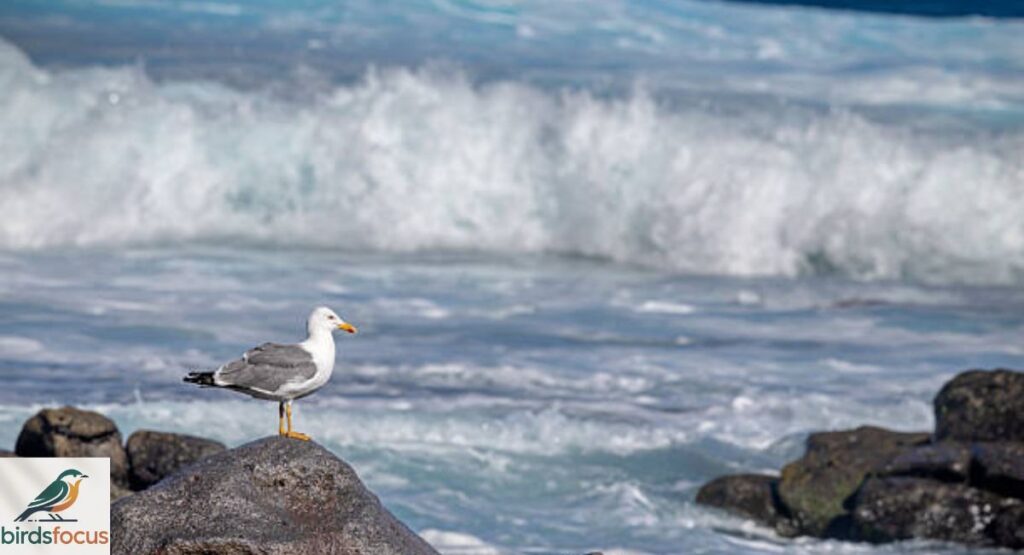
Herring Gulls are common along U.S. coastlines. They scavenge near beaches and fishing docks. Their loud calls often echo over the shore. These gulls adapt easily to human activity.
Heermann’s Gull
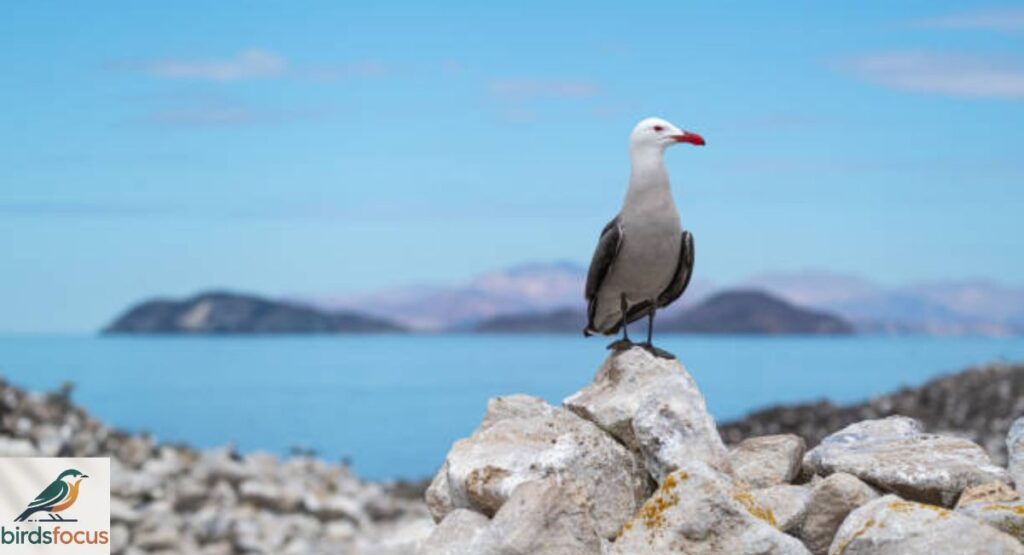
Heermann’s Gull has a gray body and red bill. It mainly lives along the Pacific Coast. Unlike many gulls, it often feeds at sea. Birdwatchers enjoy spotting its distinct coloring.
Hudsonian Godwit
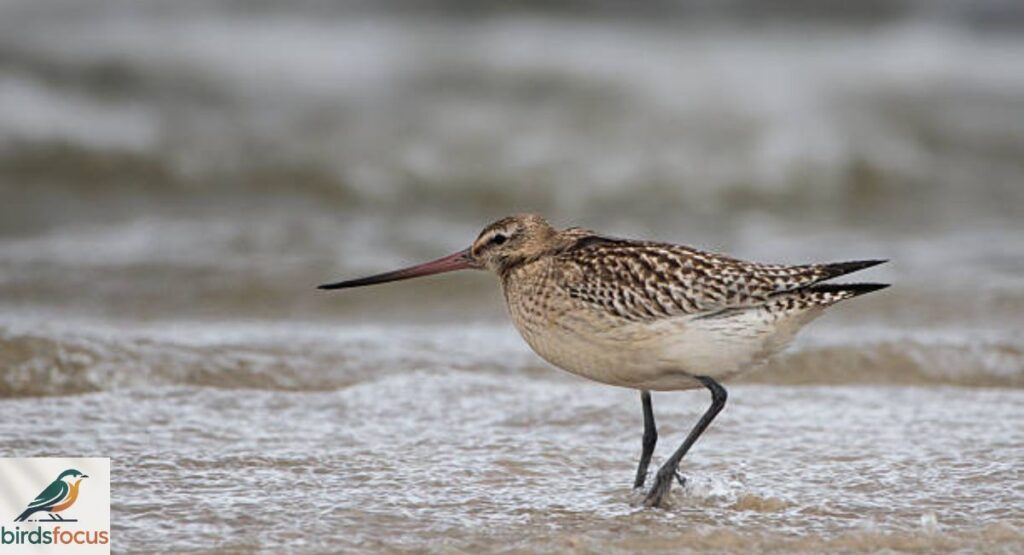
The Hudsonian Godwit is famous for long migrations. It travels from Arctic breeding grounds to South America. Its long bill helps it probe mud for food. During breeding season, it shows rich chestnut colors.
Horned Grebe
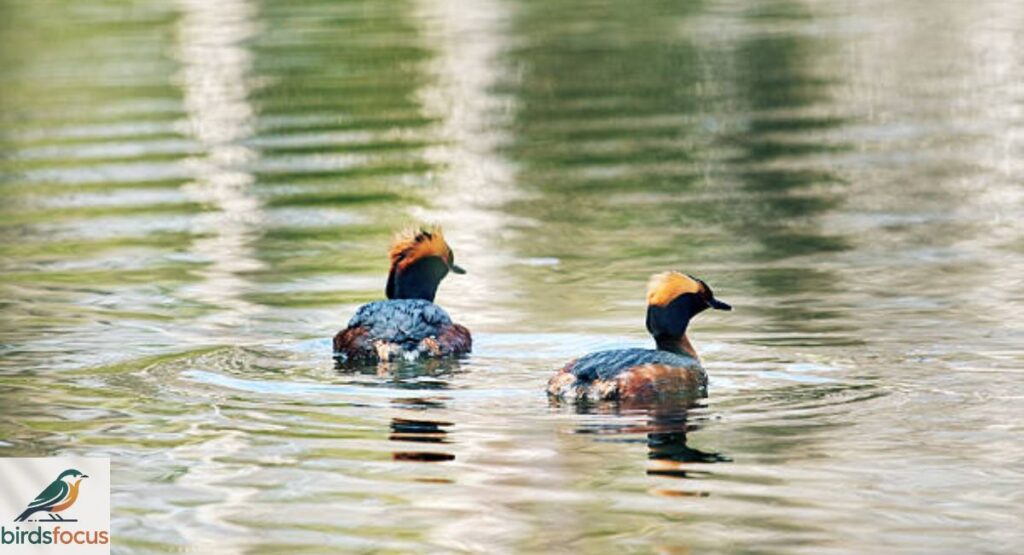
Horned Grebes breed in freshwater lakes. In winter, they move to coastal waters. During breeding season, they develop golden feather “horns.” They are strong divers.
Hooded Merganser
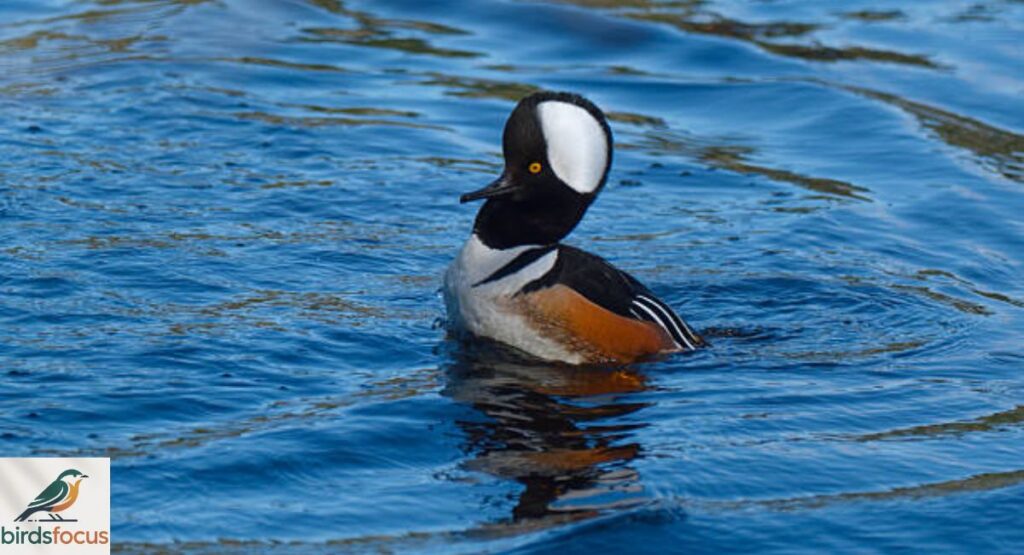
The Hooded Merganser is a striking duck. Males have a bold black-and-white crest. They dive underwater to catch fish. You can find them in wooded ponds and rivers.
Himalayan Vulture
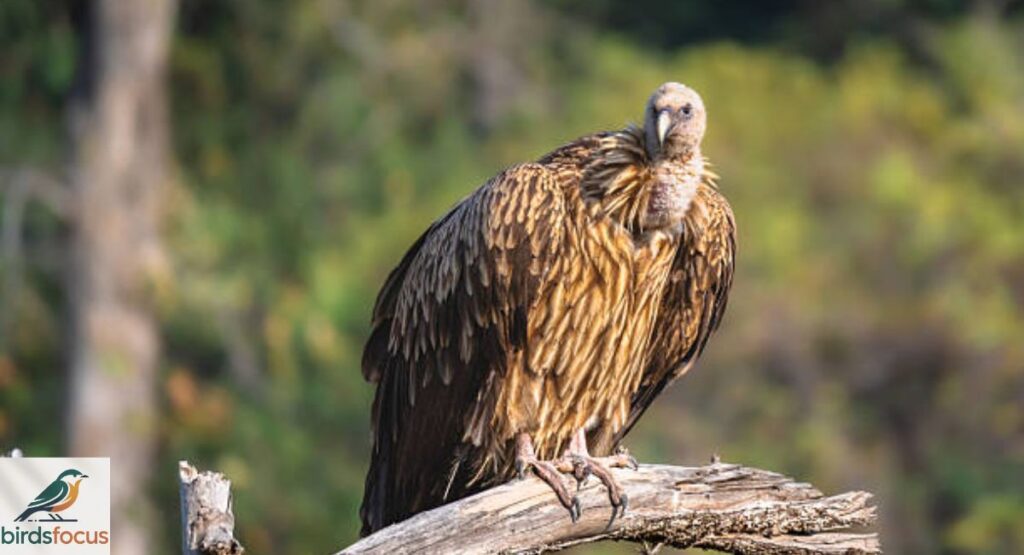
The Himalayan Vulture soars high in mountain regions. It feeds mainly on carrion. Its wide wings allow it to glide for hours. This bird plays an important role in cleaning ecosystems.
Houbara Bustard
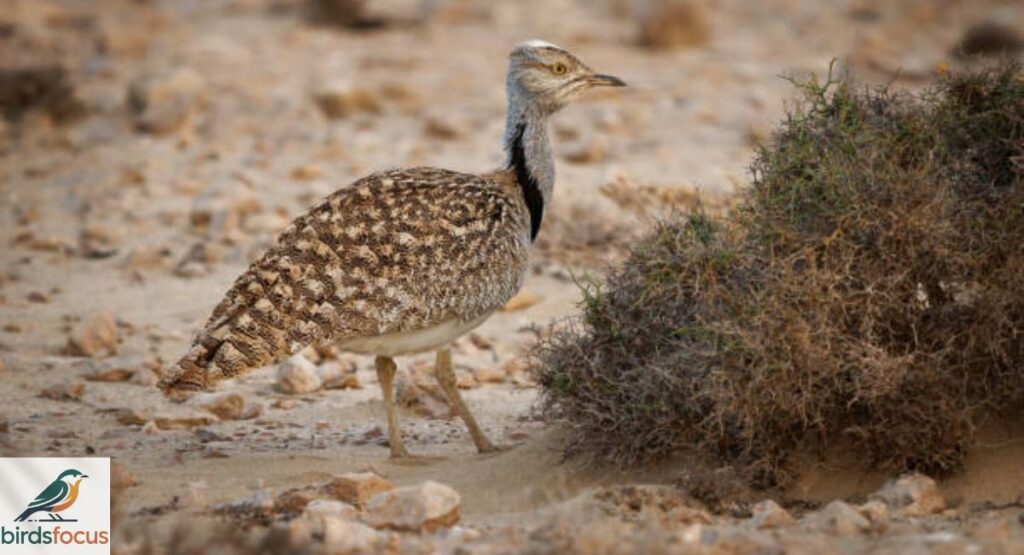
The Houbara Bustard lives in dry desert regions. It runs swiftly across open land. Males perform dramatic displays during mating season. Conservation groups monitor declining populations.
Horned Screamer
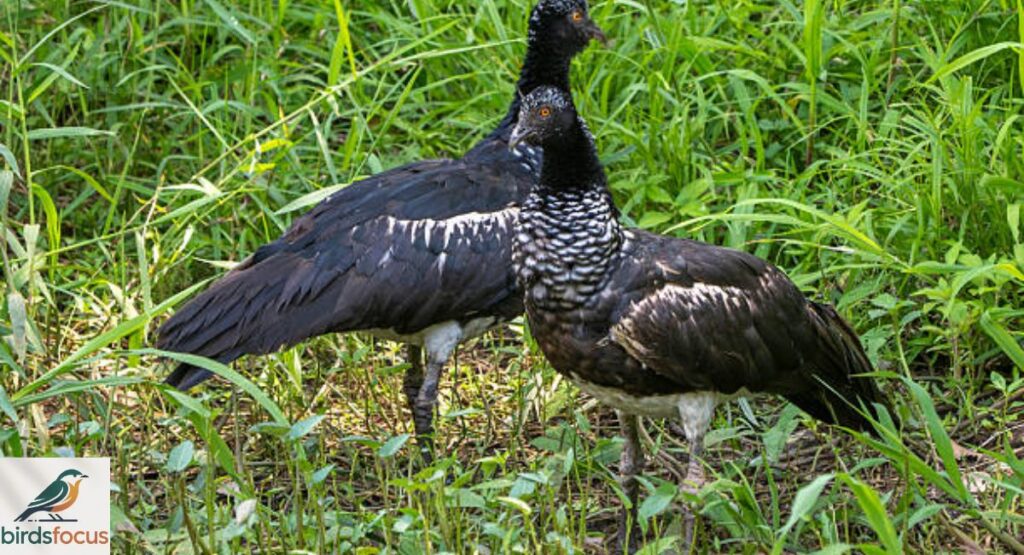
Horned Screamers inhabit South American wetlands. They have a small horn-like projection on their heads. Their loud calls can be heard from far away. Despite their size, they mainly eat plants.
Hyacinth Macaw
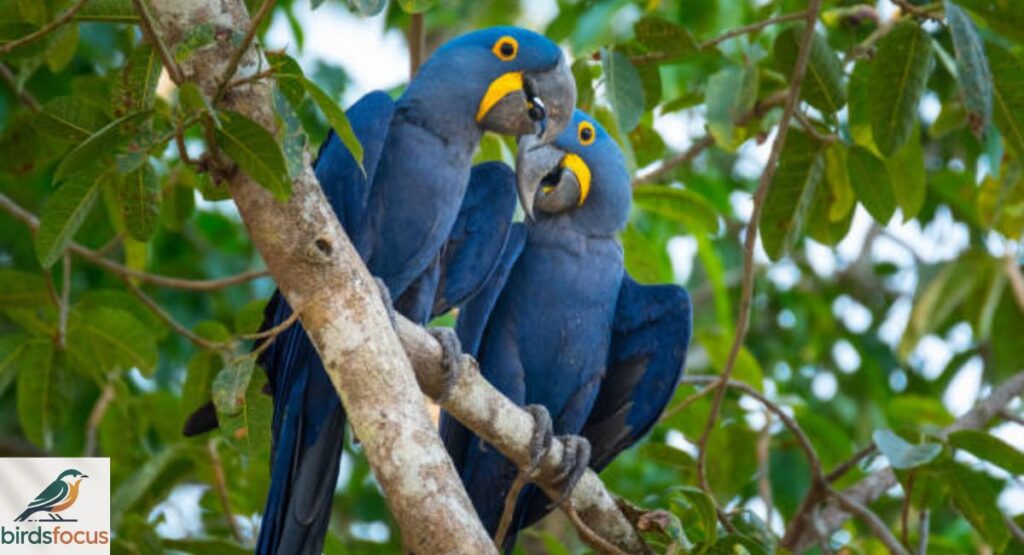
The Hyacinth Macaw is the largest flying parrot. Its deep blue feathers stand out vividly. It uses a powerful beak to crack tough nuts. Habitat loss threatens its survival.
Helmeted Guineafowl
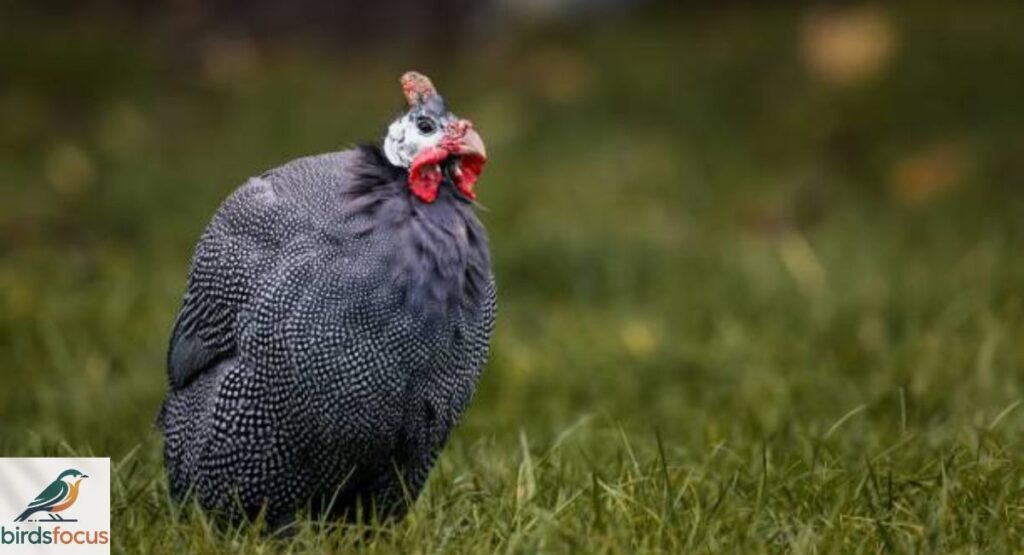
Helmeted Guineafowl have spotted feathers and a hard casque on their heads. They travel in noisy groups. Farmers sometimes keep them to control insects. They prefer open grasslands.
Hooded Crow
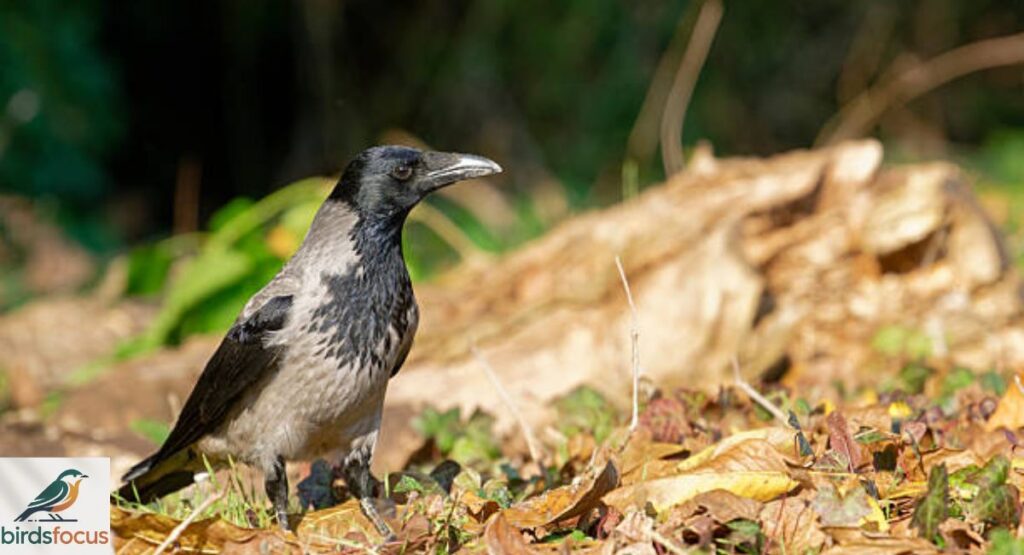
The Hooded Crow has gray and black plumage. It lives mostly in Europe and parts of Asia. Highly intelligent, it uses tools and solves problems. It adapts well to urban settings.
Hairy Woodpecker
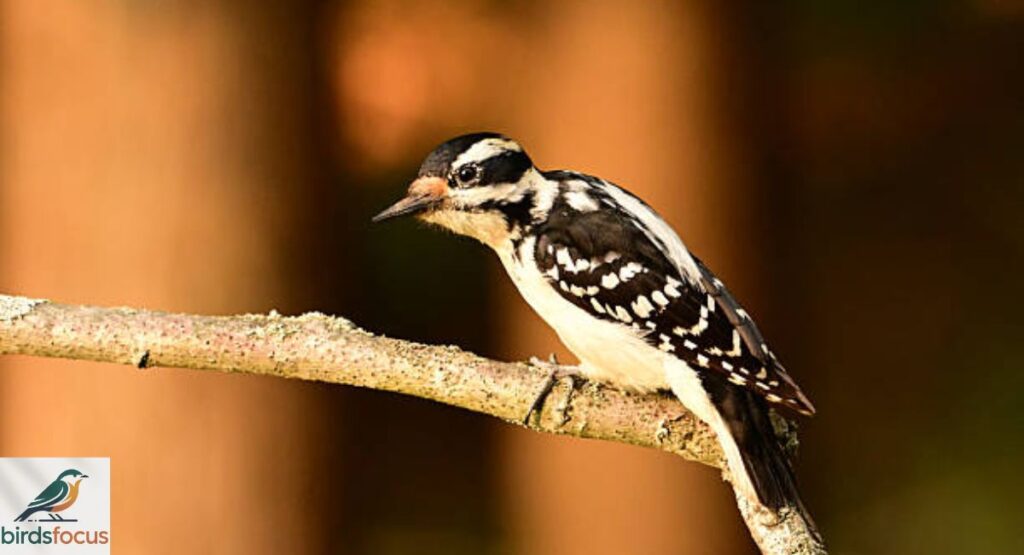
The Hairy Woodpecker lives in North American forests. It drills into tree bark to find insects. Its black-and-white feathers help with camouflage. You might hear its tapping before you see it.
Henslow’s Sparrow
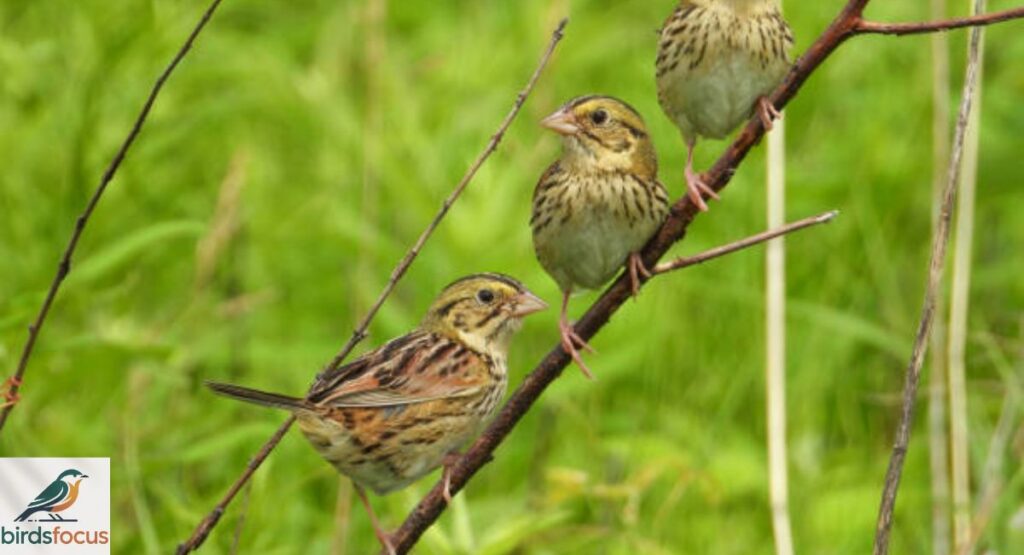
Henslow’s Sparrow prefers tall grass habitats. It sings a short, insect-like note. Because it hides well, spotting one feels special. Habitat loss affects its numbers.
Highland Tinamou
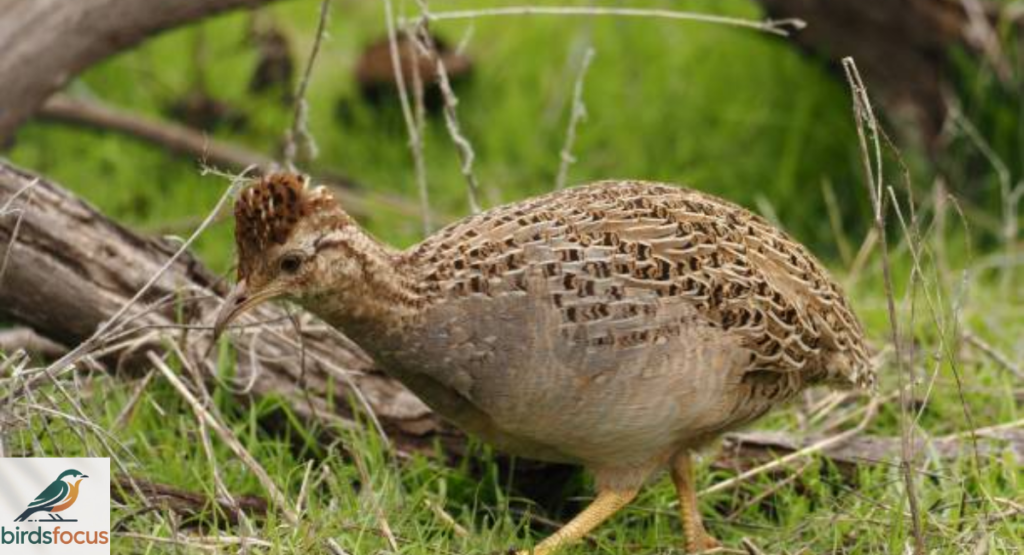
The Highland Tinamou lives in mountainous forests. It spends most of its time on the ground. Though capable of flight, it prefers walking. Its soft calls echo through forest understories.
Hook-billed Kite
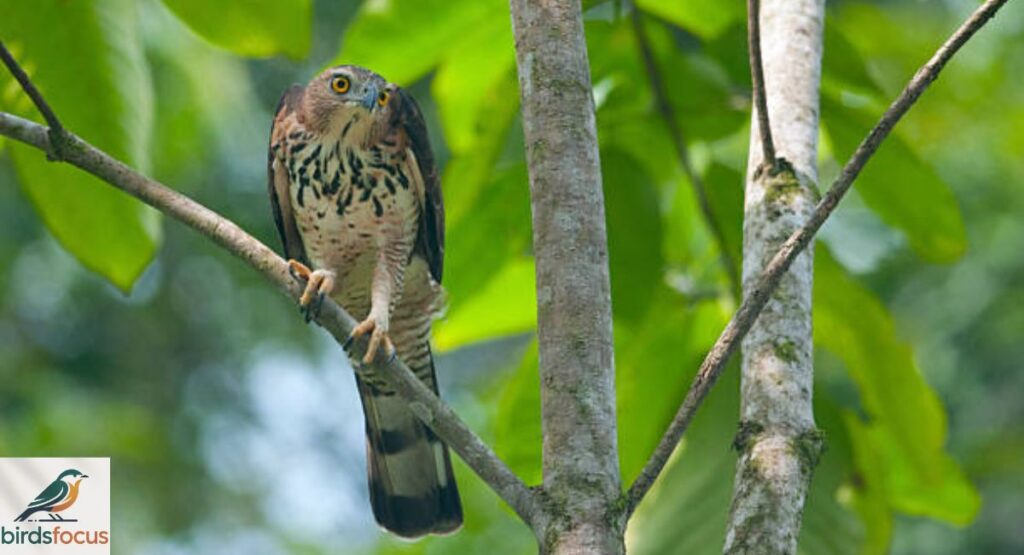
The Hook-billed Kite has a sharply curved beak. It specializes in eating snails. This unique diet shapes its bill structure. It lives in forested regions of the Americas.
Hawaiian Coot
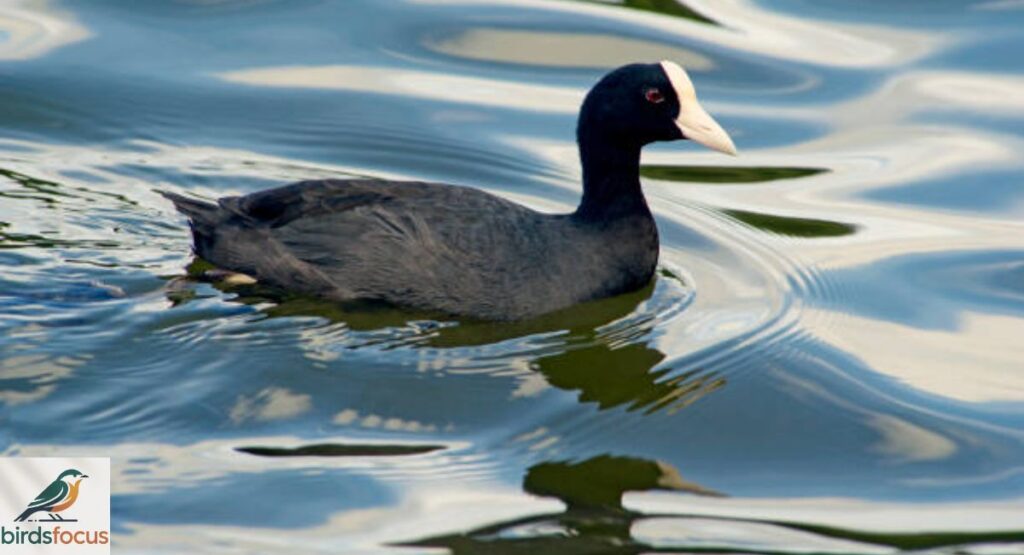
The Hawaiian Coot inhabits wetlands in Hawaii. It has a white shield on its forehead. Conservation programs protect its nesting sites. It feeds on aquatic plants and insects.
Hawaiian Stilt
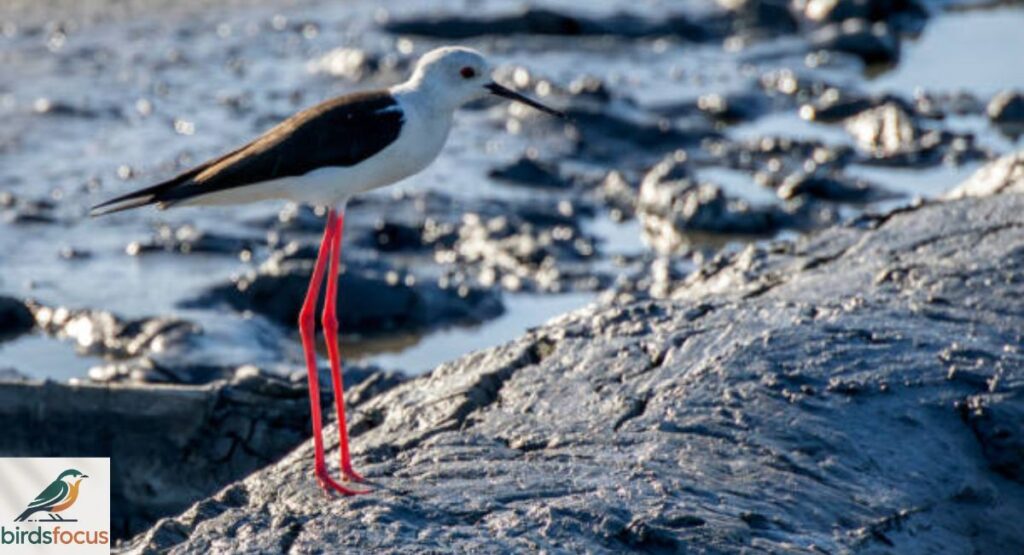
The Hawaiian Stilt has long pink legs. It wades through shallow marshes searching for food. This bird is endangered due to habitat loss. Efforts continue to protect its wetlands.
Horned Lark
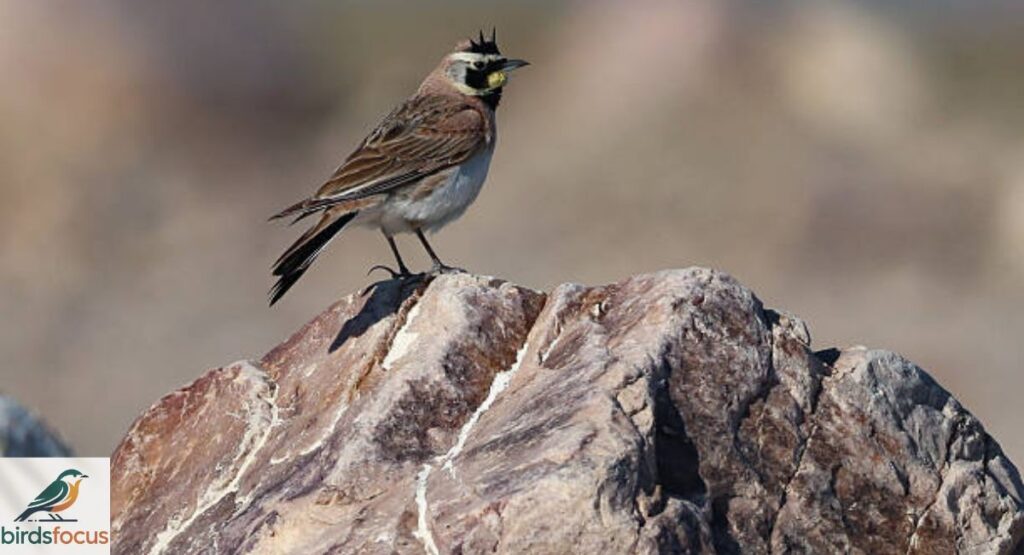
The Horned Lark lives in open fields and grasslands. Small feather tufts on its head look like horns. It nests directly on the ground. Its sweet song carries across wide plains.
| Bird Name | Main Habitat | Size Type | Notable Trait |
| Harpy Eagle | Tropical forest | Large | Massive talons |
| Hummingbird | Gardens, woodlands | Small | Hovering flight |
| Hawk | Open fields, forests | Medium-Large | Sharp eyesight |
| Heron | Wetlands | Medium-Large | Long legs |
| Hornbill | Tropical forests | Large | Large curved bill |
| Hoopoe | Grasslands | Medium | Crowned head |
| House Sparrow | Cities | Small | Urban survivor |
| House Finch | Suburbs | Small | Red face (male) |
| Hooded Oriole | Southwest U.S. | Small | Bright orange body |
| Harris’s Hawk | Southwest deserts | Medium | Hunts in groups |
| Hawaiian Goose | Hawaii | Medium | Endemic species |
| Hawaiian Hawk | Hawaii forests | Medium | Island predator |
| Herring Gull | Coasts | Medium | Loud calls |
| Heermann’s Gull | Pacific Coast | Medium | Gray body |
| Hudsonian Godwit | Wetlands | Medium | Long migration |
| Horned Grebe | Lakes | Small-Medium | Red eye patch |
| Hooded Merganser | Freshwater | Medium | Fan-shaped crest |
| Himalayan Vulture | Mountains | Large | Wide wingspan |
| Houbara Bustard | Desert | Large | Ground runner |
| Horned Screamer | Wetlands | Large | Loud cry |
| Hyacinth Macaw | Tropical | Large | Blue feathers |
| Helmeted Guineafowl | Grasslands | Medium | Speckled body |
| Hooded Crow | Europe/Asia | Medium | Gray-black plumage |
| Hairy Woodpecker | Forest | Small-Medium | Strong beak |
| Henslow’s Sparrow | Grasslands | Small | Secretive |
| Highland Tinamou | Mountains | Medium | Ground bird |
| Hook-billed Kite | Forest | Medium | Snail eater |
| Hawaiian Coot | Wetlands | Medium | White forehead |
| Hawaiian Stilt | Marshes | Medium | Pink legs |
| Horned Lark | Fields | Small | Tiny “horns” |
This wide mix shows how birds that start with H cover almost every ecosystem you can imagine. From backyard feeders to remote Hawaiian marshes, these birds fill many roles in nature.
Popular & Well-Known H Birds
When people think of birds that start with H, a few instantly come to mind. The Hawk stands out with fierce eyes and silent flight. It controls rodent populations across farms and grasslands. The Heron waits patiently in wetlands before striking fish in one swift move. Meanwhile, the Hummingbird zips through gardens like a flying jewel. It beats its wings up to 80 times per second. That’s faster than your eye can track.
Urban areas also host familiar H birds. The House Sparrow thrives in busy cities. It adapts quickly and nests in small gaps in buildings. The House Finch brings cheerful red flashes to backyard feeders. These common H birds show how wildlife adapts to human spaces. If you watch closely, you’ll see that each species fills a job in the ecosystem.
Beach & Water Birds That Start With H
Head to the coast and you’ll find more birds that start with H living near water. The Herring Gull patrols beaches and docks. It scavenges boldly and rarely backs down. The Hudsonian Godwit travels thousands of miles between Arctic breeding grounds and South American coasts. That migration ranks among the longest in the bird world.
Freshwater habitats add even more variety. The Hooded Merganser dives underwater to catch fish with its serrated bill. The Horned Grebe builds floating nests anchored to plants. These beach birds that start with H and wetland species keep aquatic ecosystems balanced. They control fish populations and recycle nutrients along shorelines.
Big Birds That Start With H
Some big birds that start with H look almost prehistoric. The Harpy Eagle rules tropical forests with talons as large as a grizzly bear’s claws. Though not native to the continental U.S., it fascinates American birders. The Himalayan Vulture soars at extreme altitudes. It rides thermal winds with a wingspan that stretches over nine feet.
The Hyacinth Macaw shines bright blue against green forests. It cracks open hard palm nuts with a beak strong enough to snap wood. These large H bird species show nature’s power and color. Their size often places them high in the food chain where they shape entire ecosystems.
Unique & Lesser-Known H Bird Species
Not every bird that starts with H gets attention. The Henslow’s Sparrow hides in tall grasses across parts of the Midwest. Its soft song sounds like a quick hiccup. The Hook-billed Kite specializes in eating tree snails. Its curved beak fits that job perfectly.
Island species like the Hawaiian Goose and Hawaiian Hawk face habitat loss and invasive predators. Conservation programs in Hawaii work hard to protect them. These unique H bird species remind us that biodiversity depends on careful management. Even lesser-known birds play vital roles in their habitats.
Quick Facts About H Birds
Among all birds that start with H, the Hummingbird ranks as the smallest. Some species measure just three inches long. The Harpy Eagle stands among the strongest forest raptors on Earth. The Hudsonian Godwit completes a migration of over 9,000 miles. That’s like flying from New York to Buenos Aires without stopping.
Here’s a quick comparison table for clarity.
| Category | Bird | Fact |
| Smallest | Hummingbird | Weighs less than a nickel |
| Largest Wingspan | Himalayan Vulture | Over 9 feet |
| Longest Migration | Hudsonian Godwit | 9,000+ miles |
| Strongest Grip | Harpy Eagle | Talons larger than a bear’s claws |
These facts show how birds that start with H range from tiny flyers to giant sky rulers.
Fun Facts Section
Did you know a Hummingbird’s heart can beat over 1,200 times per minute during flight? Or that Harris’s Hawks sometimes hunt in family groups like wolves? Even the humble Horned Lark survives harsh winters by fluffing its feathers like a living coat. These fun bird facts make learning about H bird species exciting and memorable.
Conclusion
Exploring birds that start with H shows you how diverse nature really is. From the tiny hummingbird to the powerful harpy eagle, each species plays a role in its ecosystem. Some live in American backyards, while others thrive in distant forests or coastal wetlands. Together, these H bird species reflect the beauty and balance of the natural world.
As you’ve seen, these birds aren’t just names on a list. They migrate, hunt, sing, and survive in unique ways. When you step outside, keep an eye out. You might spot one of these bird names that start with H sooner than you think.
FAQs
1. What is the most common bird that starts with H in the USA?
The House Sparrow and Hawk are among the most common birds that start with H in the United States.
2. What is the smallest bird that starts with H?
The Hummingbird is the smallest bird that starts with H and one of the smallest birds in the world.
3. Are there any endangered birds that start with H?
Yes, the Hawaiian Goose and Hawaiian Stilt face threats due to habitat loss and conservation challenges.
4. Which big bird that starts with H has the largest wingspan?
The Himalayan Vulture has one of the largest wingspans among big birds that start with H.
5. Do beach birds that start with H live only near oceans?
No, some like the Hooded Merganser and Horned Grebe also live near freshwater lakes and rivers.

Welcome to birdsfocus! I’m Anam Sattar, an AI Powered SEO, and Content Writer with 4 years of experirnce.
I help websites rank higher,grow traffic, and look amazing. My goal is to make SEO and web design simple and effective for everyone.
Let’s achieve more together!